Photos from current listings. Actual item, color, and included accessories may vary.
Kitty Litter Box With Lid Buying Guide
A kitty litter box with a lid is an enclosed waste station that traps odor and contains scatter, with the primary trade-off being between airflow/accessibility and odor/urine containment. Durable options use rigid PP or ABS plastic with secure lid latches and carbon or HEPA filtration, while compromises rely on thin, flexible walls and weak lid seams that warp or leak within months.

At a glance
- Category
- Pet Food, Treats & Litter
- Data updated
- Nov 18, 2026
Current offers
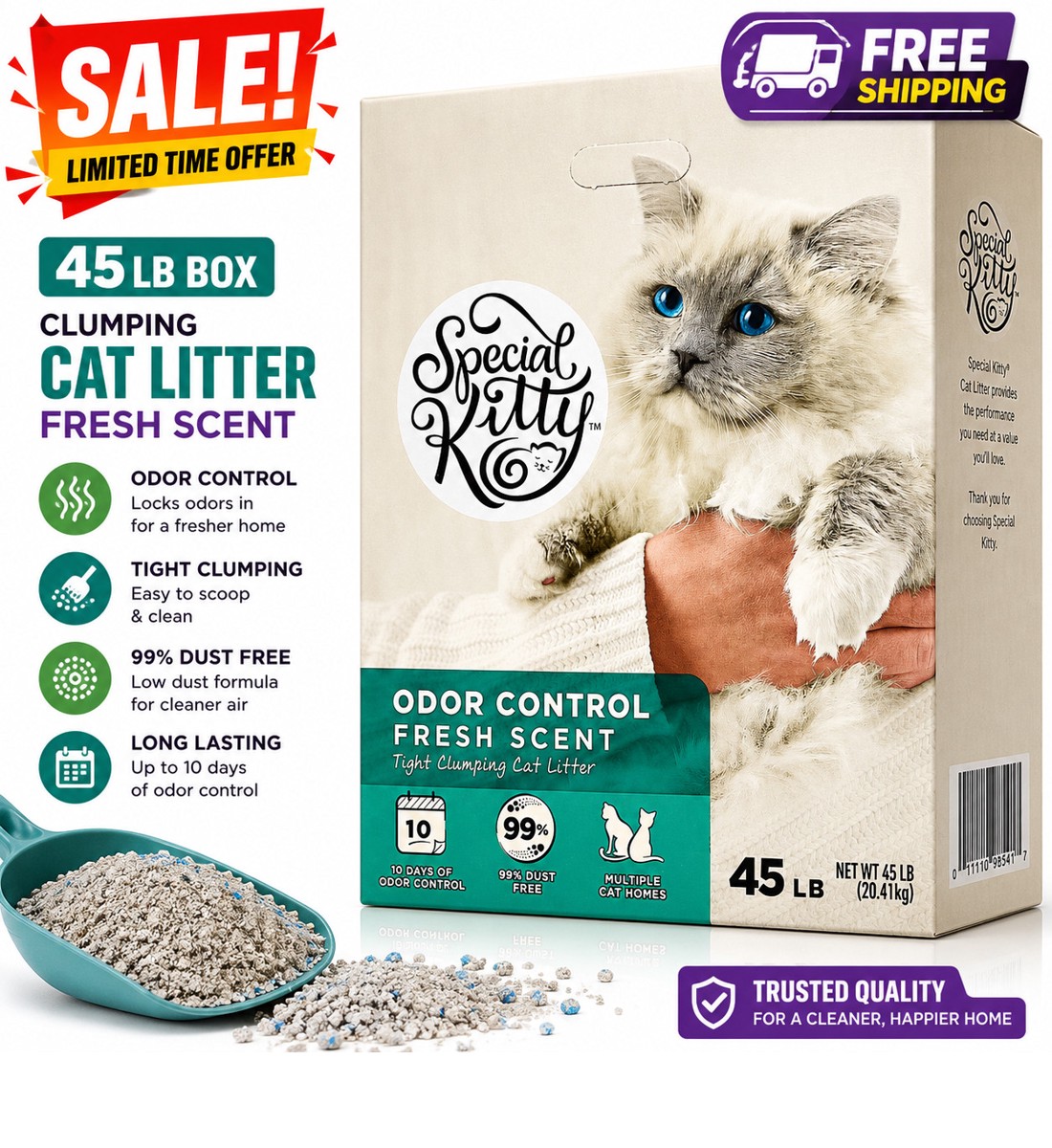 Special Kitty Clumping Clay Cat Litter, Fresh Scent, 45 lb Box, 1 Count$15.12
 View on eBay
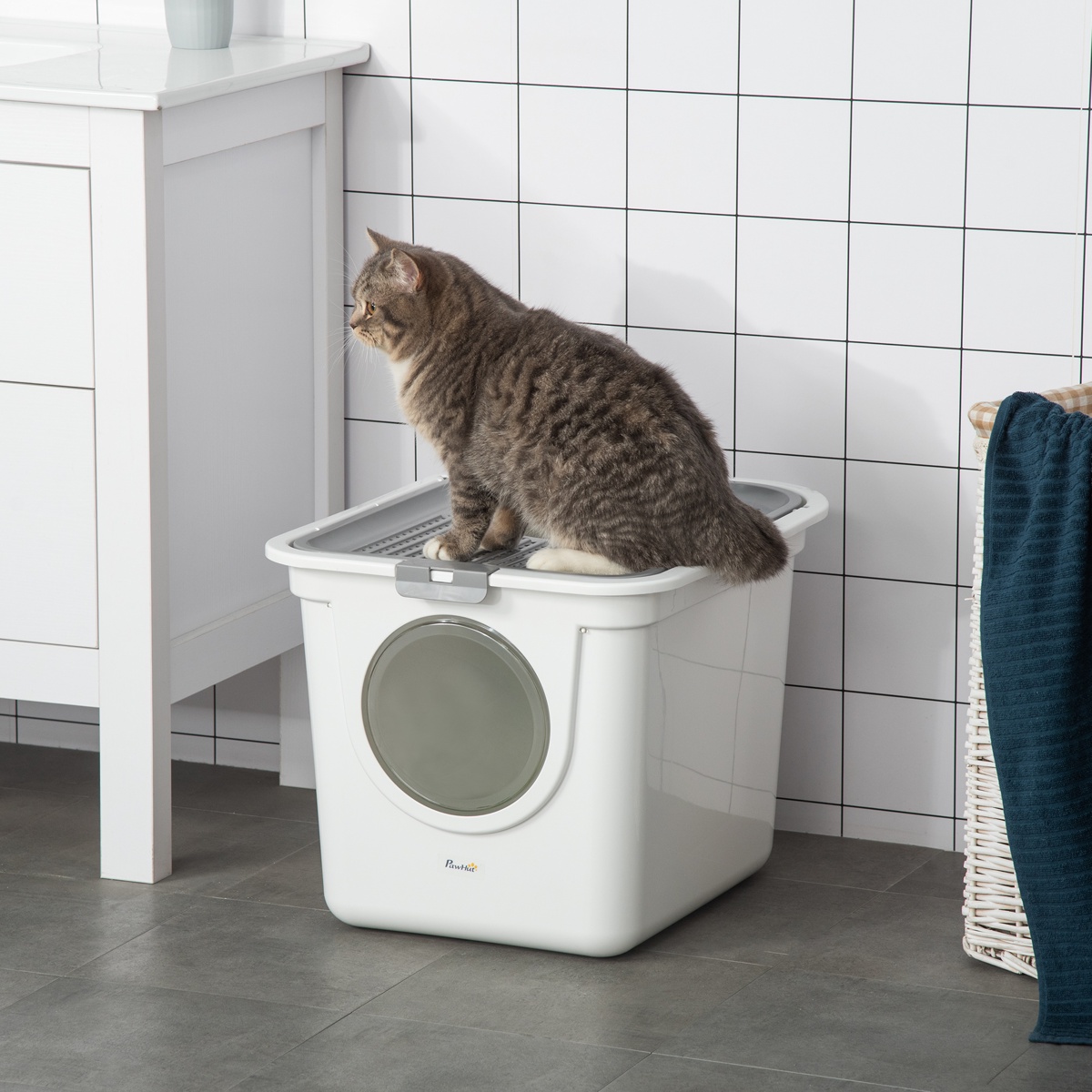 Covered Cat Litter Box, Easy Cleaning Kitty Box with Front Entrance, Top Exit, Scoop, for Odor Control, White$56.99
 View on Mallflare
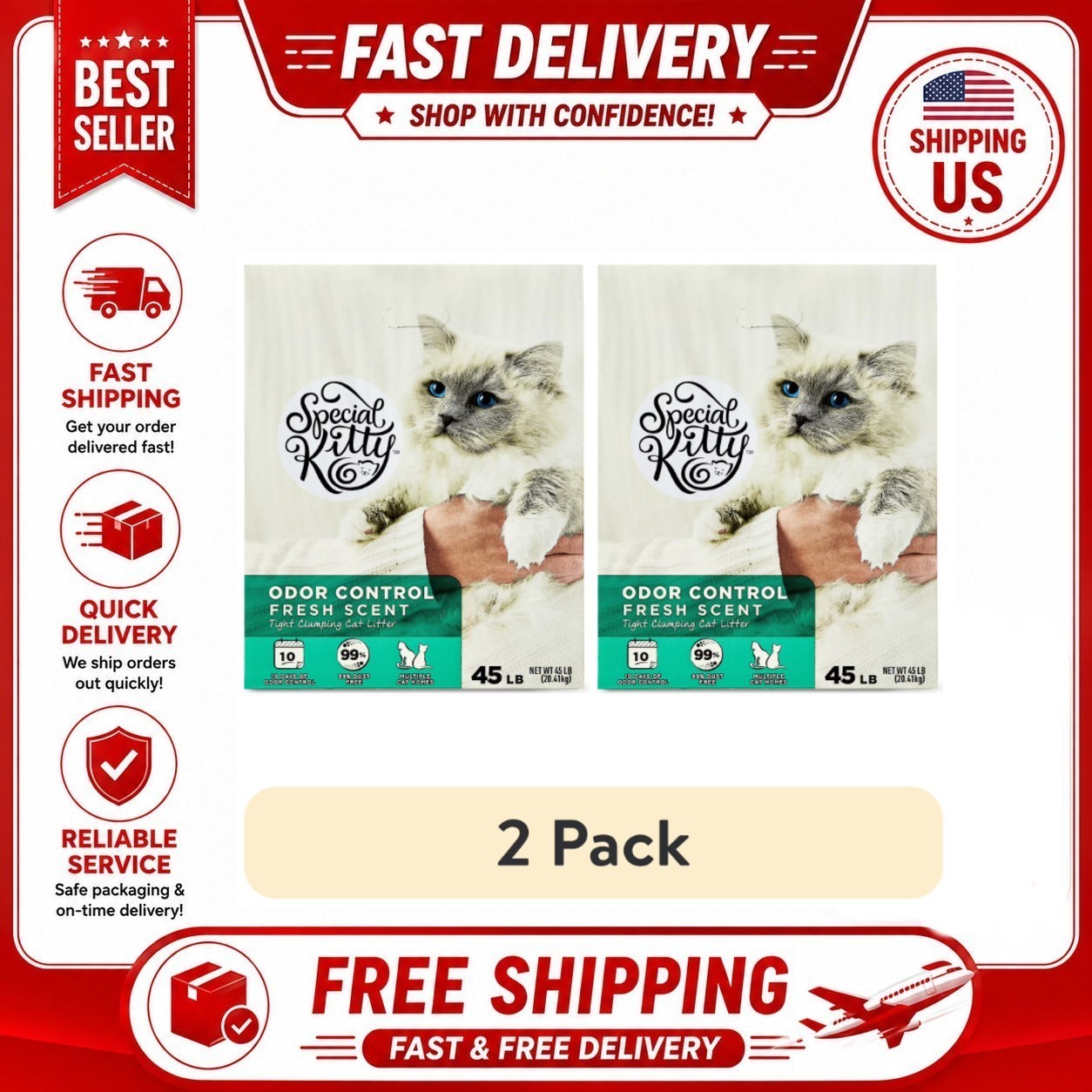 (2 pack) Special Kitty Clumping Clay Cat Litter, Fresh Scent, 45 lb Box, 1 Count$20.80View on eBay
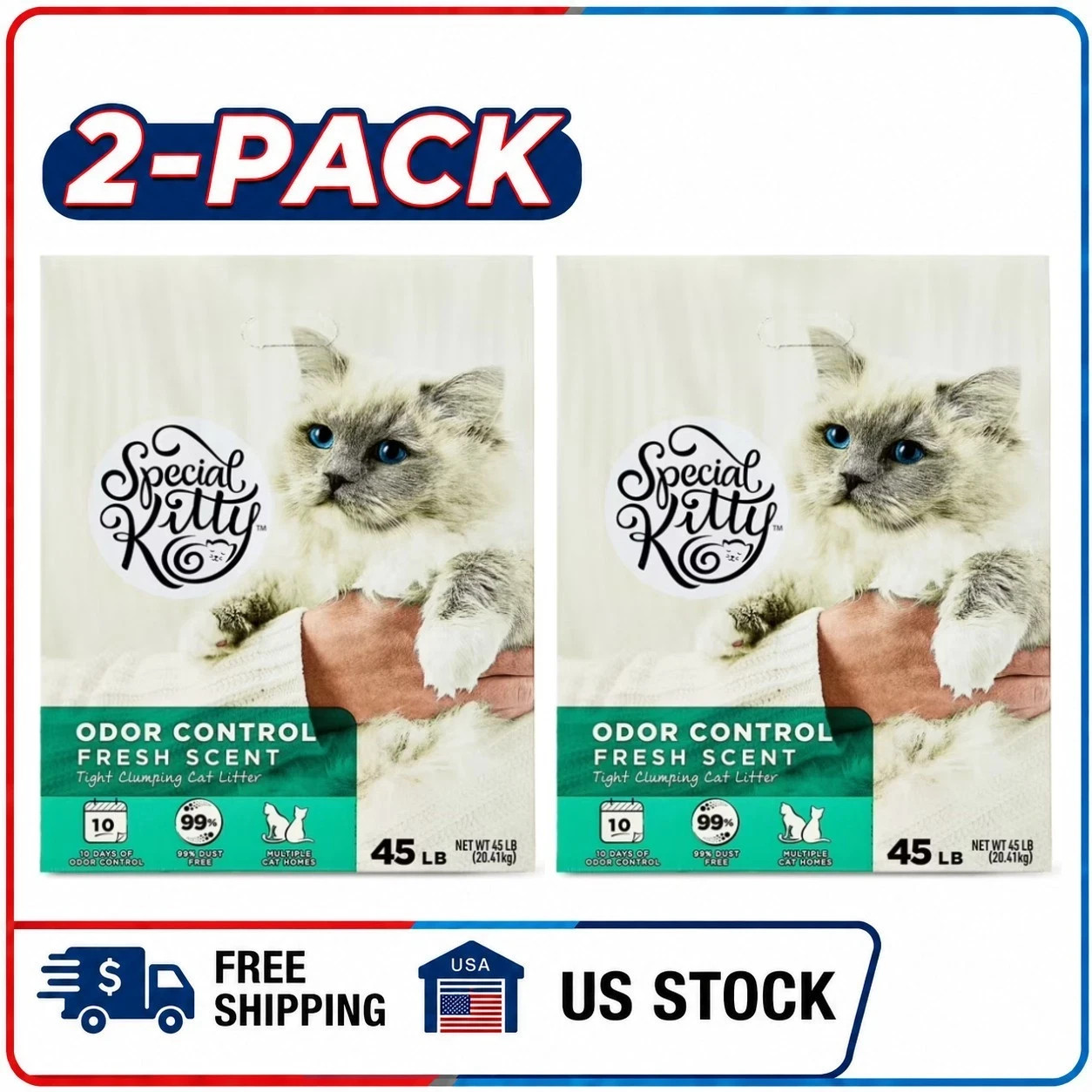 (2 pack) Special Kitty Clumping Clay Cat Litter, Fresh Scent, 45 lb Box, 1 Count$20.88View on eBay
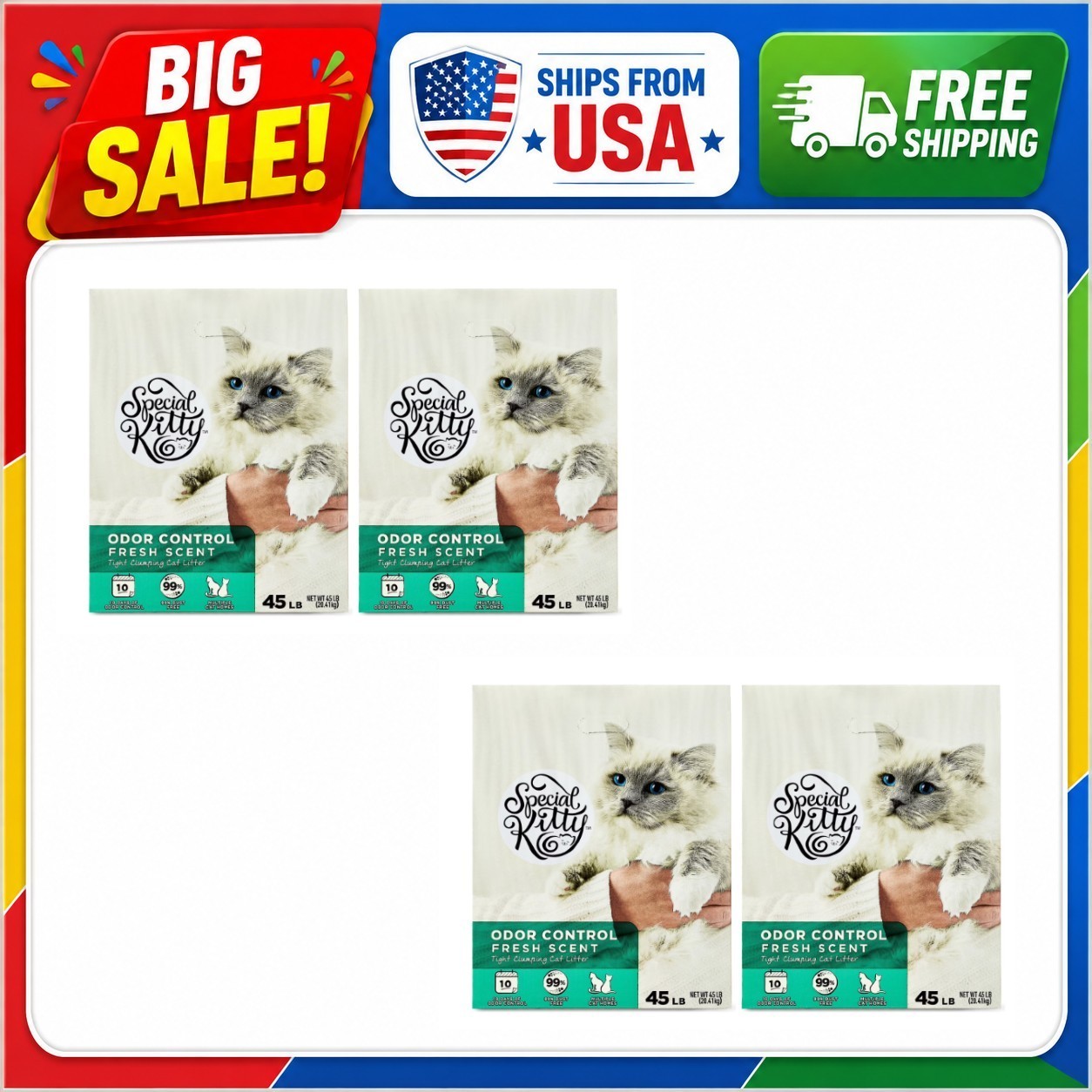 4 Pack Special Kitty Fresh Scent Clumping Clay Cat Litter 45 lb Box (180 lbs)$45.17View on eBay
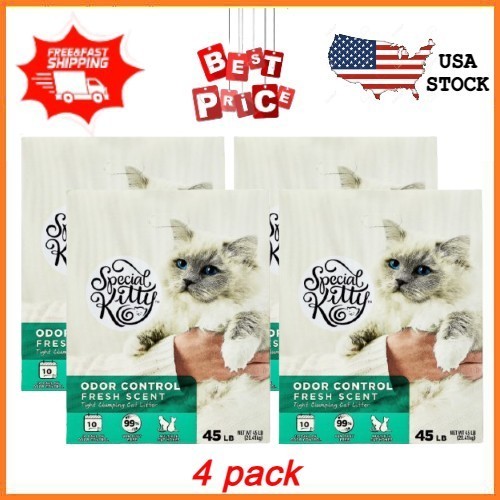 NEW (4 pack) Special Kitty Clumping Clay Cat Litter, Fresh Scent, 45 lbs Box$47.28View on eBay
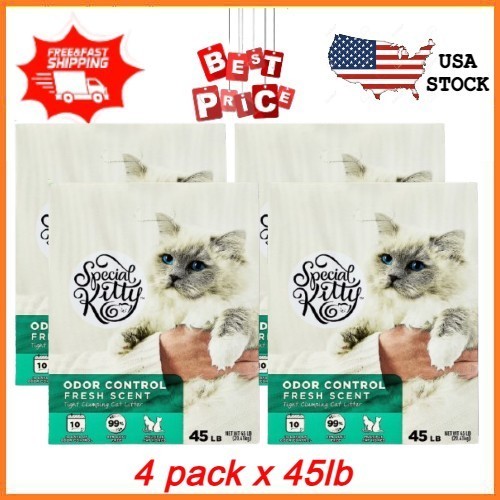 NEW 4 pack Special Kitty Clumping Clay Cat Litter, Fresh Scent, 45 lbs Box$47.59View on eBay
Highlights
- Hooded boxes use either a top-exit or front-door configuration; top-exit models reduce tracking but require a 17–20 in entry height and a lid that locks to the base.
- Rigid PP or ABS walls at 2–3 mm thickness resist scratching and odor absorption; thin 1–1.5 mm walls flex, crack at hinge points, and harbor bacteria in micro-scratches.
- Odor control depends on a sealed lid gasket plus carbon or zeolite filter—unsealed lids with simple snap tabs let ammonia escape and defeat the enclosure.
- High-sided bases with a 6–8 in rim and a scoop holder integrated into the lid reduce litter spill and keep the scoop off the floor.
Best use cases
- Best fit: multi-cat households needing odor containment—choose a large hooded box (interior ≥ 18 L × 15 W in) with a gasketed lid and carbon filter; skip open pans and small hooded units under 16 in interior length.
- Best fit: cats that stand to urinate or track heavily—pick a top-exit hooded box with a textured lid ramp and high base rim; skip front-door-only hoods that let urine leak at the door seam.
- Wrong fit: kittens under 6 months or senior cats with mobility issues—use a low-entry open pan or a hooded box with a removable front flap and 5 in entry height; skip top-exit models that require jumping.
- Best fit: small apartments—choose a hooded box with a built-in filter and compact footprint (≤ 24 L × 18 W in); skip oversized hoods that crowd tight bathrooms and block door clearance.
Buying tips
- Measure your cat nose-to-tail base length and add 4–6 in; the interior floor must be at least 1.5× the cat’s body length for comfortable turning.
- Choose a lid that locks to the base with at least four tab latches or side clips; snap-on lids with two tabs pop open when cats push off the top exit.
- Opt for a carbon or zeolite filter slot in the lid and replace the filter every 3–4 weeks; filters without a sealed housing are ineffective.
- Match litter depth to 2–3 in of clumping clay; hooded boxes need a base rim at least 6 in high to prevent urine wicking into the lid seam.
Specs
| Lid Type | Top-exit vs front-door hooded |
|---|---|
| Wall Thickness | 2–3 mm rigid PP/ABS |
| Odor Filter | Carbon or zeolite pad slot |
| Entry Height | 5–8 in front / 17–20 in top |
Related searches
What to check before buying
- Measure the bathroom or laundry footprint and door swing; hooded boxes typically need 24–30 in of clear width and 20–24 in of depth.
- Check floor type: on carpet, add a litter mat under the entry; on tile, ensure the base has non-slip feet to prevent sliding when the cat jumps out.
- Confirm the lid filter type and whether replacement filters are standard carbon pads (cut-to-fit) or proprietary cartridges; standard pads are easier to source.
- Verify the scoop stores in the lid or side clip and that the lid fully removes for deep cleaning without unscrewing hinges.
FAQ
Data sources: eBay / Amazon listings and product attribute feeds Data updated Nov 18, 2026.
Some links on this page are affiliate links. If you buy after clicking one, we may earn a commission at no extra cost to you. This does not change which products appear here or their order. Affiliate disclosure.