Photos from current listings. Actual item, color, and included accessories may vary.
Dry Cat Food Buying Guide
Dry cat food is a shelf-stable kibble diet formulated to meet AAFCO nutrient profiles, where the core trade-off is ingredient quality and protein source versus cost and carbohydrate load. Durable, health-supporting options lead with named animal proteins and controlled mineral levels, while budget lines lean on corn, wheat, and by-product meals. The decision rule: match kibble size, protein tier, and mineral profile to your cat's life stage and urinary risk rather than buying on flavor alone.


At a glance
- Category
- Pet Food, Treats & Litter
- Data updated
- Nov 18, 2026
Current offers
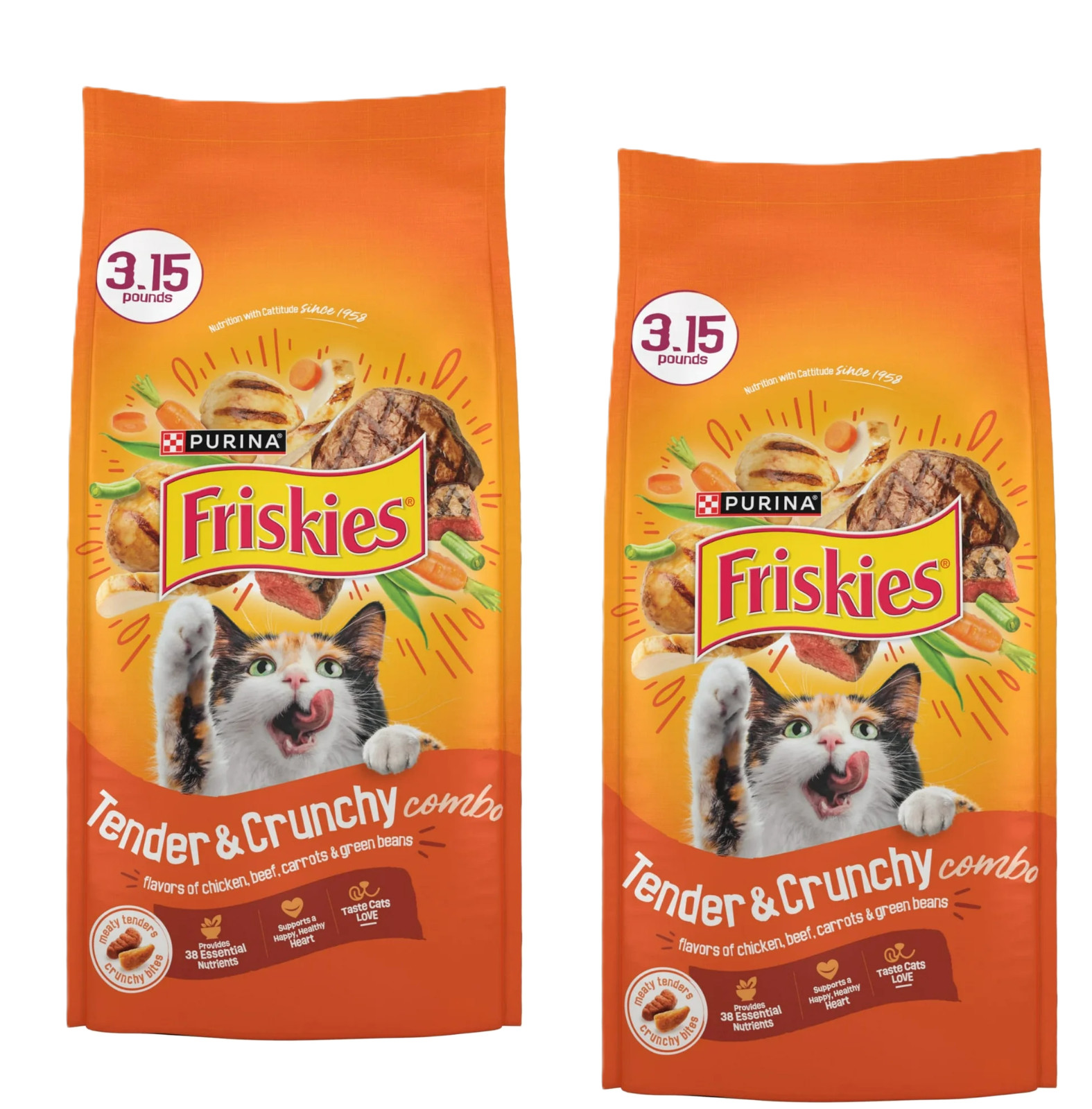 Purina Friskies Tender & Crunchy Dry Cat Food Chicken Beef 3.15 lb 2 Pack$7.99
 View on eBay
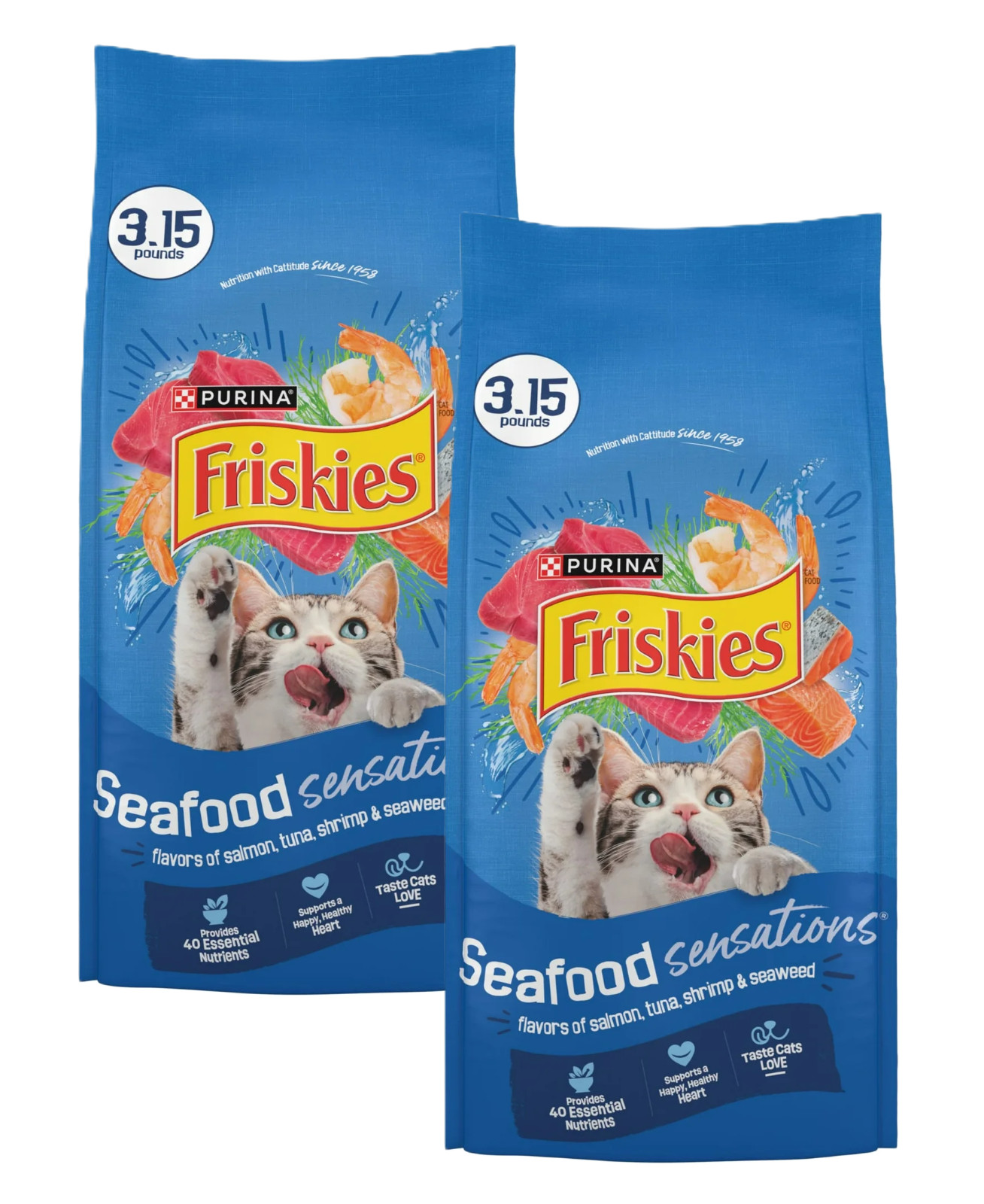 Purina Friskies Dry Cat Food Seafood Sensations with Salmon, Tuna, Shrimp Flavor$8.02View on eBay
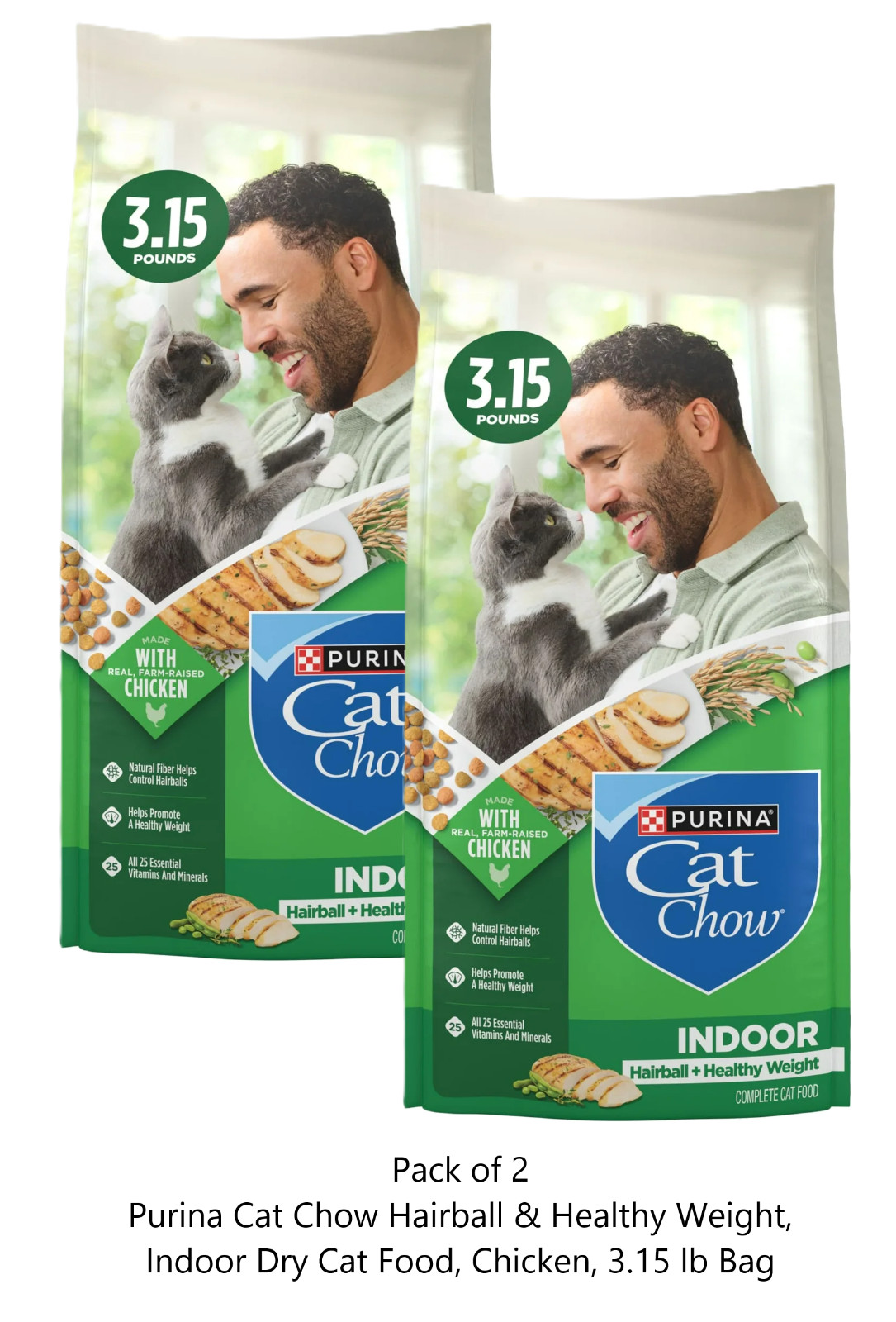 (2 Pack) Purina Cat Chow Indoor Hairball & Healthy Dry Cat Food, 3.15 Lb Bag$10.68View on eBay
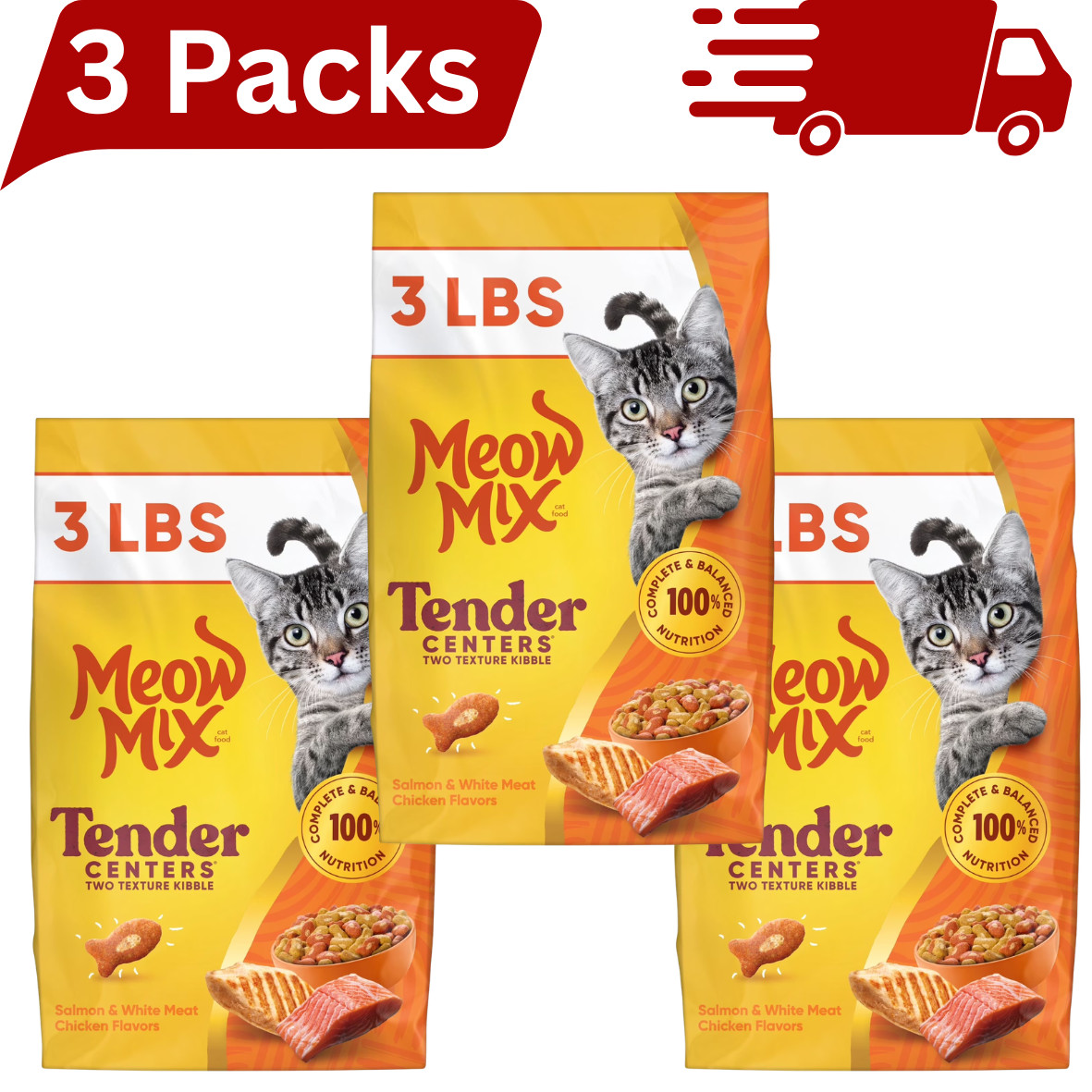 3 x Meow Mix Tender Centers Dry Cat Food Salmon & White Meat Chicken 3 lb Bags$12.00View on eBay
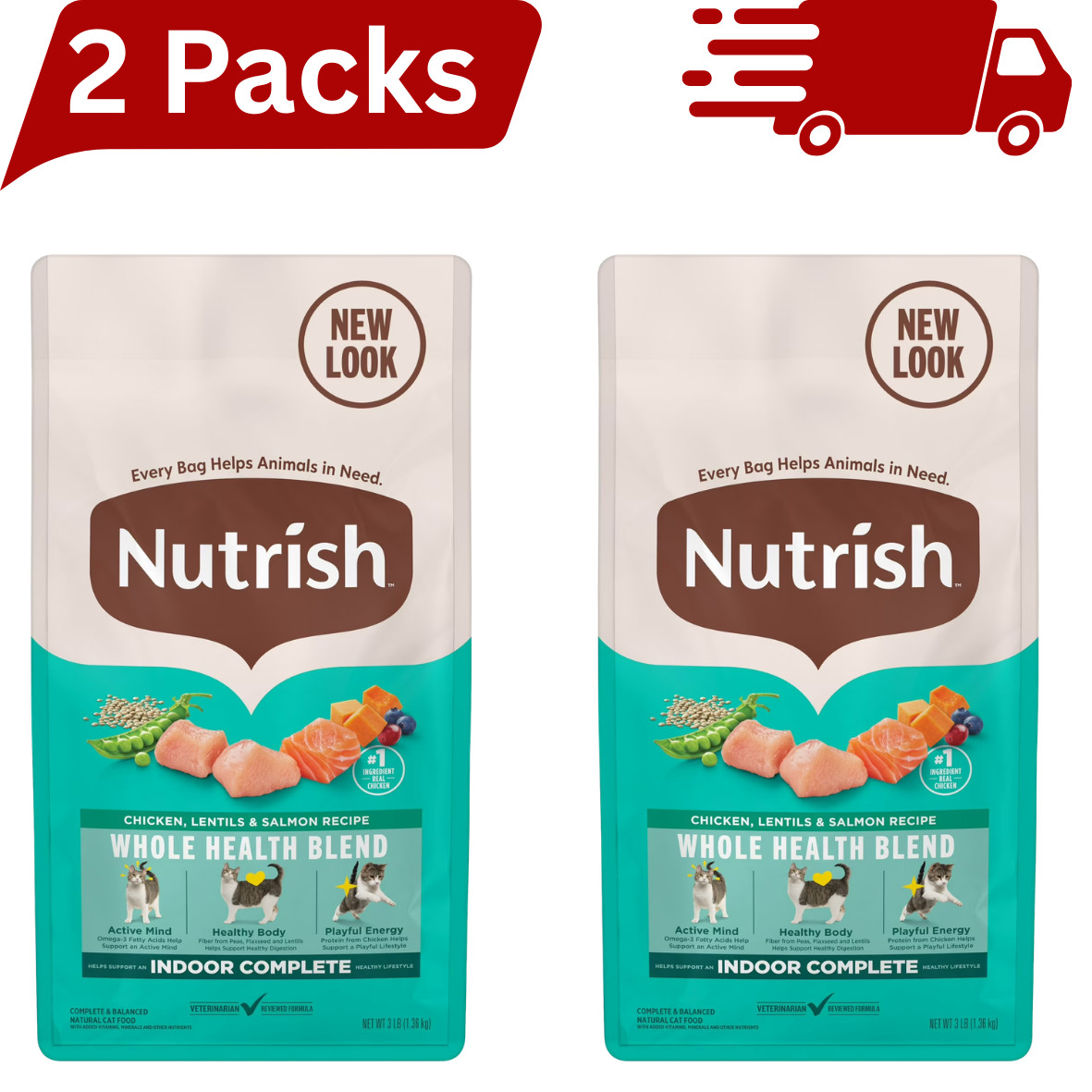 2 Pack Nutrish Indoor Complete Dry Cat Food Chicken Lentils Salmon 3 lb Bags$12.98View on eBay
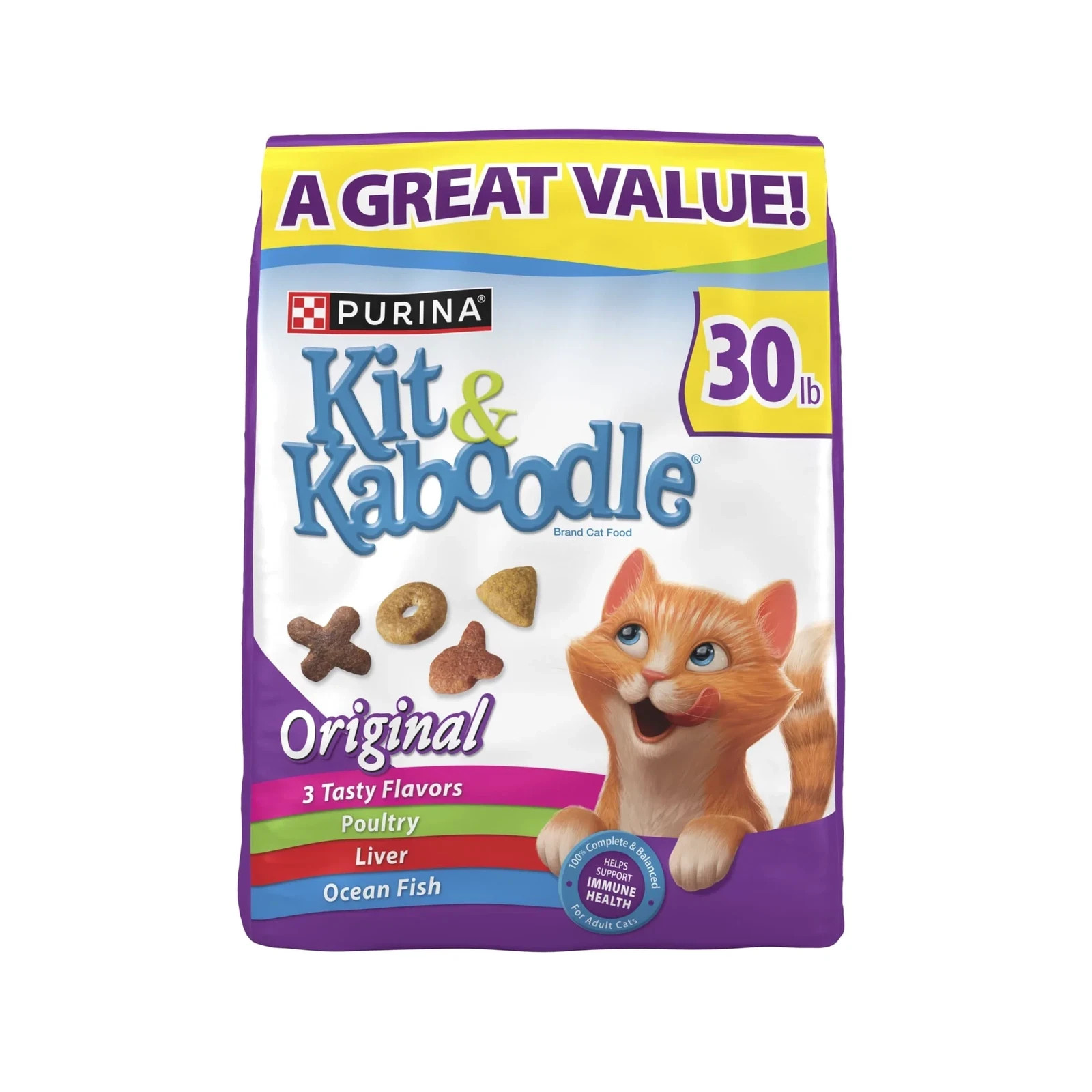 Purina Kit & Kaboodle Original, Indoor Dry Cat Food, Chicken, Turkey, 30 lb Bag$18.99View on eBay
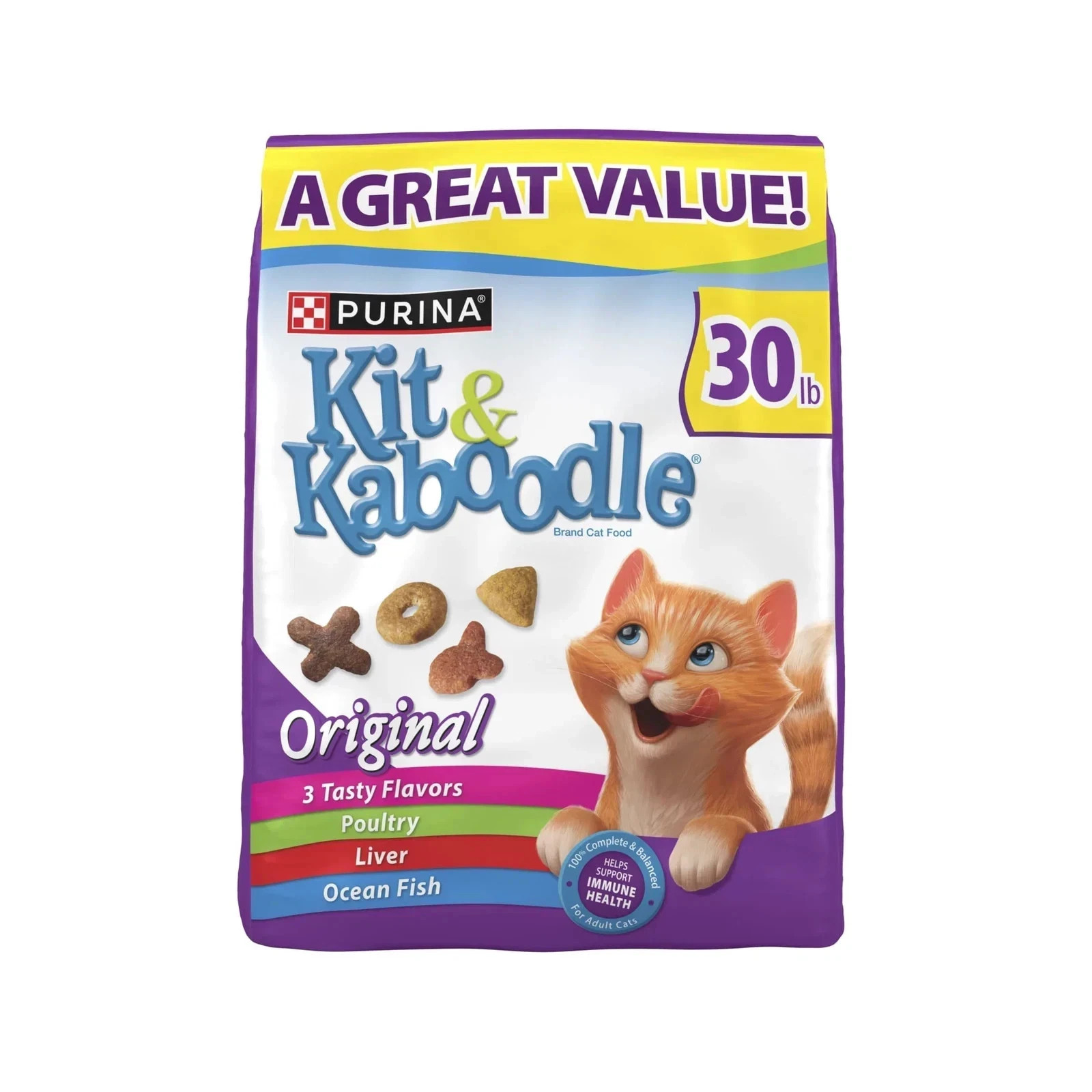 Purina Kit & Kaboodle Original, Indoor Dry Cat Food, Chicken, Turkey, 30 lb Bag$18.99View on eBay
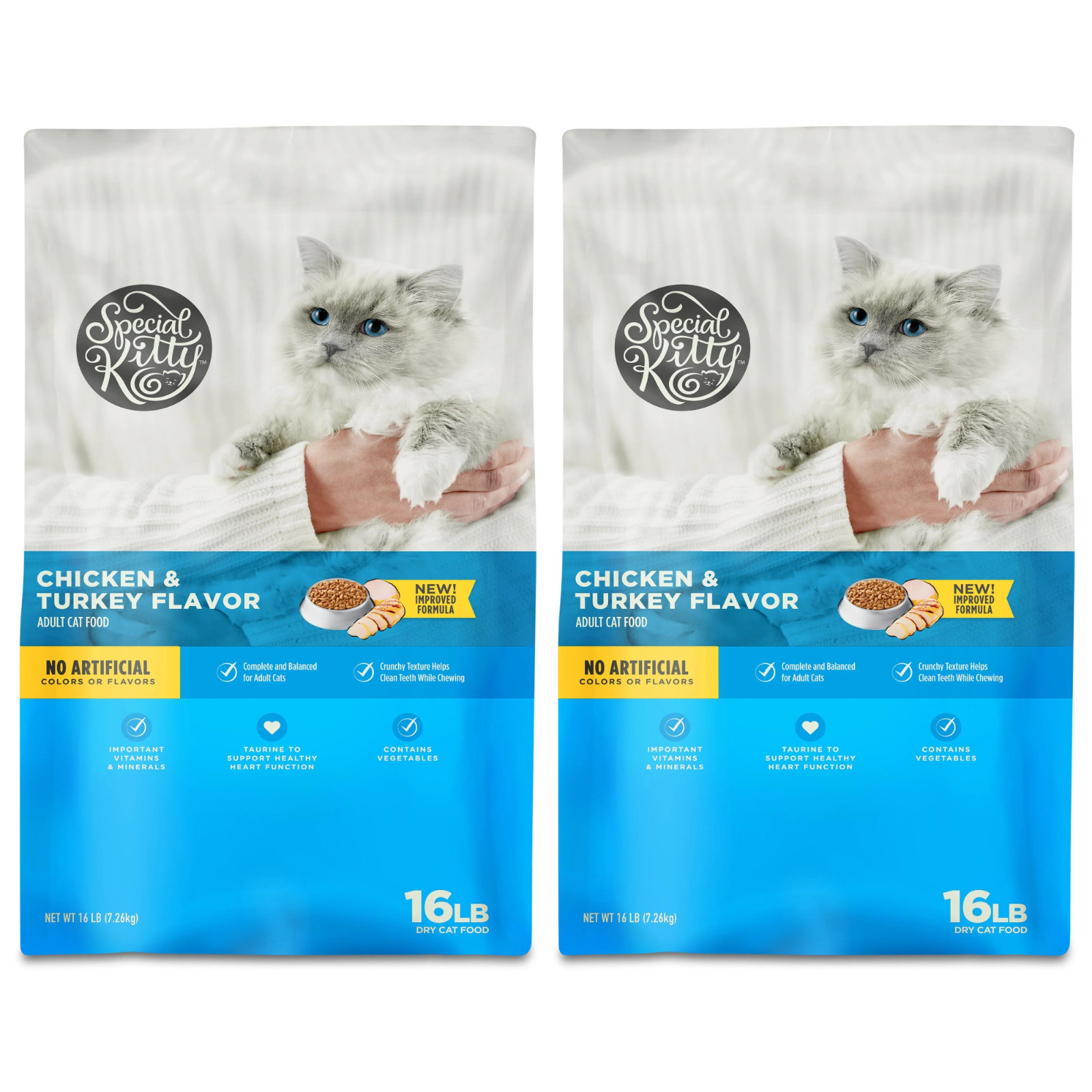 Special Kitty Complete Nutrition Chicken & Turkey Dry Cat Food, 2 Pack$19.86View on eBay
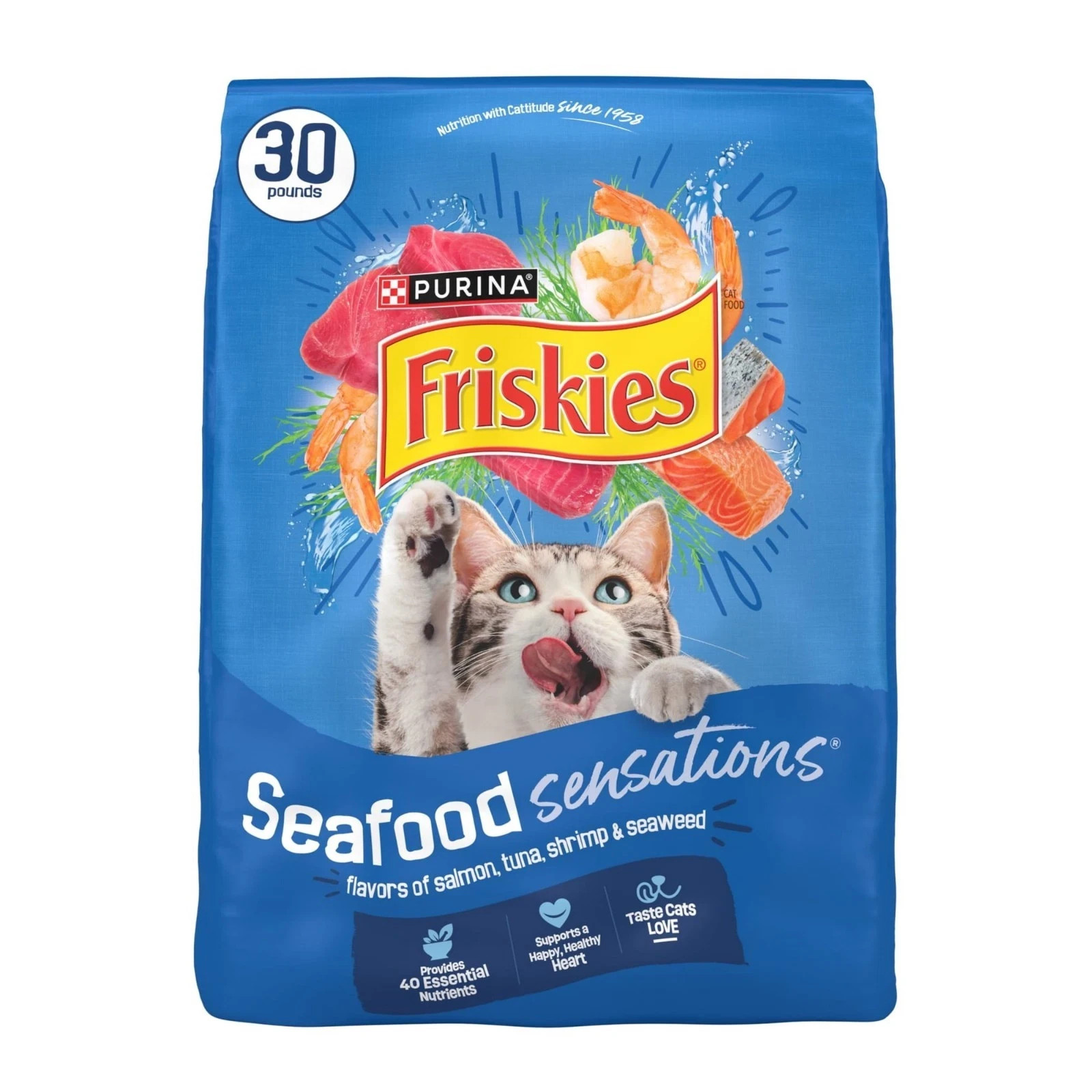 Purina Friskies Seafood Sensations Dry Cat Food 30 lb Bag - FAST SHIPPING$21.98View on eBay
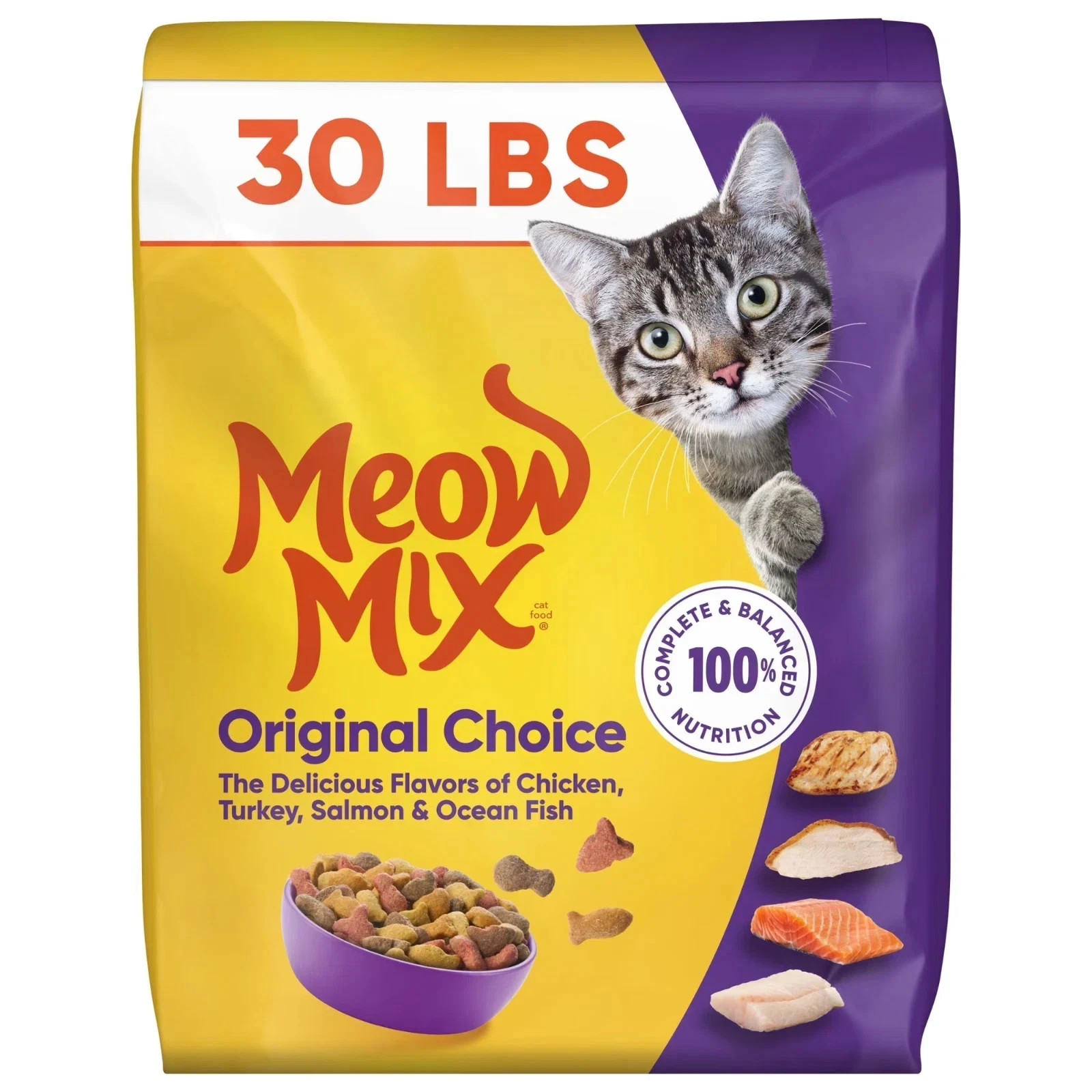 Meow Mix Original Choice Dry Cat Food, 30 lb. Bag$22.99View on eBay
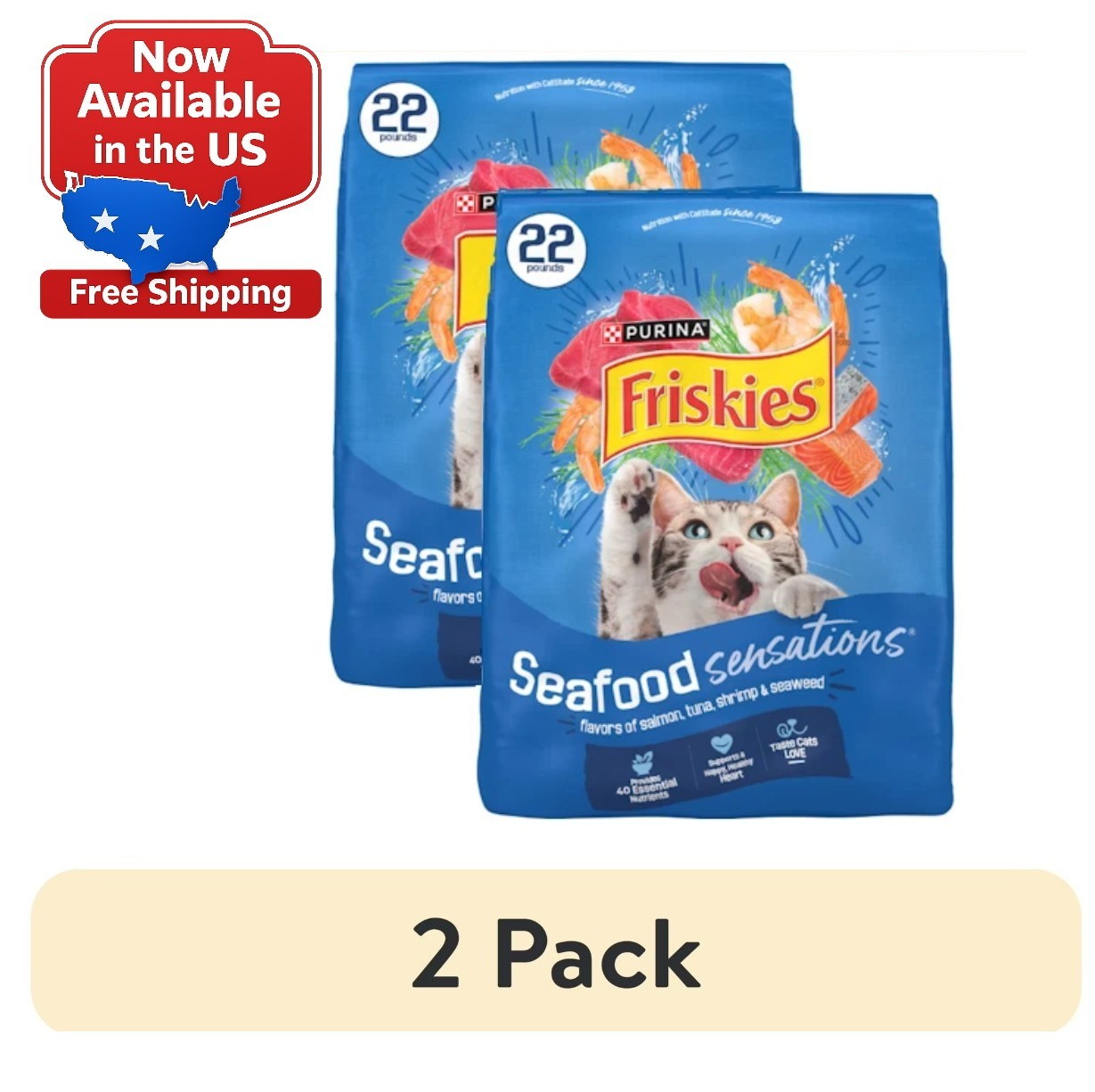 2 Pack Purina Friskies Seafood Sensations Dry Cat Food Flavors of Salmon, Tuna,$27.19View on eBay
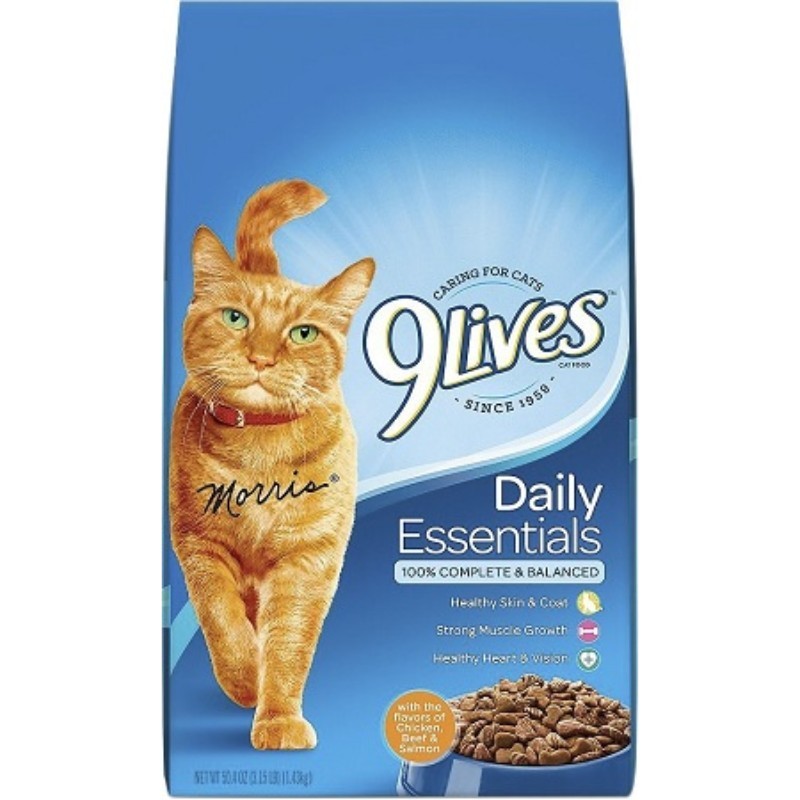 1x 9 Lives Daily Essentials Chicken Beef Salmon Dry Cat Food Pet Supplies 3.15lb$29.51View on eBay
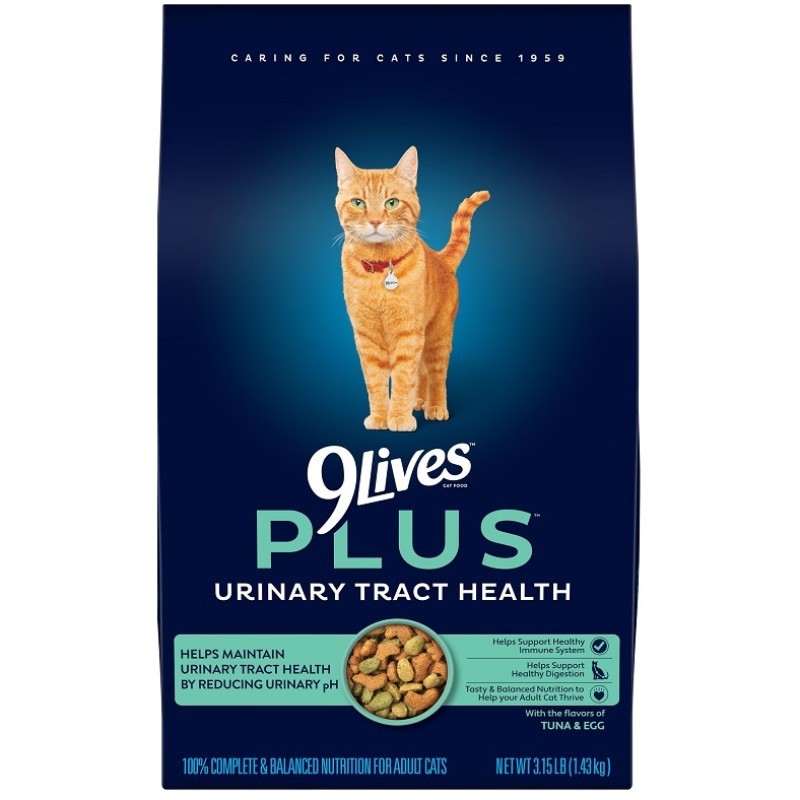 1x 9 Lives Daily Essentials Tuna & Egg Dry Cat Food Pet Supplies New Sealed 3.15$29.51View on eBay
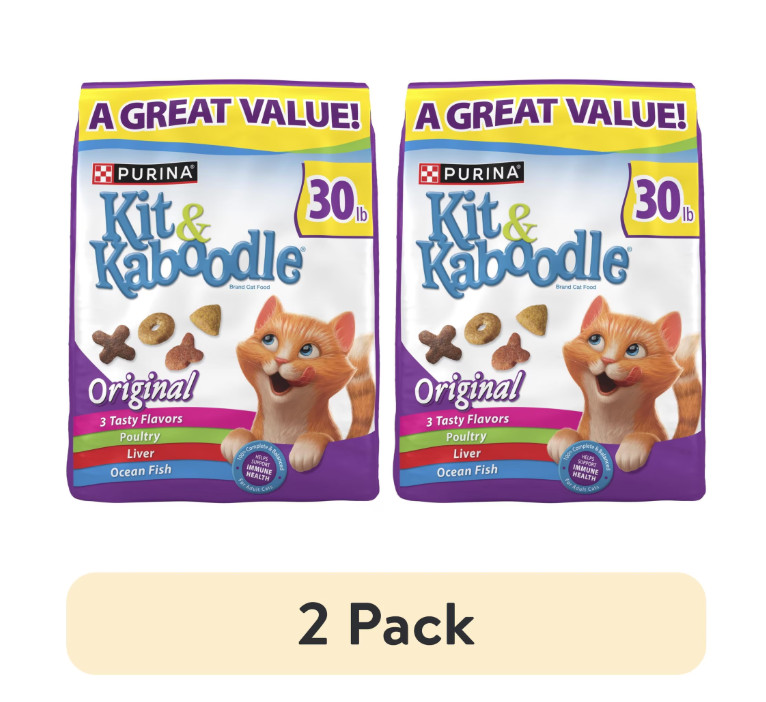 (2 pack) Purina Kit & Kaboodle Original Indoor Dry Cat Food, 30 lb$32.10View on eBay
 (2 pack)Purina Kit & Kaboodle Original, Indoor Dry Cat Food, Chicken, Liver,30lb$32.78View on eBay
- (2 pack) Purina Kit & Kaboodle Original, Indoor Dry Cat Food, Chicken, Liver$33.78View on eBay
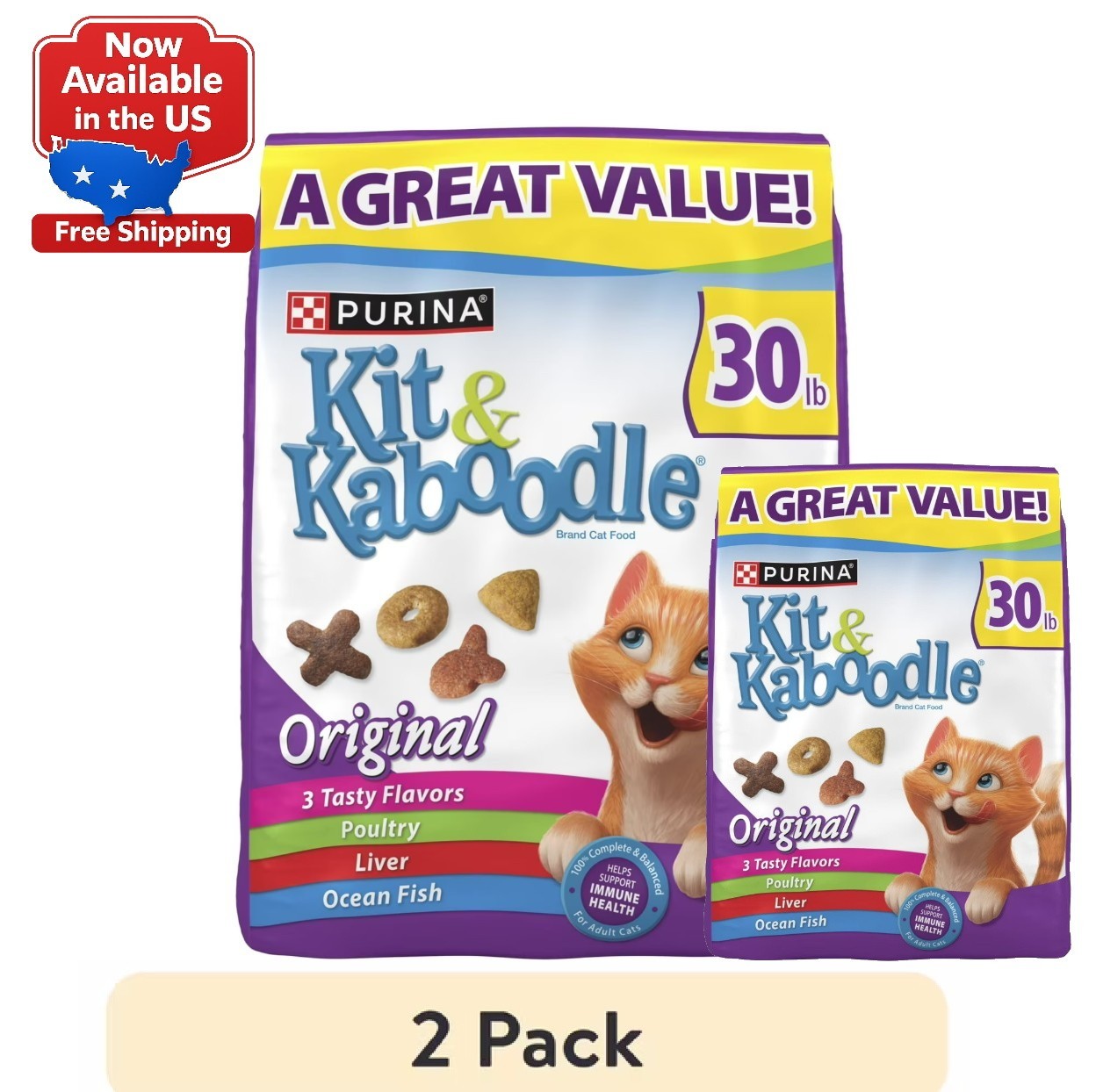 (2 pack)Purina Kit & Kaboodle Original, Indoor Dry Cat Food, Chicken, Liver,30lb$33.78View on eBay
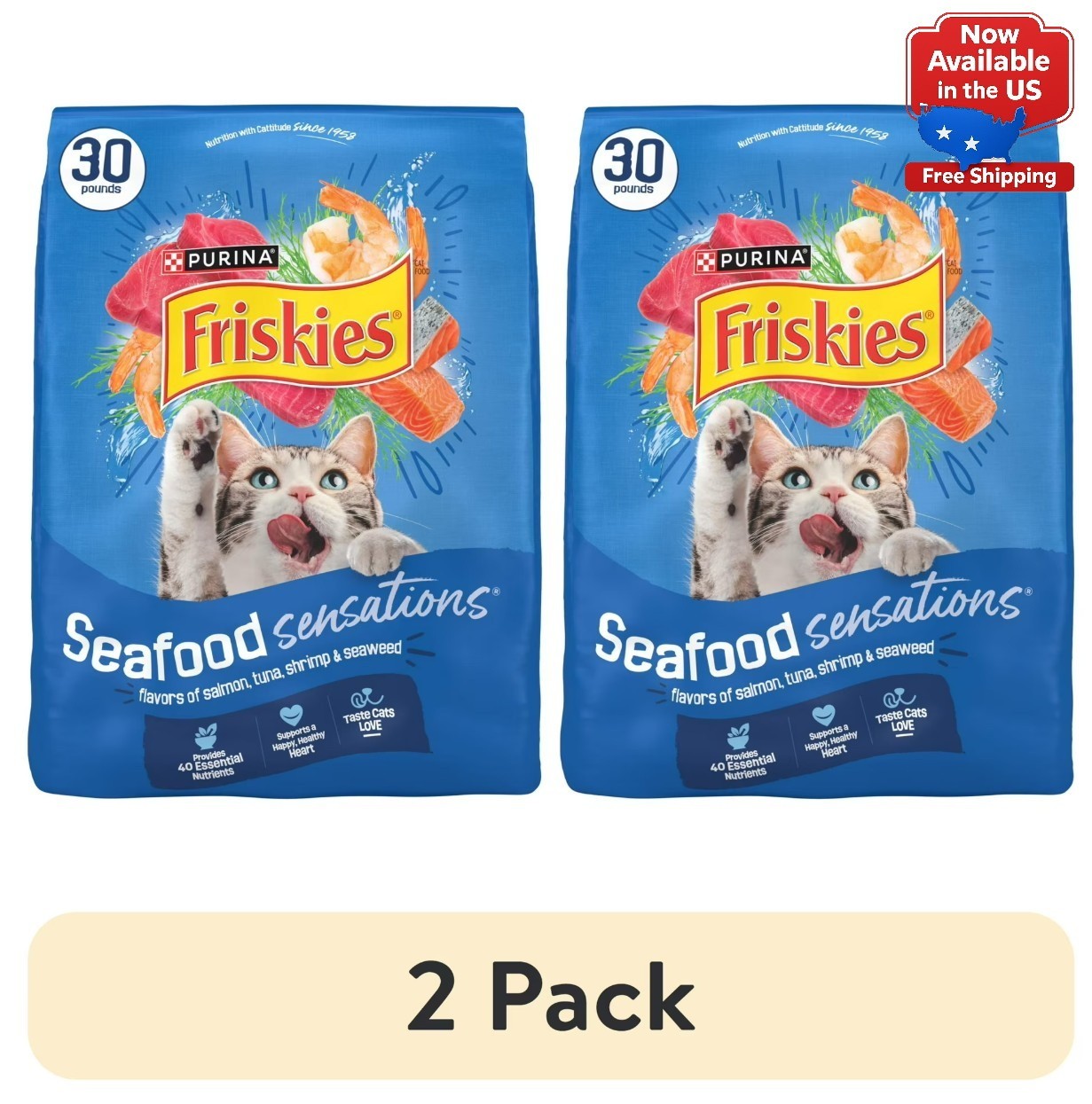 Purina Friskies Seafood Sensations Dry Cat Food Salmon Tuna Shrimp 30 lb 2 Pack$37.21View on eBay
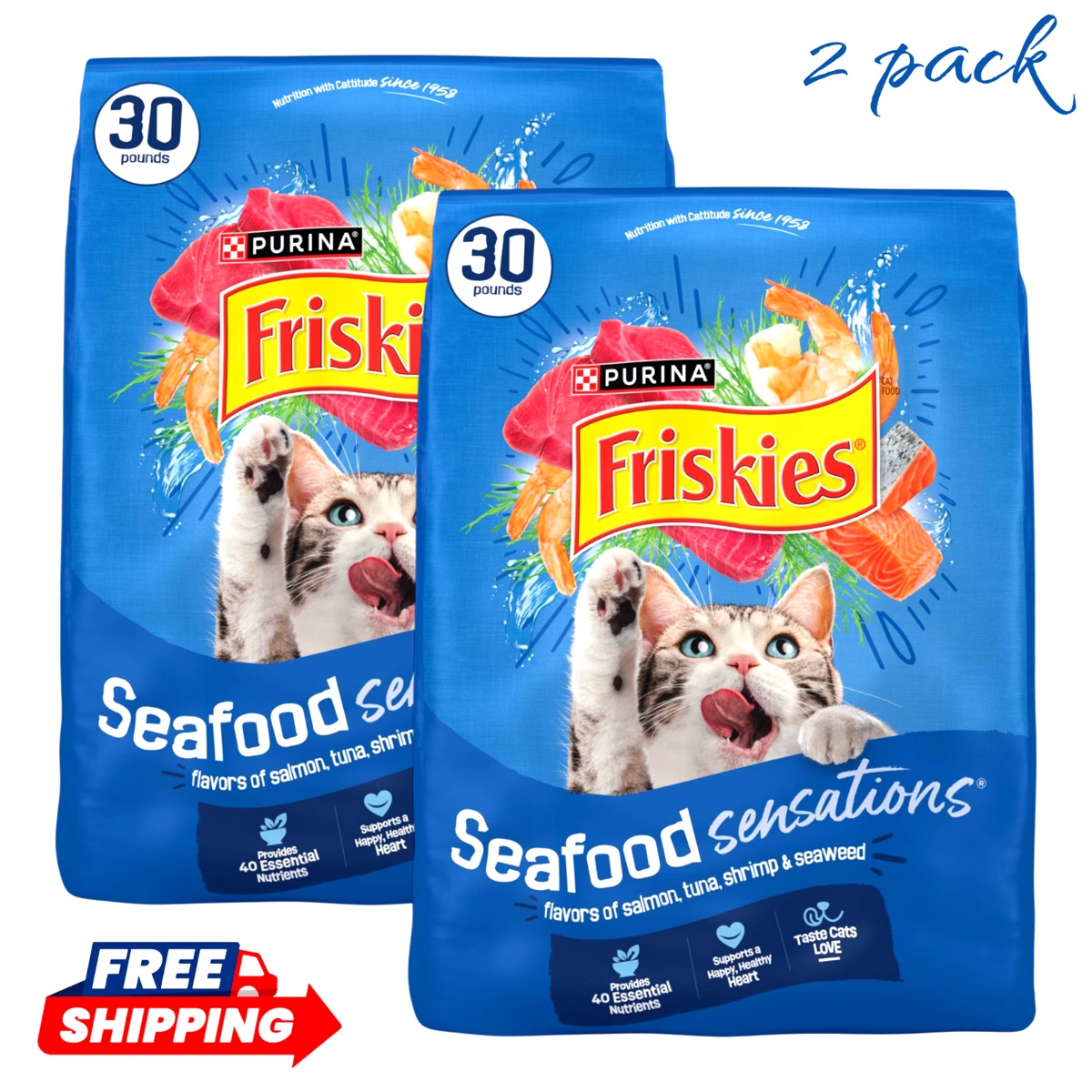 Purina Friskies Seafood Sensations Dry Cat Food Salmon Tuna Shrimp 30 lb 2 Pack$37.96View on eBay
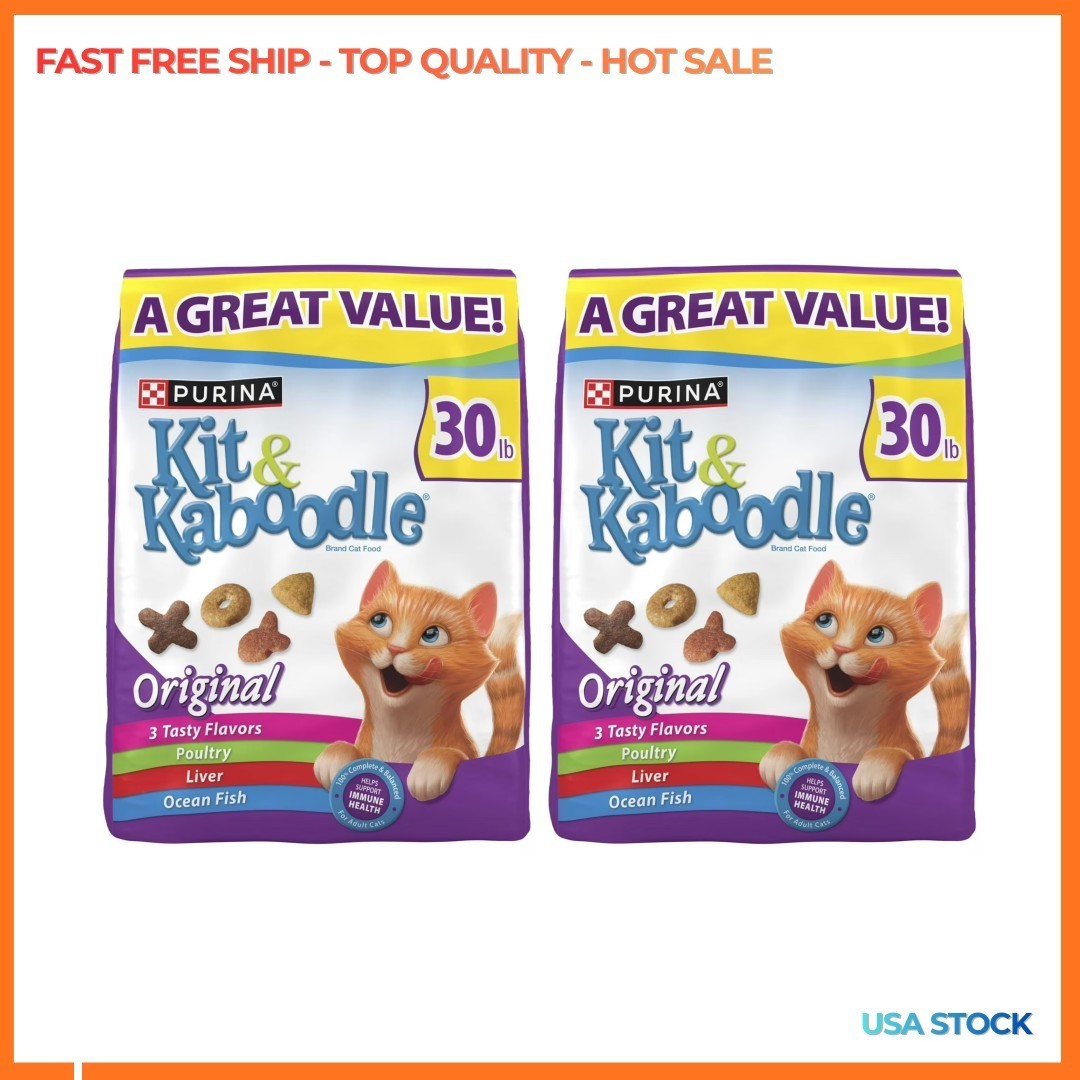 2P Purina Kit & KaboodleOriginal, Indoor Dry Cat Food, Chicken,Liver, 30 lb Bag$38.00View on eBay
Highlights
- AAFCO statement determines adequacy: 'complete and balanced' for a life stage is the baseline; 'all life stages' meets growth and adult needs.
- Protein source hierarchy: named muscle meat first beats 'meat by-product' or corn gluten meal; adult cats need roughly 26% protein minimum on a dry-matter basis.
- Urinary formulas control magnesium, phosphorus, and target urine pH around 6.2-6.4; standard adult kibble often exceeds these mineral limits.
- Kibble geometry matters: small 8-10 mm pieces suit kittens and seniors, while large crunchy pieces slow fast eaters and provide dental abrasion.
Best use cases
- Multi-cat households on a budget: pick a 30 lb bag of a complete-and-balanced chicken or turkey formula and skip single-source premium bags that cost more per pound.
- Cats with urinary history: choose a formula with controlled magnesium and phosphorus plus added moisture encouragement; skip generic seafood blends high in ash.
- Indoor sedentary cats: select an indoor formula with lower calorie density and hairball fiber; skip high-fat outdoor or performance formulas.
Buying tips
- Read the guaranteed analysis on a dry-matter basis: protein above 30% and fat 15-20% suits most adult cats; lower fat for indoor neutered cats.
- Match bag size to consumption: a 3-4 lb bag lasts one cat about 3-4 weeks; 30 lb bags suit multi-cat homes and stay fresh in an airtight container.
- For urinary-prone cats, pick formulas with magnesium under 0.1% and phosphorus near 0.8-1.0% on a dry-matter basis.
- Transition over 7-10 days mixing old and new kibble to avoid GI upset; sudden switches cause vomiting and diarrhea.
Specs
| Life Stage | Kitten / Adult / Senior / All Life Stages |
|---|---|
| Protein Source | Named meat first vs by-product meal |
| Urinary Minerals | Magnesium <0.1%, phosphorus 0.8-1.0% DM |
| Bag Size | 3-4 lb trial / 12-16 lb / 30 lb bulk |
Related searches
What to check before buying
- Weigh your cat and confirm the feeding chart on the bag; a 10 lb indoor cat typically needs 1/2 to 2/3 cup daily depending on calorie density.
- Confirm life-stage fit: kitten, adult, or senior formulas differ in calcium, phosphorus, and calorie levels.
- Check storage: 30 lb bags need an airtight, cool, dry container; humid climates cause mold and rancidity within weeks of opening.
- Verify kibble size against your cat's mouth: seniors and kittens need small pieces under 10 mm to chew comfortably.
FAQ
Data sources: eBay / Amazon listings and product attribute feeds Data updated Nov 18, 2026.
Some links on this page are affiliate links. If you buy after clicking one, we may earn a commission at no extra cost to you. This does not change which products appear here or their order. Affiliate disclosure.