Photos from current listings. Actual item, color, and included accessories may vary.
Dog Treat Buying Guide
Dog treats span soft training rewards, long-lasting chews, and dental aids, but the primary trade-off is between palatability/softness for frequent reinforcement and hardness/durability for occupied chewing. The clear decision rule: choose single-ingredient, low-fat, soft treats for training and sensitive stomachs; choose collagen, rawhide-alternative, or dental chews sized to your dog's weight for chew sessions, and skip anything with ambiguous 'meat meal' or added sugars.


At a glance
- Category
- Pet Food, Treats & Litter
- Data updated
- Nov 18, 2026
Current offers
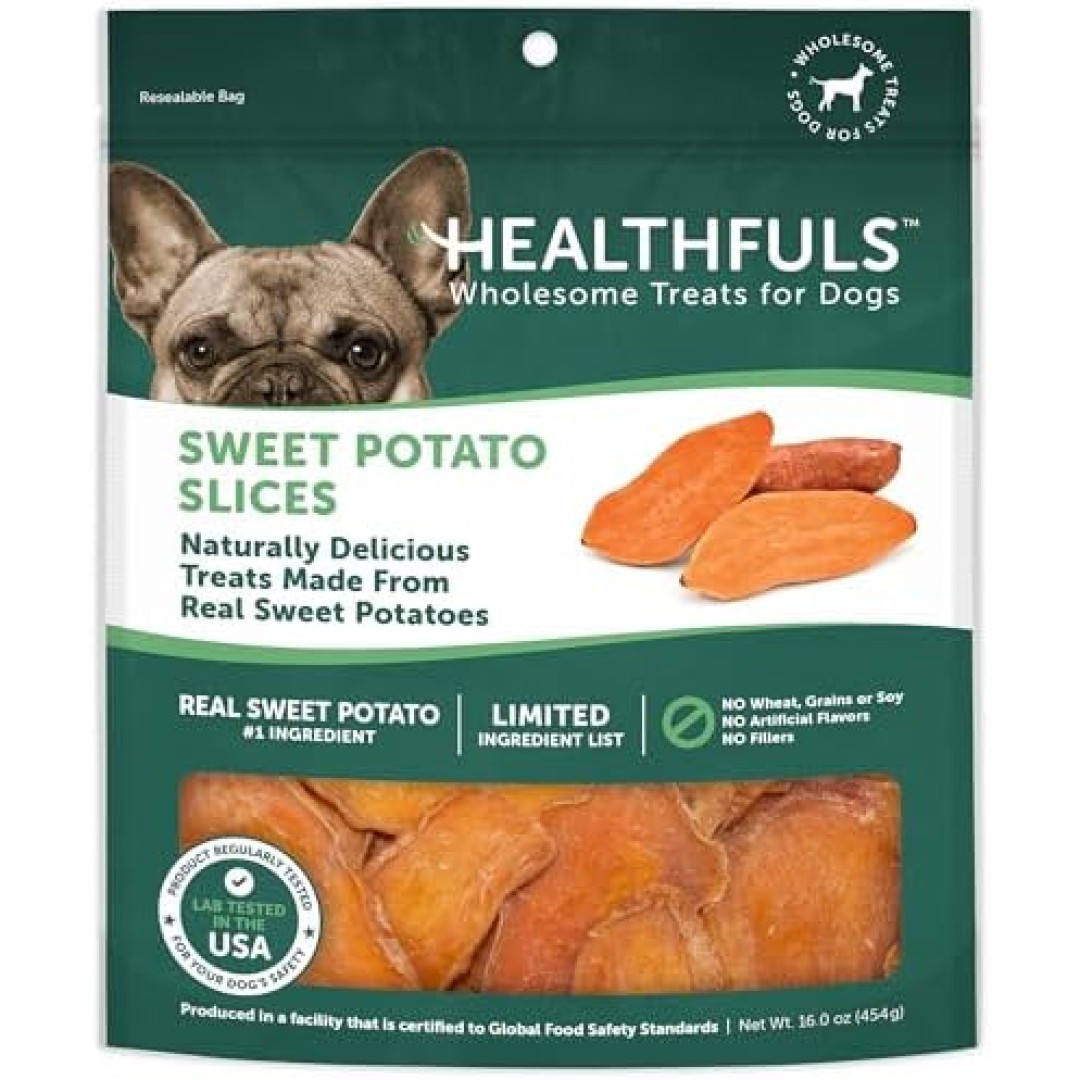 Healthfuls Sweet Potato Dog Treats 1 Pound Grain Free Nutritional Snack$11.97
 View on eBay
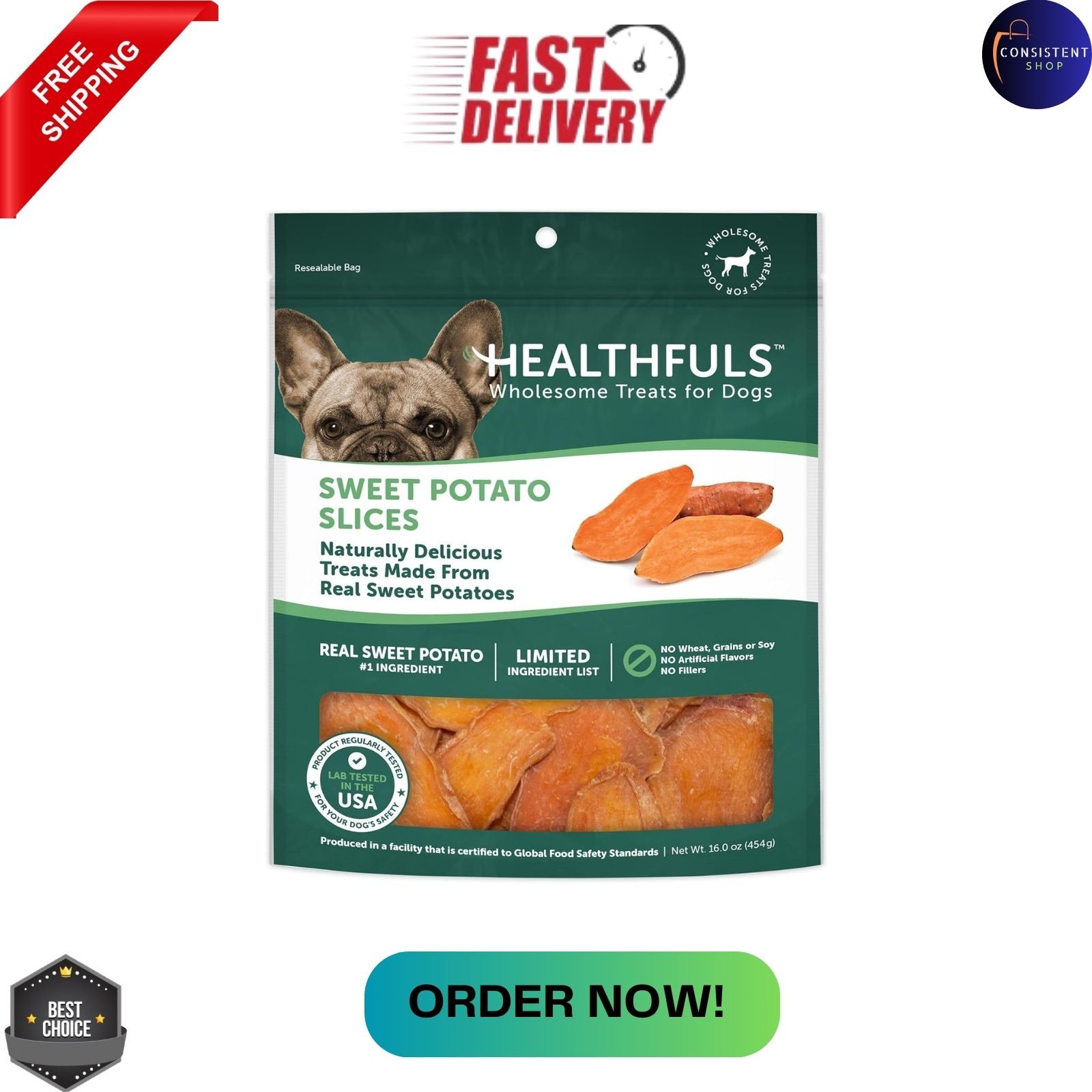 Healthfuls Sweet Potato Dog Treats 1 Pound Grain Free Nutritional Snack$12.64View on eBay
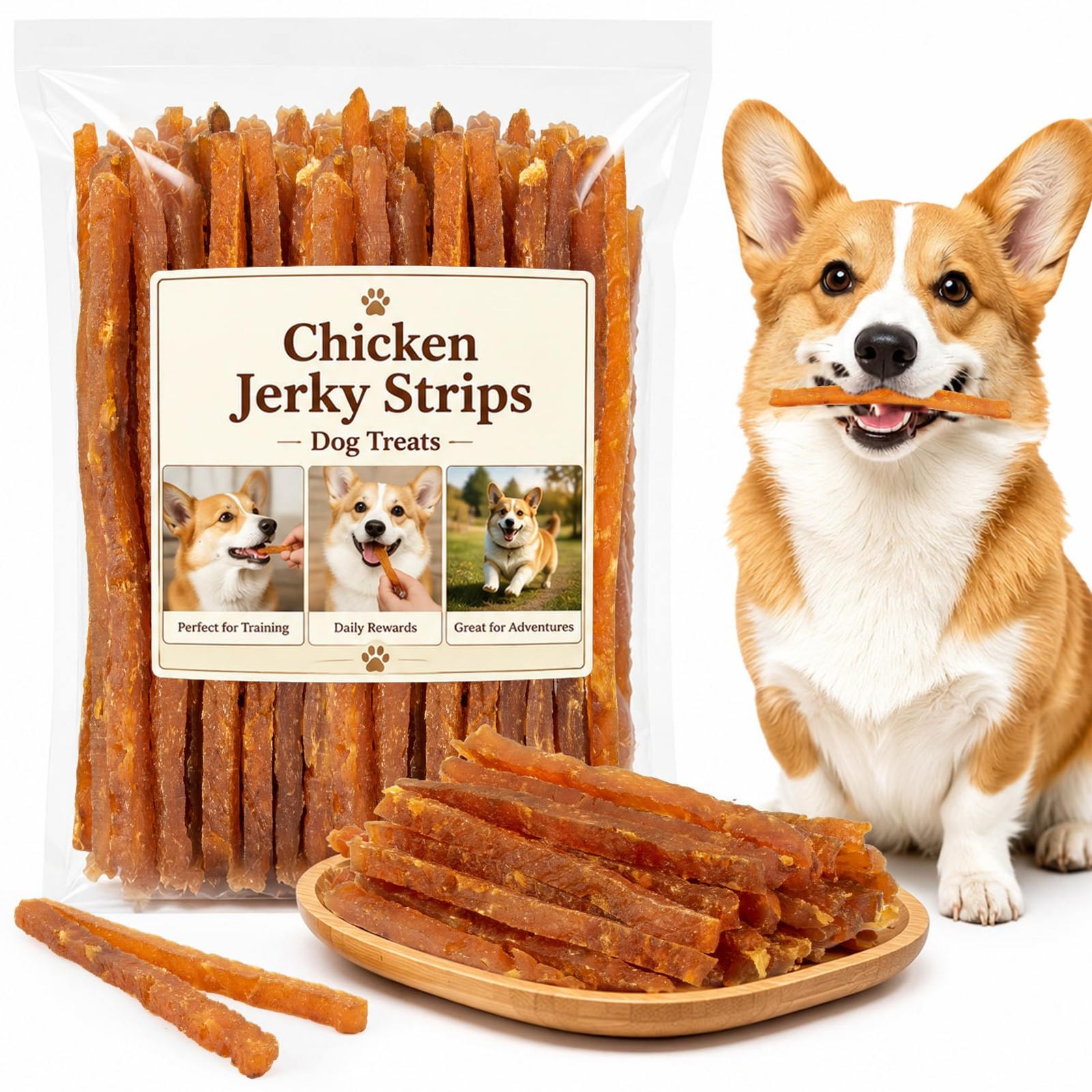 420G Chicken Jerky Dog Treats - High Protein Chicken Strips$14.13View on eBay
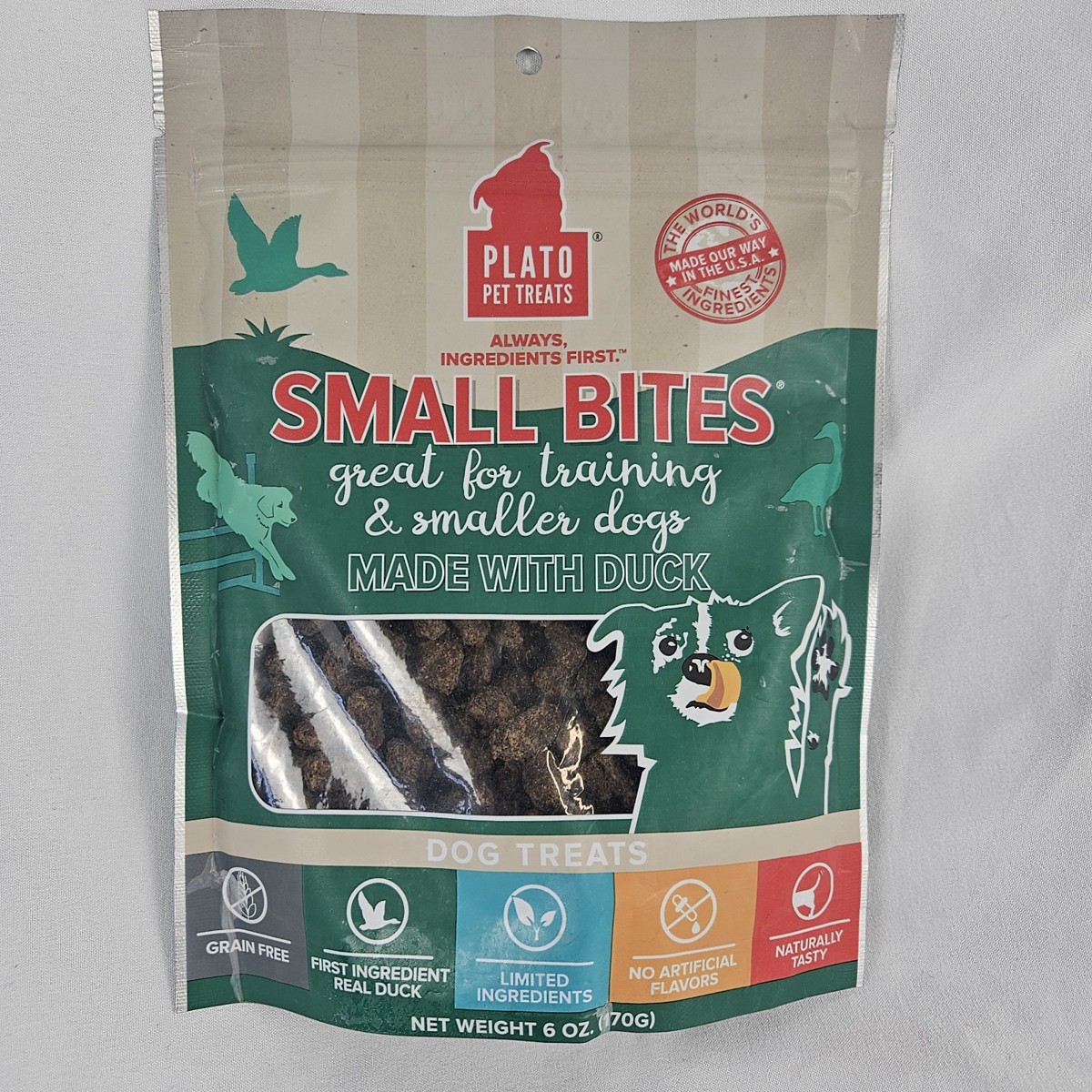 Plato Pet Treats Duck Grain Free Small Bites 6 Ounces Nutrient Rich Dog Treats$14.87View on eBay
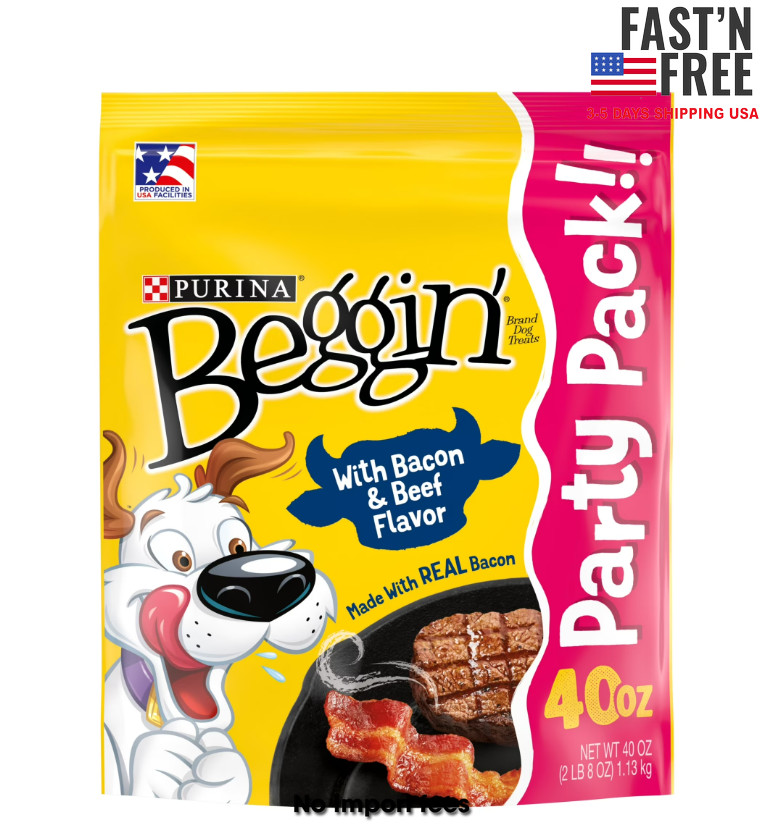 Purina Beggin' Strips Dog Treats with Real Bacon & Beef Tender Chews, 40 oz$14.96View on eBay
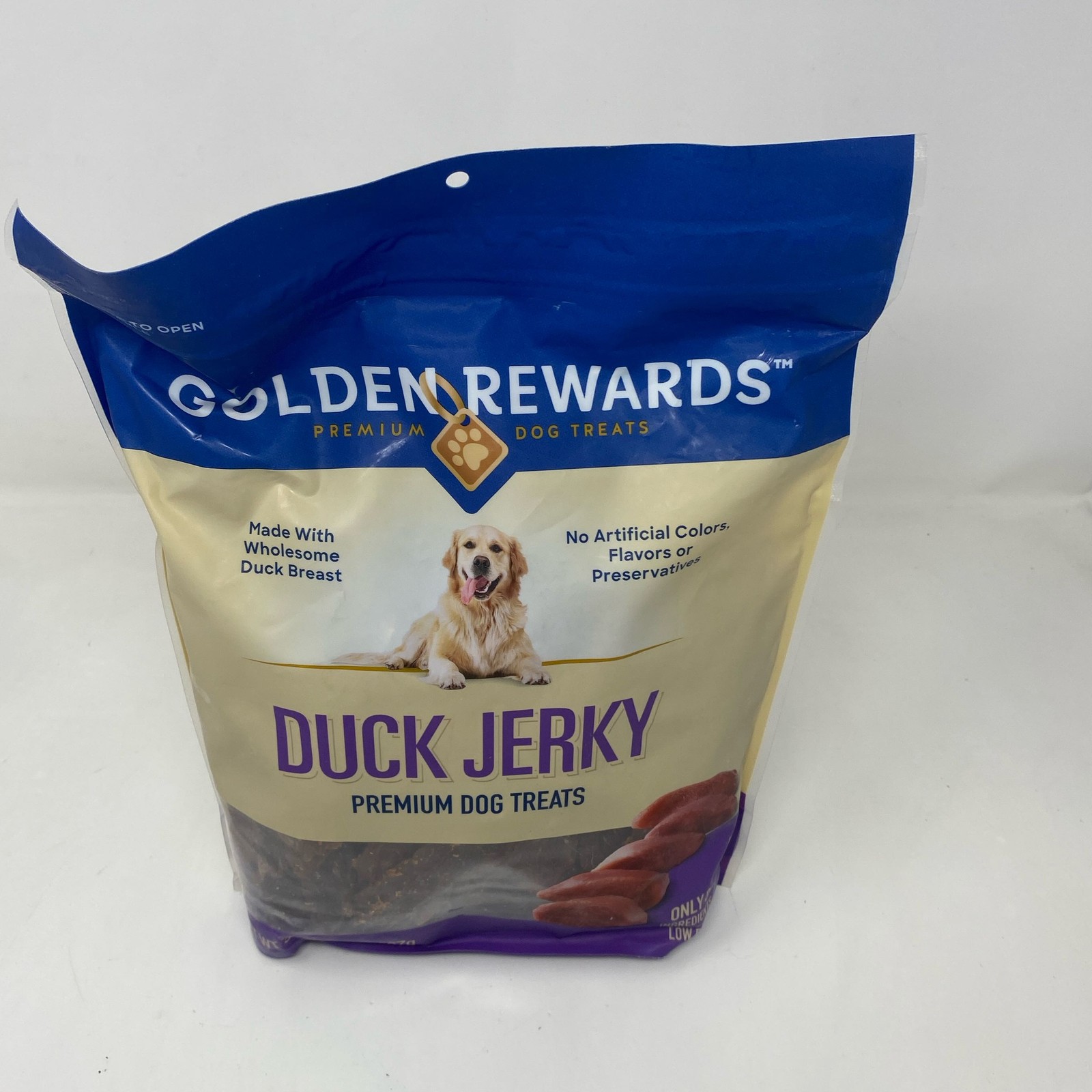 Golden Rewards Duck Jerky Dog Treats 32 oz (2 lb) Bag EXP 09/2026$17.13View on eBay
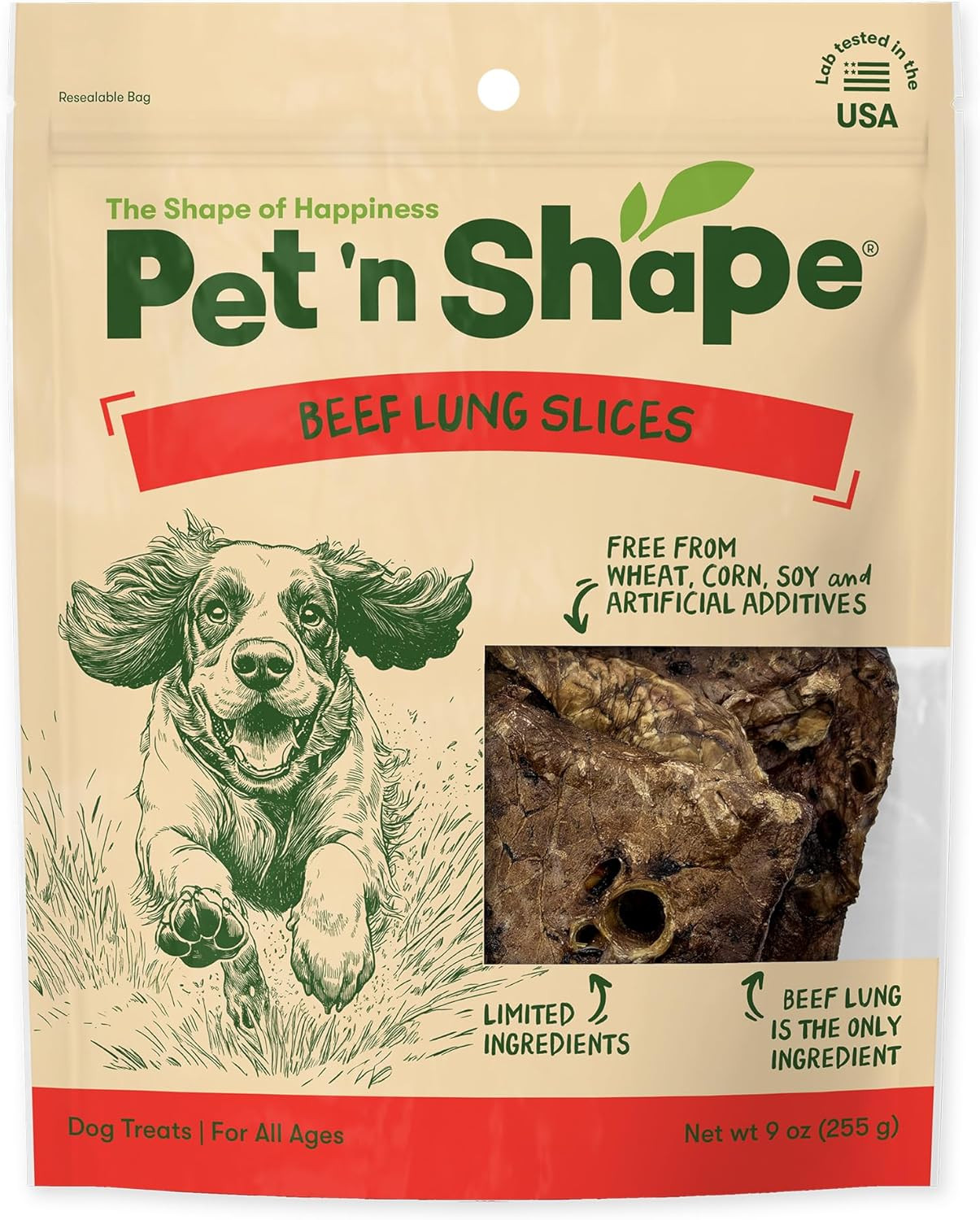 Pet 'N Shape Beef Lung Dog Treats – Made and Sourced in the USA - Training Treat$17.38View on eBay
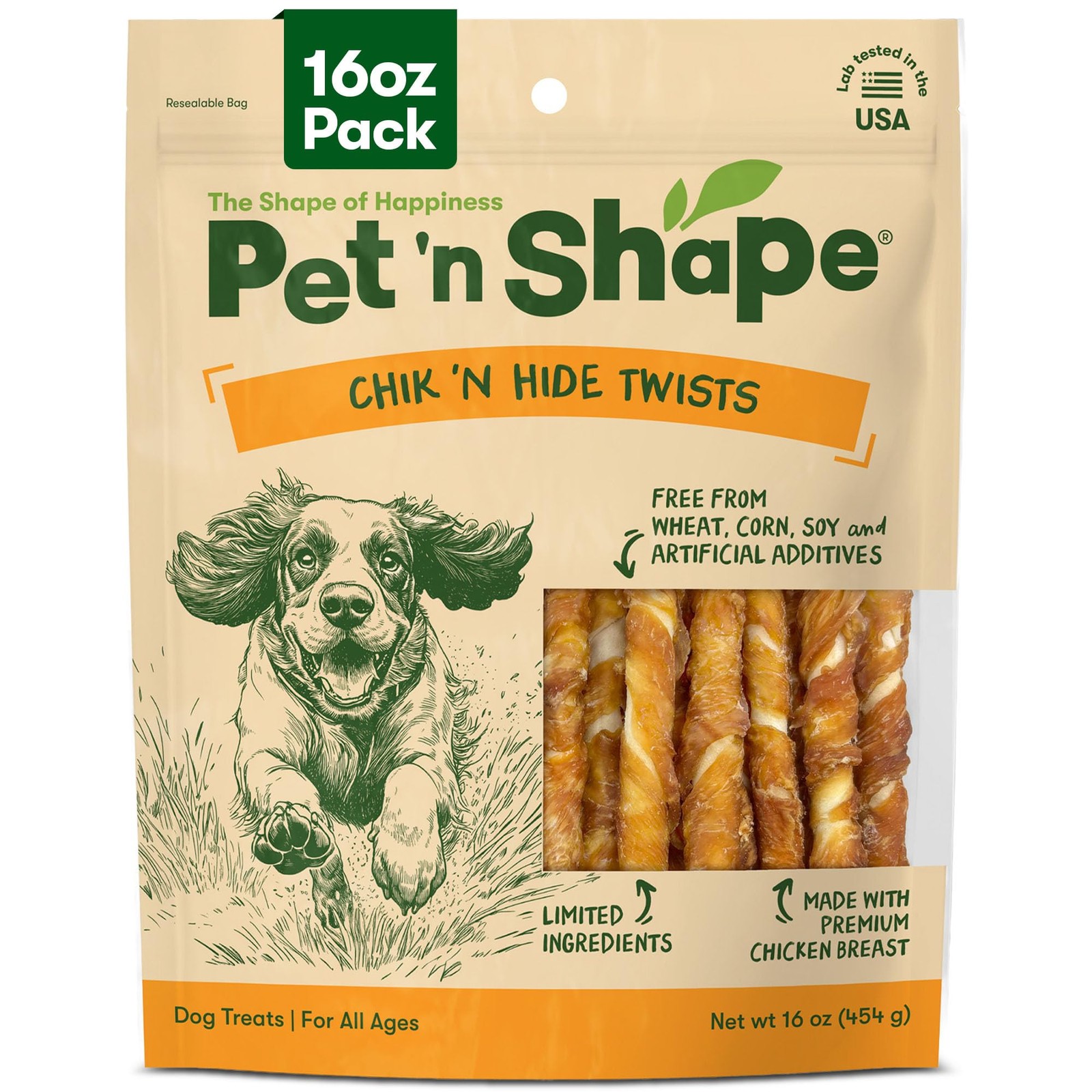 Pet 'n Shape Chik 'n Hide Twists – Chicken Wrapped Rawhide Natural Dog Treats...$17.75View on eBay
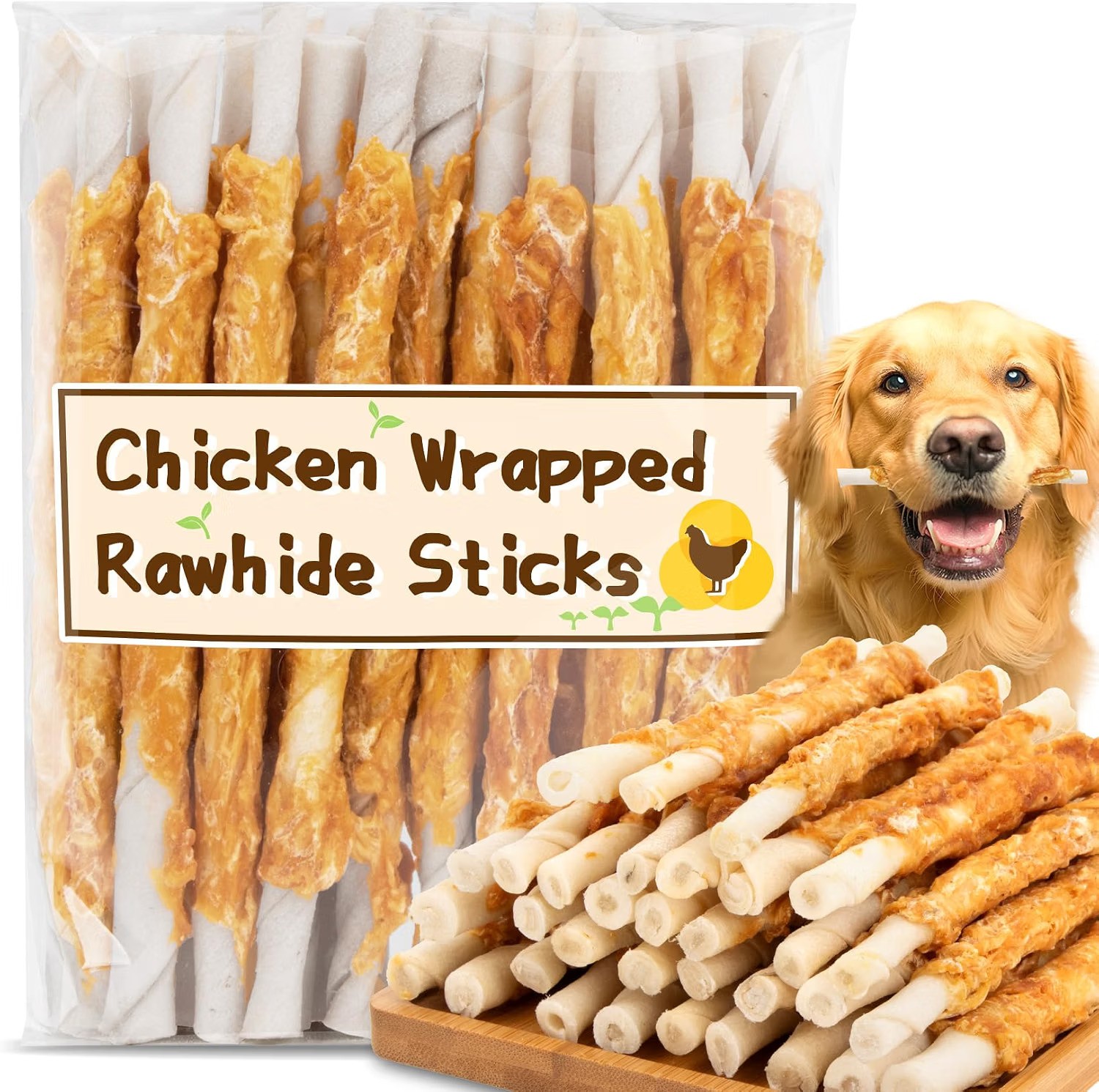 12oz Chicken Wrapped Rawhide Dog Treats, Hide Twists Chew Sticks Pet Chew Snacks$18.04View on eBay
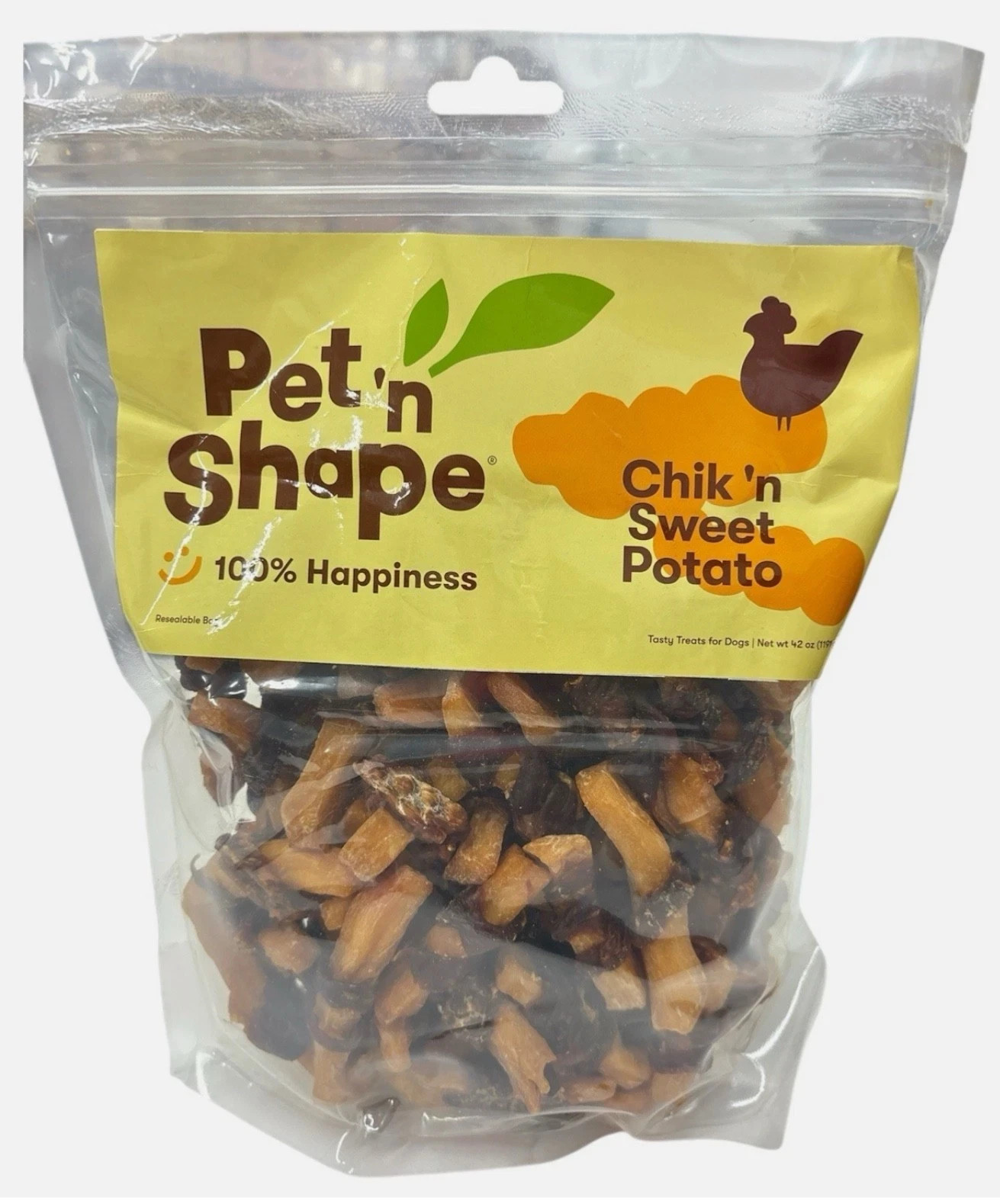 Pet n Shape Chicken Sweet Potato Dog Treats 42 oz Natural Jerky USA Made$19.99View on eBay
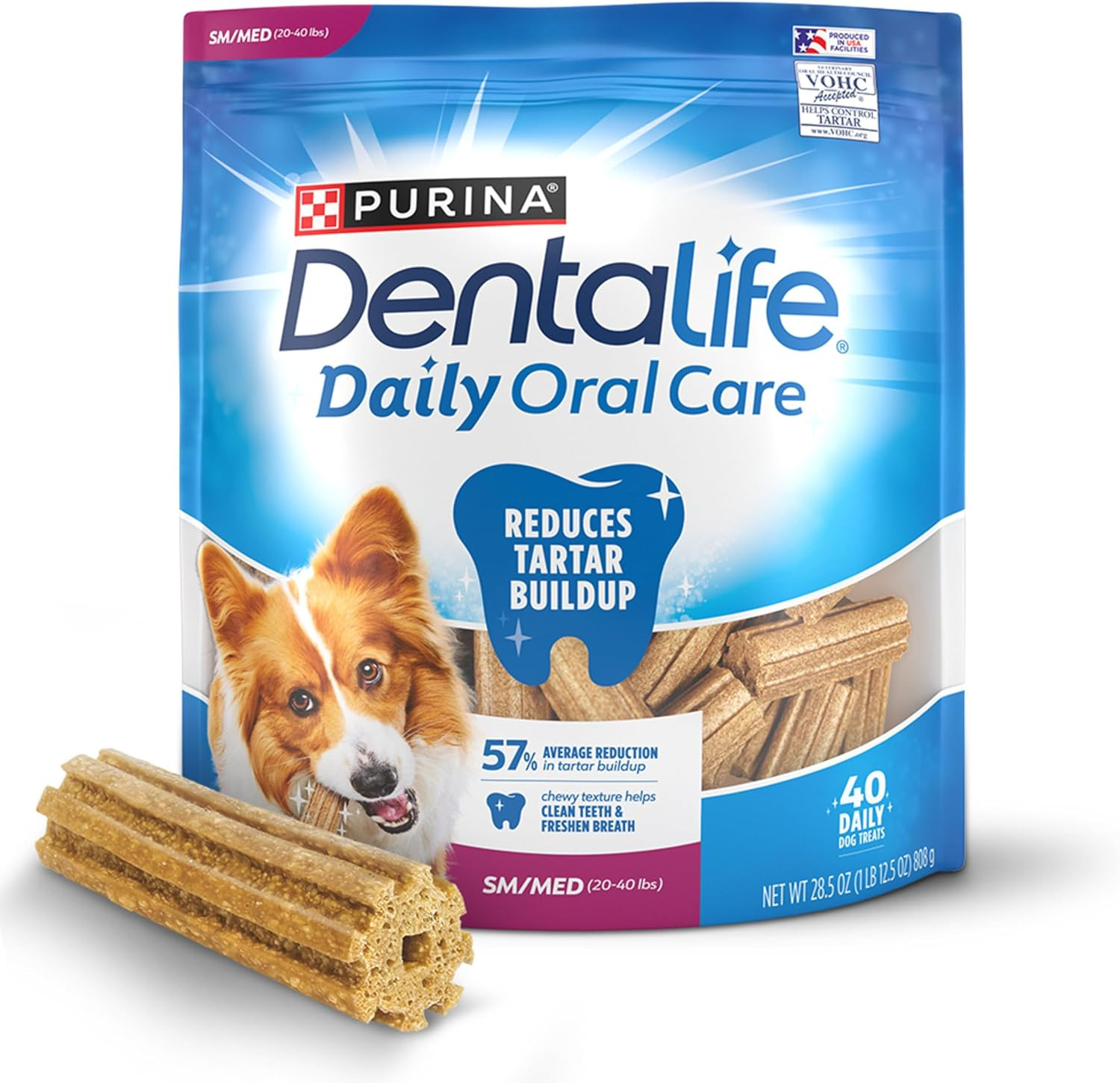 Daily Oral Care Dog Treats for Small and Medium Dogs, Chewy Dental Treat to Fres$21.99View on eBay
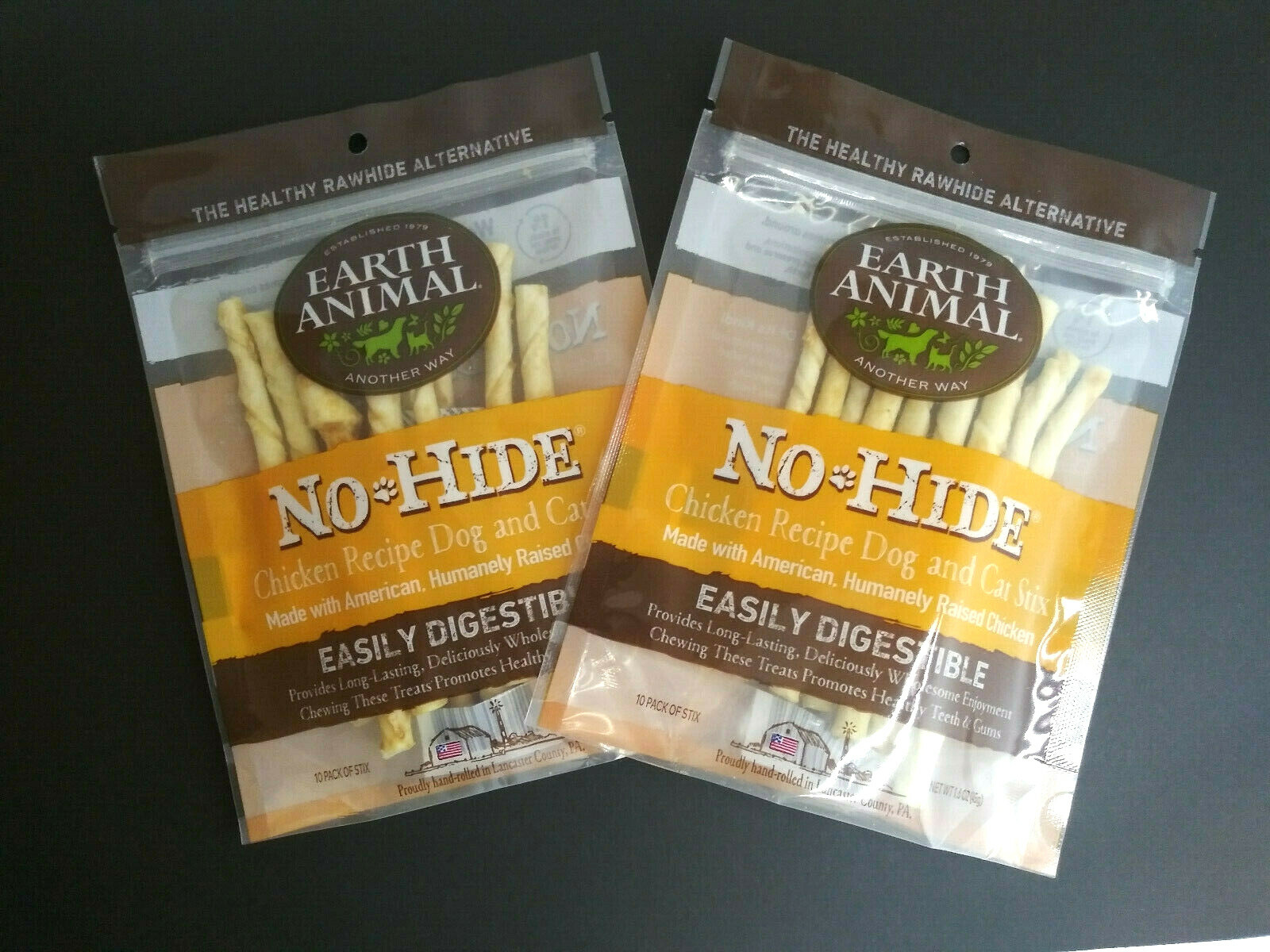 Earth Animal (2) No Hide Stix Chicken Sticks No Rawhide Natural Dog Treats$22.89View on eBay
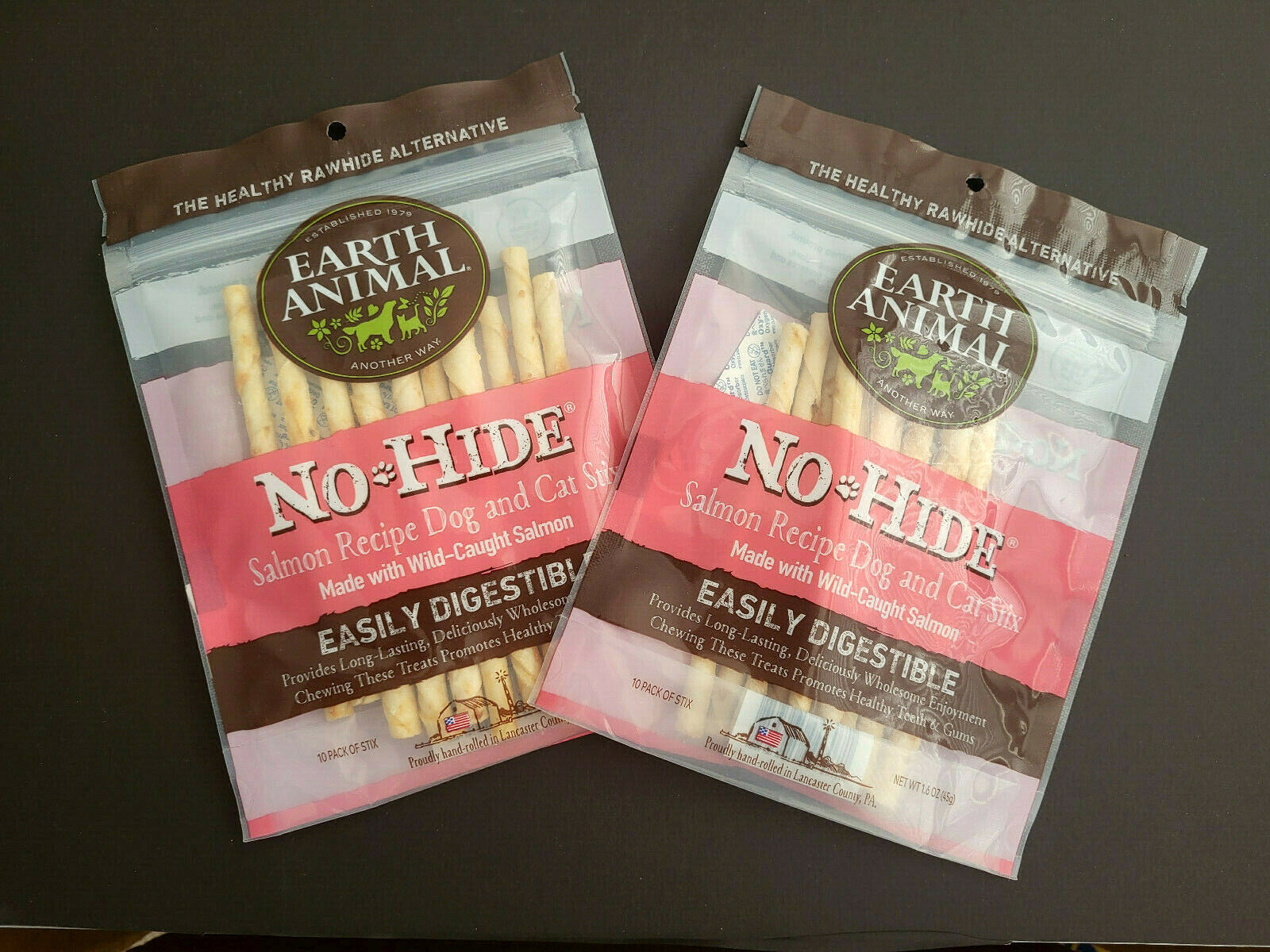 Earth Animal (2) No Hide Stix Salmon Sticks No Rawhide Natural Dog Treats$22.89View on eBay
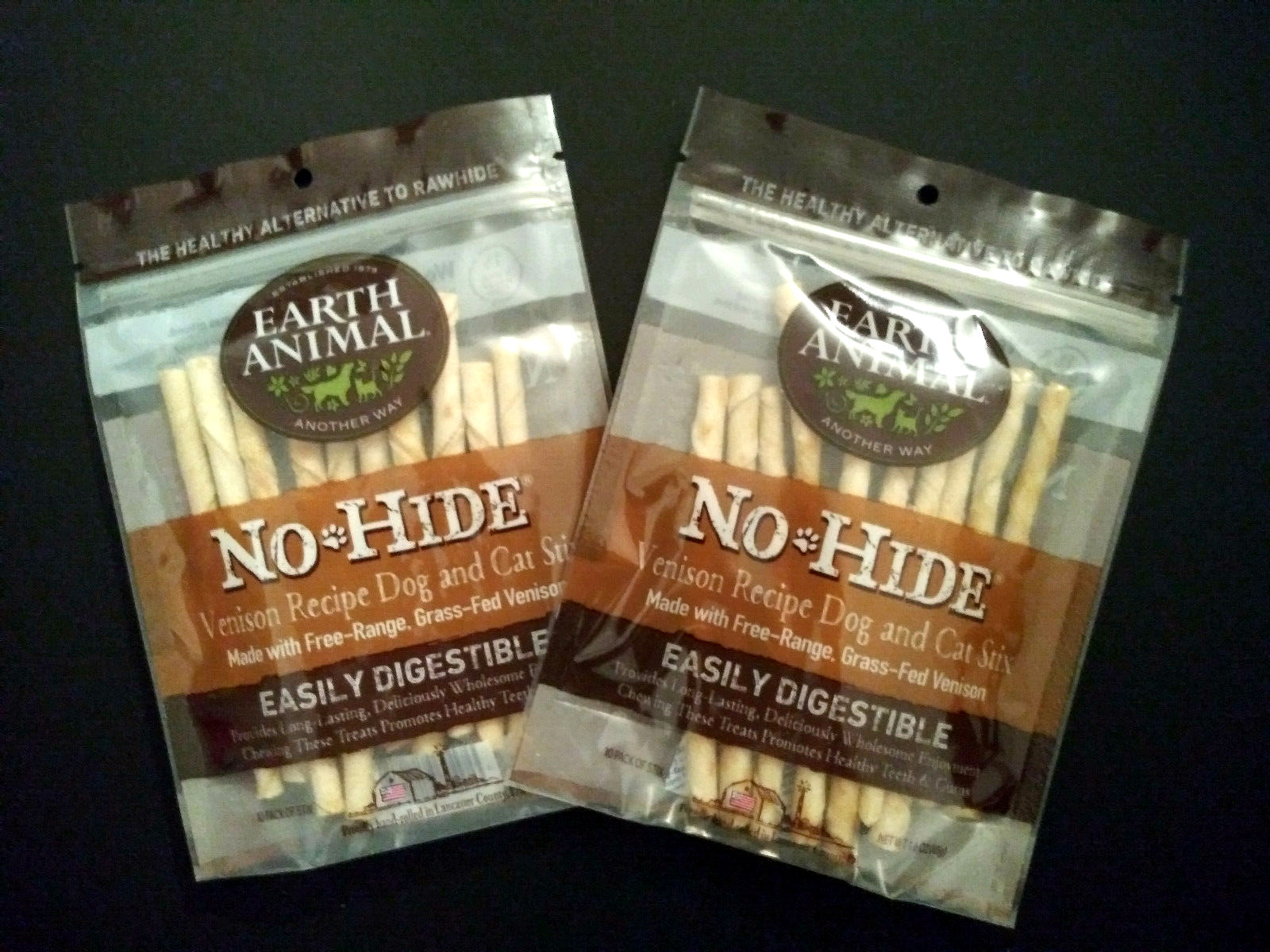 Earth Animal (2) No Hide Stix Venison Sticks No Rawhide Natural Dog Treats$22.89View on eBay
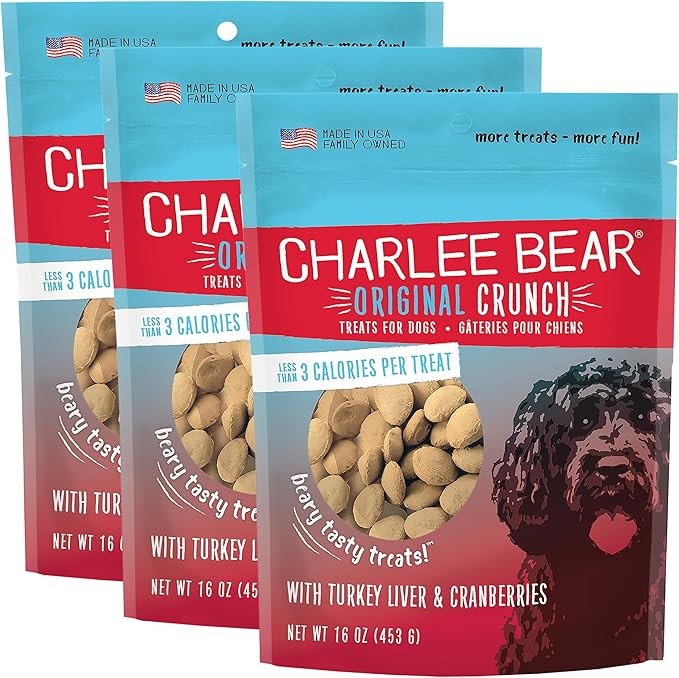 (3 PACK) Charlee Bear Original Crunch Turkey Liver & Cranberries Dog Treats 16oz$23.99View on eBay
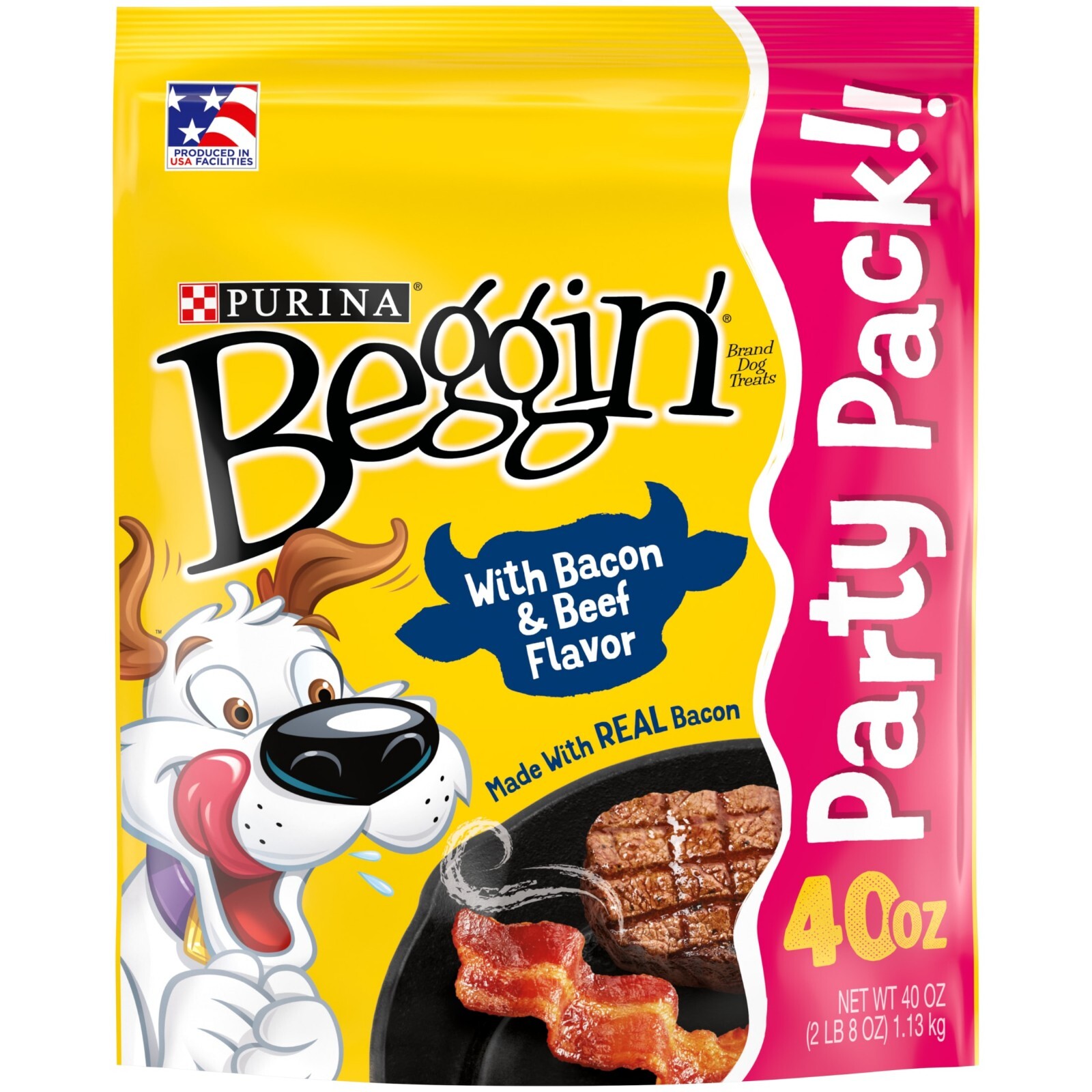 Purina Beggin' Strips Dog Treats with Real Bacon & Beef Flavors Tender Chews, 40$23.99View on eBay
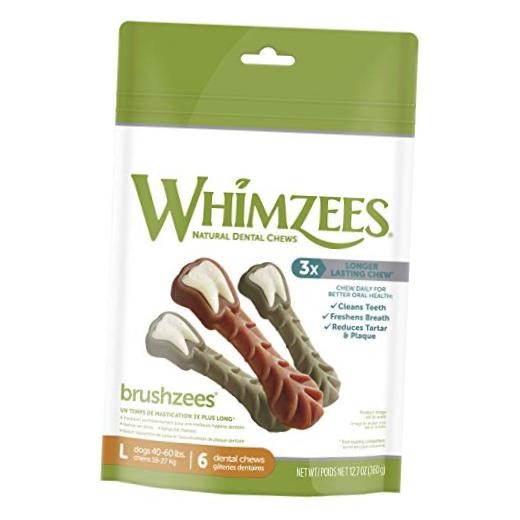 Natural Grain Free Daily Dental Long Lasting Dog Treat Pack of 6 Brushzees$25.63View on eBay
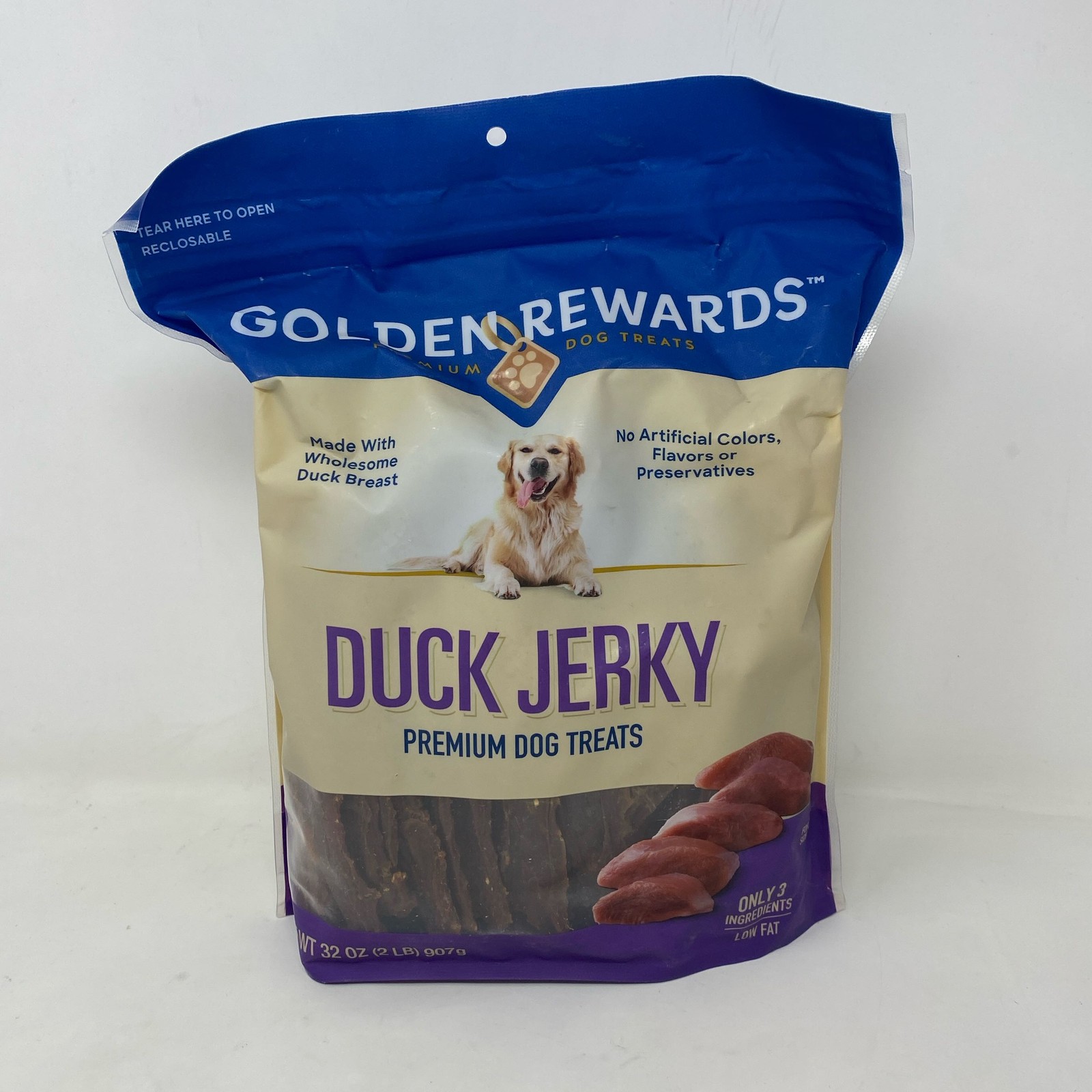 Golden Rewards Duck Jerky Premium Dog Treats, 32 oz (2 lb) Bag$26.44View on eBay
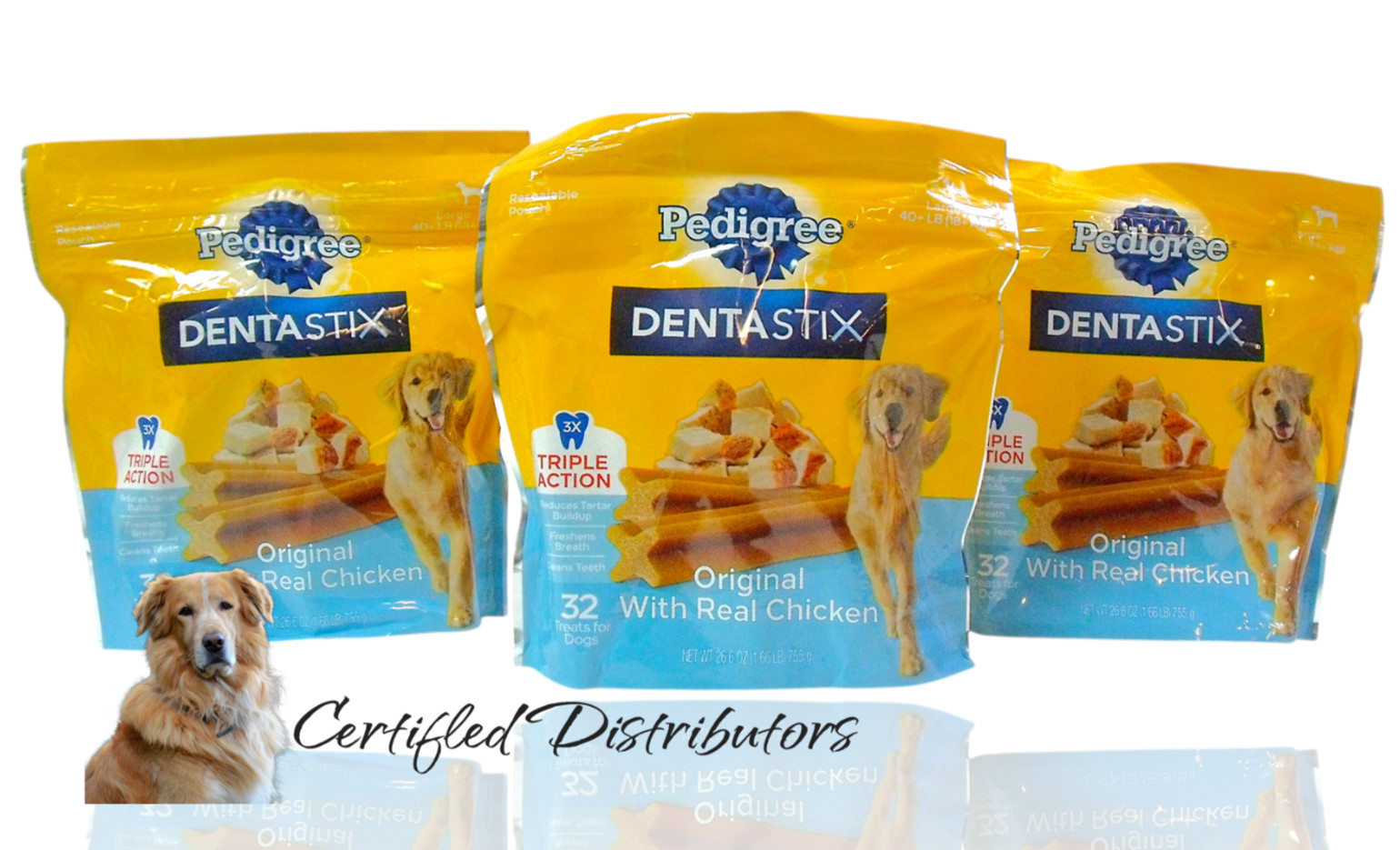 (Lot of 3) Pedigree Dentastix Large Dog Treats Original w/ Real Chicken 1.66 lb.$27.99View on eBay
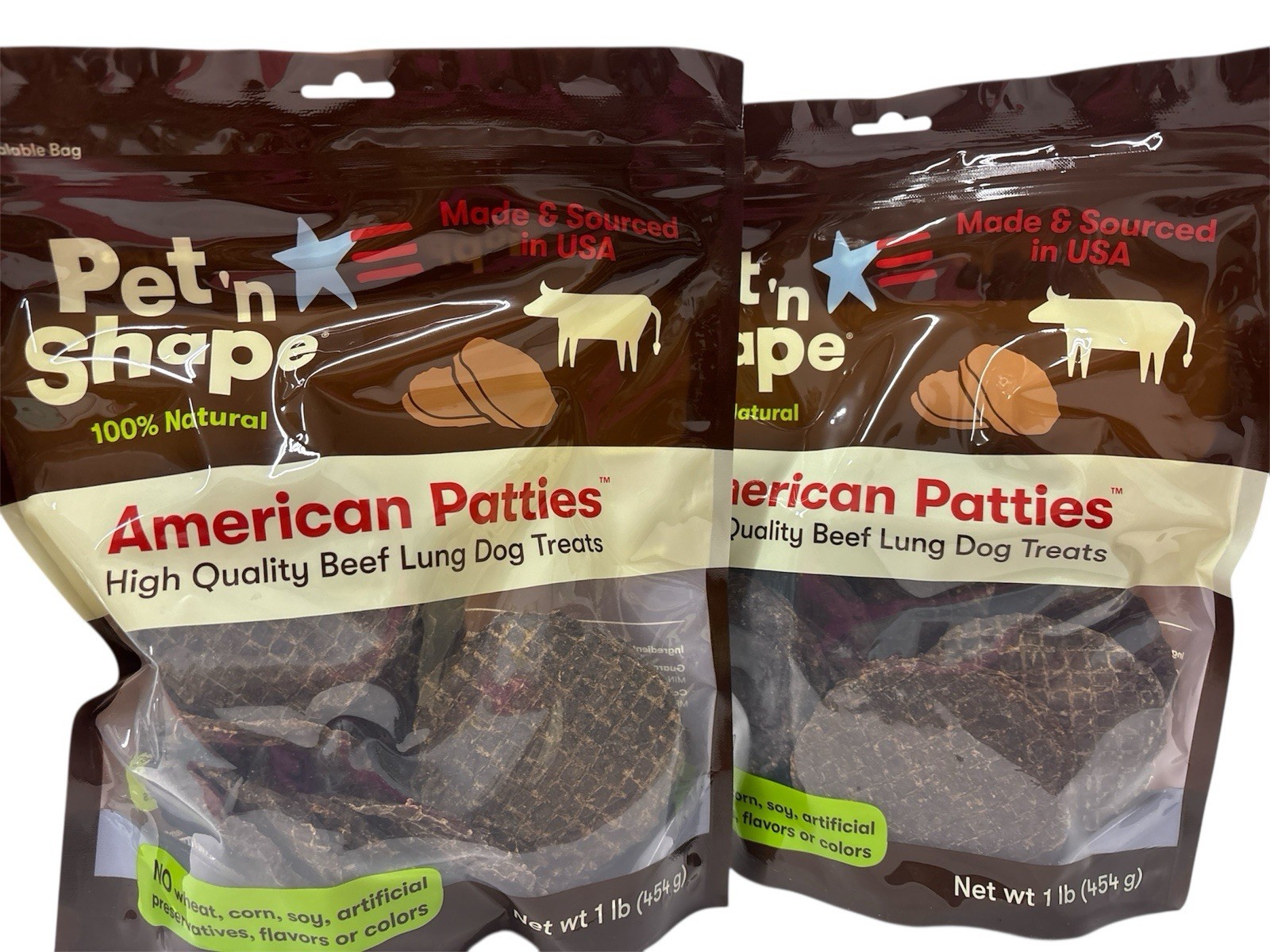 2 Bags (16oz each) Pet 'n Shape All American Beef Lung Patties Dog Treats$29.99View on eBay
Highlights
- Training treats should be pea-sized, soft, and under 3 calories each; jerky strips (e.g., chicken, duck) tear easily into 0.5-inch pieces for high-frequency reward without overfeeding.
- Chew duration scales with density: bully sticks, collagen twists, and chicken-wrapped rawhide last 10-30 minutes for medium chewers, while single-ingredient lung or ear chews are brittle and consumed in under 5 minutes.
- Dental treats rely on mechanical abrasion: textured star or X-shapes with a raised surface and a size matching the dog's muzzle width clean teeth better than smooth soft jerky.
- Grain-free and limited-ingredient lines (sweet potato, duck, beef lung) reduce allergen load, but always transition over 5-7 days to avoid GI upset from high-protein or novel-protein treats.
Best use cases
- Best for obedience training: soft, tearable jerky or small-bite treats (chicken, duck, or sweet potato) in 1-3 calorie pieces; skip hard bully sticks and rawhide, which distract and take too long to consume.
- Best for power chewers: collagen twists, chicken-wrapped rawhide, or 6-inch bully sticks matched to 20+ lb jaw strength; skip brittle lung or ear chews that shatter and pose a choking hazard.
- Best for senior or small-breed dogs: soft, low-fat jerky or sweet potato treats that break easily; skip dense rawhide and large 12-inch chews that risk tooth fracture or overconsumption.
- Best for multi-dog households: bulk 1-2 lb bags of consistent-size training treats (sweet potato, duck small bites) to avoid resource guarding; skip single large chews unless supervised separation is possible.
Buying tips
- Match treat size to dog weight: under 10 lb use 0.5-inch pieces; 10-25 lb use 1-inch pieces; over 25 lb use 6-inch chews, and always cut jerky strips into training-sized bits to control calorie intake.
- Prefer single-ingredient treats with named proteins (chicken, beef lung, duck) and no added glycerin, sugar, or propylene glycol; these are lower-risk for allergies and easier to digest.
- For dental benefits, choose treats with a textured surface and a size that requires 30-60 seconds of chewing; smooth soft treats provide negligible mechanical cleaning.
- Buy resealable bags or portion into airtight containers within 2 weeks of opening; jerky and dried meat oxidize and lose palatability after 4-6 weeks of air exposure.
Specs
| Treat Type | Jerky / Chew / Dental / Training |
|---|---|
| Protein Source | Chicken, Duck, Beef, Sweet Potato |
| Grain Content | Grain-free vs Grain-inclusive |
| Chew Hardness | Soft / Medium / Power Chewer |
Related searches
What to check before buying
- Measure your dog's muzzle width and weight: chews should be longer than the muzzle and wide enough to prevent swallowing whole; training treats should be no larger than a pea for dogs under 15 lb.
- Check ingredient sourcing and production location: USA-made and sourced treats (e.g., Pet 'n Shape) reduce risk of imported jerky contamination and are easier to trace.
- Confirm protein and fat percentages: training treats should be under 10% fat to avoid pancreatitis risk; dental chews should be 10-15% protein with moderate fat for chew drive.
- Verify treat hardness against your dog's dental health: dogs with cracked teeth or gingivitis need soft jerky, not hard rawhide or antler-type chews.
FAQ
Data sources: eBay / Amazon listings and product attribute feeds Data updated Nov 18, 2026.
Some links on this page are affiliate links. If you buy after clicking one, we may earn a commission at no extra cost to you. This does not change which products appear here or their order. Affiliate disclosure.