Photos from current listings. Actual item, color, and included accessories may vary.
Cat Litter Buying Guide
Cat litter is a performance material, not just filler: clumping clay locks urine into scoopable solids, while non-clumping and plant-fiber litters trade convenience for dust, tracking, and odor behavior. The decisive rule is to match litter chemistry to your box type and household load — scoopable bentonite for odor control, low-dust non-clumping for sensitive cats, and pellet litters only with sifting or grate boxes.

At a glance
- Category
- Pet Food, Treats & Litter
- Data updated
- Nov 18, 2026
Current offers
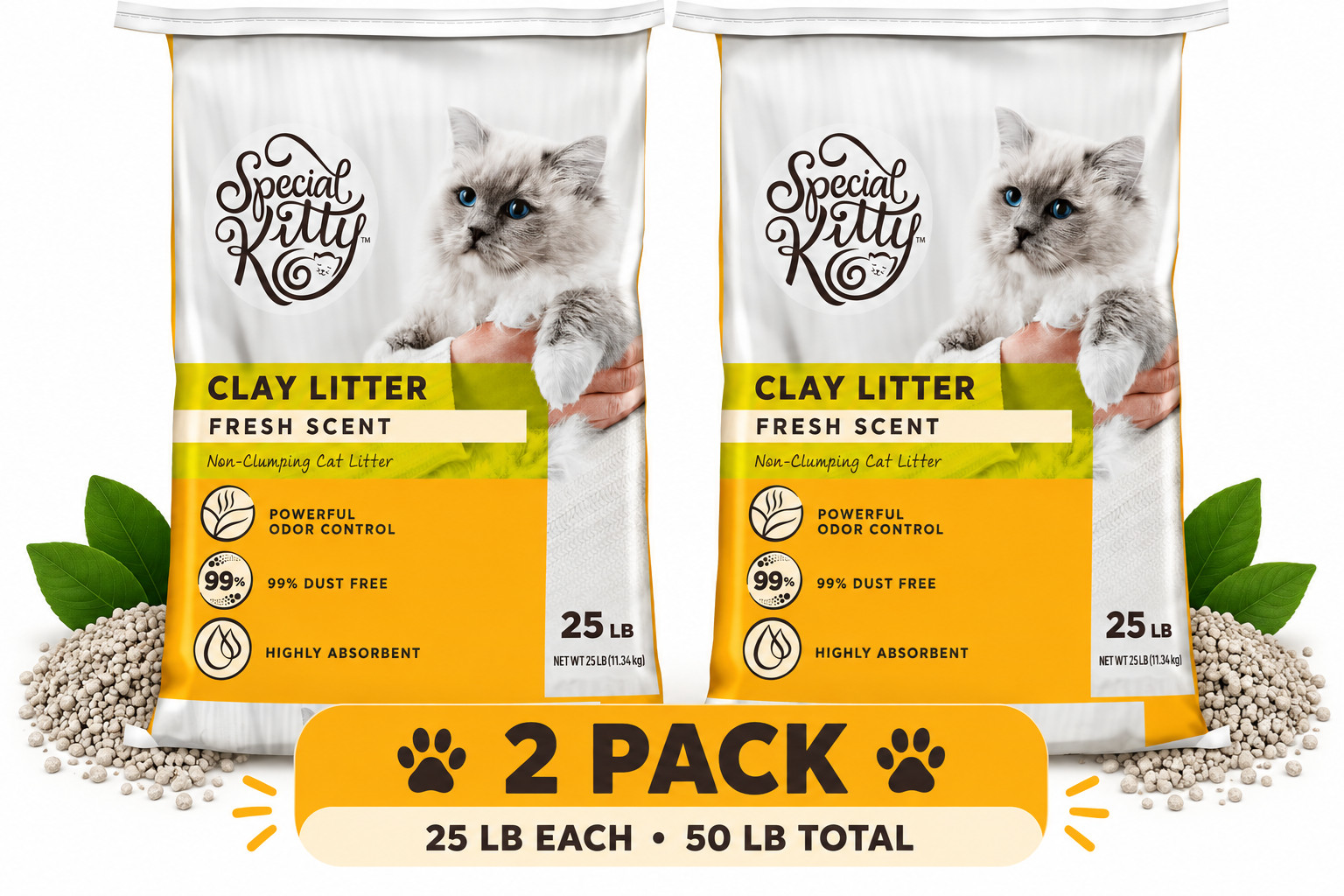 Special Kitty Non-Clumping Clay Cat Litter, Fresh Scent, 25 lb Bag, 2 Count$11.49
 View on eBay
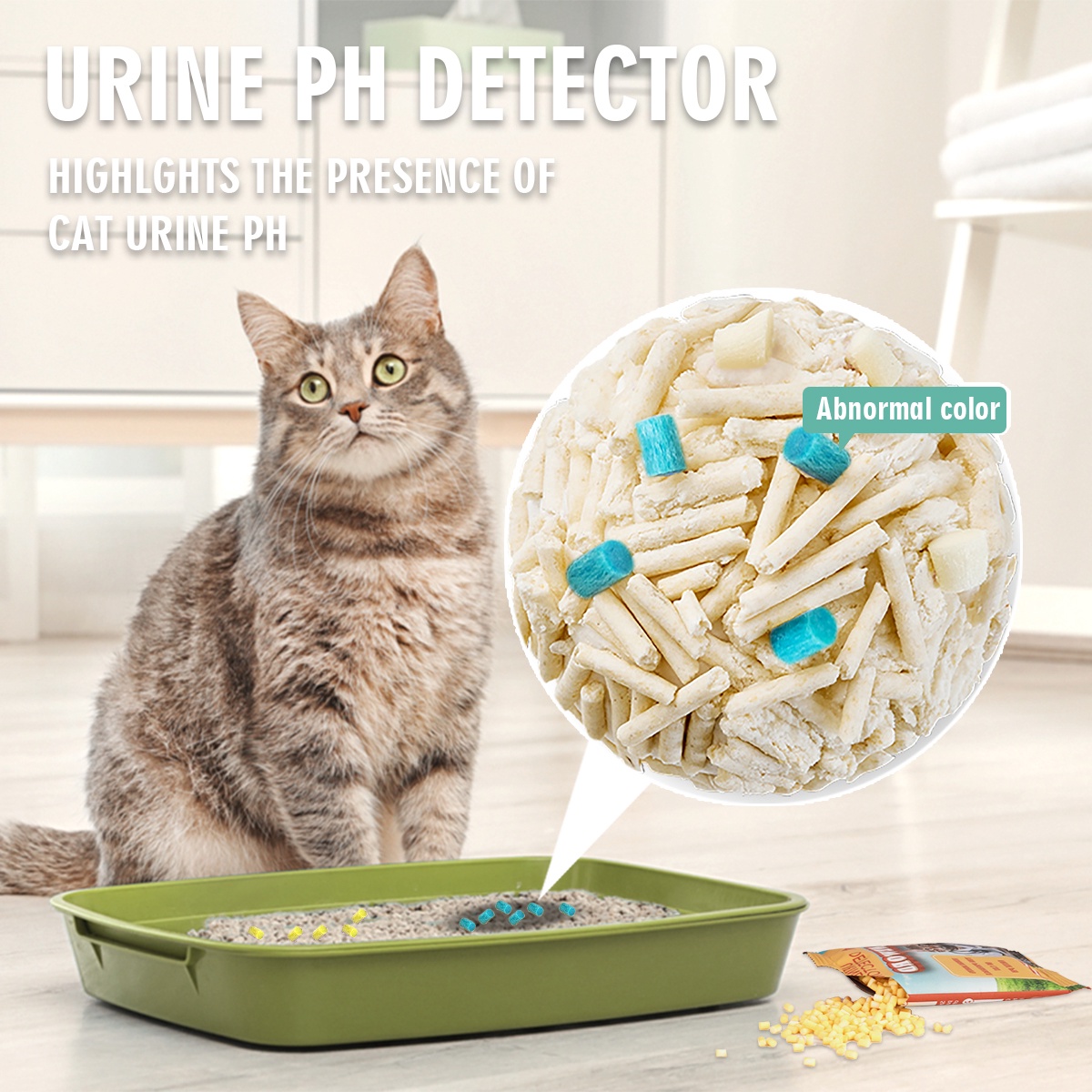 Cat Litter Self Checking Particles$21.99
 View on Mallflare
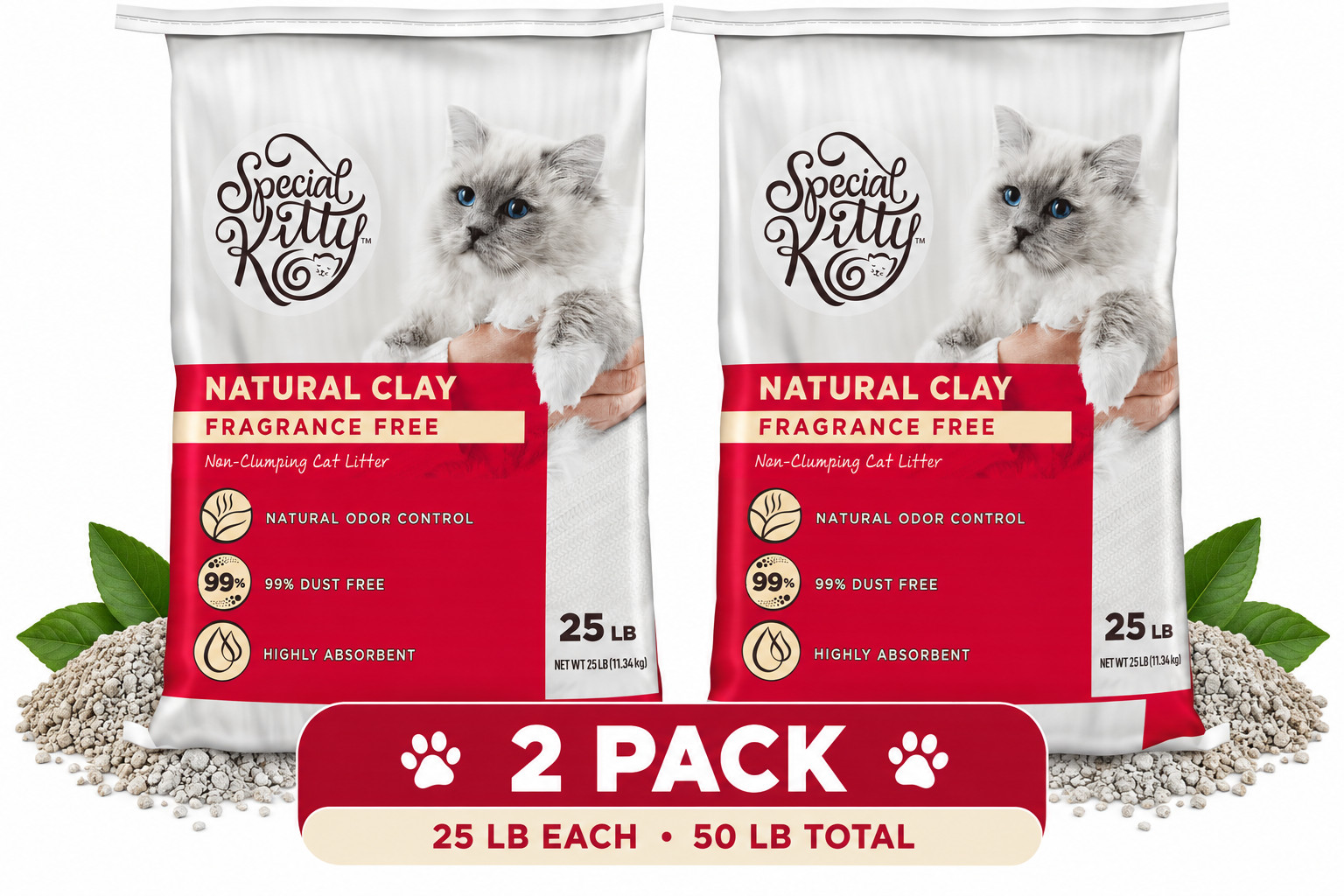 Special Kitty Non-Clumping Clay Cat Litter, Unscented, 25 lb Bag, 2 Count$11.99View on eBay
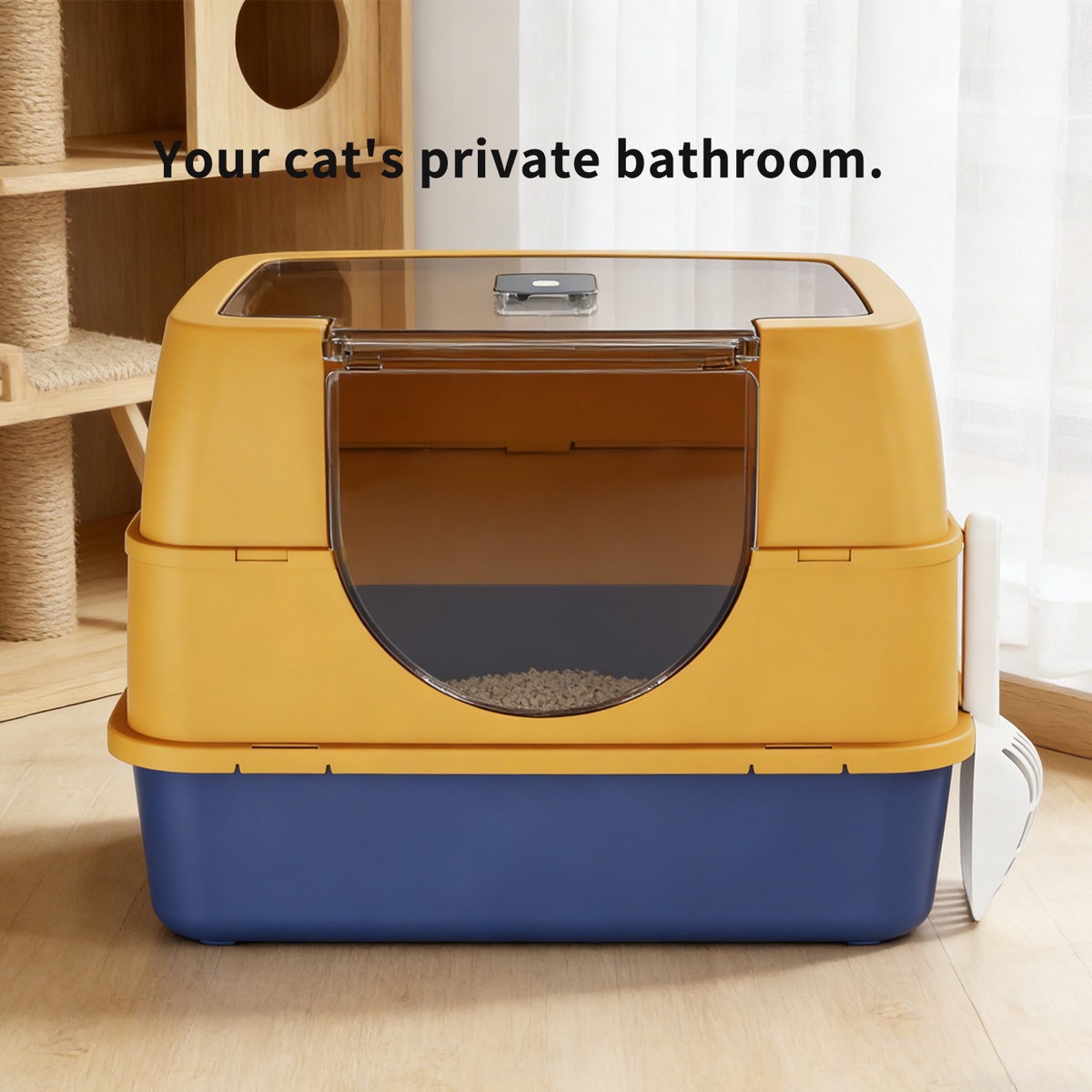 Galaxy Fully Enclosed Cat Litter Box$27.99View on Mallflare
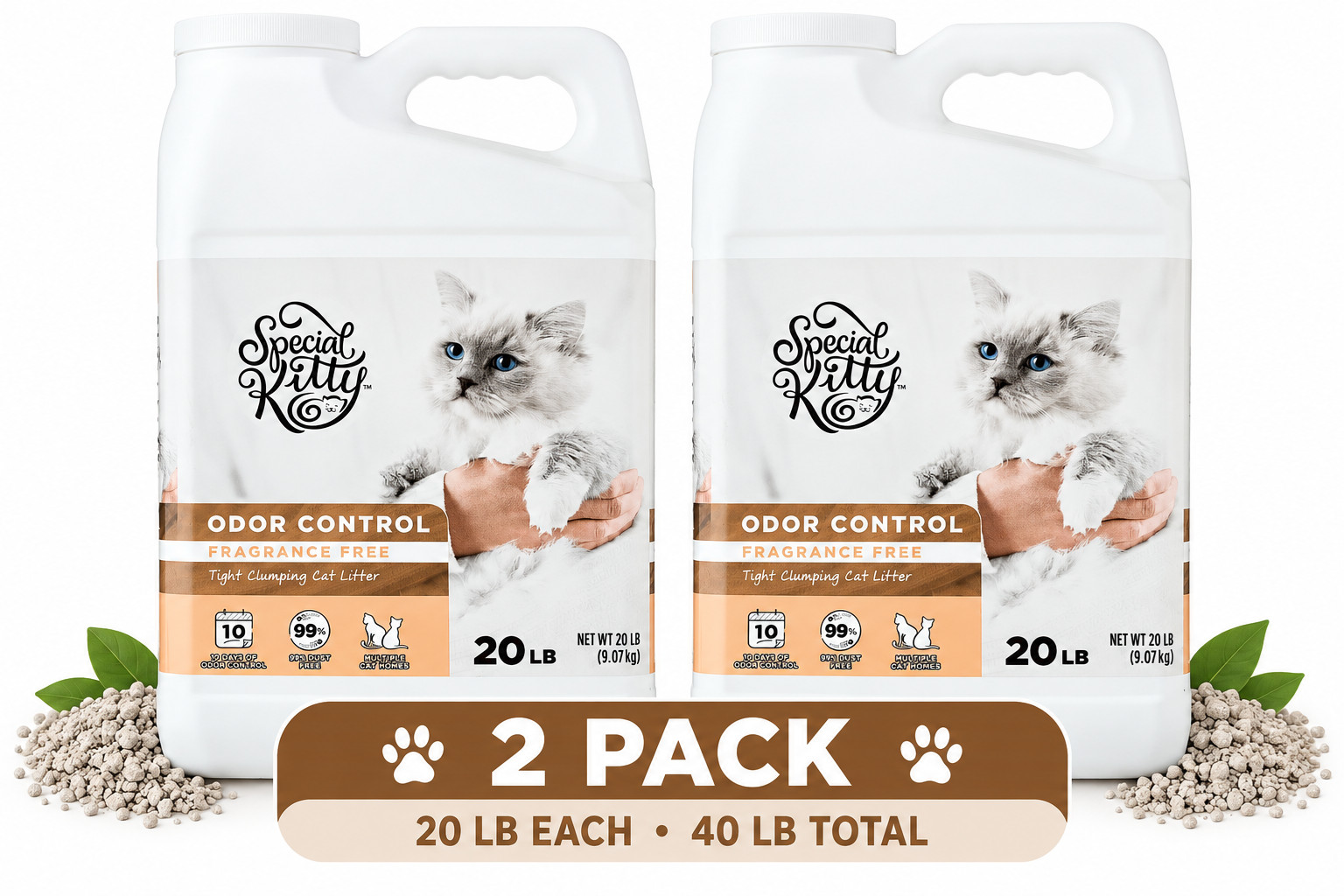 (2 Pack) Special Kitty Clumping Clay Cat Litter, Unscented, 20 lbs Jug$13.49View on eBay
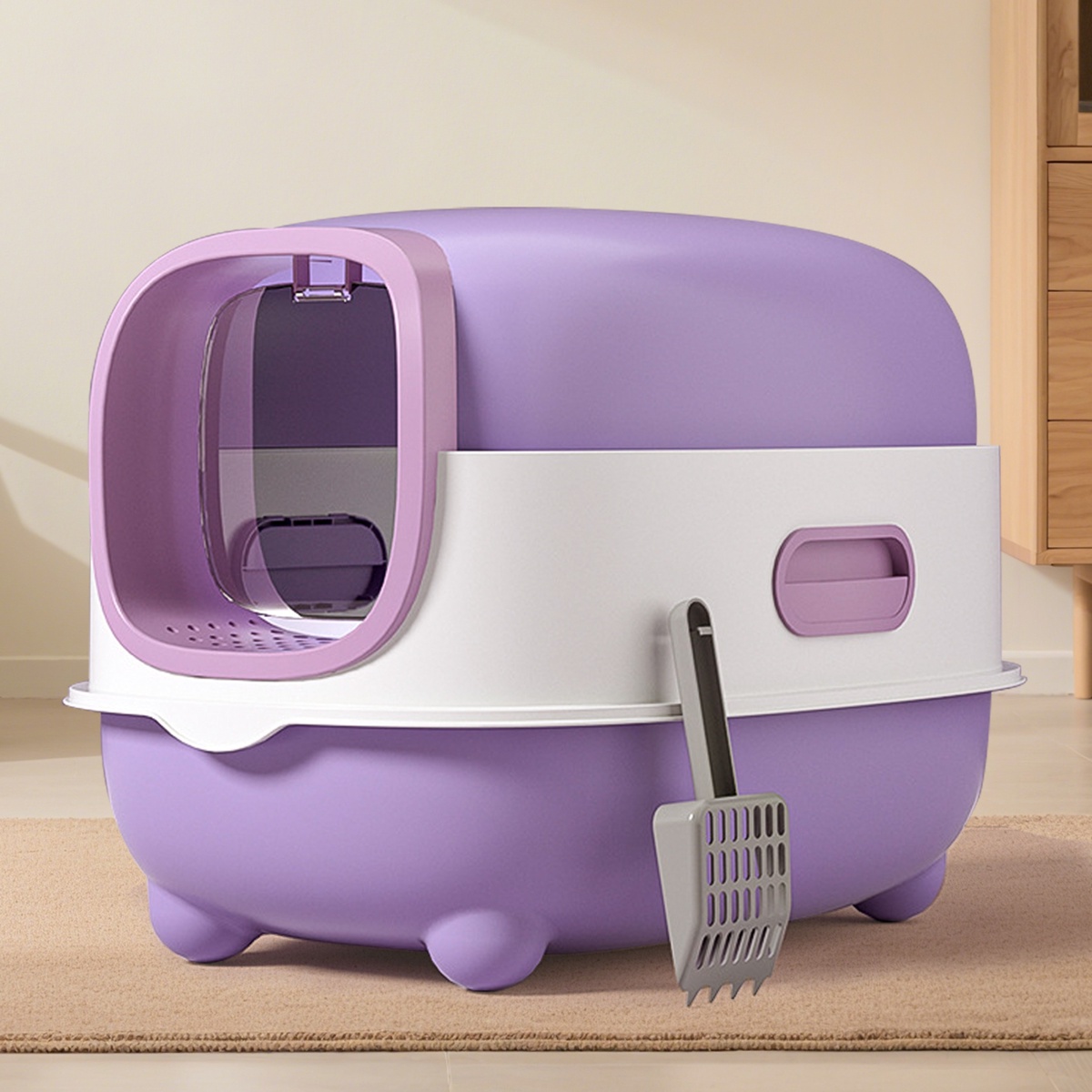 E-model Cat Litter Box$29.99View on Mallflare
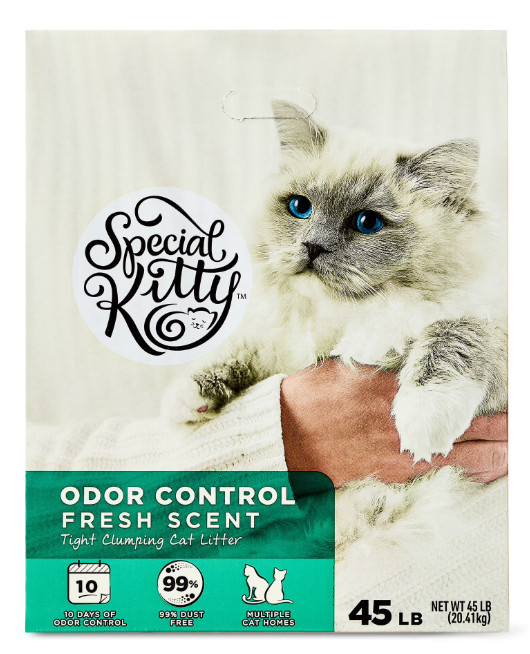 Special Kitty Scoopable Tight Clumping Cat Litter, Fresh Scent, 45 lb$13.86View on eBay
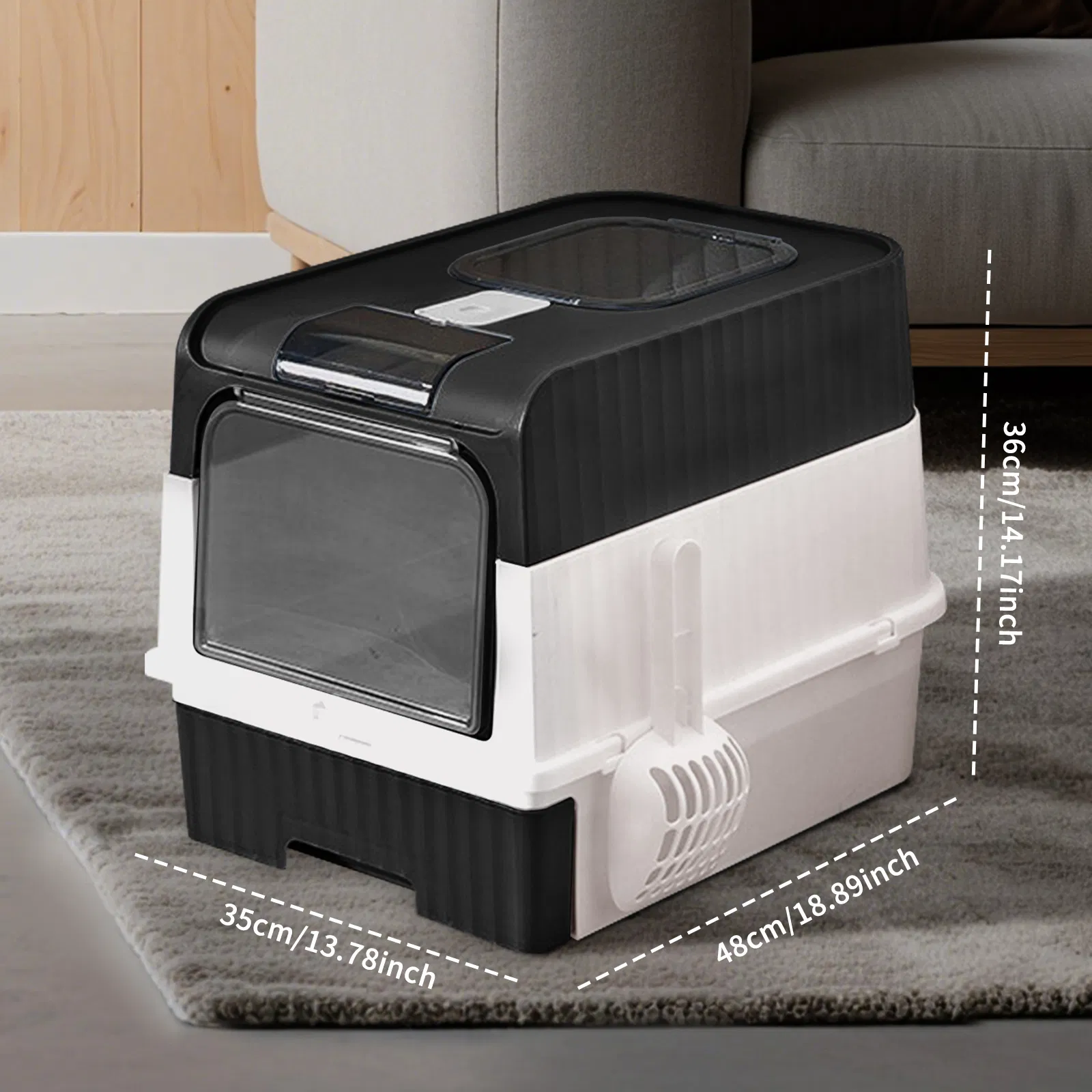 black Magic Cube Cat litter box - Easy to operate, enjoy a pure life | to clean, silent design, preferred for multi cat families, not shipped on weekends$33.99View on Mallflare
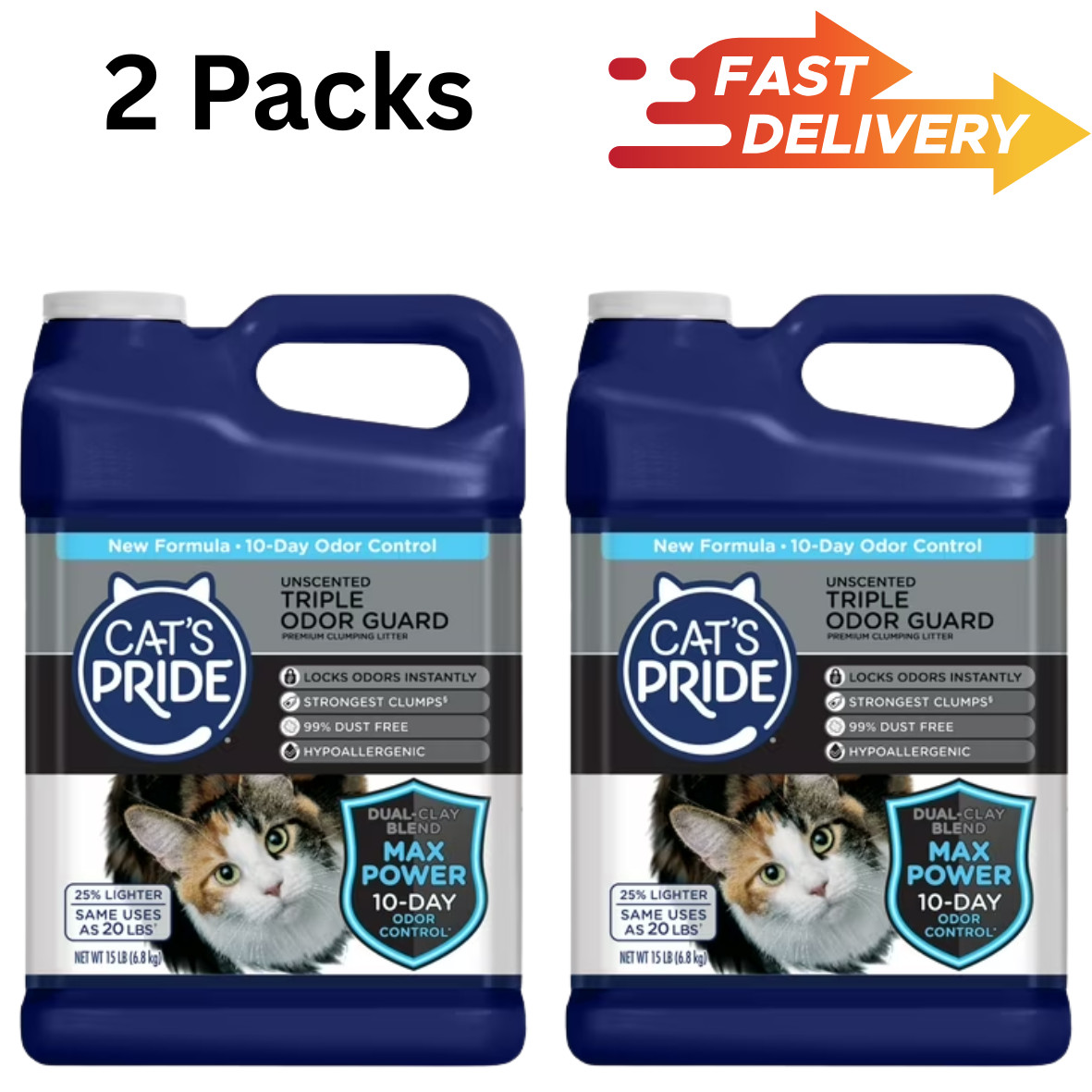 Cat's Pride Max Power Triple Odor Guard Unscented Cat Litter, 15 lb - 2 Pack$14.00View on eBay
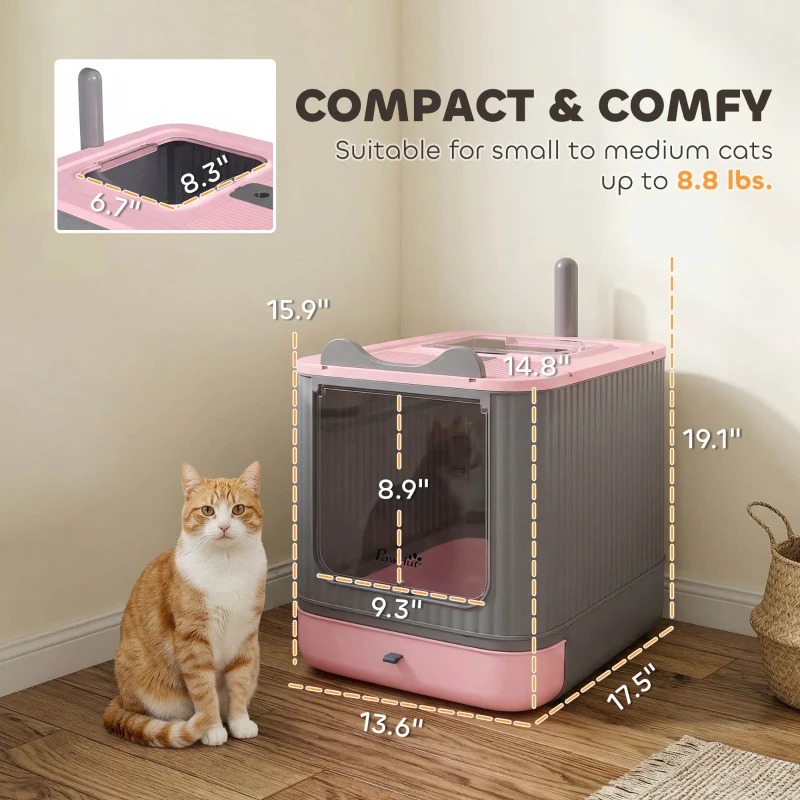 Cat Litter Box With Lid, Enclosed Box For Medium Cats, Front-Entry And Top-Exit, Scoop, Deodorizer Bag, Pink$36.99View on Mallflare
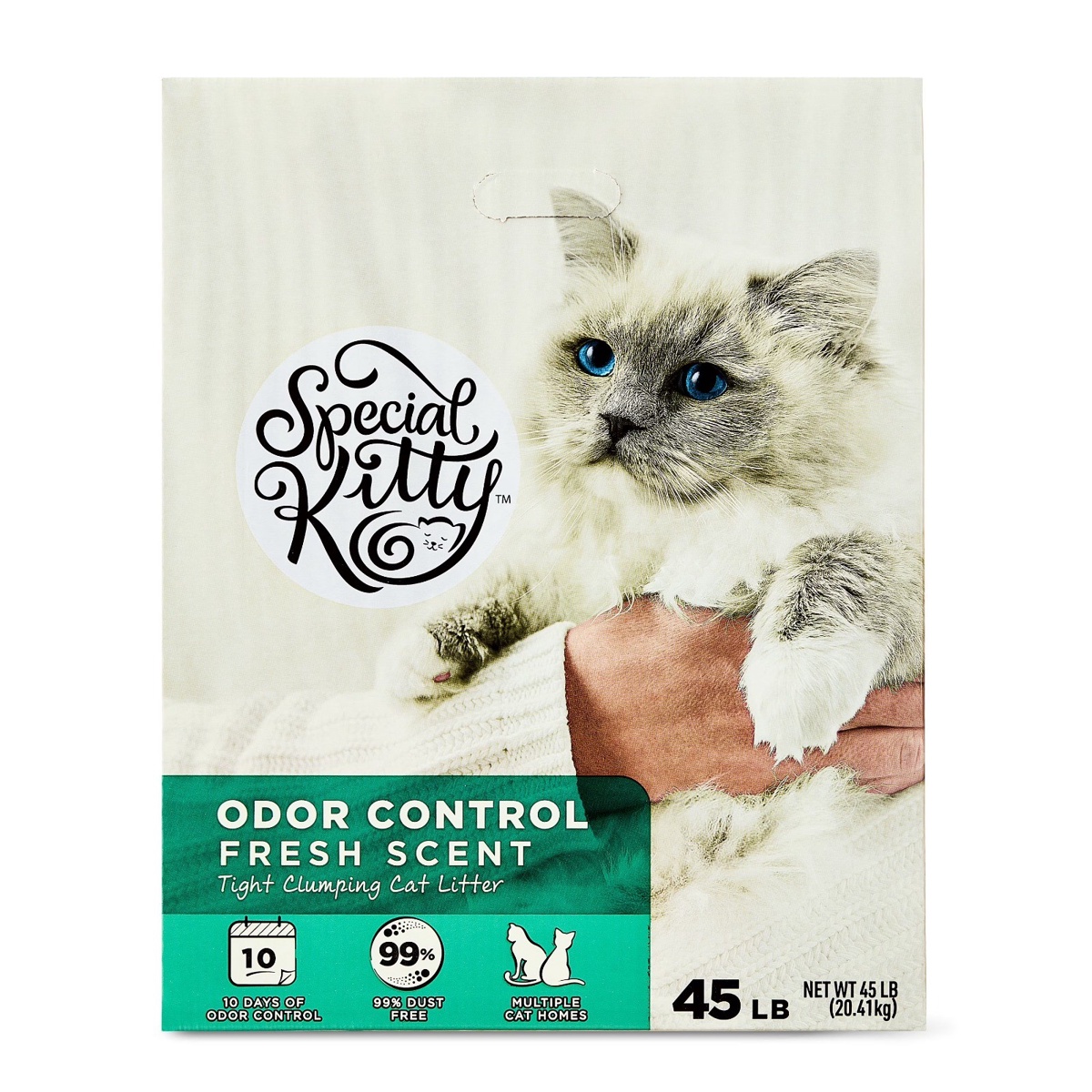 Clumping Clay Cat Litter, Fresh Scent, 45 lbs Box$14.43View on eBay
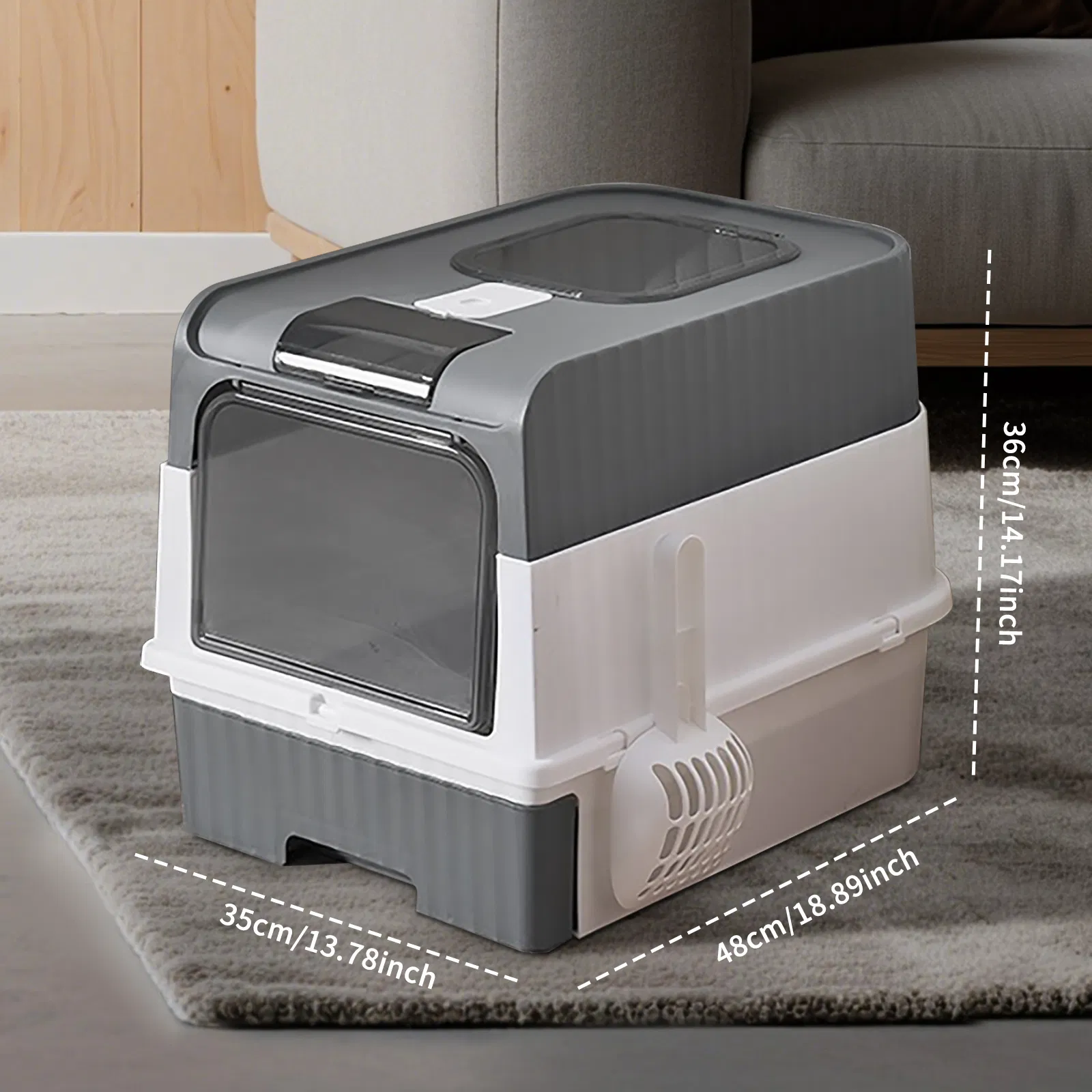 greyMagic Cube Cat litter box - Easy to operate, enjoy a pure life | to clean, silent design, preferred for multi cat families, not shipped on weekends$37.99View on Mallflare
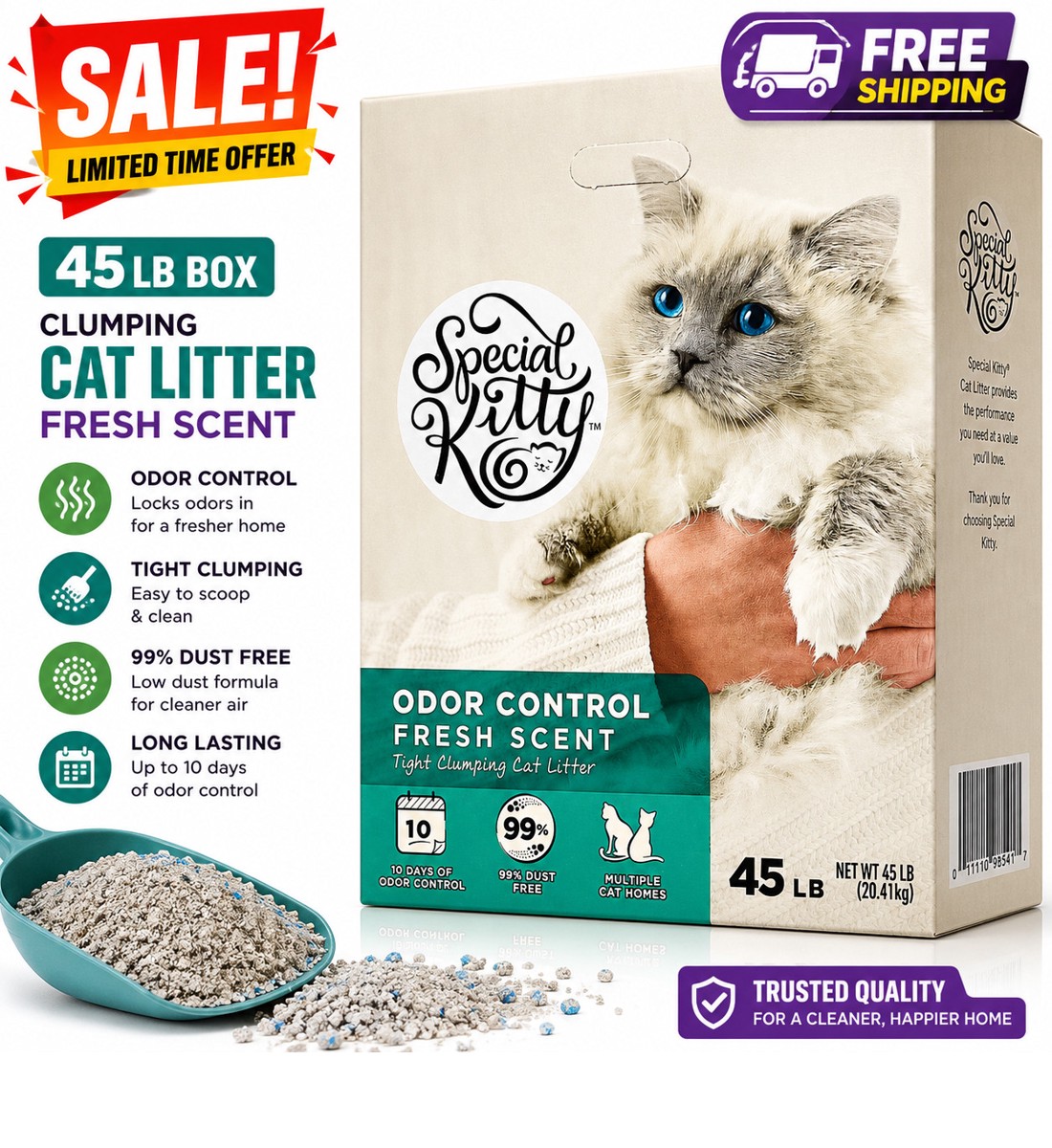 Special Kitty Clumping Clay Cat Litter, Fresh Scent, 45 lb Box, 1 Count$15.12View on eBay
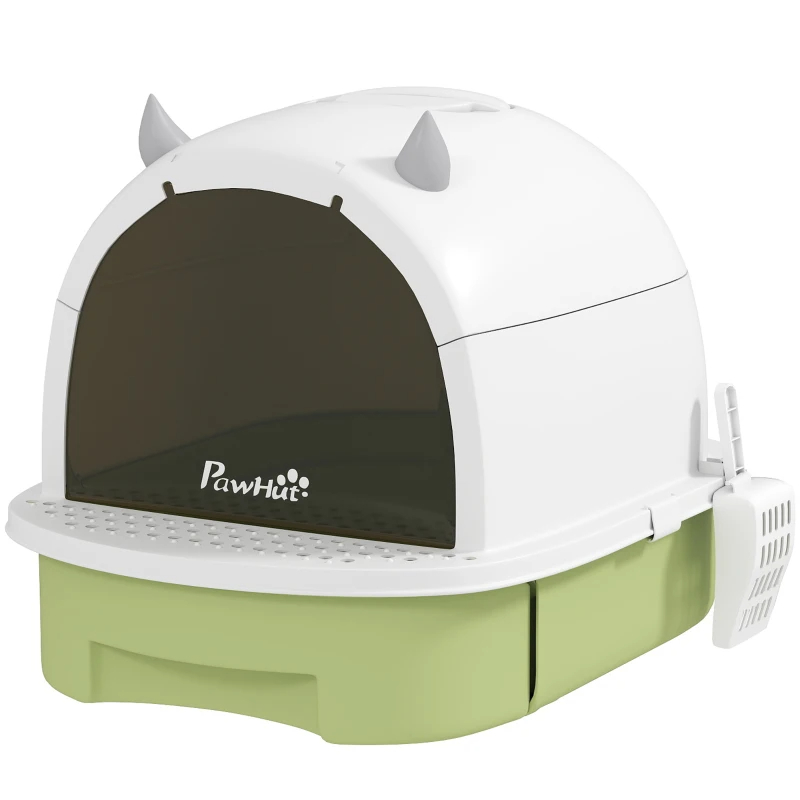 Covered Cat Litter Box With Lid, Scoop, Deodorizing Bags For Odor Control, Privacy, Easy To Clean, Green$38.99View on Mallflare
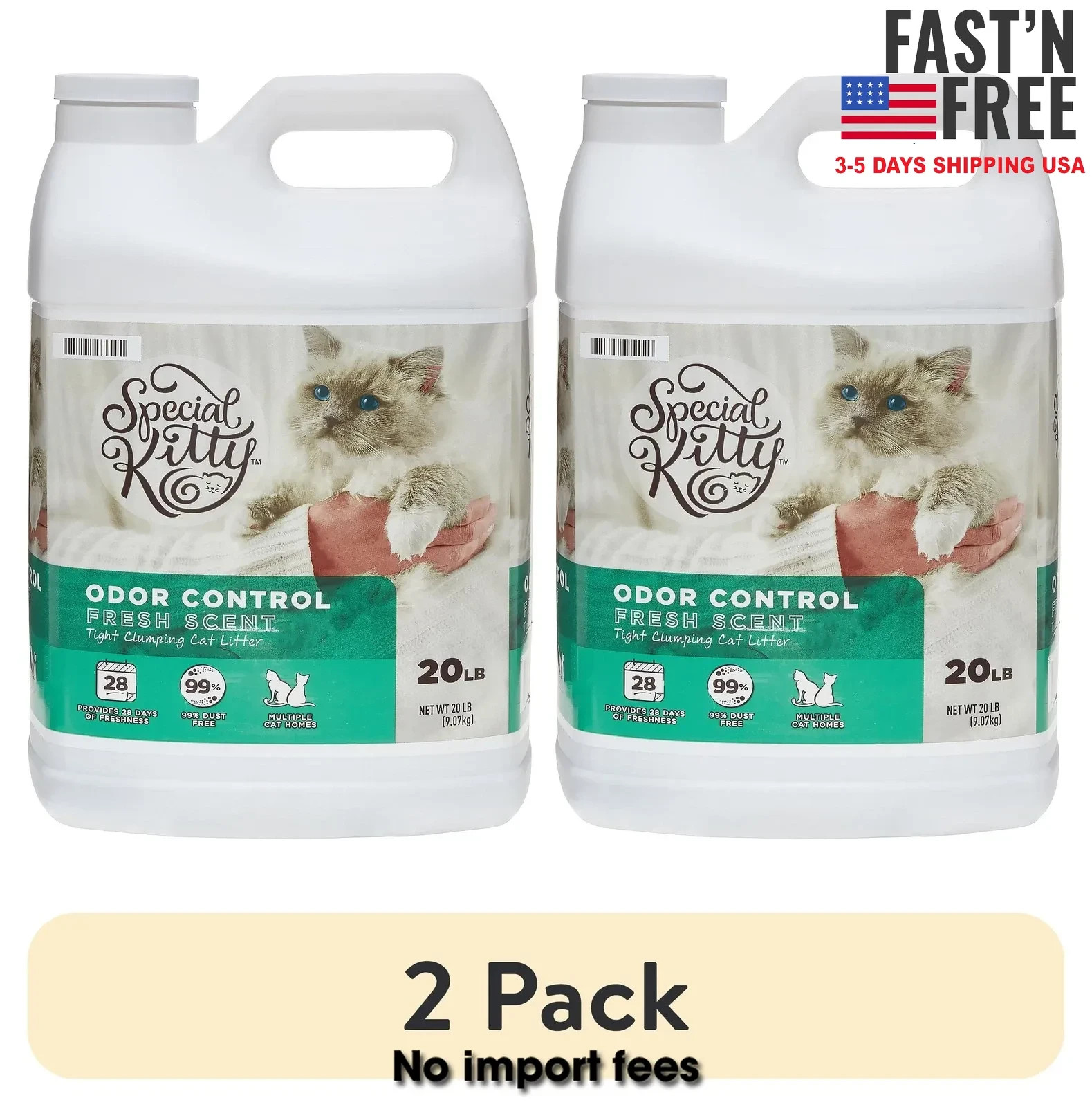 (2 pack) Special Kitty Scoopable Tight Clumping Cat Litter, Fresh Scent, 20 lb$15.34View on eBay
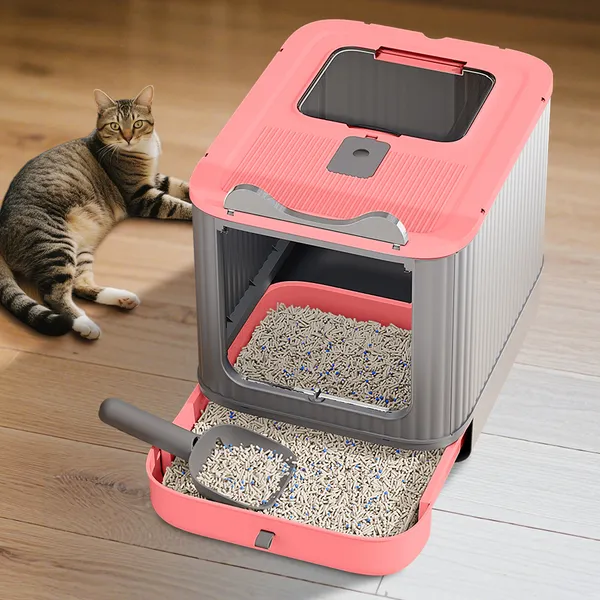 Elevated Leak Proof Elf Pink Cat Litter Box, Made Of Sturdy And Durable Materials, Also Suitable For Multi Cat Households$39.99View on Mallflare
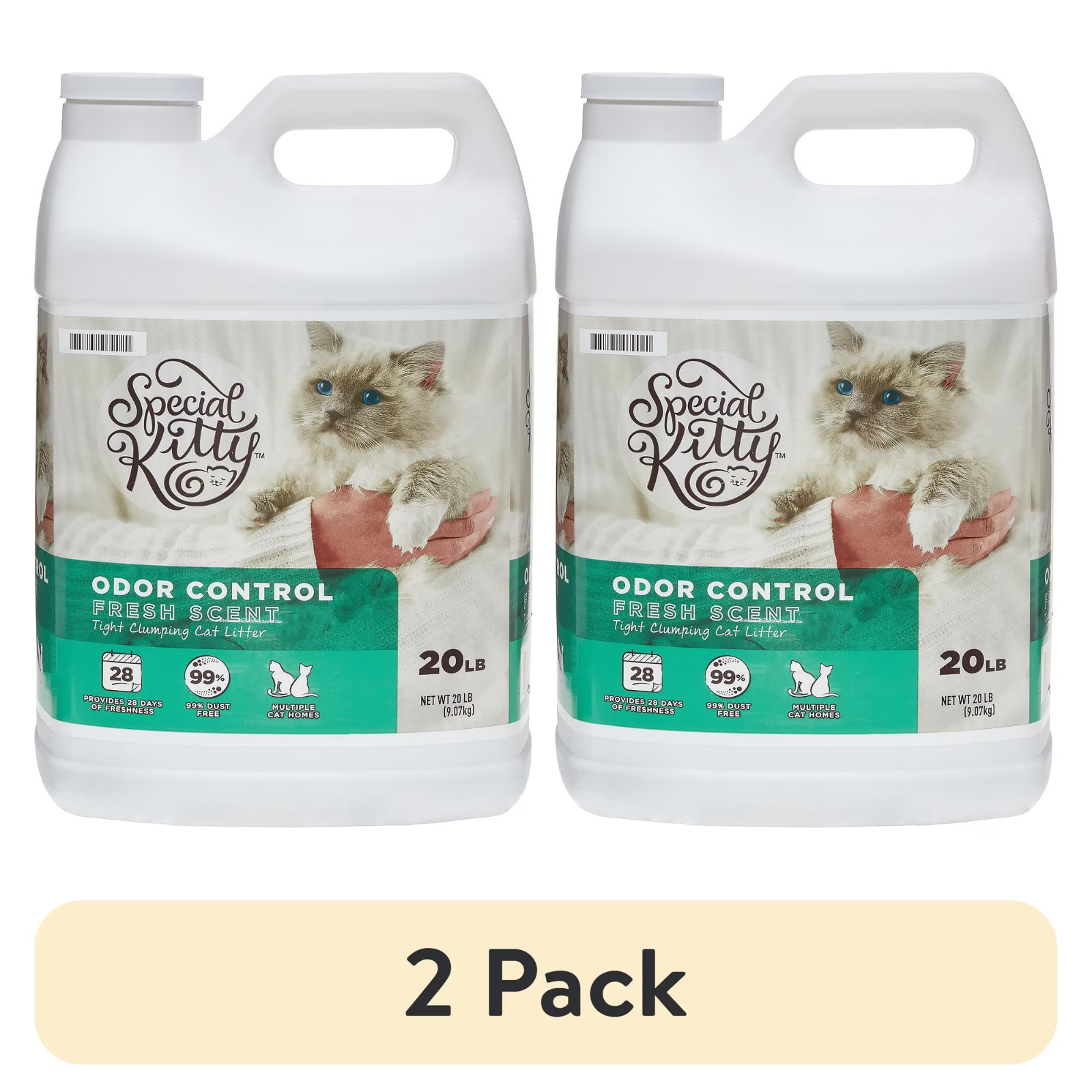 (2 pack) Special Kitty Clumping Clay Cat Litter, Fresh Scent, 20 lbs Jug, 1 Ct$16.98View on eBay
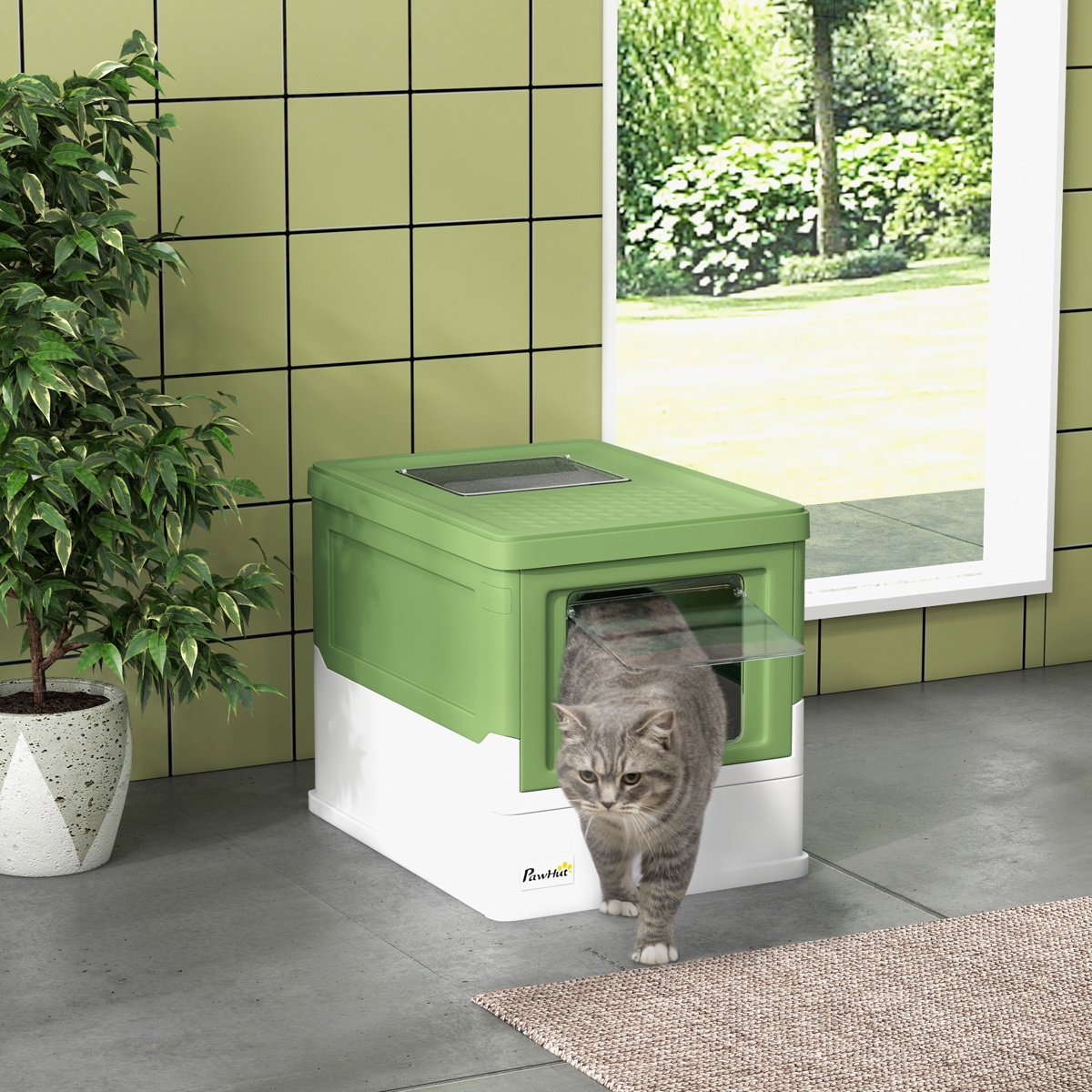 Fully Enclosed Cat Litter Box with Front Entry, Top Exit, Yellowish Green$39.99View on Mallflare
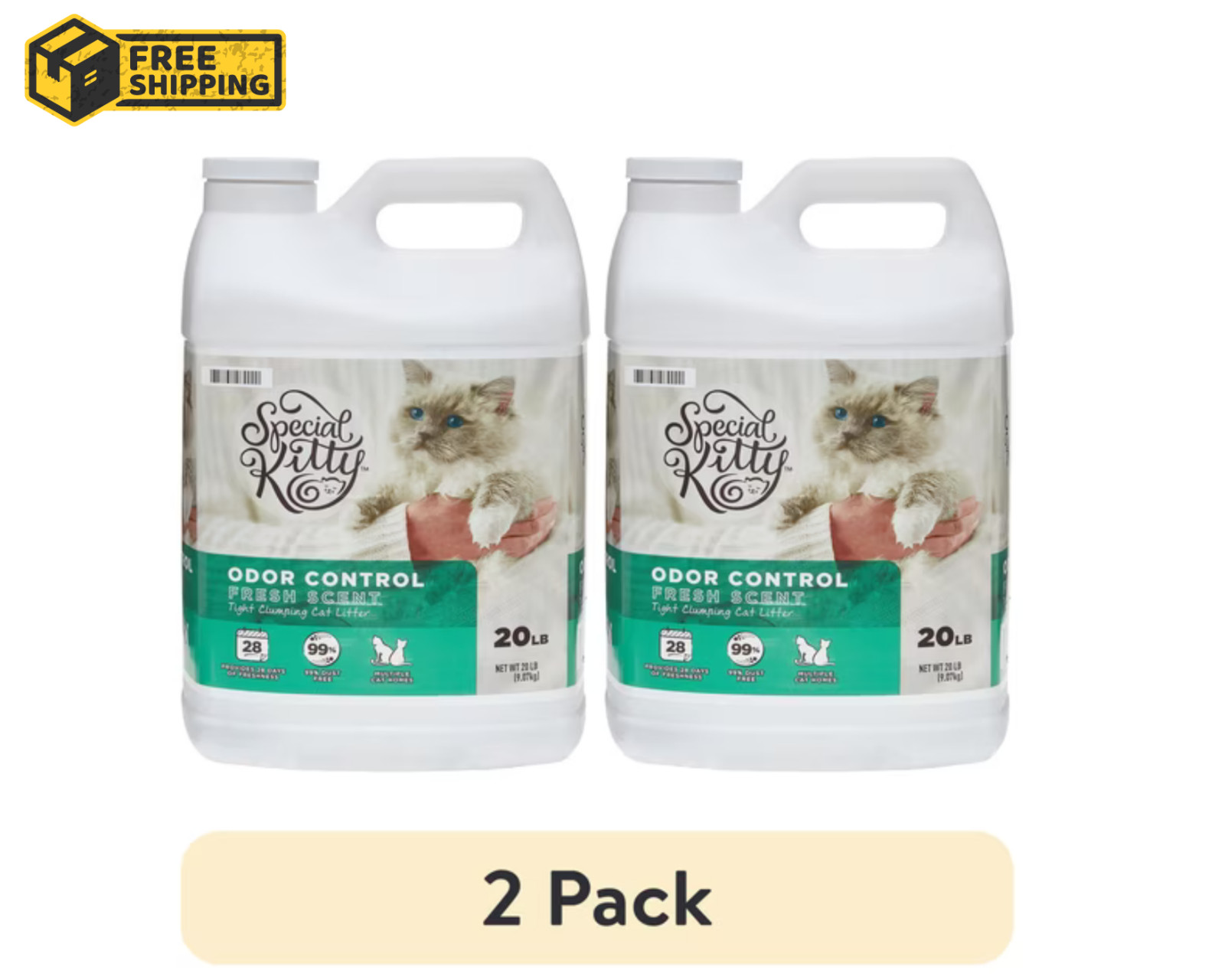 40 lbs Special Kitty Odor Control Tight Clumping Cat Litter, Fresh Scent$17.85View on eBay
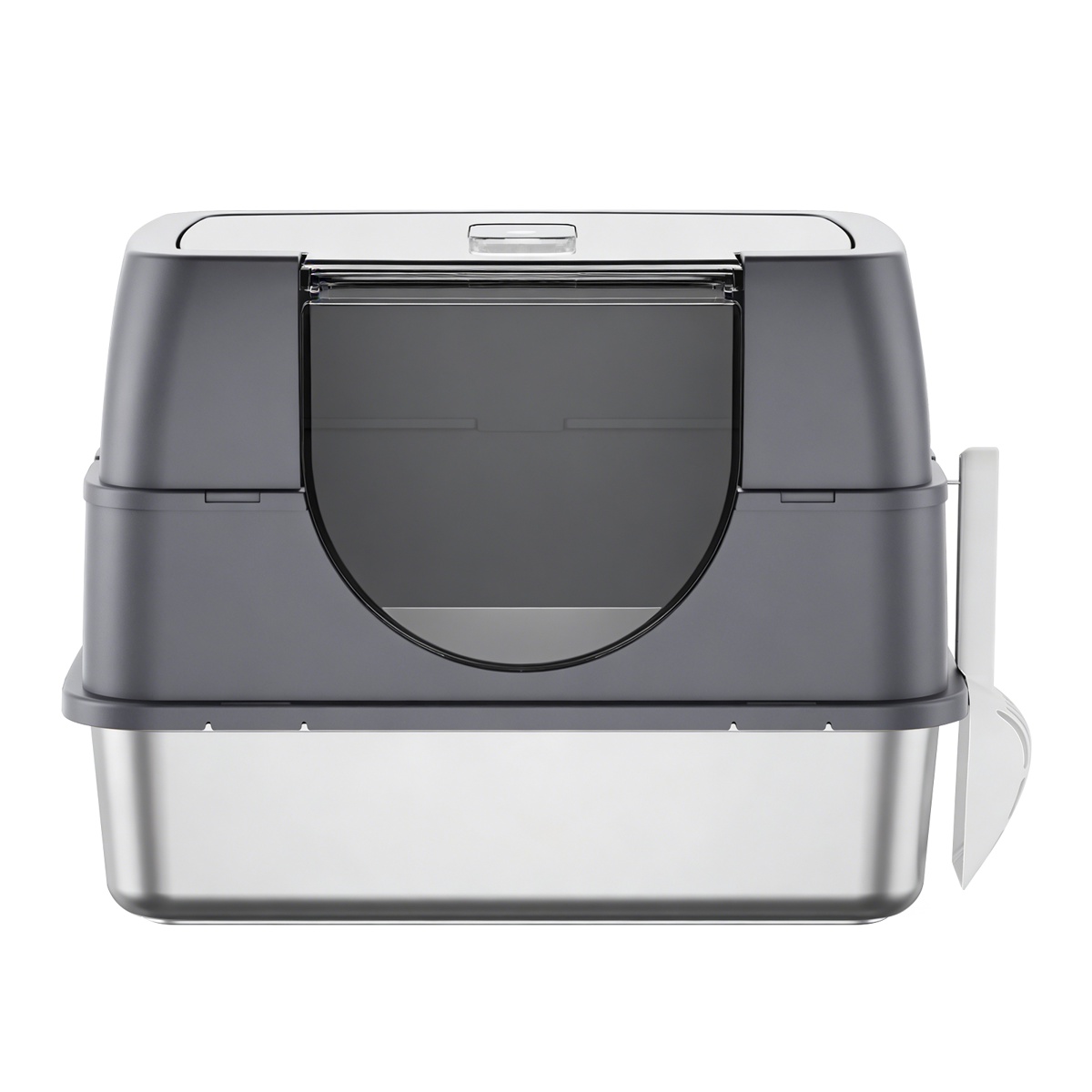 Galaxy Stainless Steel Cat Litter Box$40.99View on Mallflare
Highlights
- Sodium bentonite clumping clay swells and binds liquid into firm scoops; clump strength depends on clay grade and dust content, not bag size.
- Non-clumping clay and pellet litters rely on absorption plus frequent full changes; they release ammonia between changes unless paired with odor-guard additives.
- Tofu and plant-fiber litters clump fast and flush safely in small amounts but cost more per pound and track lightweight granules further.
- Dust level is set by screening and de-dusting at the plant; low-dust formulas matter most for asthma-prone cats and enclosed boxes.
Best use cases
- Multi-cat households with standard open boxes: choose high-clump-strength scoopable bentonite and scoop twice daily — this is the lowest-odor-per-dollar configuration.
- Single cat with respiratory sensitivity or a hooded box: pick a low-dust, low-fragrance clumping or non-clumping litter and skip heavily perfumed fresh-scent bags.
- Kittens or cats that ingest litter: use non-clumping or pellet litter until ingestion stops; skip sodium bentonite clumping litter for cats under about 3 months.
- Self-cleaning or sifting boxes: use fine-grain clumping clay or tofu litter matched to the rake mechanism; skip large pellet litters that jam augers and grates.
Buying tips
- Budget roughly 10 lb of clumping litter per cat per month for twice-daily scooping; a 20 lb jug lasts about one month for one cat, half that for two.
- For odor control, prioritize clump hardness and unscented formulas with carbon or baking-soda additives over scent masking, which fades within days.
- Match litter to box depth: 2–3 in of clumping clay for standard boxes; 1–2 in of non-clumping or pellets with a sifting grate to keep solids off the floor.
- For multi-cat homes use the one-box-per-cat-plus-one rule; litter choice cannot compensate for too few boxes or infrequent full changes.
Specs
| Litter Type | Clumping clay / non-clumping / tofu |
|---|---|
| Clump Strength | Firm scoopable vs loose absorbent |
| Dust Level | Low-dust screened vs standard |
| Bag Size | 15–45 lb bags and multi-packs |
Related searches
What to check before buying
- Measure box interior length and width: clumping clay needs at least 1.5× cat body length so the cat can turn and dig without hitting the walls.
- Check box type: self-cleaning units specify fine-grain clumping or tofu litter; sifting and grate boxes require pellet diameters of roughly 5–8 mm.
- Confirm disposal path: flushable tofu and plant litters suit toilets on municipal sewer; clay and pellets belong in sealed trash to avoid plumbing clogs.
- Account for home climate: high humidity softens clay clumps and accelerates ammonia; store bags sealed and dry, and increase full changes in damp rooms.
FAQ
Data sources: eBay / Amazon listings and product attribute feeds Data updated Nov 18, 2026.
Some links on this page are affiliate links. If you buy after clicking one, we may earn a commission at no extra cost to you. This does not change which products appear here or their order. Affiliate disclosure.