Photos from current listings. Actual item, color, and included accessories may vary.
Cat Food Buying Guide
Cat food spans dry kibble, wet canned/pouch meals, and semi-moist formats, with the core trade-off being cost-per-calorie versus moisture content and protein quality. Dry food is economical and shelf-stable but low-moisture; wet food supports hydration and urinary health but costs more per meal. The decision rule: choose wet or mixed feeding for urinary or senior cats, and a named meat-first dry formula for budget multi-cat homes.

At a glance
- Category
- Pet Food, Treats & Litter
- Data updated
- Nov 18, 2026
Current offers
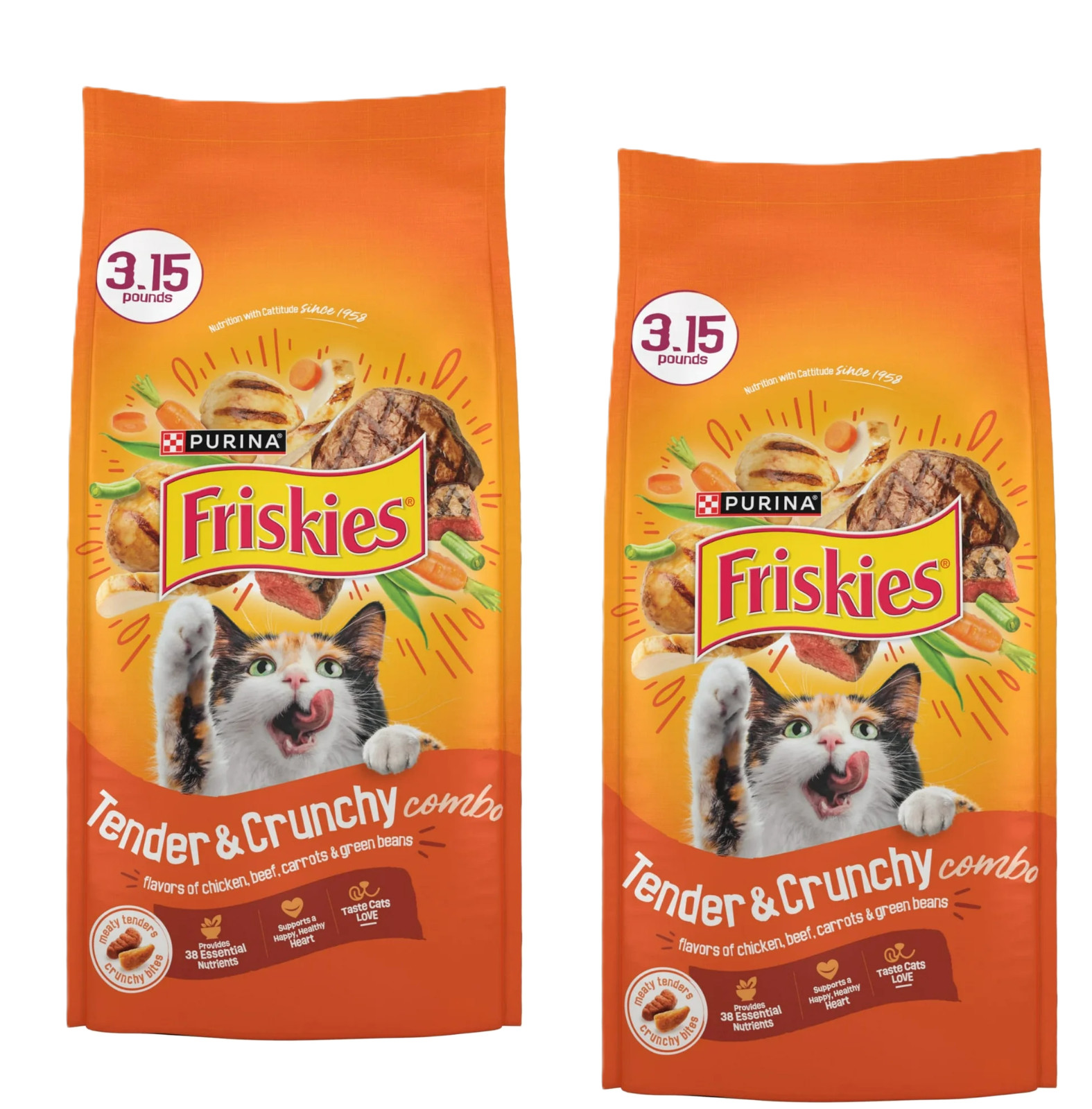 Purina Friskies Tender & Crunchy Dry Cat Food Chicken Beef 3.15 lb 2 Pack$7.99
 View on eBay
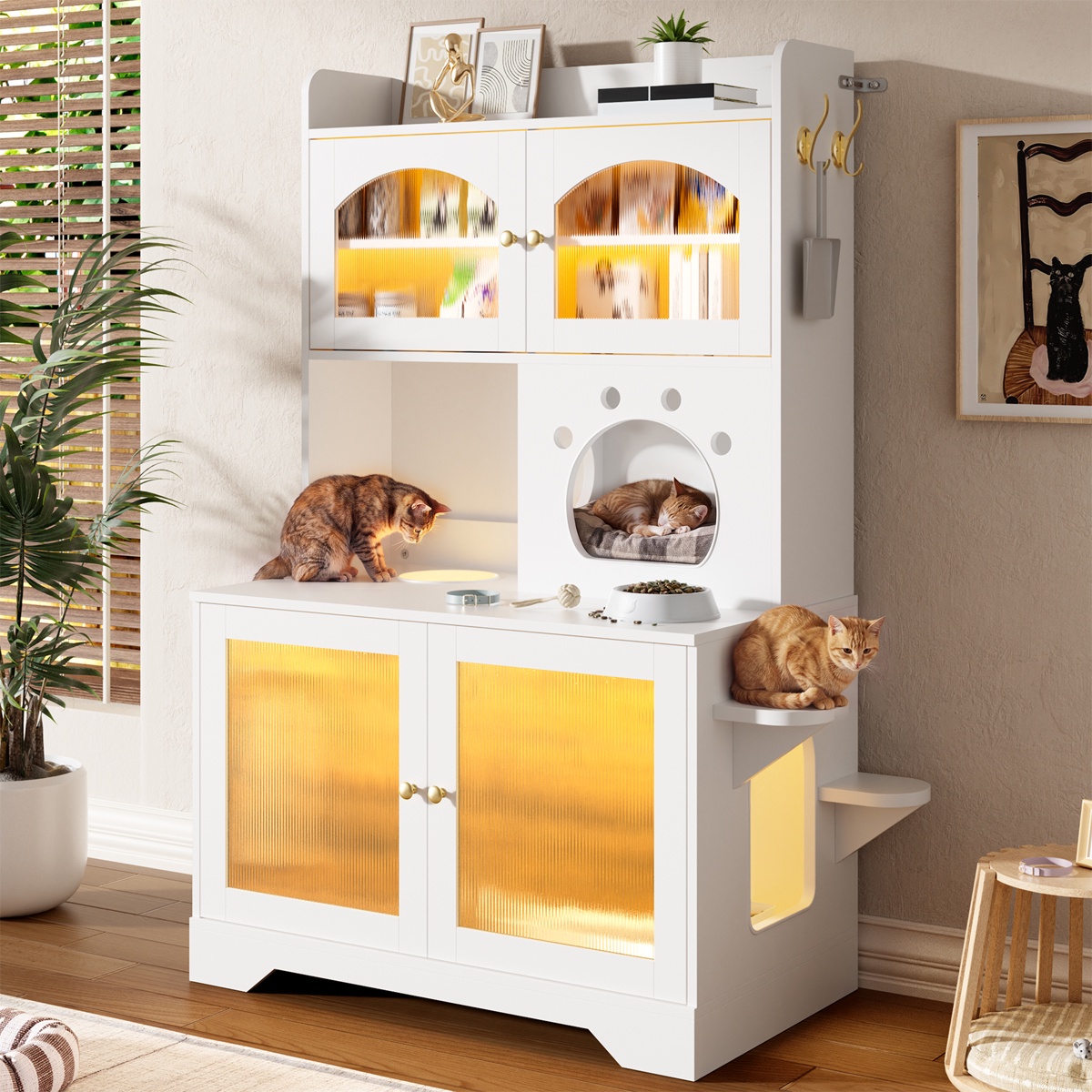 3-Tier Cat Litter Box Enclosure with Storage Cabinet, Hidden Cat Washroom Furniture Fluted Glass Doors & Climbing Platforms, Indoor Pet House & Cat Tree Combo for Food, White$214.99
 View on Mallflare
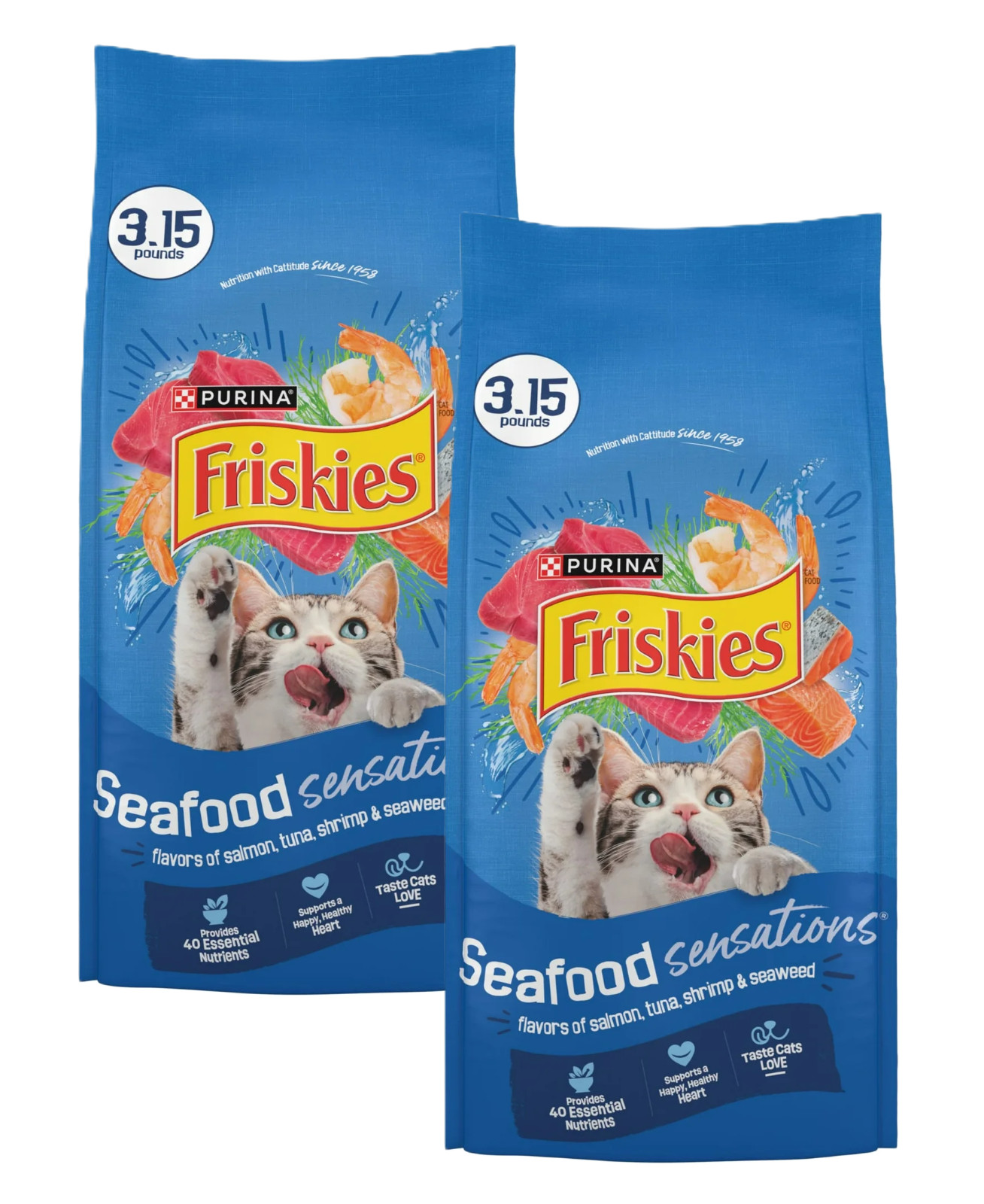 Purina Friskies Dry Cat Food Seafood Sensations with Salmon, Tuna, Shrimp Flavor$8.02View on eBay
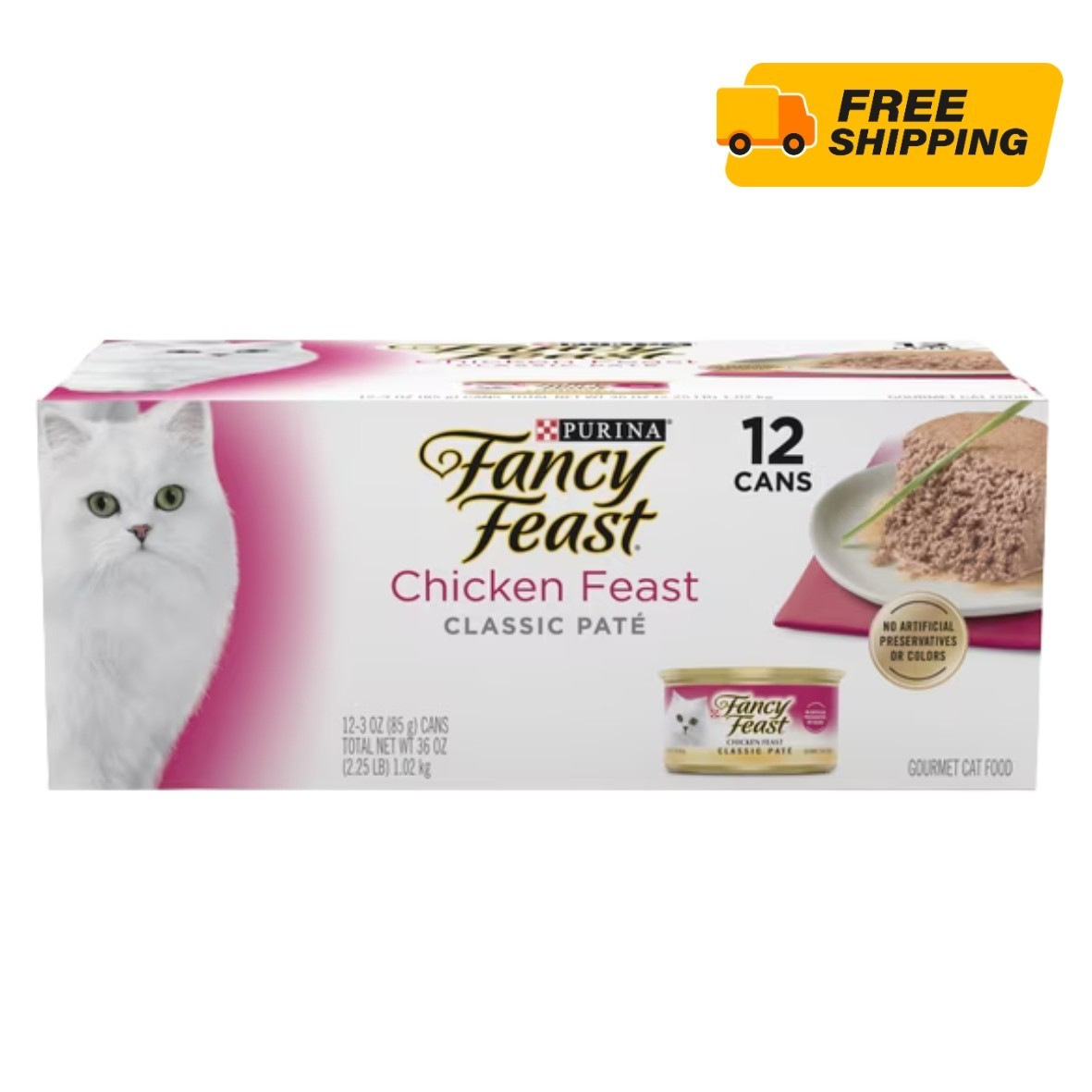 Purina Fancy Feast Classic Pate Wet Cat Food Chicken, 3 Oz Cans 12 pack$9.26View on eBay
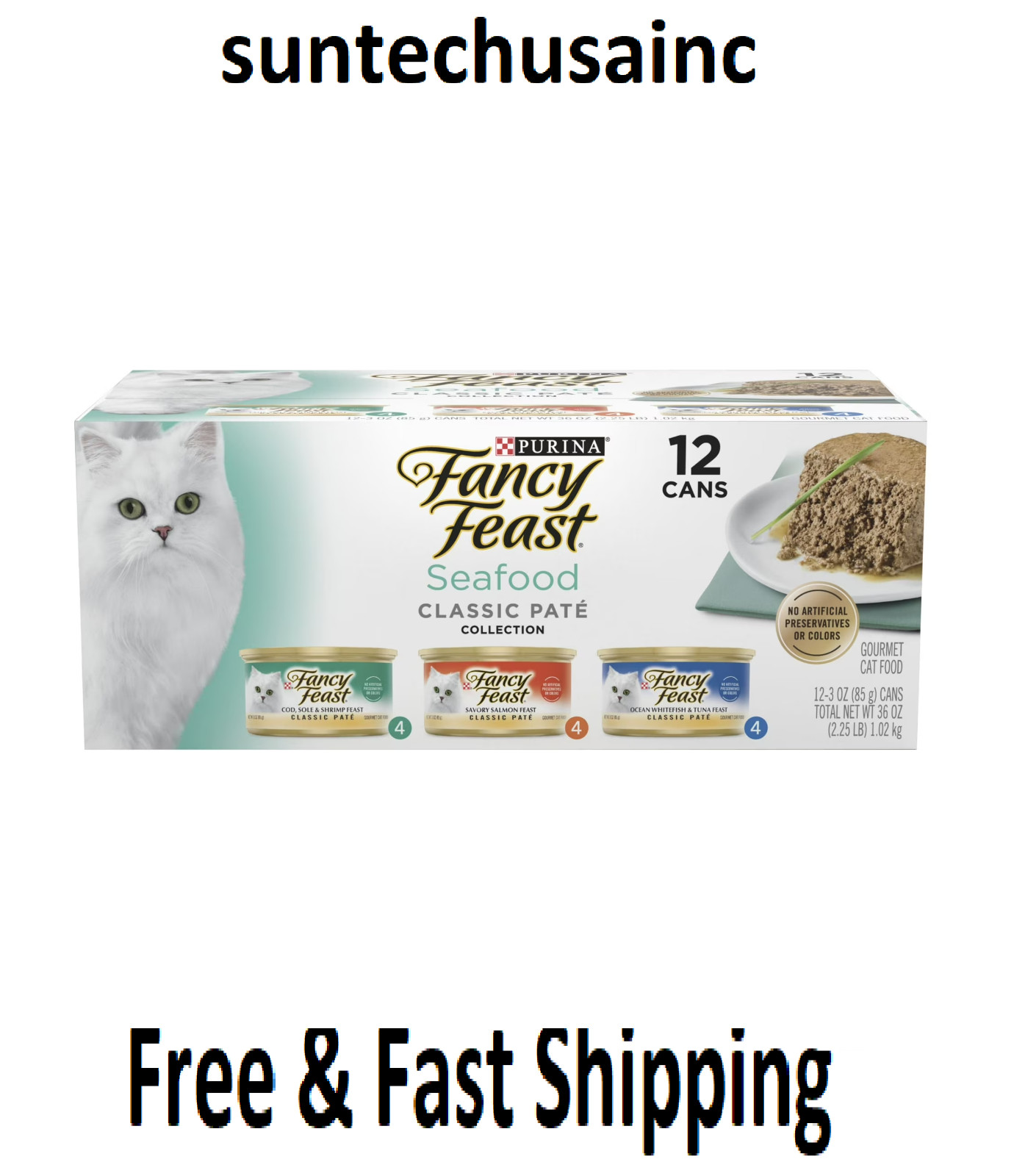 Purina Fancy Feast Seafood Classic Pate Wet Cat Food 3 Oz. - 12 Cans$9.34View on eBay
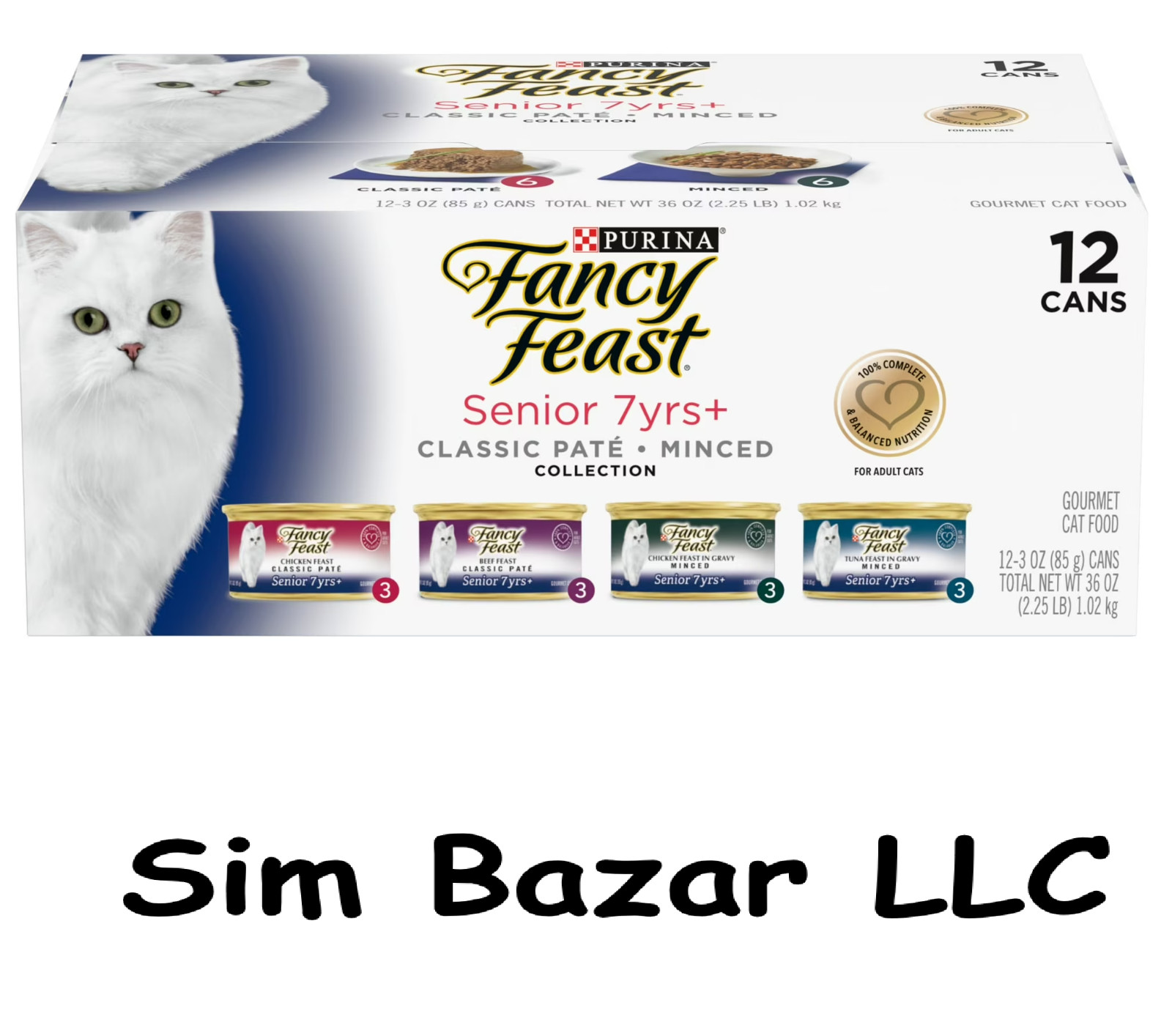 Purina Fancy Feast Senior Classic Pate Wet Cat Food Minced 3 oz Cans 12 Pack$9.83View on eBay
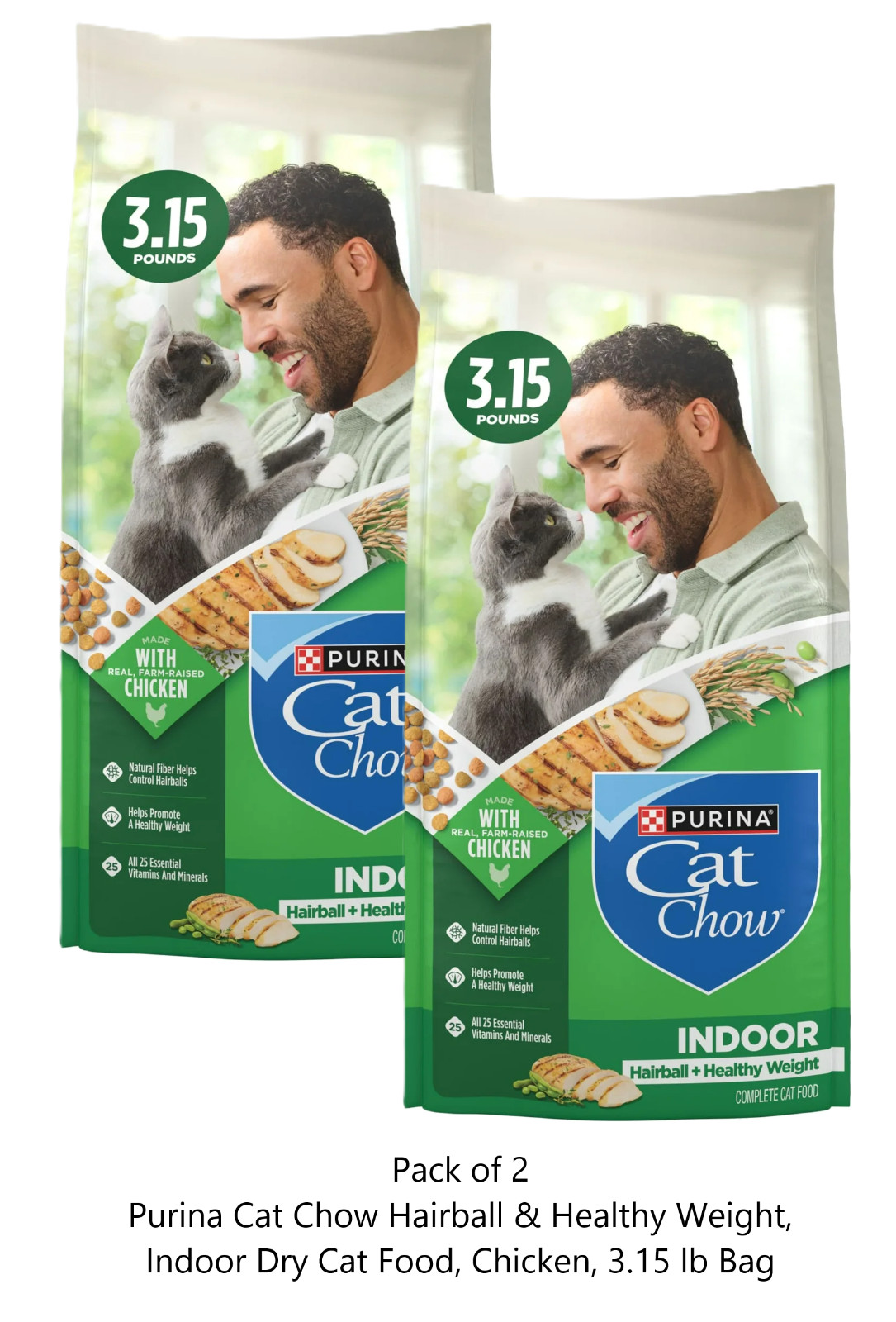 (2 Pack) Purina Cat Chow Indoor Hairball & Healthy Dry Cat Food, 3.15 Lb Bag$10.68View on eBay
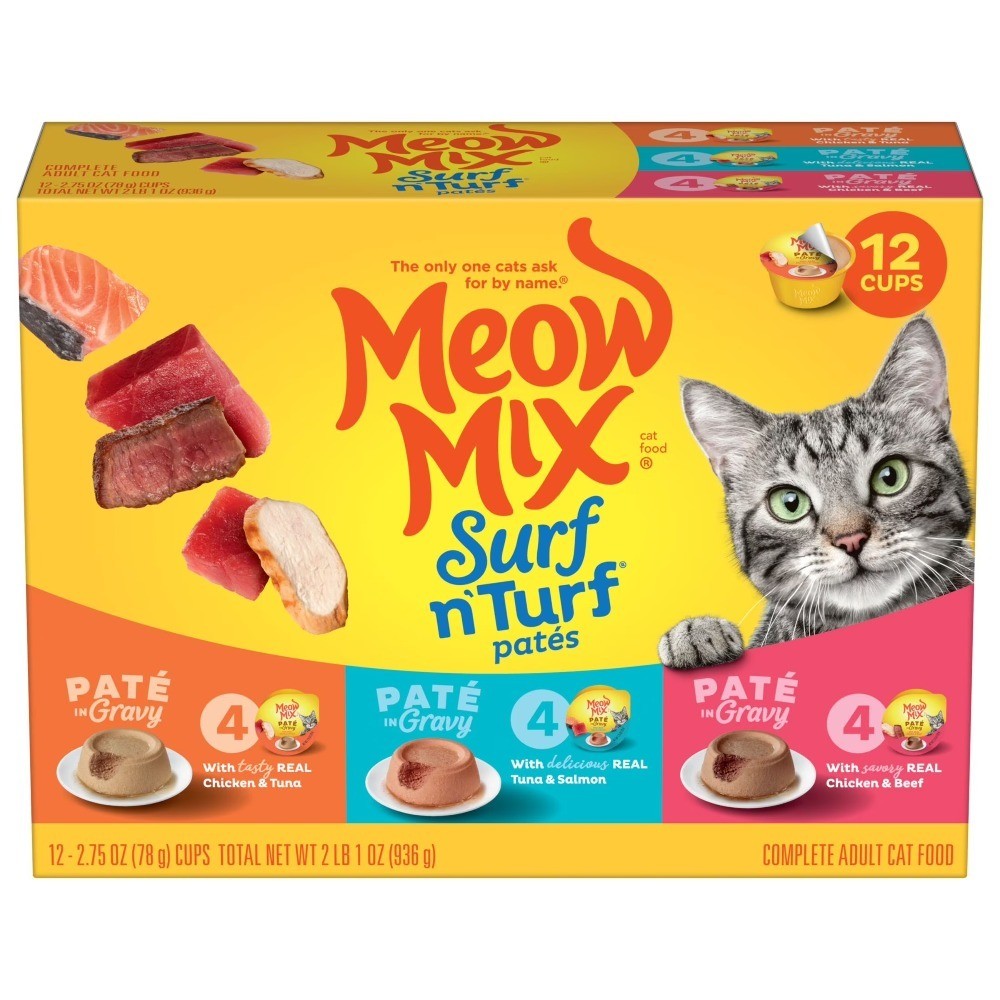 Wet Cat Food Pate in Gravy Variety Pack Surf n Turf Seafood and Meat 12 Cups$11.84View on eBay
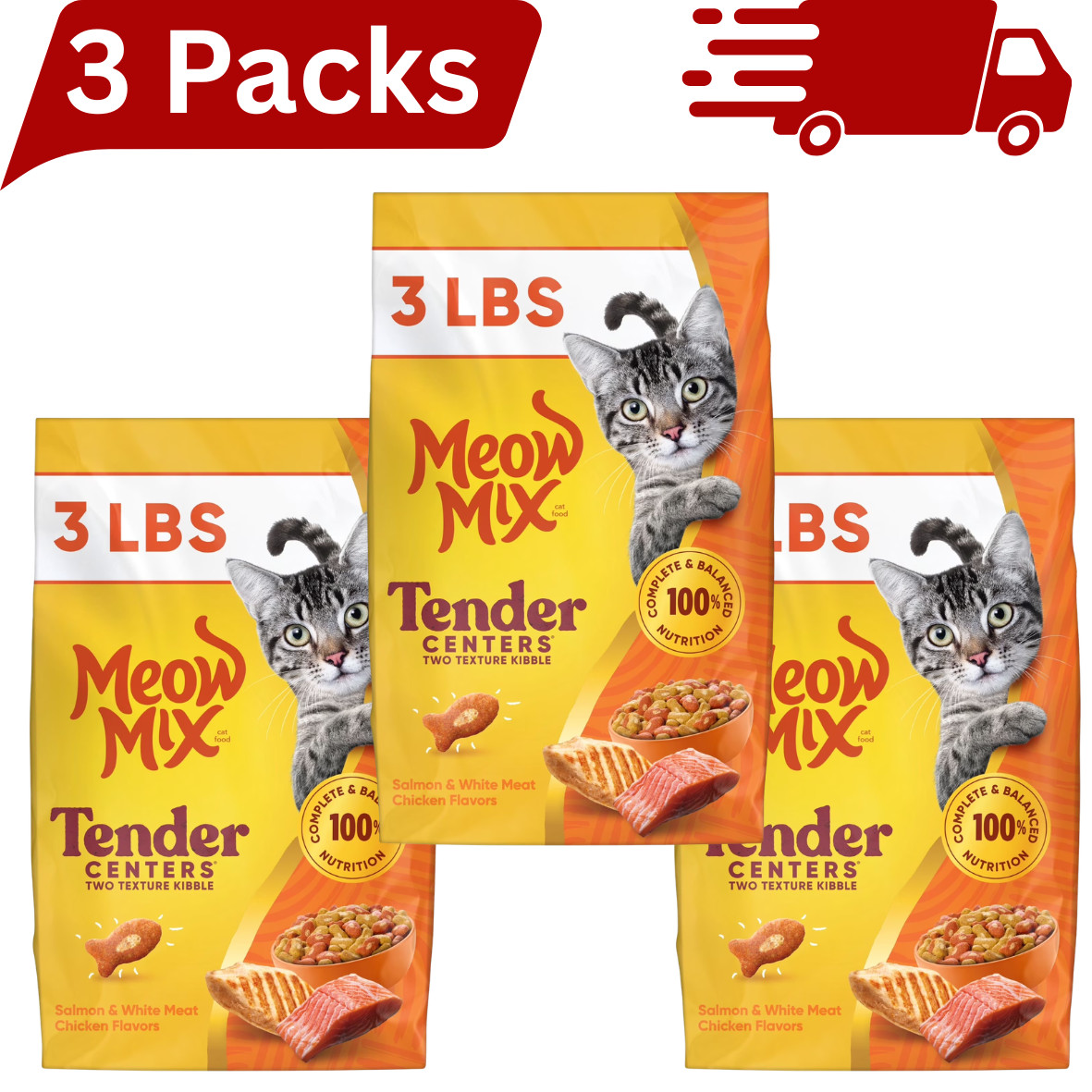 3 x Meow Mix Tender Centers Dry Cat Food Salmon & White Meat Chicken 3 lb Bags$12.00View on eBay
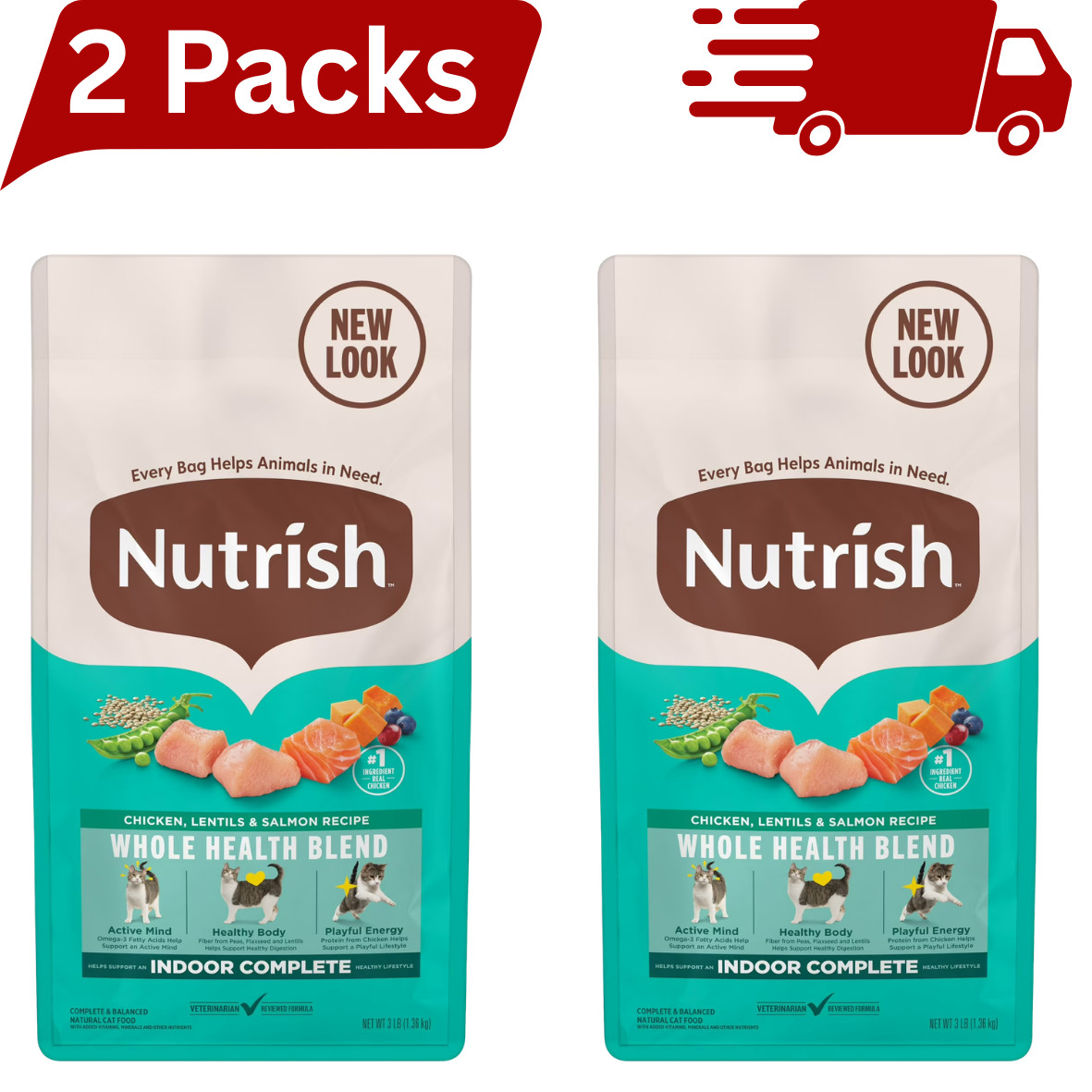 2 Pack Nutrish Indoor Complete Dry Cat Food Chicken Lentils Salmon 3 lb Bags$12.98View on eBay
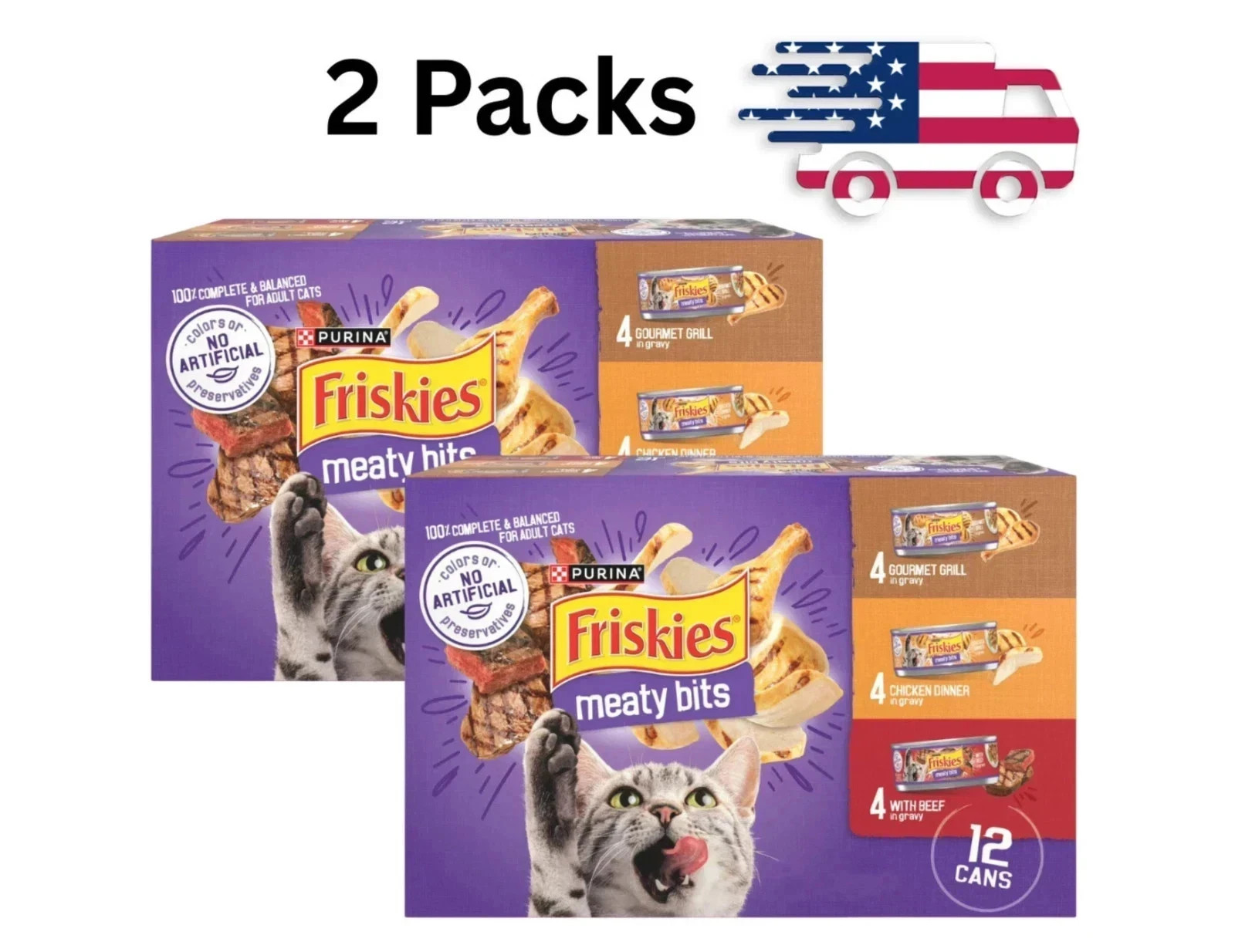 2 Packs - Friskies Gravy Variety Pack, Meaty Bits,Wet Cat Food 5.5 oz. 12 Cans$13.35View on eBay
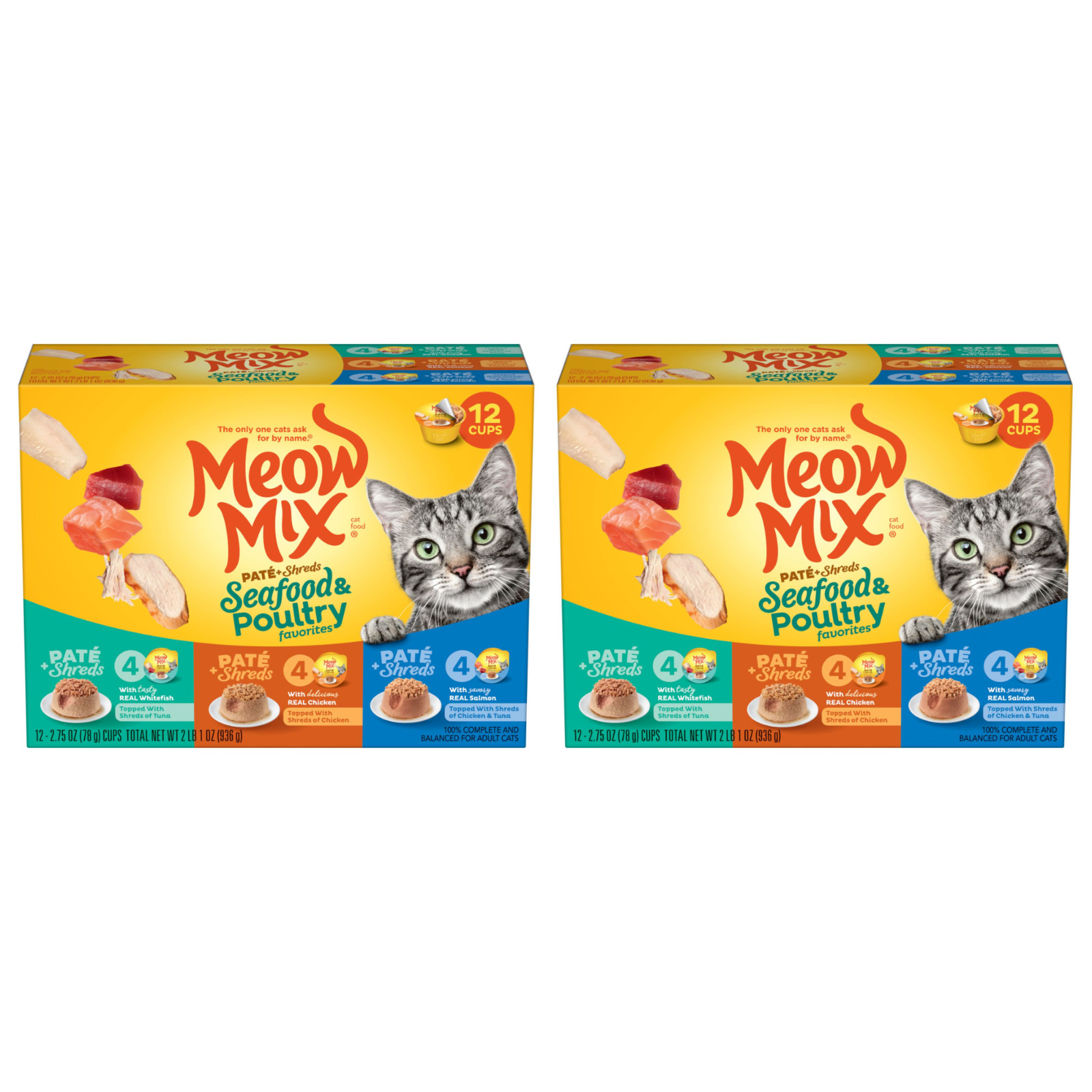 Meow Mix Pate Toppers Seafood & Poultry Variety Pack, Wet Cat Food, 24 Cups$13.40View on eBay
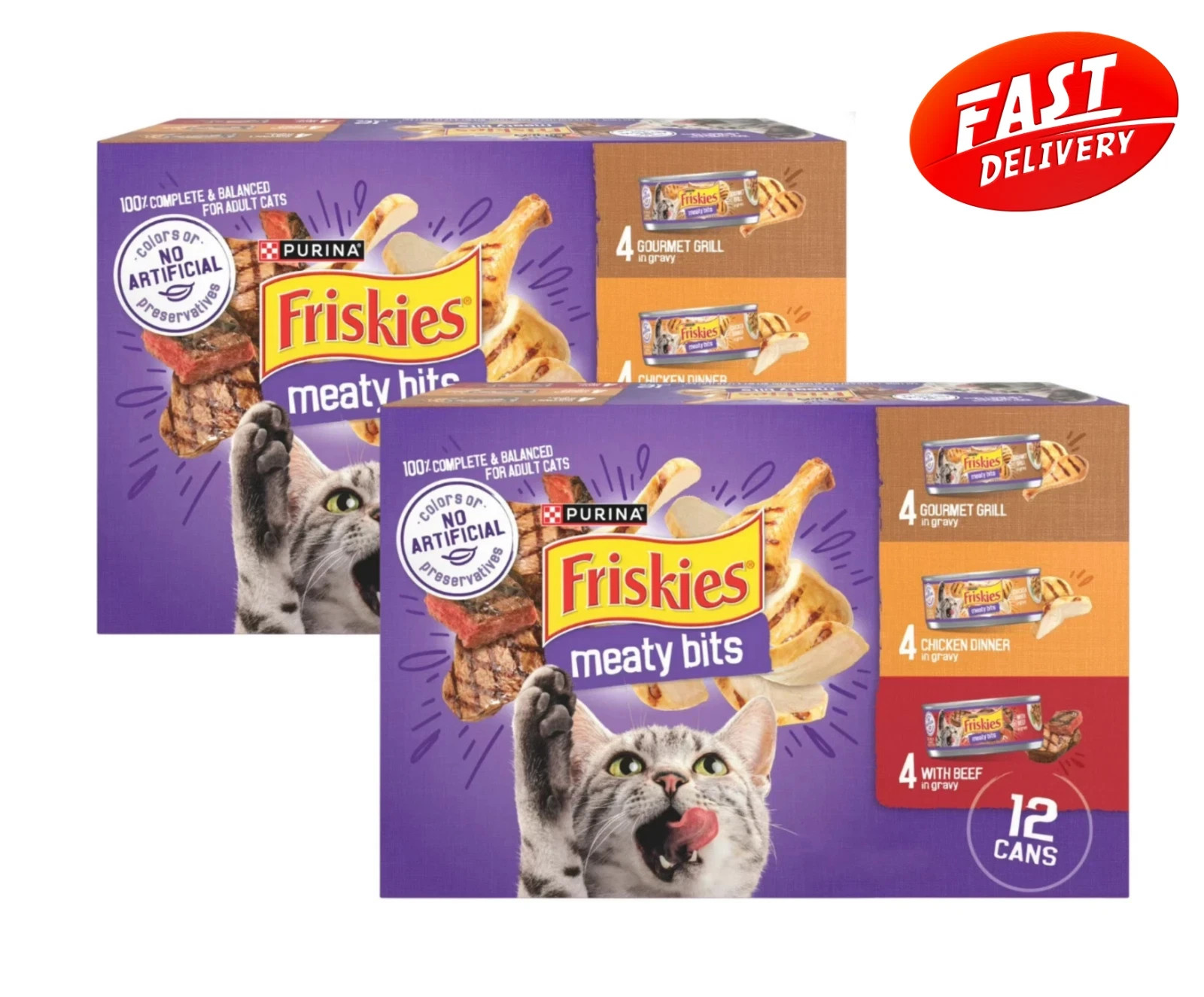 2 Packs - Friskies Gravy Variety Pack, Meaty Bits,Wet Cat Food 5.5 oz. 12 Cans$14.00View on eBay
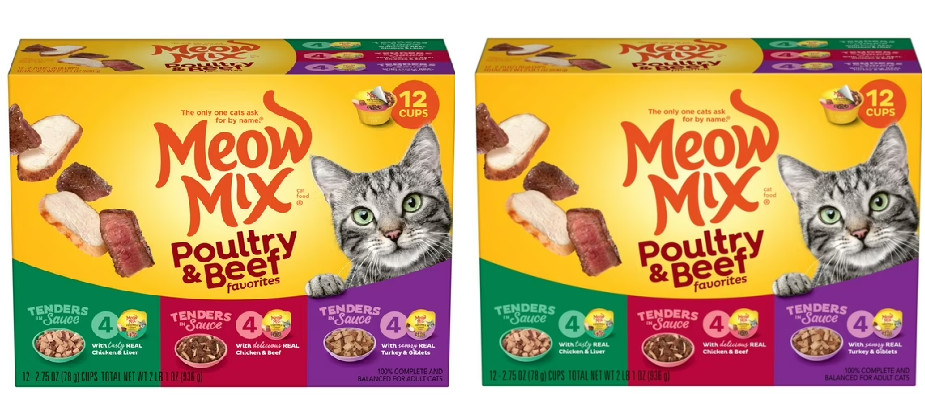 Wet Cat Food Variety Pack Poultry and Beef Recipes in 2.75 oz Cups 24 Pack$14.04View on eBay
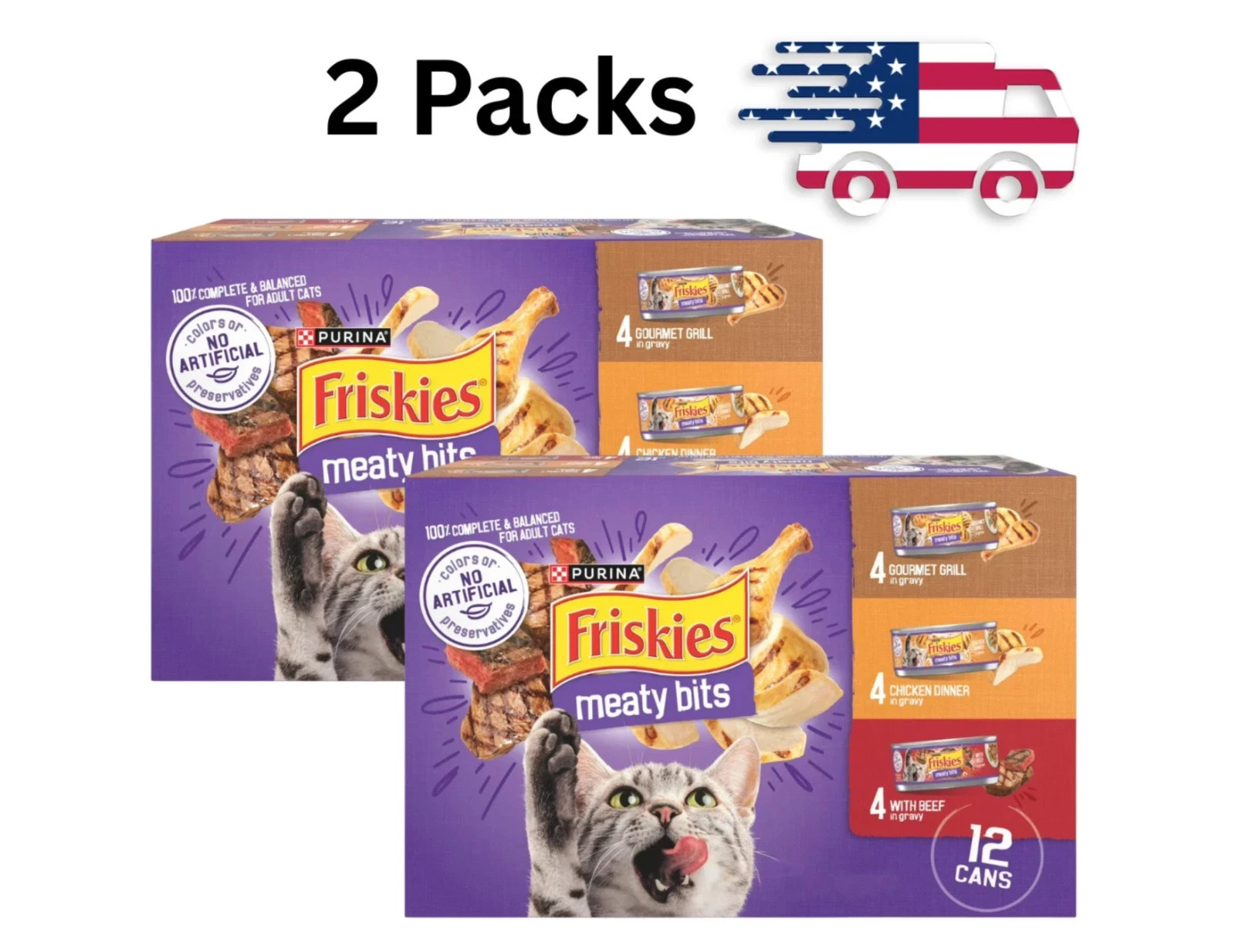 2 Packs - Friskies Gravy Variety Pack, Meaty Bits,Wet Cat Food 5.5 oz. 12 Cans$14.48View on eBay
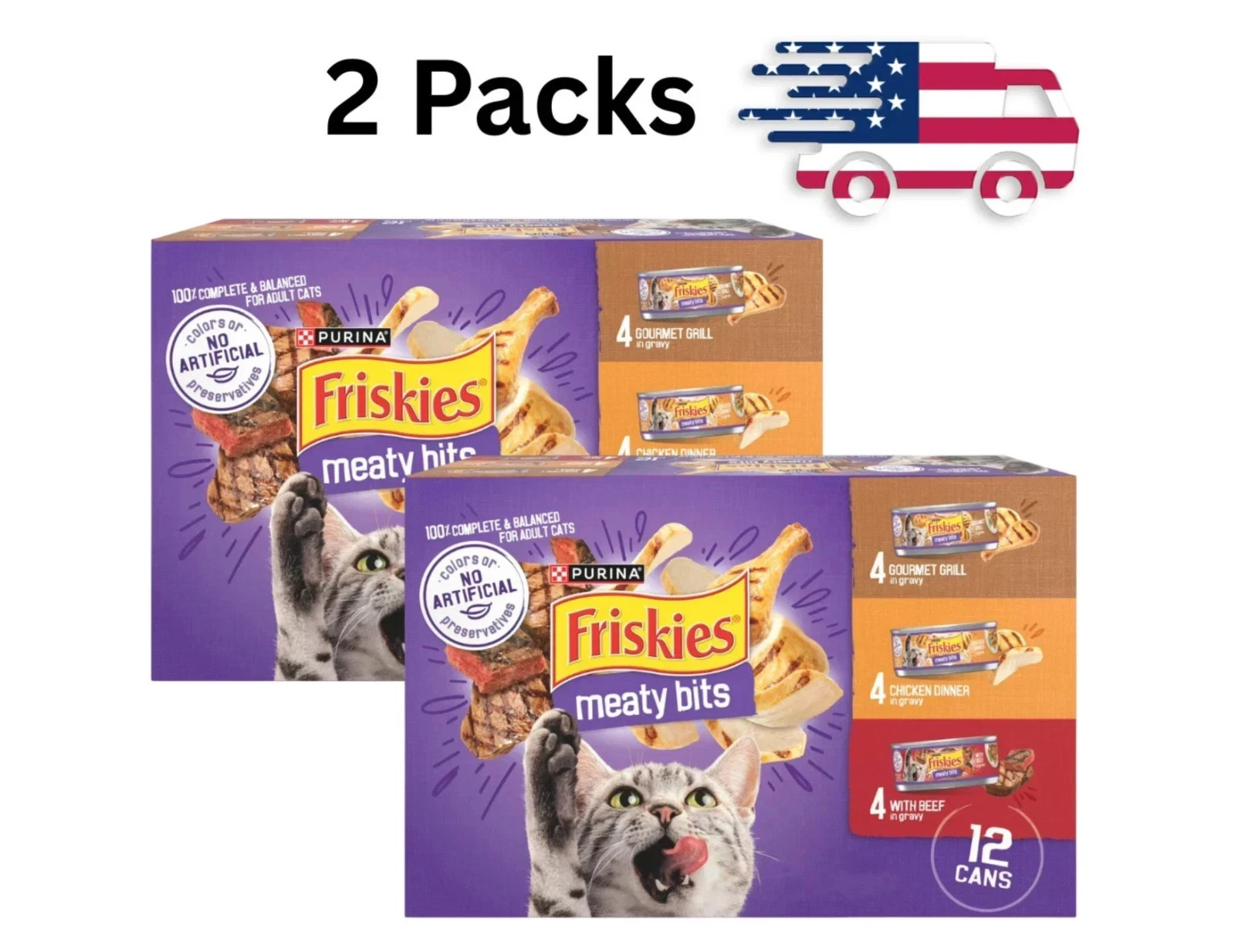 2 Packs - Friskies Gravy Variety Pack, Meaty Bits,Wet Cat Food 5.5 oz. 12 Cans$14.49View on eBay
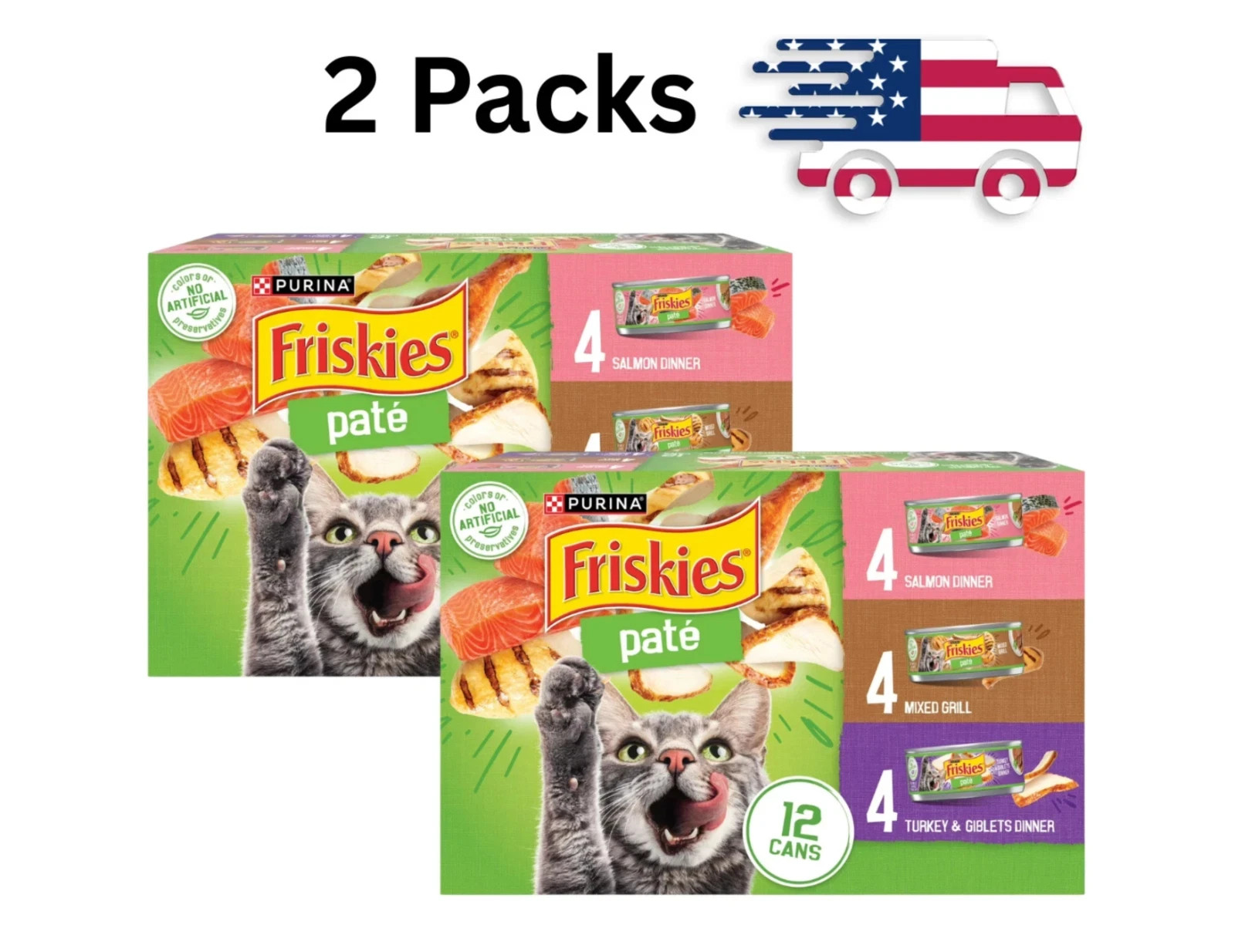 (2 PACK) Purina Friskies Pate Salmon,Mixed Grilled, Wet Cat Food, 5.5 oz 12 Can.$14.89View on eBay
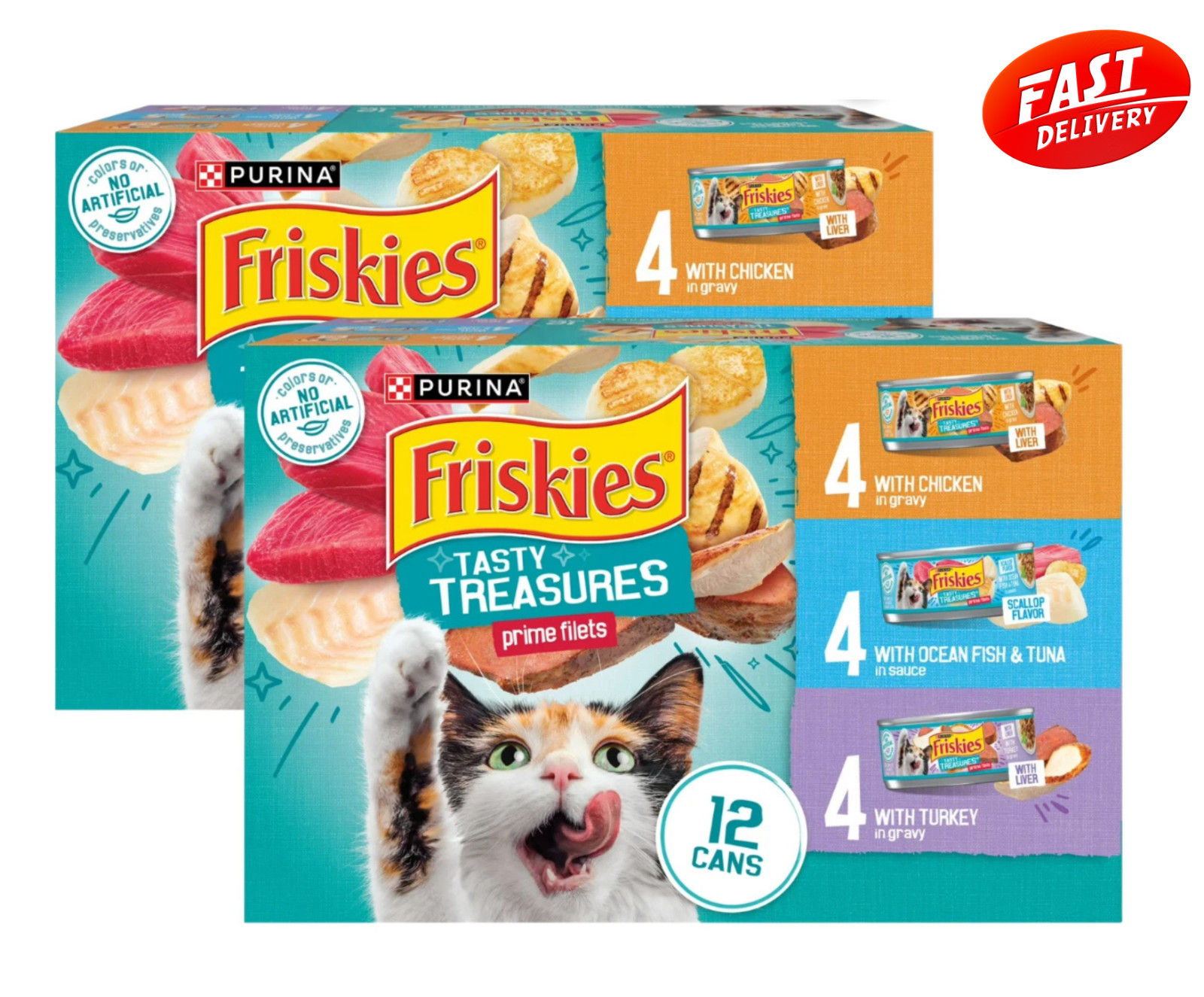 Friskies Gravy Tasty Treasures Prime Filets, Wet Cat Food, 24 Pack, 5.5 oz Cans$14.99View on eBay
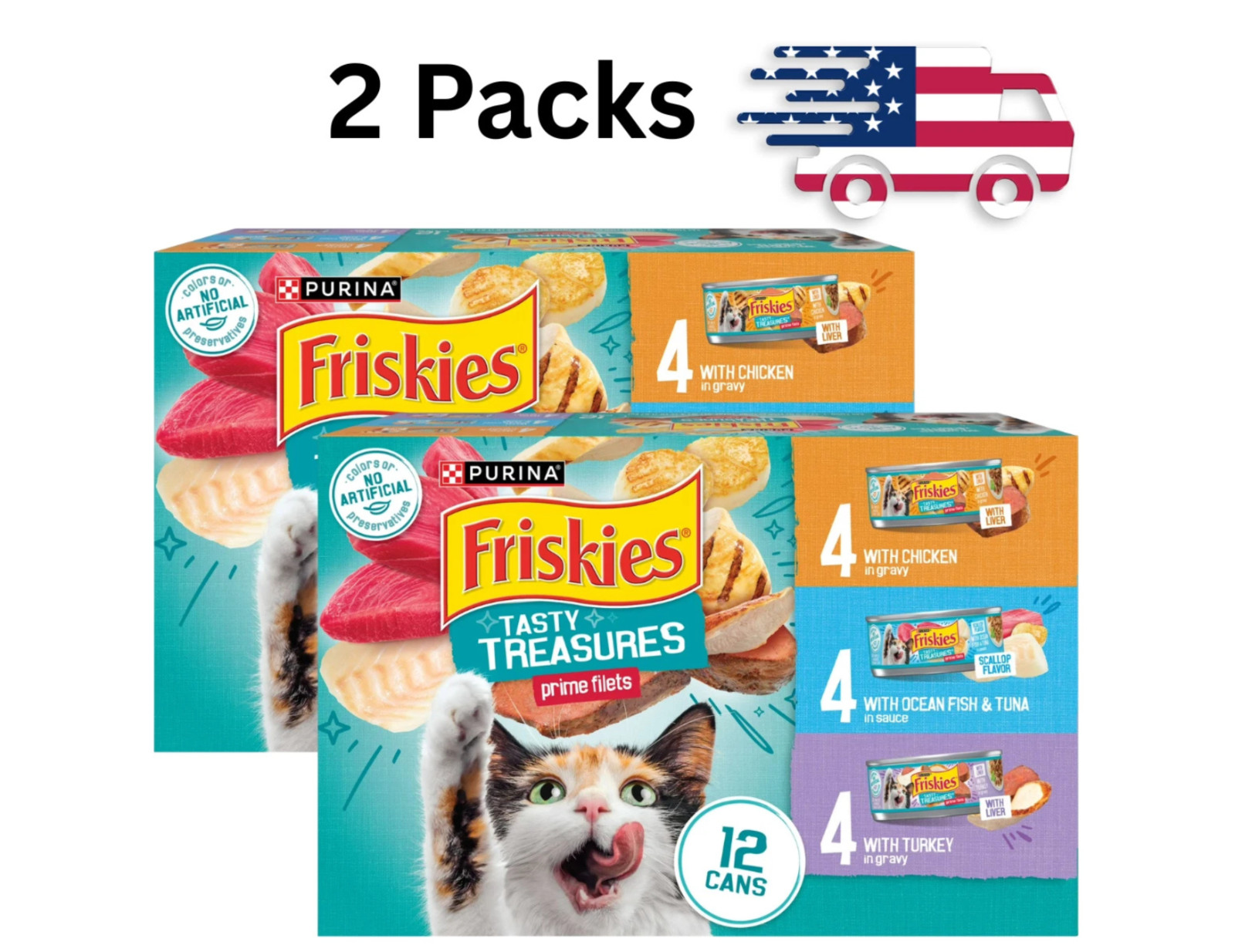 Friskies Gravy Tasty Treasures Prime Filets, Wet Cat Food, 24 Pack, 5.5 oz Cans$15.00View on eBay
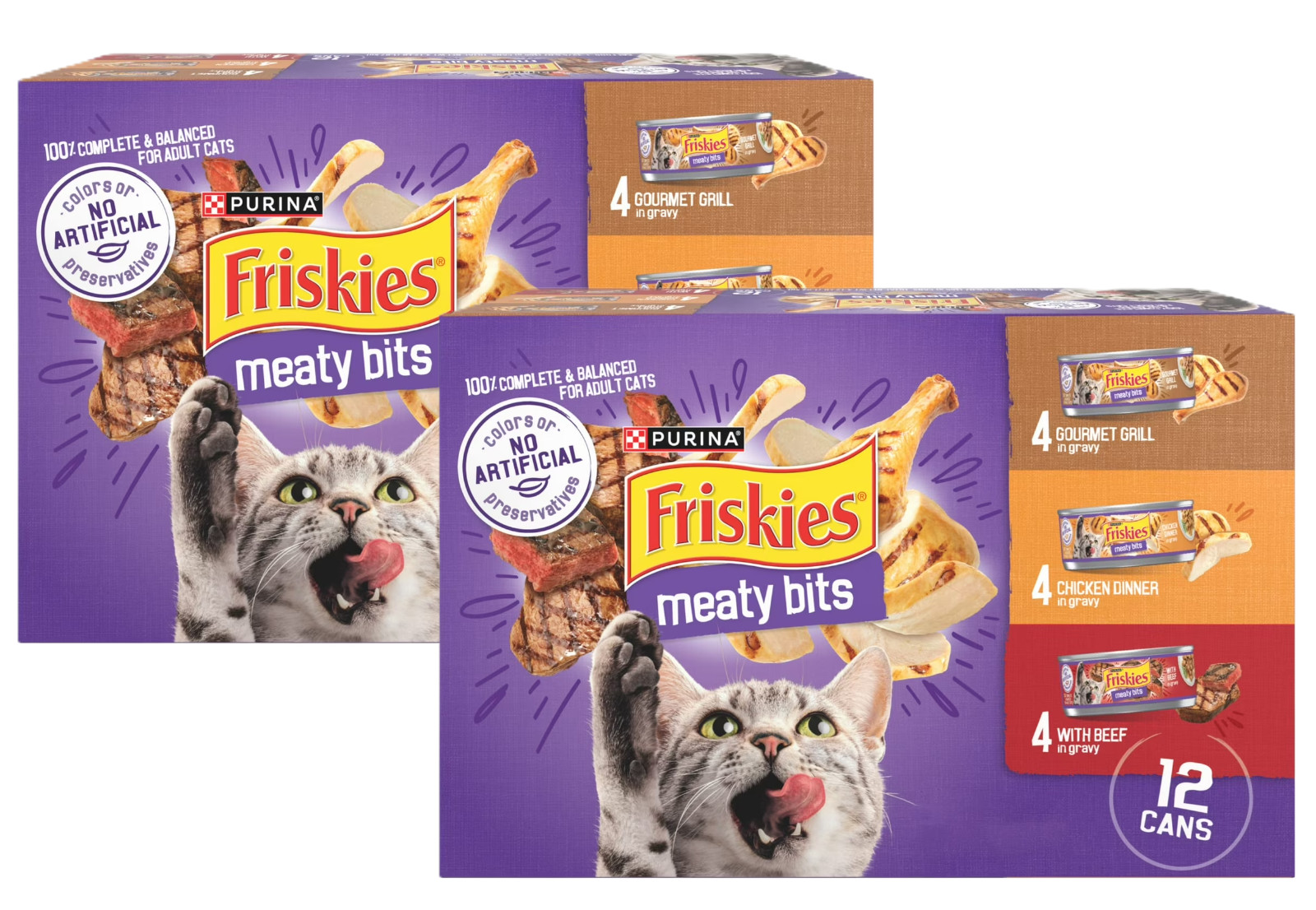 Friskies Gravy Variety Pack Meaty Bits Wet Cat Food 2 Pack of 24 Cans$16.65View on eBay
Highlights
- Wet food is 75-85% moisture, delivering hydration that supports urinary tract health and is preferable for cats prone to crystals or kidney stress.
- Dry kibble is 6-12% moisture and calorie-dense; a 3.15 lb bag yields roughly 10-14 days for one average 10 lb cat.
- Named-meat-first ingredient panels (chicken, salmon, turkey) signal higher protein quality than 'meat by-product' or corn-first formulas.
- Pate texture is the most consistent wet format for sensitive stomachs; minced and gravy styles add carbs and thickeners that can upset digestion.
Best use cases
- Best fit: adult cats with urinary history — feed a wet pate diet or a dry formula with controlled magnesium and added moisture; skip high-ash fish-heavy kibble.
- Best fit: budget multi-cat households — a named-meat dry kibble in 3-11 lb bags plus a daily wet topper balances cost and hydration; skip all-dry feeding for seniors.
- Wrong fit: kittens or pregnant cats on adult maintenance formulas — use growth-labeled food; skip senior pate for cats under 7 years.
- Best fit: sensitive-stomach cats — single-protein pate (chicken or turkey) in 3 oz cans; skip variety packs with multiple proteins until tolerance is established.
Buying tips
- Match bag size to consumption: a 10 lb cat eats 5-6 oz dry daily, so a 3.15 lb bag lasts about 10 days and an 11 lb bag about 5 weeks.
- For wet feeding, budget 3-5 oz per 5 lb of body weight daily; a 12-pack of 3 oz cans covers 7-12 days for one cat.
- Look for AAFCO nutritional adequacy statements ('complete and balanced') for the specific life stage on the label — this is the baseline quality gate.
- For urinary support, prioritize moisture content over marketing claims; any wet food above 75% moisture outperforms dry 'urinary care' kibble.
Specs
| Food Format | Dry kibble / Wet pate / Minced / Gravy |
|---|---|
| Moisture Content | Wet 75-85% / Dry 6-12% |
| Life Stage | Kitten / Adult / Senior (AAFCO) |
| Primary Protein | Chicken / Salmon / Turkey / Beef |
Related searches
What to check before buying
- Weigh your cat and confirm life stage (kitten, adult, senior) so the formula's AAFCO profile matches.
- Measure storage space — an 11 lb bag or 12-can pack needs a sealed bin to stay fresh after opening.
- Confirm feeder type: pate suits flat plates, minced suits shallow bowls; pick bowl depth under 2 inches to prevent whisker fatigue.
- Check your cat's current protein tolerance before buying multi-protein variety packs; introduce one protein at a time.
FAQ
Data sources: eBay / Amazon listings and product attribute feeds Data updated Nov 18, 2026.
Some links on this page are affiliate links. If you buy after clicking one, we may earn a commission at no extra cost to you. This does not change which products appear here or their order. Affiliate disclosure.