Photos from current listings. Actual item, color, and included accessories may vary.
Dog Food Buying Guide
Dog food spans dry kibble, wet cans/pouches, and raw/freeze-dried formats, each trading convenience and cost against moisture, protein density, and allergen control. The core decision is matching protein source and digestibility to your dog's allergy or sensitivity profile while meeting AAFCO nutrient profiles for its life stage. Choose a diet with a named animal protein first, a stated AAFCO statement, and limited ingredients for allergy-prone dogs; skip vague 'meat meal' formulas and unverified raw diets for immunocompromised pets.

At a glance
- Category
- Pet Food, Treats & Litter
- Data updated
- Nov 18, 2026
Current offers
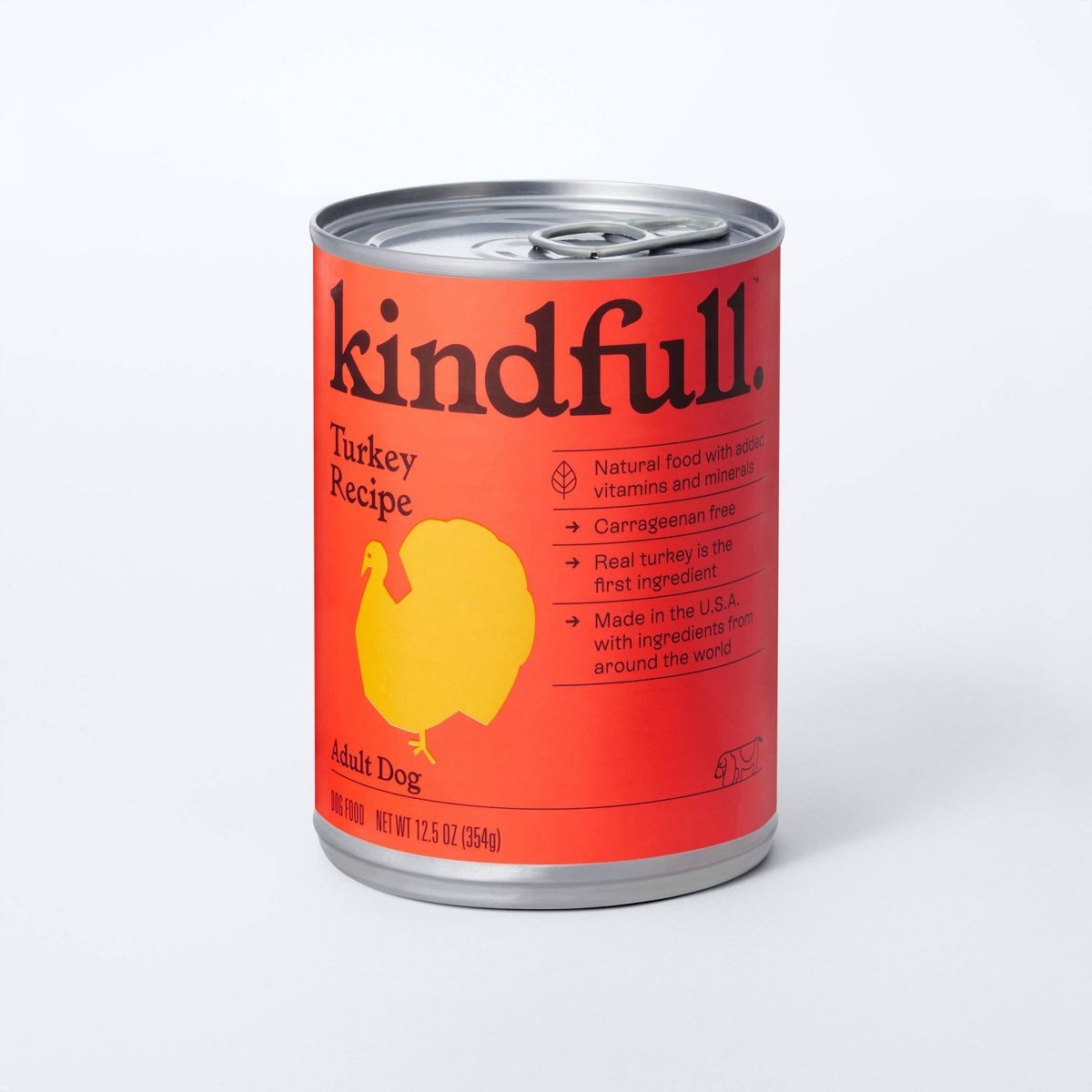 12.5oz Turkey Recipe Wet Dog Food Daily Nutritious Pet Meal Supply$2.99
 View on eBay
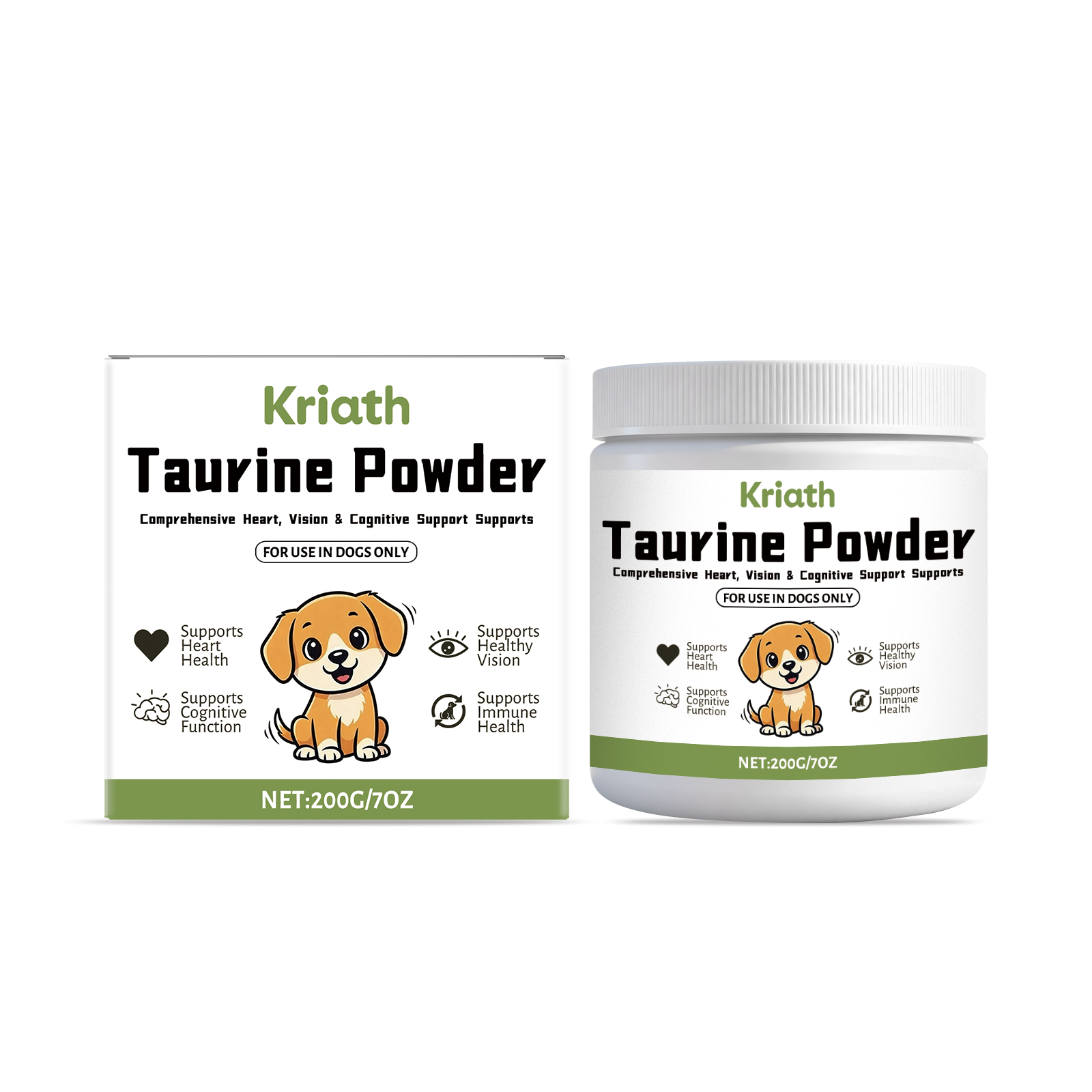 Auth. & Cert. Kriath Dog Food Uses Taurine Powder. The Formula Is Gentle And Helps Provide Comfortable Daily Nutrition Care For Dogs' Bodies.$18.99
 View on Mallflare
- 12.5oz Turkey Recipe Wet Dog Food Daily Nutritious Pet Meal Supply$2.99View on eBay
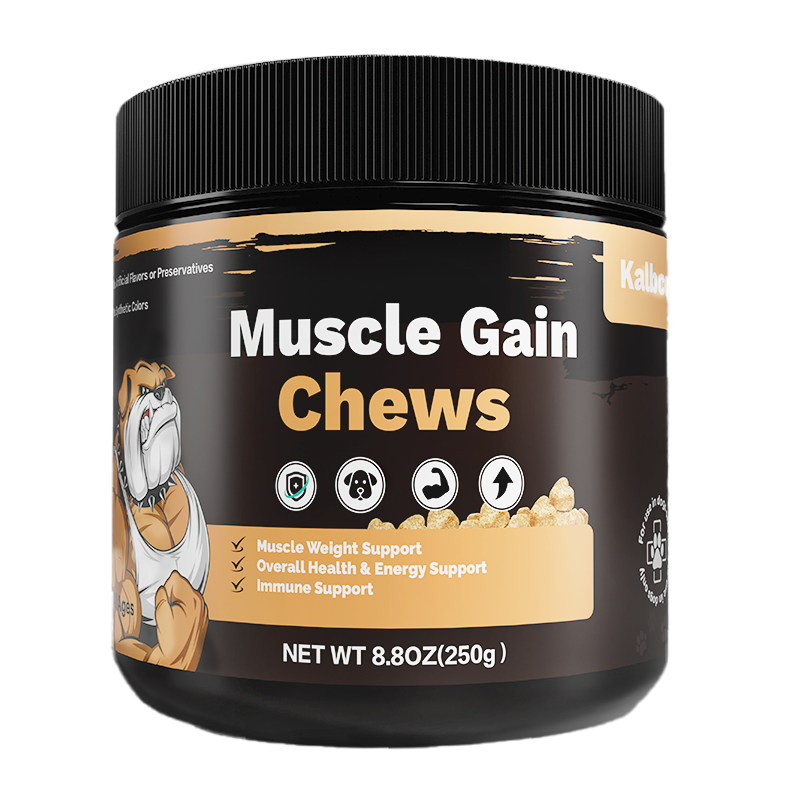 Muscle Gain Chews For Dogs High Protein Dog Food Health Supplement Premium Builder For All Breeds Soft Dog$64.99View on Mallflare
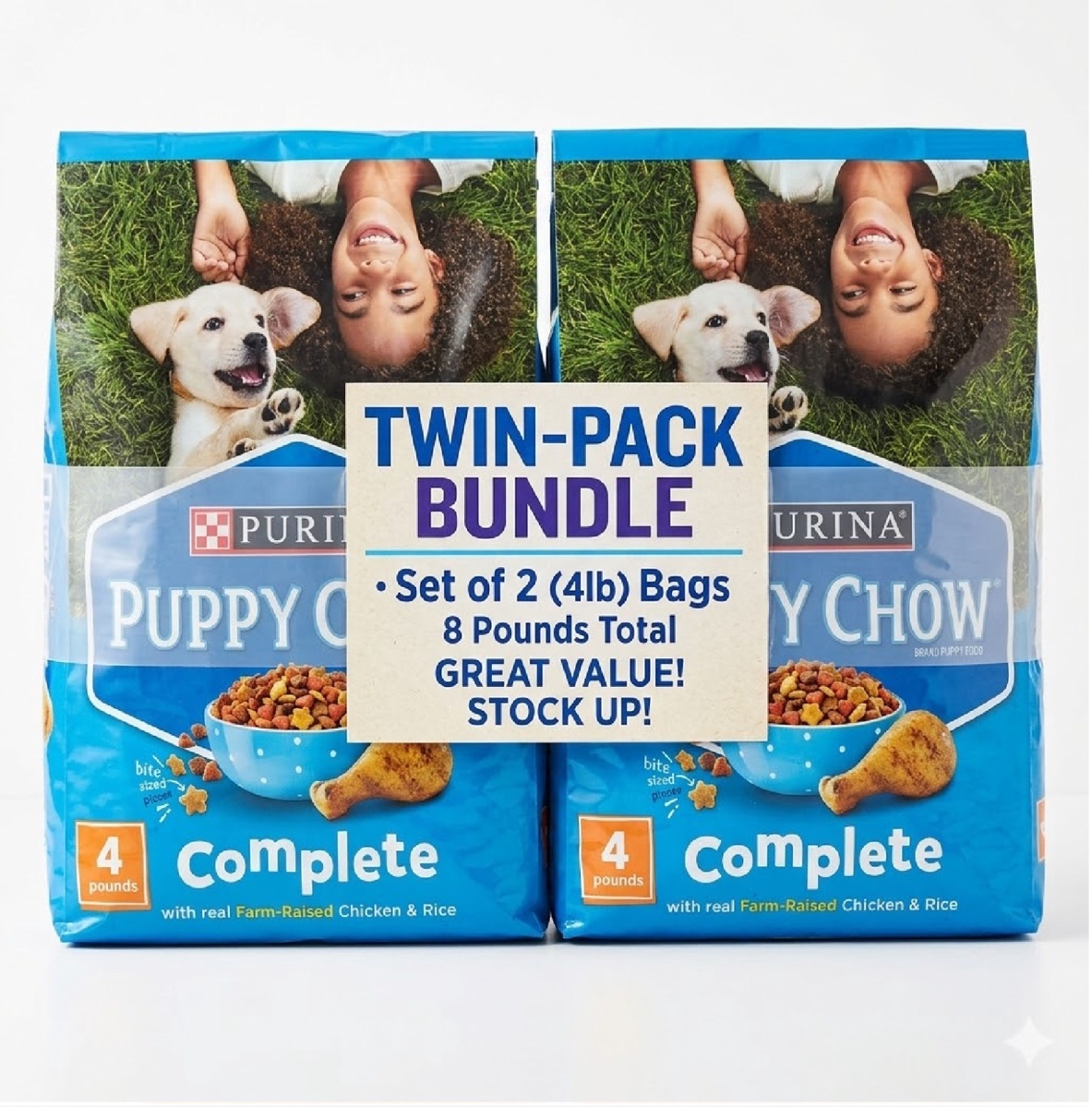 2pk Purina Puppy Chow Complete Dry Dog Food, High Protein Farm-Raised, 4 lb Bag$8.99View on eBay
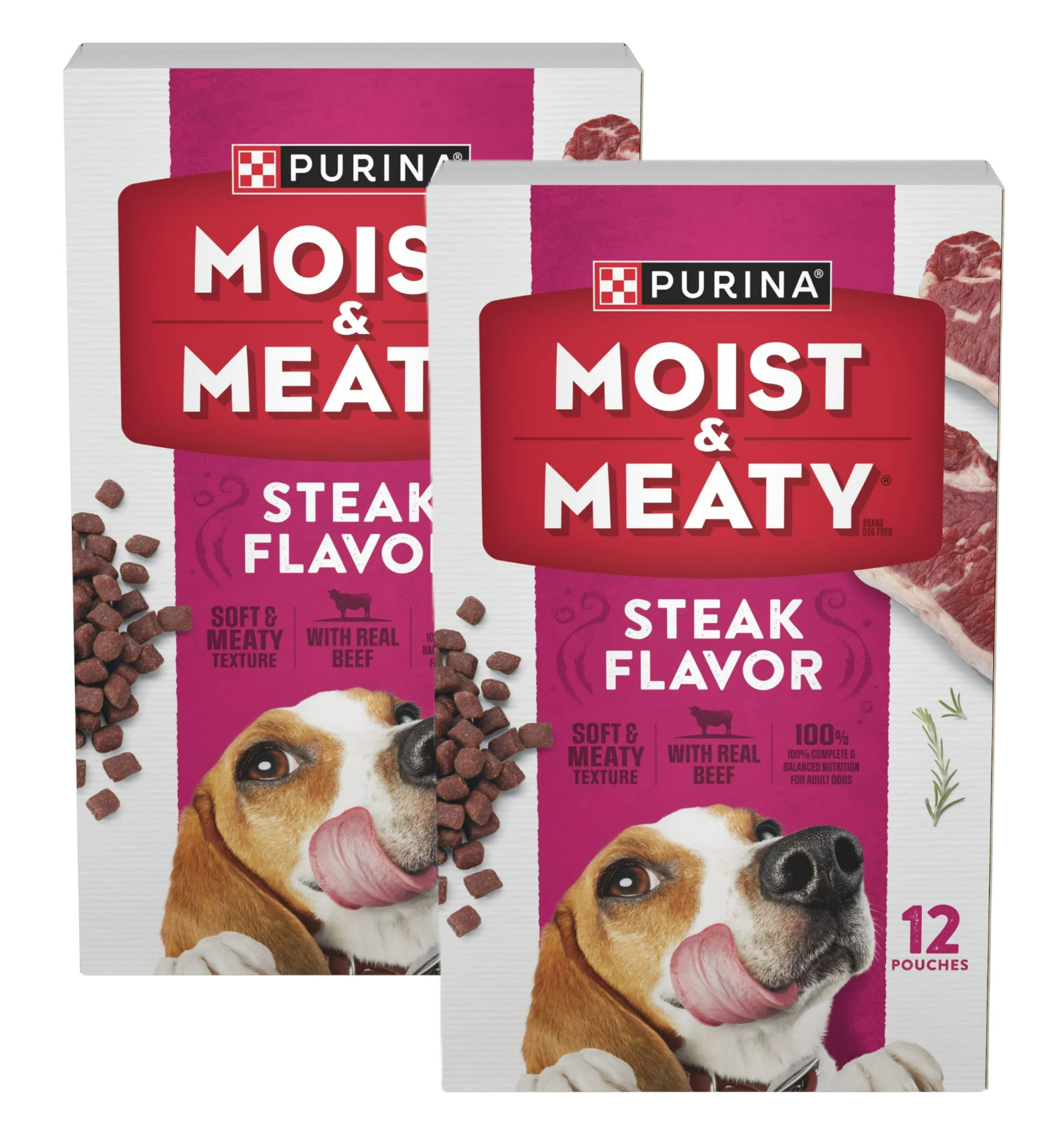 Purina Moist & Meaty Dry Dog Food High Protein Steak Flavor with Real Beef 24 Ct$13.40View on eBay
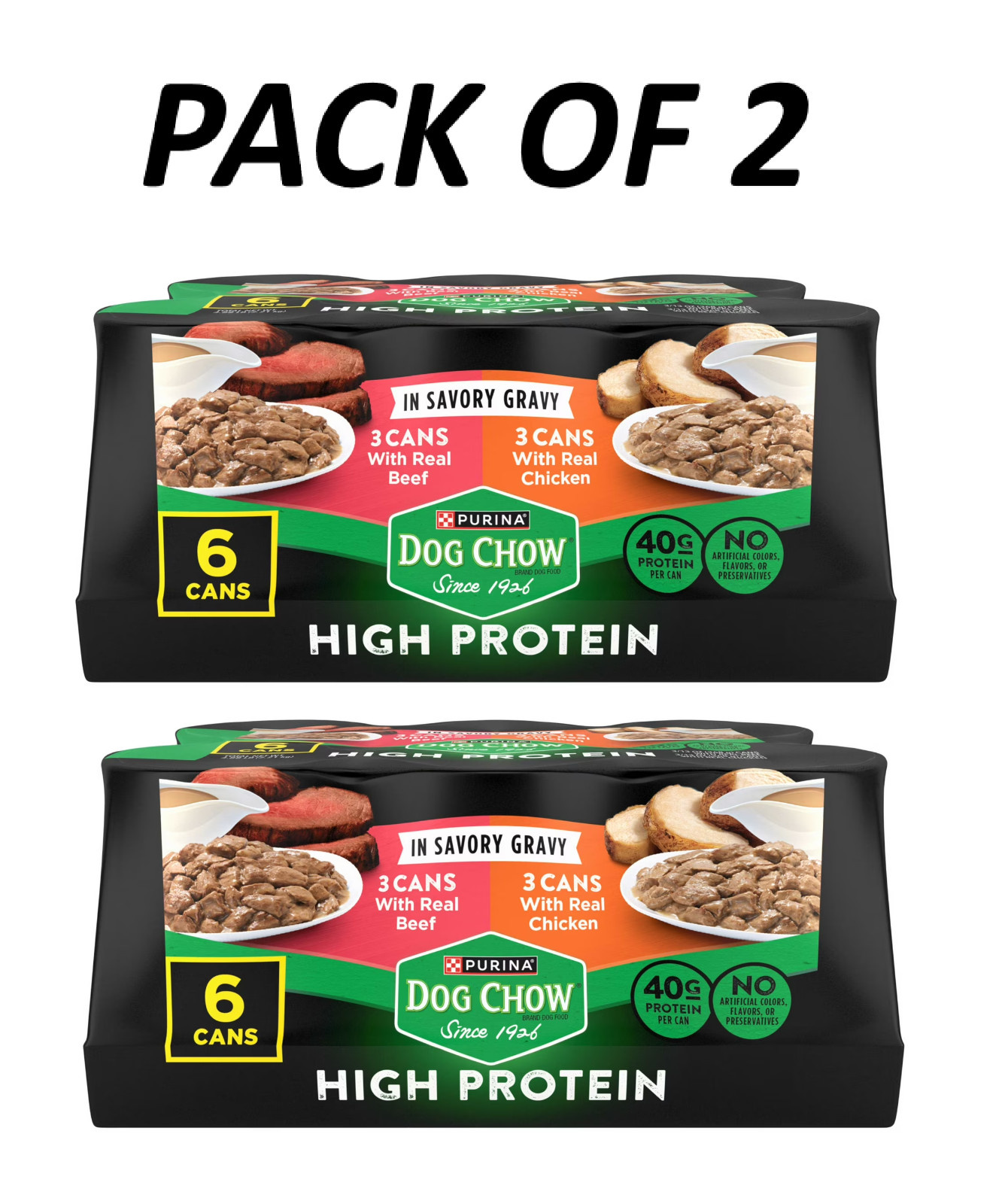 Purina Dog Chow Wet Dog Food Beef Chicken Gravy High Protein 13oz 6 Pack$15.84View on eBay
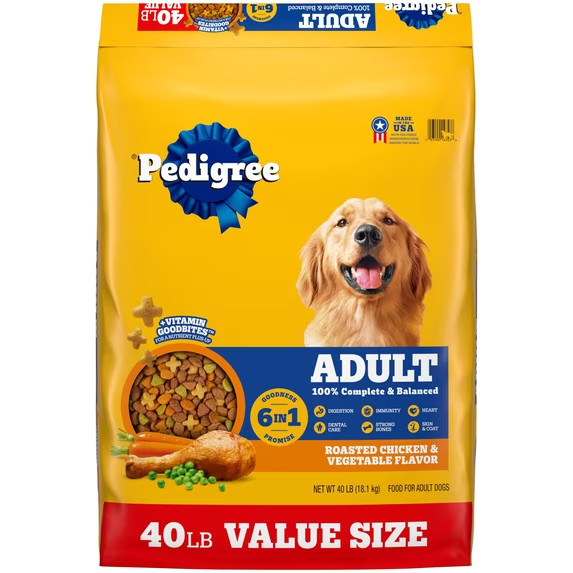 Pedigree Nutrition Adult Dog Food, Roasted Chicken & Vegetable Flavor, 40lb Bag$19.99View on eBay
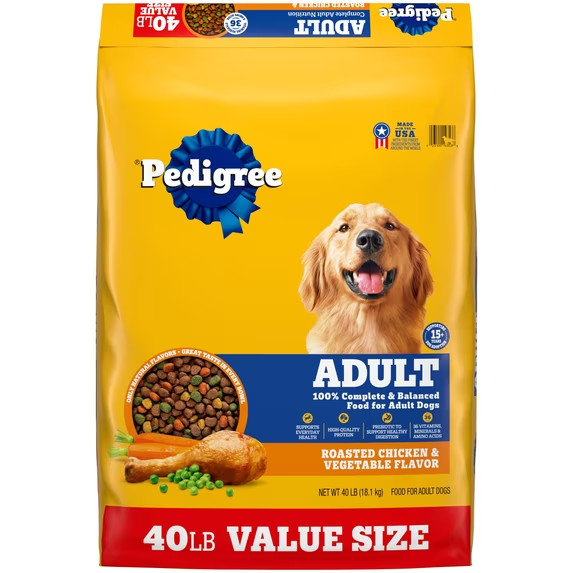 Pedigree Complete Nutrition Adult Dog Food, Chicken & Vegetable, 40 lb Bag$19.99View on eBay
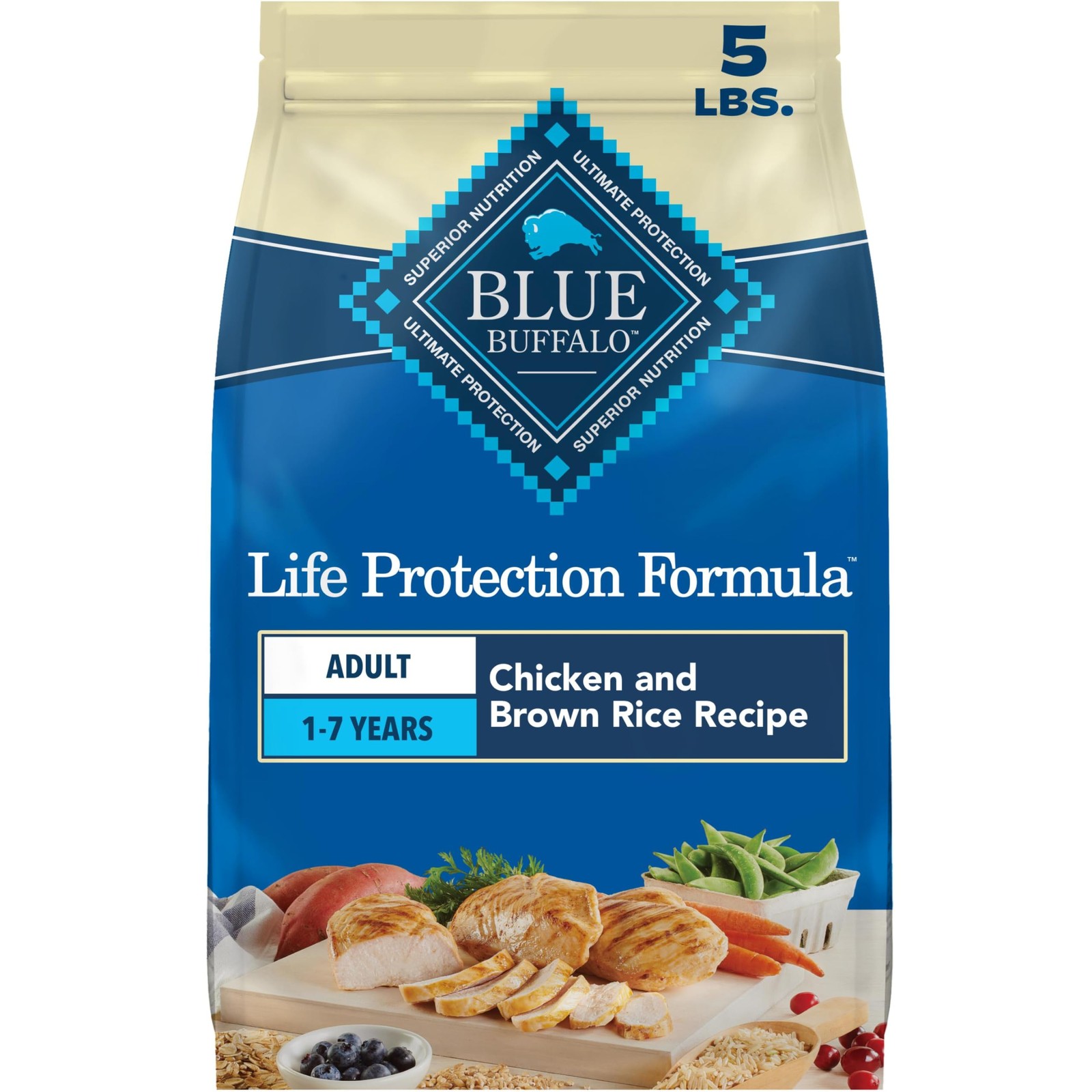 Blue Buffalo Life Protection Formula Chicken Adult Dry Dog Food, 5 lb$20.82View on eBay
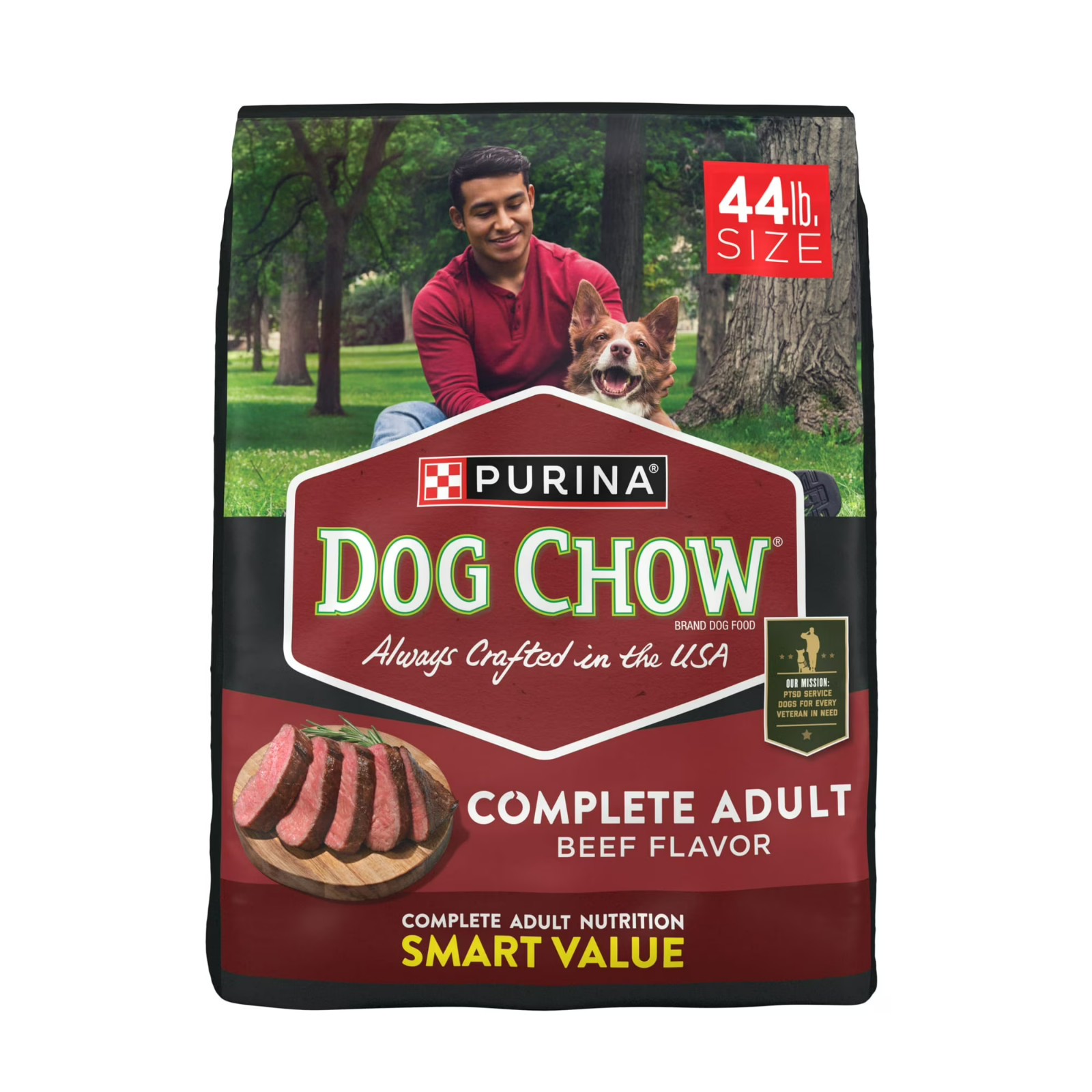 Dog Chow Complete Adult Dry Dog Food for Adult Dogs,Kibble Beef Flavor,44 lb Bag$20.88View on eBay
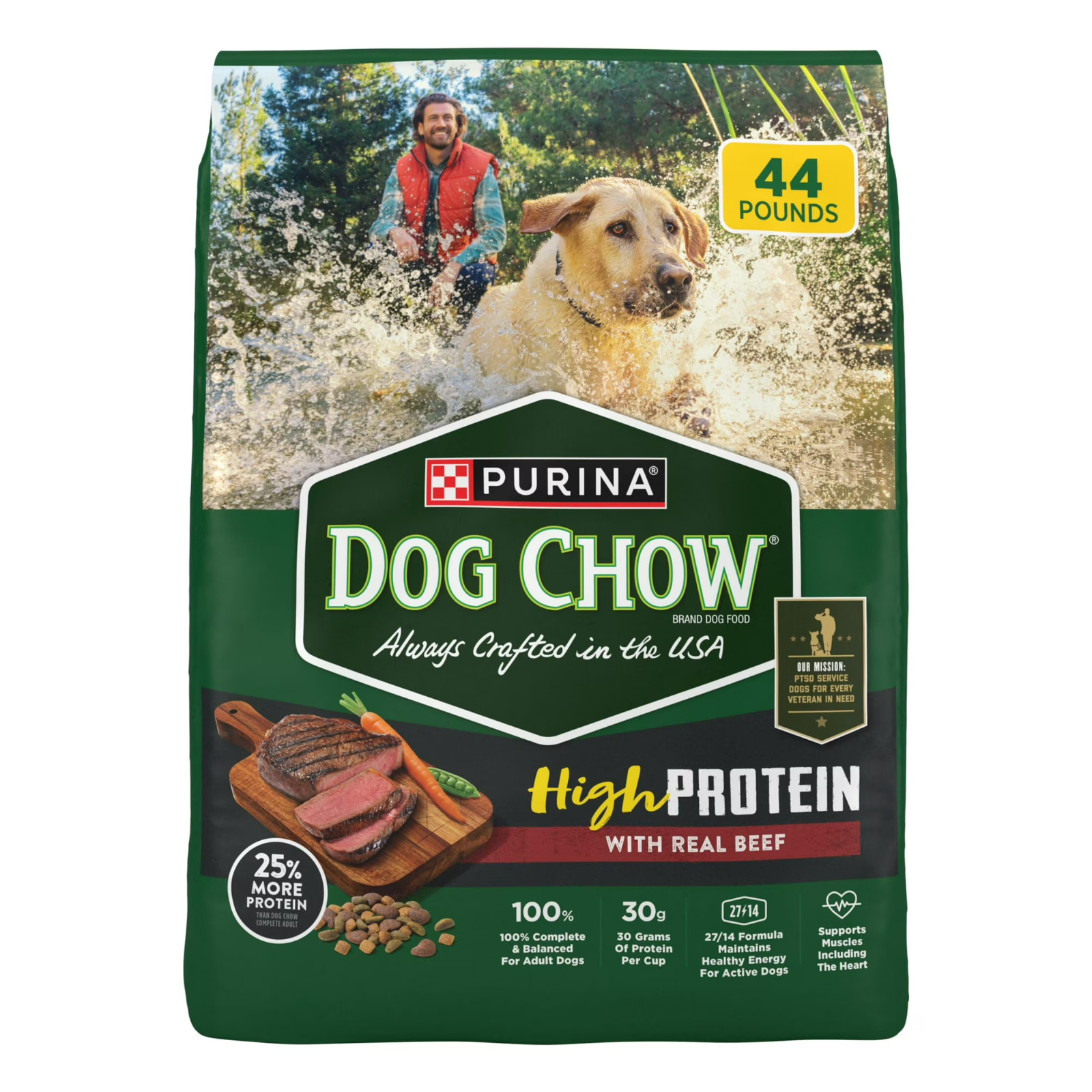 Purina Dog Chow High Protein Dog Food Dry Recipe with Real Beef, 44 lb Bag$20.98View on eBay
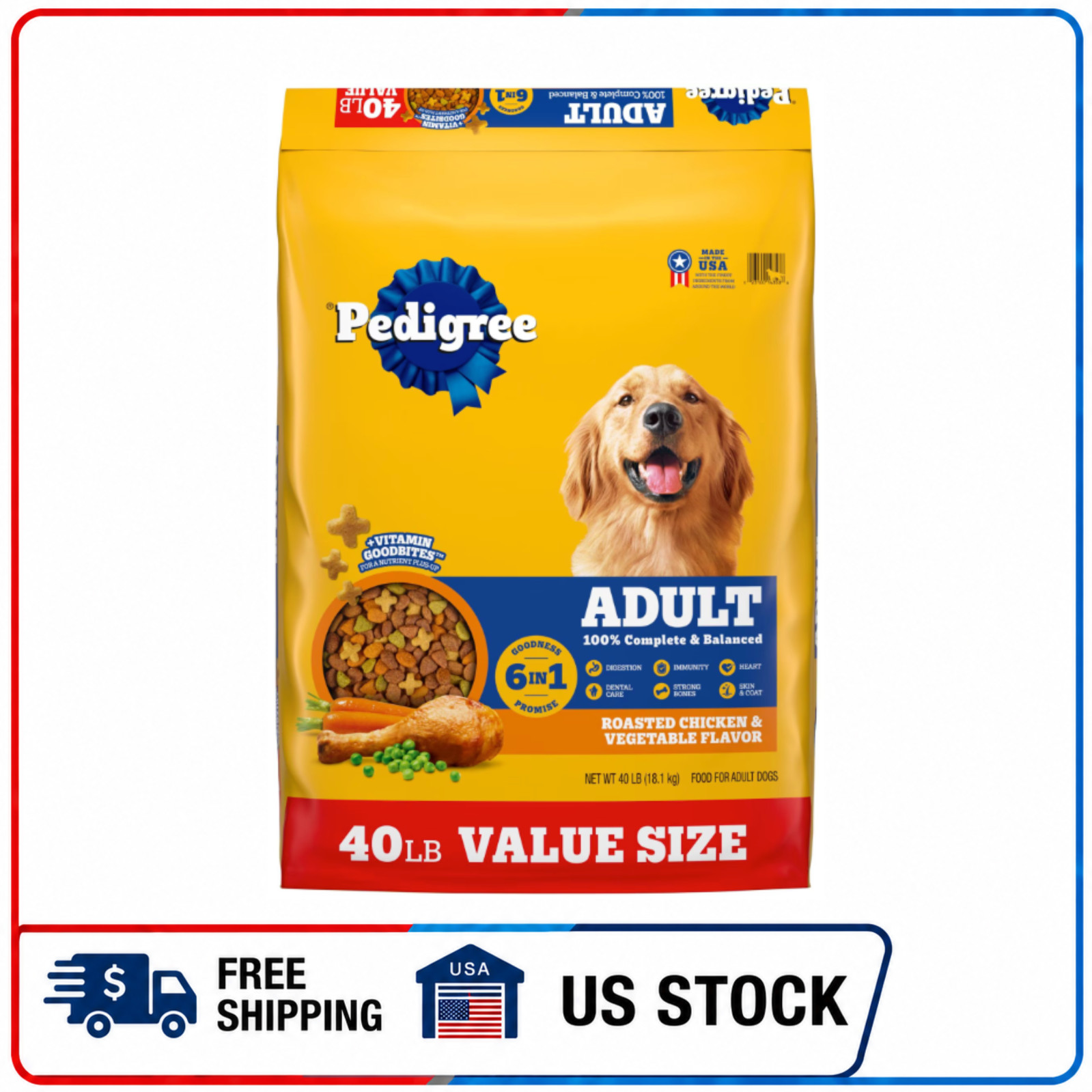 Pedigree Complete Nutrition Adult Dry Dog Food Roasted Chicken Vegetable 40 lb$21.50View on eBay
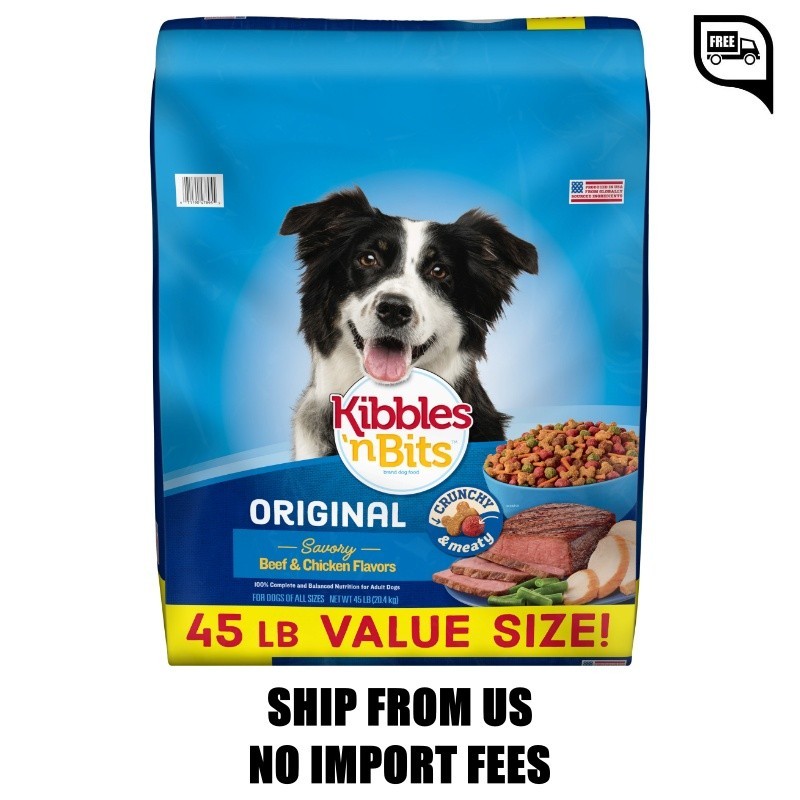 Kibbles 'n Bits Dry Dog Food, Original Savory Beef & Chicken Flavors, 45 lb. Bag$21.57View on eBay
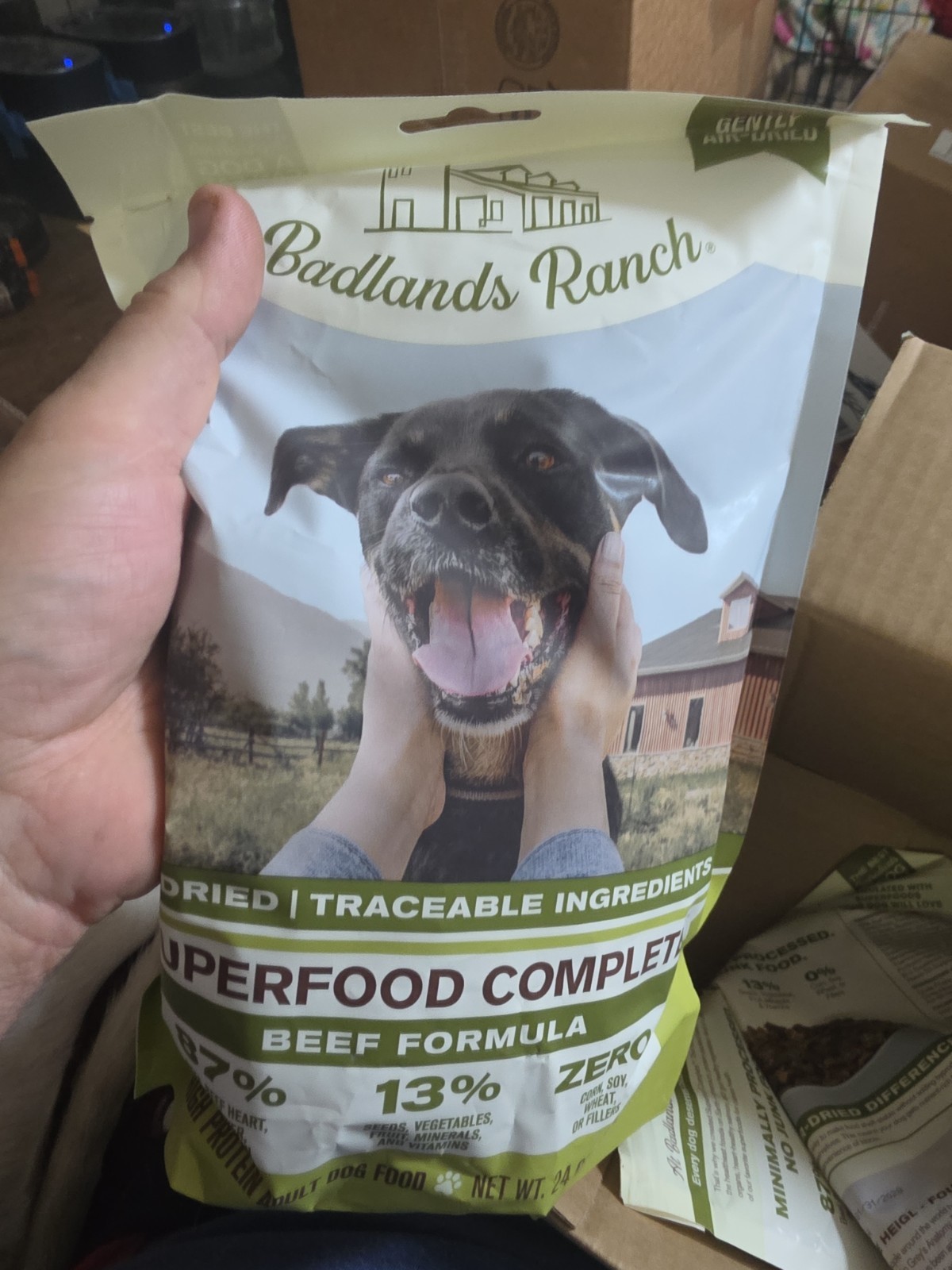 Bdlands Rnch Superfood Complete Beef Formula Air Dried Dog Food 24 oz$22.00View on eBay
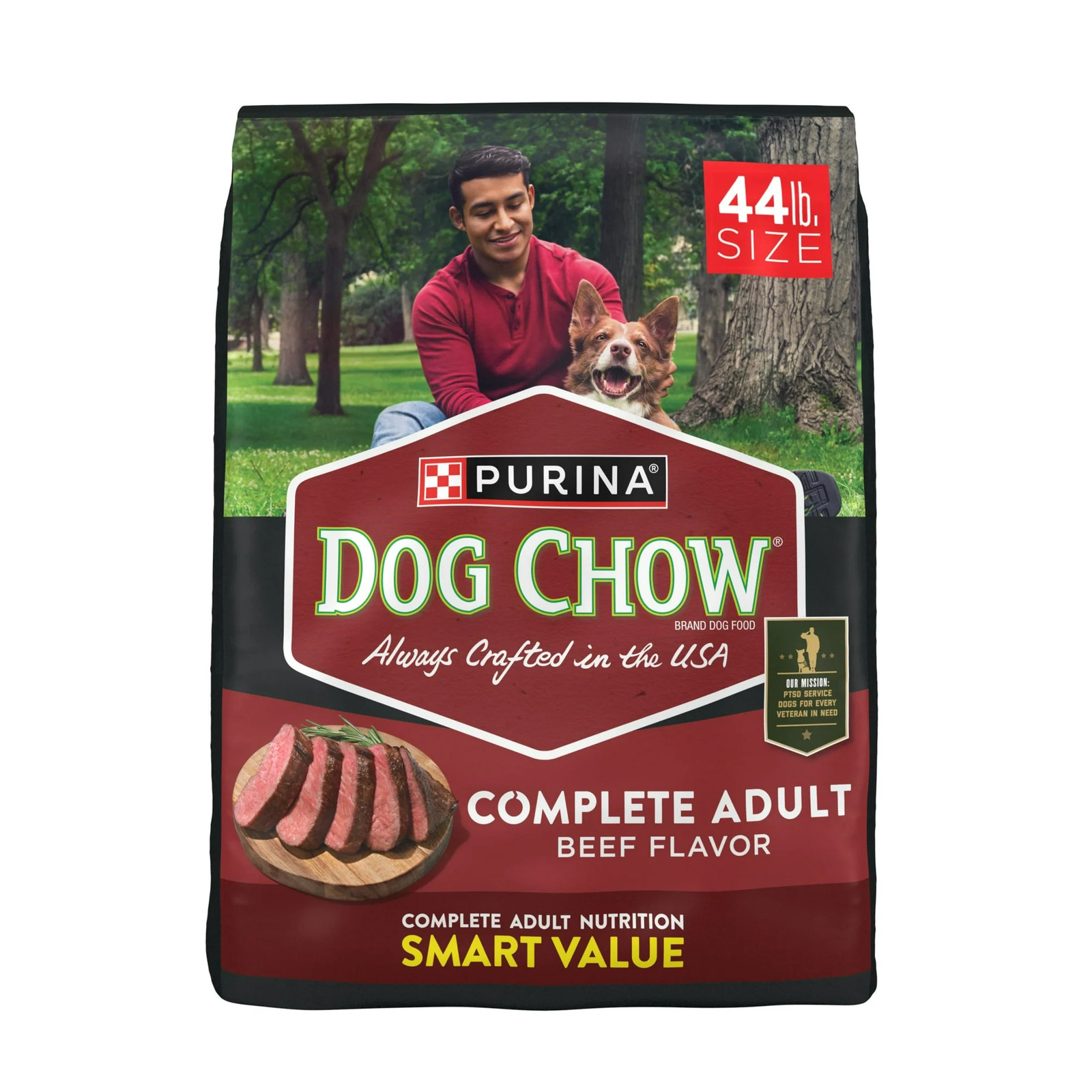 Dog Chow Complete Adult Dry Dog Food Kibble with Beef Flavor, 44 lb Bag$22.99View on eBay
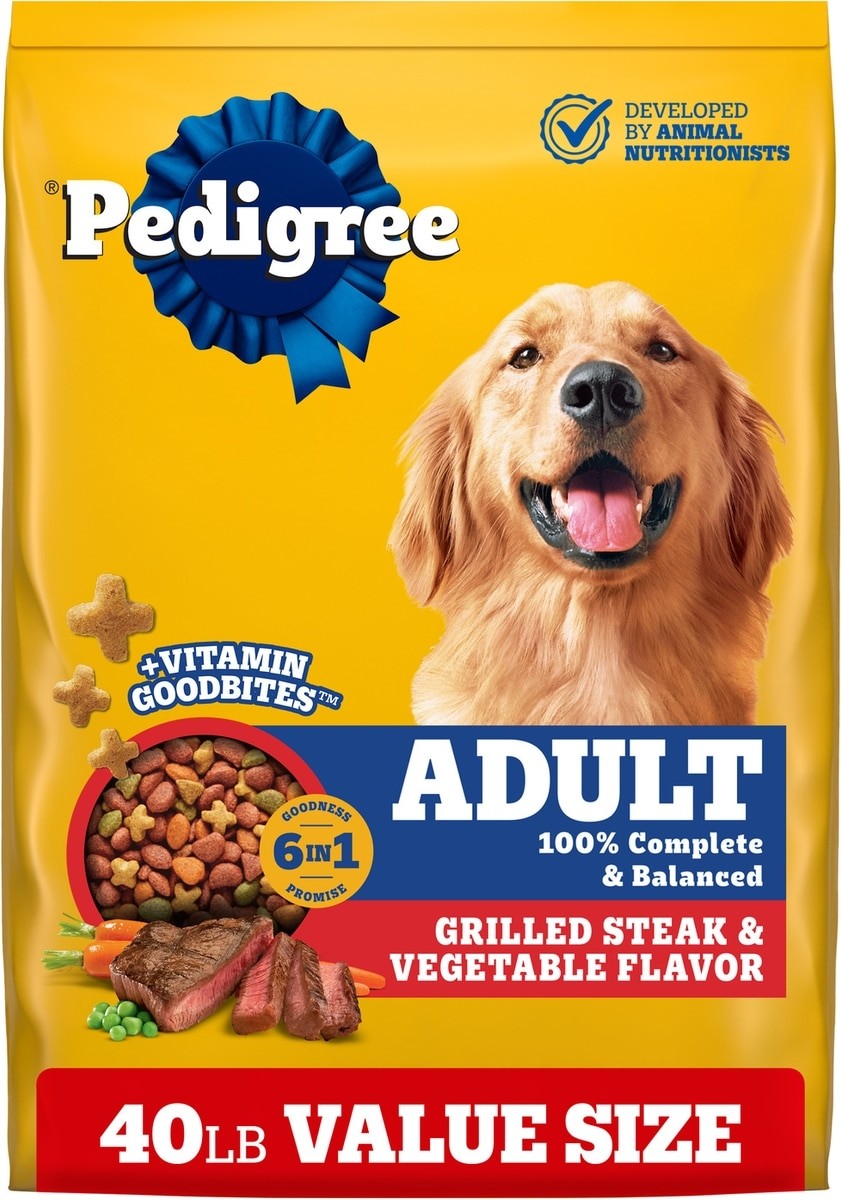 Pedigree Complete Nutrition Adult Dog Food, Grilled Steak & Vegetable, 40 lb$22.99View on eBay
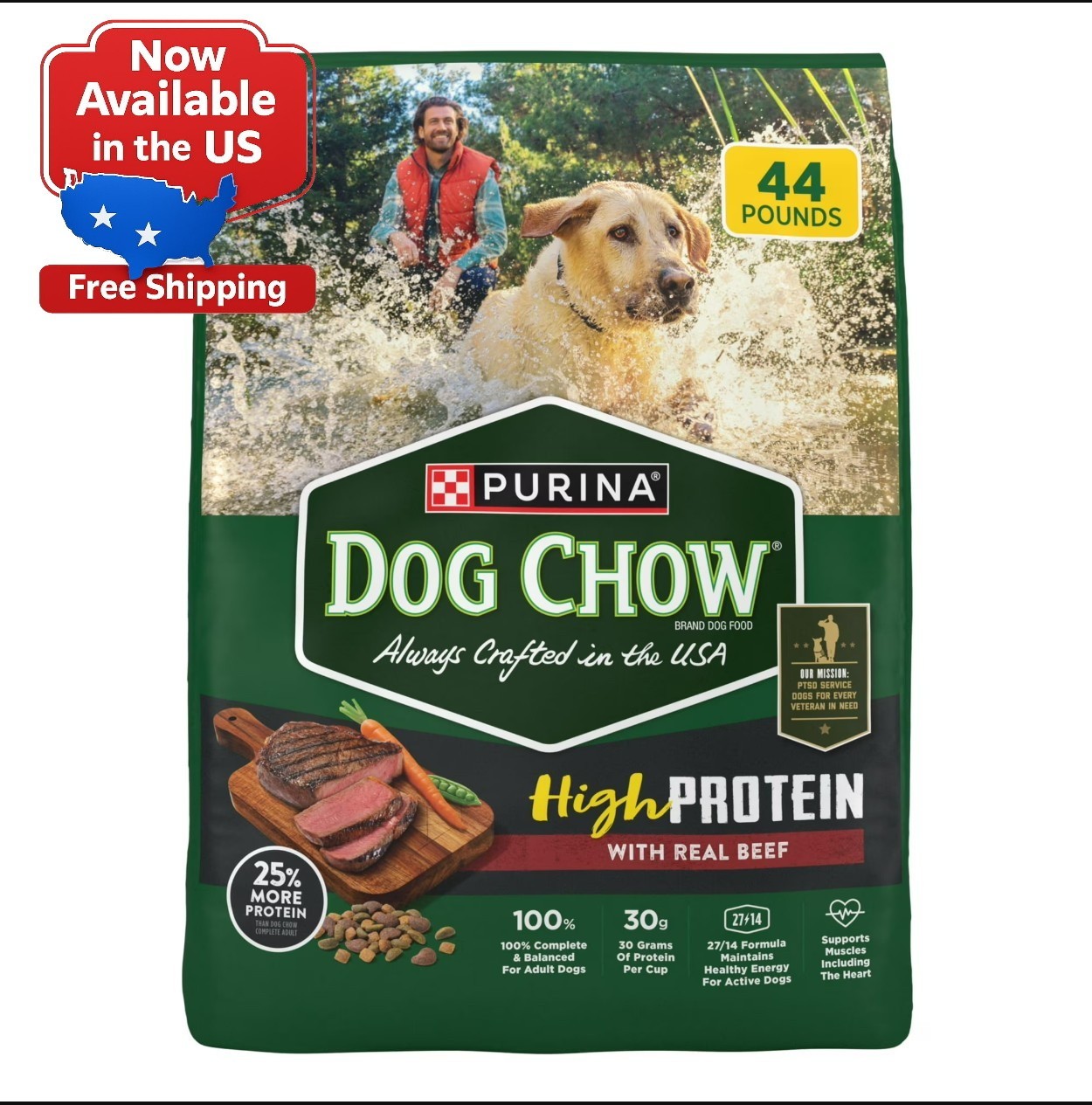 Purina Dog Chow High Protein Dog Food Dry Recipe with Real Beef, 44 lb Bag$24.47View on eBay
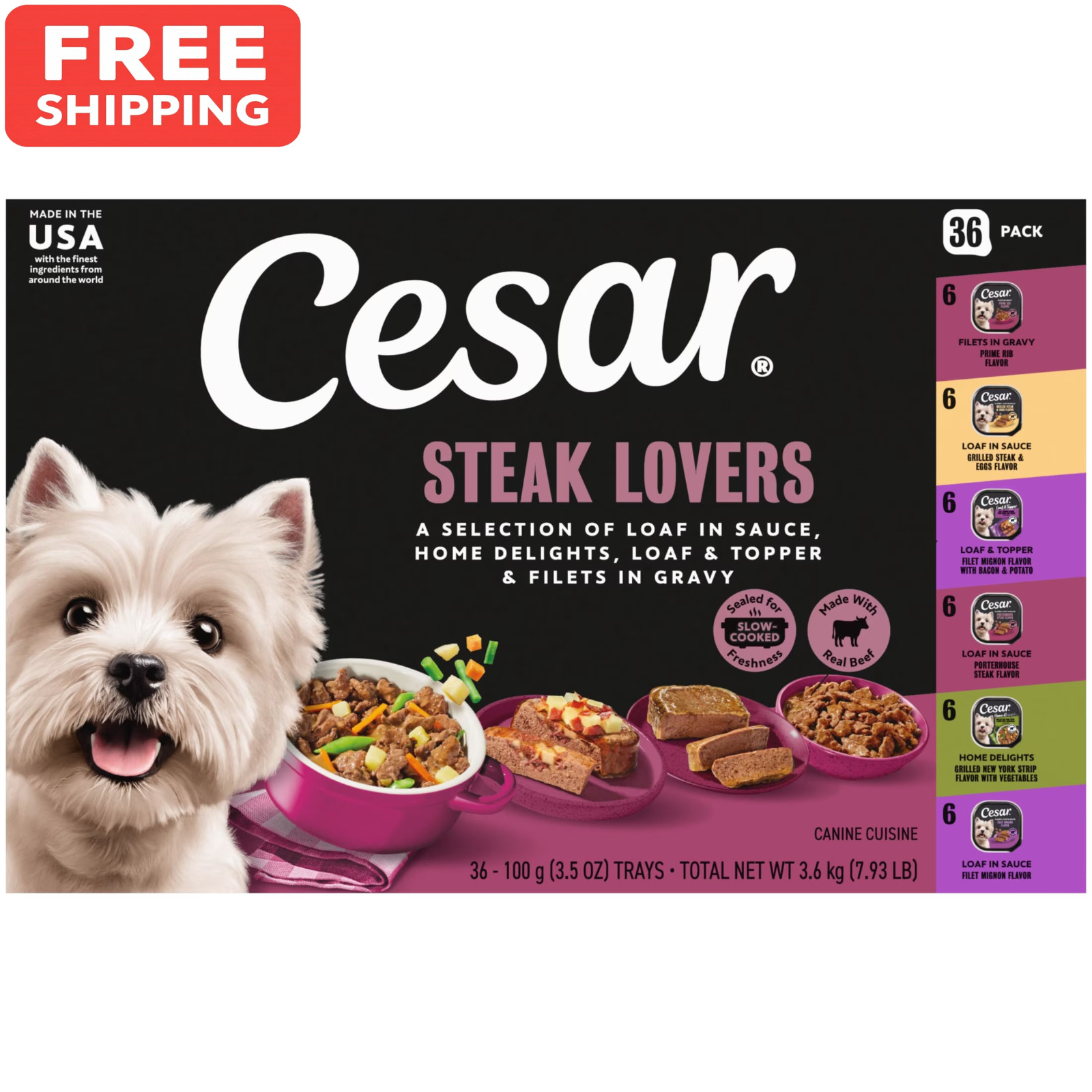 Cesar Wet Dog Food Steak Lovers Variety Pack, Real Meat Wet Food for Dogs, 36 Ct$25.19View on eBay
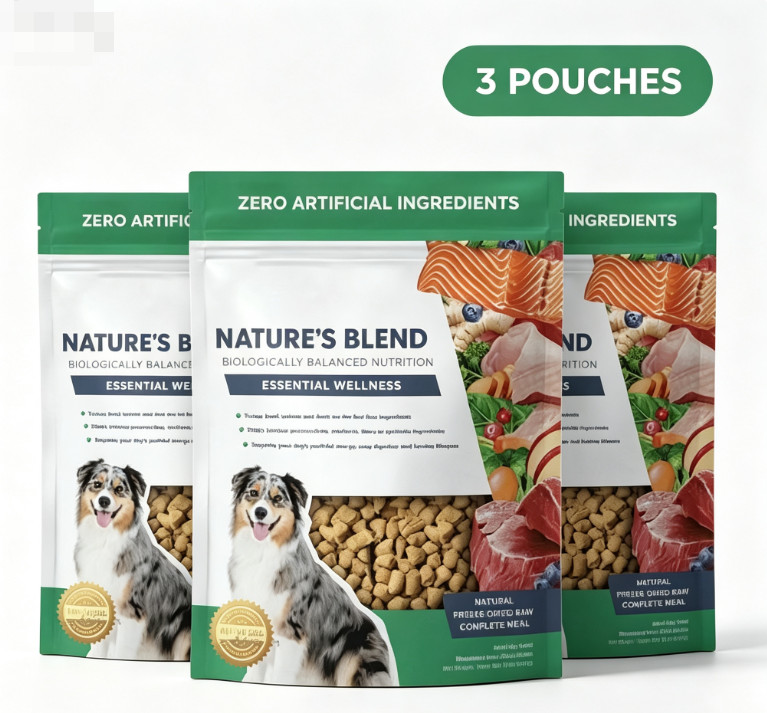 Dr. Marty Nature's Blend Freeze-Dried Raw Dog Food 48 oz (3 Bags x 16 oz)$25.55View on eBay
Highlights
- AAFCO statement must specify life stage (growth, adult maintenance, all life stages) and whether the food is formulated to meet or tested via feeding trials.
- Wet food is ~75-80% moisture versus ~10% in dry kibble, so feed roughly 2-3x the canned weight to match dry food calories.
- Limited-ingredient and hydrolyzed diets use single novel proteins or broken-down peptides to avoid triggering allergic reactions to common beef, chicken, or wheat.
- Grain-free formulas replace grains with legumes or potatoes; they meet AAFCO profiles but require taurine verification due to FDA-linked canine dilated cardiomyopathy concerns.
Best use cases
- For allergy-prone dogs: pick a limited-ingredient diet with a single novel protein (venison, duck, salmon) and no chicken, beef, wheat, or soy; skip multi-protein kibbles with 'meat and bone meal'.
- For sensitive stomachs: choose a highly digestible formula with probiotics or prebiotic fiber and a single carbohydrate (rice or pumpkin); avoid high-fat or heavily preserved kibbles.
- For French Bulldogs and flat-faced breeds: select small-kernel kibble or wet food to ease chewing and reduce gas; skip large-breed kibble with oversized pieces.
- For weight loss: use a reduced-calorie adult formula with high protein and added fiber, and measure portions by weight; skip free-feeding and high-fat performance diets.
Buying tips
- Match calorie density: a 30 lb dog needs roughly 700-900 kcal/day; check the kcal/kg on the label and adjust cups accordingly rather than guessing.
- For allergies, rotate proteins only after a 8-12 week elimination trial; pick a diet with a single animal protein and no cross-contamination risk.
- Choose kibble size by breed: small breeds under 20 lb need kernels under 10 mm; large breeds over 50 lb benefit from kernels over 12 mm to slow eating.
- Wet food pouches and cans are best for hydration and picky eaters; dry kibble suits budget feeding and dental friction, but always provide fresh water.
Specs
| Food Form | Dry kibble / Wet cans / Raw |
|---|---|
| Life Stage | Puppy / Adult / All life stages |
| Protein Source | Single novel vs multi-animal |
| AAFCO Statement | Formulated / Feeding trial |
Related searches
best dog food for allergiesbest dog food for sensitive stomachbest dog food for french bulldogsbest dog food for skin allergiesbest affordable dog foodbest dog food for german shepherdsbest dog food for pitbullsbest dog food for weight lossbest dog food for chihuahuasbest dog food for golden retrieversbest dog food for yorkiesbest dog food for labsbest dog food for picky eatersbest dog food for shih tzubest dog food for itchy skinbest dog food for healthbest dog food for gut healthbest dog food for joint healthbest food for dog gut healthWhat to check before buying
- Measure your dog's current weight and body condition score (1-9 scale) to set the correct calorie target before choosing a formula.
- Confirm the AAFCO statement matches your dog's life stage: puppy growth, adult maintenance, or all life stages.
- Check for known allergens in the ingredient list; avoid chicken, beef, wheat, corn, soy, and dairy if your dog has reactions.
- Verify bag or can size against your dog's daily intake so the food stays fresh within 4-6 weeks of opening.
FAQ
Data sources: eBay / Amazon listings and product attribute feeds Data updated Nov 18, 2026.
Some links on this page are affiliate links. If you buy after clicking one, we may earn a commission at no extra cost to you. This does not change which products appear here or their order. Affiliate disclosure.