Photos from current listings. Actual item, color, and included accessories may vary.
Dry Food Buying Guide
Dry food is a shelf-stable kibble diet for dogs and cats, formulated as complete nutrition or as a treat/filler. The core trade-off is between high-protein, meat-first formulas with regulated AAFCO nutrient profiles and budget formulas built on corn, wheat, and by-product meal. The decision rule: choose a brand whose label states an AAFCO life-stage claim (growth, maintenance, or all life stages) and lists a named meat first; skip any bag that lacks a nutrient adequacy statement.


At a glance
- Category
- Pet Food, Treats & Litter
- Data updated
- Nov 18, 2026
Current offers
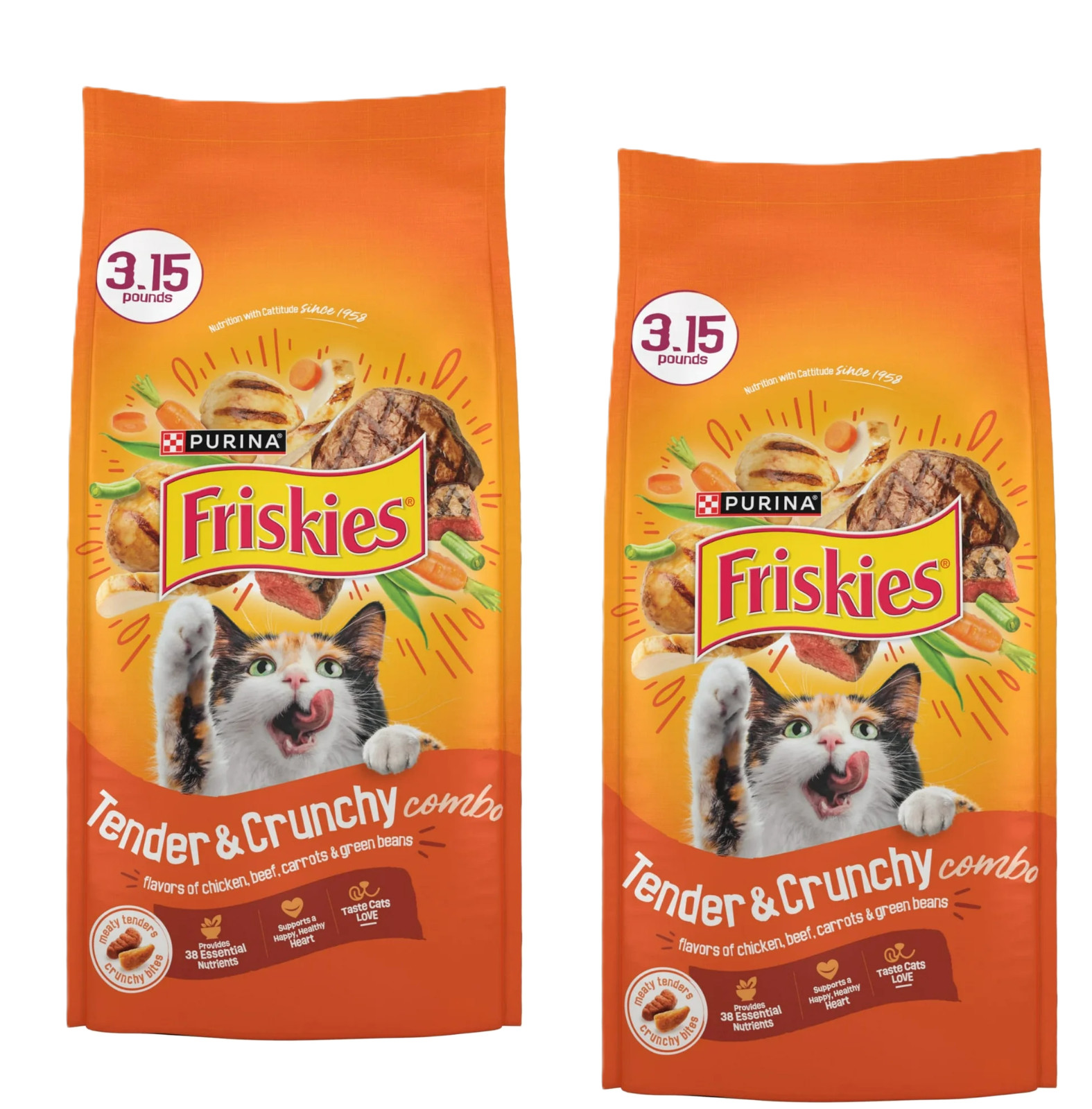 Purina Friskies Tender & Crunchy Dry Cat Food Chicken Beef 3.15 lb 2 Pack$7.99
 View on eBay
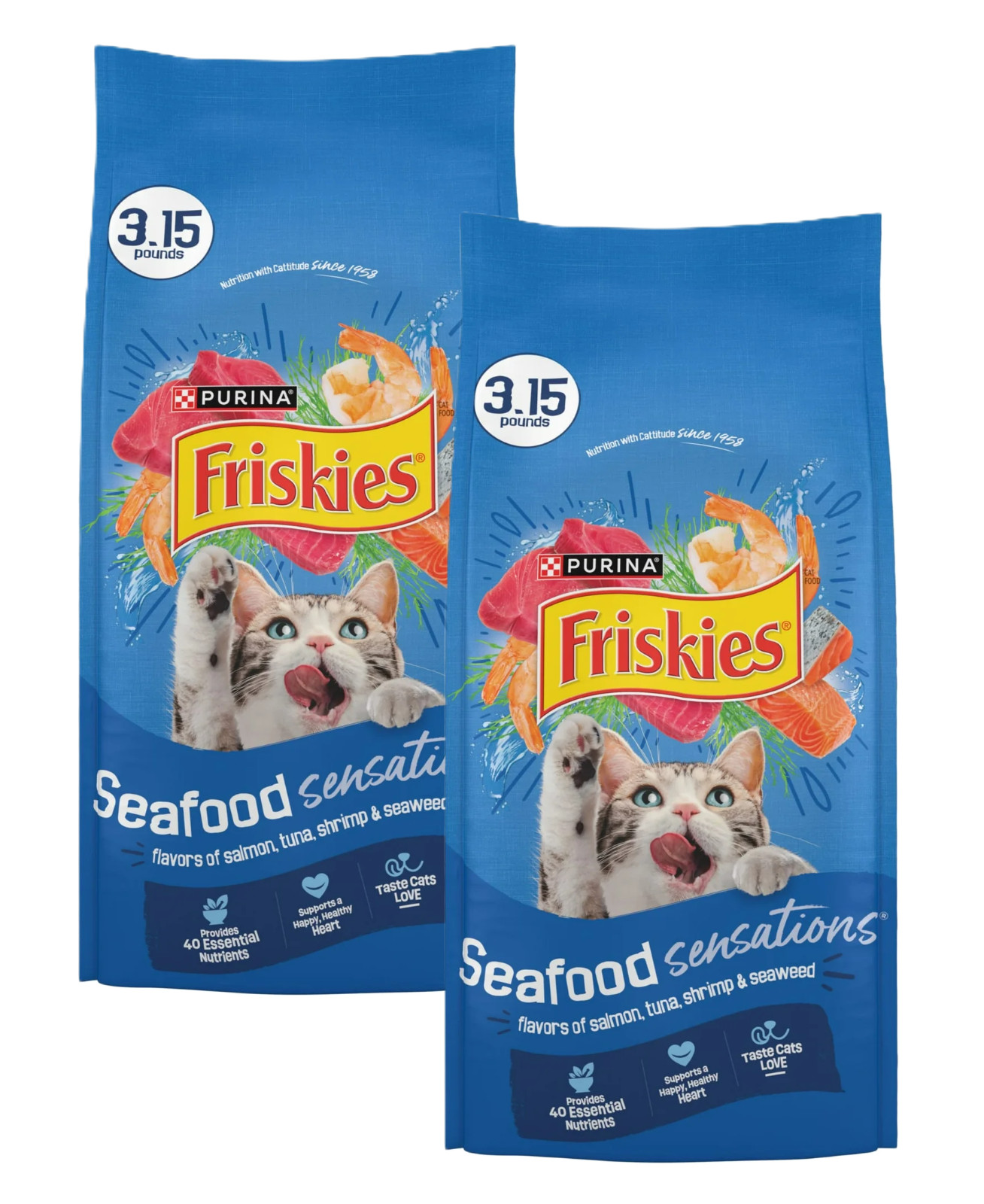 Purina Friskies Dry Cat Food Seafood Sensations with Salmon, Tuna, Shrimp Flavor$8.02View on eBay
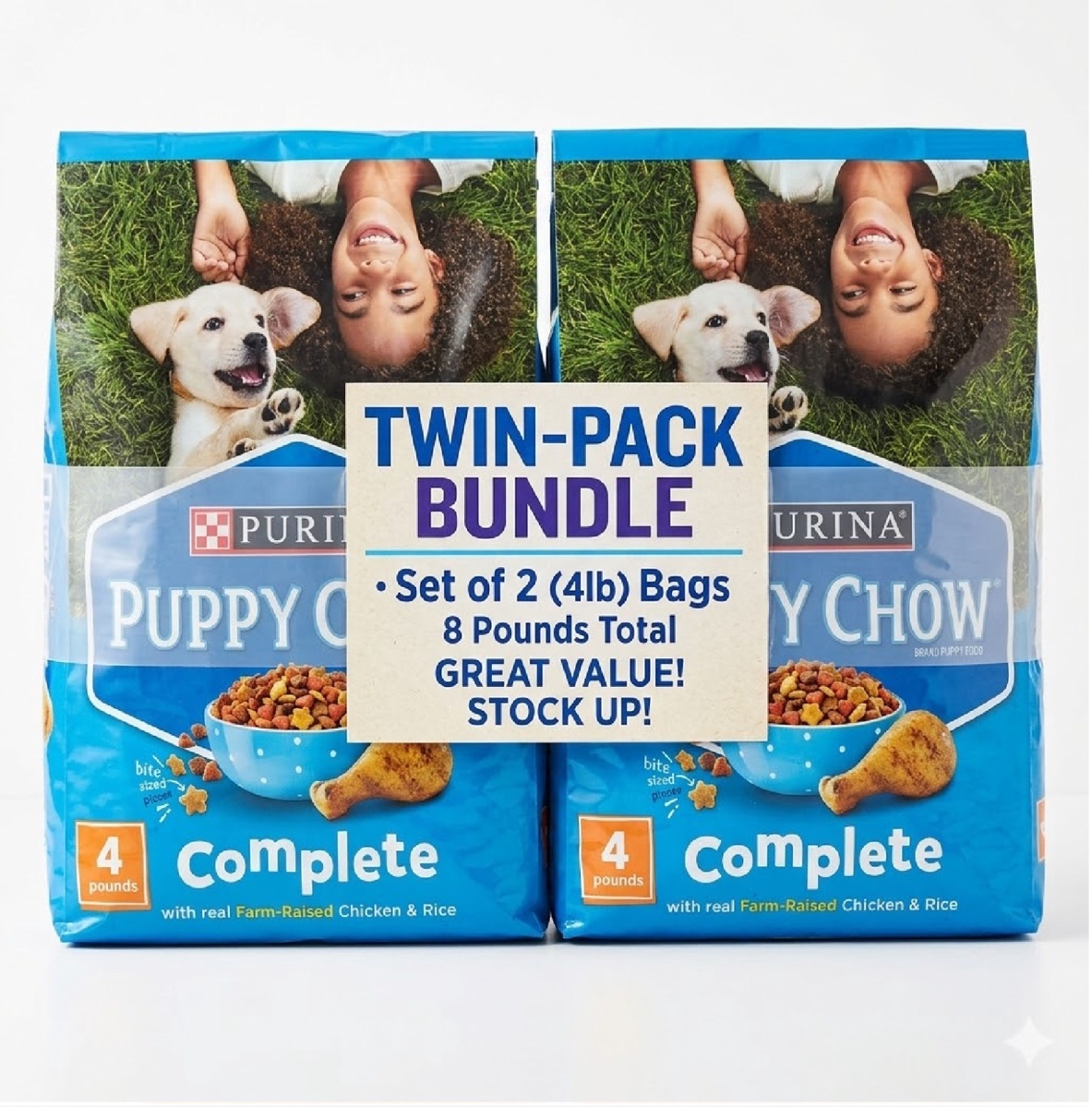 2pk Purina Puppy Chow Complete Dry Dog Food, High Protein Farm-Raised, 4 lb Bag$8.99View on eBay
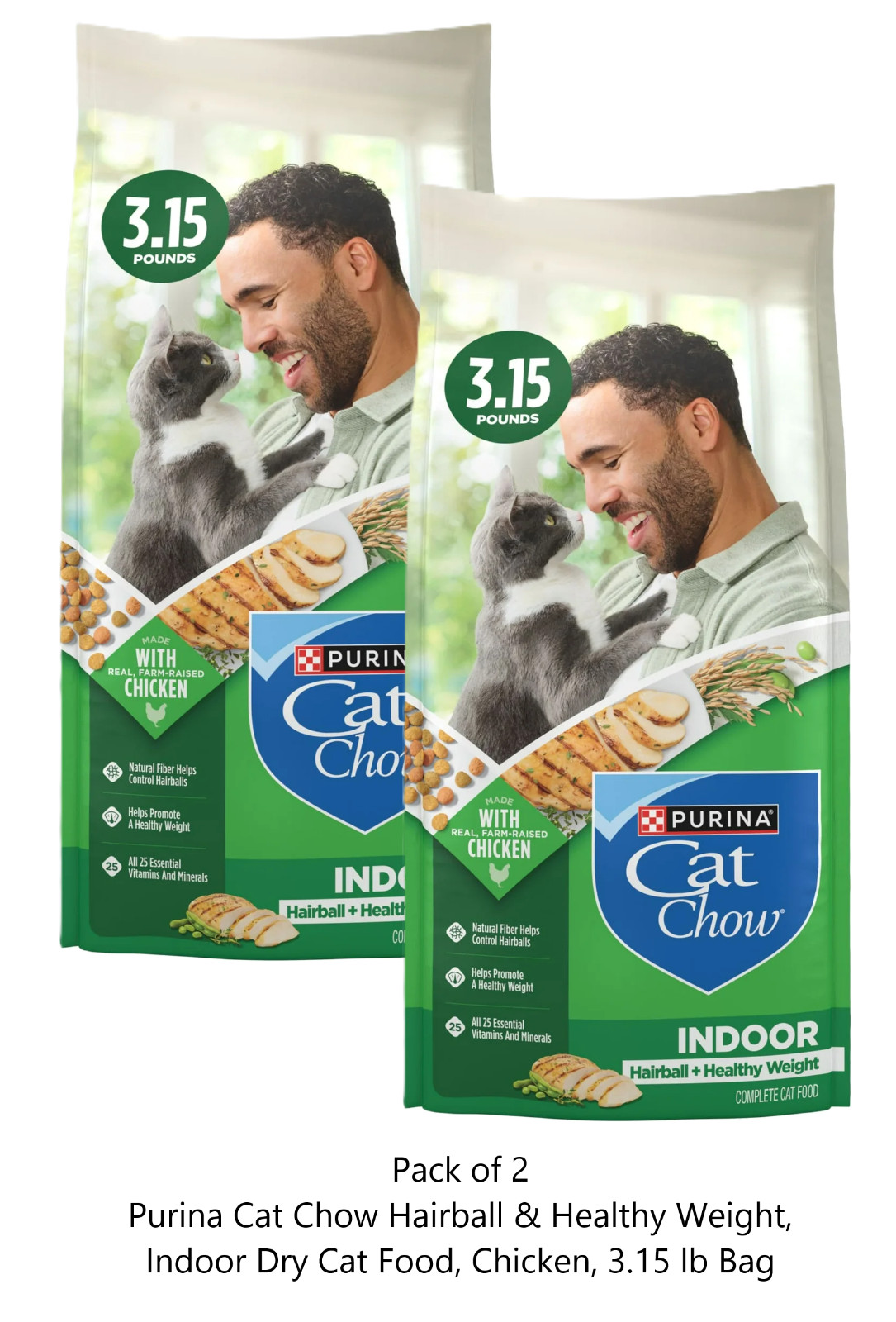 (2 Pack) Purina Cat Chow Indoor Hairball & Healthy Dry Cat Food, 3.15 Lb Bag$10.68View on eBay
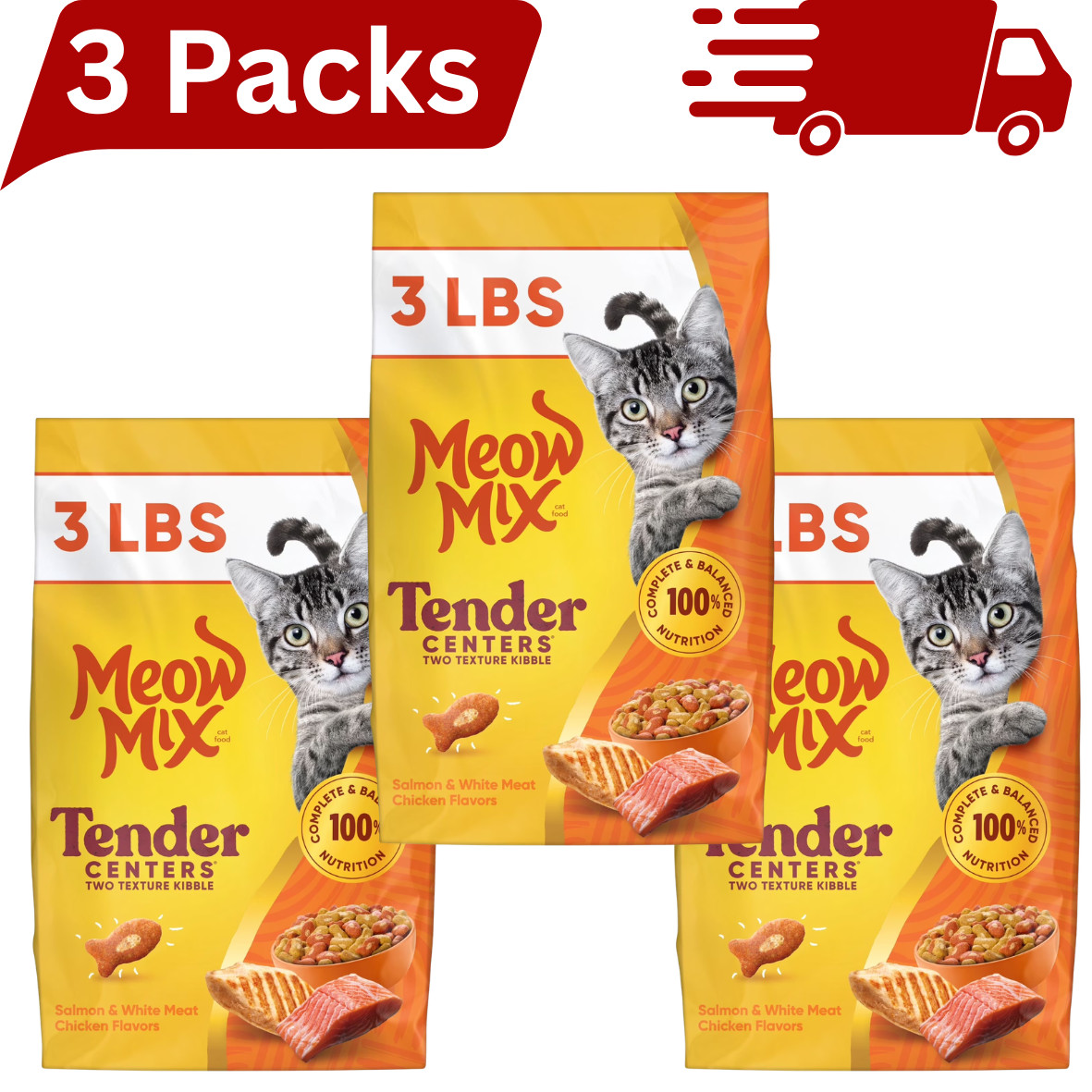 3 x Meow Mix Tender Centers Dry Cat Food Salmon & White Meat Chicken 3 lb Bags$12.00View on eBay
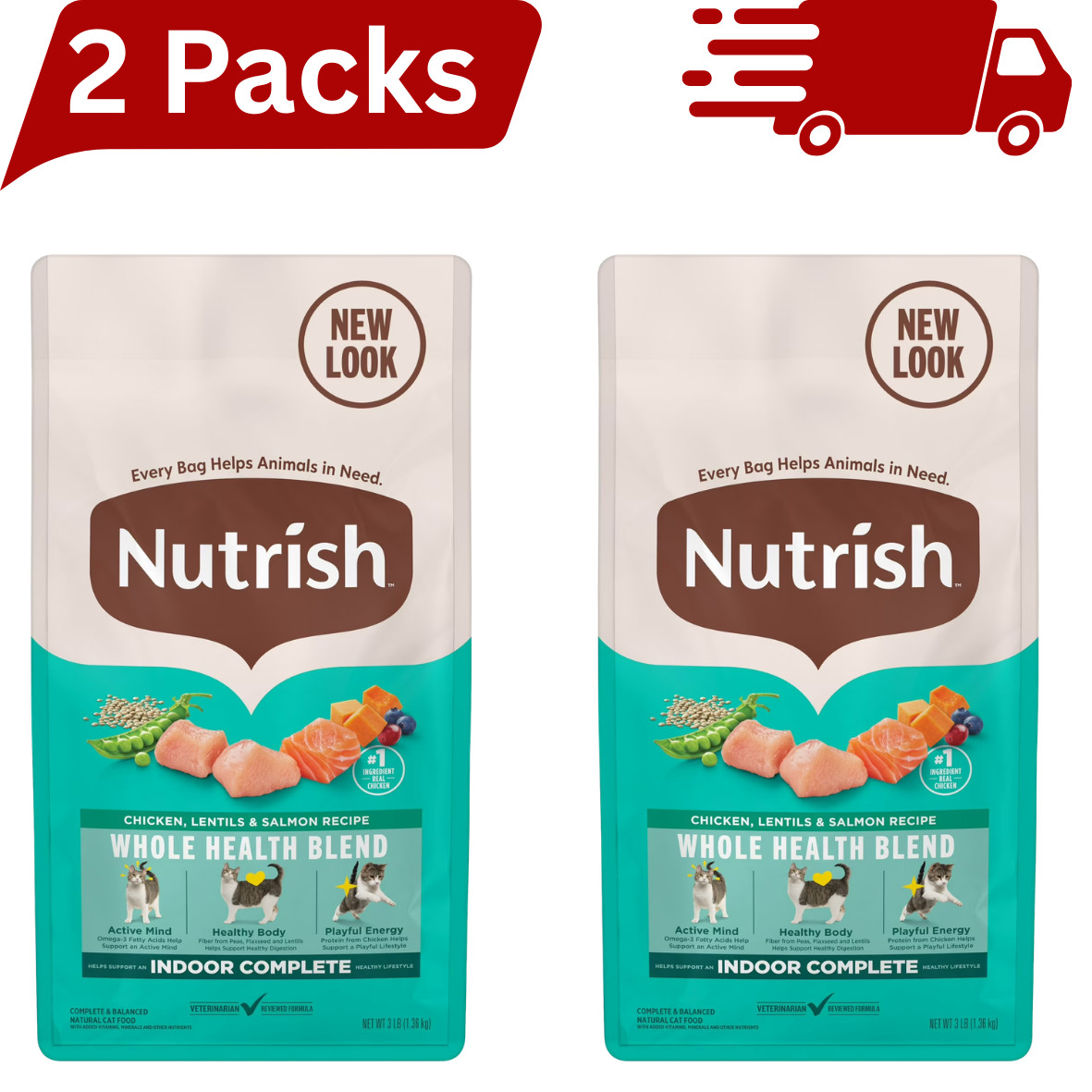 2 Pack Nutrish Indoor Complete Dry Cat Food Chicken Lentils Salmon 3 lb Bags$12.98View on eBay
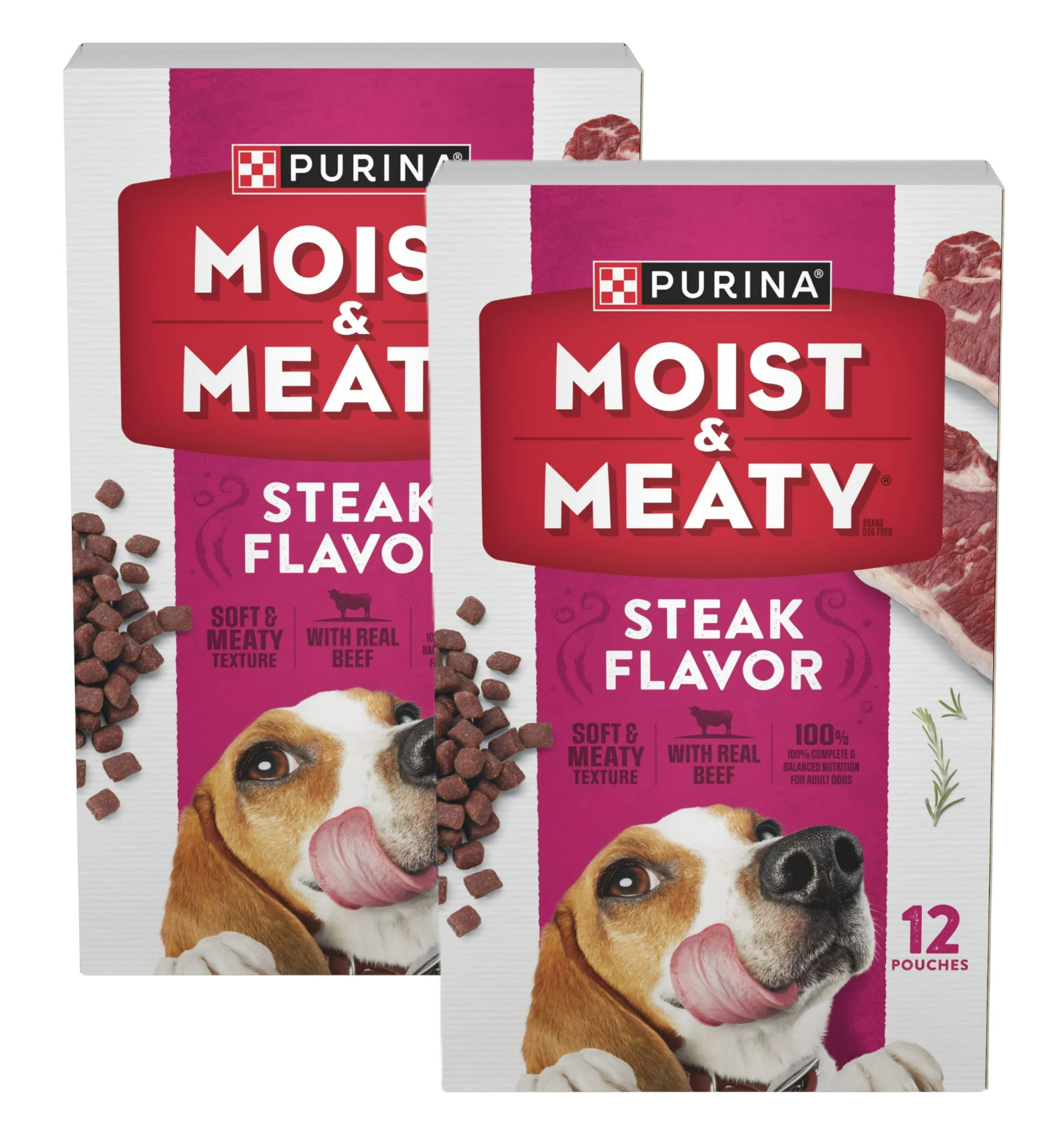 Purina Moist & Meaty Dry Dog Food High Protein Steak Flavor with Real Beef 24 Ct$13.40View on eBay
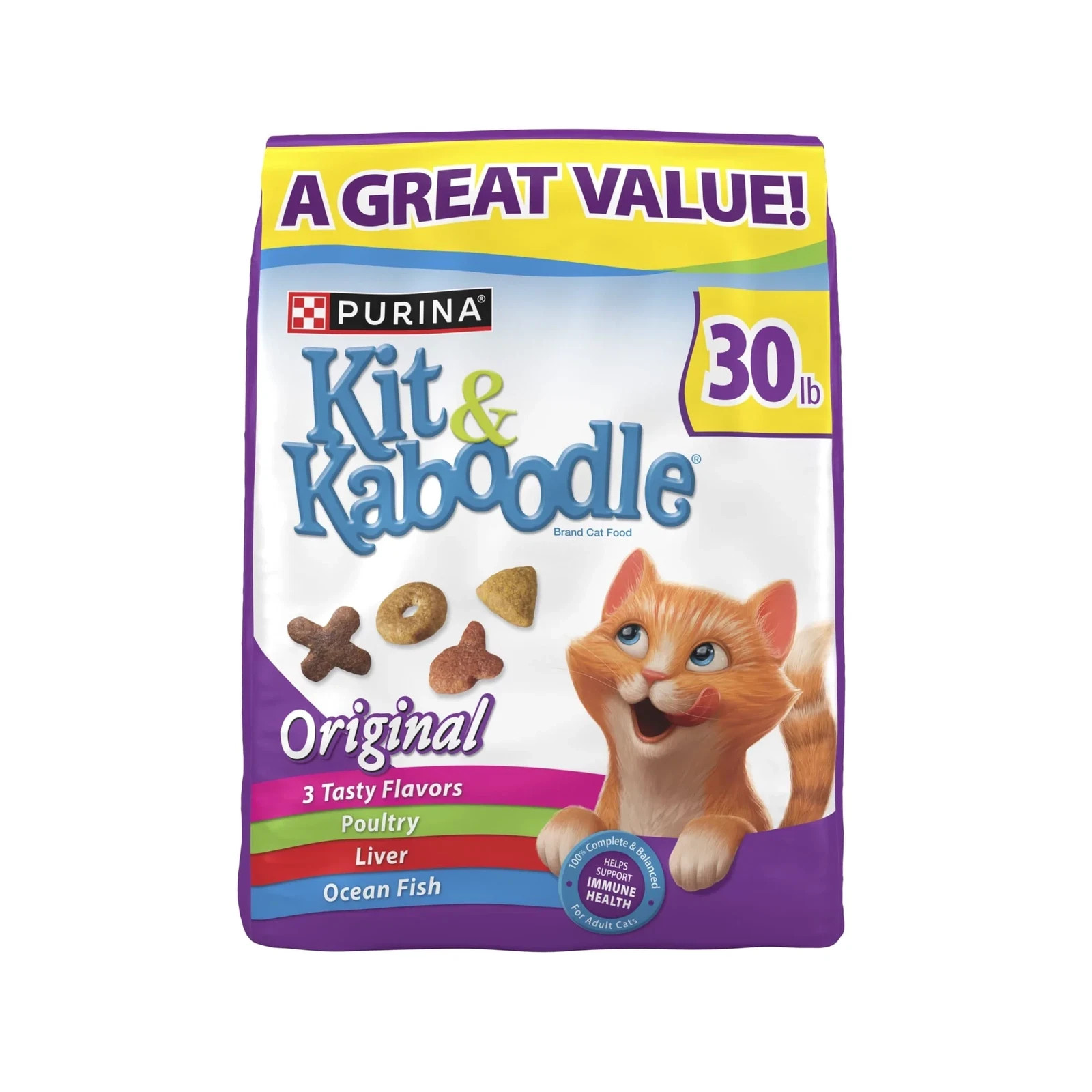 Purina Kit & Kaboodle Original, Indoor Dry Cat Food, Chicken, Turkey, 30 lb Bag$18.99View on eBay
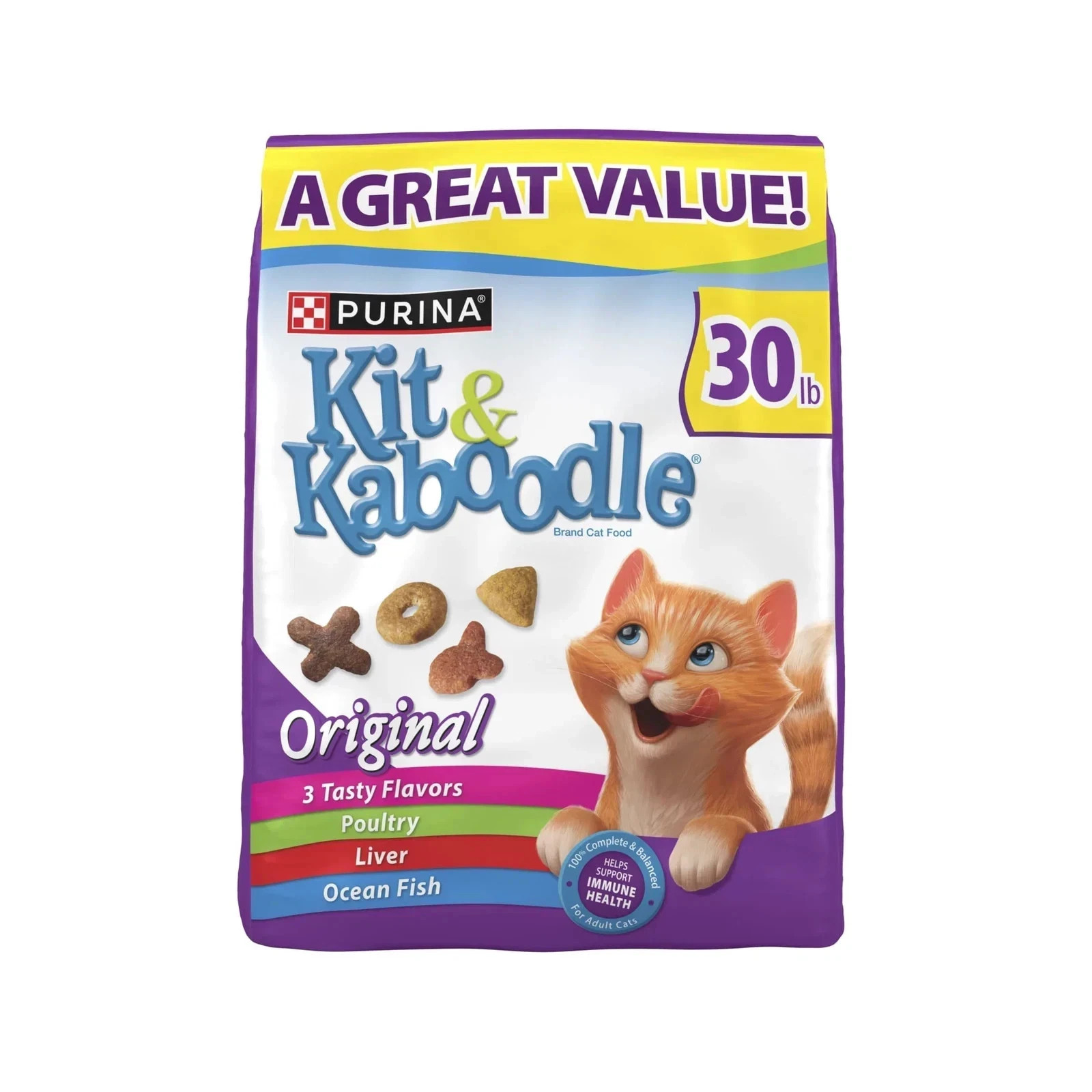 Purina Kit & Kaboodle Original, Indoor Dry Cat Food, Chicken, Turkey, 30 lb Bag$18.99View on eBay
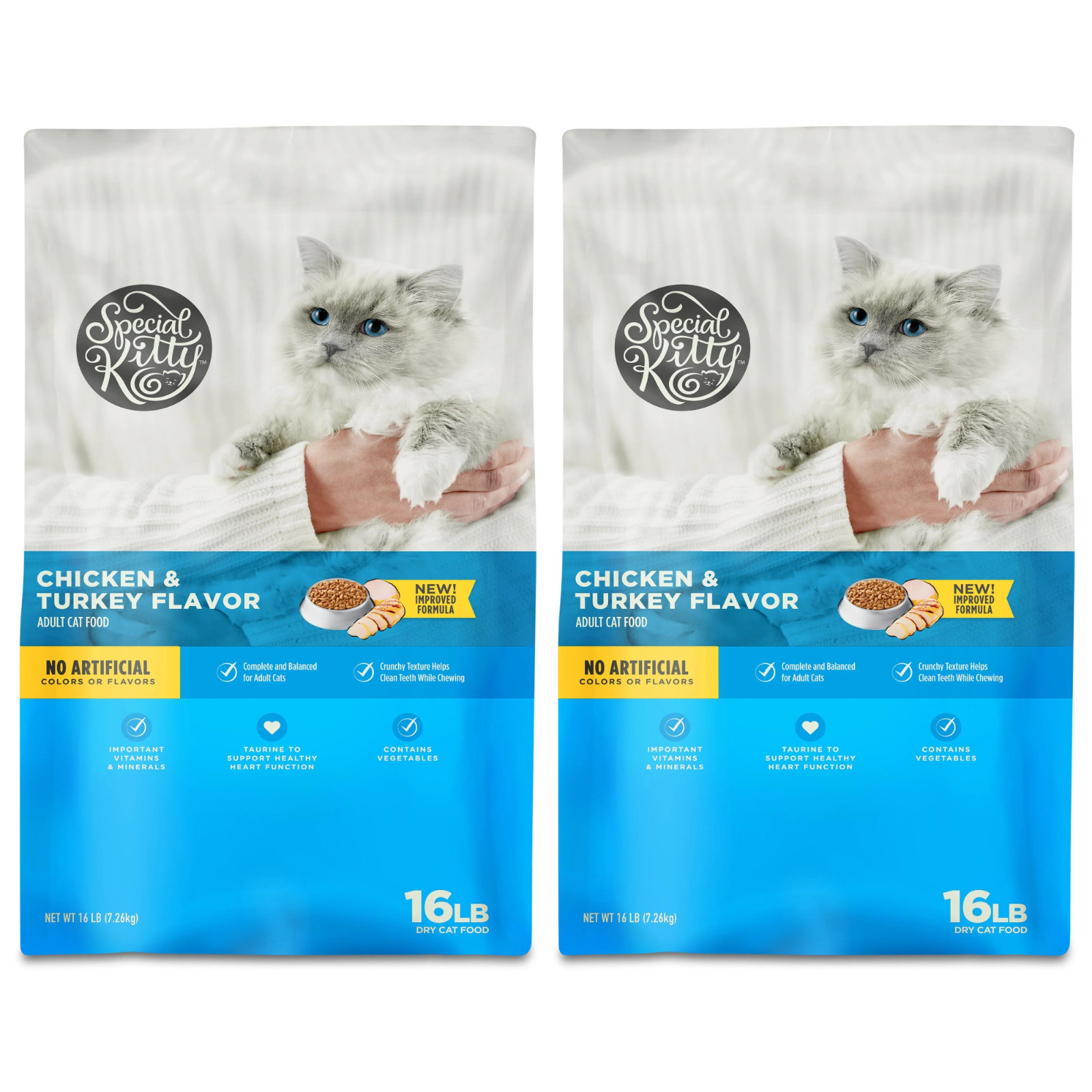 Special Kitty Complete Nutrition Chicken & Turkey Dry Cat Food, 2 Pack$19.86View on eBay
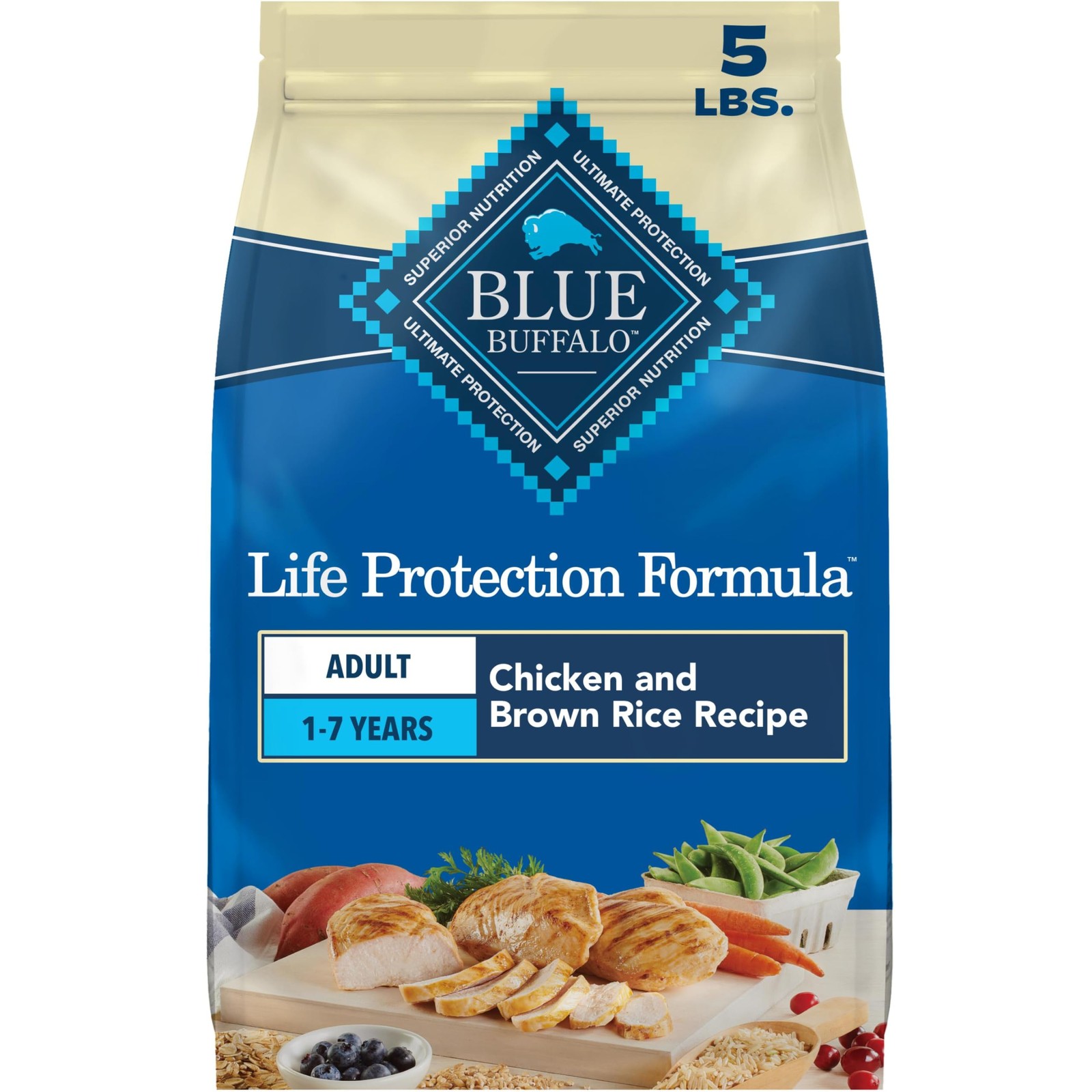 Blue Buffalo Life Protection Formula Chicken Adult Dry Dog Food, 5 lb$20.82View on eBay
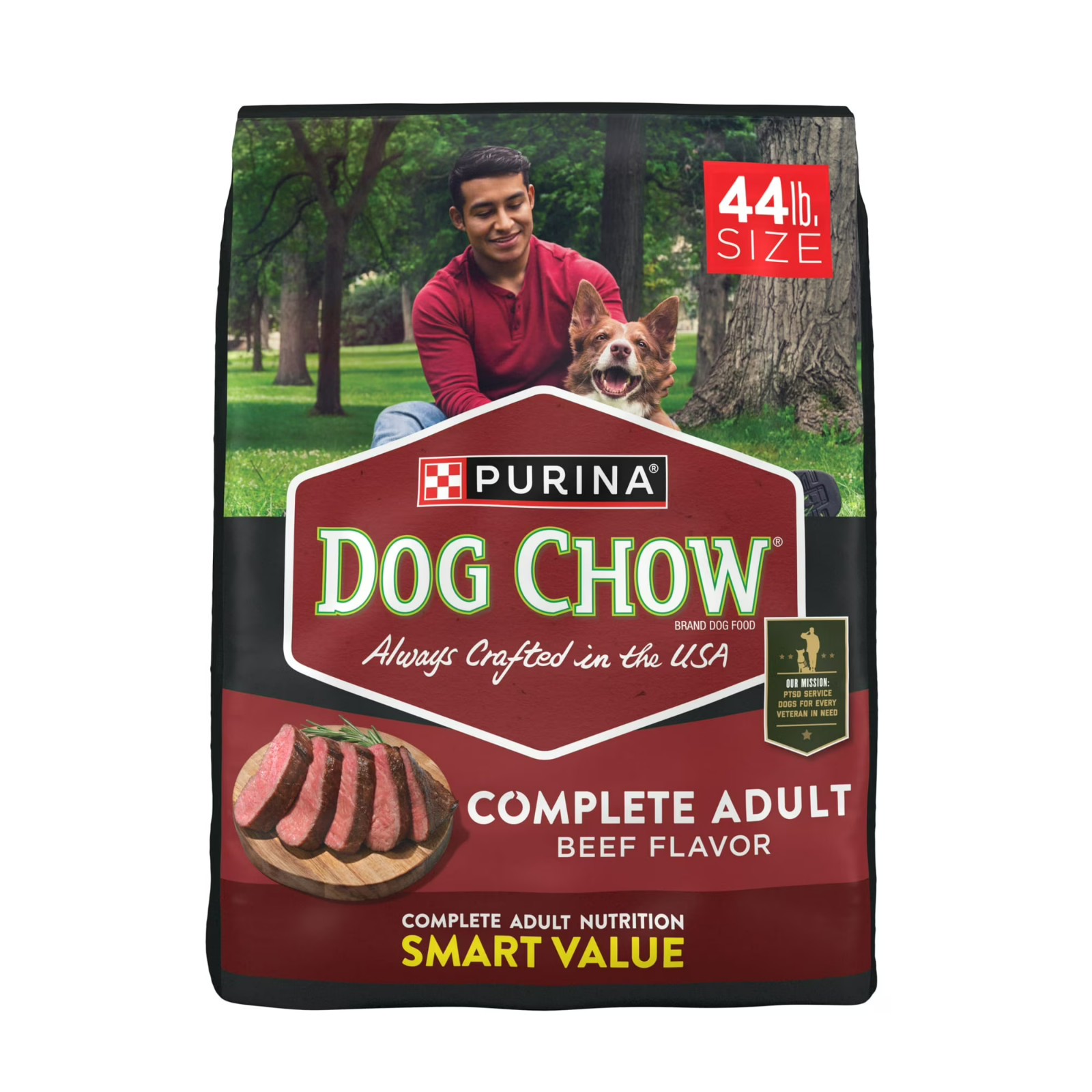 Dog Chow Complete Adult Dry Dog Food for Adult Dogs,Kibble Beef Flavor,44 lb Bag$20.88View on eBay
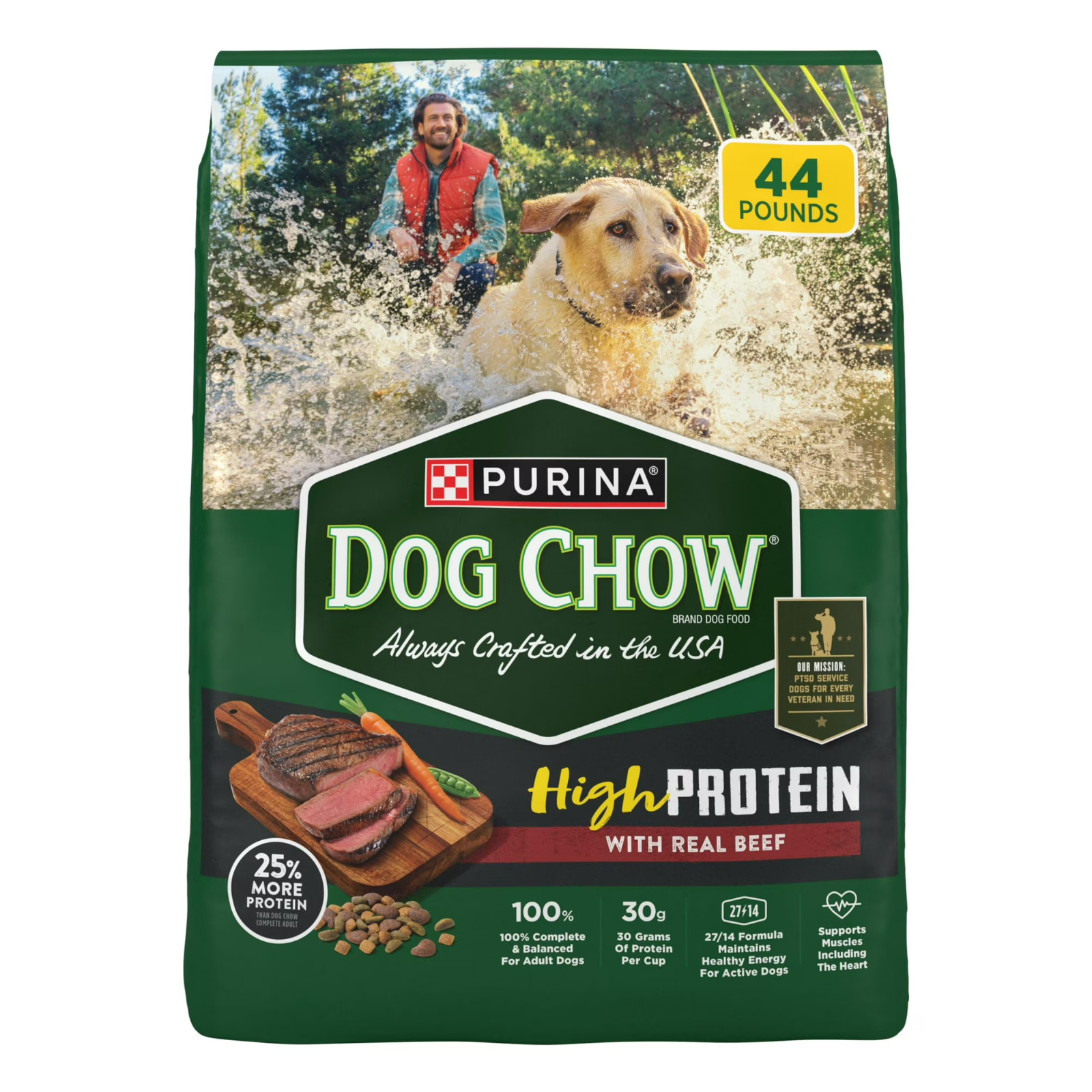 Purina Dog Chow High Protein Dog Food Dry Recipe with Real Beef, 44 lb Bag$20.98View on eBay
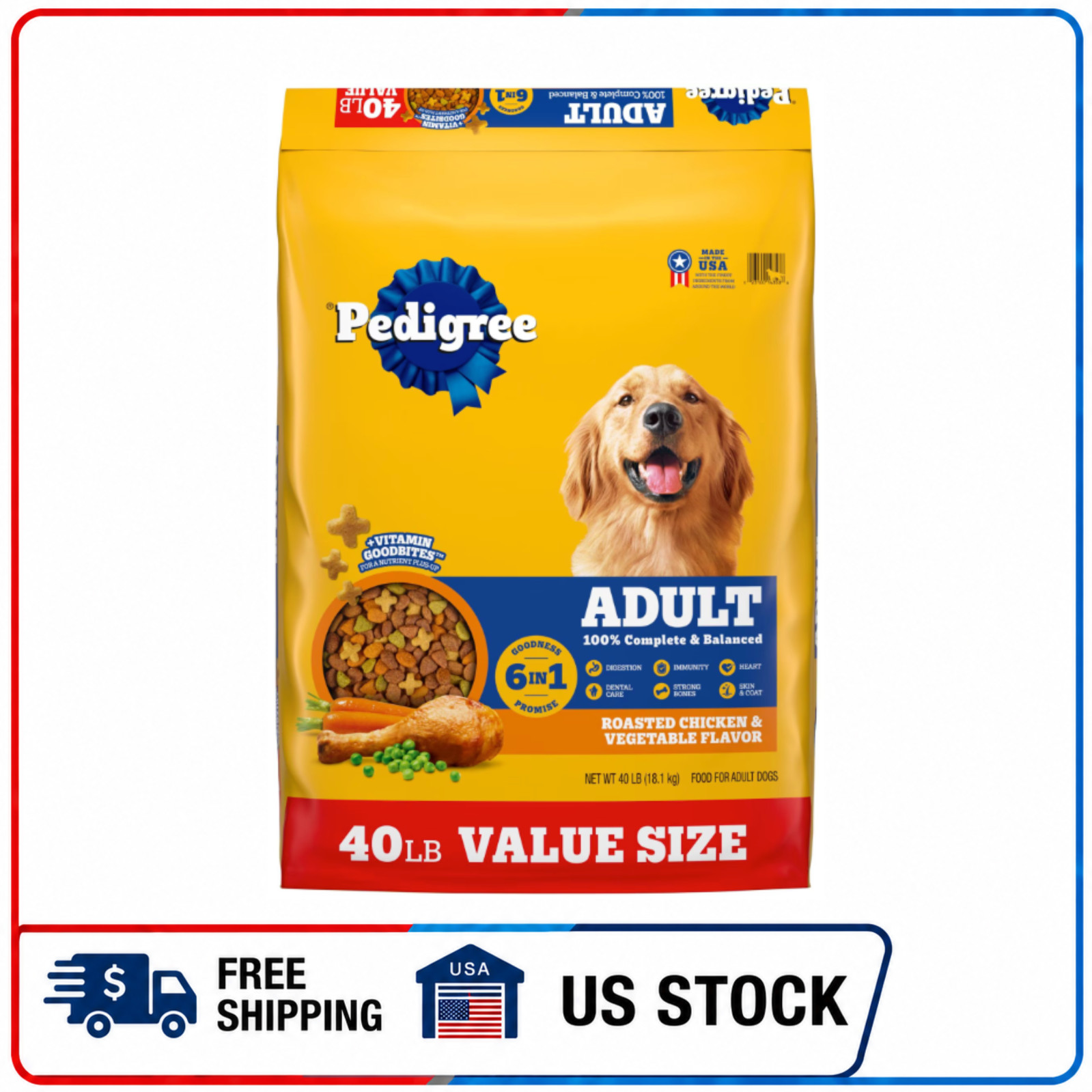 Pedigree Complete Nutrition Adult Dry Dog Food Roasted Chicken Vegetable 40 lb$21.50View on eBay
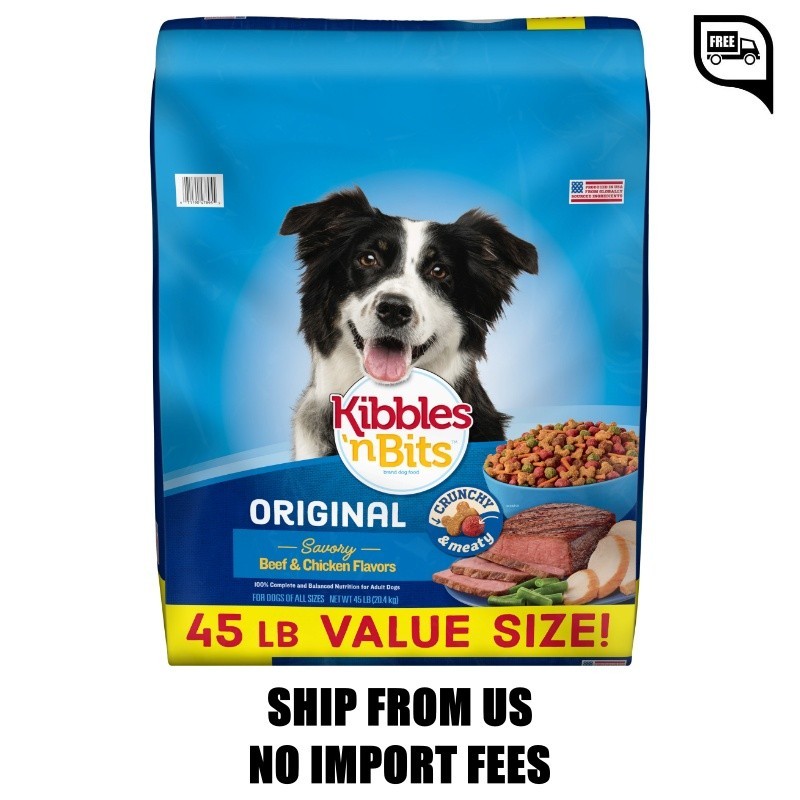 Kibbles 'n Bits Dry Dog Food, Original Savory Beef & Chicken Flavors, 45 lb. Bag$21.57View on eBay
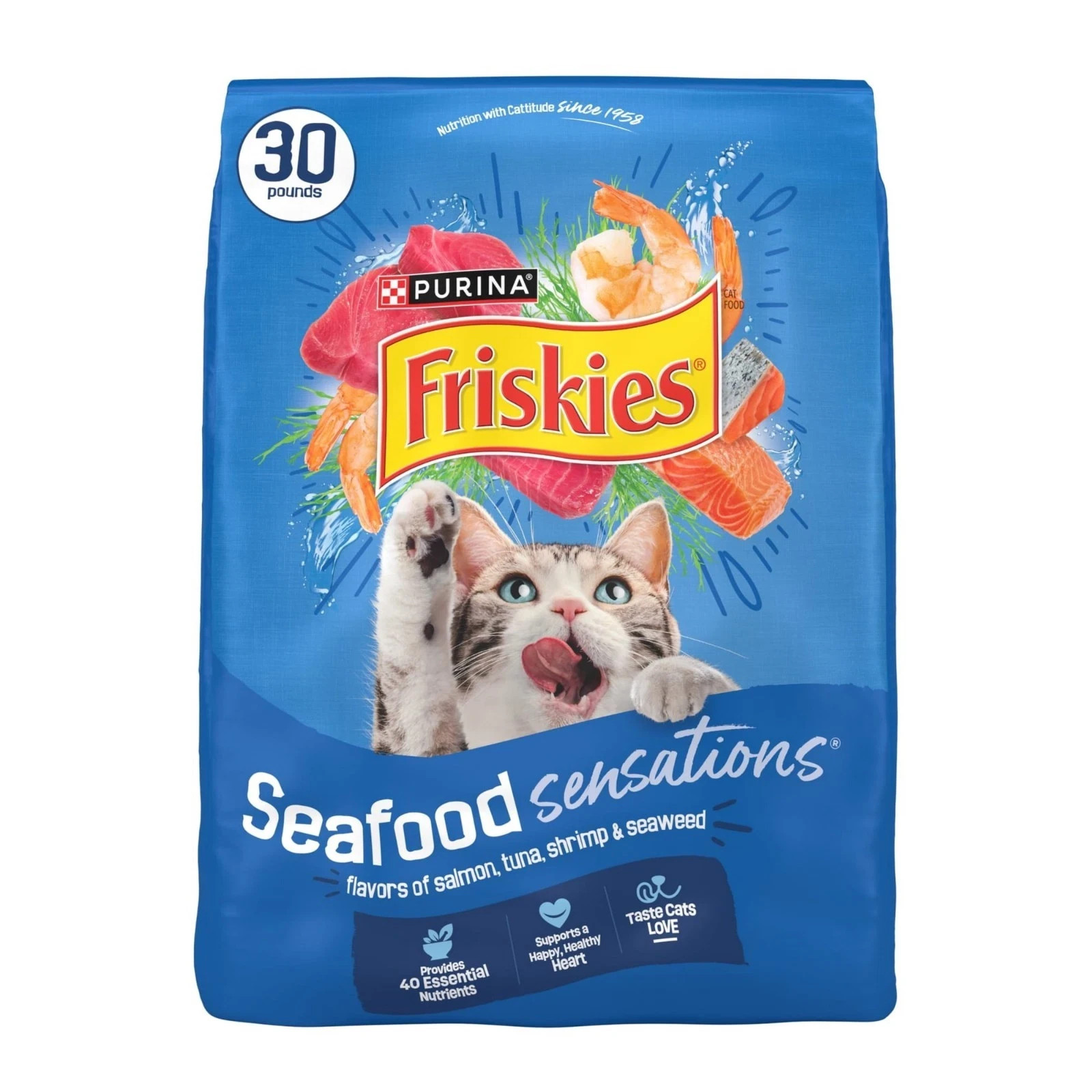 Purina Friskies Seafood Sensations Dry Cat Food 30 lb Bag - FAST SHIPPING$21.98View on eBay
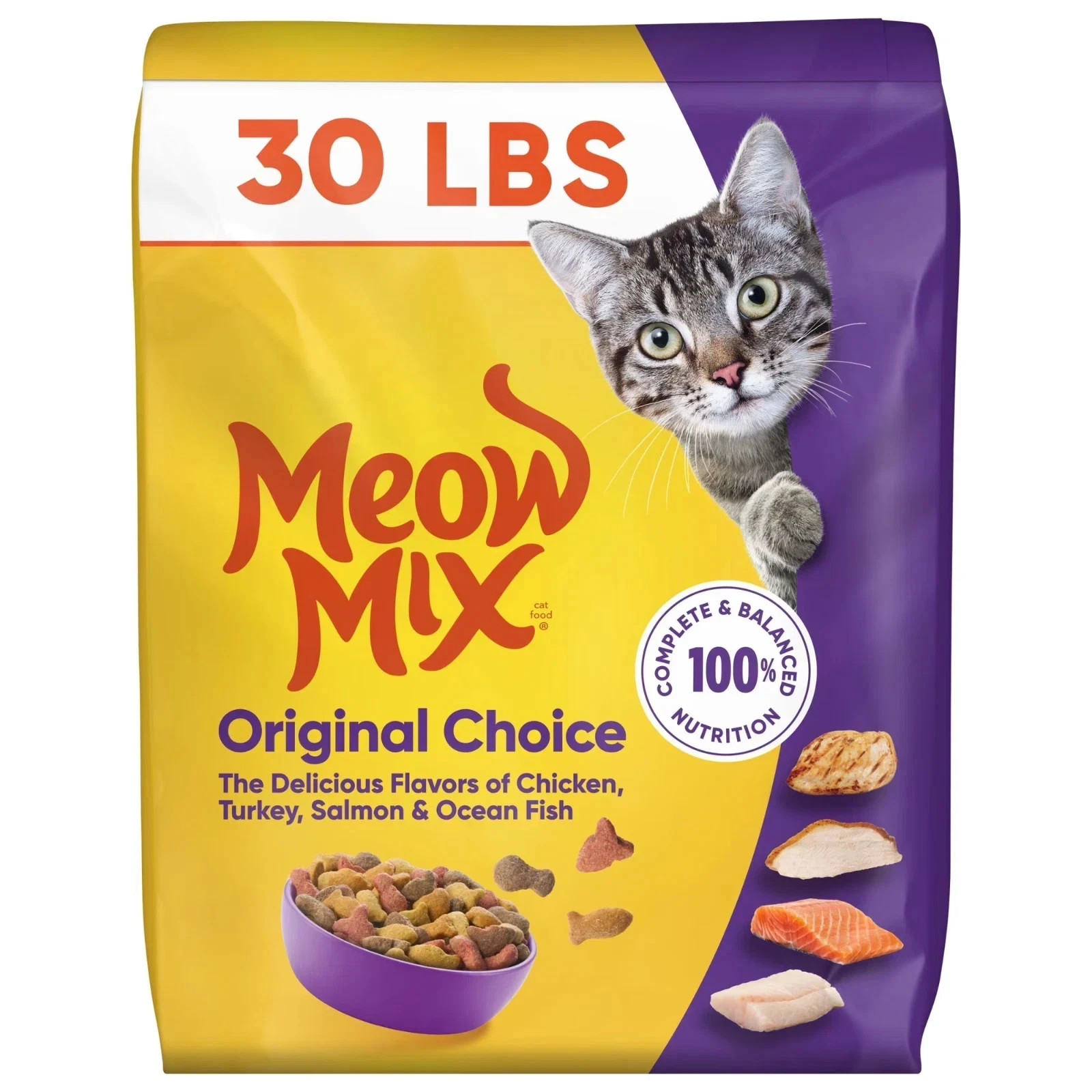 Meow Mix Original Choice Dry Cat Food, 30 lb. Bag$22.99View on eBay
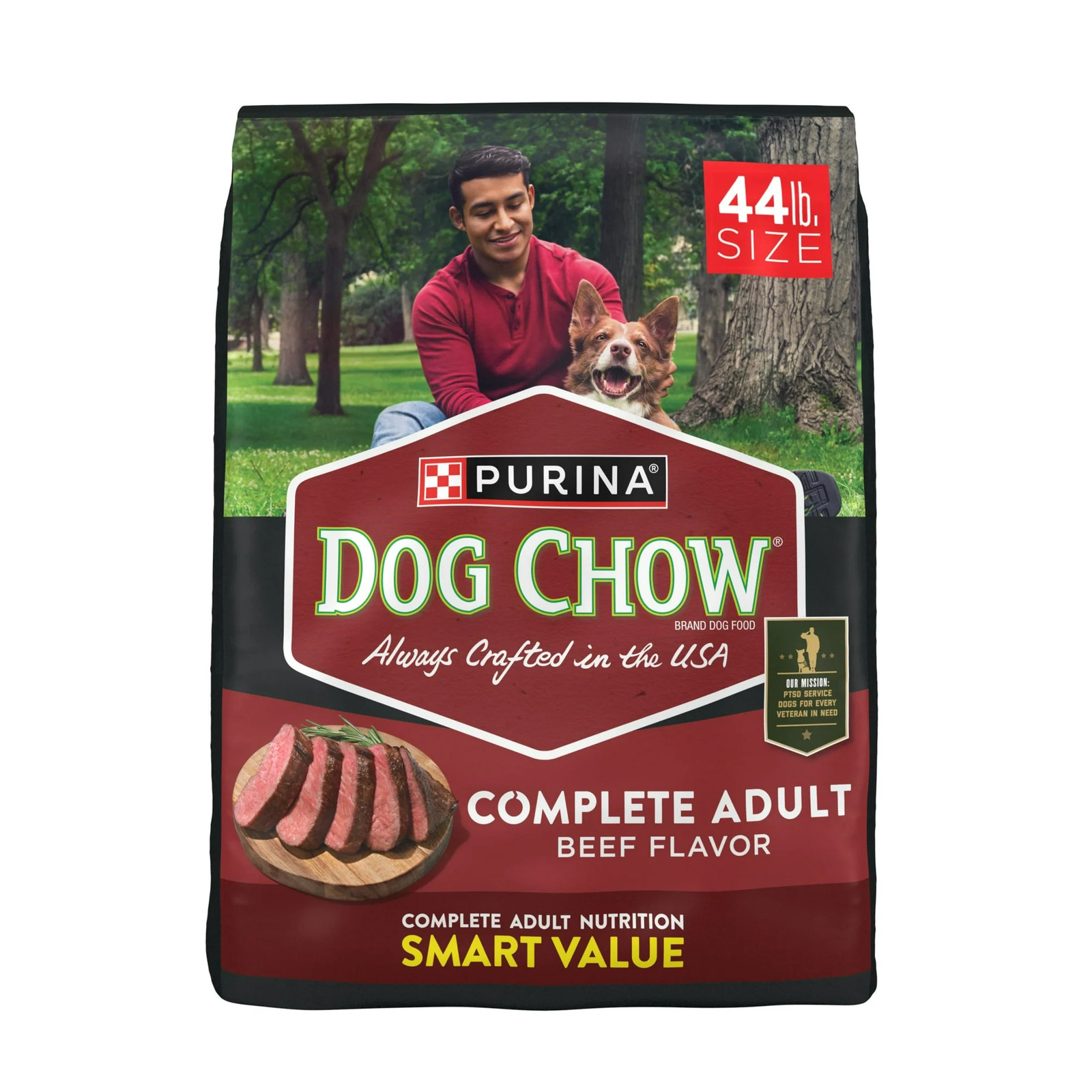 Dog Chow Complete Adult Dry Dog Food Kibble with Beef Flavor, 44 lb Bag$22.99View on eBay
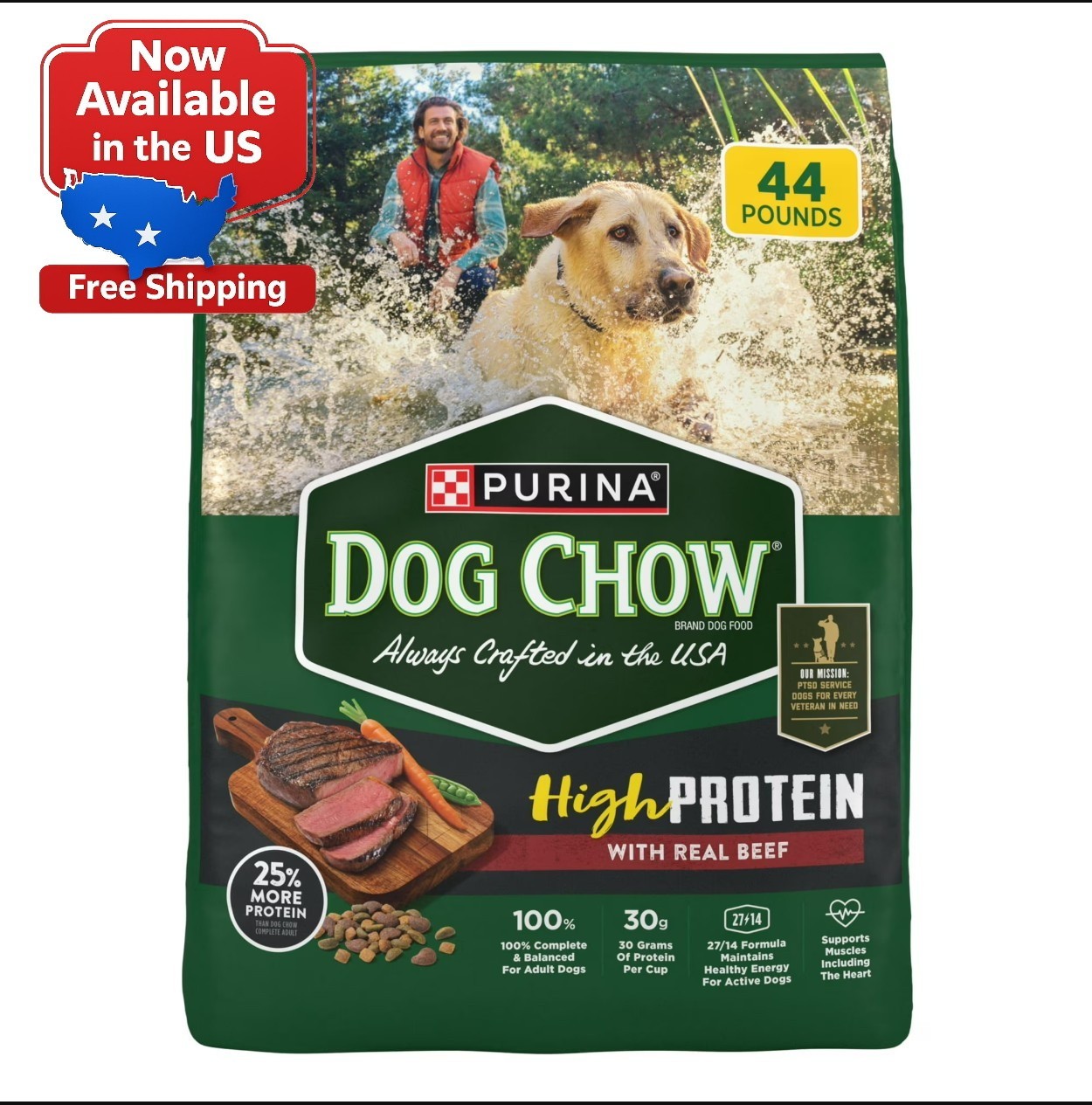 Purina Dog Chow High Protein Dog Food Dry Recipe with Real Beef, 44 lb Bag$24.47View on eBay
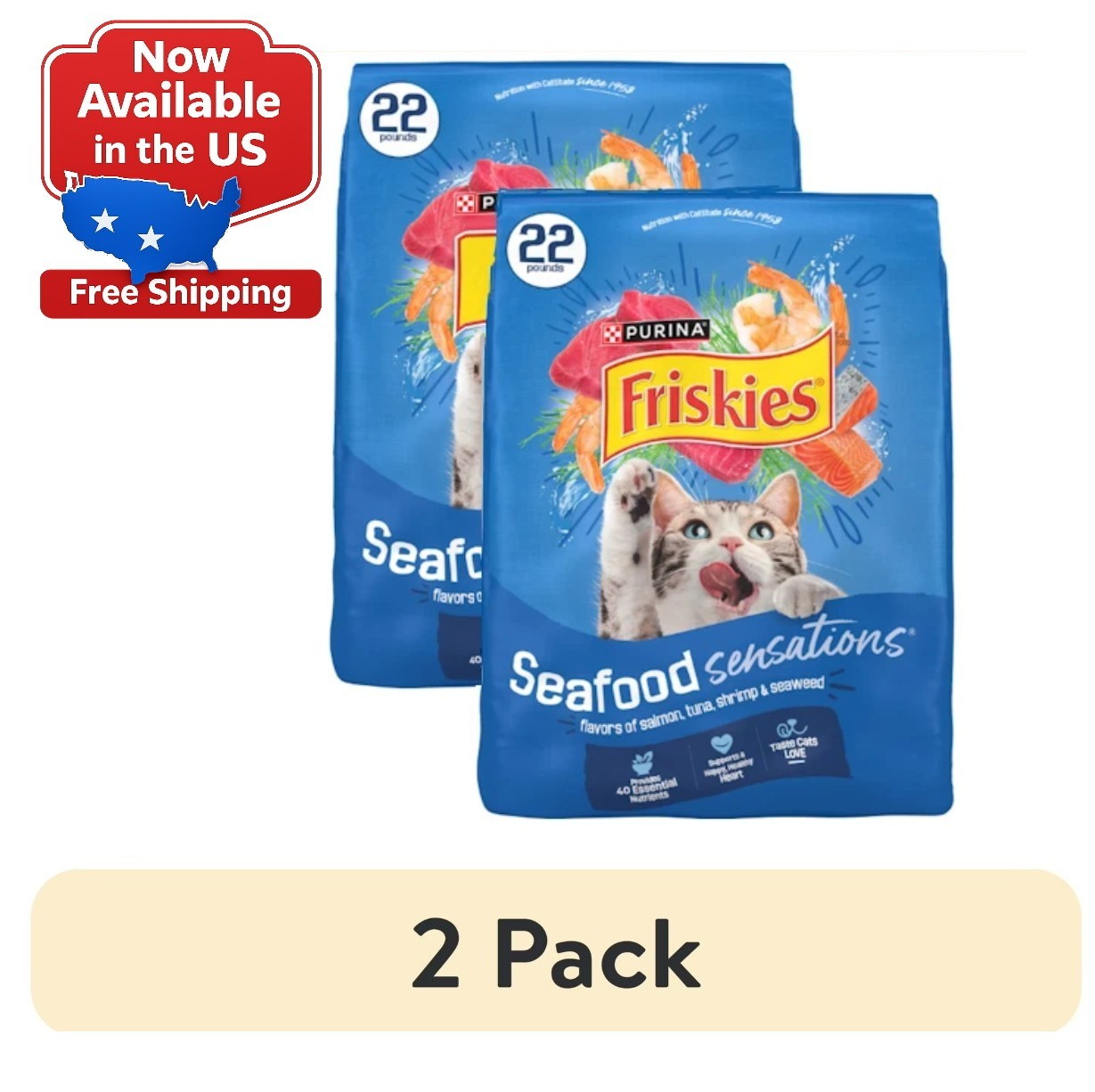 2 Pack Purina Friskies Seafood Sensations Dry Cat Food Flavors of Salmon, Tuna,$27.19View on eBay
Highlights
- AAFCO nutrient adequacy statement on the label legally separates complete diets from supplemental or treat-only kibble.
- First five ingredients determine actual protein quality: named meat meal outranks corn, wheat, soybean meal, and 'meat and bone meal'.
- Kibble size and shape differ by target: small-bite or 'tender centers' for cats and toy breeds, larger kibble for medium/large dogs.
- High-carb formulas (corn/wheat first) are cheaper per pound but lower protein density, so larger feeding portions are required.
Best use cases
- Best fit: multi-cat households needing an indoor formula with controlled calories and hairball fiber — pick a labeled 'indoor' chicken or turkey recipe.
- Best fit: budget-conscious feeders of large dogs — buy the largest bag of an AAFCO-complete chicken-based formula and store it sealed and dry.
- Wrong fit: pets with diagnosed allergies or urinary conditions — those need a veterinary or limited-ingredient diet, not a grocery-aisle kibble.
- Wrong fit: using 'treat' kibble like Tender & Crunchy as a sole diet — it is not a complete meal replacement.
Buying tips
- Match bag size to consumption: a 3–4 lb cat bag lasts roughly 2–3 weeks for one cat; 30 lb bulk bags suit multi-pet homes to avoid stale kibble.
- Check the guaranteed analysis: adult cat food typically targets 30–36% protein and 10–15% fat; dog maintenance formulas run about 21–26% protein.
- Confirm the AAFCO statement names the species and life stage — 'all life stages' covers kittens/puppies; 'maintenance' does not.
- Prefer bags with a clearly printed best-by date and a resealable closure; kibble oxidizes and loses palatability within weeks of opening.
Specs
| Life Stage | Kitten/Puppy, Adult, All Life Stages |
|---|---|
| Protein Source | Named meat first vs corn/wheat first |
| AAFCO Statement | Complete diet vs treat/supplement |
| Kibble Format | Standard, small-bite, tender-center |
Related searches
What to check before buying
- Measure your pet's current daily intake in cups to calculate how many days a bag size will actually last.
- Verify storage space: a 30 lb bag needs an airtight container kept cool and dry, not a humid garage or laundry room.
- Confirm the formula's life-stage claim matches your pet's age — kitten/puppy growth versus adult maintenance versus senior.
- Check kibble size suitability: small cats and toy breeds can struggle with large dog kibble; choose small-bite variants.
FAQ
Data sources: eBay / Amazon listings and product attribute feeds Data updated Nov 18, 2026.
Some links on this page are affiliate links. If you buy after clicking one, we may earn a commission at no extra cost to you. This does not change which products appear here or their order. Affiliate disclosure.