Photos from current listings. Actual item, color, and included accessories may vary.
Covered Litter Box Buying Guide
A covered litter box is an enclosed cat toilet with a hood, door, and filtration that contains odor, urine spray, and litter scatter better than an open pan. The core trade-off is enclosure vs. ventilation: tighter lids and carbon filters trap smell but also trap ammonia and humidity, while larger interior volume and high-entry designs improve airflow and reduce stress. The decision rule is simple: buy rigid PP plastic with a sealed carbon filter slot and a base at least 1.5x your cat's body length; skip fabric or soft-sided enclosures and hoods too small for your cat to turn around.


At a glance
- Category
- Pet Food, Treats & Litter
- Data updated
- Nov 18, 2026
Current offers
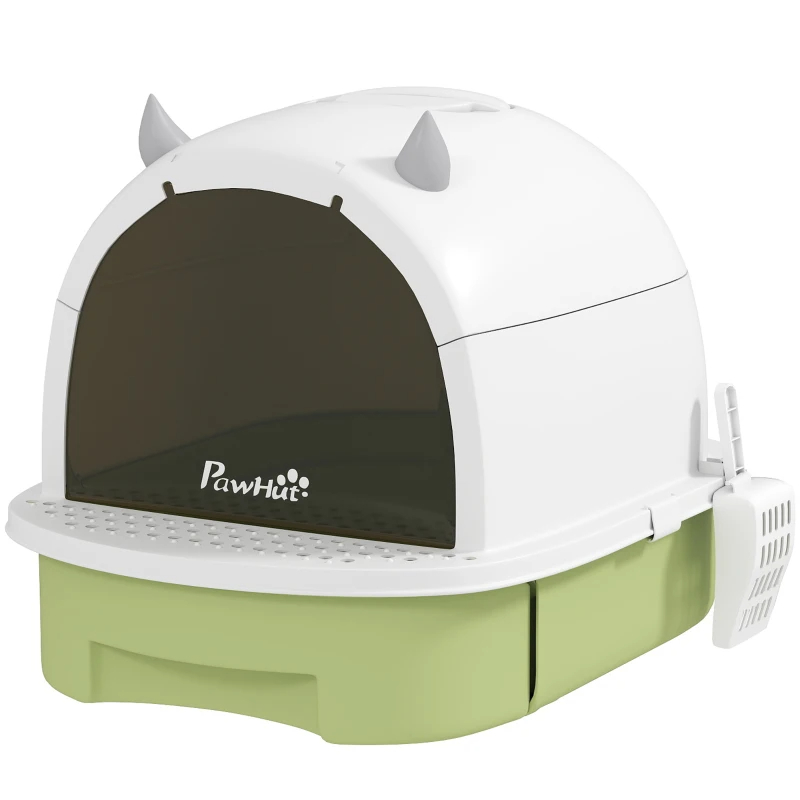 Covered Cat Litter Box With Lid, Scoop, Deodorizing Bags For Odor Control, Privacy, Easy To Clean, Green$38.99
 View on Mallflare
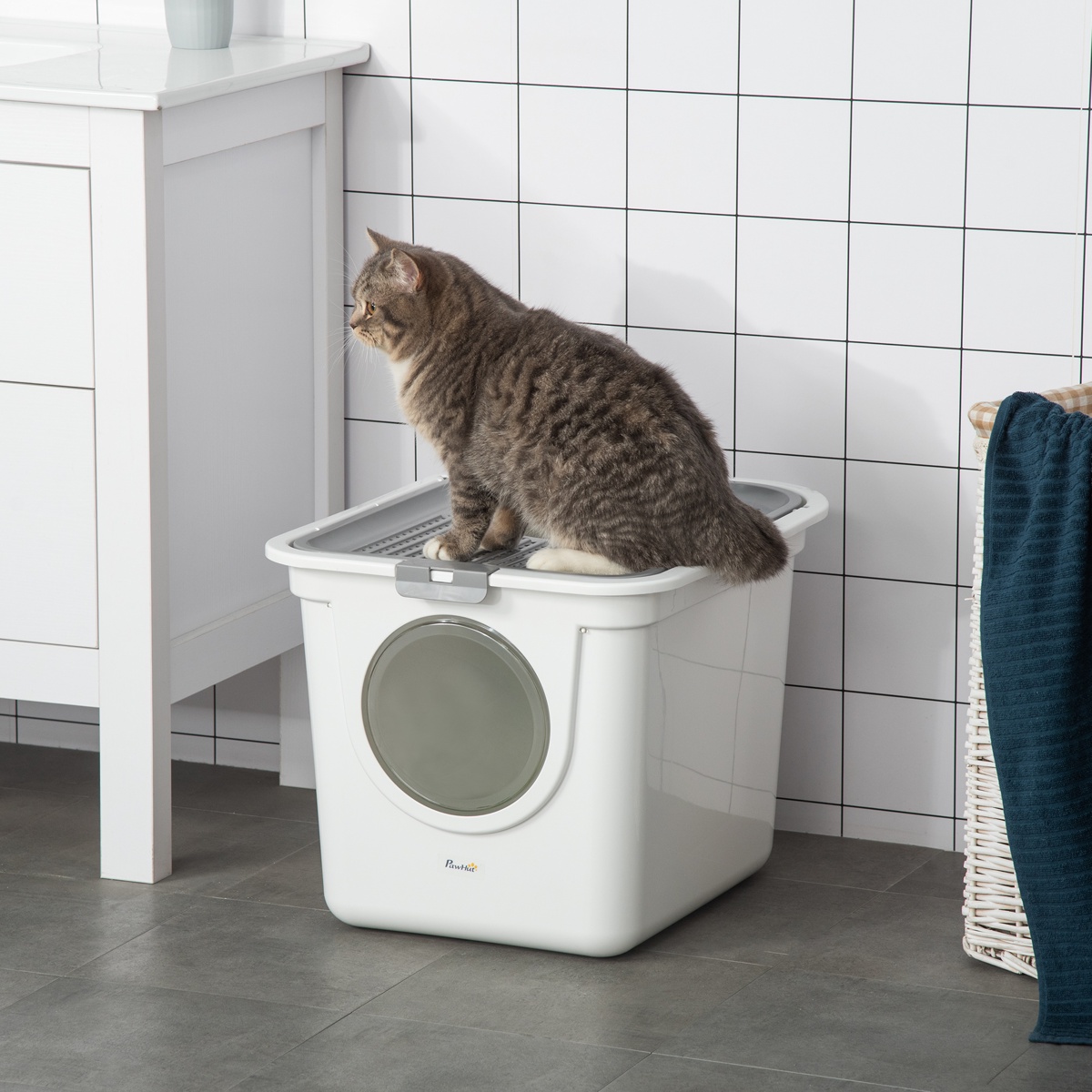 Covered Cat Litter Box, Easy Cleaning Kitty Box with Front Entrance, Top Exit, Scoop, for Odor Control, White$56.99View on Mallflare
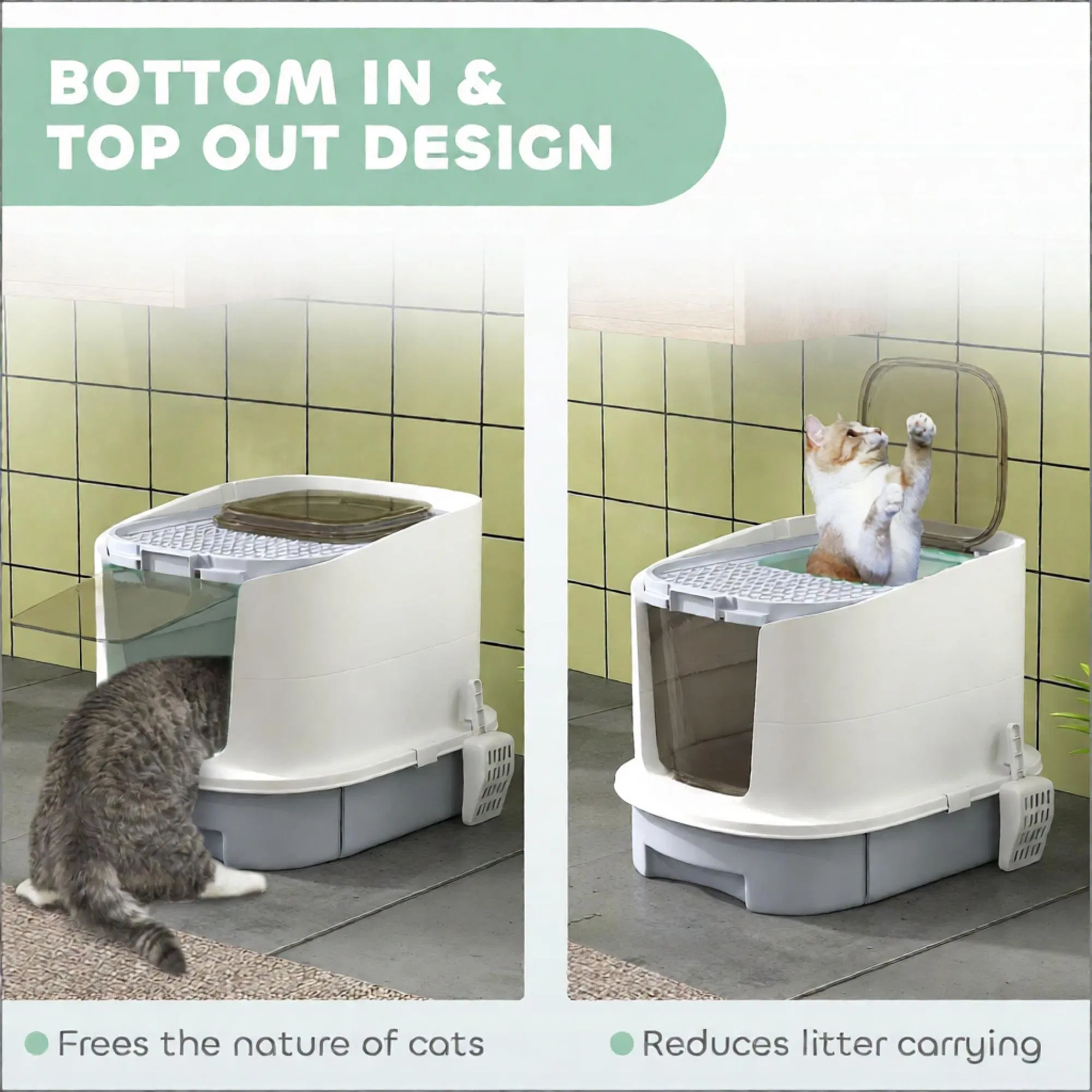 Closed covered cat litter box with shovel, top entrance, deodorizing bag, drawer style cat tray, easy to clean, gray$95.99View on Mallflare
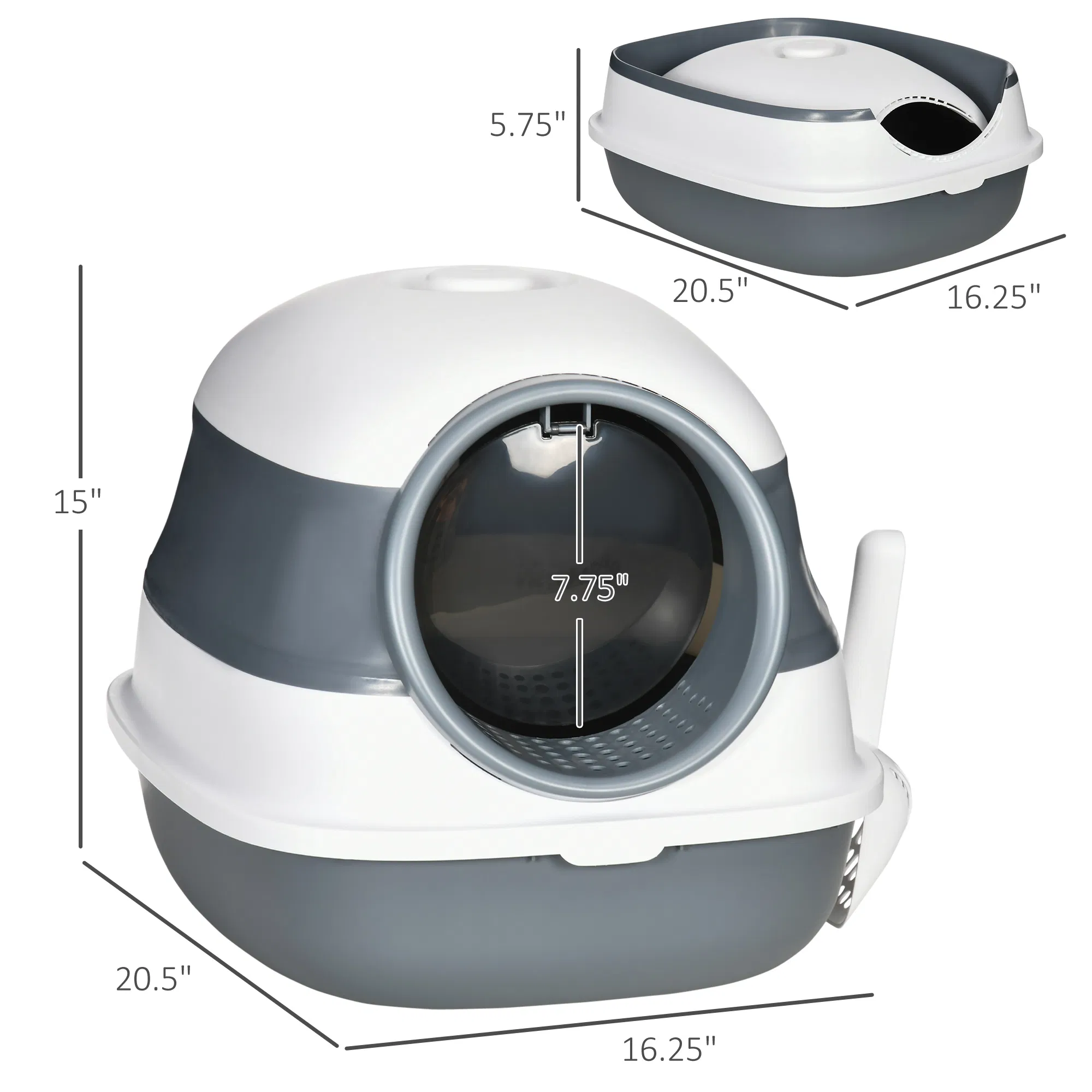 White And Gray Dome Covered Cat Litter Box with Lid - Indoor Pet Comfort And Privacy Pet Supply$97.99View on Mallflare
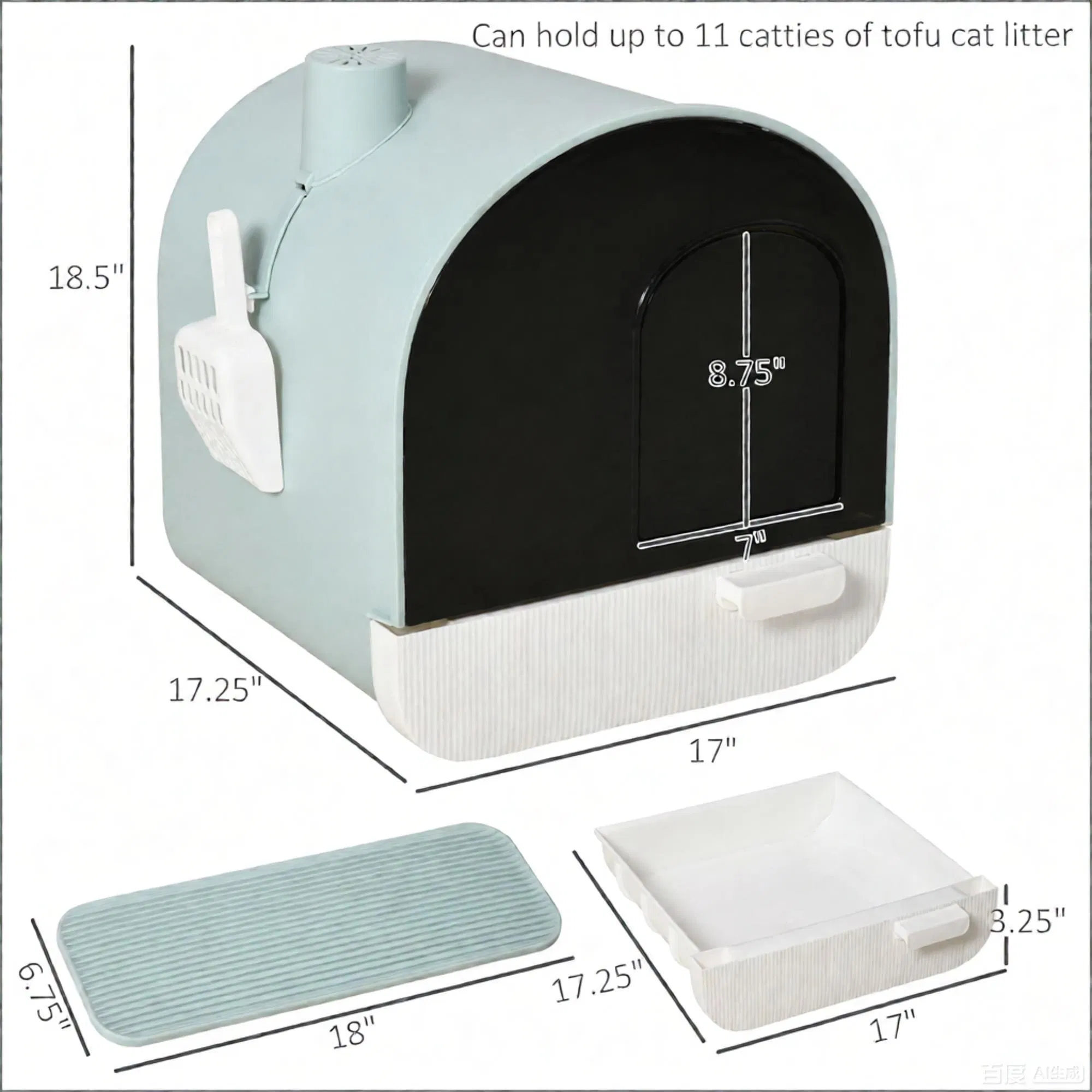 Green Covered Cat Litter Box with Lid 17x17x18.5 Inch Includes Tray Scoop Mat Filter for Indoor Cats$151.99View on Mallflare
Highlights
- Rigid polypropylene hoods with a recessed carbon filter slot outperform fabric or soft-sided covers for odor containment and urine resistance.
- Top-exit and front-entry combo lids reduce tracking by forcing cats to wipe paws on a grated top platform before exiting.
- Interior base footprint of 17x17 in suits cats up to roughly 10-12 lb; cats over 15 lb need a base of 20x24 in or larger.
- High-sided drawer bases with a 5-7 in lip contain urine spray and litter scatter better than flat pans with clip-on hoods.
Best use cases
- Best fit: small apartments with one cat under 12 lb — pick a 17x17x18.5 in dome or hooded box with a carbon filter and top exit.
- Best fit: multi-cat homes with odor complaints — choose a drawer-style base with a deep lip and a sealed filter slot, and scoop daily.
- Wrong fit: cats over 15 lb or seniors with arthritis — skip enclosed domes and use a high-sided open pan or extra-large hooded box with a low front entry.
- Wrong fit: kittens under 4 months or cats that refuse doors — remove the swinging flap and keep the hood off until the cat accepts the base.
Buying tips
- Measure your cat nose-to-tail-base: the box interior should be at least 1.5x that length so the cat can turn around without stepping in waste.
- Choose PP or ABS plastic with a minimum 2 mm wall thickness; thin 1 mm hoods crack at the clip points and leak odor at seams.
- Match the filter type: carbon-impregnated pads need a sealed slot and monthly replacement; loose charcoal bags are weaker and spill.
- For top-exit lids, confirm the entry hole is at least 7-8 in wide and the top platform supports 15 lb without flexing.
Specs
| Hood Material | Rigid PP/ABS vs fabric |
|---|---|
| Base Footprint | 17x17 in to 20x24 in |
| Entry Style | Front door / top exit / combo |
| Odor Control | Carbon filter slot vs none |
Related searches
What to check before buying
- Measure your cat's length and weight, then confirm the interior base is at least 1.5x body length and rated above the cat's weight.
- Check the hood height: cats need 14-16 in of interior headroom to stand and dig without touching the lid.
- Confirm the box fits your floor space with 3 in clearance on all sides for the door swing and scoop access.
- Verify the litter type: clumping clay works with most hoods, but crystal and pine need a deeper base and more frequent full changes.
FAQ
Data sources: eBay / Amazon listings and product attribute feeds Data updated Nov 18, 2026.
Some links on this page are affiliate links. If you buy after clicking one, we may earn a commission at no extra cost to you. This does not change which products appear here or their order. Affiliate disclosure.