Photos from current listings. Actual item, color, and included accessories may vary.
Automatic Litter Box Buying Guide
Automatic litter boxes are self-cleaning units that rake or rotate waste into a sealed bin, trading upfront complexity for daily convenience. The core decision is drive architecture and safety sensing: brushless DC motors with redundant weight/IR sensors last years, while brushed motors and single-sensor designs jam or fail early. Buy a unit rated for your cat's weight with a sealed waste bin and 24/7 obstruction detection; skip budget rakes with exposed gears and no weight-off safety cutoff.

At a glance
- Category
- Pet Food, Treats & Litter
- Data updated
- Nov 18, 2026
Current offers
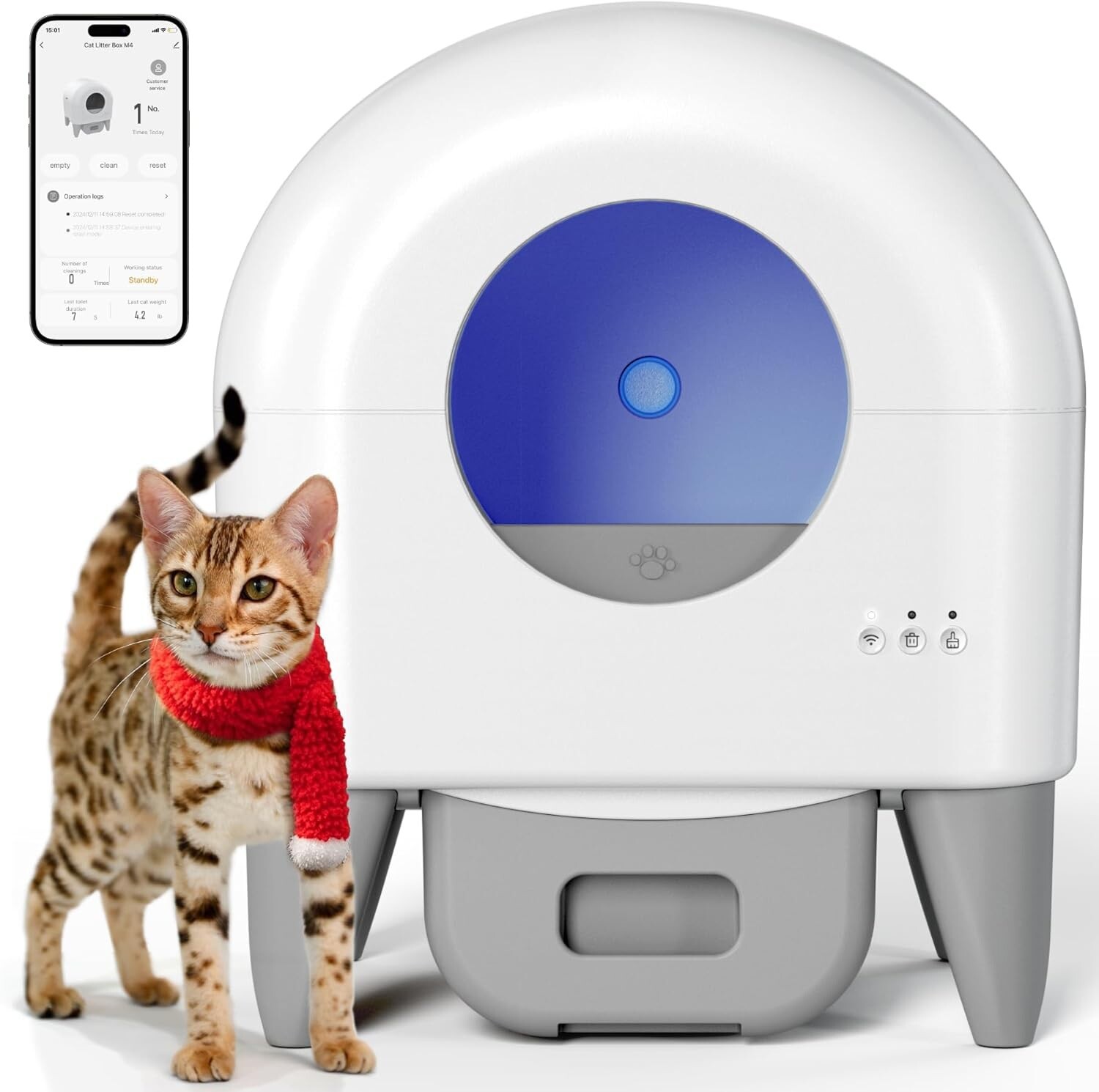 Automatic Smart Self-Cleaning Cat Litter Box Large Capacity for Cats App Control$149.25
 View on eBay
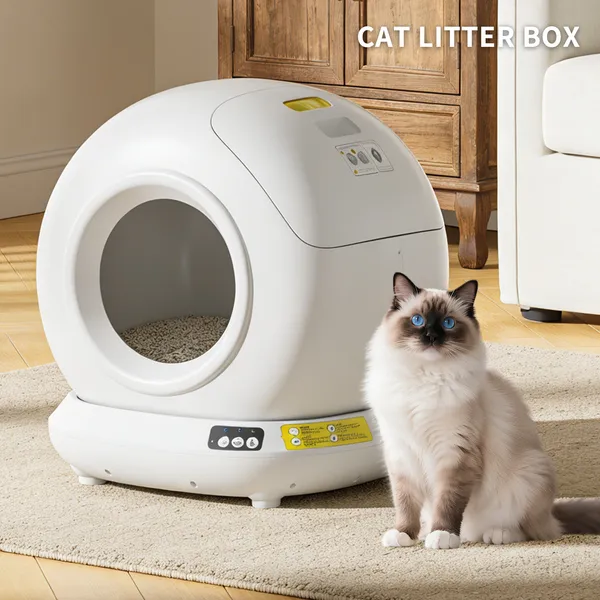 Best Automatic Cat Litter Box, 78L Fully Enclosed Tu-ya APP Smart Self-Cleaning Box For Multi-Cat Homes$220.99
 View on Mallflare
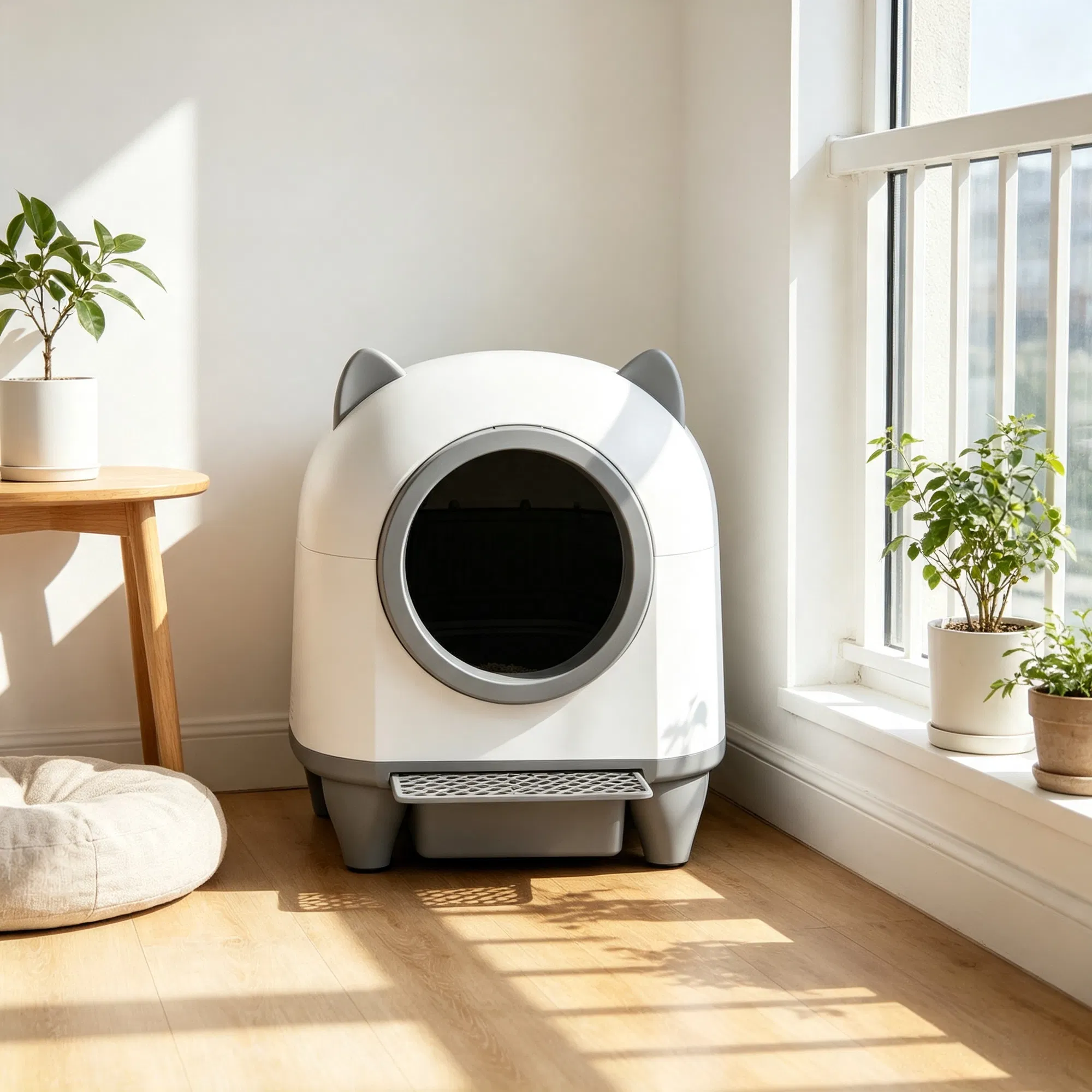 Self-Cleaning Litter Box for Multi-Cat Senior Cats Home Comfortable Pet Care Easy Maintenance Automatic Cat Tray$307.99View on Mallflare
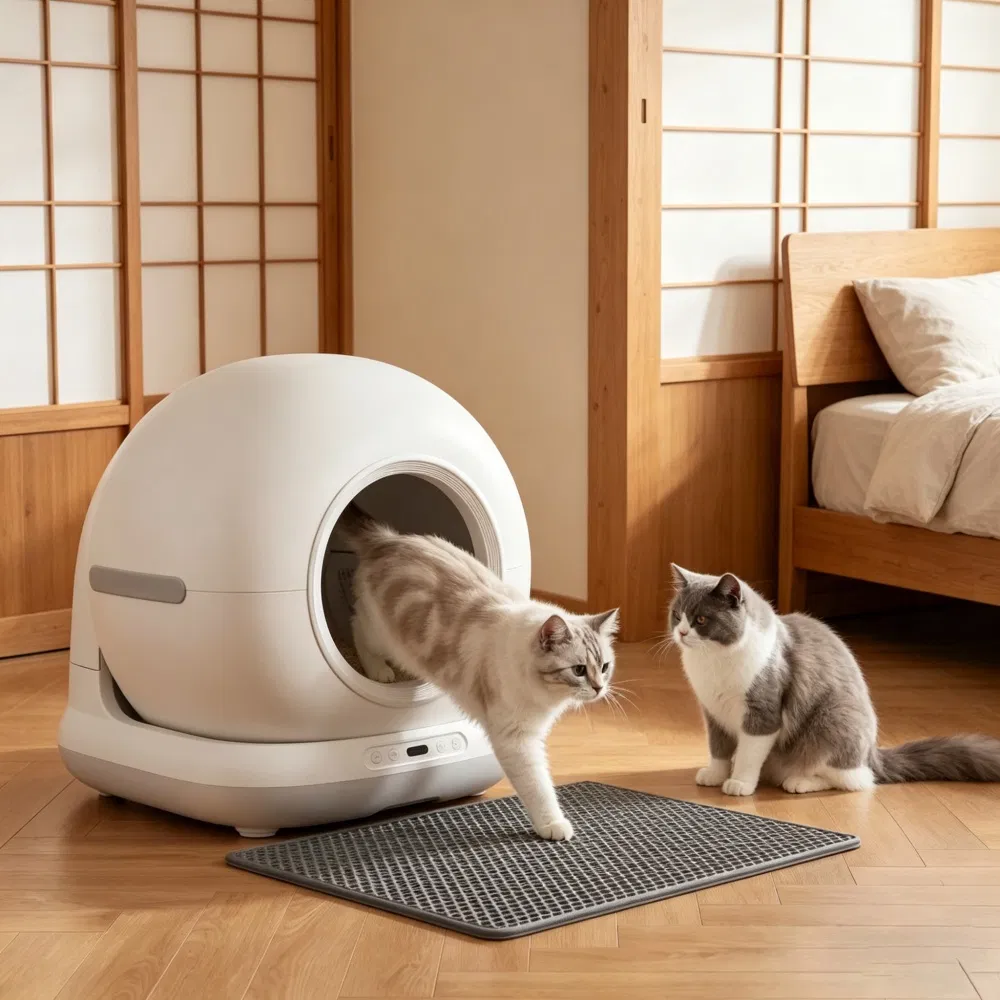 Cat Litter Box, Automatic with Wi-Fi App Control, UVC Odor Purification, 72L Cabin and 7L Waste Bin, White/Gray$468.99View on Mallflare
Highlights
- Drive type: brushless DC gear motors with metal planetary gearboxes handle 15+ lb cats and thousands of cycles; brushed motors strip gears under 12+ lb load.
- Safety sensing: quadruple redundancy (weight sensors, infrared entry beams, motor current sensing, and gravity fallback) is the standard on durable units; single IR sensors false-trigger.
- Waste containment: sealed 7–10L bins with carbon filters and gasketed lids control odor for 5–7 days for one cat; open rakes without lids leak ammonia within 48 hours.
- Connectivity tier: Wi-Fi app control adds cycle logs and remote lockout; UVC odor purification and weight tracking are premium add-ons, not durability factors.
Best use cases
- Multi-cat homes (2–3 cats): pick a 70L+ drum or 78L enclosed unit with a 9–10L waste bin and weight-triggered cycle delay—skip single-cat 50L rakes that fill in two days.
- Senior or arthritic cats: choose a low-entry (under 6-inch lip) enclosed box with a soft-close ramp; skip high-walled top-entry drums that force jumping.
- Apartment single-cat owners: a 60–65L enclosed rake with carbon filter and app scheduling fits tight spaces; skip large dual-cat drums that waste floor area.
- Kittens under 3 lb: use a manual box until 3+ lb; automatic units' weight sensors ignore or misread under-threshold cats and can cycle on them.
Buying tips
- Sizing math: interior drum diameter should be at least 1.5× your cat's nose-to-tail length; a 16-inch cat needs a 24-inch+ interior or it will refuse the box.
- Waste bin capacity: one cat produces about 1.5–2L of clumps per week; a 7L bin lasts 4–5 days, a 10L bin 7 days—match bin volume to cat count.
- Litter compatibility: use clumping clay or tofu litter only; crystal and pine pellets jam rake tines and void warranty on most rake-style units.
- Power and safety: 12V DC adapters with a 2-prong US plug are standard; confirm the unit has a weight-off safety cutoff that stops the motor if a cat enters mid-cycle.
Specs
| Cleaning Mechanism | Rake vs rotating drum |
|---|---|
| Motor Type | Brushless DC vs brushed |
| Waste Bin | 7-10L sealed, carbon filter |
| Safety Sensors | Weight + IR + current cutoff |
Related searches
What to check before buying
- Measure your cat: weigh it (must be 3–15 lb for most sensors) and measure nose-to-tail length against the interior drum diameter.
- Measure the footprint: place the unit where it has 2 inches of clearance on all sides and a nearby GFCI outlet for the 12V adapter.
- Check floor and climate: unit must sit level on hard floor or low-pile carpet; avoid humid rooms (bathrooms) where clumping litter absorbs moisture.
- Confirm companion parts: buy the correct carbon filter refills and a litter mat; some units require proprietary liners or drawstring bags.
FAQ
Data sources: eBay / Amazon listings and product attribute feeds Data updated Nov 18, 2026.
Some links on this page are affiliate links. If you buy after clicking one, we may earn a commission at no extra cost to you. This does not change which products appear here or their order. Affiliate disclosure.