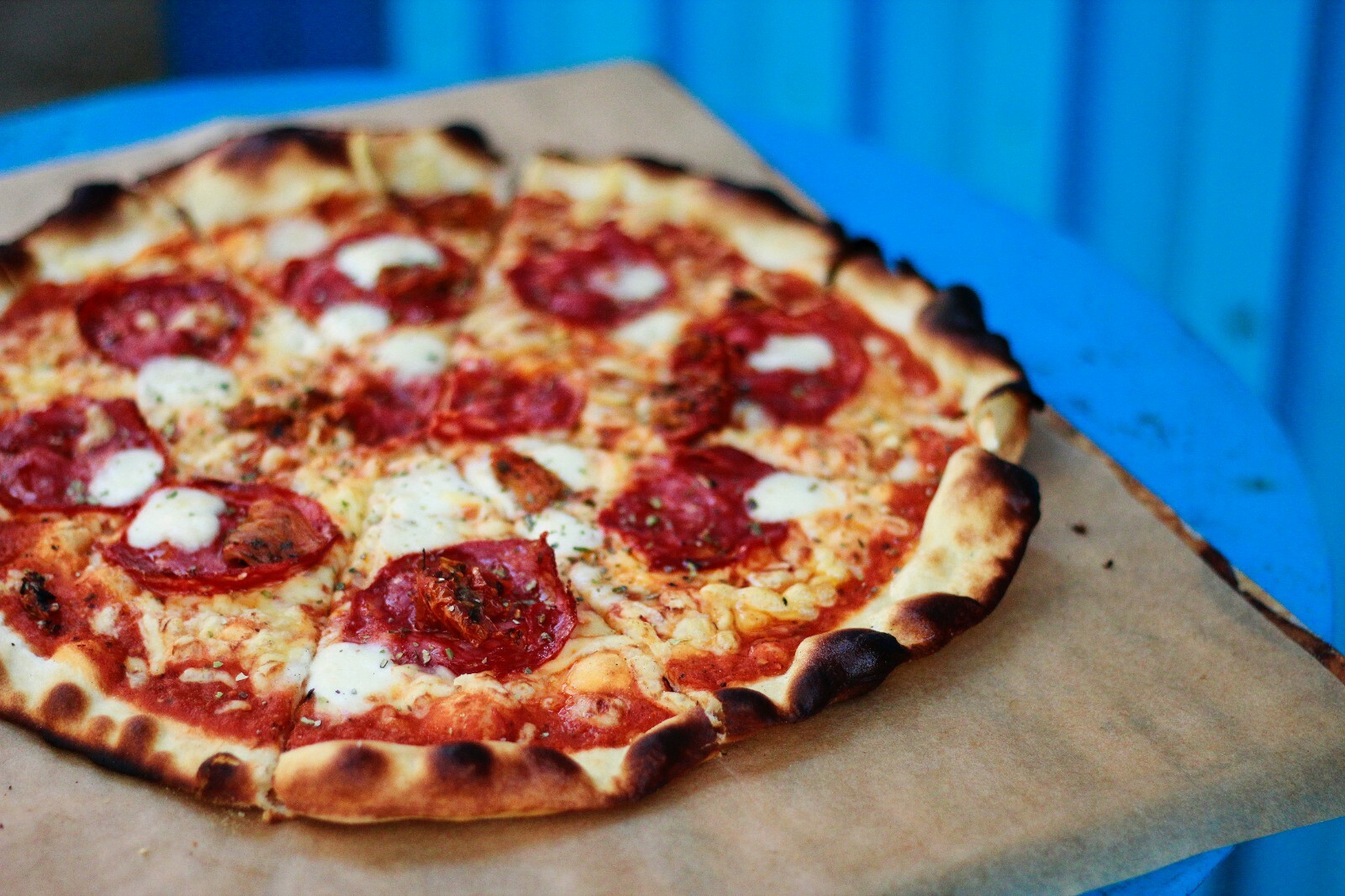

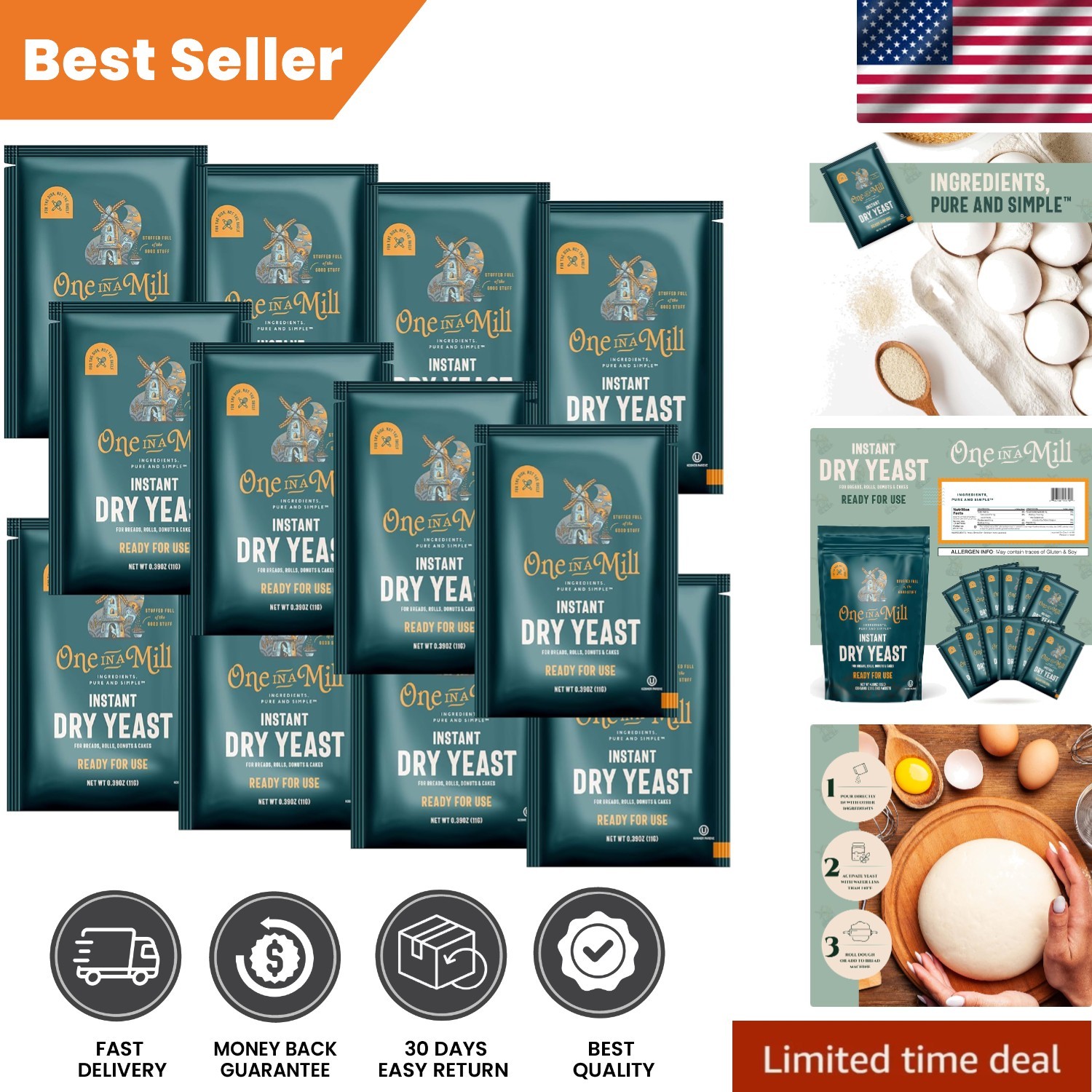
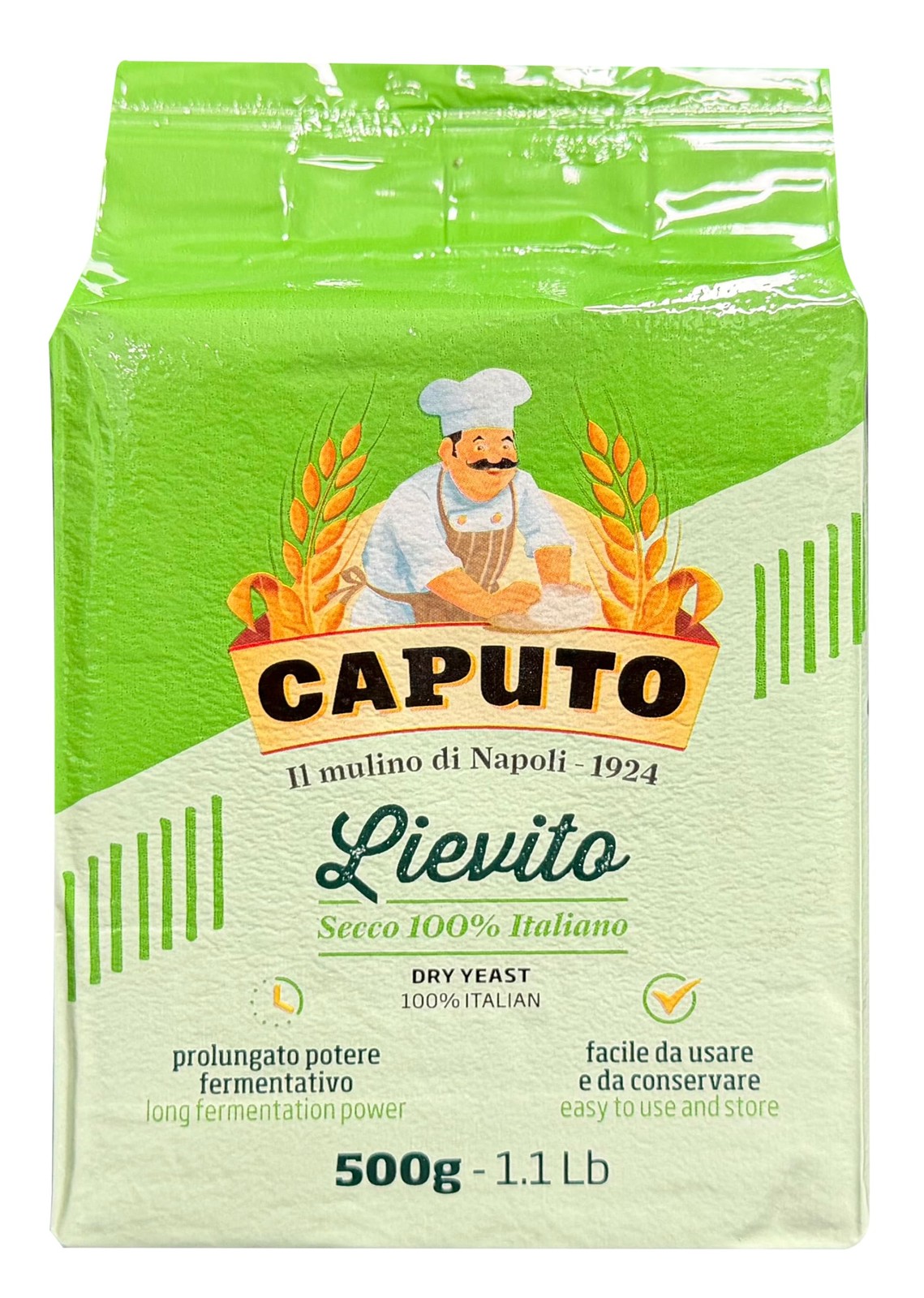
Photos from current listings. Actual item, color, and included accessories may vary.
Yeast Buying Guide
Yeast is the living leavening agent that converts sugars into carbon dioxide and ethanol, and the primary trade-off is between strain format (active dry vs instant vs fresh vs sourdough starter) and the rise time, flavor depth, and reliability you get. Choose instant dry for speed and forgiveness, active dry for traditional two-step proofing, fresh cake yeast for bakery-grade flavor within two weeks, and a live starter only if you will feed it on a schedule.


At a glance
- Category
- Ready Meals, Canned Food & Baking
- Data updated
- Nov 18, 2026
Current offers
Highlights
- Instant dry yeast is a high-activity strain with finer granules and higher viable-cell count; it can be mixed dry into flour and skips the 10-minute water proofing step active dry requires.
- Active dry yeast is coated in dead cells that protect the core; it must be dissolved in water at 100-110F (38-43C) to wake it, and water above 120F kills the culture.
- Fresh cake yeast is compressed with about 70% moisture and has a 2-week refrigerated shelf life; it delivers the most consistent bakery flavor but demands cold-chain handling.
- Sourdough starter is a live wild-yeast and bacteria culture, not a packaged leavening; it needs daily feeding and 6-12 hour bulk fermentation, versus 1-2 hours for commercial yeast.
Best use cases
- Best fit: instant dry yeast packets or 1 lb vacuum bricks for weeknight bread, pizza, and rolls where you want a single 1-2 hour proof and no proofing step; skip active dry if you are a beginner.
- Best fit: active dry yeast for traditional sandwich loaves and enriched doughs where a 10-minute proof confirms viability; skip it for same-day pizza dough that needs maximum speed.
- Best fit: fresh cake yeast for artisanal bakers making lean doughs within 7-10 days of purchase; skip it if you bake less than weekly or cannot refrigerate immediately.
- Best fit: a live sourdough starter only if you will bake at least twice a month and maintain a feeding schedule; skip it if you want set-and-forget convenience.
Buying tips
- Convert recipes 1:0.75:3 — 1 part instant dry equals 1.25 parts active dry equals 3 parts fresh cake yeast by weight; using the wrong ratio over- or under-proofs the dough.
- Buy vacuum-sealed 1 lb (454 g) bricks for routine baking and keep unopened bricks frozen for up to 2 years; open bricks go into an airtight jar in the fridge for 4-6 months.
- Check the expiration date and package integrity: yeast loses about 10% viability per year past date, and a swollen or punctured vacuum brick signals moisture ingress.
- For sourdough, buy a starter culture with a named strain and feeding ratio (e.g., 1:1:1 flour:water:starter) and confirm it ships with a cold pack; dehydrated starters can take 5-7 days to reactivate.
Specs
| Yeast Format | Instant dry / active dry / fresh cake / starter |
|---|---|
| Proofing Step | Instant: none / active dry: 10 min water |
| Water Temp | 100-110F (38-43C) for dry yeast |
| Shelf Life | Dry: 2 yr frozen / fresh: 2 wk refrigerated |
Related searches
What to check before buying
- Measure your typical batch: a 1 lb brick leavens roughly 16-24 standard 1 lb loaves, so match brick or packet count to your monthly bake volume.
- Confirm your fridge and freezer space for bricks or cake yeast; fresh yeast needs 34-40F and must not freeze solid.
- Check your recipe's hydration and sugar level: instant yeast tolerates higher sugar (up to 10% of flour weight) better than active dry in enriched doughs.
- For sourdough, verify you have a digital scale accurate to 1 g and a room-temperature spot at 70-78F for consistent fermentation.
FAQ
Data sources: eBay / Amazon listings and product attribute feeds Data updated Nov 18, 2026.
Some links on this page are affiliate links. If you buy after clicking one, we may earn a commission at no extra cost to you. This does not change which products appear here or their order. Affiliate disclosure.