Photos from current listings. Actual item, color, and included accessories may vary.
Canned Food Buying Guide
Canned food is shelf-stable protein and produce sealed in steel cans, where the core trade-off is protein density and ingredient purity versus sodium load and can-lining integrity. Durable buying decisions hinge on high-protein, low-water-content items packed in BPA-NI linings with intact seams, not on discount multipacks with dented rims or broth-heavy fillers.


At a glance
- Category
- Ready Meals, Canned Food & Baking
- Data updated
- Nov 18, 2026
Current offers
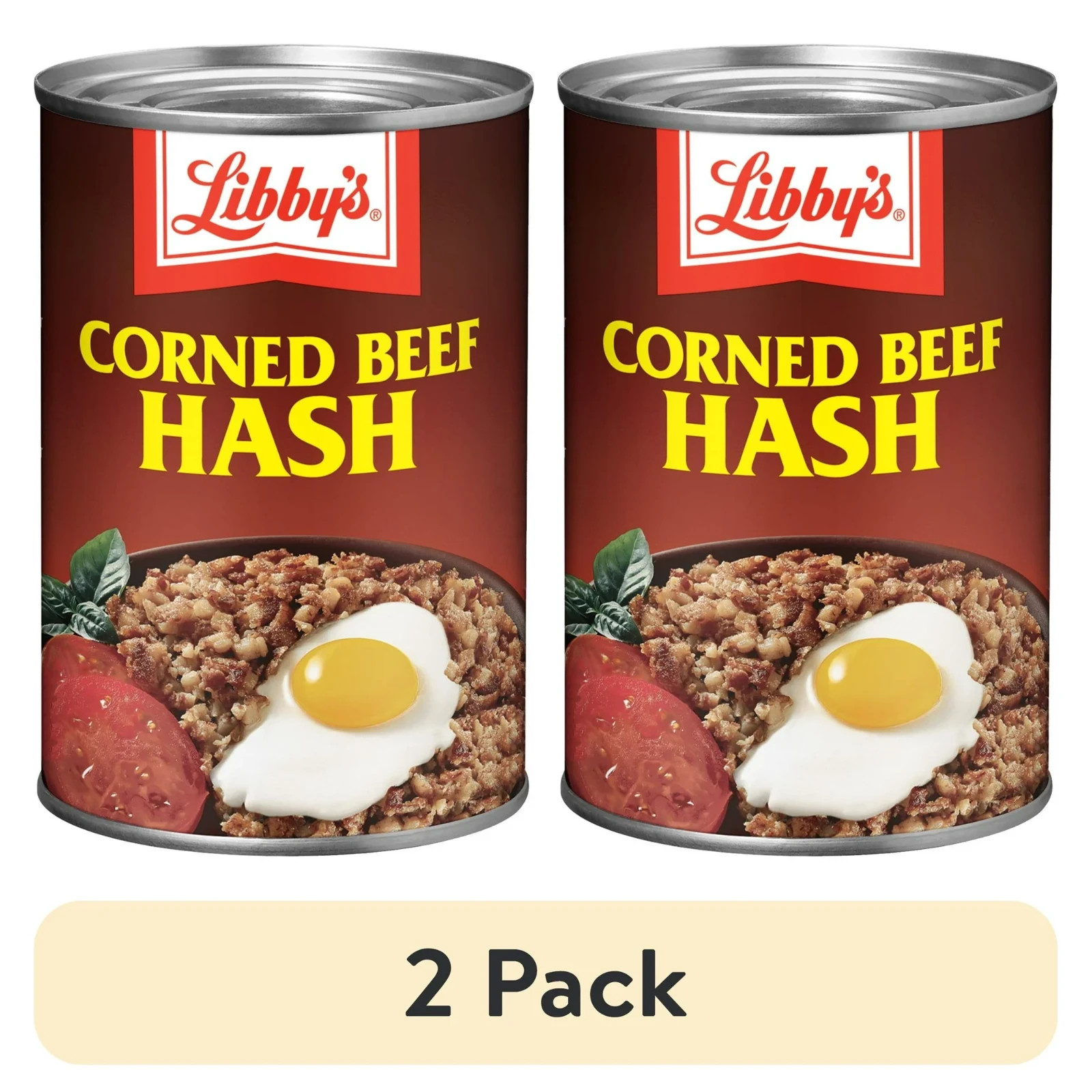 (2 pack) Libby's Corned Beef Hash, 37g Protein Per Serving, Canned Food, 15 oz.$4.09
 View on eBay
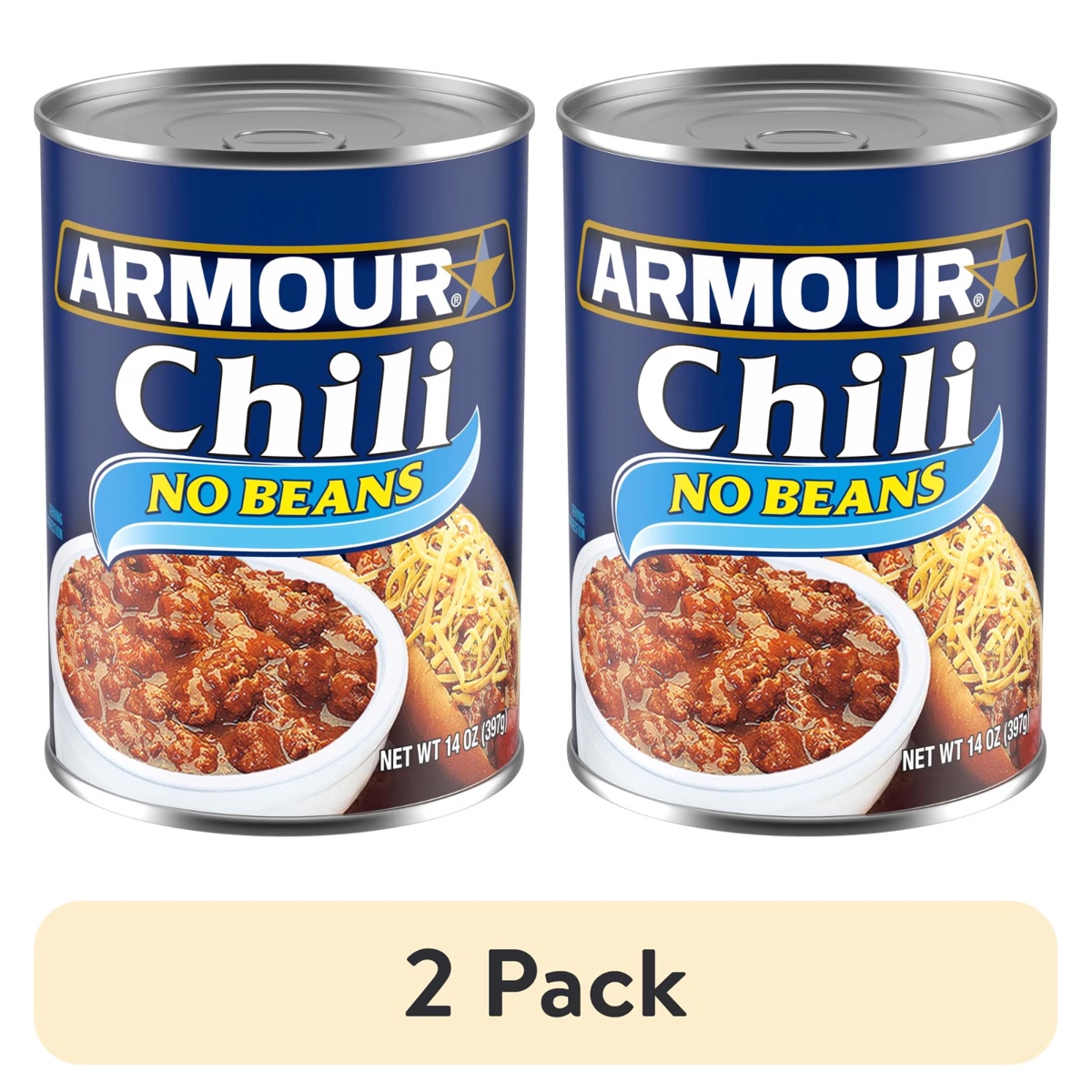 (2 pack) Armour Star Chili with No Beans, 35g Protein Per Serving, Canned FOOD,$4.69View on eBay
 (2 pack) Libby's Corned Beef Hash, 37g Protein Per Serving, Canned Food, 15 oz.$4.70View on eBay
 (2 pack) Libby's Corned Beef Hash, 37g Protein Per Serving, Canned Food, 15 oz.$4.77View on eBay
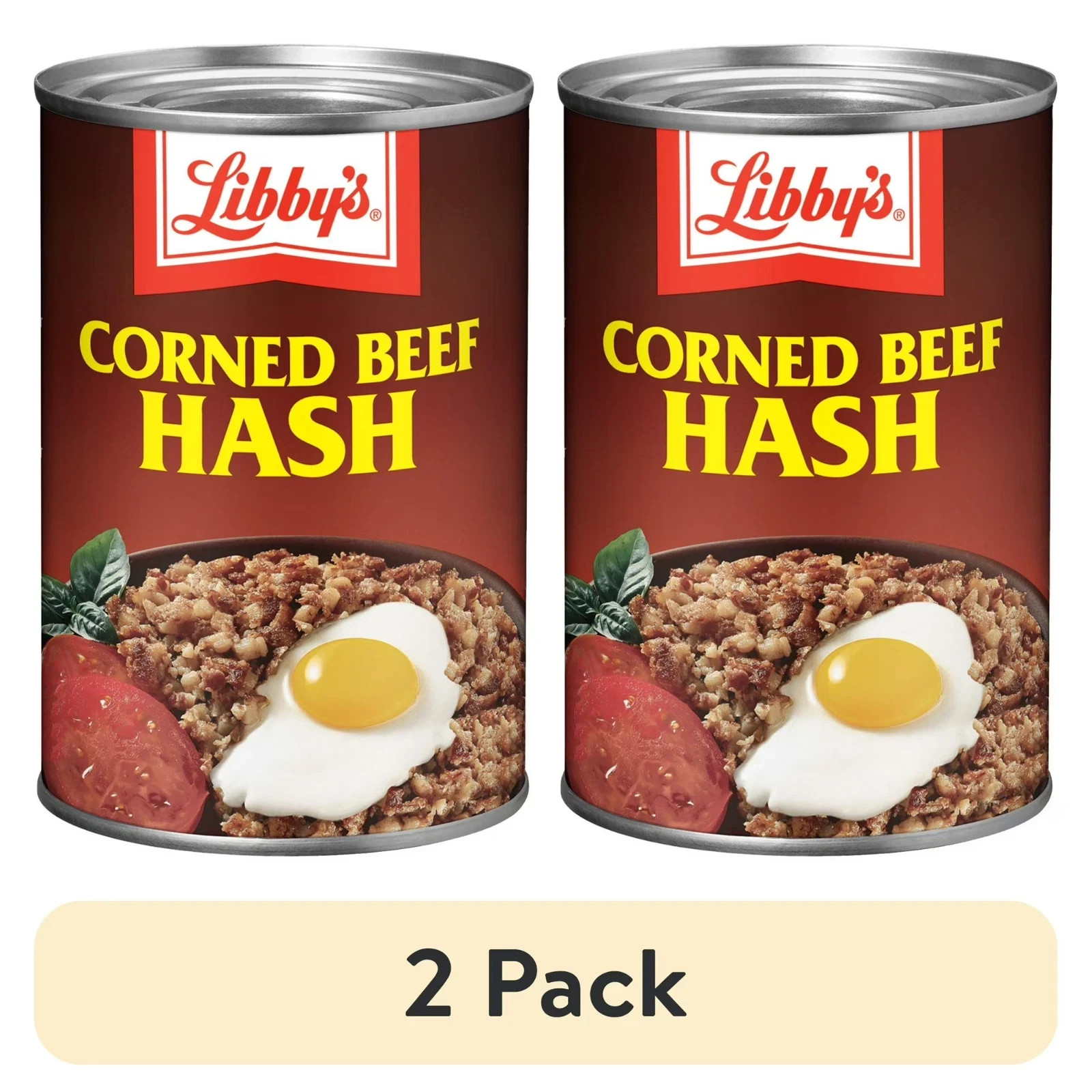 (2 pack) Libby's Corned Beef Hash, 37g Protein Per Serving, Canned Food, 15 oz..$4.78View on eBay
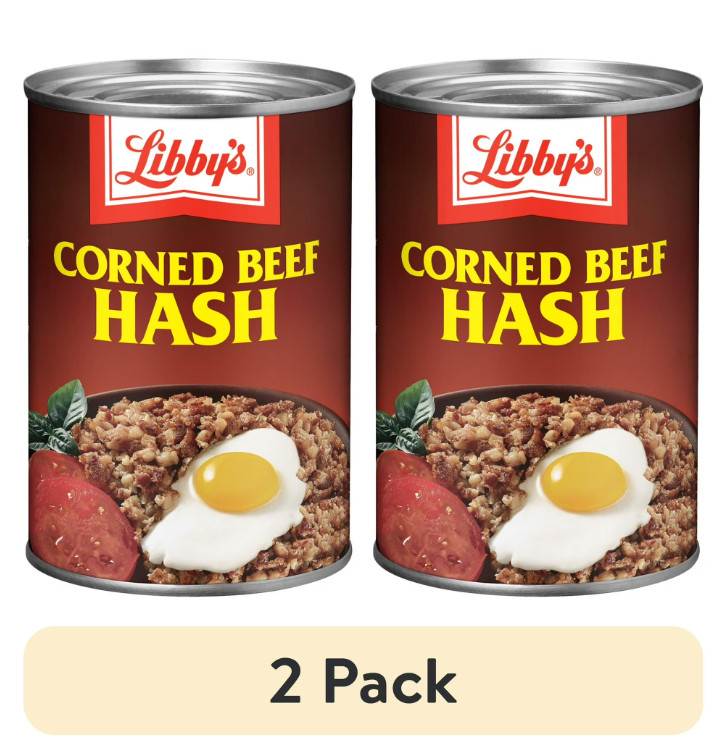 (2 pack) Libby's Corned Beef Hash, 37g Protein Per Serving, Canned Food, 15 oz.$4.80View on eBay
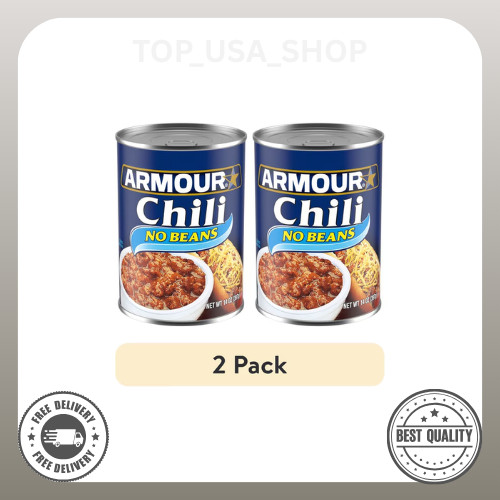 (2 pack) Armour Star Chili with No Beans, 35g Protein Per Serving, Canned Food,$4.93View on eBay
- (2 pack) Libby's Corned Beef Hash, 37g Protein Per Serving, Canned Food, 15 oz.$4.93View on eBay
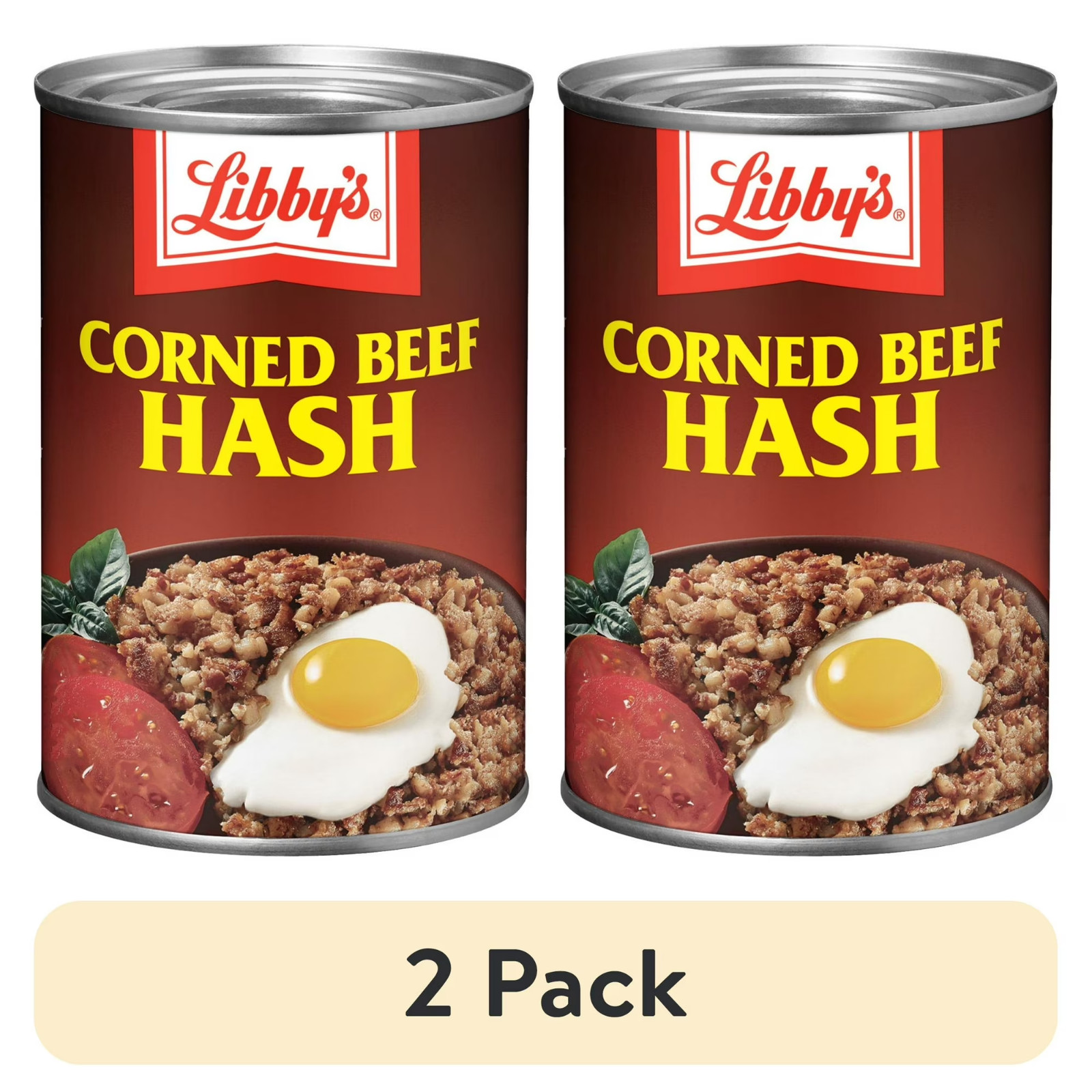 (2 pack) Libby's Corned Beef Hash, 37g Protein Per Serving, Canned Food, 15 oz.$4.99View on eBay
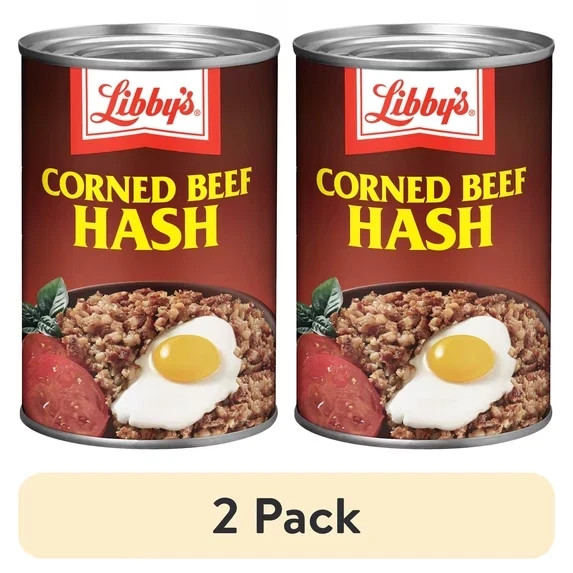 (2 pack) Libby's Corned Beef Hash, 37g Protein Per Serving, Canned Food, 15 oz.$5.00View on eBay
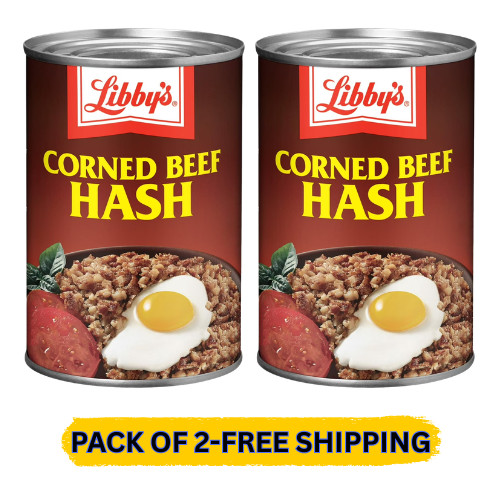 (2 pack) Libby's Corned Beef Hash, 37g Protein Per Serving, Canned Food, 15 oz.$5.20View on eBay
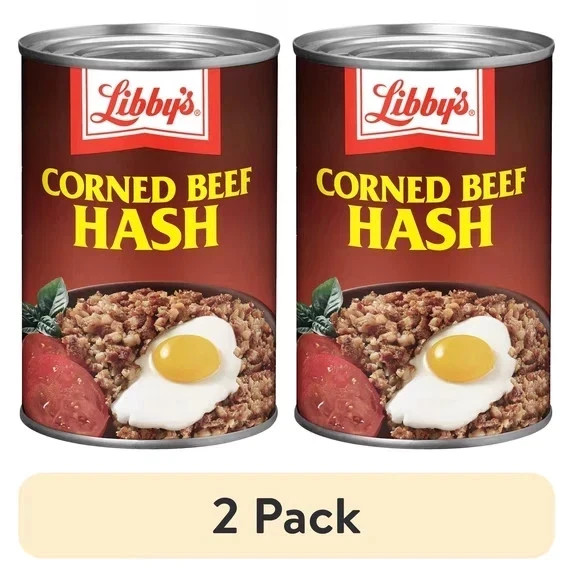 (2 pack) Libby's Corned Beef Hash, 37g Protein Per Serving, Canned Food, 15 oz.$5.56View on eBay
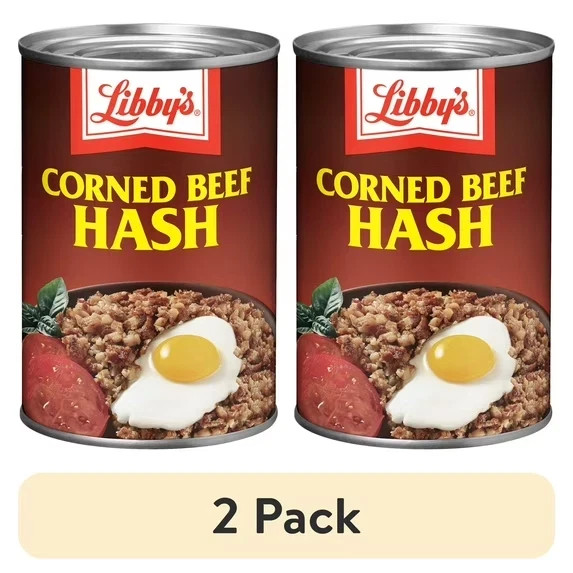 (2 pack) Libby's Corned Beef Hash, 37g Protein Per Serving, Canned Food, 15 oz.$5.70View on eBay
- (2 pack) Libby's Corned Beef Hash, 37g Protein Per Serving, Canned Food, 15 oz..$5.97View on eBay
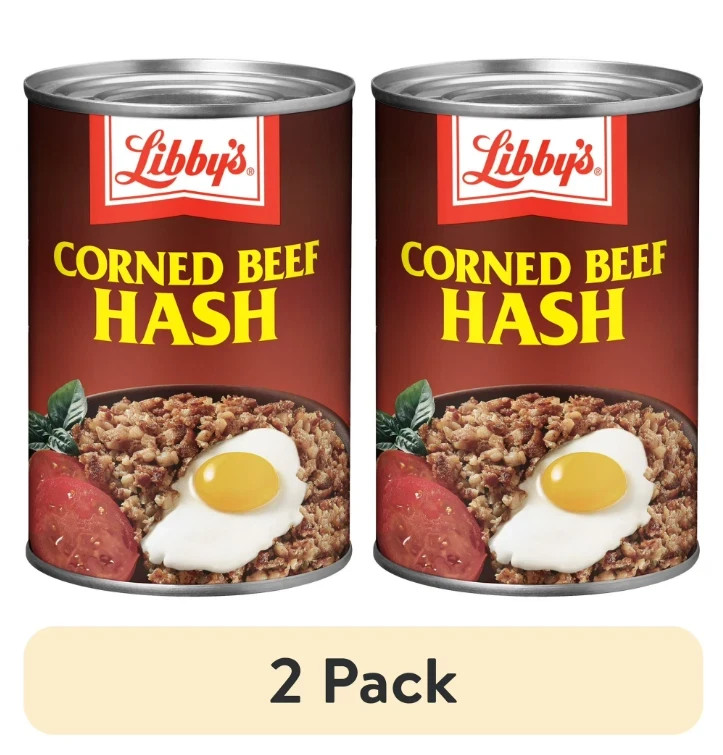 (2 pack) Libby's Corned Beef Hash, 37g Protein Per Serving, Canned Food, 15 oz.$6.35View on eBay
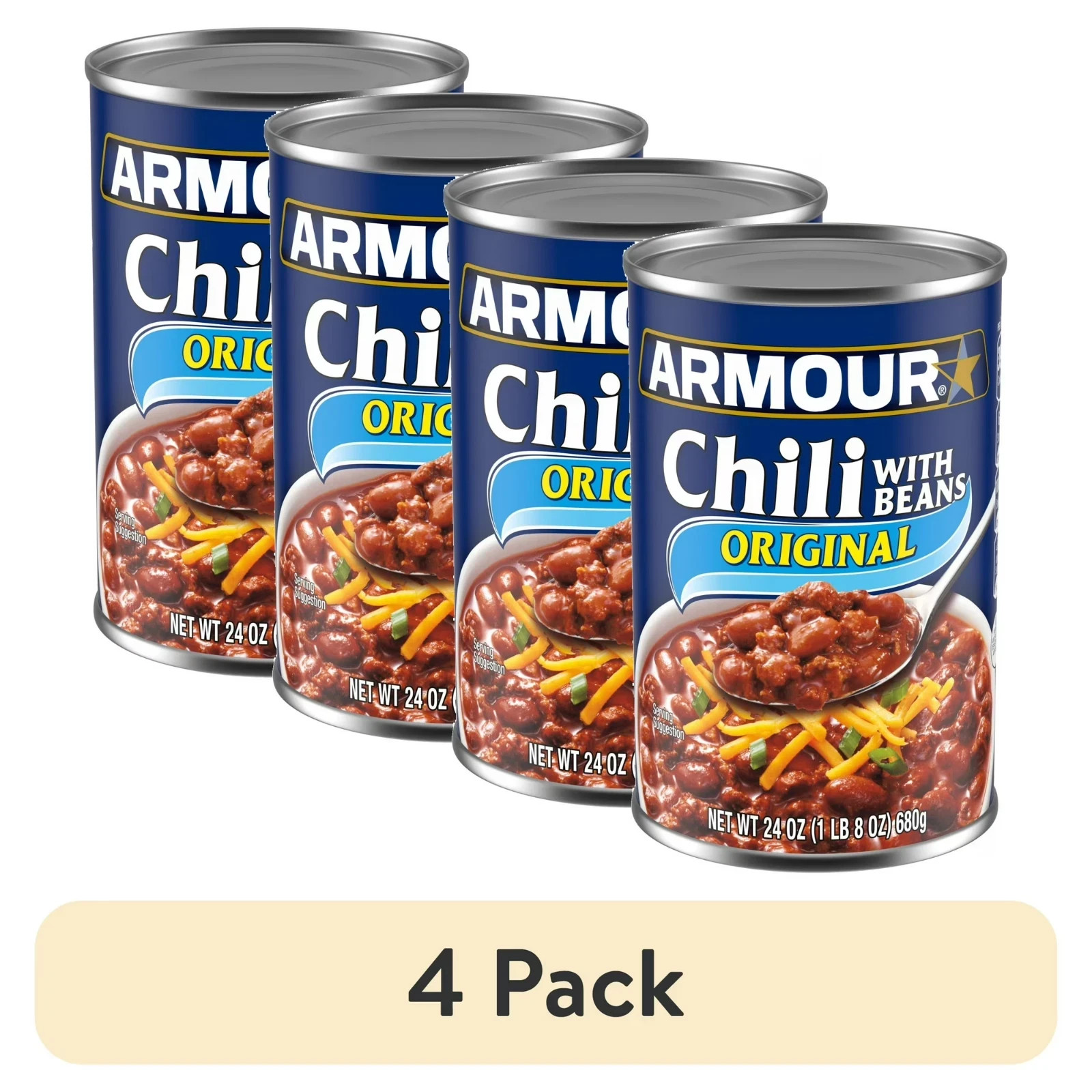 (4 pack) Armour Star Chili with Beans Canned Food, 24 oz Can$7.60View on eBay
 (4 pack) Armour Star Chili with Beans Canned Food, 24 oz Can (Free Shipping$7.70View on eBay
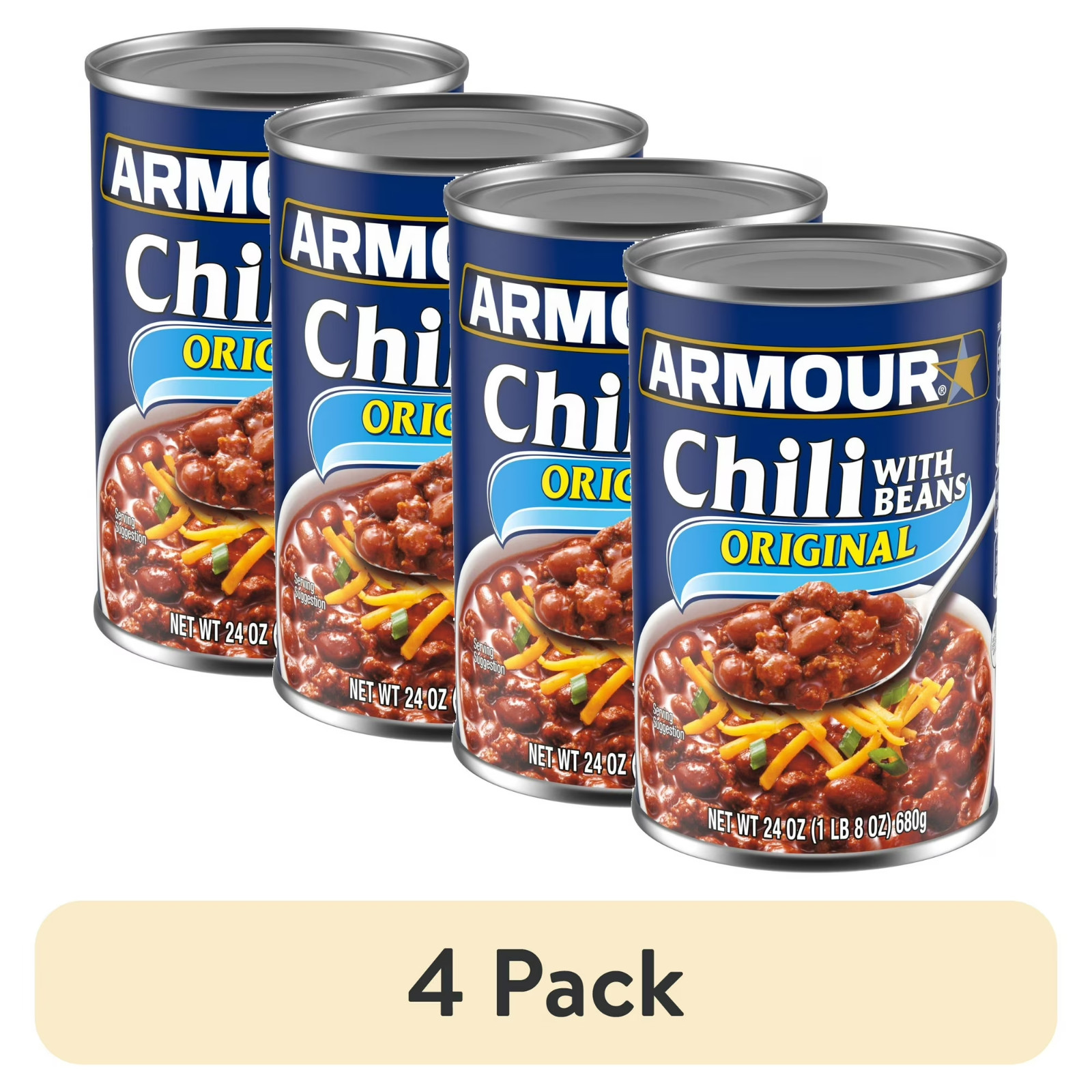 (4 pack) Armour Star Chili with Beans Canned Food, 24 oz Can$7.80View on eBay
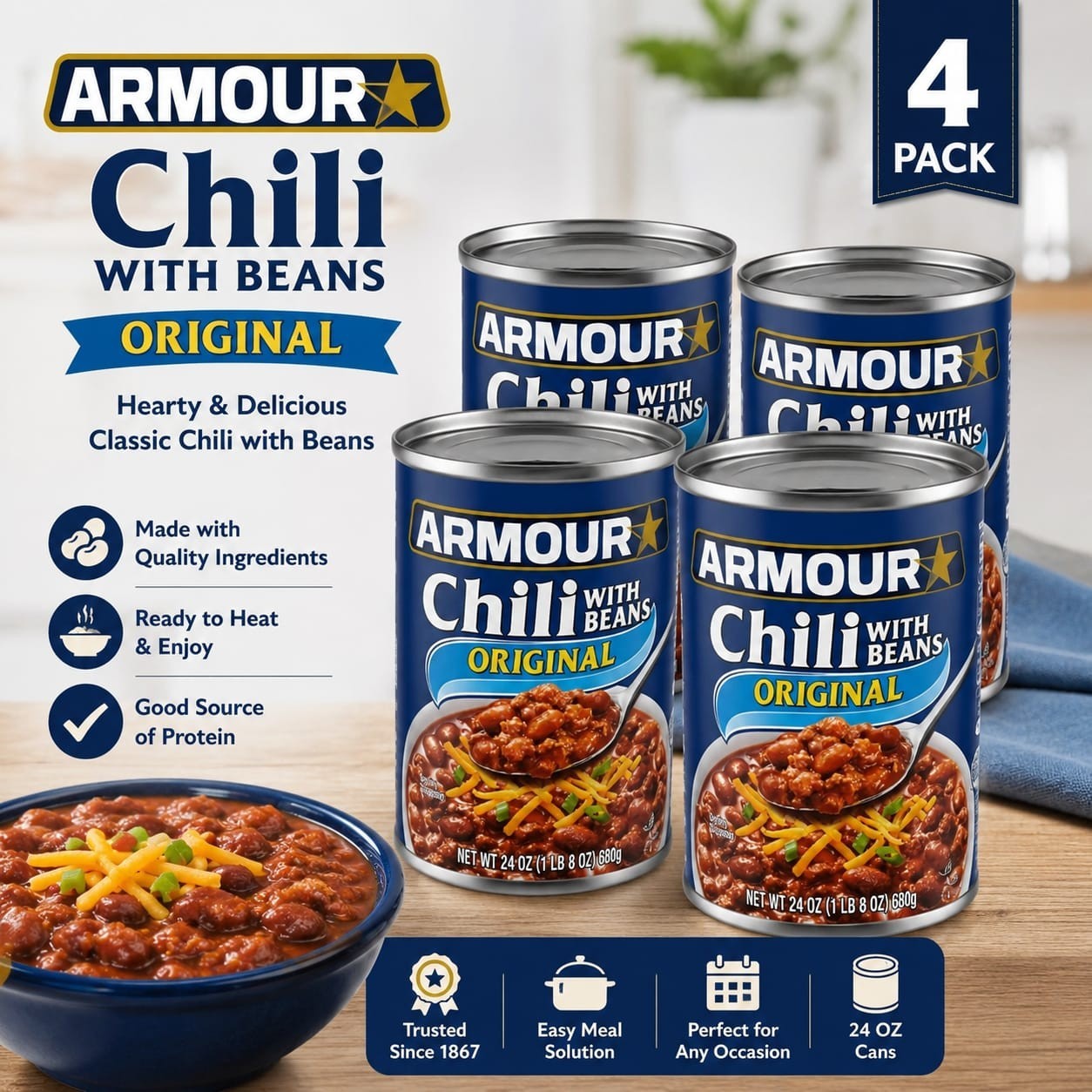 (4 pack) Armour Star Chili with Beans Canned Food, 24 oz Can$12.00View on eBay
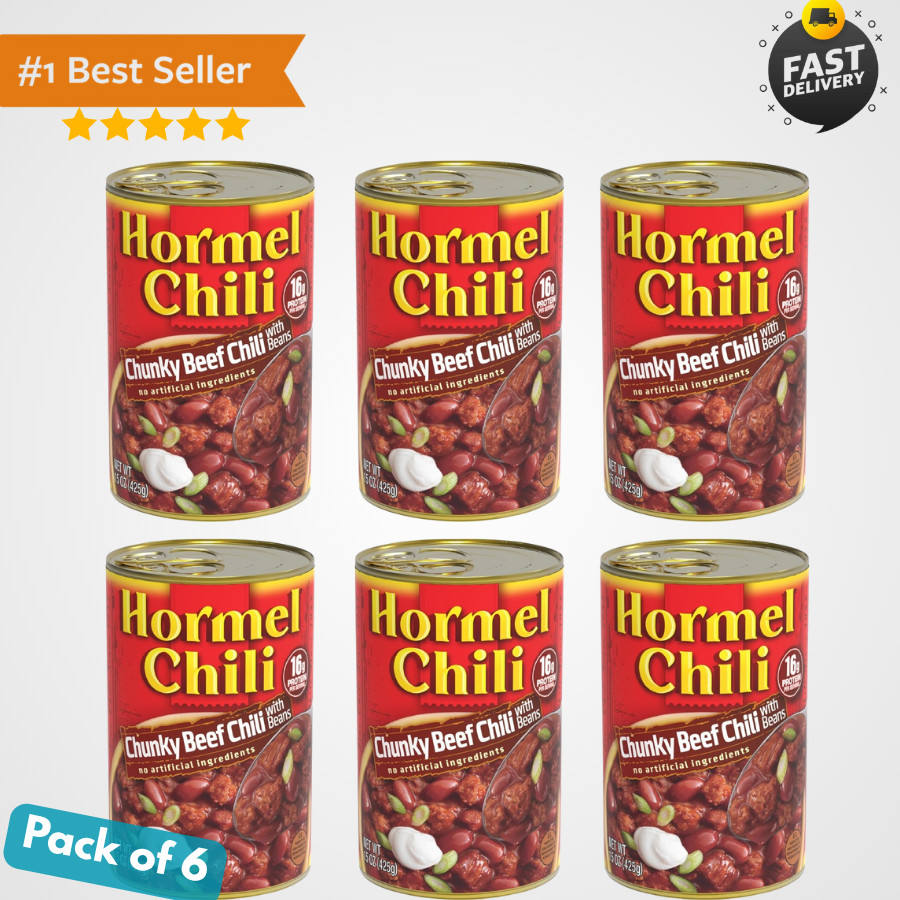 Hormel Chunky Beef Chili with Beans 15 Ounce Cans Pack of 6 Bulk Canned Food$28.97View on eBay
Highlights
- Canned protein density is driven by water content: corned beef hash delivers ~37g protein per 15 oz can, chili with beans ~35g, while broth-heavy soups fall under 10g per can.
- Steel cans use electrolytic tinplate with a polymer lining; BPA-non-intent (BPA-NI) linings are the modern standard for acidic tomato and chili products.
- Seam integrity is the durability metric: a double-seam with intact lacquer and no rim dents holds safety for 2-5 years past the stamped date on high-acid foods.
- Retort sterilization (115-121°C) is what makes cans shelf-stable without refrigeration; pull-ring lids trade resealability for easy opening and are more prone to tab failure.
Best use cases
- Survival and emergency stock: choose high-protein, low-moisture cans like corned beef hash and chili with beans in 15 oz units; skip broth-heavy soups that waste storage volume on water.
- Weeknight protein add-in: pick plain chunk beef or no-bean chili for recipes; skip pre-seasoned chili with beans if you need controlled sodium or specific spice levels.
- Camping and no-kitchen meals: select pull-ring 15 oz cans with 30g+ protein per can; skip large institutional cans without a can opener or resealable lid.
- Long-term pantry rotation: buy standard 15 oz tinplate cans with stamped dates and rotate FIFO; avoid dented or bulging cans and non-lined acidic products.
Buying tips
- Read the protein-per-can math: 35-37g per 15 oz can is the high-protein tier; anything under 15g per can is a filler or broth product.
- Check the lining: choose BPA-NI (non-intent) linings for acidic chili and tomato products; unlined or unknown linings risk metallic taste and corrosion.
- Inspect seams and rims on arrival: reject any can with rim dents, seam rust, bulging, or a leaking pull-tab; these are safety failures, not cosmetic flaws.
- Match can size to use: 15 oz is a single-meal or two-serving unit; 28 oz+ institutional cans need same-day refrigeration after opening.
Specs
| Protein Tier | High 30-37g vs Low <15g per can |
|---|---|
| Can Size | 15 oz single-meal vs 28 oz+ family |
| Lining Type | BPA-NI polymer vs unlined tinplate |
| Lid Style | Standard double-seam vs pull-ring |
Related searches
What to check before buying
- Pantry storage: keep cans below 85°F (29°C) and under 60% humidity; heat accelerates lining degradation and shortens shelf life.
- Can opener compatibility: standard 15 oz cans need a manual or electric can opener unless pull-ring; verify your opener handles the rim depth.
- Sodium budget: high-protein canned meats and chili often carry 600-900mg sodium per serving; check the label against your daily limit before bulk buying.
- Allergen and diet fit: chili with beans adds legume allergens and fiber; no-bean and corned beef hash suit low-carb and legume-free diets.
FAQ
Data sources: eBay / Amazon listings and product attribute feeds Data updated Nov 18, 2026.
Some links on this page are affiliate links. If you buy after clicking one, we may earn a commission at no extra cost to you. This does not change which products appear here or their order. Affiliate disclosure.