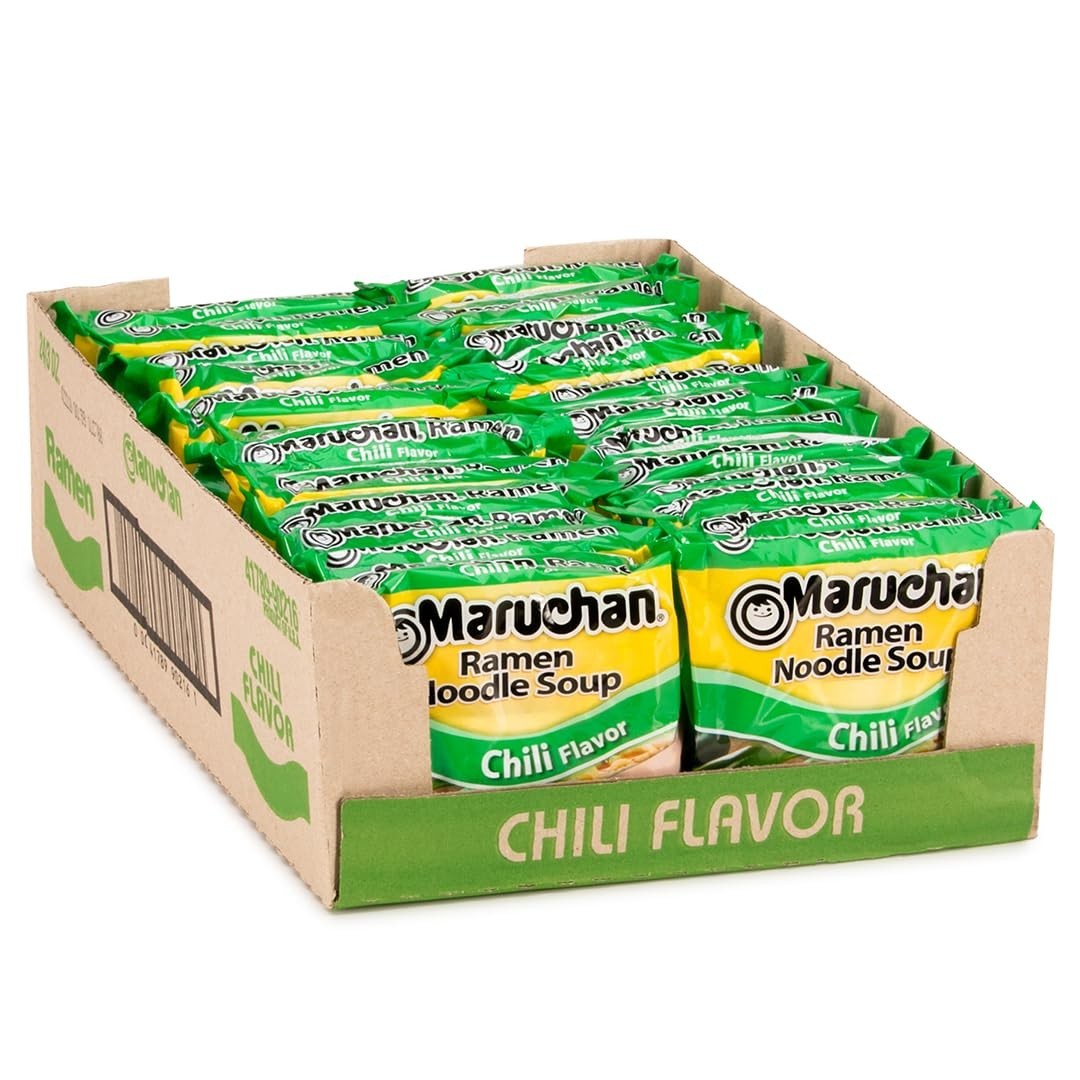

Photos from current listings. Actual item, color, and included accessories may vary.
Meal Ready Eat Buying Guide
Meal ready eat spans shelf-stable instant noodles, canned chili, and military-style MREs — all engineered for zero-prep eating, but they differ sharply in moisture content, packaging barrier, and caloric density. The core trade-off is shelf life and portability versus sodium, texture, and per-meal cost: retort-pouched MREs last years and survive heat, while instant ramen is cheap but sodium-heavy and requires hot water. Choose by storage condition and whether you need full-meal calories or just a quick hot snack.


At a glance
- Category
- Ready Meals, Canned Food & Baking
- Data updated
- Nov 18, 2026
Current offers
Highlights
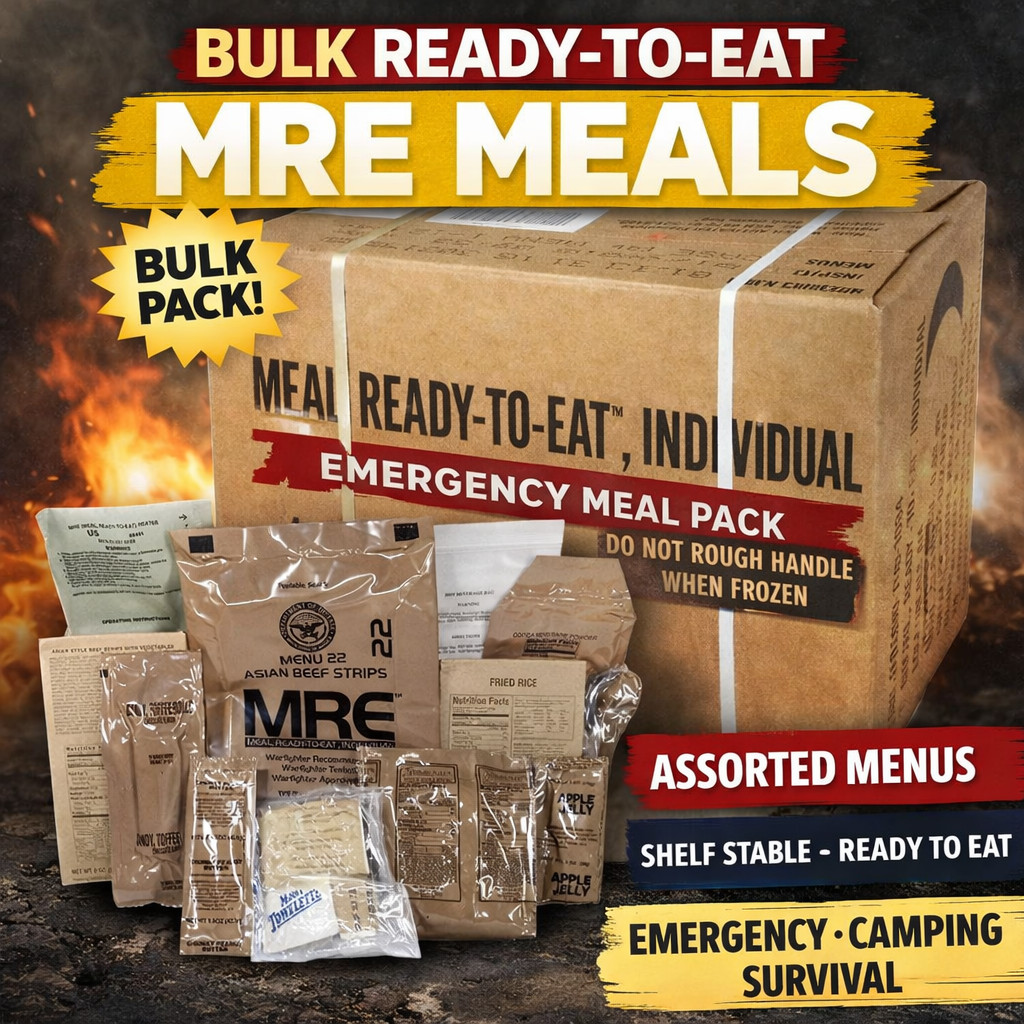
- MRE retort pouches use 3–4 layer foil laminates and are rated for 3–5 year shelf life at 80°F, dropping to 1–2 years in sustained 100°F+ storage.
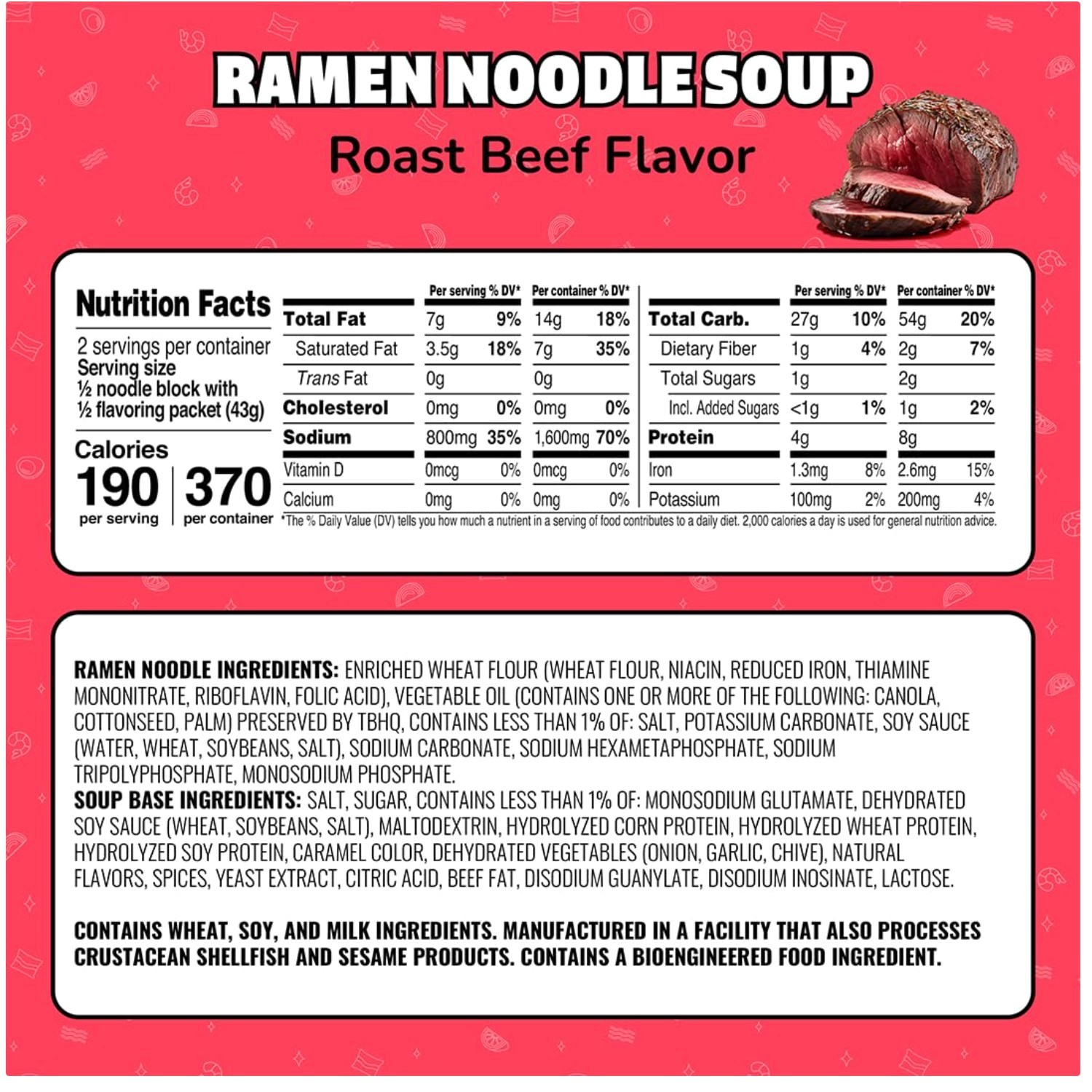
- Instant ramen blocks are flash-fried (roughly 15–20% oil) or air-dried; fried noodles cook in 3 minutes but carry 1,500–2,000 mg sodium per block.
- Canned chili and ready-meals rely on commercial sterilization (low-acid, pH >4.6) for 2–5 year ambient shelf life; pop-top lids save weight but add failure points.
- Case formats differ by mission: 12-count MRE cases deliver ~1,200 kcal per meal, while 24–48 count ramen cases are snack-tier at 350–400 kcal per block.
Best use cases
- Emergency kit or bug-out bag: pick a 12-pack MRE case with flameless ration heaters and 3–5 year dates; skip ramen, which needs a heat source and pot.
- Camping or backpacking: choose retort-pouch entrées or air-dried noodle packs that rehydrate in boiling water; skip bulky cans and 48-count club cases.
- Office or dorm quick lunch: buy single-serve instant ramen or microwave chili cups with pop-tops; skip MRE cases, whose entrée sizes and heaters are overkill indoors.
- Budget pantry rotation: stock canned chili and ramen cases you will actually eat within 12–18 months; skip long-shelf MREs unless you commit to date tracking.
Buying tips
- Match shelf life to storage temperature: MREs at 80°F lose roughly 25% of rated life per 10°F rise; a 5-year pouch at 70°F may be 2 years at 100°F.
- Compare calories per dollar and per pound, not pack count: a 12-count MRE case (~14,400 kcal) outlasts a 48-count ramen case (~17,000 kcal) only if you factor heater and water needs.
- Check sodium per serving: ramen blocks run 1,500–2,000 mg; canned chili 600–1,000 mg; MRE entrées 800–1,500 mg — critical if you are managing intake.
- For ramen, prefer air-dried or non-fried blocks (lower fat, better texture) and look for 3 oz blocks as single servings; 24–48 counts are bulk, not variety.
Specs
| Format | Retort pouch / can / noodle block |
|---|---|
| Shelf Life | 6–12 mo ramen; 2–5 yr cans/MRE |
| Calories Per Meal | 350–400 ramen; ~1,200 MRE |
| Prep Requirement | Hot water / heater / ready-to-eat |
Related searches
What to check before buying
- Measure pantry or pack space: a 12-count MRE case is roughly 1.5 cu ft; a 48-count ramen case is similar but taller — confirm shelf height and bag dimensions.
- Confirm you have a heat source and water: ramen needs ~2 cups boiling water; MRE heaters need a small amount of water to activate; canned chili can be eaten cold.
- Check storage climate: keep below 80°F and dry; foil MRE pouches tolerate heat better than canned goods, which can rust or bulge in humid garages.
- Verify included accessories: MRE cases should list flameless heaters, spoon, and entrée count; ramen cases are noodles only and need a bowl and utensil.
FAQ
Data sources: eBay / Amazon listings and product attribute feeds Data updated Nov 18, 2026.
Some links on this page are affiliate links. If you buy after clicking one, we may earn a commission at no extra cost to you. This does not change which products appear here or their order. Affiliate disclosure.