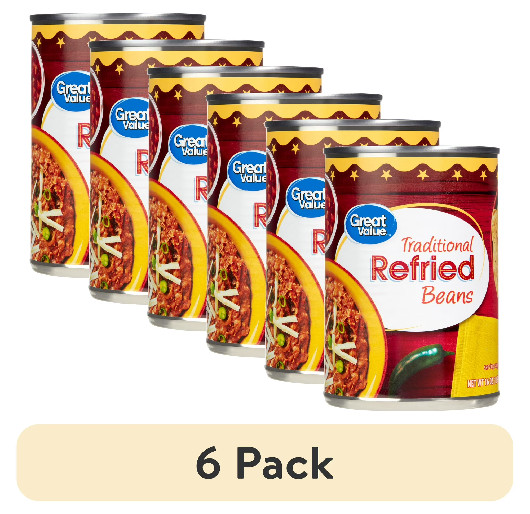

Photos from current listings. Actual item, color, and included accessories may vary.
Refried Black Bean Buying Guide
Refried black beans are precooked, mashed black beans sold in shelf-stable cans or pouches, with the key trade-off being traditional lard-based richness versus vegetarian/vegan oil-based recipes and sodium content. The decision rule: choose cans with whole-bean integrity and a short ingredient list (beans, water, fat, salt) for durability and clean flavor; skip cans with added sugars, excessive sodium, or a uniform paste texture that signals over-processing.


At a glance
- Category
- Ready Meals, Canned Food & Baking
- Data updated
- Nov 18, 2026
Current offers
Highlights
- Traditional refried black beans use lard or vegetable oil as the fat; vegetarian/vegan versions replace lard with sunflower, canola, or olive oil, changing flavor and dietary compatibility.
- Sodium per serving ranges widely from 300 mg to over 600 mg; low-sodium cans are typically under 300 mg per 1/2-cup serving, which matters for daily intake limits.
- Whole black beans retain more fiber and texture than fully mashed pastes; cans labeled 'whole bean' or 'lightly mashed' have better nutritional profile and versatility.
- Can sizes are typically 15–16 oz; a 6-pack of 16-oz cans yields about 12 half-cup servings per can, so a 6-pack provides roughly 72 servings total.
Best use cases
- Best fit: busy weeknight meals — choose 16-oz cans with pull-tabs and low-sodium labels for quick burrito bowls; skip large #10 cans unless feeding a crowd.
- Best fit: vegetarian/vegan diets — pick cans with oil-based fat and no lard; skip 'traditional' cans that list lard as an ingredient.
- Best fit: batch cooking or meal prep — buy 6-packs of 16-oz cans for portioned freezing; skip single cans if you need consistent supply for recipes.
- Wrong fit: low-sodium medical diets — standard refried beans are high in sodium; choose specifically labeled low-sodium or no-salt-added cans.
Buying tips
- Check the ingredient list: traditional cans list lard or animal fat; vegetarian cans list vegetable oil. Choose based on dietary need, not marketing terms.
- Compare sodium per serving: standard cans have 400–600 mg; low-sodium options are under 300 mg. Aim for under 300 mg if you eat beans daily.
- Prefer cans with a 'whole bean' or 'lightly mashed' texture descriptor for better fiber and texture; fully smooth pastes are more processed.
- For pantry stock, buy 6-packs of 16-oz cans with at least 18 months of shelf life from the date of purchase; check the canning date code on the bottom.
Specs
| Fat Source | Lard (traditional) vs vegetable oil (vegetarian) |
|---|---|
| Sodium Level | Standard 400-600 mg; low-sodium <300 mg per serving |
| Bean Texture | Whole/lightly mashed vs smooth paste |
| Can Size | 15-16 oz standard; #10 can for bulk |
Related searches
What to check before buying
- Confirm can size: 15–16 oz cans fit standard pantry shelves; #10 cans (6–7 lb) require space and refrigeration after opening.
- Check dietary fat source: lard-based cans are not vegan; oil-based cans are. Verify the ingredient list before buying in bulk.
- Verify sodium level: standard cans exceed 400 mg per serving; if you need low-sodium, select cans with 'low sodium' or 'no salt added' explicitly.
- Ensure you have a can opener if cans lack pull-tabs; pull-tab cans are easier for camping or quick meals.
FAQ
Data sources: eBay / Amazon listings and product attribute feeds Data updated Nov 18, 2026.
Some links on this page are affiliate links. If you buy after clicking one, we may earn a commission at no extra cost to you. This does not change which products appear here or their order. Affiliate disclosure.