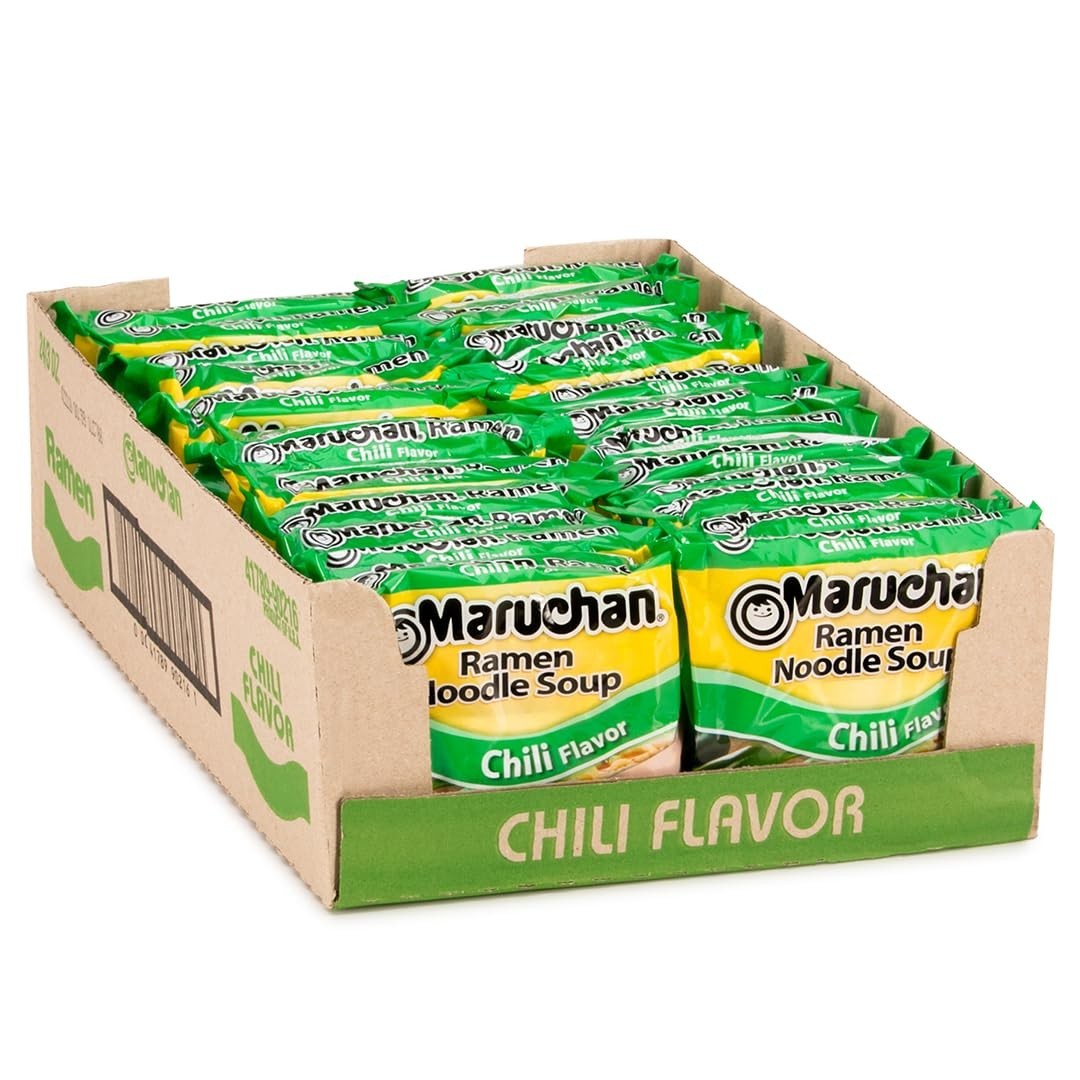

Photos from current listings. Actual item, color, and included accessories may vary.
Ready Meal Buying Guide
Ready meals are shelf-stable or frozen complete dishes that require minimal preparation, and the core trade-off is between convenience (no cooking, long shelf life) and nutritional quality (sodium, preservatives, protein density). Durable, high-value options are sealed retort pouches or cans with clear protein and calorie counts; compromises are cheap noodle cups or bulk packs with low protein and high sodium.


At a glance
- Category
- Ready Meals, Canned Food & Baking
- Data updated
- Nov 18, 2026
Current offers
Highlights
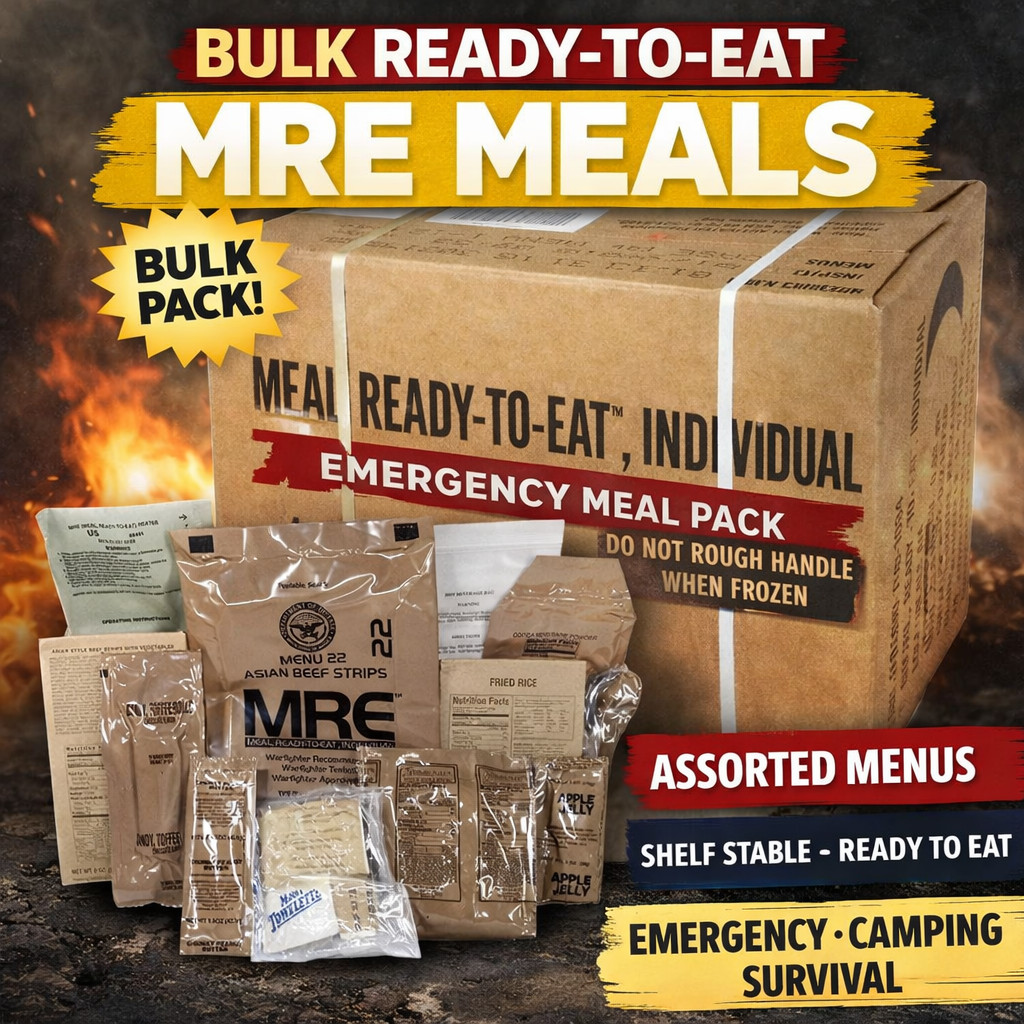
- Retort-pouch MREs and canned meals deliver 12–24 months shelf life at room temperature, while instant ramen and refrigerated ready meals last 6–12 months or less.
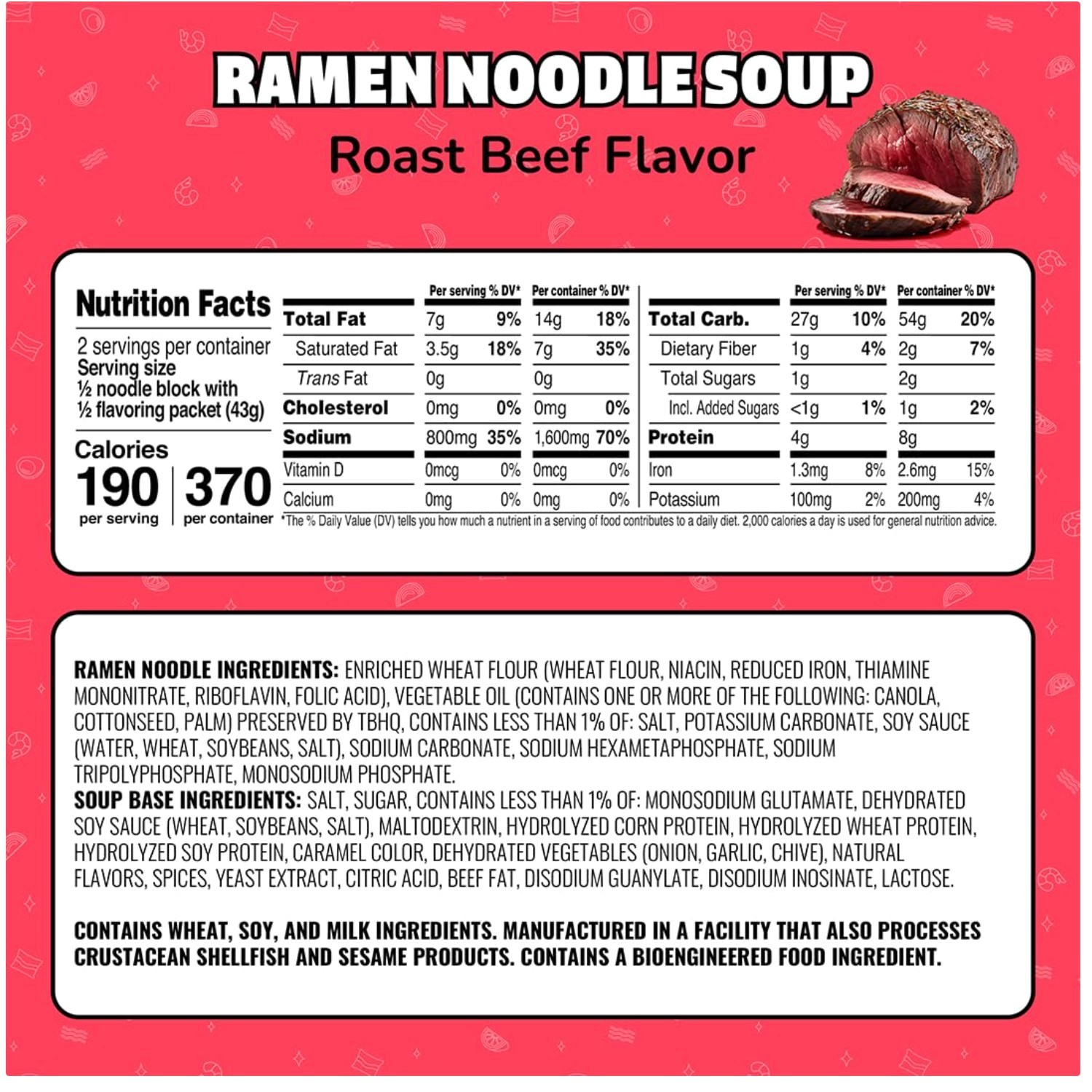
- Protein content separates tiers: MRE entrees and canned chili typically provide 15–25 g protein per serving; instant ramen and budget noodle packs deliver 5–10 g.
- Sodium load is the hidden cost: many instant noodles and canned ready meals exceed 1,200–1,800 mg per serving, versus 600–900 mg in premium retort entrees.
- Pack format drives cost per meal: 24–48 count ramen cases and 12-pack MRE cases lower unit cost but lock you into one flavor and high carb/sodium profiles.
Best use cases
- Emergency kits and camping: choose retort-pouch MRE cases (12-pack) with 15+ g protein and 12+ month shelf life; skip instant ramen, which crushes and has low calorie density.
- Office lunches and quick home meals: pick canned chili or ready-to-eat rice-and-protein bowls with 300–500 calories and under 900 mg sodium; skip 48-count ramen packs unless you add protein and vegetables.
- Budget bulk feeding: a 24–48 count instant ramen case works for base calories, but pair with canned beans or eggs to reach 20+ g protein; skip it as a standalone meal replacement.
Buying tips
- Match shelf life to use: retort pouches and cans give 18–24 months; instant noodle cups 6–12 months; frozen ready meals 3–6 months. Buy case sizes you can finish before expiry.
- Check protein-to-calorie ratio: aim for at least 15 g protein per 300–400 calorie serving; instant ramen at 5–10 g protein per 400 calories is a snack, not a meal.
- Cap sodium at 800 mg per serving for daily use; emergency or camping meals can run higher (1,200–1,500 mg) because you sweat out electrolytes.
- Verify pack count and net weight: a 24-count 3 oz ramen case yields about 4.5 lb total food, while a 12-pack MRE case often weighs 8–12 lb with 1,200–1,800 calories per meal.
Specs
| Shelf Life | 12–60 months (retort/can vs noodle) |
|---|---|
| Protein Per Serving | 5–25 g (ramen vs MRE entree) |
| Sodium Per Serving | 600–1,800 mg |
| Pack Format | 12–48 count cases; 3–12 oz units |
Related searches
What to check before buying
- Measure pantry or shelf depth: 48-count ramen cases and 12-pack MRE cases need 12–18 inches of linear shelf space and stack no more than 3 high.
- Confirm you have a heat source: most retort pouches and canned meals need boiling water or a microwave; instant ramen cups need hot water only.
- Check expiration dates at delivery: shelf-stable ready meals should arrive with at least 12 months remaining for MREs/cans and 6 months for noodle packs.
- Account for dietary constraints: many instant ramen and canned chilis contain wheat, soy, and high sodium; MREs may include dairy and meat byproducts.
FAQ
Data sources: eBay / Amazon listings and product attribute feeds Data updated Nov 18, 2026.
Some links on this page are affiliate links. If you buy after clicking one, we may earn a commission at no extra cost to you. This does not change which products appear here or their order. Affiliate disclosure.