
Photos from current listings. Actual item, color, and included accessories may vary.
Ready Eat Meal Buying Guide
Ready-to-eat (RTE) meals are shelf-stable, fully cooked foods requiring no refrigeration or cooking before consumption, sold as retort-pouch entrées, instant noodles, or military-style MREs. The central trade-off is shelf life and portability versus sodium, preservative load, and serving size; the decision rule is to match packaging type to your storage/climate reality and calorie-per-ounce need, not to brand hype.


At a glance
- Category
- Ready Meals, Canned Food & Baking
- Data updated
- Nov 18, 2026
Current offers
Highlights
- Retort pouches (MREs, ready entrées) deliver 1,200–1,300 kcal per main meal and 3–5 year shelf life at 80°F; canned goods hit 2–5 years but weigh significantly more per calorie.
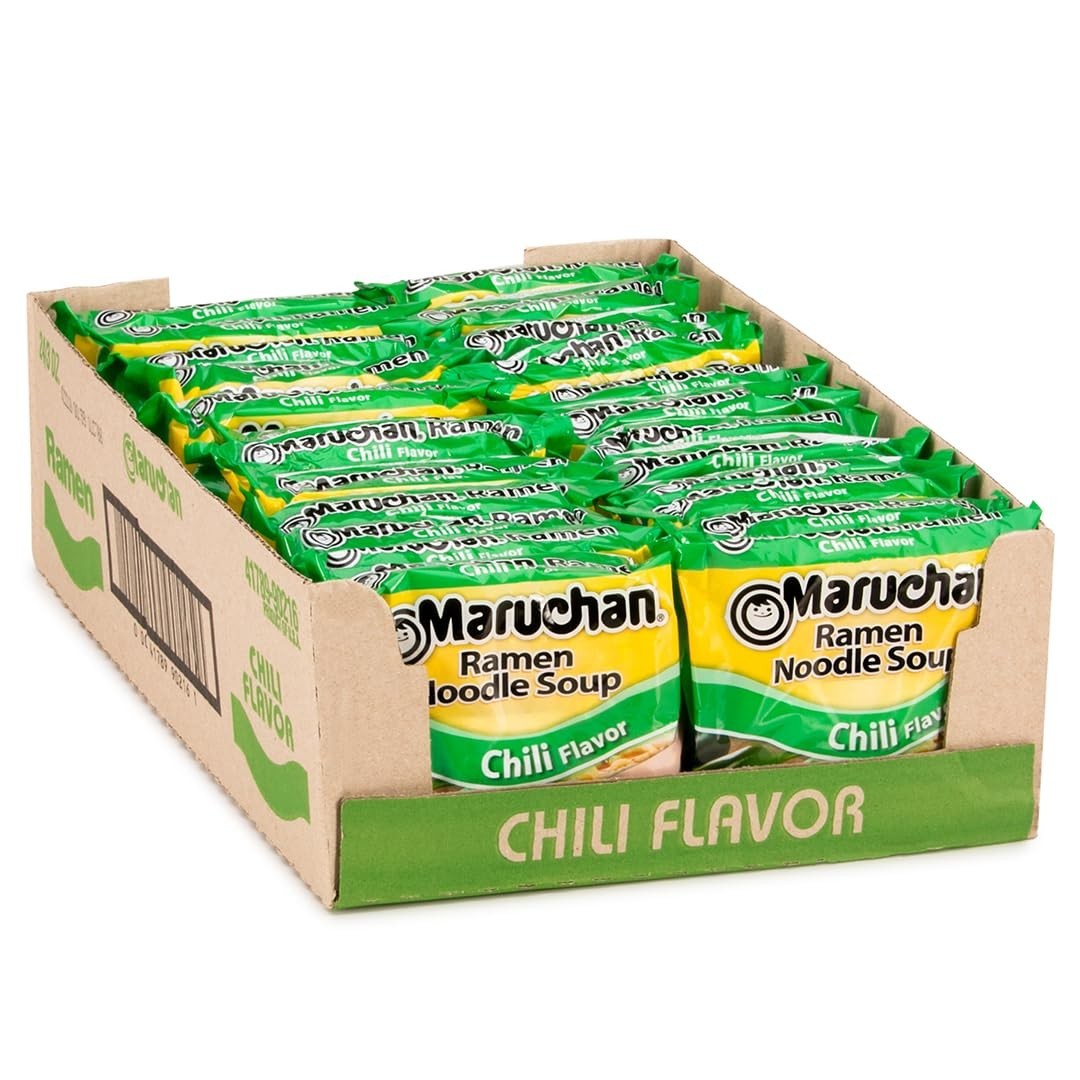
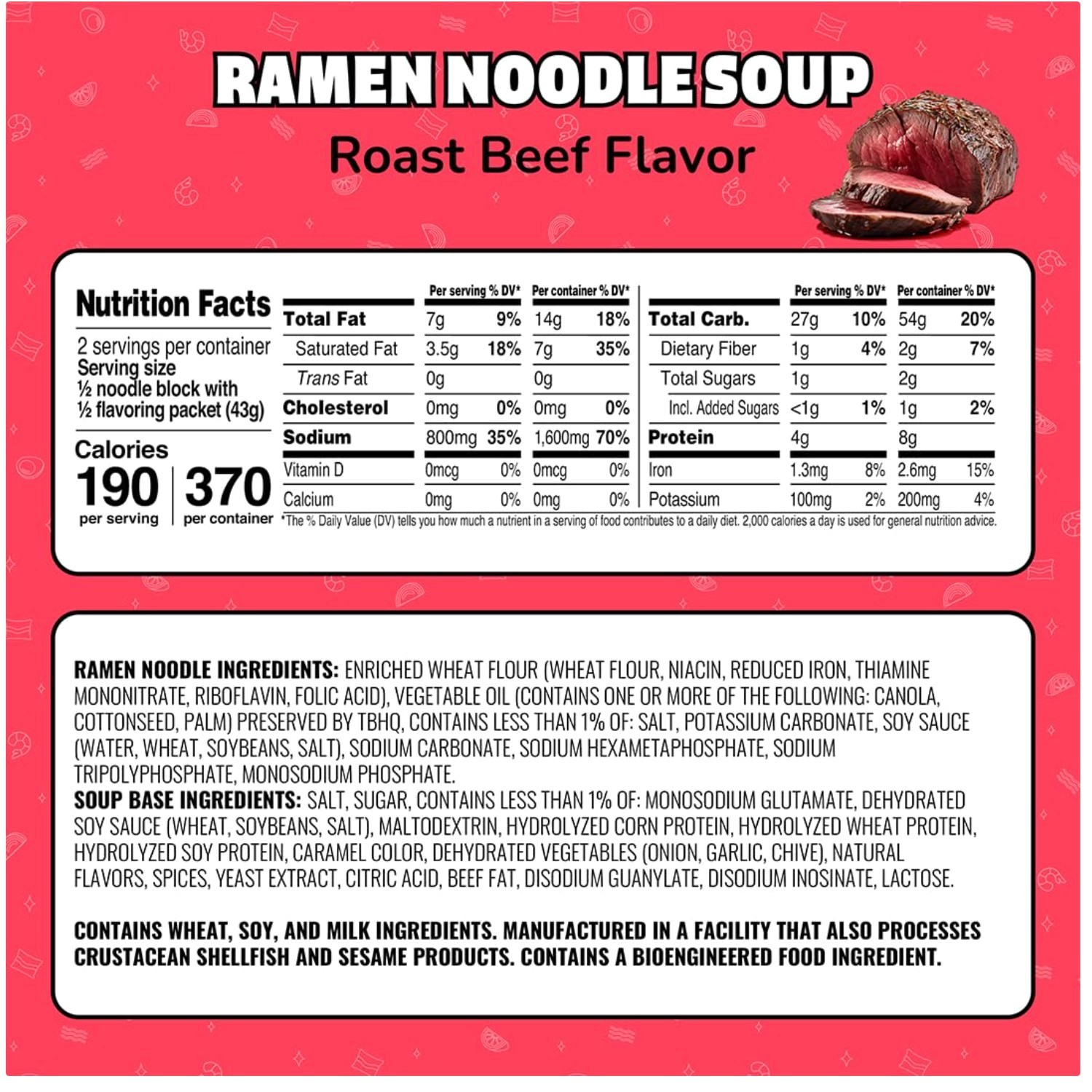
- Instant ramen bricks like Maruchan and house brands are flash-fried or air-dried noodles at 350–400 kcal per 3 oz block, relying on seasoning packets for sodium levels of 1,200–1,800 mg per serving.
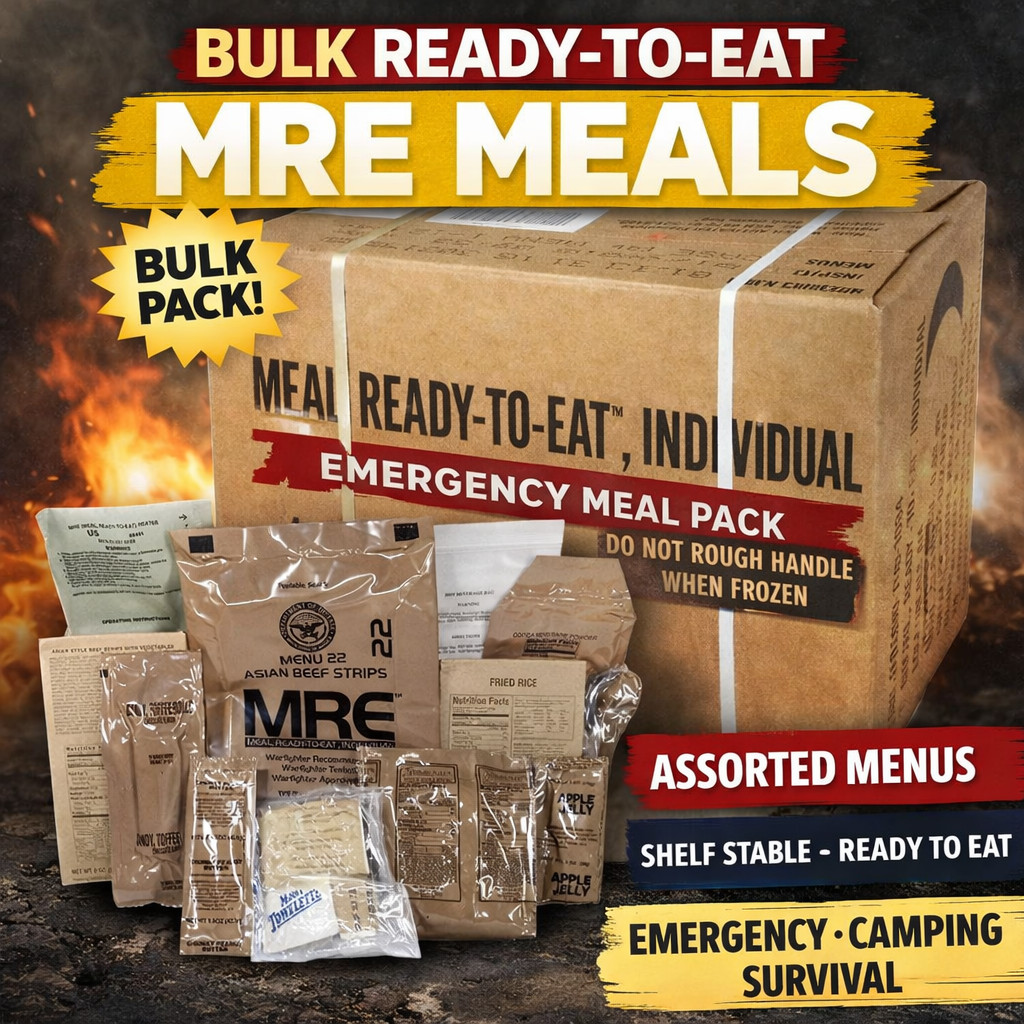
- Military-spec MREs include flameless ration heaters (FRH) and water-activated heating, while civilian 'emergency' 12-packs often substitute cold-pack entrées without heaters—verify heater inclusion before relying on them for field use.
- Case counts (12, 24, 48 pack) reflect noodles per box, not meals per day; a 48-count ramen case is roughly 24–48 meals depending on whether you use one or two bricks per sitting.
Best use cases
- Emergency kits or car survival: buy MRE 12-packs with heaters and 3–5 year dates; skip canned chili or ramen if you lack a heat source and water.
- Dorm, office, or budget meal base: buy 24–48 count instant ramen cases (Maruchan Roast Beef, chili flavor) and bulk up with canned protein; skip MREs, whose cost per calorie is far higher.
- Camping and hiking: choose retort-pouch entrées or ramen with a lightweight stove; skip 48-count cases for backpacking—single-serve 3 oz bricks only, repackaged to cut bulk.
Buying tips
- For emergency storage, target 1,200+ kcal per pouch and 3+ year shelf life; ramen at 350–400 kcal per block requires 3 bricks per adult per day, so buy cases accordingly.
- Check sodium: ramen seasoning packets run 1,200–1,800 mg per serving; MRE entrées often 800–1,500 mg—buy lower-sodium retort entrées if you eat RTE meals daily rather than occasionally.
- Match pack format to use: 12-count MRE cases suit one person for 4–6 days of full meals; 24–48 count ramen cases suit pantry rotation for households, not single-trip portability.
- Verify heater inclusion on MRE cases—military-style FRH pouches add real field utility, while many civilian 'survival' 12-packs ship cold-pack only and need external heat.
Specs
| Format | Retort pouch / ramen brick / can |
|---|---|
| Shelf Life | 6–12 mo ramen; 3–5 yr MRE |
| Calories per Meal | 350–400 ramen; 1,200–1,300 MRE |
| Heater Included | MRE yes (FRH); ramen no |
Related searches
What to check before buying
- Storage space: a 48-count ramen case occupies roughly 1.5–2 cubic feet; MRE 12-packs are similar—measure pantry shelf depth (12–14 in typical) before bulk buying.
- Climate: store below 80°F; shelf life on retort pouches drops sharply above 90°F, so garages and car trunks in hot climates are poor long-term storage.
- Water and heat access: ramen needs boiling water (about 2 cups per brick); MRE heaters need only 1–2 oz water, but cold-pack entrées need an external stove.
- Companion parts: stock a heat source (camp stove, kettle) and utensils; MREs include spoon and heater, ramen does not—factor these into your kit.
FAQ
Data sources: eBay / Amazon listings and product attribute feeds Data updated Nov 18, 2026.
Some links on this page are affiliate links. If you buy after clicking one, we may earn a commission at no extra cost to you. This does not change which products appear here or their order. Affiliate disclosure.