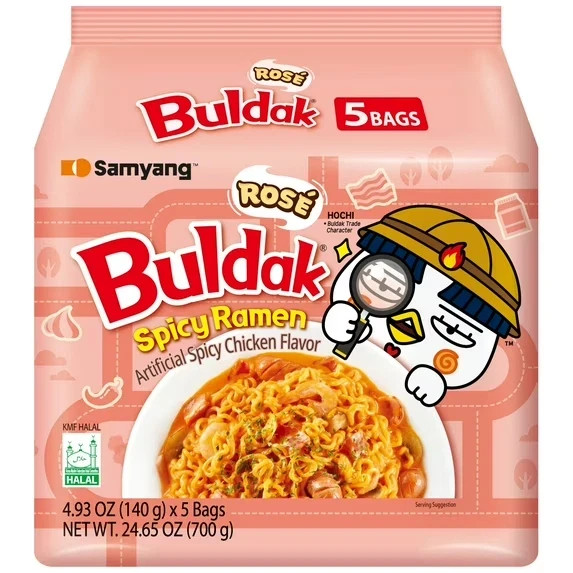

Photos from current listings. Actual item, color, and included accessories may vary.
Korean Instant Noodle Buying Guide
Korean instant noodles span two distinct product architectures: fried ramyeon with a rich, often spicy sauce packet (Buldak, Chapagetti) and soup-based ramyeon with a dehydrated broth base (Shin, Neoguri). The core trade-off is heat level and sauce style versus broth depth—sauce-type noodles deliver concentrated flavor and chewy texture, while soup-type noodles offer volume and customizable heat. Choose by heat tolerance and serving format: sauce packets for stir-fry intensity, soup bases for slurpable, adjustable bowls.


At a glance
- Category
- Ready Meals, Canned Food & Baking
- Data updated
- Nov 18, 2026
Current offers
Highlights
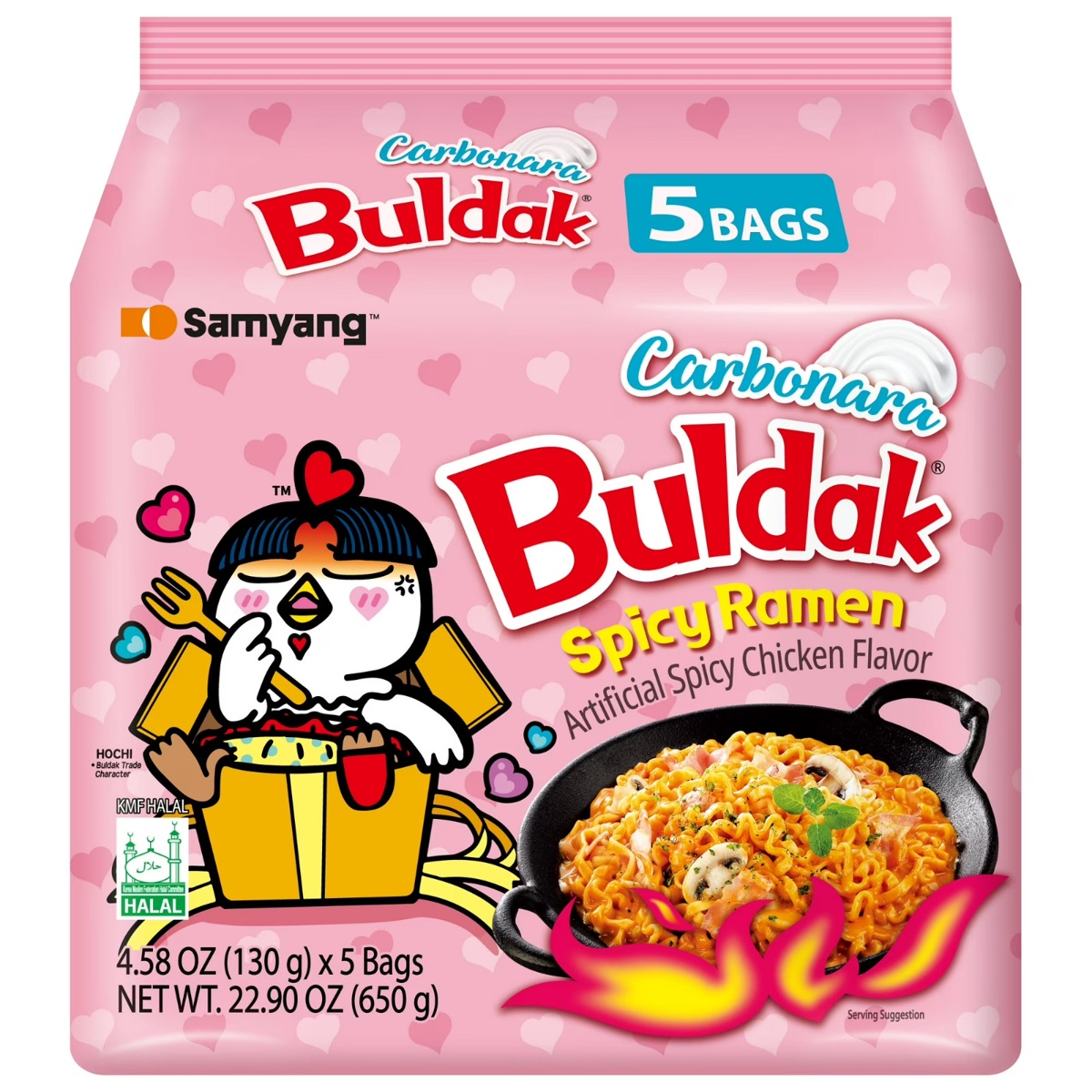
- Buldak-style sauce ramen uses a concentrated chicken-and-chili paste; heat scales from Carbonara (mild) to 2x Spicy (extreme) via capsaicin extract concentration.
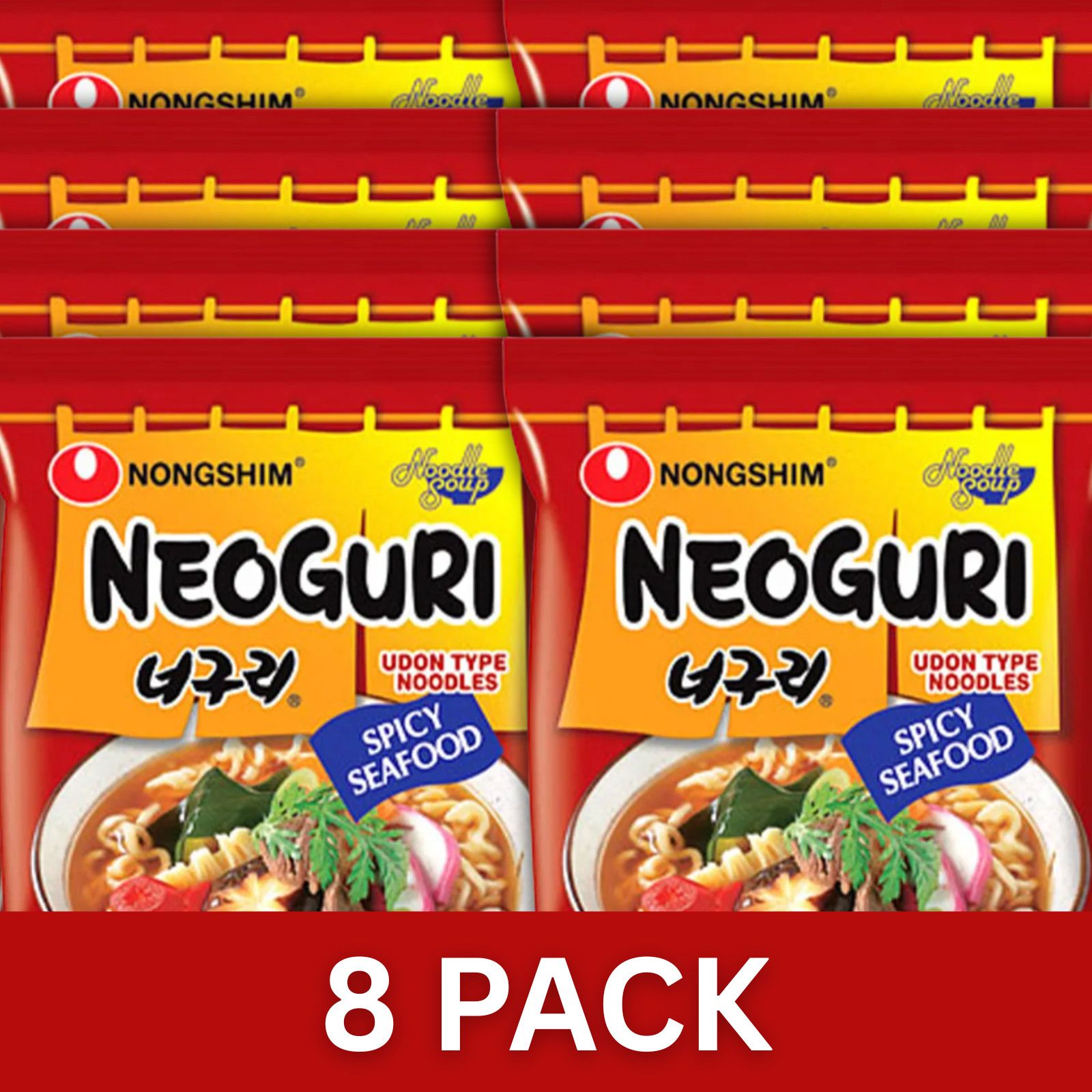
- Soup ramyeon like Neoguri and Shin rely on dehydrated seafood/beef powder and dried vegetable flakes; broth volume is controlled by water ratio, not packet size.
- Noodle texture depends on frying and starch: most Korean ramyeon is flash-fried wheat noodles with potato starch for chew; air-dried variants exist but are less springy.
- Pack count (5-pack vs 8-pack) and individual serving weight (typically 120–140g) determine cost per meal and pantry rotation; multi-packs are the standard retail unit.
Best use cases
- Best fit: sauce-style Buldak 5-packs for stir-fry heat seekers who want chewy noodles with minimal broth—skip if you need a large soup bowl.
- Best fit: soup-style Neoguri or Shin 8-packs for families or broth lovers who adjust water and spice—skip if you dislike seafood-forward broth.
- Wrong fit: buying extreme-heat variants (2x, 3x) as a first try—start with Carbonara or Rose to gauge tolerance before committing to a multi-pack.
- Best fit: pantry stocking with mixed 5-packs of different heat tiers for variety; skip bulk single-flavor cases unless you already know your heat ceiling.
Buying tips
- Match heat tier to experience: Carbonara/Rose are mild-creamy, original Buldak is hot, 2x/3x are extract-heavy—buy the lowest tier first in multi-packs.
- Check serving weight per pack (120–140g typical); a 5-pack of 140g gives more food than an 8-pack of 120g—compare total net weight, not pack count.
- For soup noodles, water ratio is critical: Neoguri recommends ~550ml; using too little water makes broth salty and thick—follow the package liter marking.
- Sauce-type noodles benefit from reserving 2–3 tablespoons of cooking water to emulsify the sauce; soup-type noodles should be boiled in the specified water and not drained.
Specs
| Noodle Style | Sauce stir-fry vs soup broth |
|---|---|
| Heat Tier | Mild / Hot / Extreme (2x-3x) |
| Pack Format | 5-pack vs 8-pack multi |
| Serving Weight | 120-140g per pack |
Related searches
What to check before buying
- Confirm your heat tolerance with a single mild pack (Carbonara or Rose) before buying a 5- or 8-pack of extreme-heat variants.
- Check pantry space: 5-packs are compact; 8-packs of soup noodles take more shelf depth—measure your cabinet before bulk buying.
- Verify cooking equipment: sauce-type noodles need a skillet or wide pot for stir-frying; soup-type need a pot deep enough for 550ml+ broth.
- For seafood broth (Neoguri), confirm no shellfish allergy in the household; check allergen labeling on the multi-pack outer wrap.
FAQ
Data sources: eBay / Amazon listings and product attribute feeds Data updated Nov 18, 2026.
Some links on this page are affiliate links. If you buy after clicking one, we may earn a commission at no extra cost to you. This does not change which products appear here or their order. Affiliate disclosure.