
Photos from current listings. Actual item, color, and included accessories may vary.
Japanese Instant Ramen Buying Guide
Japanese instant ramen spans fried vs. non-fried noodles, straight vs. wavy construction, and soup bases built on pork/chicken stock, miso, shoyu, or seafood—the key trade-off is noodle texture and soup richness versus convenience and shelf stability. Fried noodles deliver springy bite but higher fat, while non-fried air-dried noodles are lighter but soften faster. The decision rule: choose fried, thick-cut wavy noodles for restaurant-style tonkotsu or tsukemen cravings, and non-fried or cup-style noodles when speed, portability, and lower fat matter more than chew.


At a glance
- Category
- Ready Meals, Canned Food & Baking
- Data updated
- Nov 18, 2026
Current offers
Highlights
- Fried (oil-blanched) noodles have a porous, chewy structure that holds up to 3–5 minutes of boiling; non-fried air-dried noodles are denser and turn soft in 2–3 minutes.
- Tonkotsu and miso pastes are concentrated fat-and-collagen emulsions; shoyu and shio bases are clear, high-salt broths—pick according to whether you want richness or a clean, light finish.
- Cup ramen uses a wax- or film-lined paper or polypropylene bowl with a pre-portioned soup powder; pack ramen lets you control water volume and add fresh toppings.
- Thick-cut wavy noodles (2–2.5 mm) suit heavy broths and tsukemen dipping; thin straight noodles (1–1.5 mm) suit light shoyu/shio broths and quick 3-minute cups.
Best use cases
- Best fit: pack-style tonkotsu or miso ramen for a sit-down meal where you add egg, chashu, and scallion—skip cup ramen if you want restaurant-depth broth.
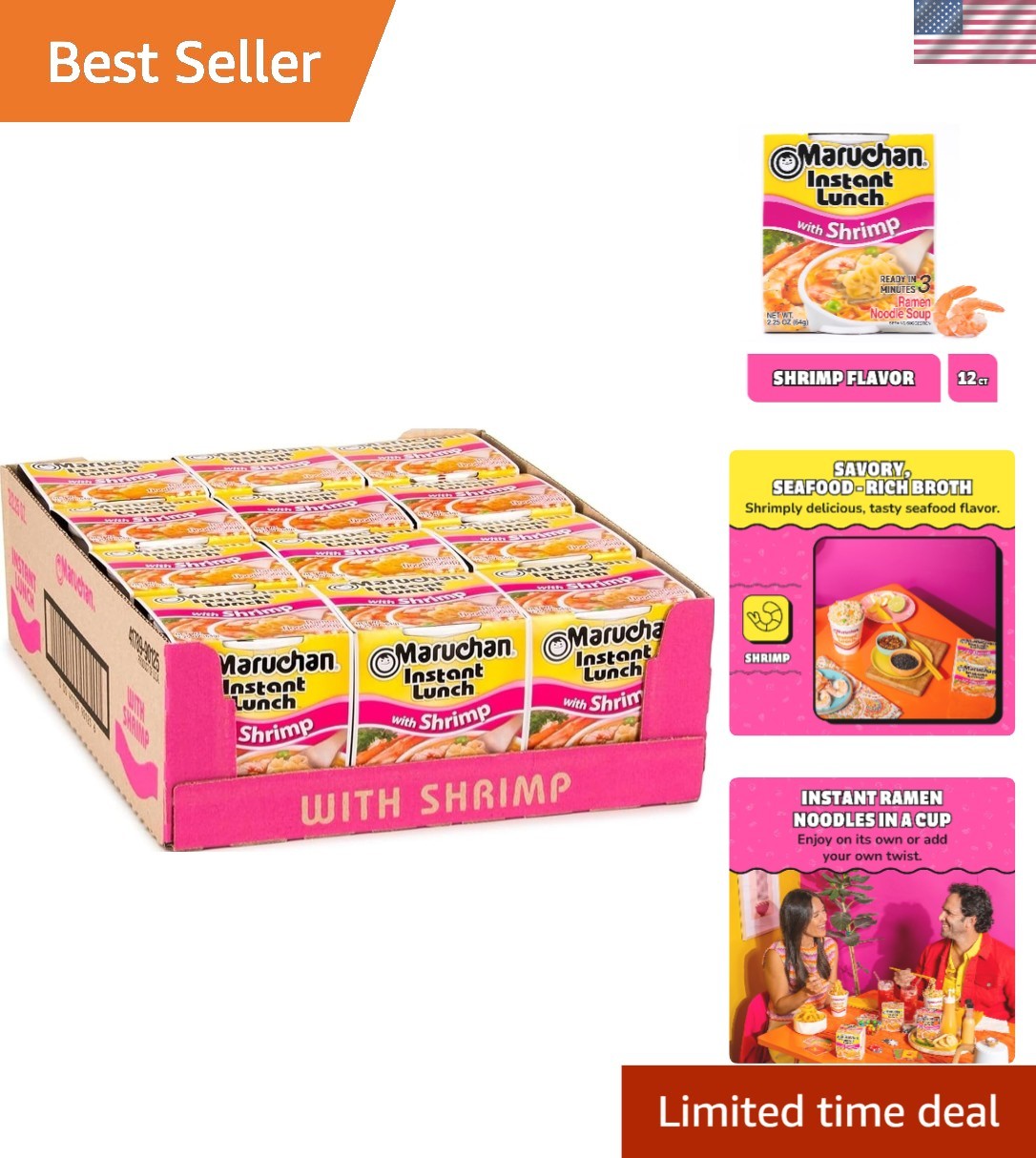
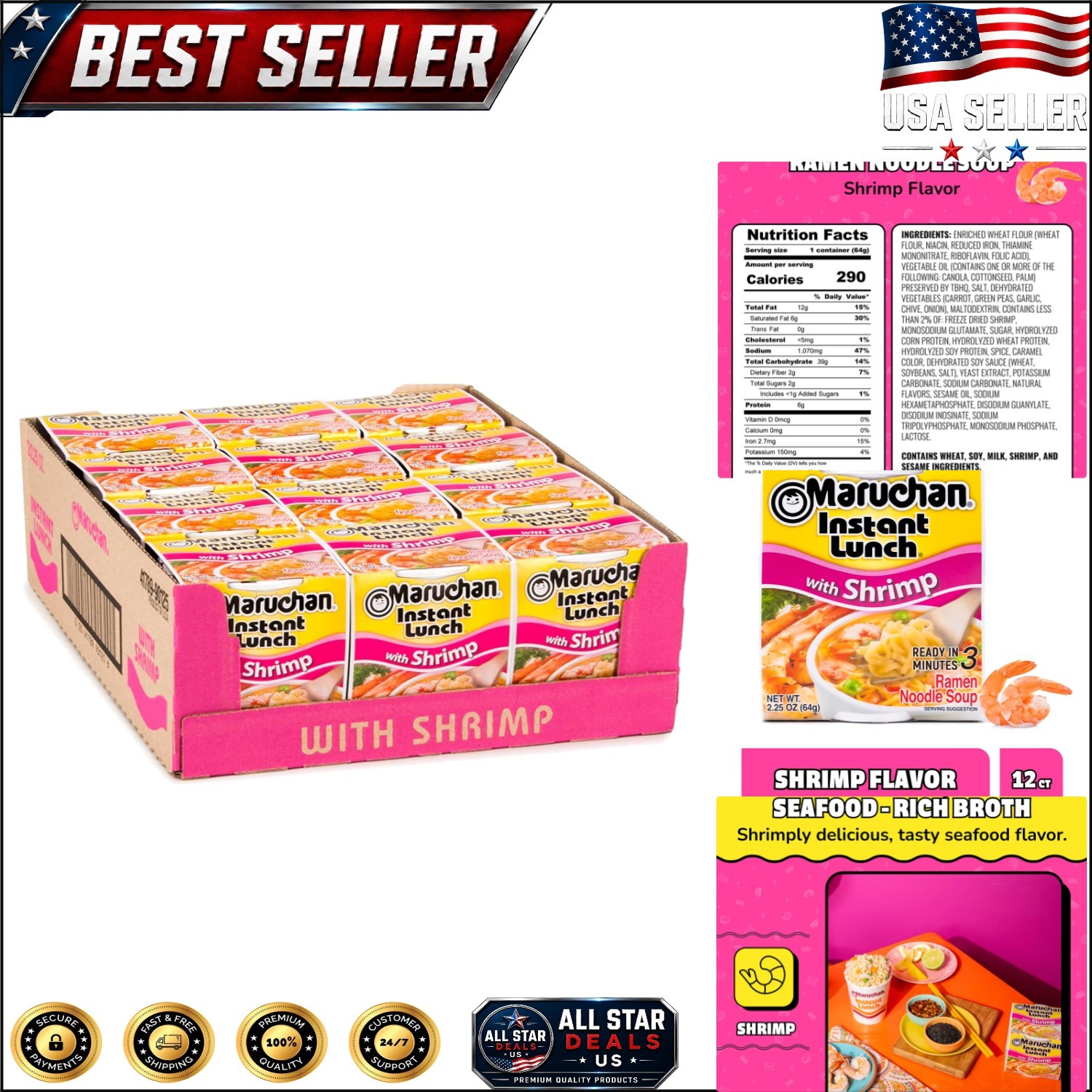
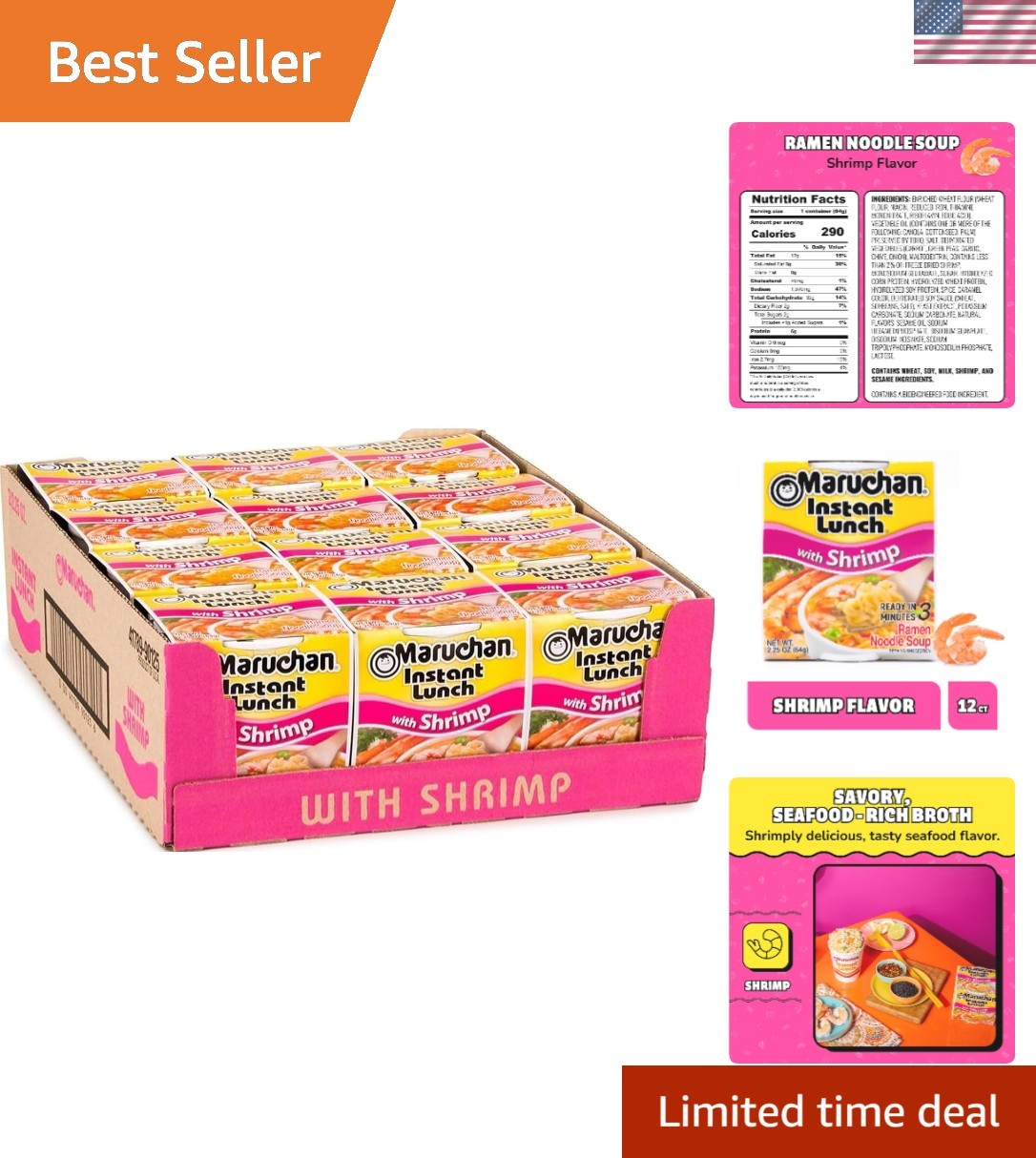
- Best fit: 12-pack shrimp or seafood cup ramen for office lunches, dorm rooms, and travel where only hot water is available—skip pack ramen if you lack a stove.
- Best fit: non-fried or 'air-dried' noodle packs for lower-fat daily eating—skip if you demand the springy chew of classic fried noodles.
- Wrong fit: buying bulk cup ramen for long-term pantry storage without checking bowl material—polypropylene bowls are microwave-safe, paper bowls are not.
Buying tips
- Match noodle thickness to broth: 2–2.5 mm wavy noodles for tonkotsu, miso, and tsukemen; 1–1.5 mm straight noodles for shoyu, shio, and 3-minute cups.
- Check the soup format: liquid concentrate pouches give fresher, richer flavor than powder; powder is more shelf-stable for long pantry storage.
- For cup ramen, confirm the bowl is polypropylene (recyclable #5) if you plan to microwave; paper bowls require boiling water only.
- Buy 12-count multi-packs for cost-per-serving and consistent portion control; single cups cost more per meal but reduce waste if you eat ramen occasionally.
Specs
| Noodle Type | Fried vs. non-fried air-dried |
|---|---|
| Noodle Cut | Thick wavy 2–2.5 mm vs. thin straight |
| Soup Base | Tonkotsu / miso / shoyu / shio / seafood |
| Pack Format | Cup (hot water) vs. pack (boil) |
Related searches
What to check before buying
- Confirm you have a kettle or stove: cup ramen needs boiling water only; pack ramen needs a pot and 3–5 minutes of boiling.
- Measure your pantry shelf height: 12-count cup ramen cases are bulky—verify storage space before buying bulk.
- Check bowl material for microwave use: polypropylene (#5) is microwave-safe; paper and some film-lined bowls are not.
- For pack ramen, have a 1–1.5 L pot and a bowl deep enough for 500–600 ml of broth plus noodles and toppings.
FAQ
Data sources: eBay / Amazon listings and product attribute feeds Data updated Nov 18, 2026.
Some links on this page are affiliate links. If you buy after clicking one, we may earn a commission at no extra cost to you. This does not change which products appear here or their order. Affiliate disclosure.