Photos from current listings. Actual item, color, and included accessories may vary.
Instant Ramen Noodle Buying Guide
Instant ramen spans fried block noodles with soup base, air-dried premium noodles, and cup/carton formats, all trading off texture, sodium, and packaging durability. The primary decision is noodle process (flash-fried vs air-dried vs oven-baked) against your heat source, bowl size, and sodium tolerance. Buy air-dried or oven-baked blocks for firmer texture and lower fat; buy fried blocks or cups for speed, broth body, and lowest cost per serving.


At a glance
- Category
- Ready Meals, Canned Food & Baking
- Data updated
- Nov 18, 2026
Current offers
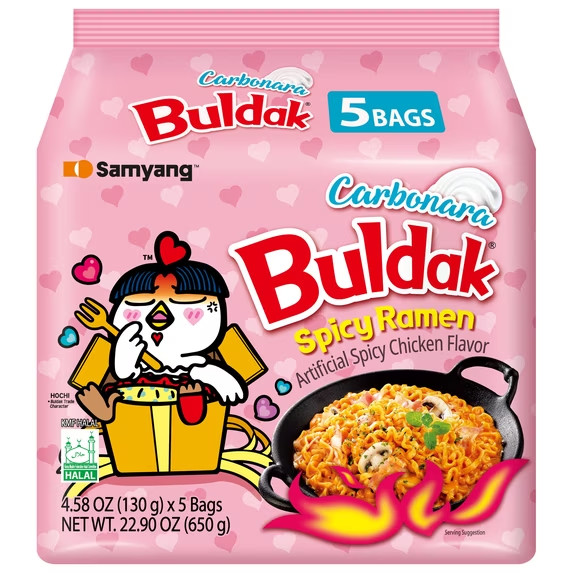 Samyang Buldak Carbonara Spicy Chicken Instant Ramen Noodles, 5 Pack, 4.58 oz Ba$6.91
 View on eBay
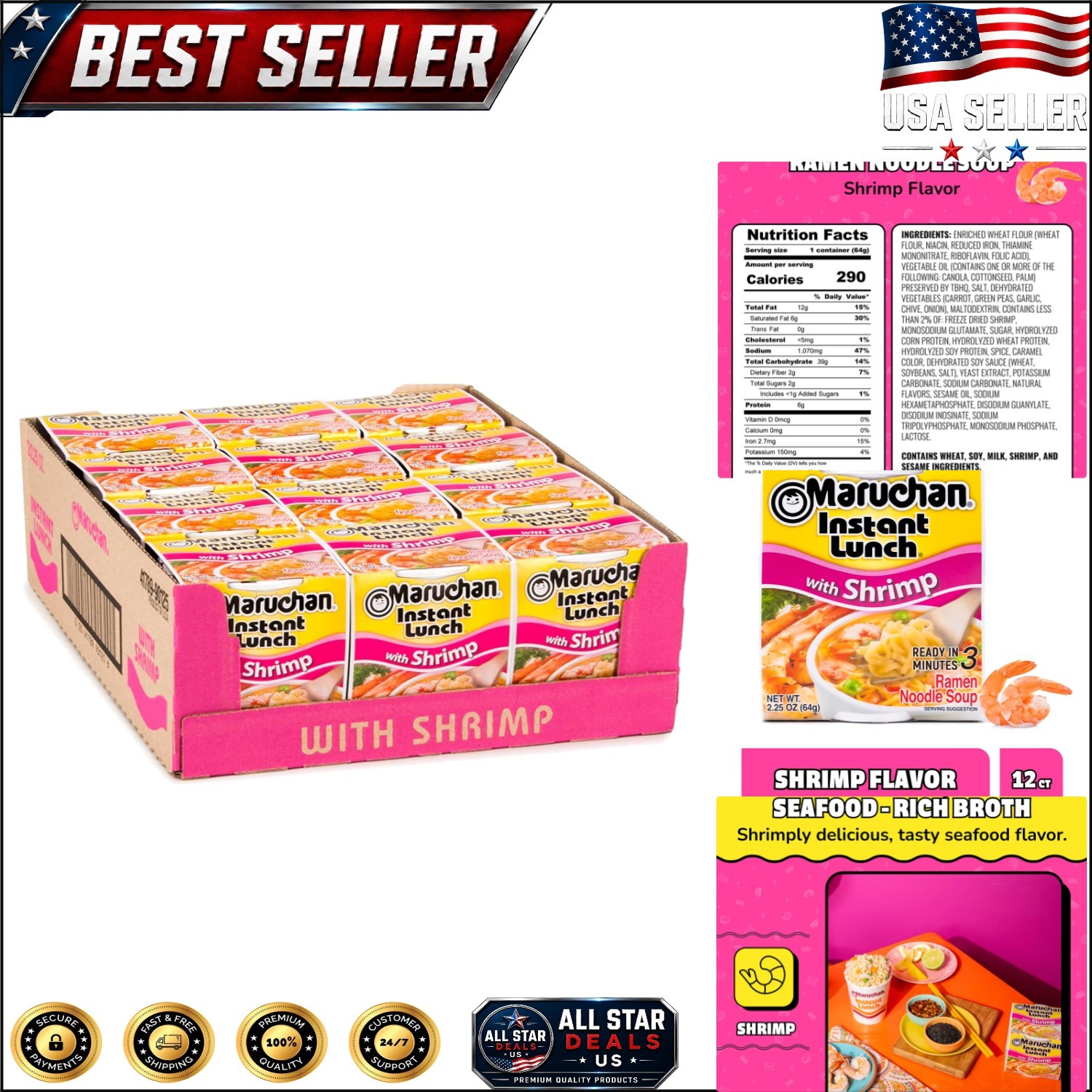 Shrimp Flavor Instant Ramen Noodles – Japanese-Style, 12 Cups – Quick Meal$13.29View on eBay
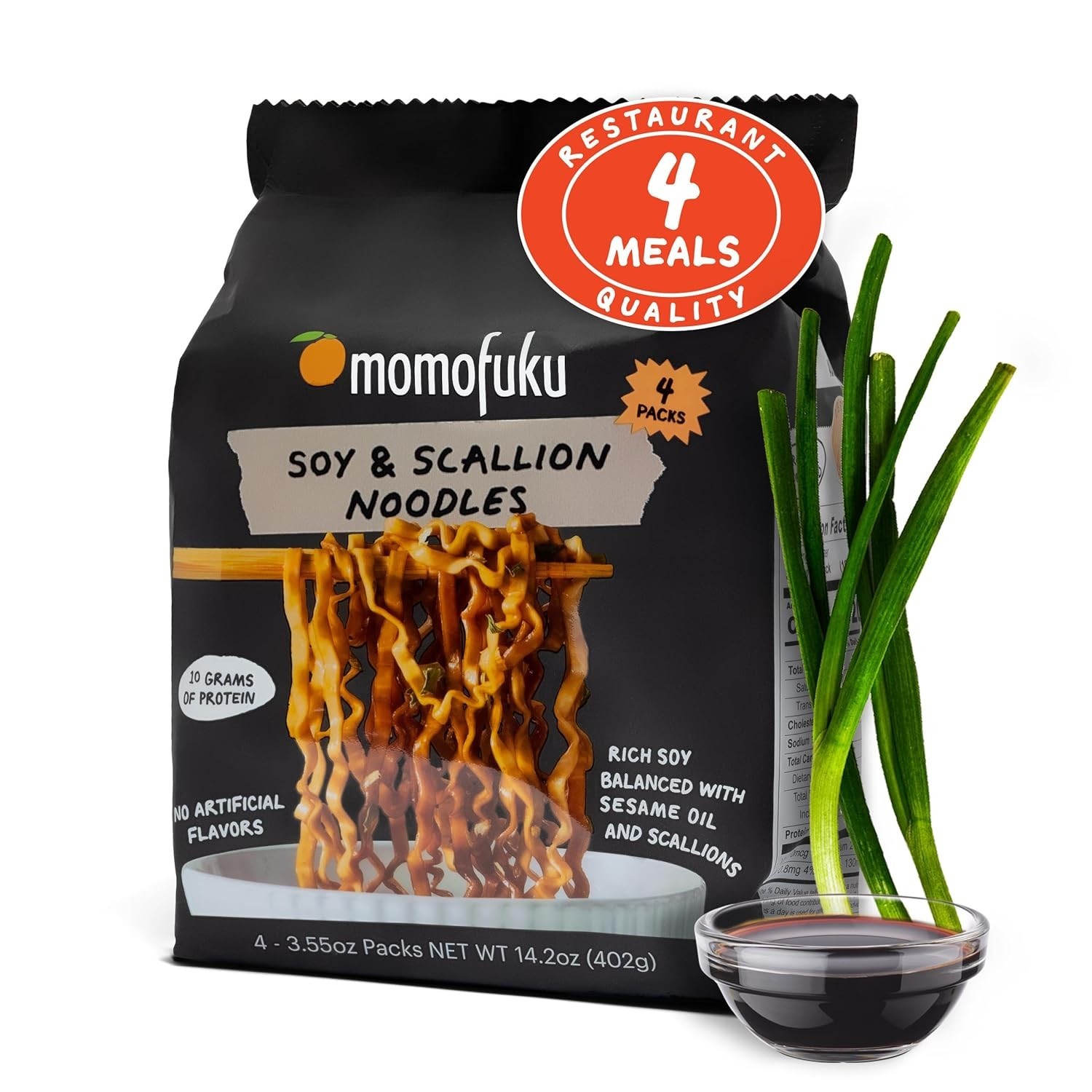 Momofuku Soy & Scallion Instant Ramen Noodles 4 Pack 10g Protein Air Dried$14.29View on eBay
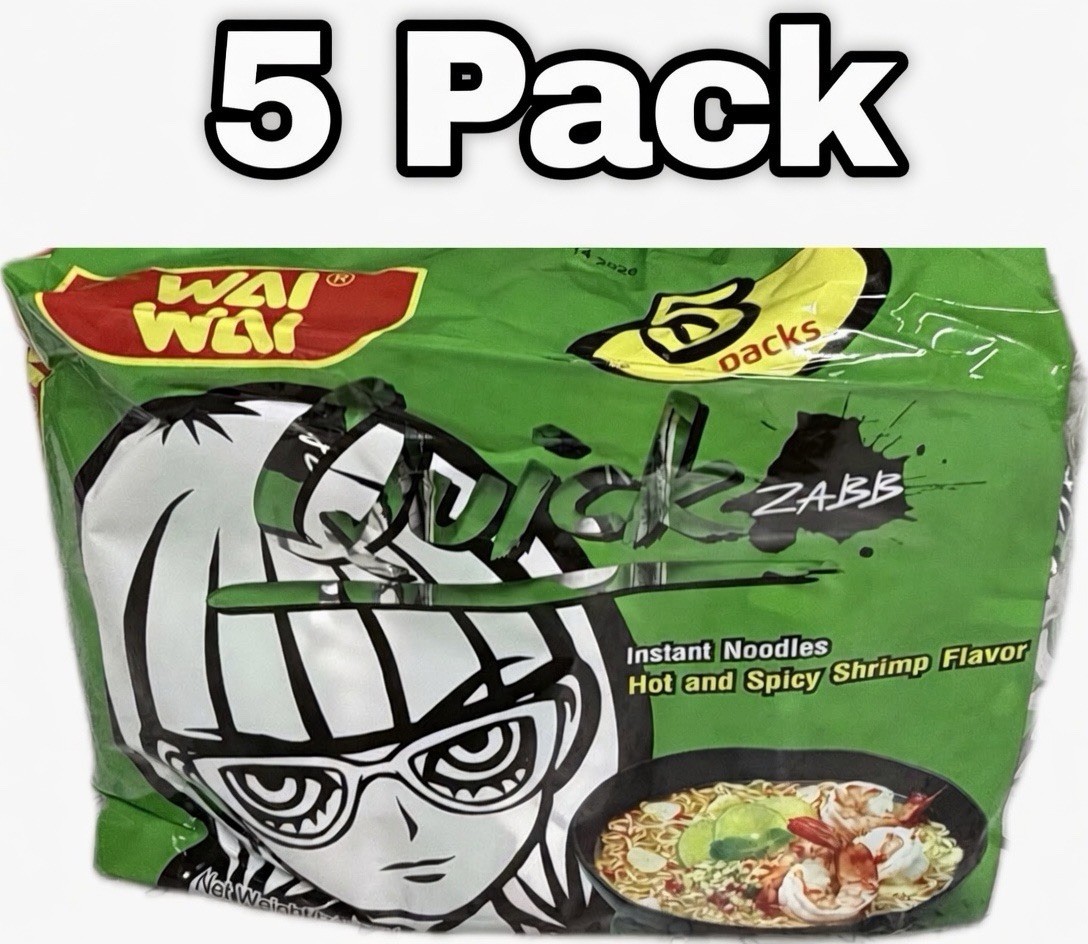 WaiWai Quick Zabb Hot and Spicy Shrimp Instant Ramen Noodle Soup 5 Pack$16.00View on eBay
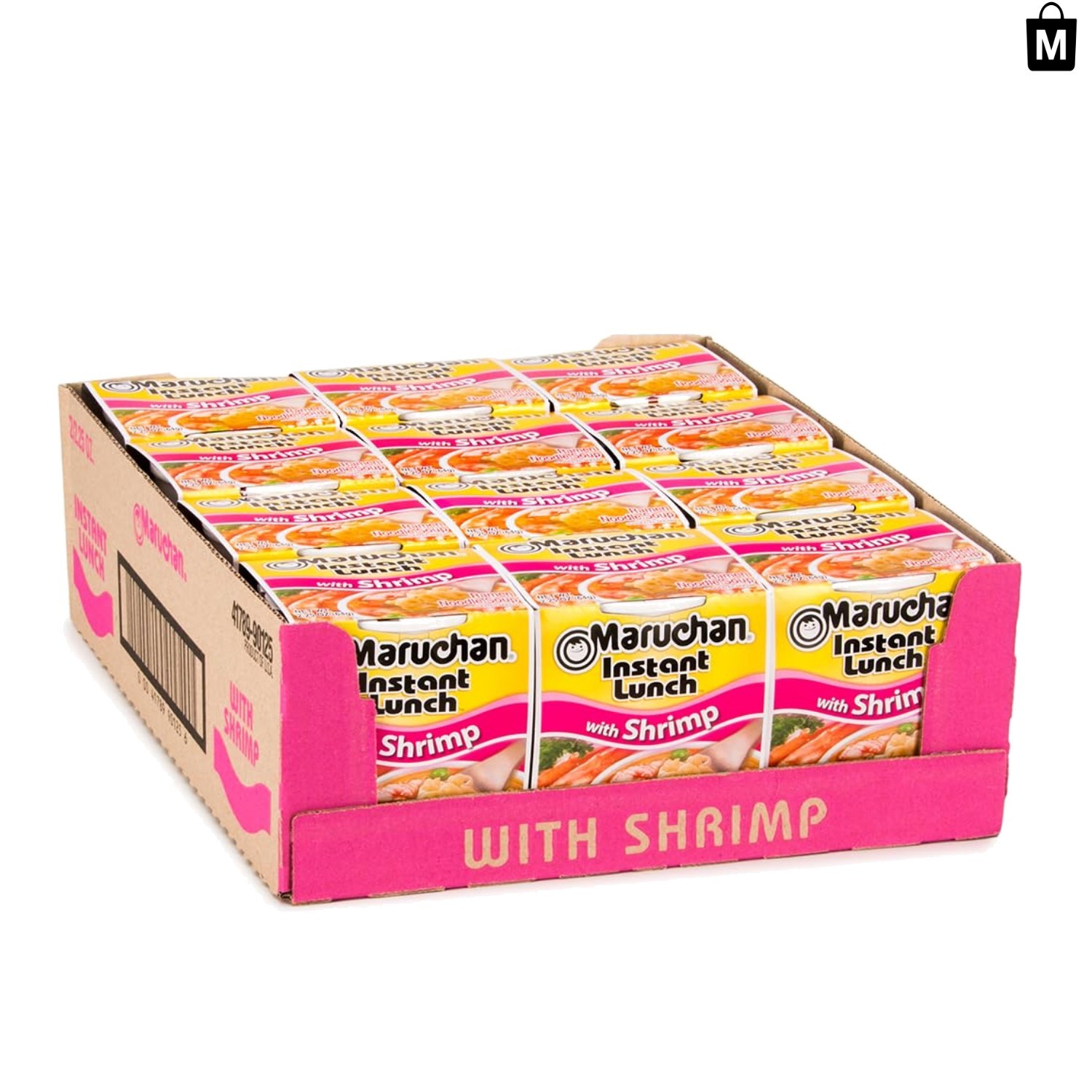 Delicious 12-Pack Instant Ramen Noodles, Shrimp Flavor – Ready-to-Eat Cups!$16.14View on eBay
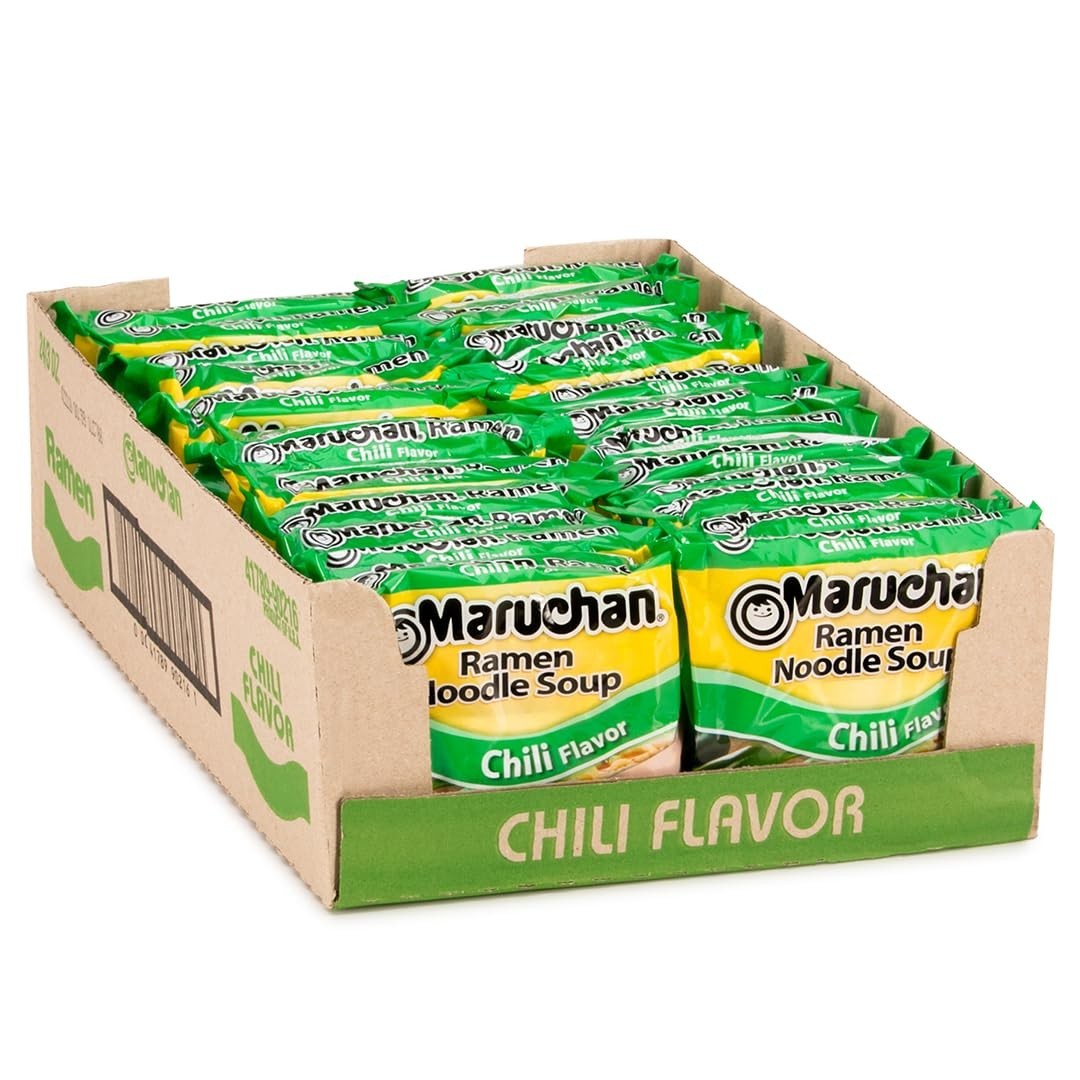 Ramen Chili, Instant Ramen Noodles, Ready to Eat Meals, 3 Oz, 24 Count$19.49View on eBay
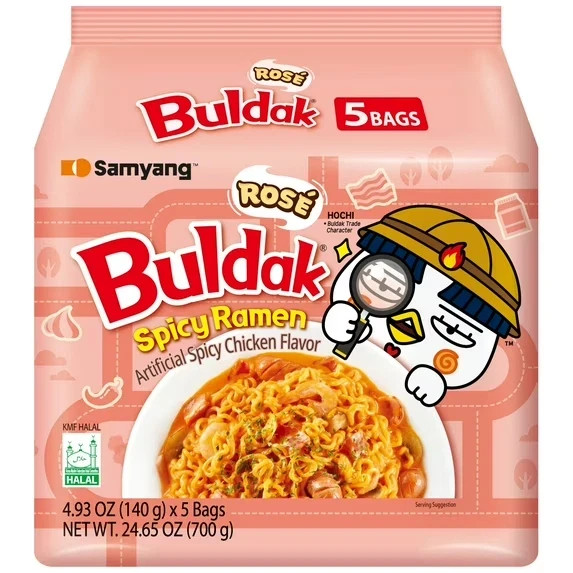 Samyang Buldak Rose Ramen 5-Pack Creamy Spicy Korean Instant Noodles$6.91View on eBay
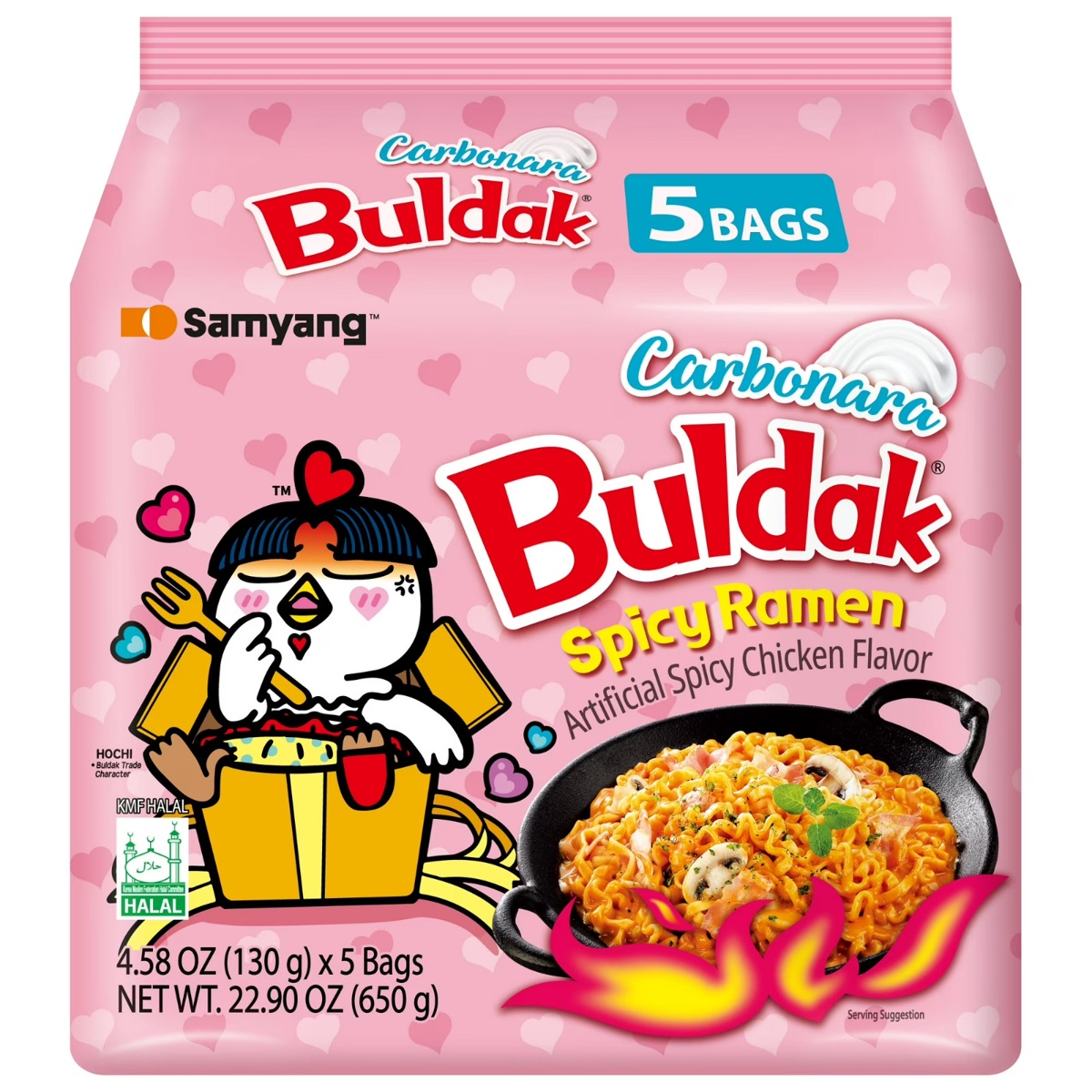 Samyang Buldak Carbonara Spicy Chicken Ramen Noodles 5 Pack Korean Instant$7.12View on eBay
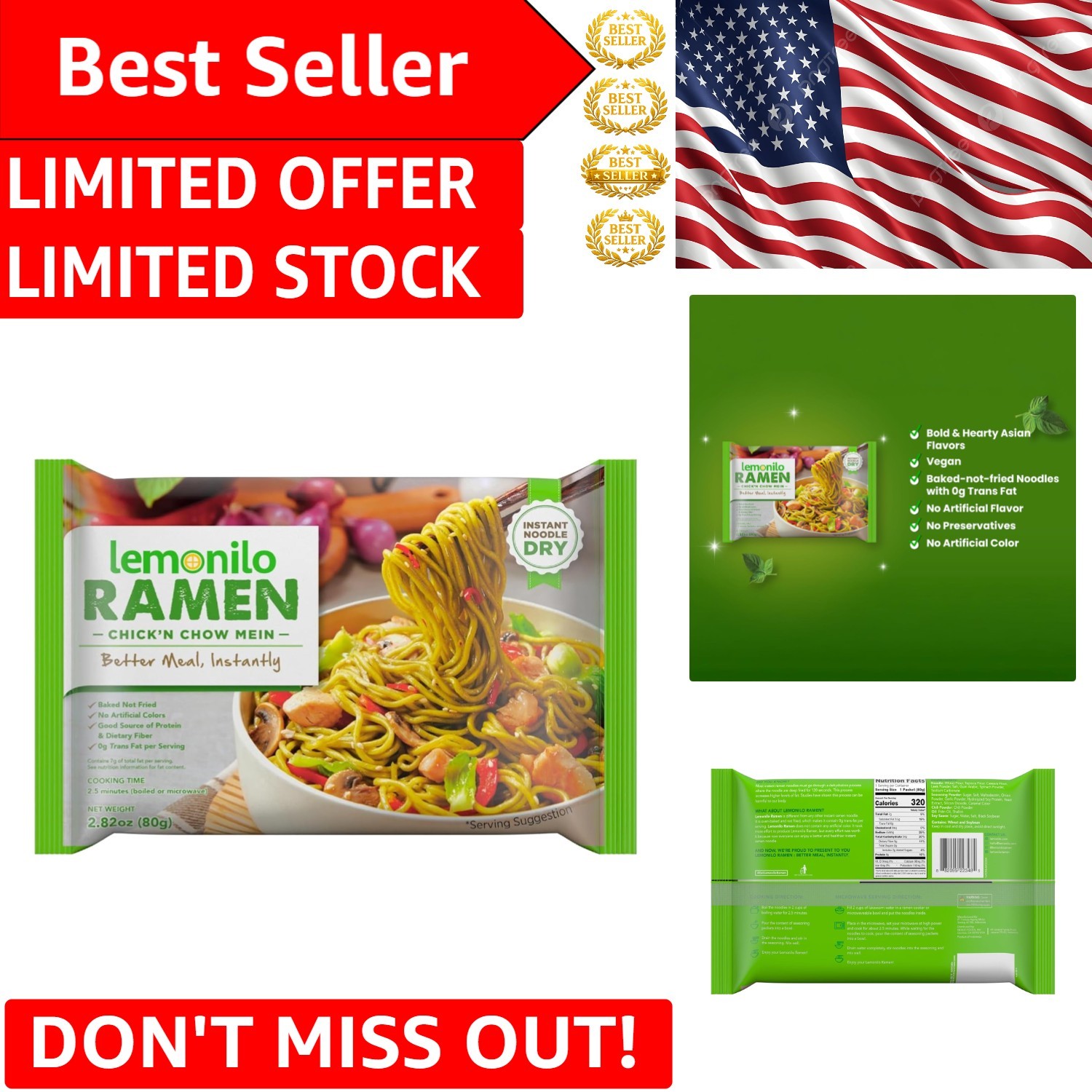 Healthy Instant Ramen with Spinach & Leek - Oven-Baked Chick'n Chow Mein, 2.82oz$11.99View on eBay
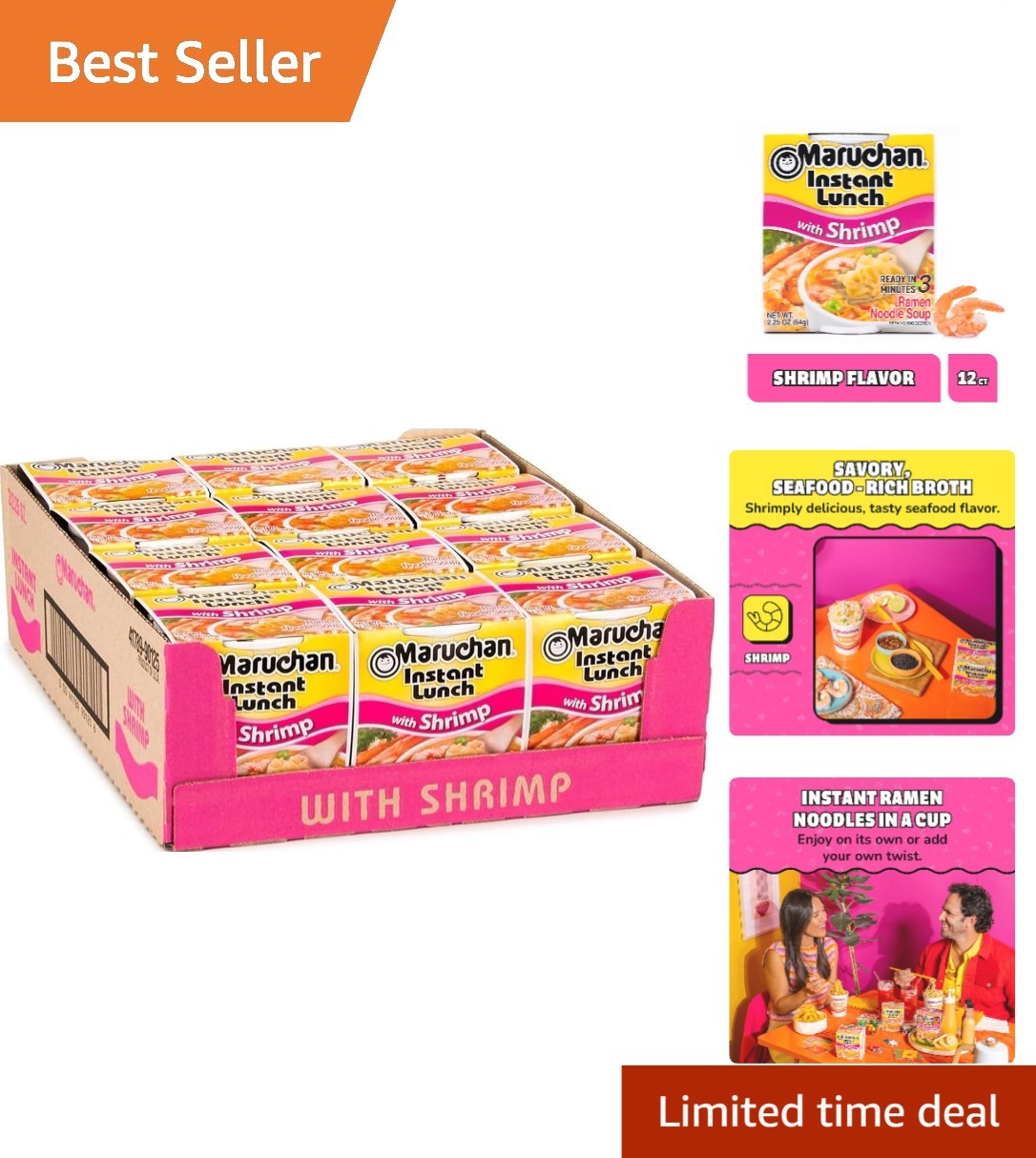 Delicious Instant Lunch Ramen Noodles, Shrimp Flavor – Perfect for Any Occasion$11.99View on eBay
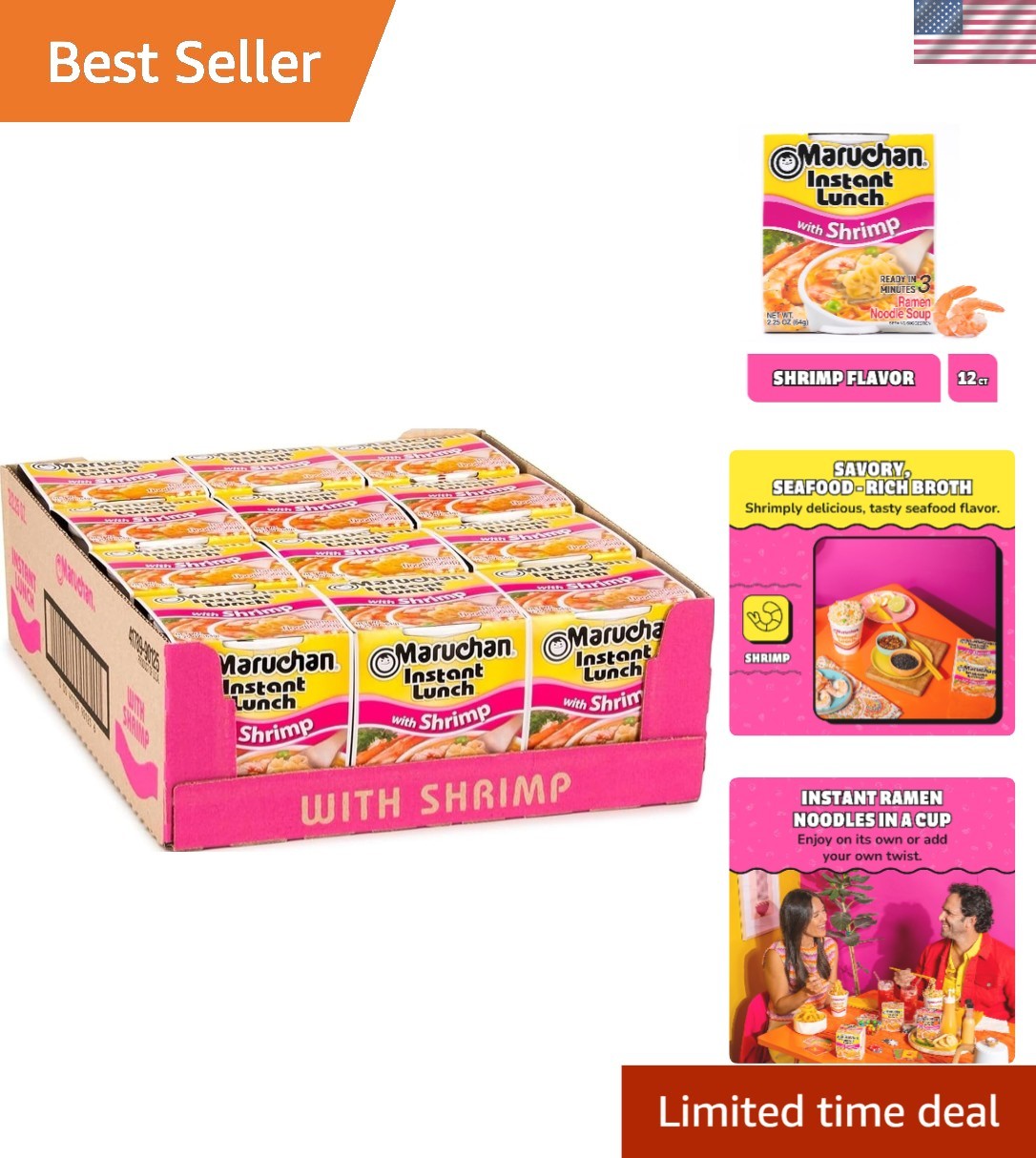 Shrimp Instant Ramen Cups – 12 Pack of Quick and Delicious Japanese Noodles$11.99View on eBay
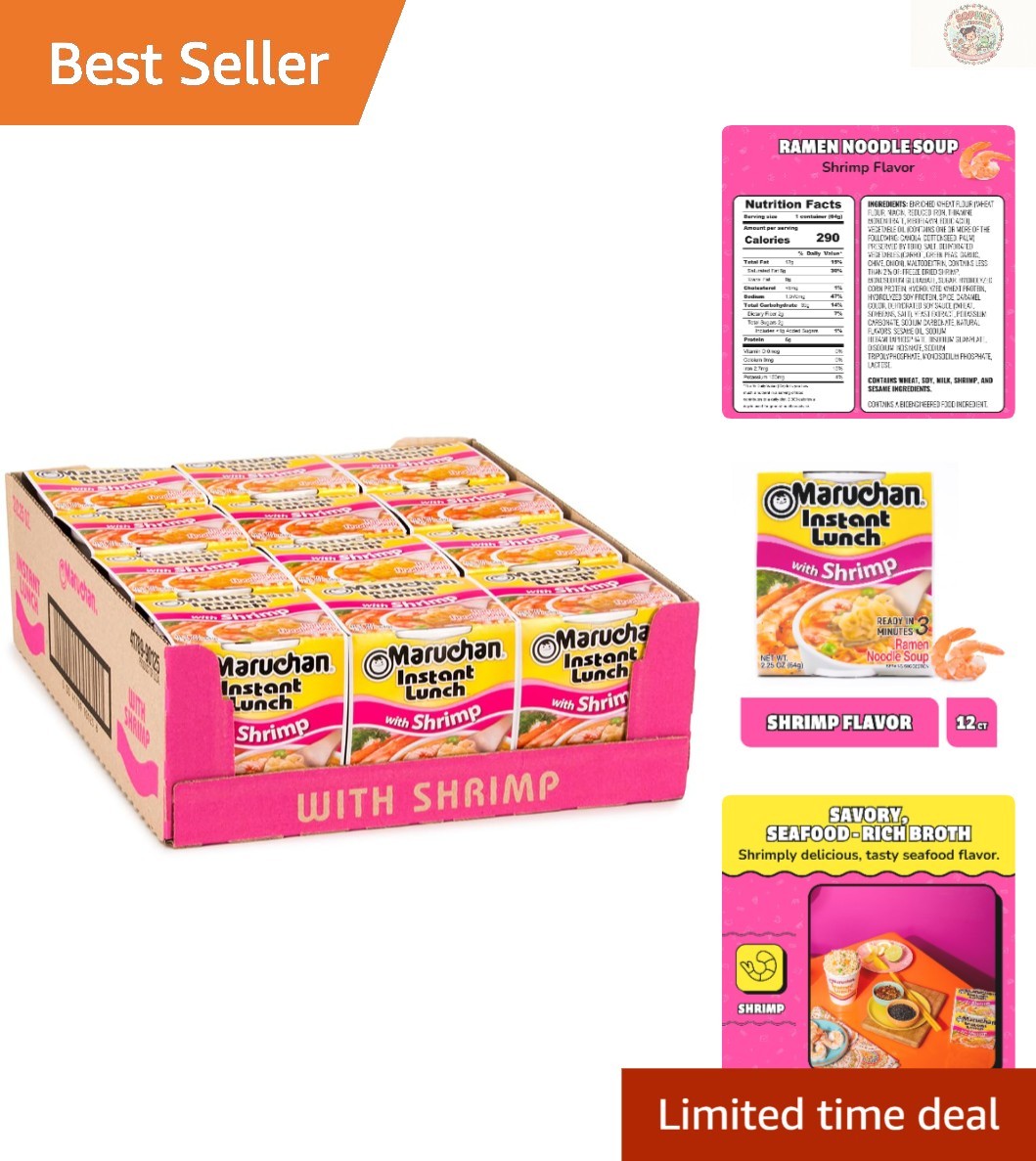 Instant Lunch Shrimp Ramen – 12 Cups of Flavorful Comfort Food, Ready in 3 Min$12.59View on eBay
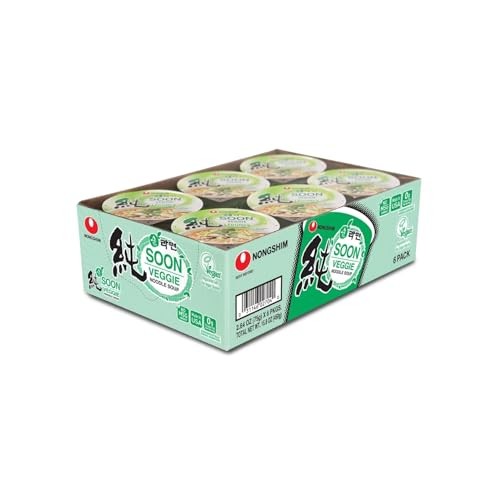 Nongshim Veggie Noodle Soup 6 Pack Vegan Instant Ramen Quick Meal 2.64 Oz$12.79View on eBay
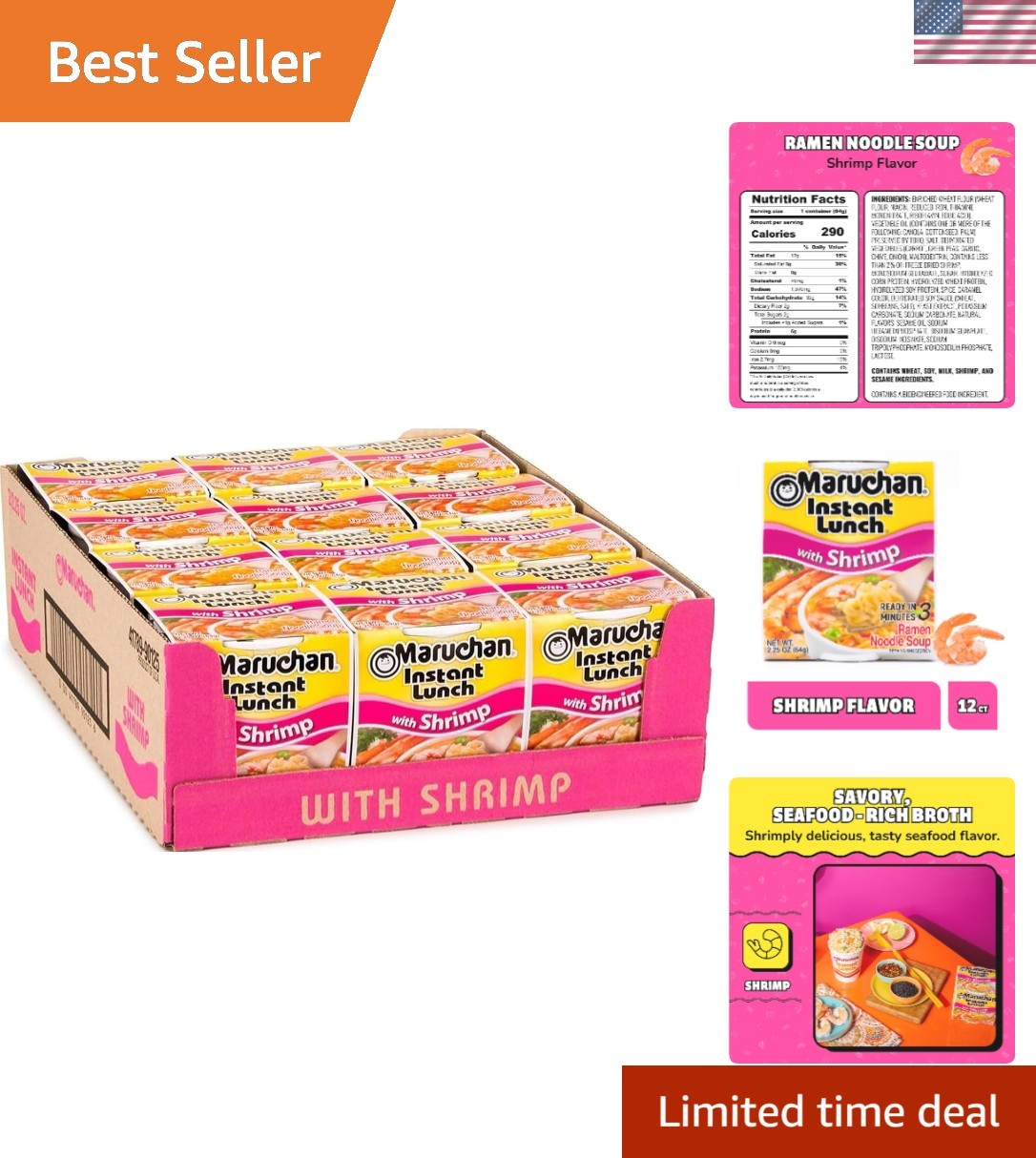 Instant Lunch Shrimp Ramen Noodles - Quick 3-Minute Japanese Soup, 12 Pack$13.99View on eBay
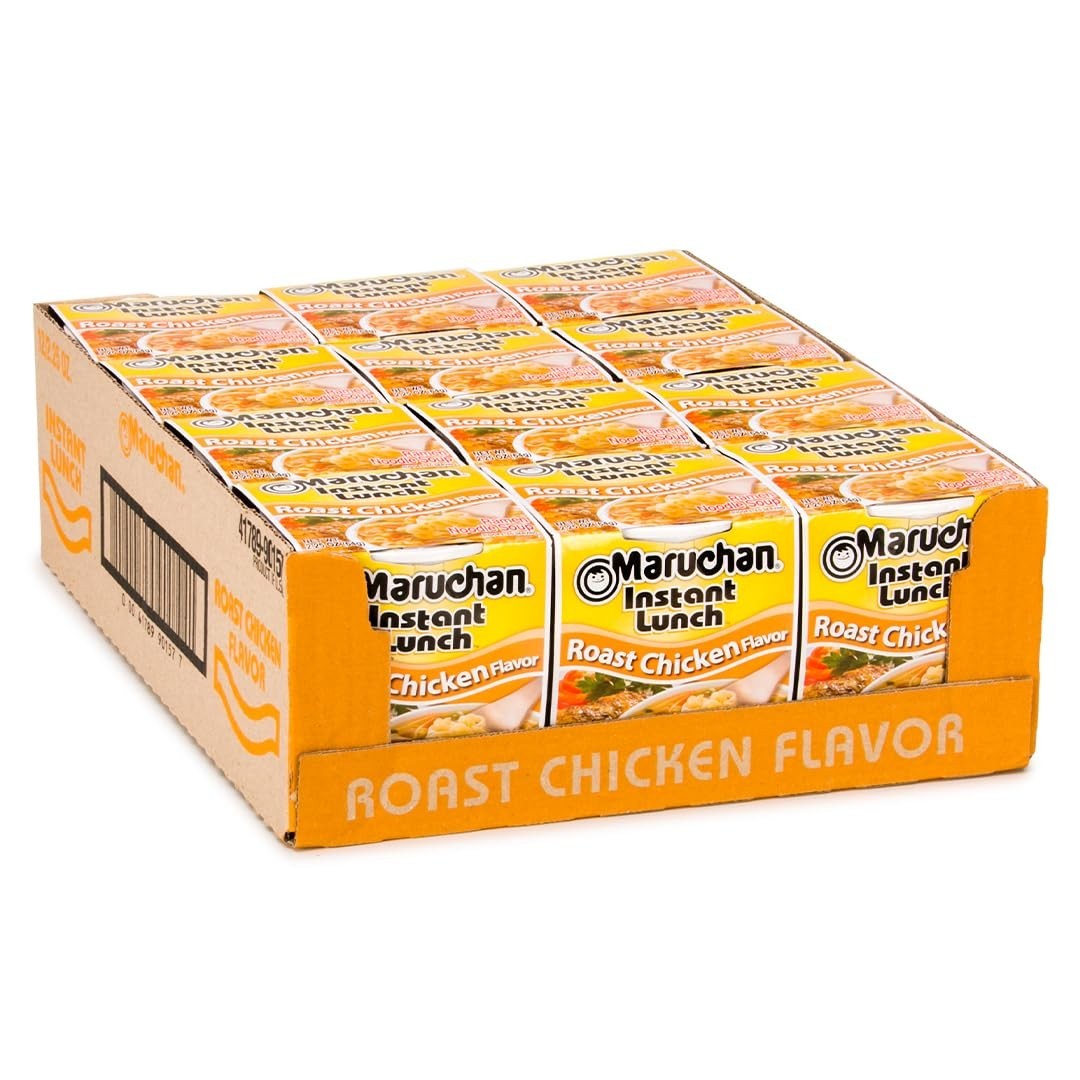 Maruchan Instant Lunch Roast Chicken Ramen Soup Microwaveable 2.25 oz., 12-Pack$18.05View on eBay
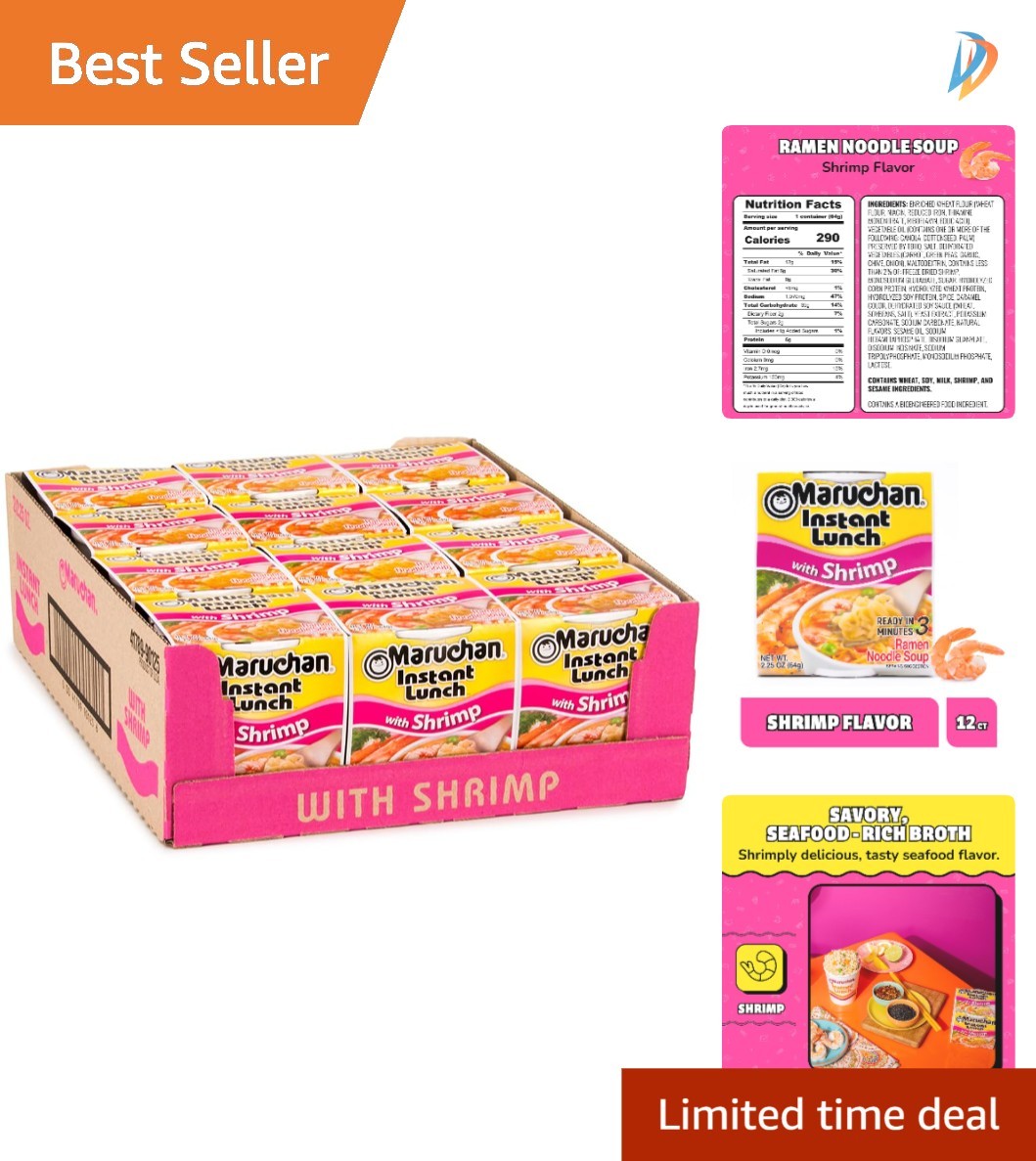 Convenient Instant Lunch Shrimp Ramen – 12 Cups, Perfect for Any Occasion$18.99View on eBay
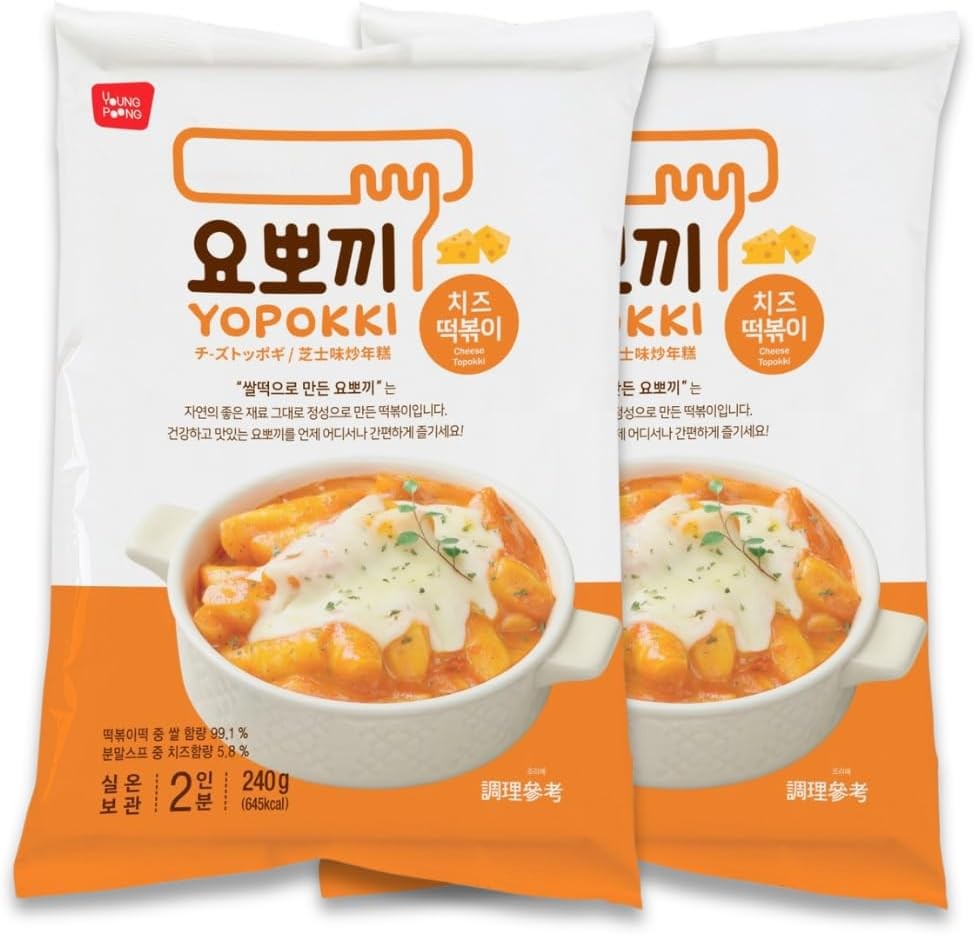 Instant Tteokbokki Rice Cakes Korean, Topokki Pack - Great with Cheese and Ramen$22.38View on eBay
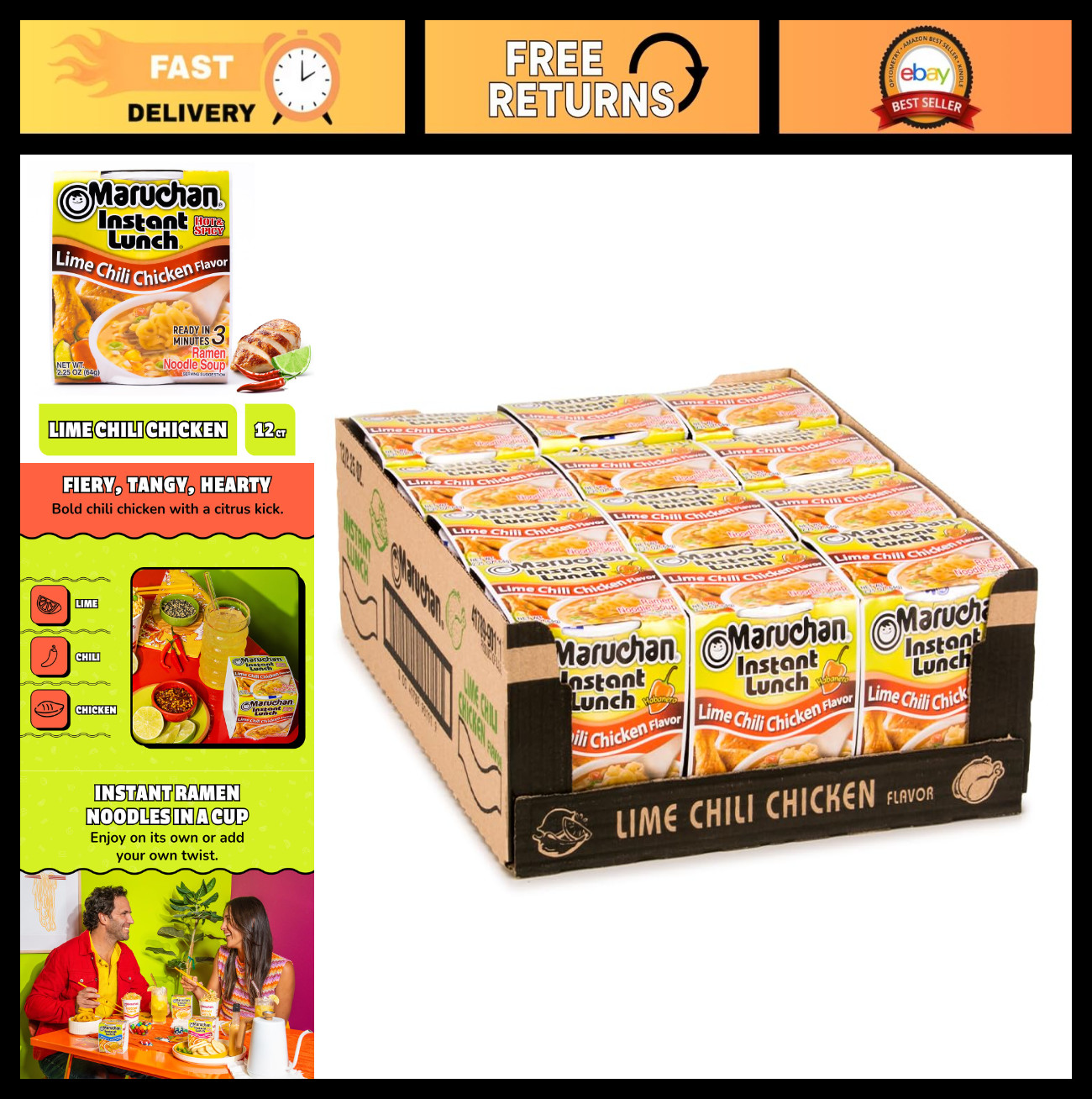 Instant Lunch Ramen Noodles - Lime Chili Chicken Flavor, Quick 3-Minute Meal, 12$33.99View on eBay
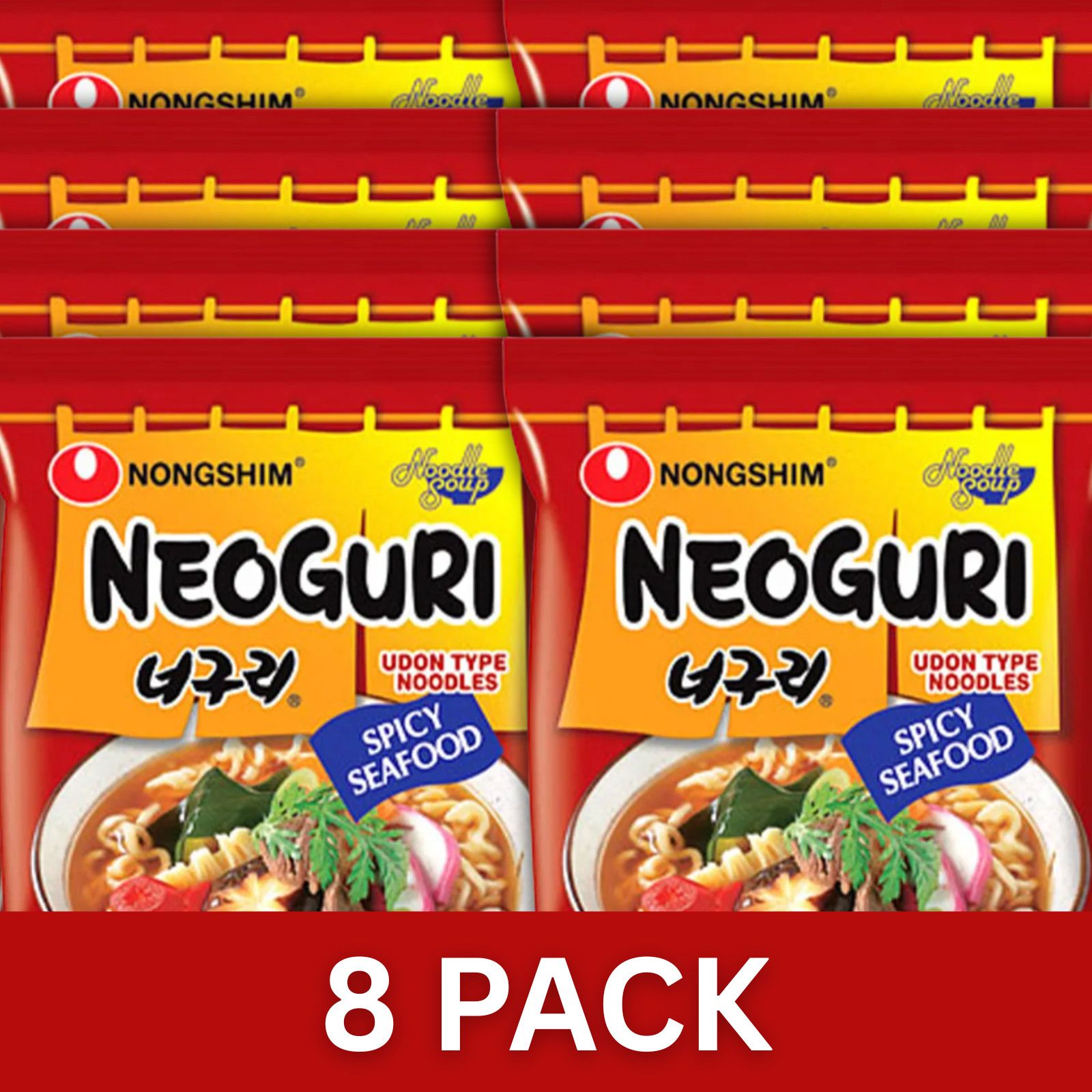 Korean Spicy Seafood Noodles Nongshim Neoguri 8 Packs Korean Instant Ramen$36.50View on eBay
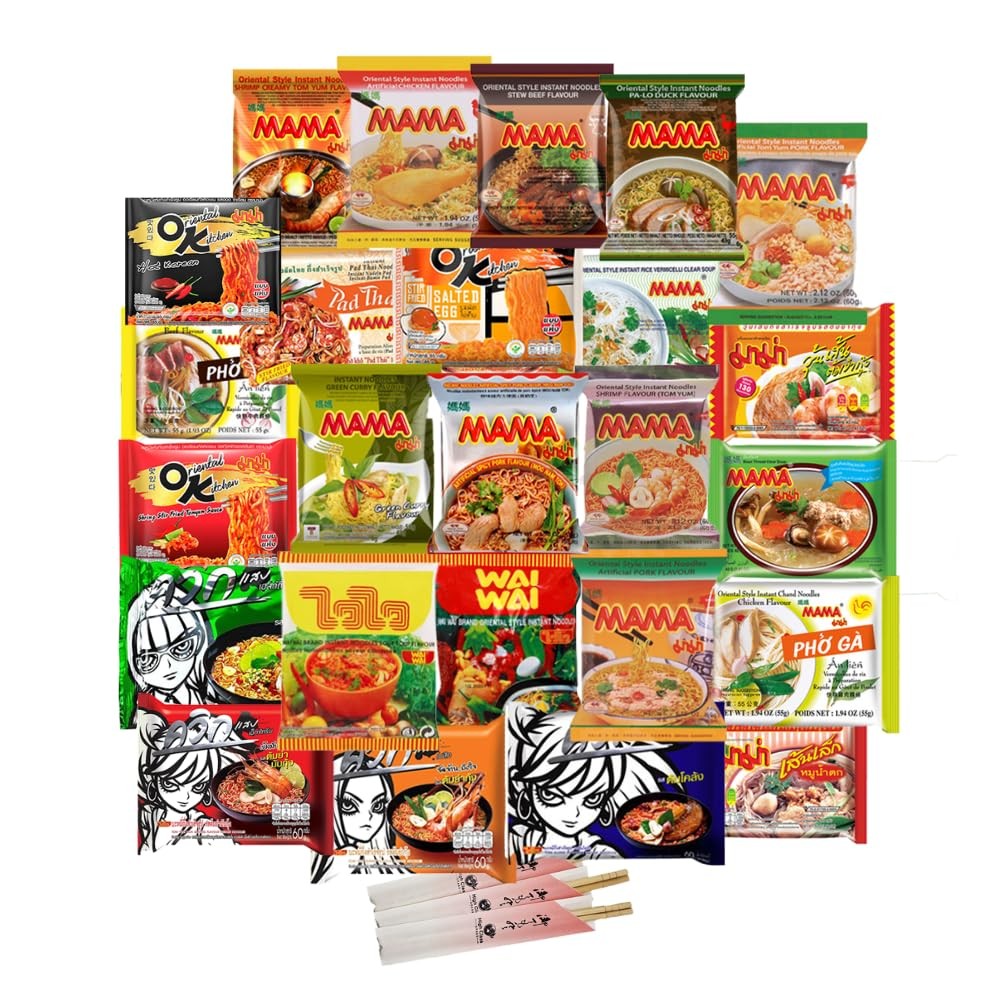 HCG Thai Ramen Noodles Variety Pack with Mama Soup and Wai Wai Quick Instant Noo$47.39View on eBay
Highlights
- Fried blocks are steam-cooked then flash-fried, giving 15-20% fat and rapid 3-minute rehydration but softer bite; air-dried blocks take 4-5 minutes and stay firmer with roughly half the fat.
- Korean Buldak-style packs (Carbonara, Rose) use a two-packet system: a liquid hot-sauce sachet plus a dry cheese/cream powder, so heat level is adjustable only by partial sauce use.
- Cup and carton formats are portioned for 8-10 oz of boiling water and are self-contained; block packs need a 3-4 cup (24-32 oz) bowl and separate kettle or stove.
- Japanese-style shrimp and soy-scallion cups typically use a lighter seafood or shoyu base with lower scoville than Korean fire-chicken lines; check the sauce packet count to predict heat.
Best use cases
- Buy air-dried or oven-baked block packs (Momofuku-style, spinach/leek chow mein) for a firmer noodle and lower fat when you have a stove and a real bowl; skip if you only have a microwave.
- Buy Korean Buldak 5-packs (Carbonara, Rose) when you want adjustable high heat and creamy sauce; skip for kids or low-sodium diets because the sauce sachet carries most of the sodium.
- Buy cup/carton 12-packs for office, dorm, or travel where only hot water is available; skip cups for large appetites because standard cups are 2.5-3 oz and deliver a smaller serving than 4-5 oz block packs.
Buying tips
- Match pack weight to appetite: standard blocks are 3-4.5 oz; Buldak 4.58 oz packs are hearty, while 2.64-3 oz multipacks suit light meals or add-ins.
- Count sauce sachets: one liquid sachet plus one powder sachet means adjustable heat; a single mixed powder means fixed heat you cannot dial back.
- For lower sodium and fat, choose air-dried or oven-baked noodles and use half the soup base; fried blocks plus full seasoning can exceed 1,500 mg sodium per serving.
- Check the pack count math: 5-pack Korean imports suit trial and variety, while 12-24 count cups or blocks lower per-meal cost for daily eaters.
Specs
| Noodle Process | Flash-fried vs air-dried vs oven-baked |
|---|---|
| Pack Format | Block pack vs cup vs carton |
| Heat Level | Mild shoyu/shrimp to fire-chicken hot |
| Serving Size | 2.6-4.6 oz per portion |
Related searches
What to check before buying
- Confirm you have a 24-32 oz bowl and a kettle or stove for block packs; cups need only a kettle and 8-10 oz water.
- Verify your microwave is not required: most block packs are stovetop or kettle-only, while some cups are microwave-safe.
- Check sodium per serving against your daily limit; sauce-heavy Korean lines run high, so plan to use partial seasoning.
- Confirm storage space for 12-24 count cartons; cup packs are bulky and crush-prone, so a shelf or bin with headroom matters.
FAQ
Data sources: eBay / Amazon listings and product attribute feeds Data updated Nov 18, 2026.
Some links on this page are affiliate links. If you buy after clicking one, we may earn a commission at no extra cost to you. This does not change which products appear here or their order. Affiliate disclosure.