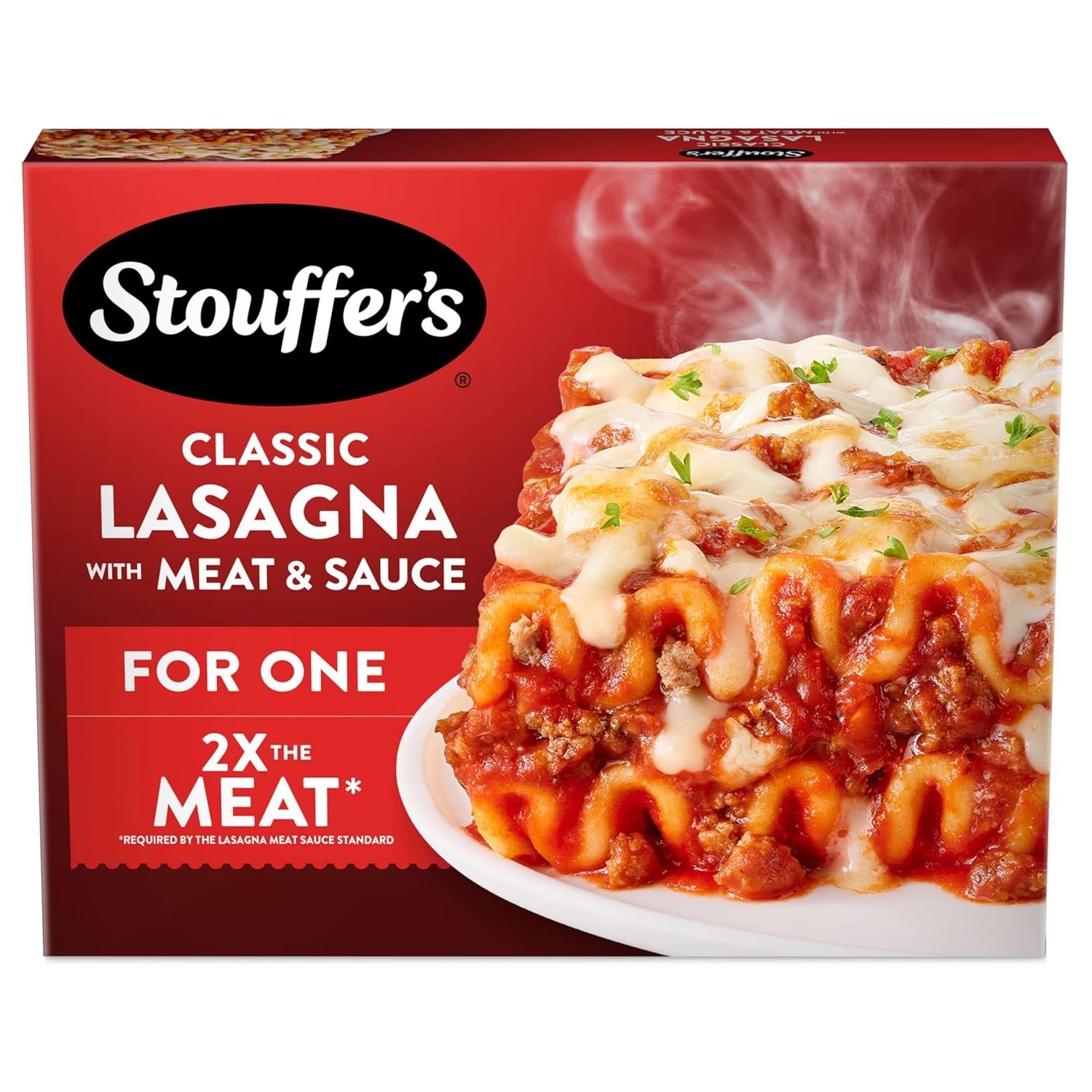

Photos from current listings. Actual item, color, and included accessories may vary.
Frozen Meal Buying Guide
Frozen meals are single-serve or multi-serve entrees preserved by freezing, with the main trade-off being convenience and shelf life versus sodium, texture, and protein density. Durable choices are meals frozen at peak freshness with clean ingredient lists and adequate protein, while compromises rely on heavy sodium, fillers, and breading to mask low-quality meat.


At a glance
- Category
- Ready Meals, Canned Food & Baking
- Data updated
- Nov 18, 2026
Current offers
Highlights
- Single-serve frozen meals typically range 9-11 oz; multi-serve family packs run 2-6 lb and require a 400°F oven or 165°F microwave internal temp.
- Protein content separates tiers: budget meals deliver 10-15g, premium meals 20-30g per serving, directly tied to meat-to-filler ratio.
- Sodium in mainstream frozen meals often hits 600-1,000mg per serving; low-sodium tiers stay under 500mg and suit cardiac or senior diets.
- Dehydrated meals are shelf-stable and lightweight for emergency or camping use, but require boiling water and lack the texture of frozen ready-to-eat entrees.
Best use cases
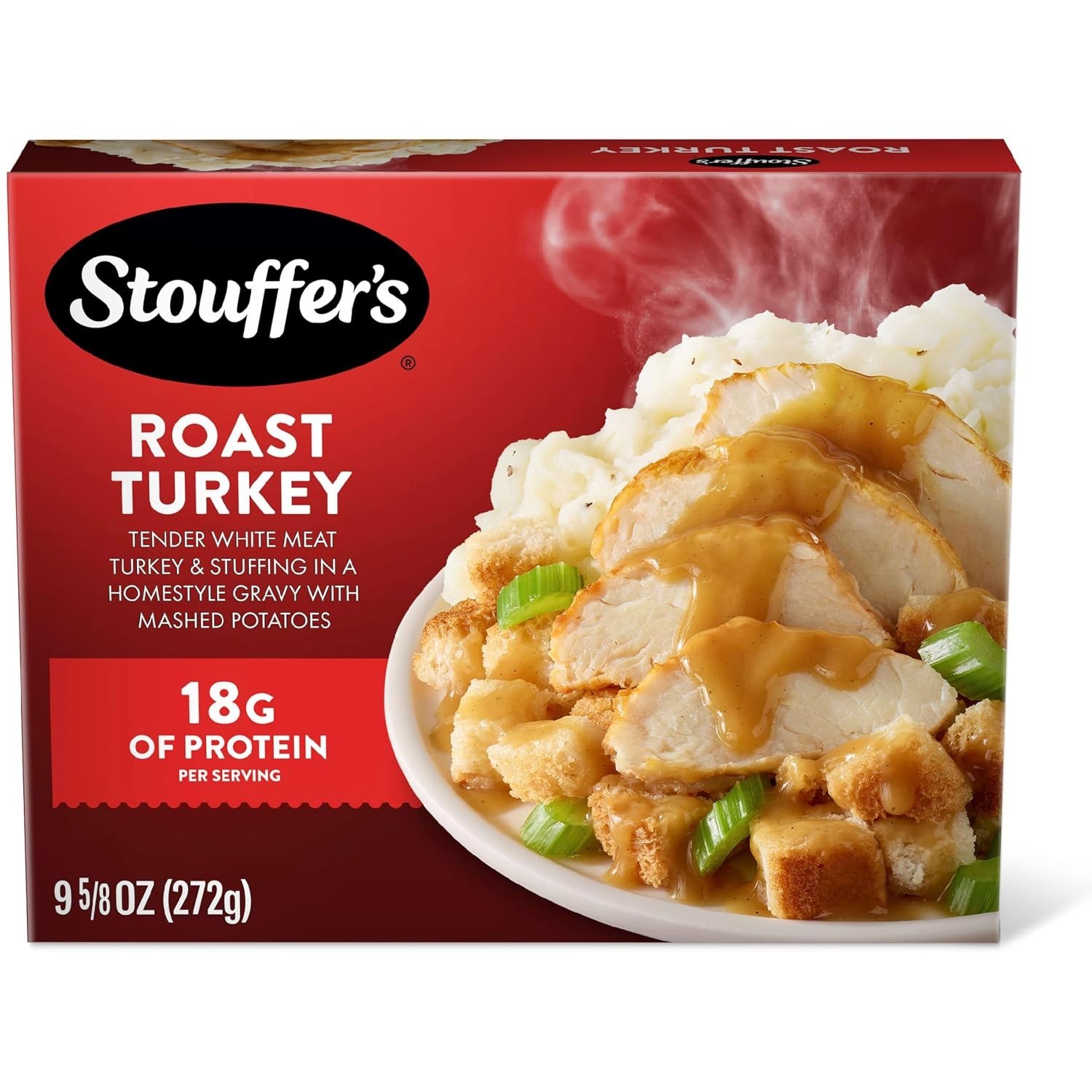
- Best for seniors or limited-mobility shoppers: choose single-serve 9-11 oz frozen meals with 20g+ protein and under 500mg sodium that microwave in 4-6 minutes.
- Best for families or meal prep: buy multi-serve frozen lasagna or casserole trays (2-6 lb) and portion after baking; skip single-serve cups that cost more per ounce.
- Best for emergency or camping kits: pick dehydrated ready-to-eat pouches with 2+ year shelf life; skip frozen meals that require uninterrupted freezer storage.
- Wrong fit: anyone without reliable freezer space or a microwave should avoid frozen single-serve meals and choose shelf-stable canned or dehydrated options instead.
Buying tips
- Match meal weight to appetite: 9-11 oz single-serve suits one adult; 16-20 oz suits hearty appetites or two light eaters.
- Check protein per 100 calories: 8g+ indicates meat-forward quality; under 5g usually signals starch and breading fillers.
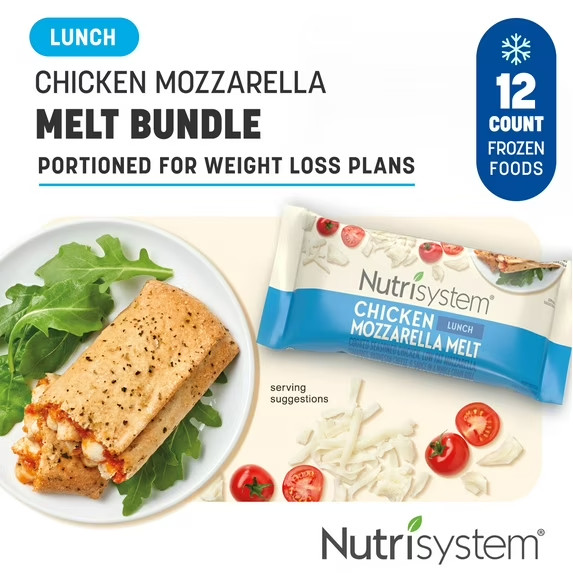
- For senior diets, cap sodium at 500mg per serving and favor soft-texture meals like turkey with gravy or lasagna over crusty melts.
- Multi-serve trays need oven-safe or microwave-safe packaging; verify tray depth fits your microwave turntable before buying family packs.
Specs
| Meal Format | Single-serve 9-11 oz / Multi-serve 2-6 lb |
|---|---|
| Protein Tier | Budget 10-15g / Premium 20-30g |
| Sodium Level | Standard 600-1,000mg / Low under 500mg |
| Preservation Type | Frozen ready-to-eat / Dehydrated shelf-stable |
Related searches
What to check before buying
- Measure freezer shelf height and depth: single-serve meals need 2-3 inches, family trays need 9x13-inch clearance.
- Confirm microwave wattage and turntable diameter: most 10-11 oz meals require a 10-inch turntable and 1,000W for even heating.
- Check voltage and plug standard for any countertop appliance used alongside meals; US 120V only.
- For senior or restricted diets, verify sodium, protein, and texture on the nutrition panel before committing to a multi-pack.
FAQ
Data sources: eBay / Amazon listings and product attribute feeds Data updated Nov 18, 2026.
Some links on this page are affiliate links. If you buy after clicking one, we may earn a commission at no extra cost to you. This does not change which products appear here or their order. Affiliate disclosure.