Photos from current listings. Actual item, color, and included accessories may vary.
Cup Ramen Buying Guide
Cup ramen is a shelf-stable instant noodle meal built around flash-fried or air-dried noodles and a concentrated seasoning base, where the core trade-off is convenience and cost versus sodium load, noodle texture, and broth depth. Durable, better-tasting cups use air-dried or non-fried noodles with separated seasoning packets, while budget cups rely on fried noodle blocks and a single powder sachet. The decision rule: choose cups with a noodle weight of 2.0 oz or more and a broth base listing real meat or miso first, and skip anything under 1.8 oz or with sodium above 1,200 mg per cup unless you control the seasoning.


At a glance
- Category
- Ready Meals, Canned Food & Baking
- Data updated
- Nov 18, 2026
Current offers
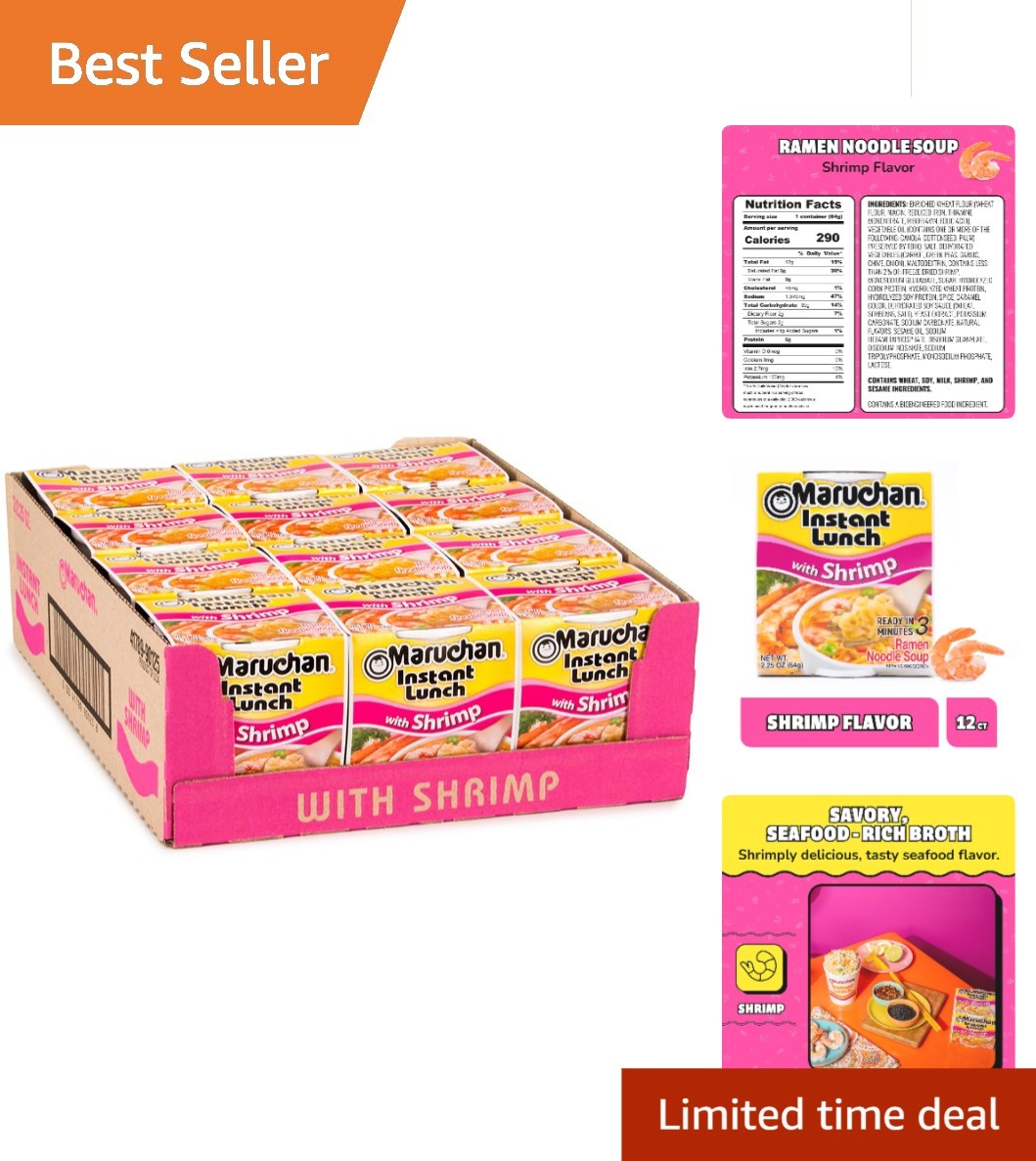 Delicious Instant Ramen Cups – Shrimp Flavor, Ready in 3 Minutes, 12-Pack$11.99
 View on eBay
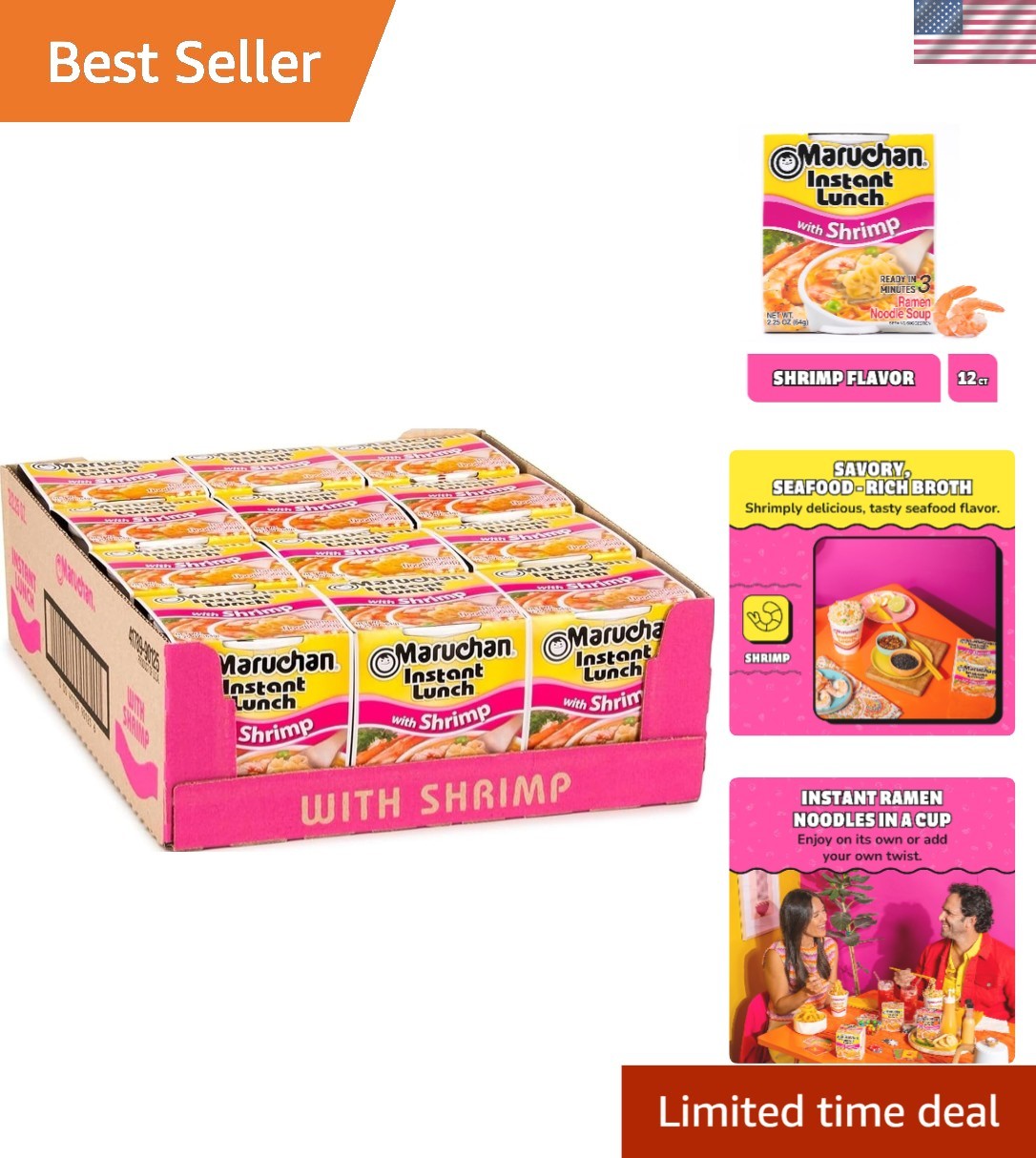 Shrimp Instant Ramen Cups – 12 Pack of Quick and Delicious Japanese Noodles$11.99View on eBay
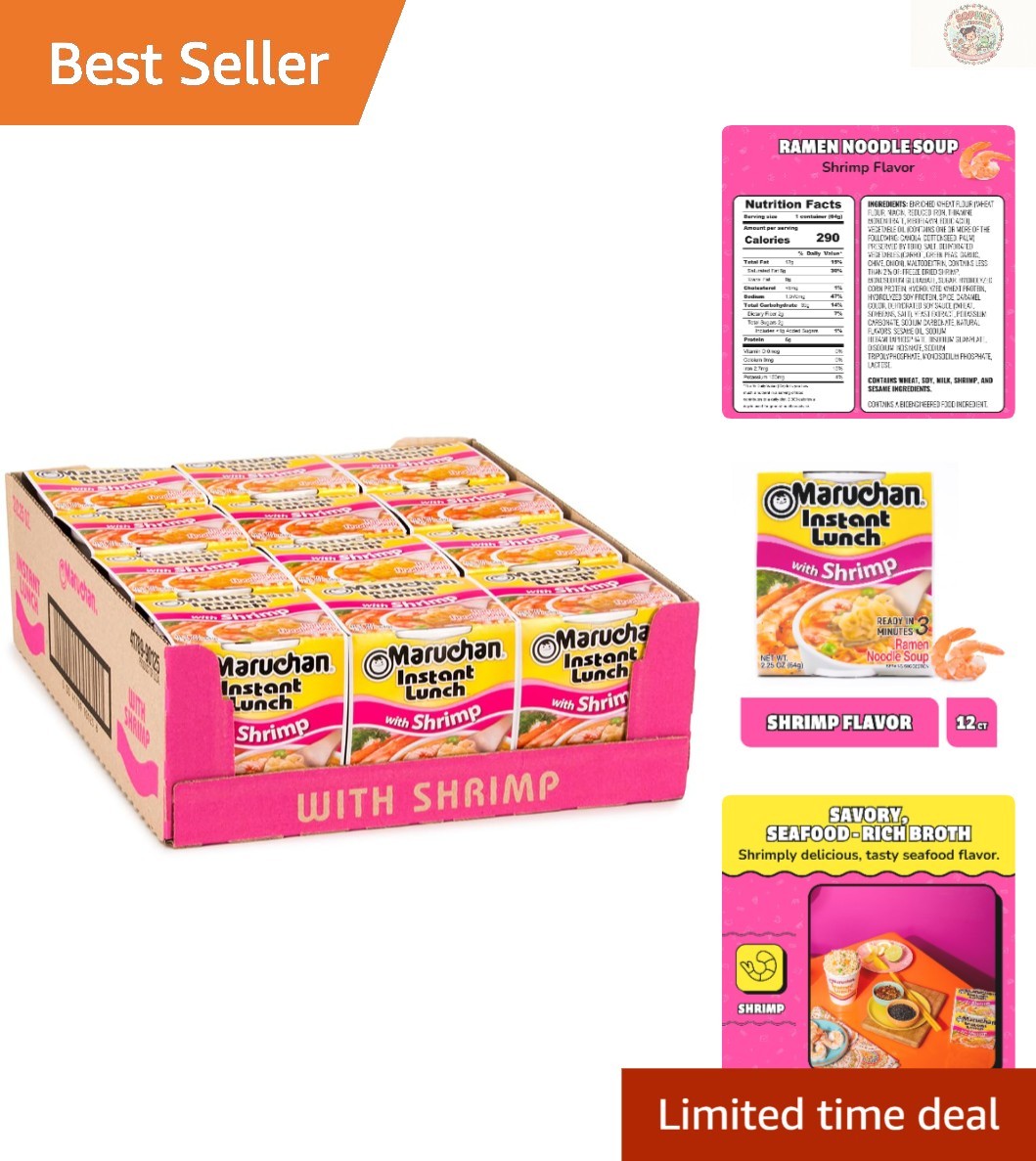 Instant Lunch Shrimp Ramen – 12 Cups of Flavorful Comfort Food, Ready in 3 Min$12.59View on eBay
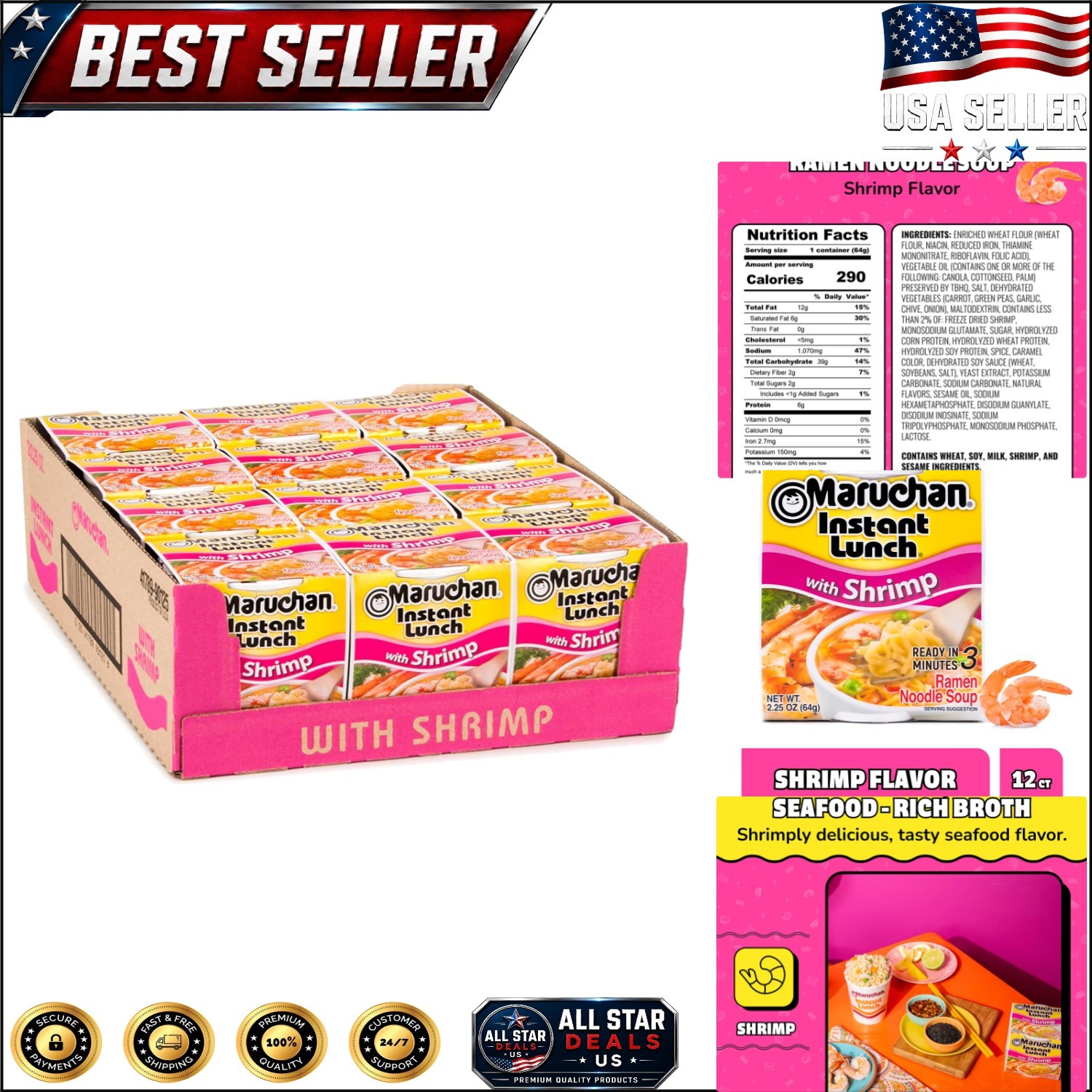 Shrimp Flavor Instant Ramen Noodles – Japanese-Style, 12 Cups – Quick Meal$13.29View on eBay
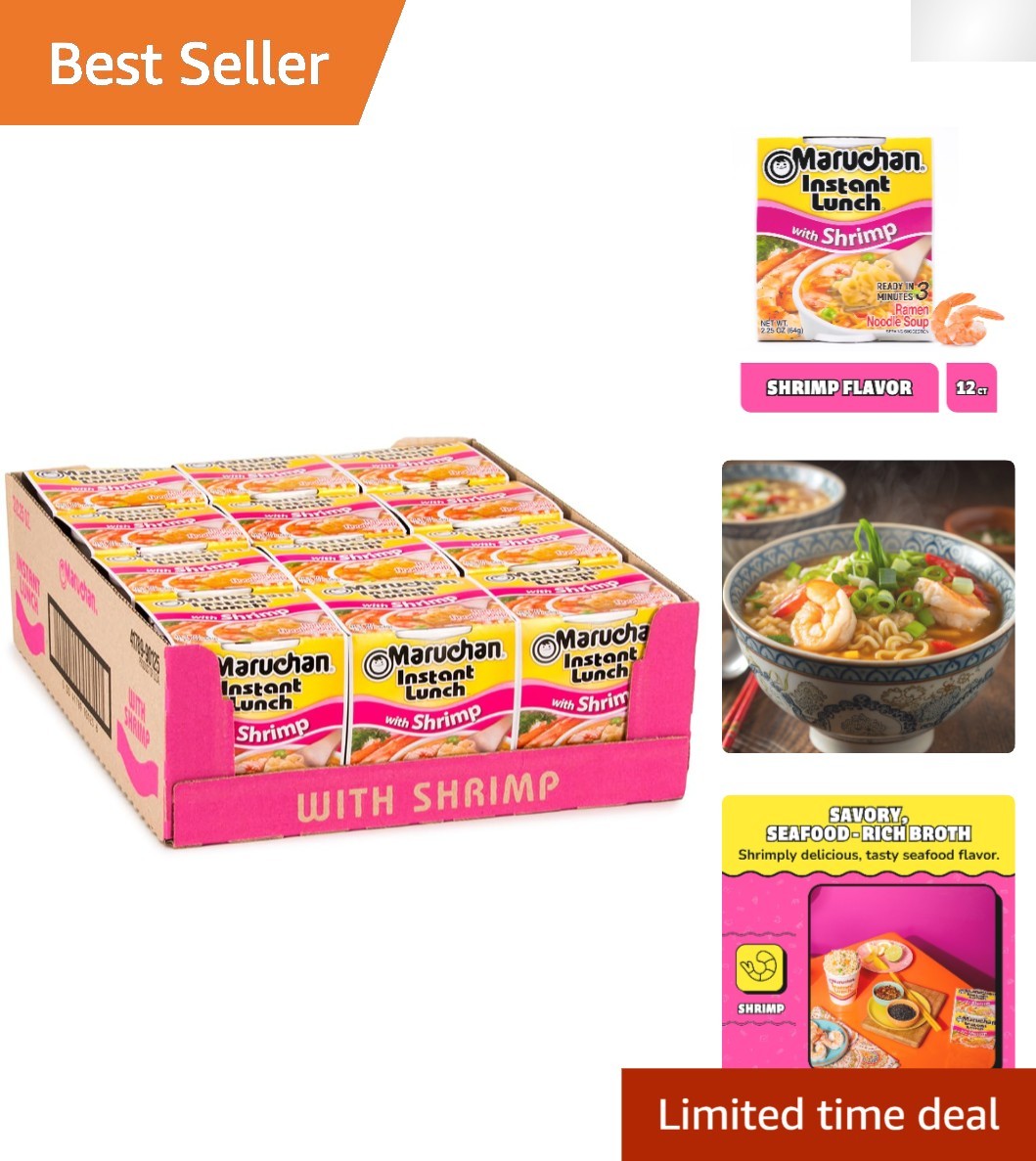 Quick and Delicious Shrimp Ramen Cups - Family Favorite, 12-Pack (2.25 oz Each)$14.99View on eBay
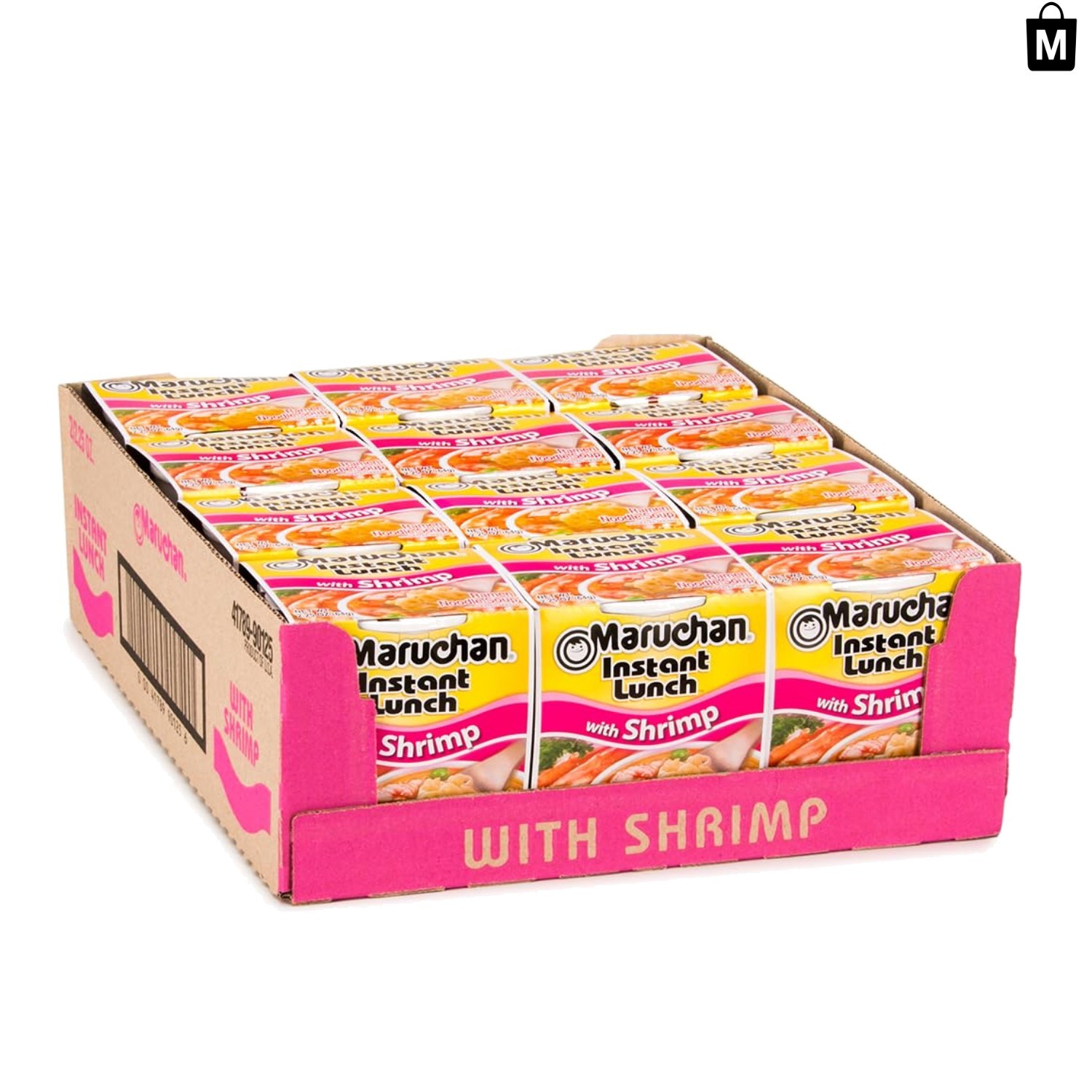 Delicious 12-Pack Instant Ramen Noodles, Shrimp Flavor – Ready-to-Eat Cups!$16.14View on eBay
- Delicious Instant Ramen Cups – Shrimp Flavor, Ready in 3 Minutes, 12-Pack$17.99View on eBay
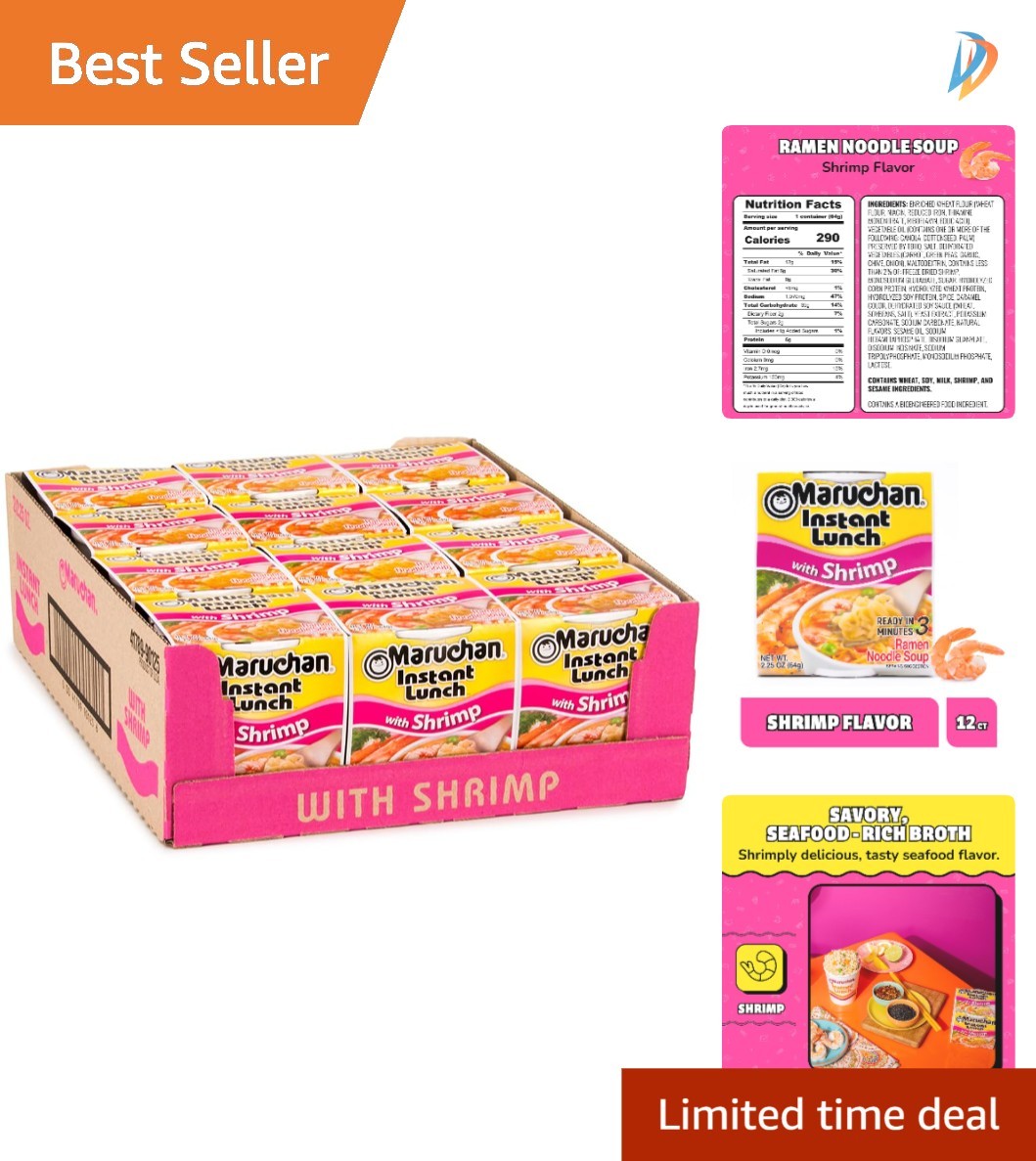 Convenient Instant Lunch Shrimp Ramen – 12 Cups, Perfect for Any Occasion$18.99View on eBay
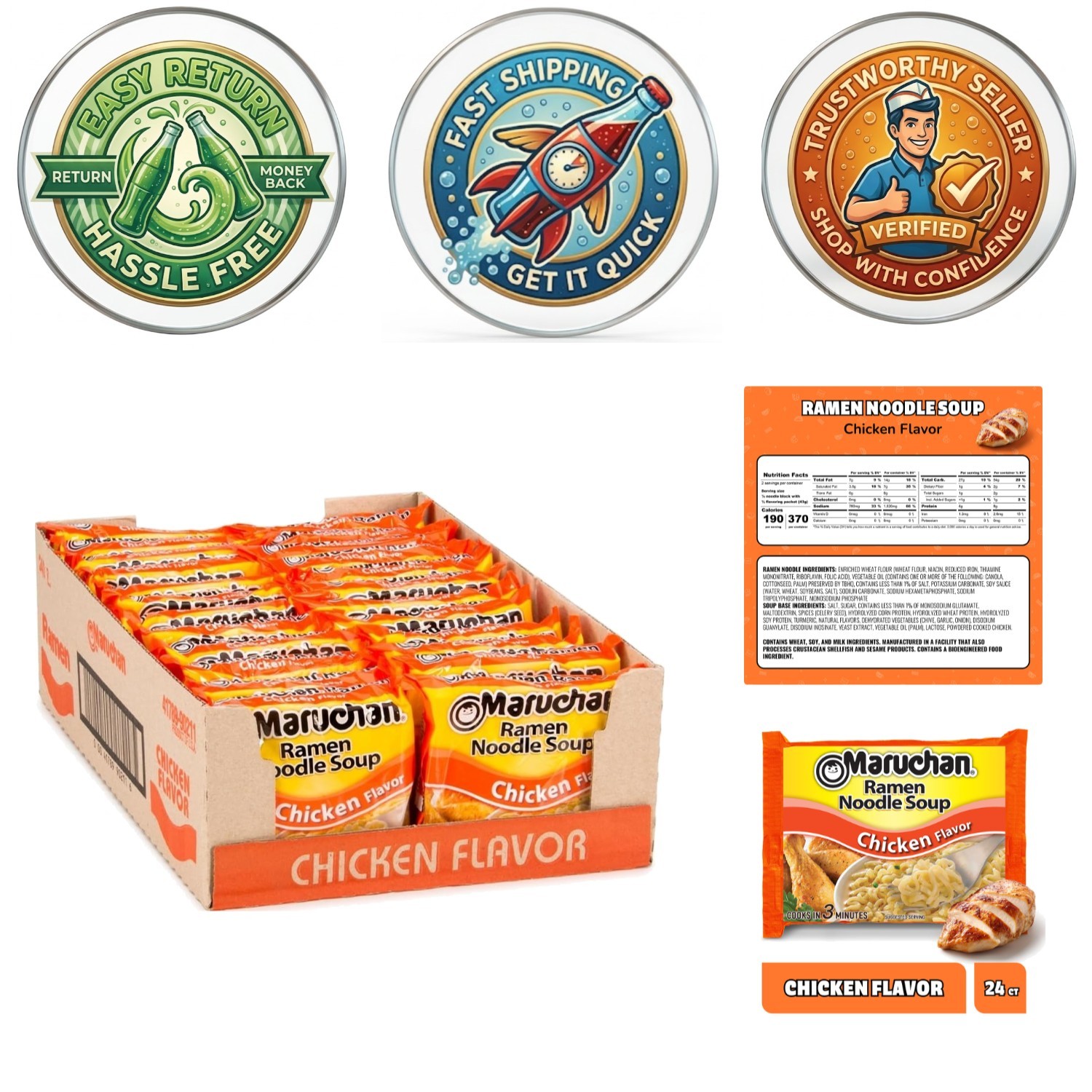 24-Pack Instant Chicken Ramen Cups – Perfect for Hungry Minds and Busy Lives$19.99View on eBay
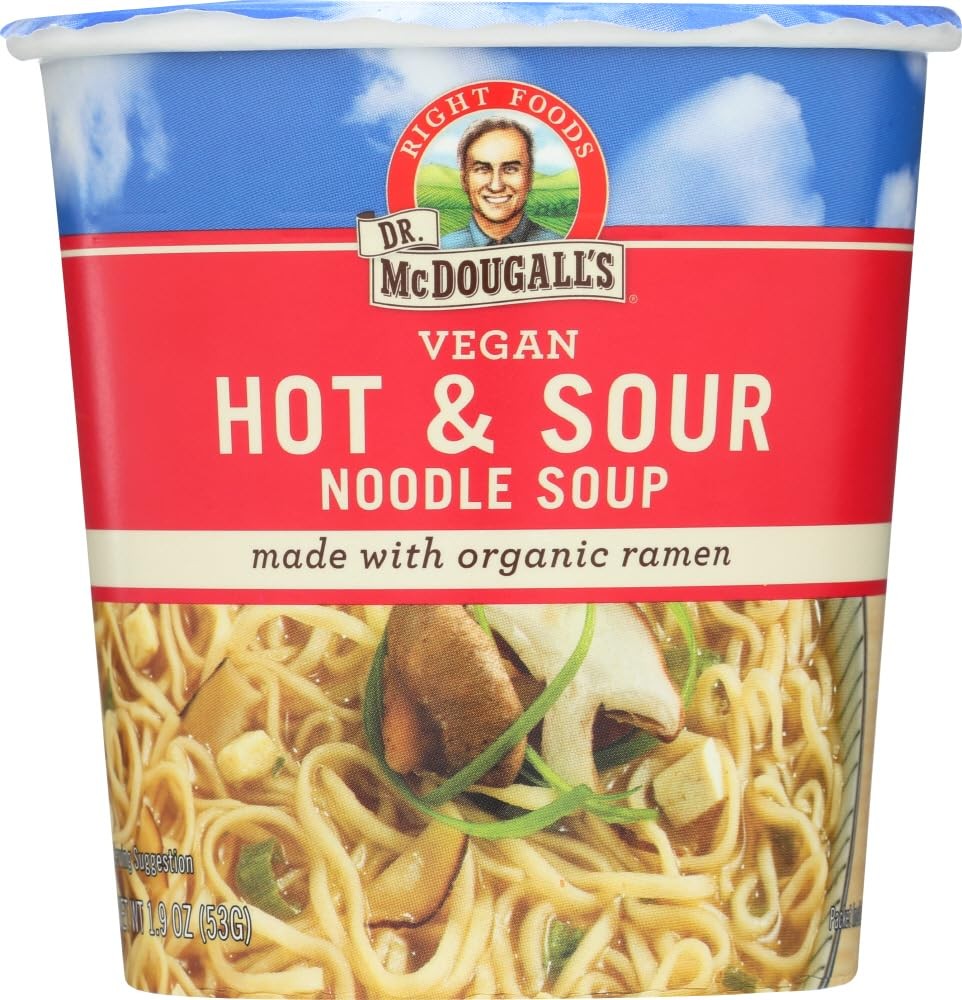 Dr. McDougall's Right Foods Hot & Sour Vegan Ramen Noodle Cups 1.9 Ounce 6 Pack$30.79View on eBay
 6x80g INSTANT NOODLES MAMEE DAEBAK IN CUP SPICY CHICKEN KOREA GHOST PEPPER$60.00View on eBay
Highlights
- Noodle weight drives satiety: cups under 1.8 oz are snack-tier, 2.0–2.5 oz is a light meal, and 3.0 oz and up needs added protein or vegetables.
- Fried vs air-dried noodles: fried blocks rehydrate in 3 minutes but carry 7–9 g fat per cup; air-dried and non-fried cups need 4–5 minutes but cut fat by half.
- Seasoning format matters: separate soup base and oil packets give fresher broth; single powder sachets are saltier and flatter but shelf-stable longer.
- Sodium per cup ranges from about 800 mg in low-sodium vegan cups to over 1,600 mg in standard tonkotsu-style cups, so compare labels per cup not per pack.
Best use cases
- Best for office or dorm lunches: pick 2.0–2.5 oz shrimp or chicken cups in 12-packs with separate seasoning packets; skip 1.9 oz vegan cups if you need a filling meal without additions.
- Best for camping or emergency kits: choose fried noodle cups with single sachets and a 12-month-plus shelf life; skip air-dried premium cups that crush easily and cost more per serving.
- Best for low-sodium or plant-based diets: pick vegan cups like Dr. McDougall's at 1.9 oz with tamari-based broth; skip standard tonkotsu and shrimp cups that exceed 1,400 mg sodium.
Buying tips
- Match cup size to meal role: 1.8–2.0 oz for snacks, 2.25–2.5 oz for lunch, 3.0 oz and up for dinner with added egg or vegetables.
- Choose cups with a separate oil or soup base packet for better broth mouthfeel; single-powder cups taste saltier and thinner.
- For lower fat, select air-dried or non-fried noodles; for fastest prep, fried blocks hydrate in 3 minutes versus 4–5 minutes for air-dried.
- Buy 12-packs for pantry rotation and 6-packs for first-time flavor trials; cup ramen shelf life is typically 6–12 months, so check the pack date.
Specs
| Noodle Weight | 1.8–3.0 oz per cup |
|---|---|
| Noodle Type | Fried vs air-dried / non-fried |
| Seasoning Format | Separate packets vs single powder |
| Sodium Level | 800–1,600 mg per cup |
Related searches
What to check before buying
- Confirm you have a kettle or microwave safe to 2 cups of boiling water; most cups need 1.5–2 cups and a 3–5 minute steep.
- Check cup diameter against your mug or bowl if you plan to decant; standard cups are about 3.5 inches wide and 4 inches tall.
- Verify voltage and plug only if buying an electric kettle companion; cup ramen itself needs no power, just boiling water.
- Store in a cool, dry place below 80°F and away from strong odors; fried noodle cups absorb smells through the paper lid.
FAQ
Data sources: eBay / Amazon listings and product attribute feeds Data updated Nov 18, 2026.
Some links on this page are affiliate links. If you buy after clicking one, we may earn a commission at no extra cost to you. This does not change which products appear here or their order. Affiliate disclosure.