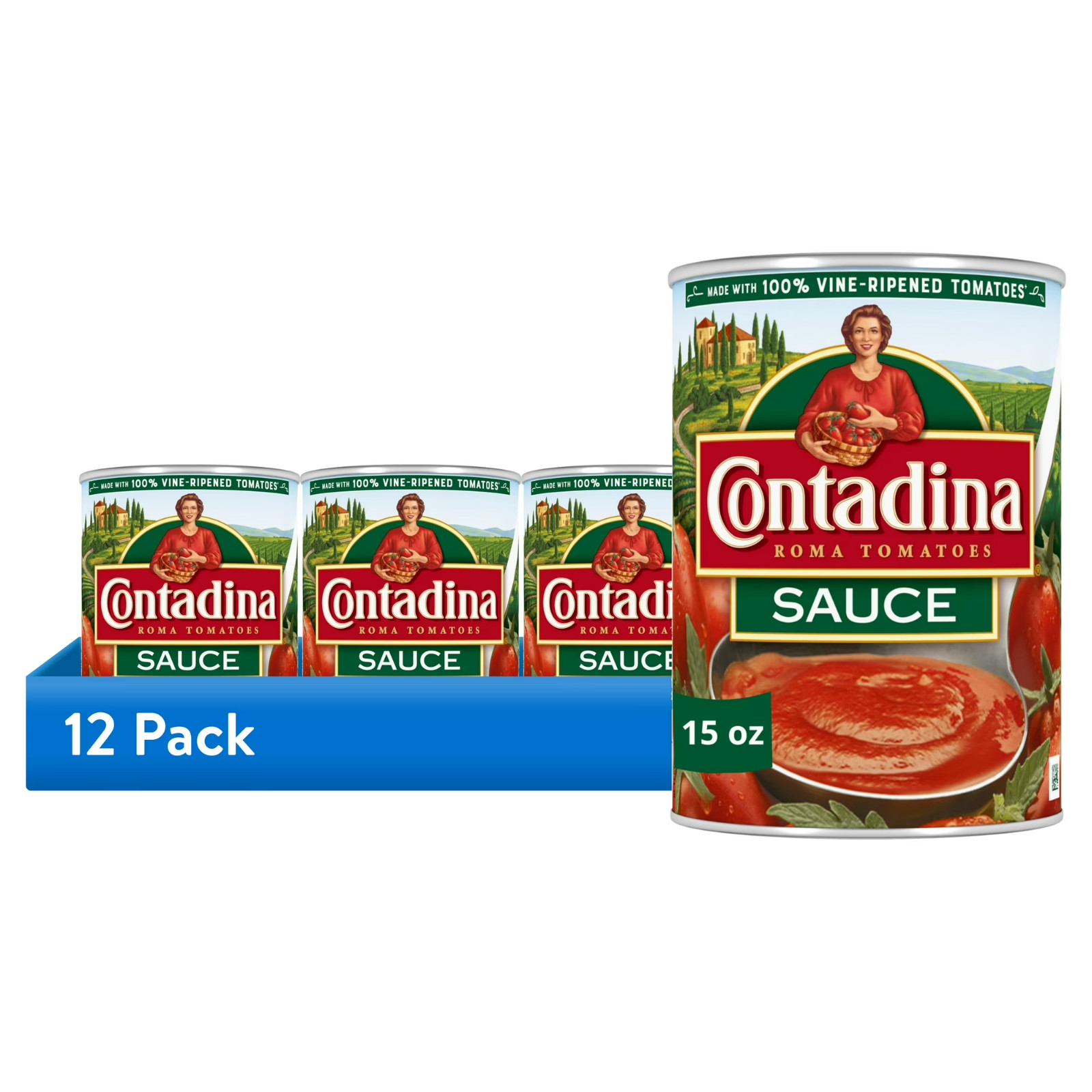

Photos from current listings. Actual item, color, and included accessories may vary.
Canned Tomato Sauce Buying Guide
Canned tomato sauce is a shelf-stable pantry staple made from crushed tomatoes, water, and seasonings, with quality driven by tomato variety, added sugar/salt, and can lining integrity. The primary trade-off is between plain unseasoned puree for cooking control and pre-seasoned sauce for convenience. The clear decision rule: buy plain sauce with no added sugar for recipes, and seasoned sauce with visible tomato solids for quick pasta nights—avoid cans with dents at seams or bulging lids.


At a glance
- Category
- Ready Meals, Canned Food & Baking
- Data updated
- Nov 18, 2026
Current offers
Highlights
- Unseasoned tomato sauce contains only tomatoes, water, and salt; seasoned versions add sugar, onion, garlic, and herbs—check ingredient order for tomato dominance.
- Standard 15 oz cans dominate retail, while #10 cans (6 lb 10 oz) serve foodservice and large-batch canning with roughly 7x the volume.
- Tomato variety matters: Roma/plum tomatoes deliver thicker sauce with fewer seeds; sauce labeled 'San Marzano' must meet DOP/PDO certification for authenticity.
- Can lining (BPA-free epoxy or enamel) prevents metal taste and acid corrosion; dented side seams or lid bulges indicate seal failure and should be rejected.
Best use cases
- Best fit: home cooks making pizza or braised dishes should buy plain 15 oz cans with no added sugar or herbs for full seasoning control; skip pre-seasoned 'Italian' sauce.
- Best fit: weeknight pasta for 2-4 people should use one 15 oz can of seasoned sauce with visible tomato chunks; skip #10 cans unless feeding a crowd or canning.
- Wrong fit: long-simmered ragù or tomato-braised meats need thicker puree or paste, not watery sauce; choose tomato paste or crushed tomatoes instead.
Buying tips
- Match can size to batch: 15 oz serves 2-3 pasta portions; 28 oz serves 4-6; #10 can (about 105 oz) equals seven 15 oz cans and suits large batches or pressure canning.
- Choose tomato-first ingredient lists—tomatoes should be first, water second; added sugar above 4g per serving signals a sweeter sauce better for pizza than braising.
- For low-acid diets, select sauce with no citric acid added; acidity regulators are common but unnecessary if tomatoes are vine-ripened and canned hot.
- Prefer cans labeled 'packed in USA' or with a harvest year for fresher stock; tomato sauce quality declines after 18-24 months, so rotate pantry stock.
Specs
| Can Size | 15 oz / 28 oz / #10 (105 oz) |
|---|---|
| Tomato Type | Roma/plum / San Marzano DOP |
| Added Sugar | 0-4g per serving (low) vs 5g+ |
| Seasoning | Plain (salt only) vs Seasoned |
Related searches
What to check before buying
- Inspect every can for side-seam dents, lid bulges, or rust—any compromise means the seal is suspect and the can should be rejected before purchase.
- Measure pantry shelf depth and height: standard 15 oz cans are about 4.5 in tall; #10 cans are 7 in tall and require deeper shelving.
- Check sodium content per serving—many seasoned sauces exceed 500mg per half-cup; if cooking for low-sodium diets, buy no-salt-added plain sauce.
- Confirm whether you need seasoned or plain sauce based on recipe: plain for pizza dough hydration control and braises, seasoned for direct pasta toss.
FAQ
Data sources: eBay / Amazon listings and product attribute feeds Data updated Nov 18, 2026.
Some links on this page are affiliate links. If you buy after clicking one, we may earn a commission at no extra cost to you. This does not change which products appear here or their order. Affiliate disclosure.