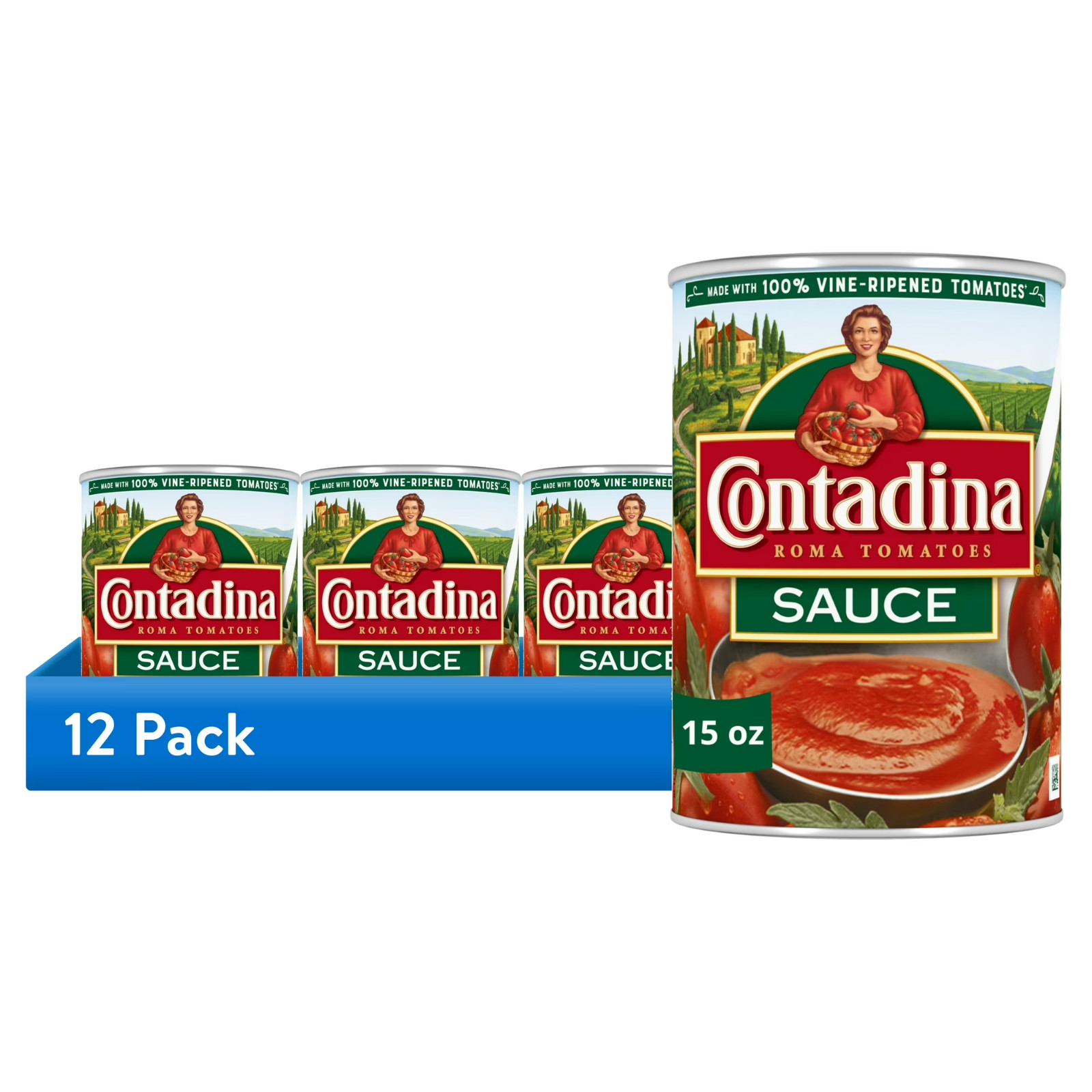

Photos from current listings. Actual item, color, and included accessories may vary.
Canned Tomato Buying Guide
Canned tomato is a shelf-stable pantry staple available as whole peeled, crushed, diced, sauce, and paste, each with a distinct moisture level and processing intensity. The core trade-off is between pack style and ingredient purity: whole peeled tomatoes packed in thick puree deliver the lowest water content and best texture, while diced and sauce products often add salt, citric acid, or calcium chloride that alter cooking behavior. Buy whole peeled in juice or puree with no added calcium chloride for cooked sauces; choose diced or sauce only when texture and convenience outweigh concentration.


At a glance
- Category
- Ready Meals, Canned Food & Baking
- Data updated
- Nov 18, 2026
Current offers
Highlights
- Pack style dictates moisture: whole peeled tomatoes contain the least water, crushed and diced are intermediate, and tomato sauce is the most diluted with the lowest tomato solids per can.
- San Marzano-style plum tomatoes are elongated, lower-seed, and meatier than round varieties, yielding thicker sauce with less reduction time.
- Calcium chloride (often listed as a firming agent) keeps diced tomatoes chunky but prevents them from breaking down into a smooth sauce.
- USDA Grade A (Fancy) whole tomatoes are the firmest and most uniform; Grade B (Choice) and Grade C (Standard) are softer and better suited to crushing or pureeing.
Best use cases
- Best for slow-simmered tomato sauce or ragu: whole peeled plum tomatoes in puree with no calcium chloride—they break down into a rich, thick sauce with minimal reduction.
- Best for chunky stews, chili, or salsa: diced tomatoes with calcium chloride hold their shape through long cooking; skip them for smooth sauces where they stay grainy.
- Best for quick weeknight pasta or pizza: tomato sauce or crushed tomatoes save prep time but contain more water—reduce them longer or choose a paste-blended product for concentration.
- Wrong fit: whole peeled tomatoes for a 15-minute weeknight sauce—they require crushing and 20–30 minutes of simmering to lose their raw edge.
Buying tips
- For sauce, choose cans labeled 'whole peeled in tomato puree' over 'in tomato juice'—puree adds body and reduces cooking time by roughly a third.
- Check the ingredient list: authentic Italian whole peeled tomatoes contain only tomatoes and sometimes salt; citric acid is added for acidity, calcium chloride for firmness.
- San Marzano tomatoes have a DOP certification with a numbered seal; 'San Marzano style' means a similar plum variety without the protected regional guarantee.
- For diced tomatoes, expect calcium chloride on the label; for crushed or sauce, choose brands without added sugar or dried onion/garlic powders for cleaner flavor control.
Specs
| Pack Style | Whole peeled / Crushed / Diced / Sauce / Paste |
|---|---|
| Tomato Variety | Plum (San Marzano style) vs Round |
| Added Ingredients | Salt / Citric acid / Calcium chloride |
| Can Size | 14.5 oz / 28 oz (411 g / 794 g) |
Related searches
What to check before buying
- Can size: standard cans are 14.5 oz (411 g) or 28 oz (794 g); a 28 oz can yields roughly 3 cups of crushed tomato, enough for sauce for 4–6 servings.
- Pantry storage: canned tomatoes keep 12–18 months in a cool, dry place below 75°F (24°C); discard cans with bulging lids or rust perforation.
- Acidity compatibility: tomatoes are high-acid (pH below 4.6), so they are safe for water-bath canning only when acidified; store-bought cans are commercially sterilized and shelf-stable.
- Cookware: high-acid tomato sauce reacts with untreated cast iron and aluminum, imparting metallic flavor; use enameled cast iron, stainless steel, or nonstick.
FAQ
Data sources: eBay / Amazon listings and product attribute feeds Data updated Nov 18, 2026.
Some links on this page are affiliate links. If you buy after clicking one, we may earn a commission at no extra cost to you. This does not change which products appear here or their order. Affiliate disclosure.