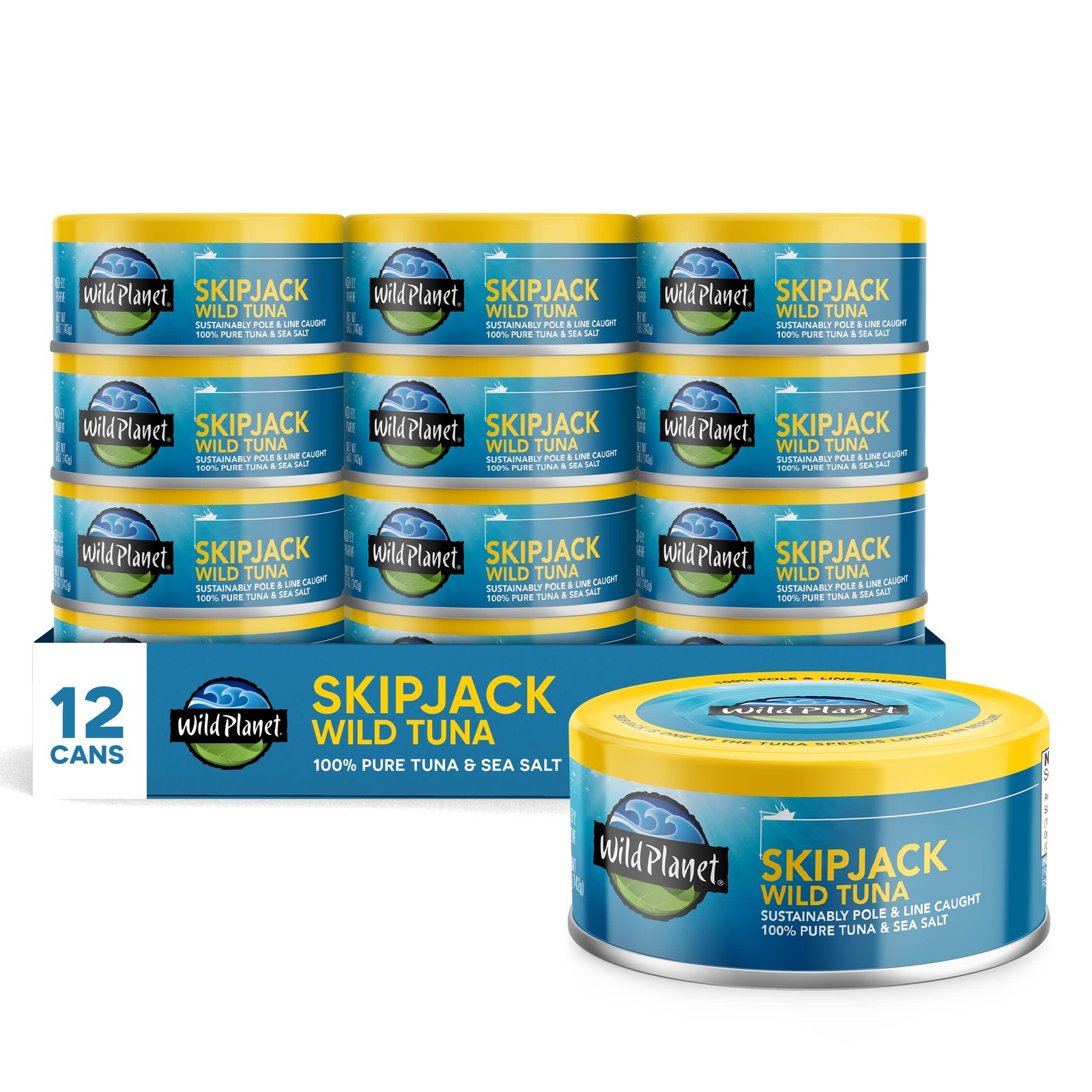

Photos from current listings. Actual item, color, and included accessories may vary.
Canned Seafood Buying Guide
Canned seafood spans shelf-stable tuna, salmon, sardines, mackerel, and shellfish, with the core trade-off being protein quality and processing method versus cost and convenience. Pole-and-line or troll-caught fish packed in water or olive oil with minimal additives deliver cleaner flavor and better texture than mechanically separated or heavily salted commodity packs. The decision rule: buy single-ingredient fish with a named species and catch method for everyday protein, and choose oil-packed or smoked packs only when you want richer flavor straight from the can.


At a glance
- Category
- Ready Meals, Canned Food & Baking
- Data updated
- Nov 18, 2026
Current offers
Highlights
- Species identity drives nutrition: skipjack and yellowfin tuna differ in mercury load and fat content, while wild salmon delivers far more omega-3 than farmed tilapia-style whitefish.
- Catch method matters: pole-and-line and troll-caught fish are younger, lower-mercury, and less bycatch-heavy than longline or purse-seine commodity tuna.
- Packing medium changes use: water-packed keeps calories down for salads and cooking, while olive-oil-packed preserves texture and flavor for eating straight from the tin.
- Can format and size tier the product: 5 oz standard cans suit single servings, while 3.75 oz flat tins and larger family cans change portion and recipe math.
Best use cases
- Best fit: 5 oz water-packed skipjack or yellowfin cans in multi-packs for high-volume lunch protein, salads, and casseroles; skip oil-packed flats if you are counting calories.
- Best fit: olive-oil-packed sardines and mackerel in flat tins for charcuterie boards, toast, and pasta; skip water-packed sardines if you want rich flavor straight from the tin.
- Best fit: wild-caught salmon in 6–7.5 oz cans for omega-3 intake and salmon patties; skip generic 'salmon' packs that do not name the species or catch region.
- Wrong fit: buying only skipjack for all uses; it is lean and mild, so choose oil-packed yellowfin or albacore when you want a meatier tuna steak texture.
Buying tips
- Read the species line first: 'skipjack' is the cheapest and lowest-mercury tuna, 'yellowfin' is meatier, and 'albacore' is mildest but highest in mercury among common tuna.
- Match packing medium to use: water for calorie-controlled salads and casseroles, olive oil for straight-from-tin eating and richer pasta dishes.
- Prefer pole-and-line, troll-caught, or MSC-certified labels for lower bycatch and younger fish; avoid vague 'sustainably caught' claims without a certification.
- Check drained weight, not just net weight: a 5 oz can may yield only 3–3.5 oz of fish, so compare drained weights when pricing multi-packs.
Specs
| Species | Skipjack / Yellowfin / Albacore / Salmon |
|---|---|
| Catch Method | Pole-and-line / Troll / Purse-seine |
| Packing Medium | Water / Olive oil / Brine / Smoked |
| Can Size | 3.75 oz flat / 5 oz / 6–7.5 oz |
Related searches
What to check before buying
- Confirm can size and count against your household's weekly usage: 5 oz cans for singles, 3.75 oz flats for boards, larger cans for families.
- Check sodium per serving: water-packed and 'no salt added' cans range far lower than brined or smoked packs, which matters for daily consumption.
- Verify the species and catch method are printed on the label, not just 'tuna' or 'seafood' generic wording.
- Plan storage: canned seafood keeps 2–5 years in a cool, dry pantry, but oil-packed and smoked tins have shorter best-by dates than water-packed.
FAQ
Data sources: eBay / Amazon listings and product attribute feeds Data updated Nov 18, 2026.
Some links on this page are affiliate links. If you buy after clicking one, we may earn a commission at no extra cost to you. This does not change which products appear here or their order. Affiliate disclosure.