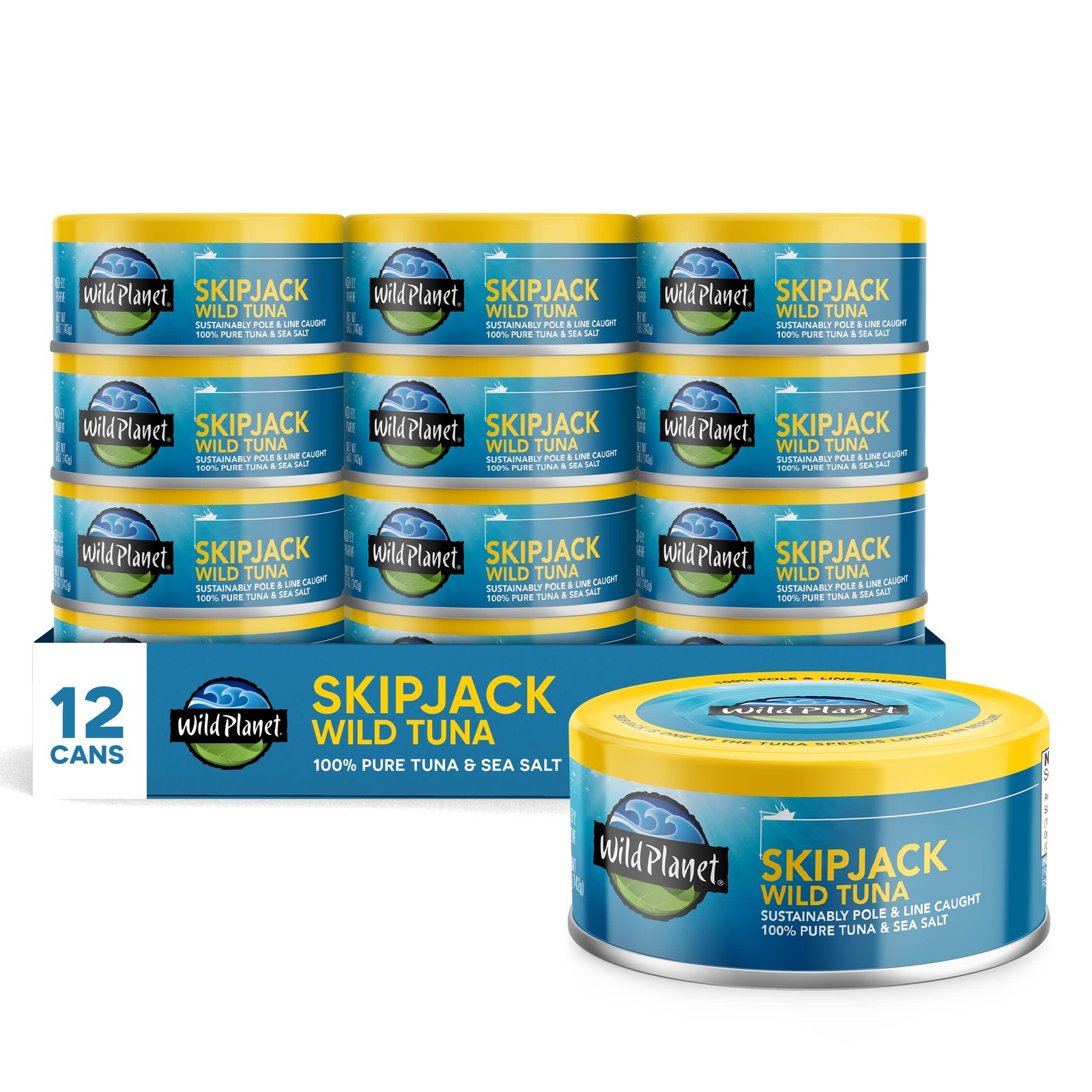

Photos from current listings. Actual item, color, and included accessories may vary.
Canned Fish Buying Guide
Canned fish is shelf-stable protein sealed in retort-processed cans, with the main trade-off being species quality and packing medium (water, oil, brine) versus texture and nutrition. Durable, high-value cans use pole-and-line or purse-seine caught tuna, sardines, and mackerel packed in olive oil or spring water with no added fillers, while budget cans rely on mechanical separation, excessive broth, and soybean oil. The decision rule: buy single-species, single-ingredient cans with explicit catch method and packing liquid; skip vague 'chunk light' blends and cans with textured vegetable protein or added water beyond the natural pack.


At a glance
- Category
- Ready Meals, Canned Food & Baking
- Data updated
- Nov 18, 2026
Current offers
Highlights
- Skipjack tuna (Katsuwonus pelamis) is the most sustainable and lowest-mercury tuna tier, with meat that flakes firm when packed in sea salt and water.
- Pole-and-line caught fish commands a premium because it avoids bycatch and delivers cleaner, larger loin cuts than longline or purse-seine methods.
- Olive oil packing preserves omega-3s and improves texture, while spring water or brine keeps calories lower but can dry the fish during retort sterilization.
- Retort canning at 240-250°F fully sterilizes sealed cans, giving unopened cans a 2-5 year shelf life; dents at the seam compromise the seal and must be rejected.
Best use cases
- Best for pantry protein stacking: buy 12-packs of 5-ounce skipjack or sardine cans in water or olive oil for quick lunches, salads, and pasta; skip oversized 66-ounce foodservice cans unless feeding a crowd within days.
- Best for keto and low-carb diets: choose sardines and mackerel packed in olive oil or water with zero added sugar; skip sweetened teriyaki or tomato-sauce varieties loaded with corn syrup.
- Best for mercury-conscious weekly eaters: rotate skipjack, sardines, and anchovies (low-mercury small fish) 3-4 times weekly; limit albacore and yellowfin to once weekly.
- Wrong fit: buyers wanting fresh-flavor texture for sashimi or searing should skip canned fish entirely; canning firms the flesh and cannot substitute for fresh loins.
Buying tips
- Match can size to use: 3.75-5 ounce cans suit single servings, while 12-15 ounce cans suit family meals; avoid 66-ounce cans unless you will refrigerate leftovers in glass within 2 hours.
- Choose 'solid white' or 'solid light' pack over 'chunk' or 'flaked' when texture matters; solid pack uses whole loins, chunk uses broken pieces with more water and filler.
- Check the packing liquid on the label: extra-virgin olive oil and spring water are clean, while soybean oil, vegetable broth, and hydrolyzed proteins signal lower-grade cans.
- Verify the catch method and species name (skipjack, yellowfin, albacore) rather than 'light tuna' alone; pole-and-line or FAD-free purse seine is the sustainability benchmark.
Specs
| Fish Species | Skipjack / Sardine / Mackerel / Albacore |
|---|---|
| Packing Medium | Spring water / Olive oil / Brine |
| Can Size | 3.75-5 oz single / 12-15 oz family |
| Catch Method | Pole-and-line / Purse seine / Longline |
Related searches
What to check before buying
- Inspect can seams and rims before buying: reject any can with deep dents at the side seam, bulging lids, or rust pinholes, which indicate seal failure or botulism risk.
- Measure pantry shelf depth and height: standard 5-ounce cans are about 3.5 inches tall and 3.4 inches wide; 12-packs need roughly 12 x 8 x 4 inches of shelf space.
- Confirm your opener type: most canned fish uses pull-tab lids, but larger foodservice cans require a can opener with a strong gear; check before buying bulk.
- Store below 85°F in a dry space; high heat degrades oil-packed fish faster than water-packed, so keep olive-oil cans away from stoves and sunny shelves.
FAQ
Data sources: eBay / Amazon listings and product attribute feeds Data updated Nov 18, 2026.
Some links on this page are affiliate links. If you buy after clicking one, we may earn a commission at no extra cost to you. This does not change which products appear here or their order. Affiliate disclosure.