Photos from current listings. Actual item, color, and included accessories may vary.
Canned Chili Buying Guide
Canned chili is a shelf-stable, ready-to-eat stew sold in two core styles: with beans and no-beans (all-meat). The primary trade-off is protein density and meat texture versus fiber, yield, and cost per serving—no-beans cans run higher protein per ounce, while bean-inclusive cans stretch further and add fiber. The decision rule: choose no-beans for protein-first meals and keto/low-carb use, and with-beans for value, volume, and balanced macros; skip any can with a lead-seam or dented rim regardless of brand tier.


At a glance
- Category
- Ready Meals, Canned Food & Baking
- Data updated
- Nov 18, 2026
Current offers
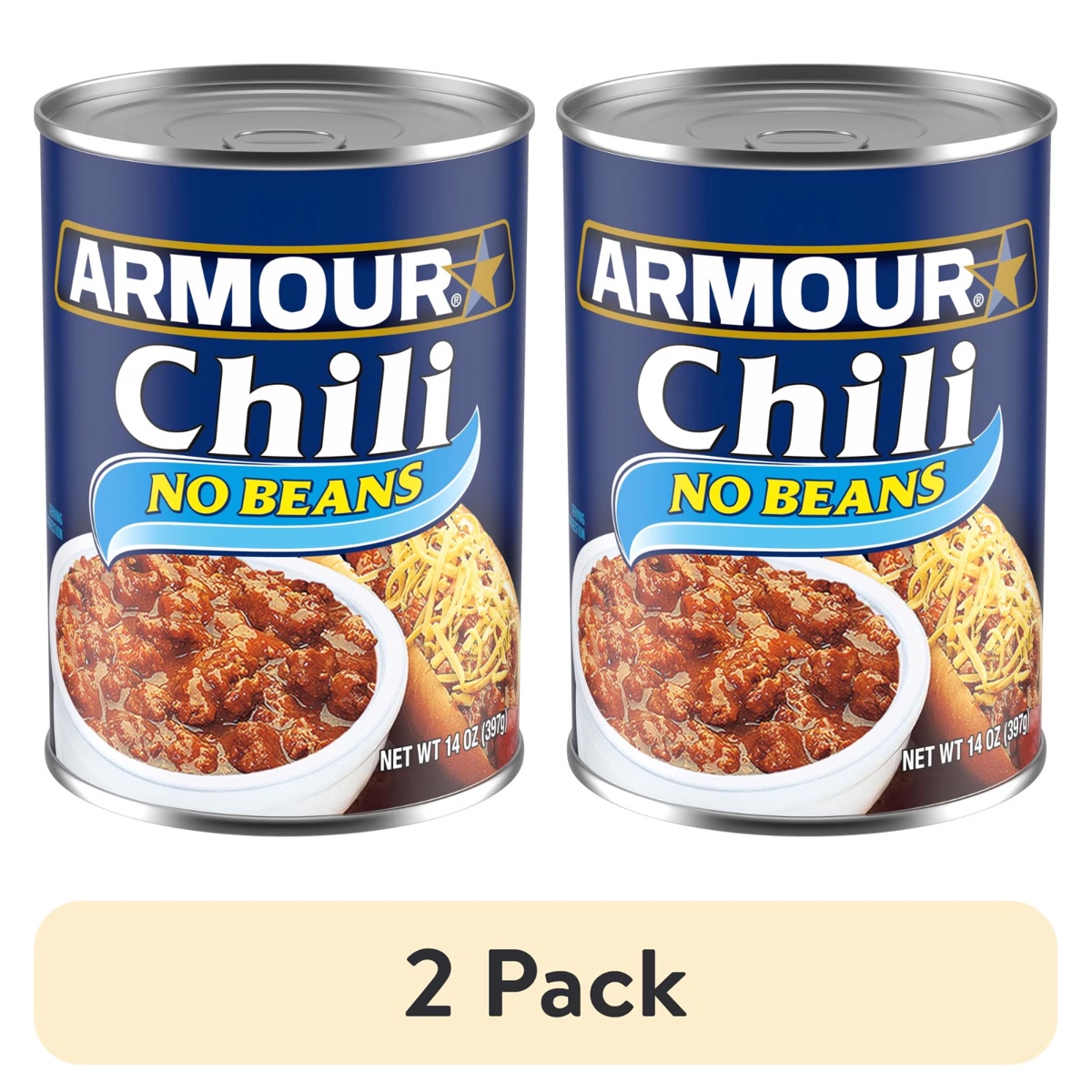 (2 pack) Armour Star Chili with No Beans, 35g Protein Per Serving, Canned FOOD,$4.69
 View on eBay
 (2 pack) Armour Star Chili with No Beans, 35g Protein Per Serving, Canned Food,$4.93View on eBay
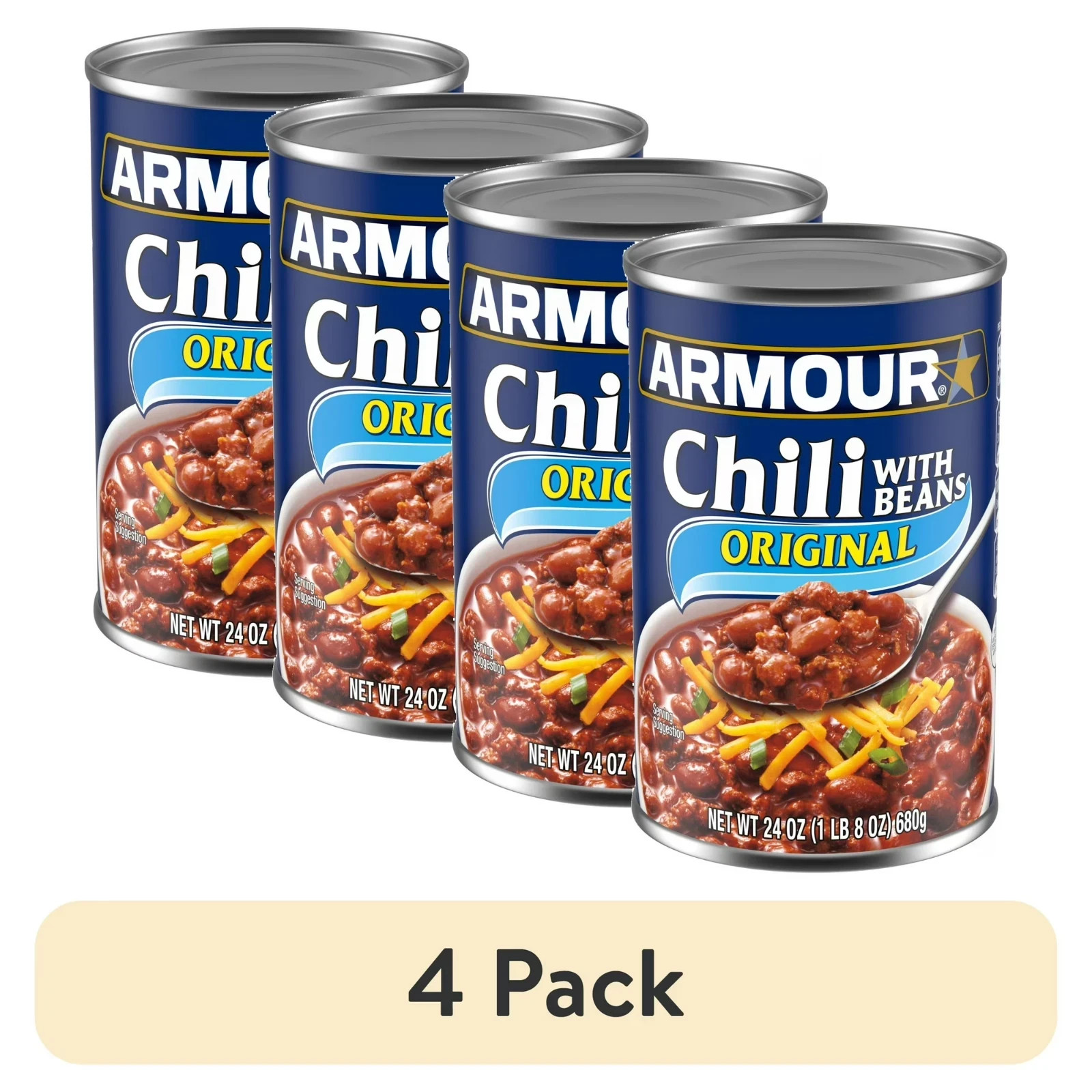 (4 pack) Armour Star Chili with Beans Canned Food, 24 oz Can$7.60View on eBay
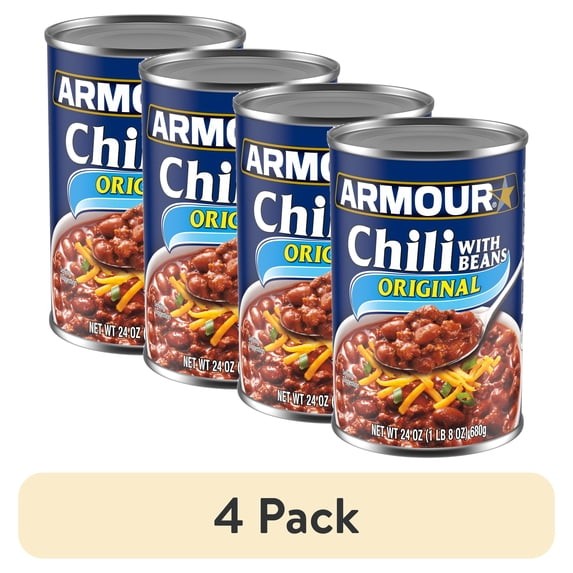 (4 pack) Armour Star Chili with Beans Canned Food, 24 oz Can (Free Shipping$7.70View on eBay
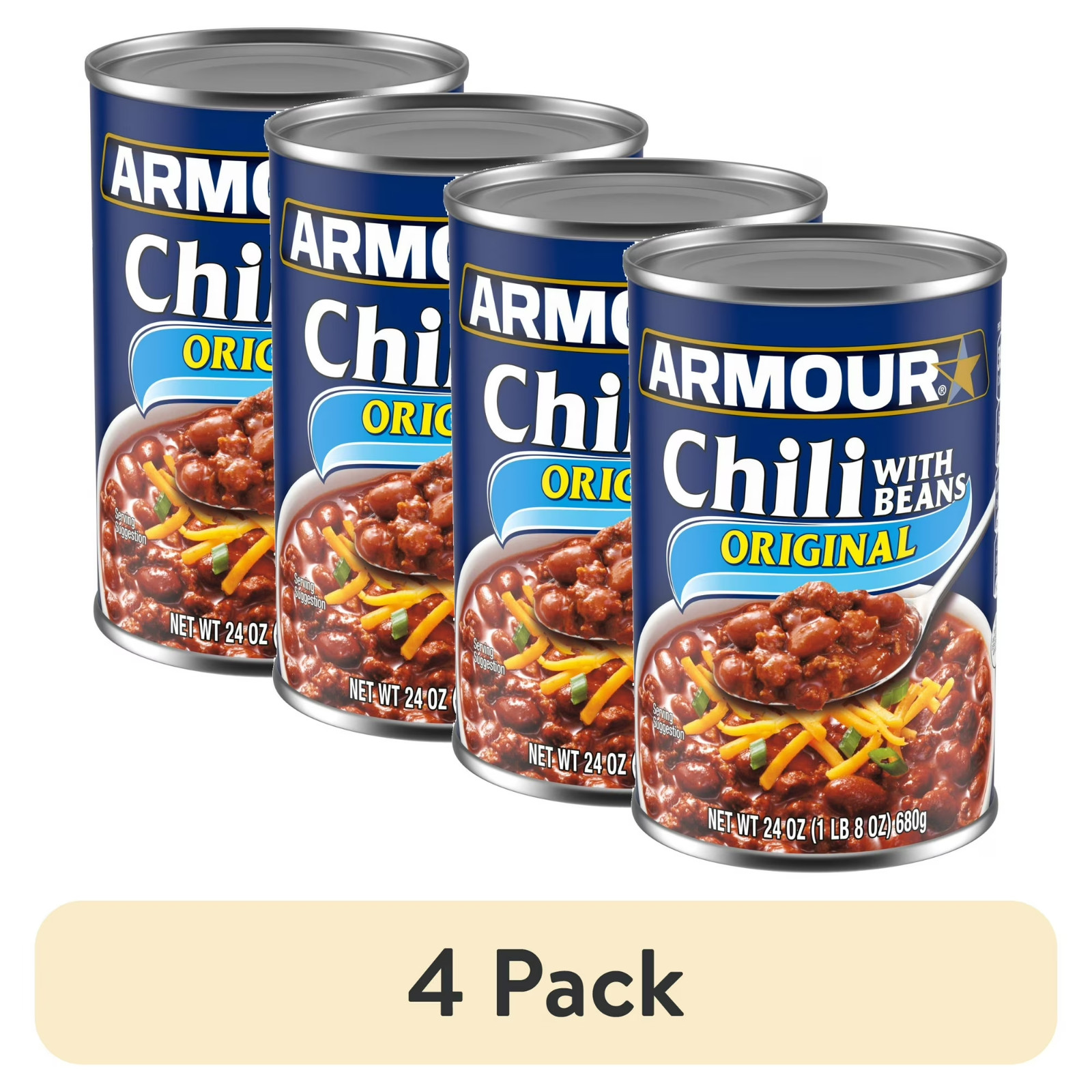 (4 pack) Armour Star Chili with Beans Canned Food, 24 oz Can$7.80View on eBay
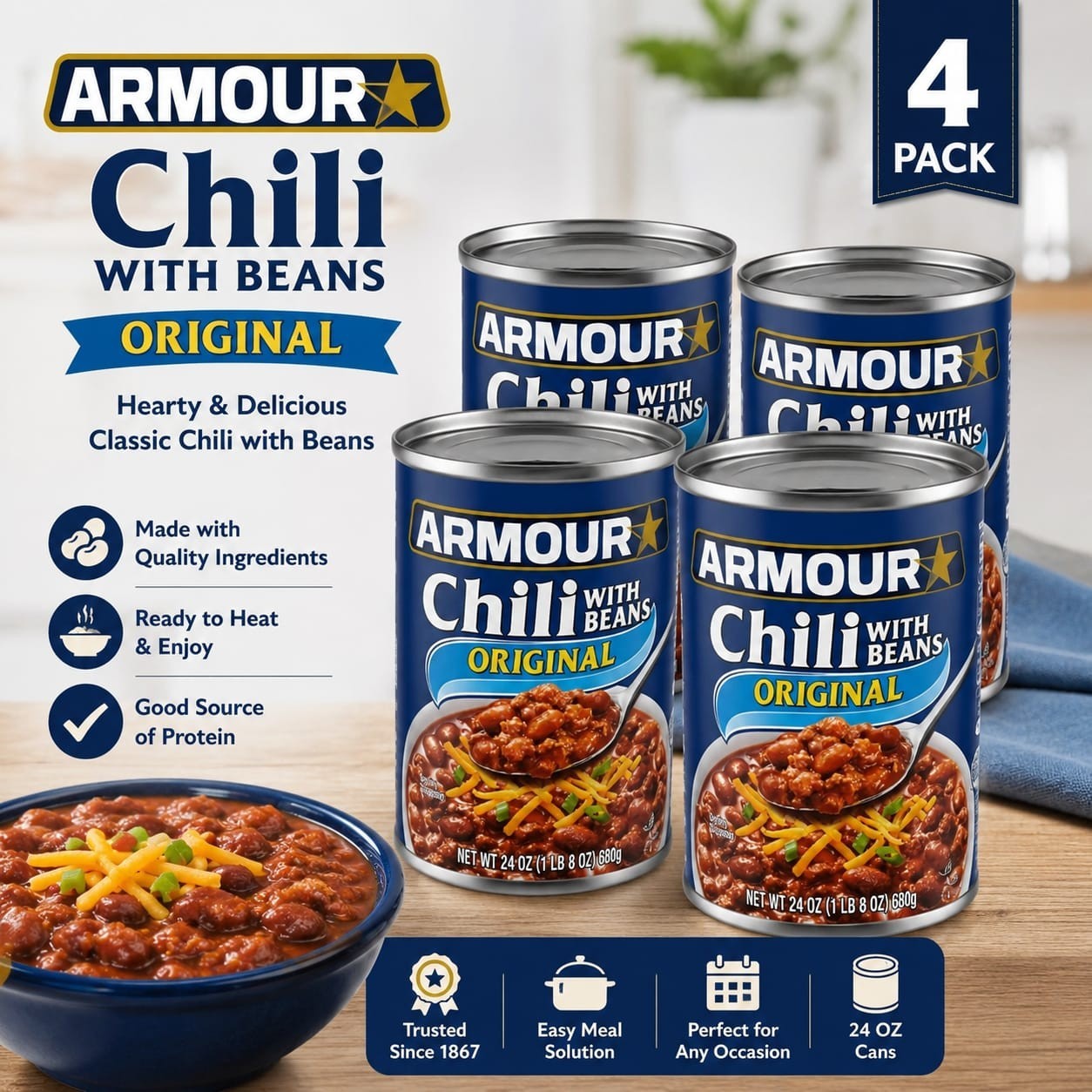 (4 pack) Armour Star Chili with Beans Canned Food, 24 oz Can$12.00View on eBay
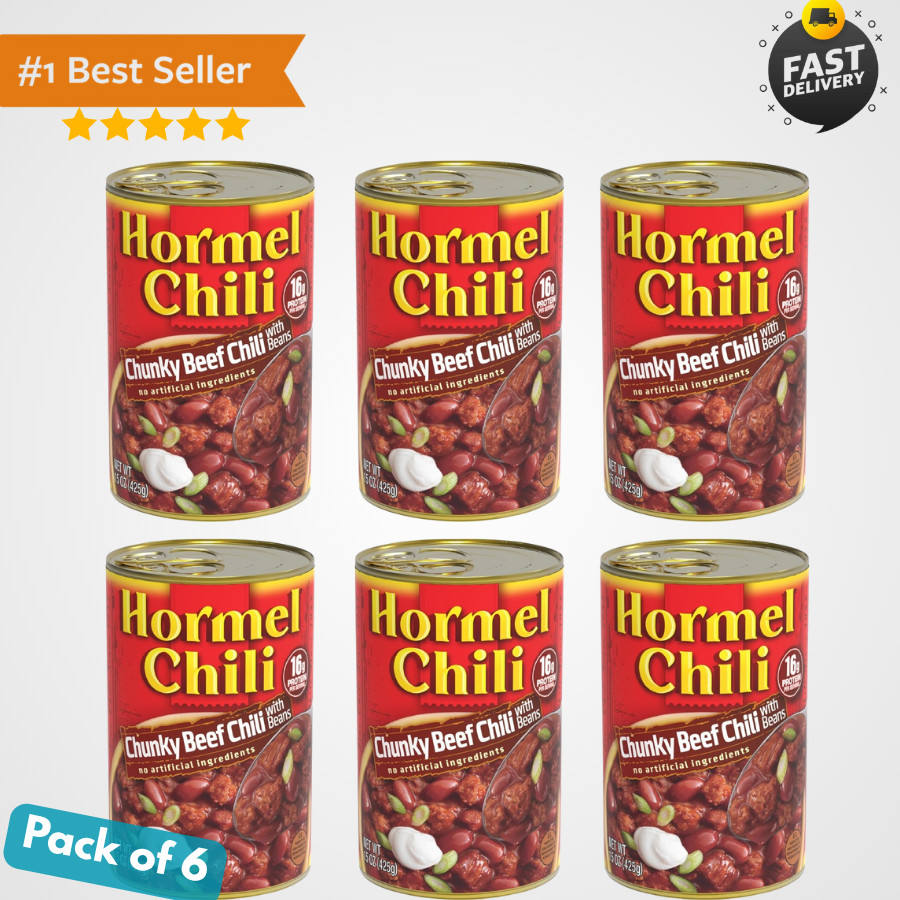 Hormel Chunky Beef Chili with Beans 15 Ounce Cans Pack of 6 Bulk Canned Food$28.97View on eBay
Highlights
- Bean vs no-bean is the main macro split: no-beans cans deliver roughly 30–35g protein per serving, while with-beans cans trade protein for fiber and lower cost per ounce.
- Can size drives serving math: 15 oz cans yield about 1.5–2 servings as a meal base; 24 oz cans yield 3–4 and are the better bulk unit for families.
- Meat grade separates tiers: 'chunky beef' style uses larger beef pieces, while standard chili uses crumbled or finely ground meat—texture and protein density follow this tier.
- Shelf life is governed by can integrity, not brand: commercially canned chili holds 2–5 years from packing, and any dented seam, bulging lid, or rust spot voids that safety window.
Best use cases
- Best fit: no-beans cans for high-protein, low-carb meals—top with cheese or eat plain; skip with-beans cans if you are tracking carbs tightly.
- Best fit: with-beans 24 oz cans for family meals, chili dogs, and nacho bars; skip 15 oz cans when feeding more than two people a main course.
- Best fit: 15 oz with-beans cans for solo lunches, office drawers, and camping; skip bulk 24 oz cans if you lack pantry space or eat chili infrequently.
- Wrong fit: buying no-beans cans expecting a vegetable or fiber source—pair them with your own beans or vegetables instead.
Buying tips
- Match can size to headcount: 15 oz per 1–2 people as a meal, 24 oz per 3–4; buy the larger can only if you will finish it within 3–4 days of opening.
- For protein-first diets, pick no-beans cans at 30g+ protein per serving; for balanced macros, with-beans cans add roughly 5–8g fiber per serving.
- Prefer cans labeled 'chunky beef' when meat texture matters; standard cans use finer grind and are better for chili dogs and dips where texture is less visible.
- Bulk packs (4–6 cans) lower unit cost but only pay off if you have cool, dry storage and will use them within the 2–5 year shelf life; check pack counts against your actual consumption.
Specs
| Chili Style | With beans vs no-beans (all-meat) |
|---|---|
| Can Size | 15 oz vs 24 oz |
| Protein Tier | 30–35g (no-beans) vs lower (beans) |
| Meat Cut | Chunky beef vs standard grind |
Related searches
What to check before buying
- Pantry space: measure shelf height for 24 oz cans (about 4.5–5 in tall) versus 15 oz cans (about 4 in) before committing to bulk packs.
- Can condition on arrival: reject any can with a dented side seam, bulging lid, or rust—these are the only real defect risks in canned chili.
- Dietary fit: confirm no-beans vs with-beans, and check for common allergens (soy, wheat fillers) and sodium levels, which run high in most canned chili.
- Companion parts: plan for a can opener if cans lack pull-tabs, and stock toppings (cheese, onions, crackers) since canned chili is a base, not a complete meal.
FAQ
Data sources: eBay / Amazon listings and product attribute feeds Data updated Nov 18, 2026.
Some links on this page are affiliate links. If you buy after clicking one, we may earn a commission at no extra cost to you. This does not change which products appear here or their order. Affiliate disclosure.