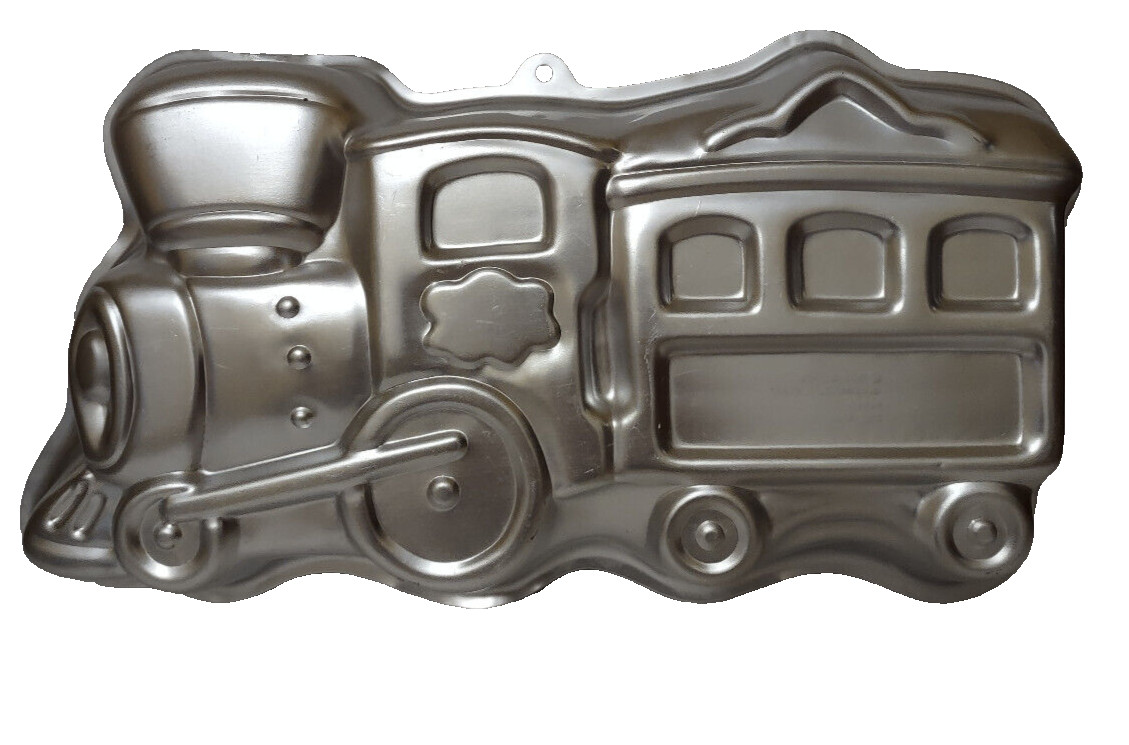

Photos from current listings. Actual item, color, and included accessories may vary.
Cake Pan Buying Guide
A cake pan is a shaped metal mold that conducts oven heat into batter, and the primary trade-off is between cheap thin-gauge steel that warps and scorches versus heavy-gauge aluminum that bakes evenly and releases cleanly. The clear decision rule: buy pans with rolled rims, 1 mm-plus aluminum or aluminized steel, and a known finish; skip uncoated tin or sub-0.5 mm steel that rusts, dents, and bakes hot spots.


At a glance
- Category
- Ready Meals, Canned Food & Baking
- Data updated
- Nov 18, 2026
Current offers
Highlights
- Gauge drives performance: 1.0-1.2 mm aluminized steel or anodized aluminum resists warping, while 0.4-0.6 mm tin-plated steel dents and scorches at edges.
- Rolled rims add rigidity and stop batter leakage; cut-edge unrolled rims rust after a few washings even with hand drying.
- Nonstick tiers differ: silicone-polyester coatings release for 30-50 bakes; PTFE/PFOA-free ceramic coatings last longer but are scratch-sensitive; bare anodized aluminum needs greasing.
- Mini pans (12-24 cavity) need 1.5-2 mm cavity walls to hold shape; flimsy multi-cavity sheets twist and pop cakes when flexed.
Best use cases
- Best fit: 20-24 cavity mini muffin or mini cake pans in 1 mm aluminized steel for portioned bakes and even browning; skip 100-piece accessory bundles where the pans are 0.4 mm tin.
- Best fit: single 8-9 inch round or 9x13 inch rectangular pan in 1.2 mm anodized aluminum for layer cakes and sheet cakes; skip glass or dark nonstick for high-heat recipes above 400°F.
- Best fit: novelty shaped pans (train, animal, number) in cast aluminum for birthday cakes; skip vintage stamped tin from the 1980s-90s unless the seam and rim are intact and unrusted.
- Wrong fit: buying a 100-piece decorating kit when you need one reliable pan; the pans are the weak link and the tips/piping bags duplicate what you already own.
Buying tips
- Match pan size to recipe volume: an 8-inch round holds about 4 cups batter, a 9-inch round about 6 cups, and a 9x13 inch sheet about 12 cups; using the wrong size changes bake time and crumb.
- Pick material by oven use: anodized aluminum for even heat and metal-utensil tolerance, aluminized steel for durability at lower cost, and borosilicate glass only for 325-375°F bakes.
- Check rim construction: rolled rims and seamless corners survive dishwashing cycles; cut edges and spot-welded seams are the first failure points.
- For mini pans, count cavities and measure cavity diameter: standard mini muffin is 1.75-2 inches, mini cake 2.5-3 inches; a 24-cavity pan needs at least a 15x10 inch footprint to fit a half-sheet oven rack.
Specs
| Pan Material | Aluminized steel / anodized aluminum / tin |
|---|---|
| Steel Gauge | 1.0-1.2 mm heavy vs 0.4-0.6 mm light |
| Rim Construction | Rolled rim vs cut edge |
| Mini Cavity Count | 12 / 24 cavities, 1.75-3 in each |
Related searches
What to check before buying
- Measure your oven rack and interior: a 9x13 inch pan needs at least 14x10 inches of usable rack, and a 24-cavity mini pan needs a full-size 18x13 inch half-sheet footprint.
- Confirm pan depth: 2 inches for standard rounds and squares, 3 inches for angel food and chiffon, and 1-1.25 inches for mini and tartlet pans.
- Check your cookware compatibility: bare aluminum reacts with acidic batters (citrus, tomato) and darkens; choose anodized or coated aluminum for acidic recipes.
- Verify handle and lid fit: most 9x13 pans accept standard plastic lids only from the same brand; mismatched lids leak and warp.
FAQ
Data sources: eBay / Amazon listings and product attribute feeds Data updated Nov 18, 2026.
Some links on this page are affiliate links. If you buy after clicking one, we may earn a commission at no extra cost to you. This does not change which products appear here or their order. Affiliate disclosure.