Photos from current listings. Actual item, color, and included accessories may vary.
Rice Flour Buying Guide
Rice flour is a gluten-free staple milled from raw or parboiled rice, available as white (polished) or whole-grain brown, with fine, medium, and coarse grinds that dictate whether it works for baking, frying, or dusting proofing baskets. The core trade-off is grind fineness and starch type versus structural performance: fine white rice flour gives neutral flavor and tender crumb but needs binders like xanthan gum, while coarser or glutinous (sweet) rice flours deliver chew and crispness. The clear rule: buy labeled gluten-free rice flour with a stated grind and protein/starch context for baking, and choose coarse stone-ground white rice flour specifically for proofing-basket release.


At a glance
- Category
- Rice, Flour, Oil & Condiments
- Data updated
- Nov 18, 2026
Current offers
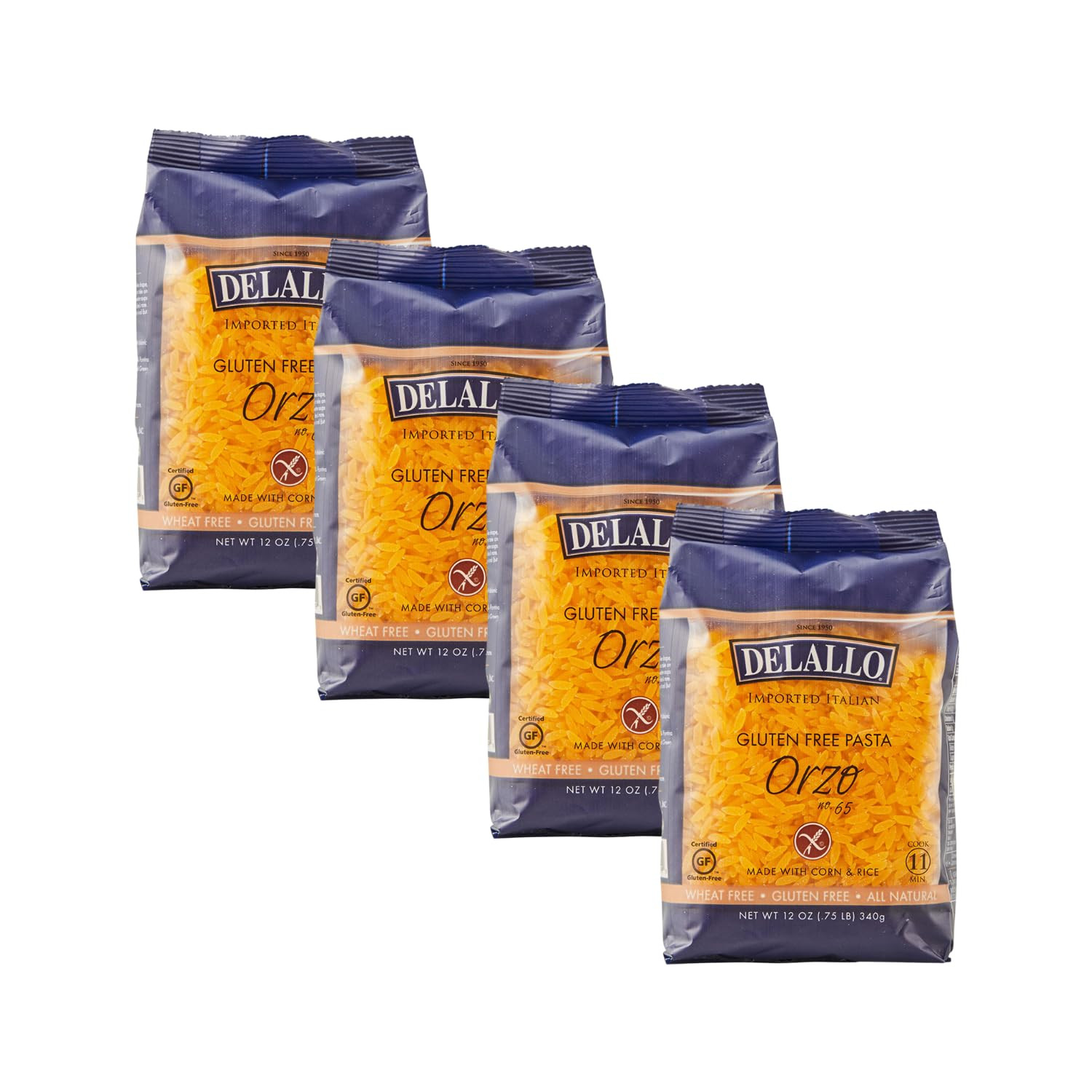 Gluten Free Orzo Pasta, 12 Oz Bag, (4 Pack), Made with Corn and Rice Flour, Hand$41.54
 View on eBay
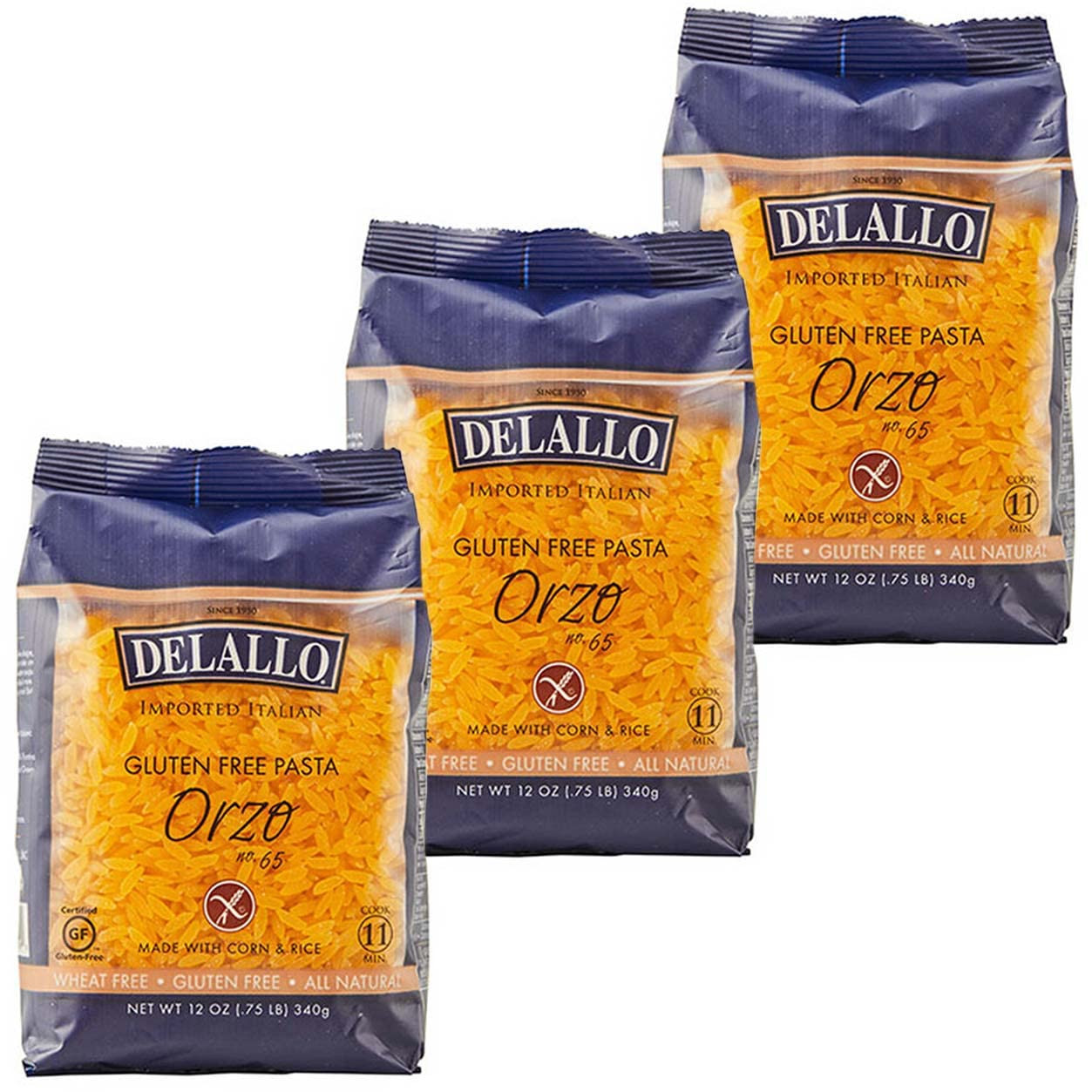 Gluten Free Orzo Pasta, 12 Oz Bag, (3 Pack), Made with Corn and Rice Flour, Hand$45.99View on eBay
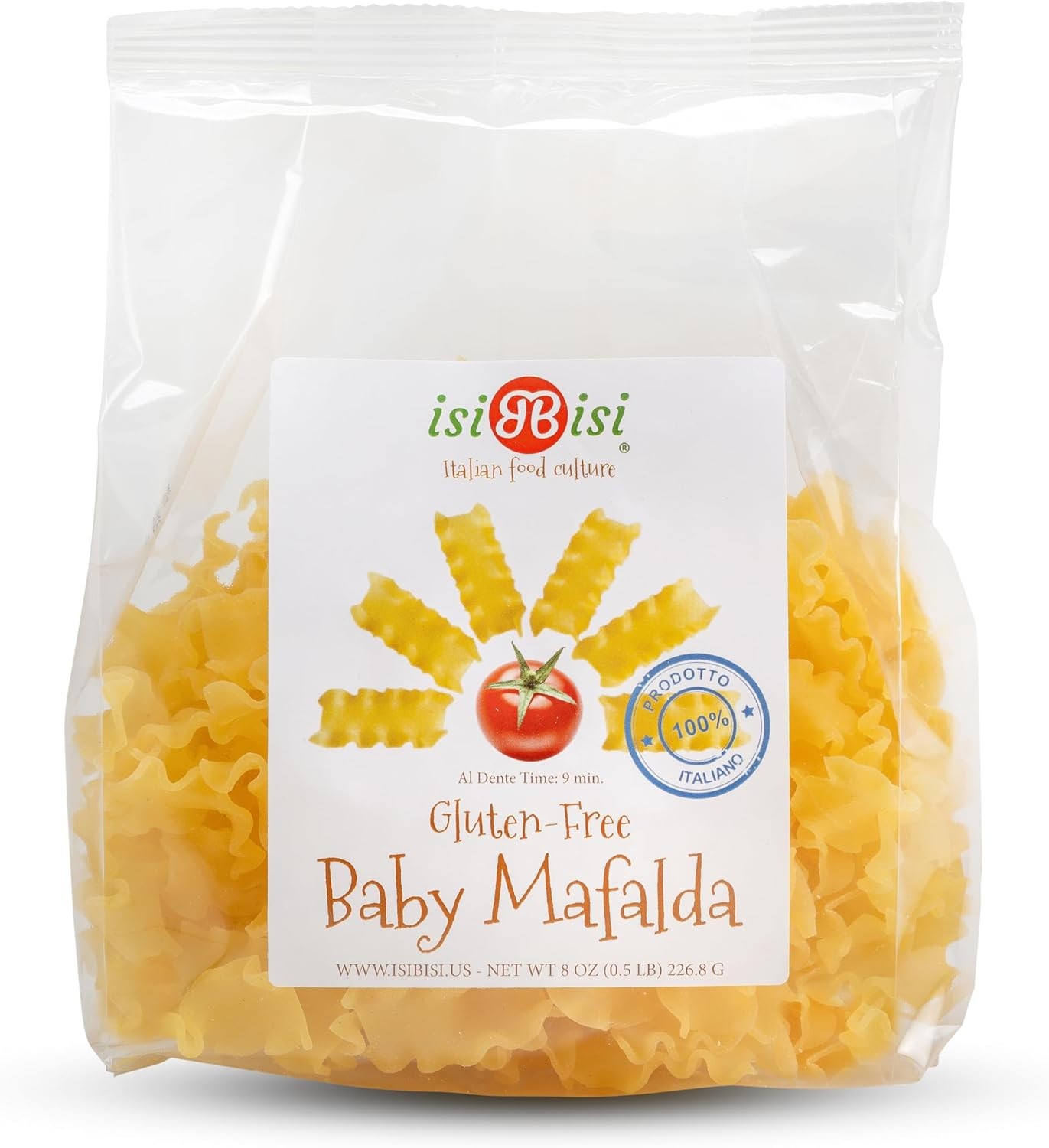 Gluten-Baby Mafalda Pasta - Mini Lasagna Noodles Made With Corn Flour and Rice$16.79View on eBay
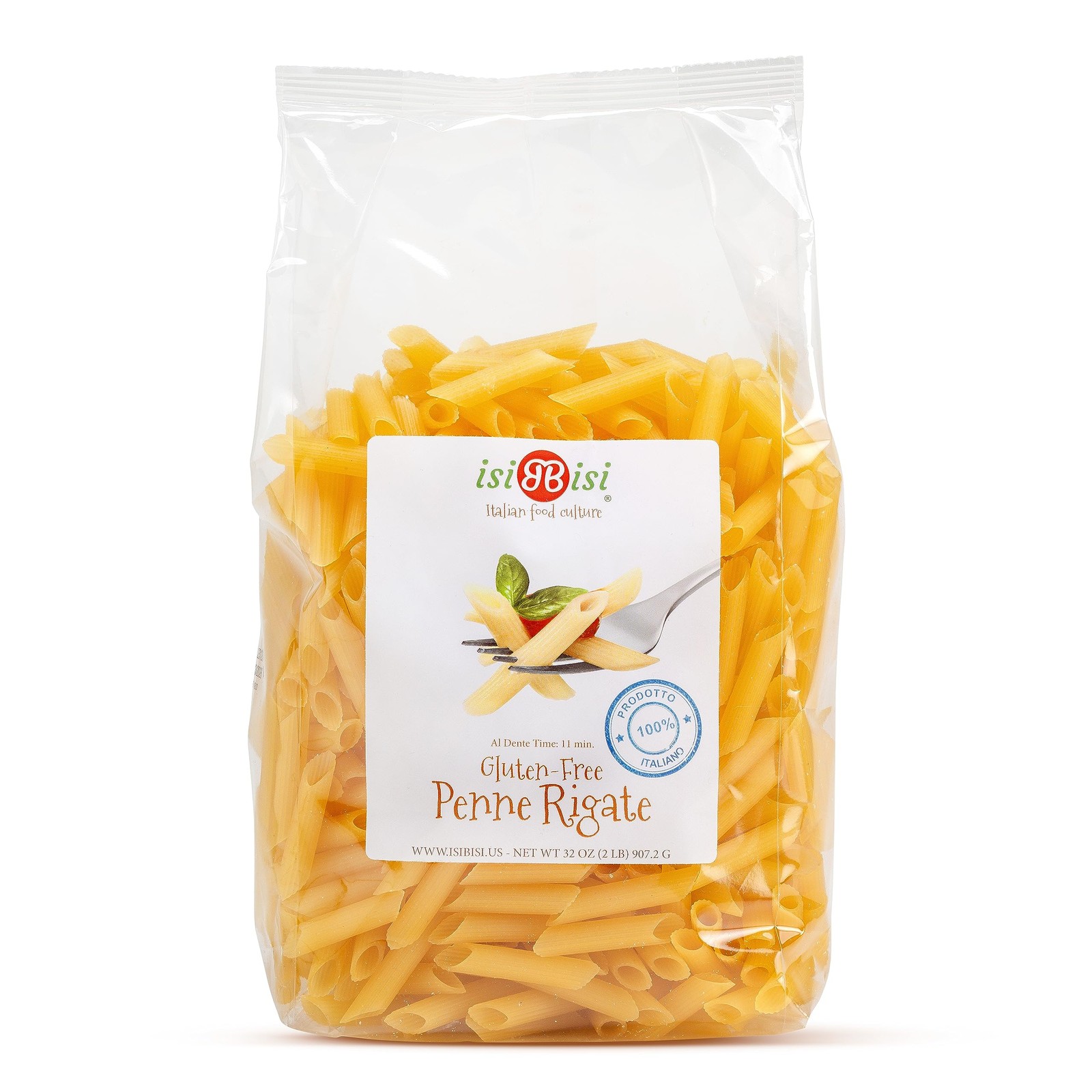 isiBisi Family Pack Gluten Free Penne Pasta - Made with Rice and Corn Flour - ,$30.23View on eBay
Highlights
- White rice flour (polished grain) is neutral and fine-milled at roughly 80-100 mesh for cakes and noodles; brown rice flour retains bran and has a shorter shelf life due to oil content.
- Glutinous (sweet) rice flour contains no gluten but is nearly pure amylopectin, giving the chewy texture required for mochi, dumplings, and some proofing dusts.
- Rice flour is starch-dominant with no gluten network, so baked goods require binders such as xanthan gum (typically 1/2 to 1 tsp per cup of flour blend) or psyllium husk.
- Grind size determines function: fine flour (about 100+ mesh) for batters and noodles, medium for coating, coarse stone-ground for banneton dusting and crispy fried coatings.
Best use cases
- Proofing baskets (banneton): choose coarse stone-ground white rice flour; it is the standard release dust for sourdough because it does not absorb dough moisture and resists sticking.
- Gluten-free baking (cakes, cookies, quick breads): pick fine white rice flour plus a binder, or a certified gluten-free multi-flour blend; avoid coarse grind for tender crumb.
- Frying and coating: medium-to-coarse rice flour gives a shatter-crisp crust for tempura and fried chicken; skip fine flour, which absorbs oil and turns gummy.
- Wrong fit: do not substitute rice flour 1:1 by volume for wheat flour in yeast breads without a binder and extra hydration, and do not use glutinous rice flour alone for sandwich bread.
Buying tips
- For banneton release, buy coarse stone-ground white rice flour labeled gluten-free; fine flour packs into the cane and causes sticking.
- For baking blends, measure by weight (about 120-140 g per cup for fine white rice flour) rather than volume, since grind and moisture change the density.
- Check allergen and cross-contact labeling: certified gluten-free rice flour avoids wheat dust from shared mills, which matters for celiac users.
- Match rice type to cuisine: long-grain white for general baking, glutinous/sweet rice flour for mochi and chewy textures, brown rice flour for nuttier whole-grain blends with added hydration.
Specs
| Rice Type | White / Brown / Glutinous (sweet) |
|---|---|
| Grind | Fine 100+ mesh / Medium / Coarse stone-ground |
| Gluten Status | Naturally gluten-free; certified GF options |
| Best Use | Baking blend / Frying / Banneton dust |
Related searches
What to check before buying
- Confirm your proofing basket material and size: cane bannetons need coarse rice flour dusting; cloth liners reduce sticking without heavy dusting.
- Check pantry storage: rice flour keeps about 6-12 months in airtight containers, and brown rice flour should be refrigerated or frozen to prevent rancidity.
- Verify gluten-free certification and mill cross-contact statements if anyone in the household has celiac disease or wheat allergy.
- Ensure your recipe accounts for binder and hydration: rice flour blends need xanthan gum or psyllium and roughly 10-20% more liquid than wheat flour.
FAQ
Data sources: eBay / Amazon listings and product attribute feeds Data updated Nov 18, 2026.
Some links on this page are affiliate links. If you buy after clicking one, we may earn a commission at no extra cost to you. This does not change which products appear here or their order. Affiliate disclosure.