Photos from current listings. Actual item, color, and included accessories may vary.
Coconut Oil Buying Guide
Coconut oil is a semi-solid tropical fat sold in refined, virgin (unrefined), and organic grades, with the primary trade-off between neutral high-heat performance (refined) and retained aroma, antioxidants, and flavor (virgin). The decision rule: choose unrefined virgin or organic virgin for direct eating, baking, and skin use; choose refined for high-heat frying and neutral-tasting recipes where smoke point and flavor neutrality matter.


At a glance
- Category
- Rice, Flour, Oil & Condiments
- Data updated
- Nov 18, 2026
Current offers
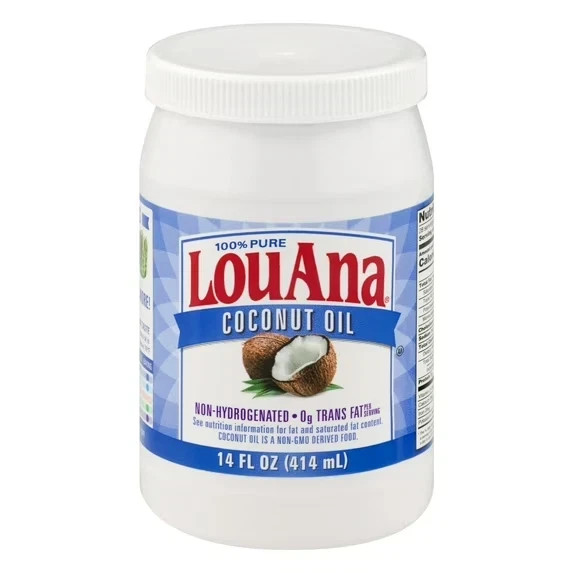 LouAna 100% Pure Coconut Oil, 14 fl oz$3.25
 View on eBay
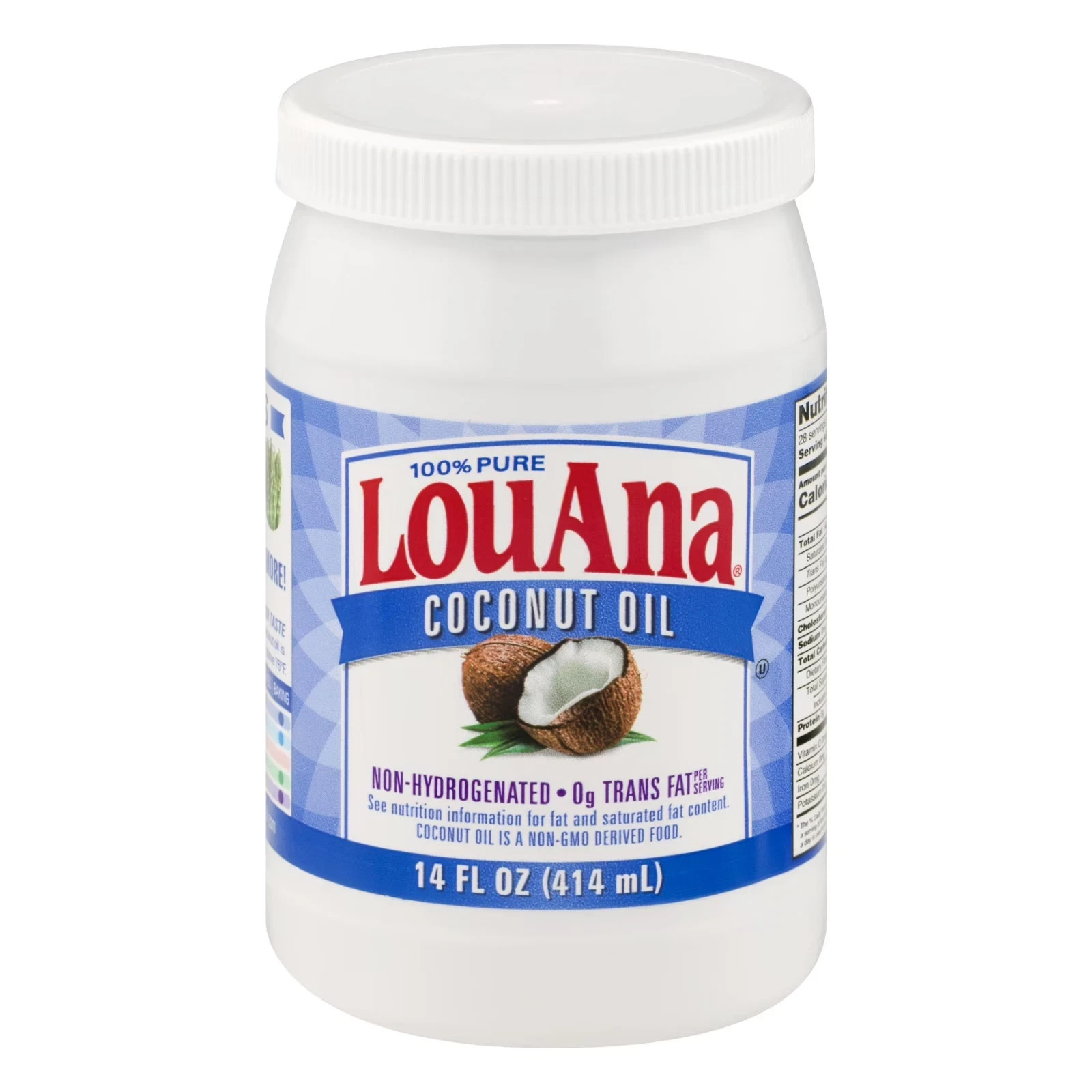 LouAna 100% Pure Coconut Oil, 14 fl oz$3.49View on eBay
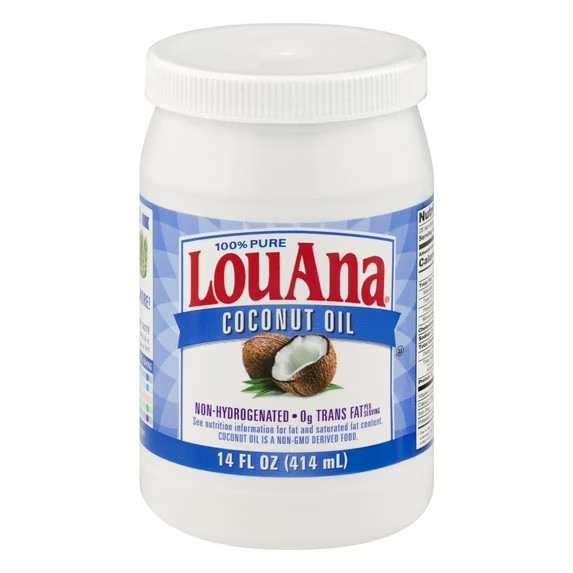 LouAna 100% Pure Coconut Oil, 14 fl oz$3.78View on eBay
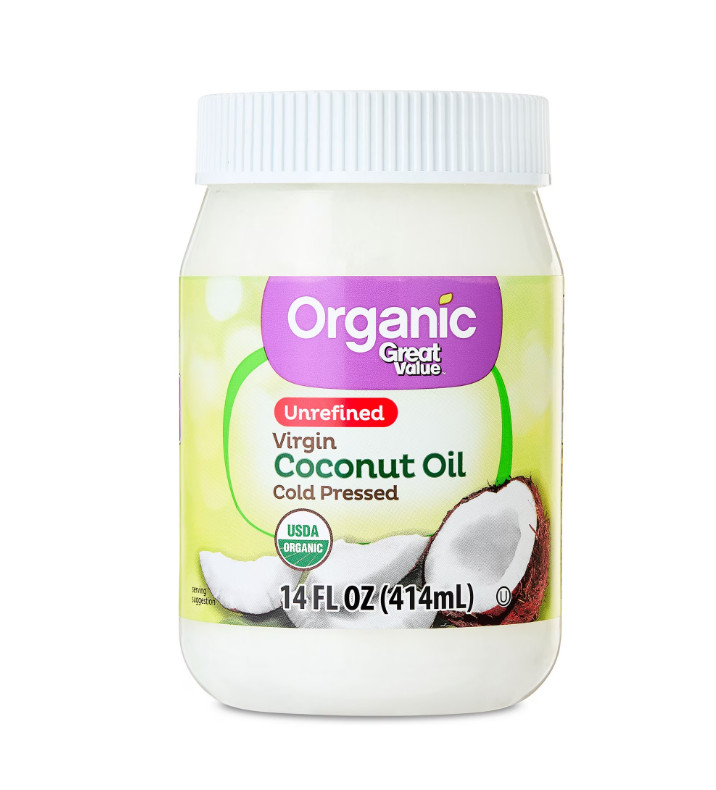 Great Value Organic Unrefined Virgin Coconut Oil, 14 fl oz$4.99View on eBay
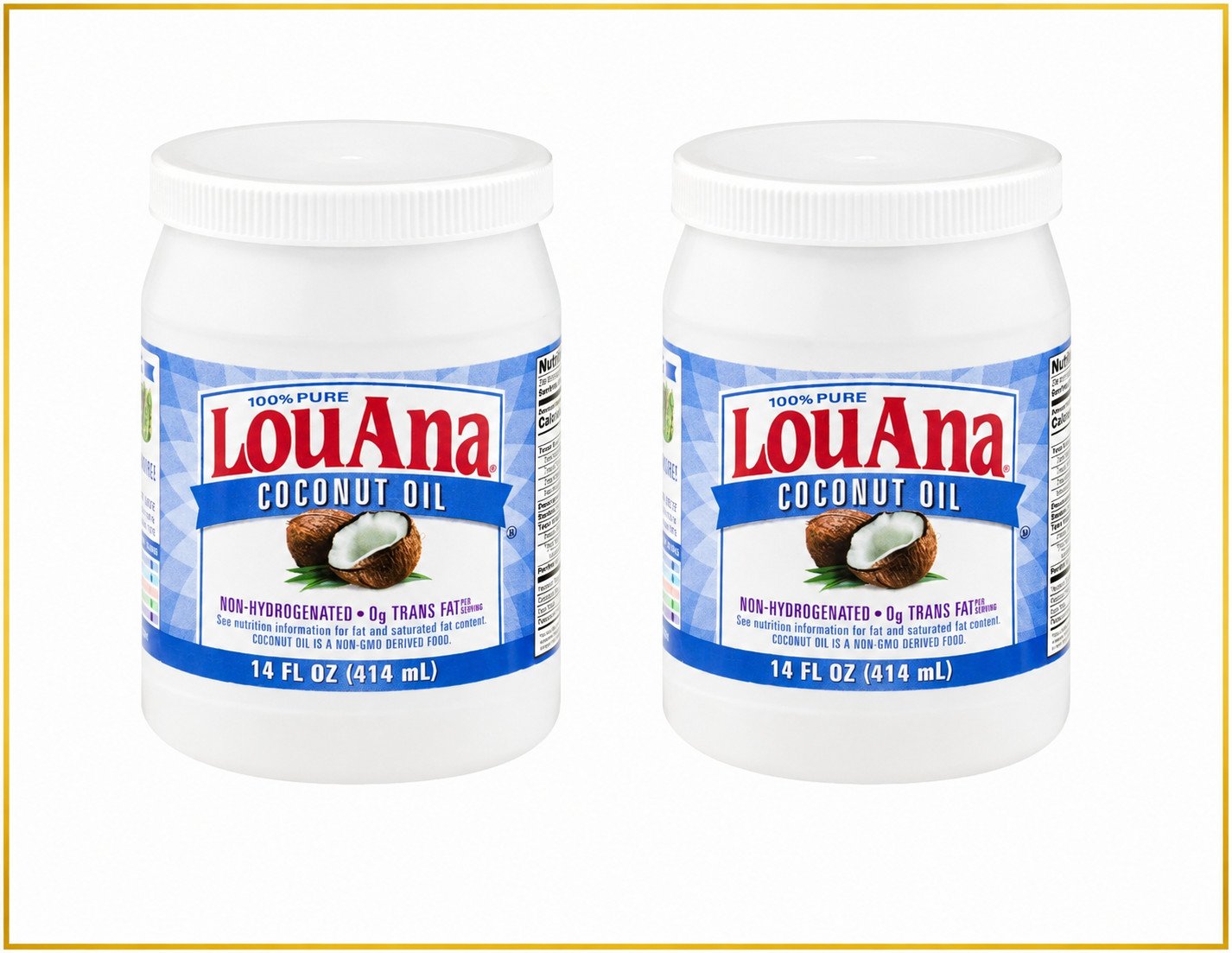 LouAna 100% Pure Coconut Oil 14 fl oz 2 Pack$6.99View on eBay
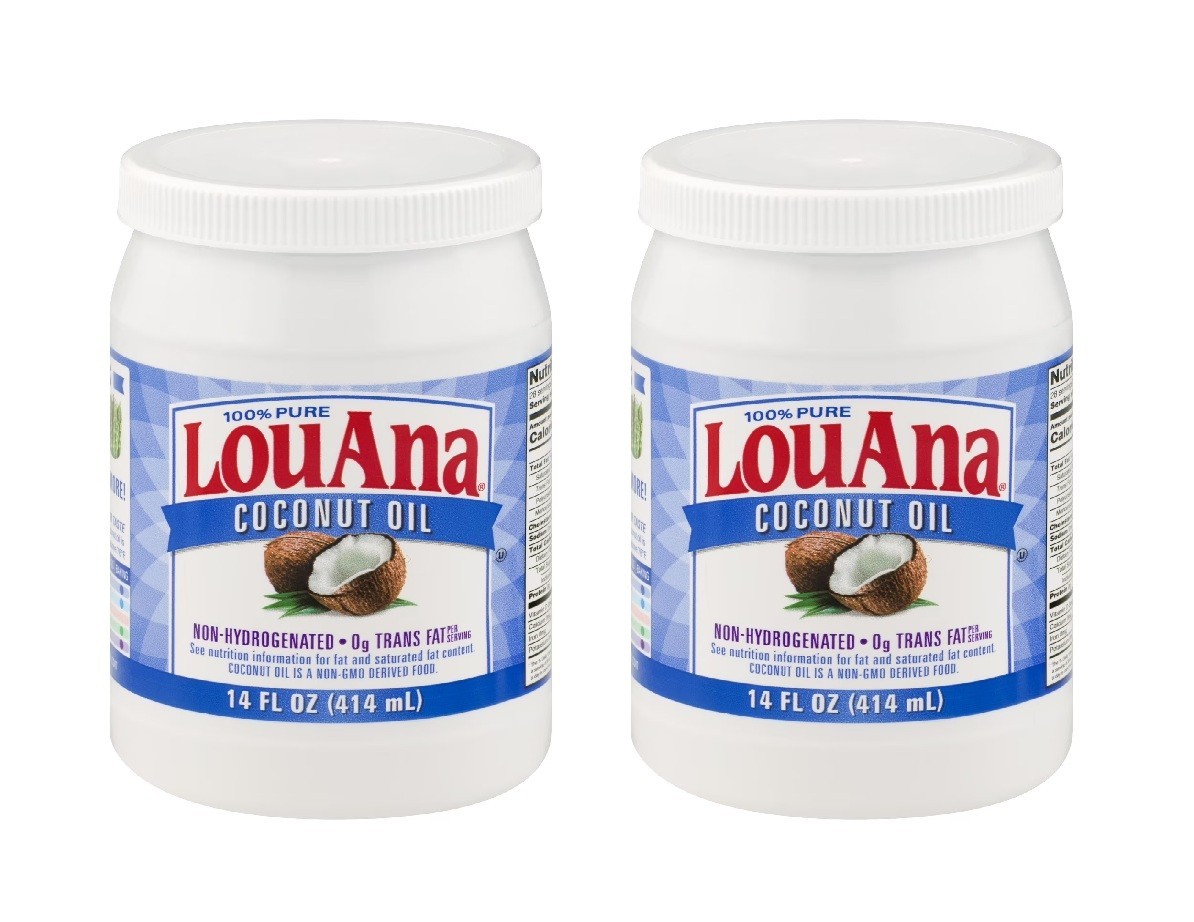 LouAna 100% Pure Coconut Oil, 14 fl oz Pack Of 2$8.75View on eBay
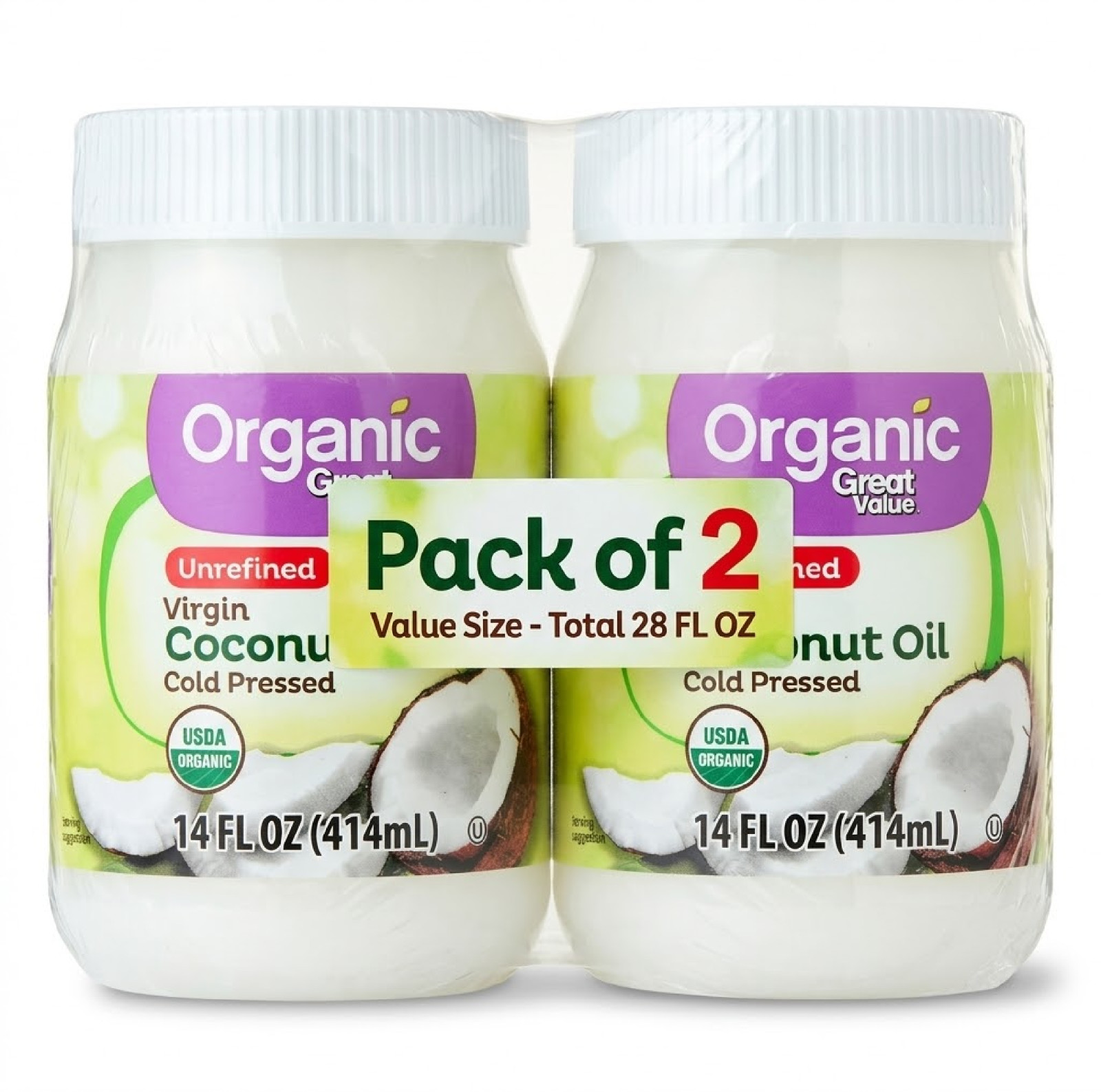 2 PK Great Value Organic Unrefined Virgin Coconut Oil, 14 fl oz Free Shipping$11.99View on eBay
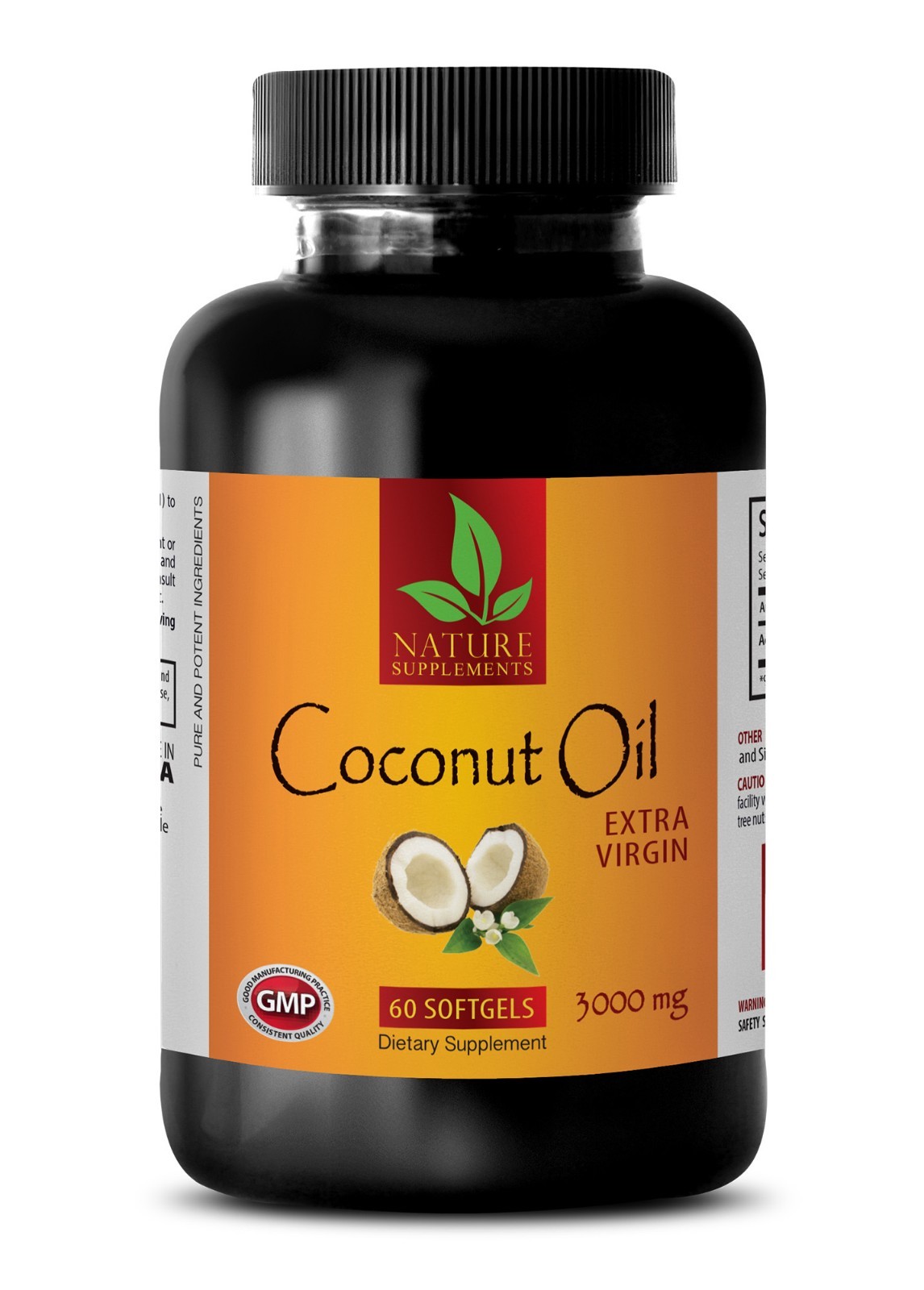 Antioxidant immune booster - COCONUT OIL EXTRA VIRGIN - anti aging skin care$23.38View on eBay
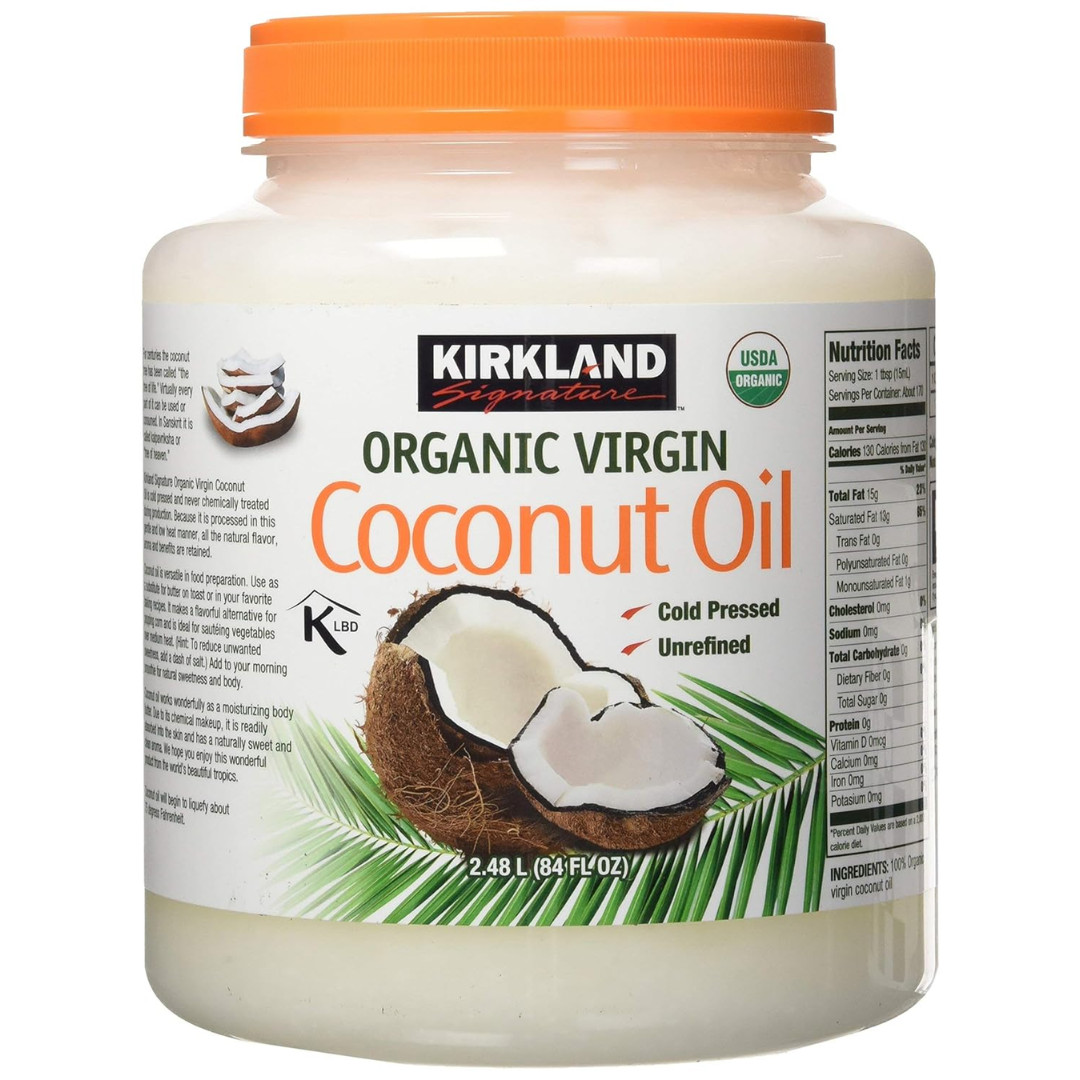 Kirkland Signature Organic Virgin Coconut Oil 84 fl oz Non-GMO$24.00View on eBay
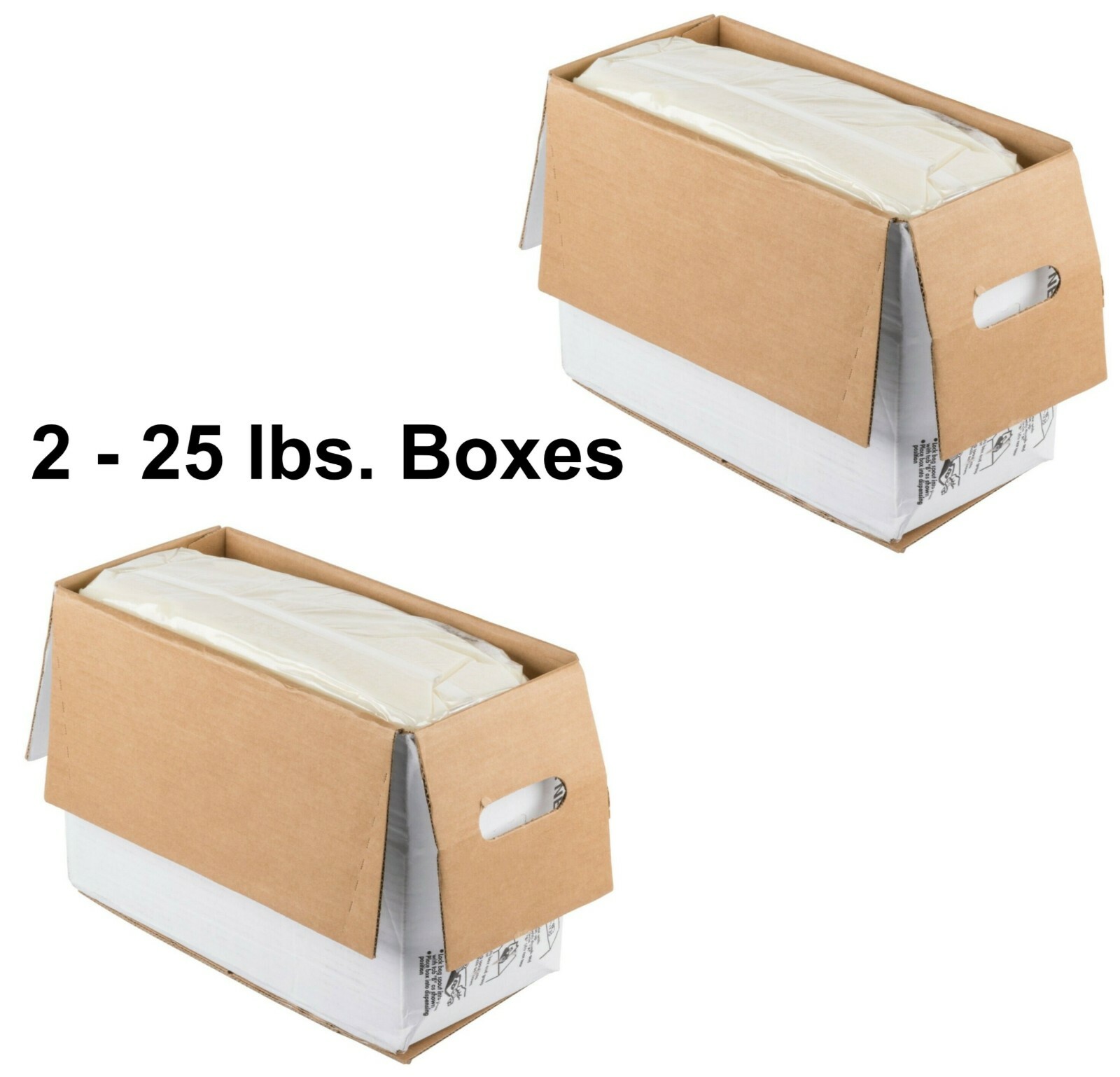 Coconut Oil UNREFINED 100% PURE Raw Organic For Hair Growth, Skin, Face, Cooking$417.00Last checked Nov 18, 2026View on eBay
Highlights
- Refined coconut oil is bleached and deodorized with a smoke point around 400–450°F (204–232°C), making it suited to searing and high-heat frying.
- Unrefined virgin coconut oil is cold-pressed without chemicals, retains lauric acid and polyphenols, and smokes near 350°F (177°C) — best for medium-heat cooking and raw use.
- Organic certification (USDA Organic) verifies no synthetic pesticides or hexane extraction; 'extra virgin' labels are marketing terms without a legally defined standard for coconut oil.
- Packaging format matters for shelf life: glass jars protect flavor but are heavy; BPA-free plastic or food-grade PET tubs are lighter but can absorb odors over long storage.
Best use cases
- Best for high-heat searing, stir-frying, and neutral baked goods: pick refined coconut oil in a wide-mouth jar or tub — it will not impart coconut flavor.
- Best for raw consumption, coffee, smoothies, and no-bake recipes: choose unrefined virgin or organic virgin coconut oil (cold-pressed) to retain lauric acid and aroma.
- Wrong fit: buying a large 84 fl oz tub of virgin coconut oil for occasional skin use — it will go rancid before you finish it; instead pick a 14–16 fl oz jar for freshness.
- Wrong fit: using unrefined virgin coconut oil for deep-frying at 400°F — it will smoke and turn bitter; use refined or a high-oleic oil instead.
Buying tips
- Match the label to the heat: 'refined' for frying above 375°F; 'unrefined/virgin/extra virgin' for eating raw and cooking below 350°F.
- Look for cold-pressed or expeller-pressed on virgin labels — these terms indicate mechanical extraction without chemical solvents like hexane.
- Choose organic (USDA seal) if you want verified pesticide-free sourcing; conventional virgin is acceptable if cost matters and you trust the brand's testing.
- For freshness, buy the smallest container you will finish within 12–18 months of opening; coconut oil has a 2-year shelf life unopened but oxidizes faster once opened.
Specs
| Grade | Refined / Virgin / Organic Virgin |
|---|---|
| Extraction | Cold-pressed vs expeller-pressed |
| Smoke Point | 350°F virgin / 400–450°F refined |
| Pack Size | 14–16 fl oz jar / 84 fl oz tub |
Related searches
What to check before buying
- Measure your storage space: a 14 fl oz jar is countertop-friendly; an 84 fl oz tub needs a cool, dark pantry shelf and should be decanted for daily use.
- Check your climate: coconut oil melts at 76°F (24°C), so in warm kitchens it will be liquid — choose a jar with a tight lid to prevent leaks and rancidity.
- Confirm your cooking surface: virgin coconut oil smokes at ~350°F, which is below the searing range of most stainless and cast-iron pans — choose refined if you sear often.
- Verify the ingredient list says only 'coconut oil' — avoid blends with palm oil or added flavors if you want pure coconut oil for cooking or skin.
FAQ
Data sources: eBay / Amazon listings and product attribute feeds Data updated Nov 18, 2026.
Some links on this page are affiliate links. If you buy after clicking one, we may earn a commission at no extra cost to you. This does not change which products appear here or their order. Affiliate disclosure.