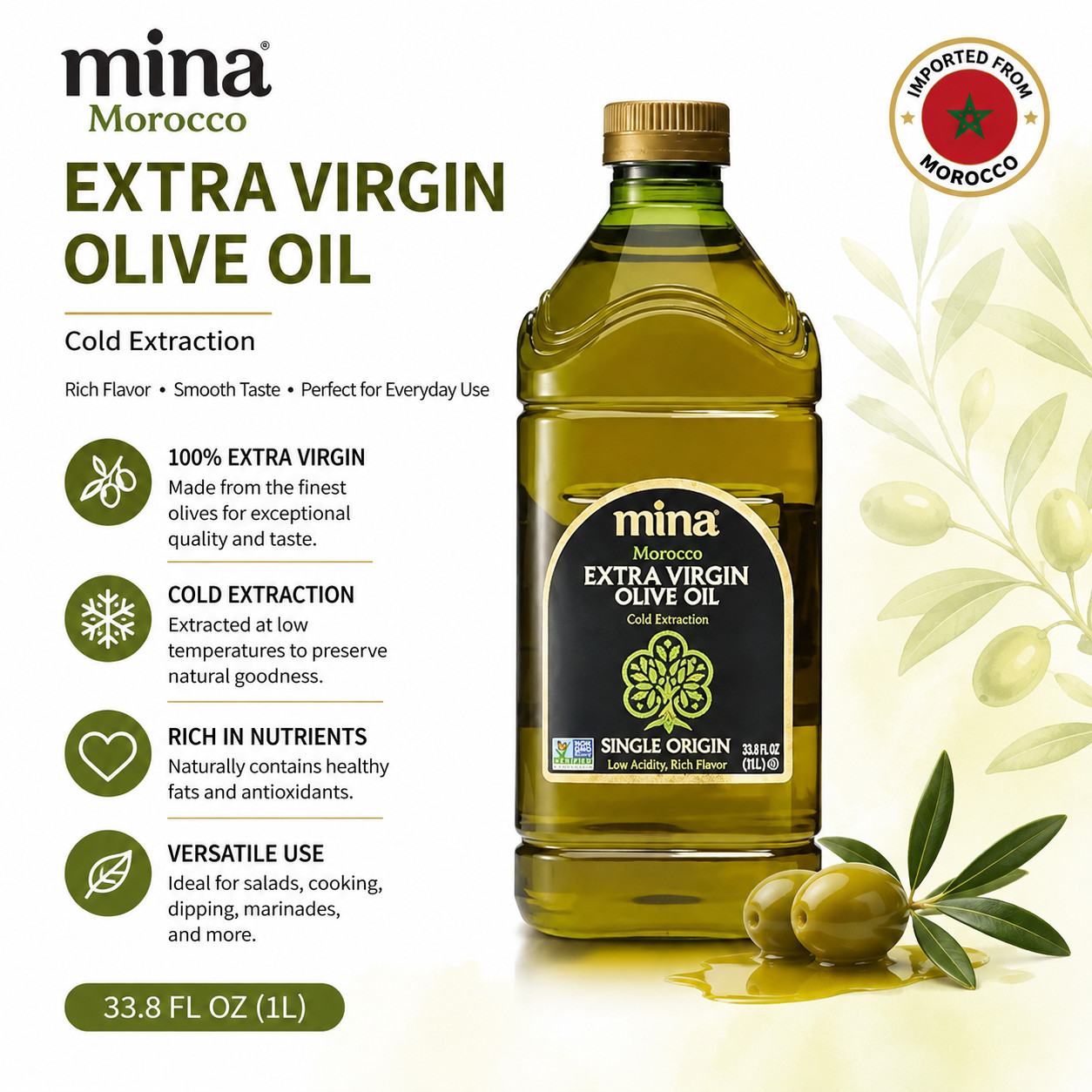

Photos from current listings. Actual item, color, and included accessories may vary.
Polyphenol Rich Olive Oil Buying Guide
Polyphenol-rich olive oil is extra virgin olive oil (EVOO) selected for high phenolic content—primarily hydroxytyrosol and oleocanthal—which delivers bitter, peppery notes and measurable antioxidant capacity. The core trade-off is freshness and extraction quality versus heat and light degradation: polyphenols peak in early-harvest, cold-extracted oil and decline with age, filtration, and storage abuse. The decision rule: buy single-origin, early-harvest, cold-extracted EVOO with a harvest date and dark glass or tin packaging; skip any bottle without a harvest date or with vague 'product of multiple countries' blending.


At a glance
- Category
- Rice, Flour, Oil & Condiments
- Data updated
- Nov 18, 2026
Current offers
Highlights
- Polyphenol levels are highest in early-harvest (green) olives; late-harvest oil is milder but typically 2-4x lower in total phenolics.
- Cold extraction below 27°C (80.6°F) preserves oleocanthal and hydroxytyrosol; heat and excessive filtration strip these compounds.
- Dark glass or tin blocks UV light, which degrades chlorophyll and accelerates polyphenol loss; clear bottles are a red flag.
- High-phenolic EVOO typically tests above 250 mg/kg total phenolics (or >200 mg/kg hydroxytyrosol equivalents), producing a strong peppery throat catch.
Best use cases
- Best fit: finishing raw—drizzling over bread, salads, or cooked dishes—to preserve heat-sensitive polyphenols; buy early-harvest single-origin in dark glass.
- Best fit: daily low-heat cooking when you want both flavor and phenolic intake; choose a 2L tin of single-origin EVOO and store it cool and dark.
- Wrong fit: high-heat frying or wok cooking—smoke point and phenolic degradation make expensive high-polyphenol oil wasteful; use refined or high-oleic oil instead.
- Wrong fit: buying a large clear-plastic bottle 'high polyphenol' at a discount—light and oxygen exposure will erase the benefit within weeks of opening.
Buying tips
- Look for a harvest date (not just 'best by') within the last 12-18 months; polyphenols decline steadily after pressing.
- Choose 'early harvest' or 'first cold press' wording plus a single origin (e.g., Morocco, Greece, Italy, Spain) over multi-country blends.
- Prefer dark glass or sealed tin; if buying a 2L tin, decant into a smaller dark bottle to limit oxygen exposure after opening.
- Check for a phenolic claim with a number (mg/kg) or a harvest-year label; vague 'rich in antioxidants' without data is marketing, not specification.
Specs
| Grade | Extra virgin (EVOO), cold extracted |
|---|---|
| Harvest Timing | Early harvest vs late harvest |
| Polyphenol Level | >250 mg/kg total phenolics |
| Packaging | Dark glass or sealed tin |
Related searches
What to check before buying
- Measure your storage space: 2L tins are tall and heavy; confirm shelf or pantry clearance before committing to bulk size.
- Confirm your kitchen stays below ~24°C (75°F) and away from stove light; heat and sunlight degrade polyphenols fast.
- Check the cap and seal: tins need a tight resealable spout, glass bottles a screw cap with no leakage in transit.
- Plan a decanter: a small dark-glass cruet (250-500 ml) lets you use a large tin without repeatedly opening it.
FAQ
Data sources: eBay / Amazon listings and product attribute feeds Data updated Nov 18, 2026.
Some links on this page are affiliate links. If you buy after clicking one, we may earn a commission at no extra cost to you. This does not change which products appear here or their order. Affiliate disclosure.