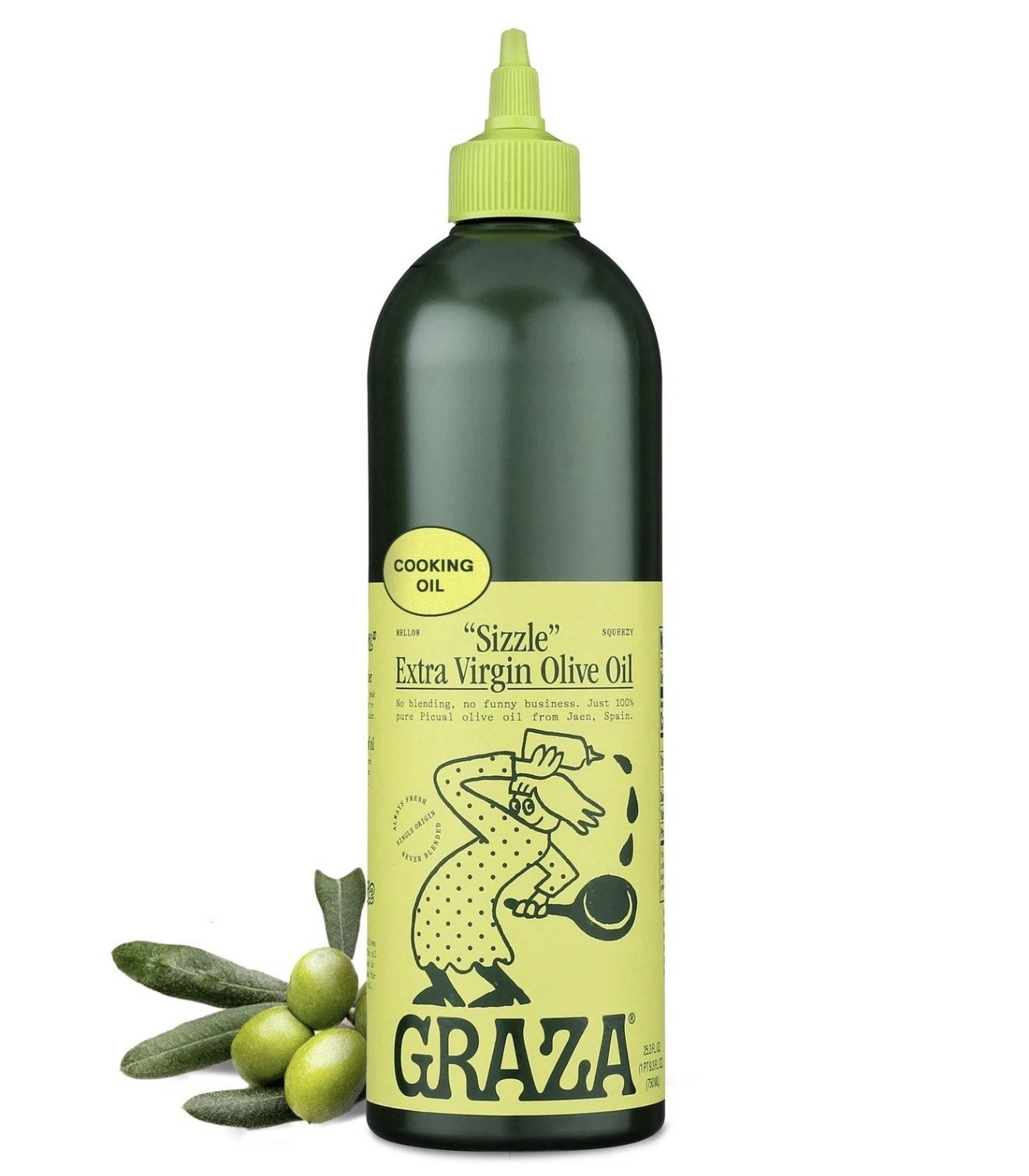

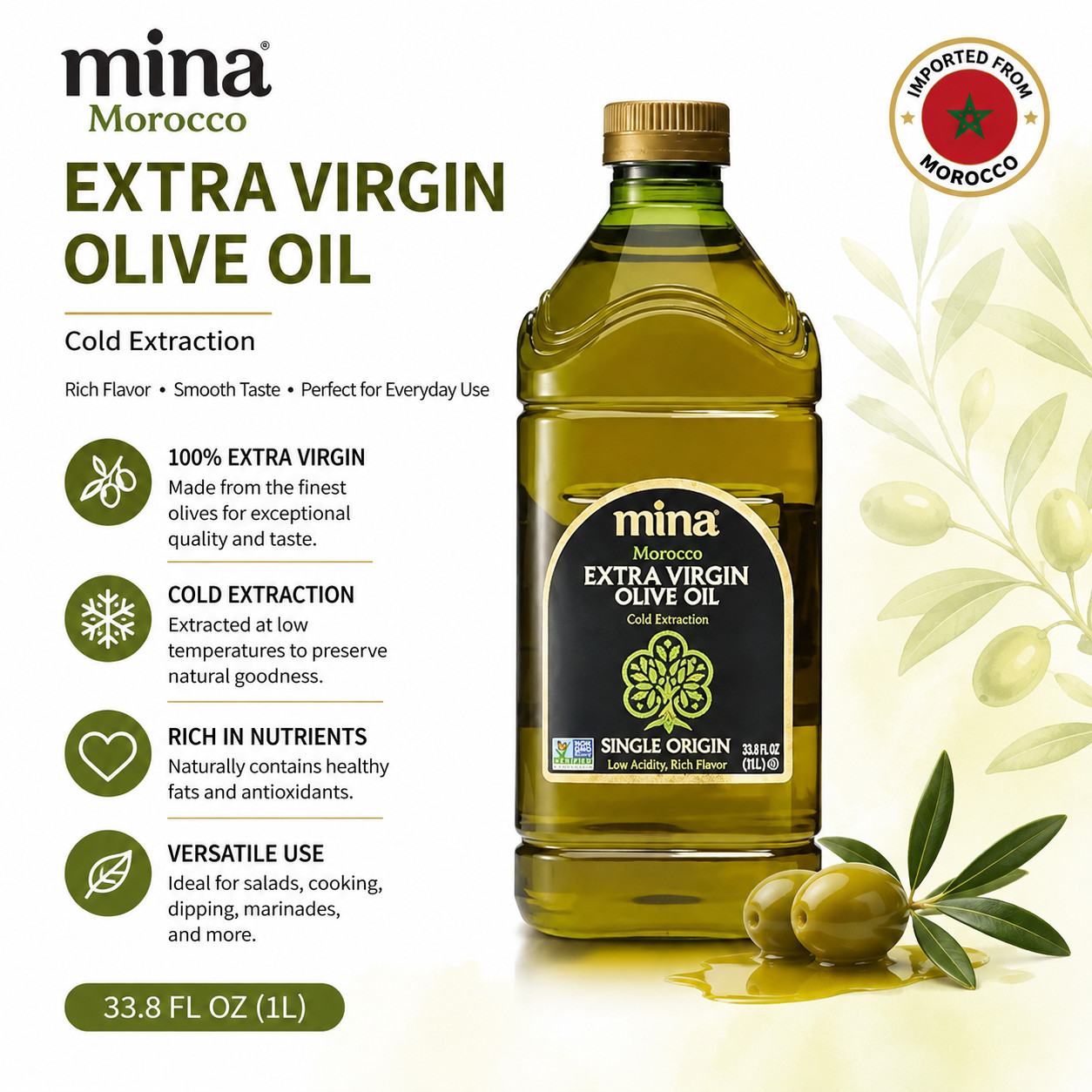
Photos from current listings. Actual item, color, and included accessories may vary.
Polyphenol Olive Oil Buying Guide
Polyphenol olive oil is extra virgin olive oil (EVOO) selected and often early-harvested for high concentrations of antioxidant polyphenols—measured as hydroxytyrosol and oleuropein—which drive both health benefits and a peppery, bitter finish. The core trade-off is freshness and harvest timing versus price and mildness: early-harvest oil peaks in polyphenols but yields less oil per tree, while later-harvest or filtered oil is cheaper and milder but lower in polyphenols. The clear decision rule is to buy single-origin, early-harvest EVOO with a harvest date (not just a best-by date) and a stated polyphenol range or lab result—skip generic 'pure' or 'light' olive oil, which is refined and contains negligible polyphenols.


At a glance
- Category
- Rice, Flour, Oil & Condiments
- Data updated
- Nov 18, 2026
Current offers
Highlights
- Polyphenols are highest in early-harvest EVOO (typically 300–800+ mg/kg) and fall sharply in late-harvest, filtered, or refined oil; 'light' and 'pure' olive oil are refined and near-zero.
- The EU health claim requires at least 250 mg/kg of hydroxytyrosol and its derivatives—about 20g (roughly 2 tablespoons) of oil per day to reach the 5mg daily polyphenol threshold.
- Single-origin, unfiltered or lightly filtered EVOO retains more polyphenols and sediment than heavily filtered blends; dark glass or tin protects against light degradation.
- Harvest date matters more than best-by date: polyphenols decline over months, so oil pressed within the last harvest season (roughly 12 months) is the practical freshness benchmark.
Best use cases
- Best fit: daily finishing and low-to-medium-heat cooking (sautéing, roasting, dressings) — choose early-harvest single-origin EVOO with a recent harvest date and a stated polyphenol level above 250 mg/kg.
- Wrong fit: high-heat searing, deep-frying, or neutral-tasting recipes — skip high-polyphenol EVOO and use refined avocado or peanut oil, which are cheaper and flavorless at high heat.
- Best fit: health-focused daily consumption of 1–2 tablespoons — pick a peppery, bitter early-harvest oil (e.g., Koroneiki, Picual, or Moroccan Picholine) and treat it as a food, not just a cooking fat.
- Wrong fit: buyers wanting a mild, buttery all-purpose oil — high-polyphenol EVOO is intentionally bitter and pungent; choose a late-harvest or filtered EVOO instead if you dislike that bite.
Buying tips
- Look for a harvest date (month/year) on the label or lot code—not just a best-by date—and buy oil from the most recent harvest, ideally within 12 months.
- Choose single-origin, early-harvest EVOO from varieties known for high polyphenols: Koroneiki (Greece), Picual and Coratina (Italy/Spain), Picholine (Morocco), and Mission (California).
- Prefer dark glass bottles or tins over clear plastic; polyphenols degrade with light and heat, so store in a cool, dark cupboard and use within 6–12 months of opening.
- Check for a stated polyphenol range (mg/kg) or lab analysis; reputable high-polyphenol producers publish hydroxytyrosol or total polyphenol figures, while mass-market EVOO rarely does.
Specs
| Polyphenol Level | 250–800+ mg/kg (early-harvest EVOO) |
|---|---|
| Harvest Timing | Early harvest (Oct–Nov) vs late harvest |
| Origin & Variety | Single-origin Koroneiki, Picual, Picholine |
| Packaging | Dark glass or tin; avoid clear plastic |
Related searches
What to check before buying
- Confirm the harvest date on the bottle or lot code—oil older than about 12–18 months from harvest has lost much of its polyphenol content.
- Match the oil to your cooking method: high-polyphenol EVOO for finishing and medium heat; refined oils for high-heat searing and frying.
- Check bottle size against your consumption rate: a 2L tin is economical but oxidizes faster once opened—buy a size you will finish within 2–3 months of opening.
- Verify origin and variety claims (single-origin vs blend) and look for a harvest-year seal or certification such as PDO/PGI or a third-party polyphenol test.
FAQ
Data sources: eBay / Amazon listings and product attribute feeds Data updated Nov 18, 2026.
Some links on this page are affiliate links. If you buy after clicking one, we may earn a commission at no extra cost to you. This does not change which products appear here or their order. Affiliate disclosure.