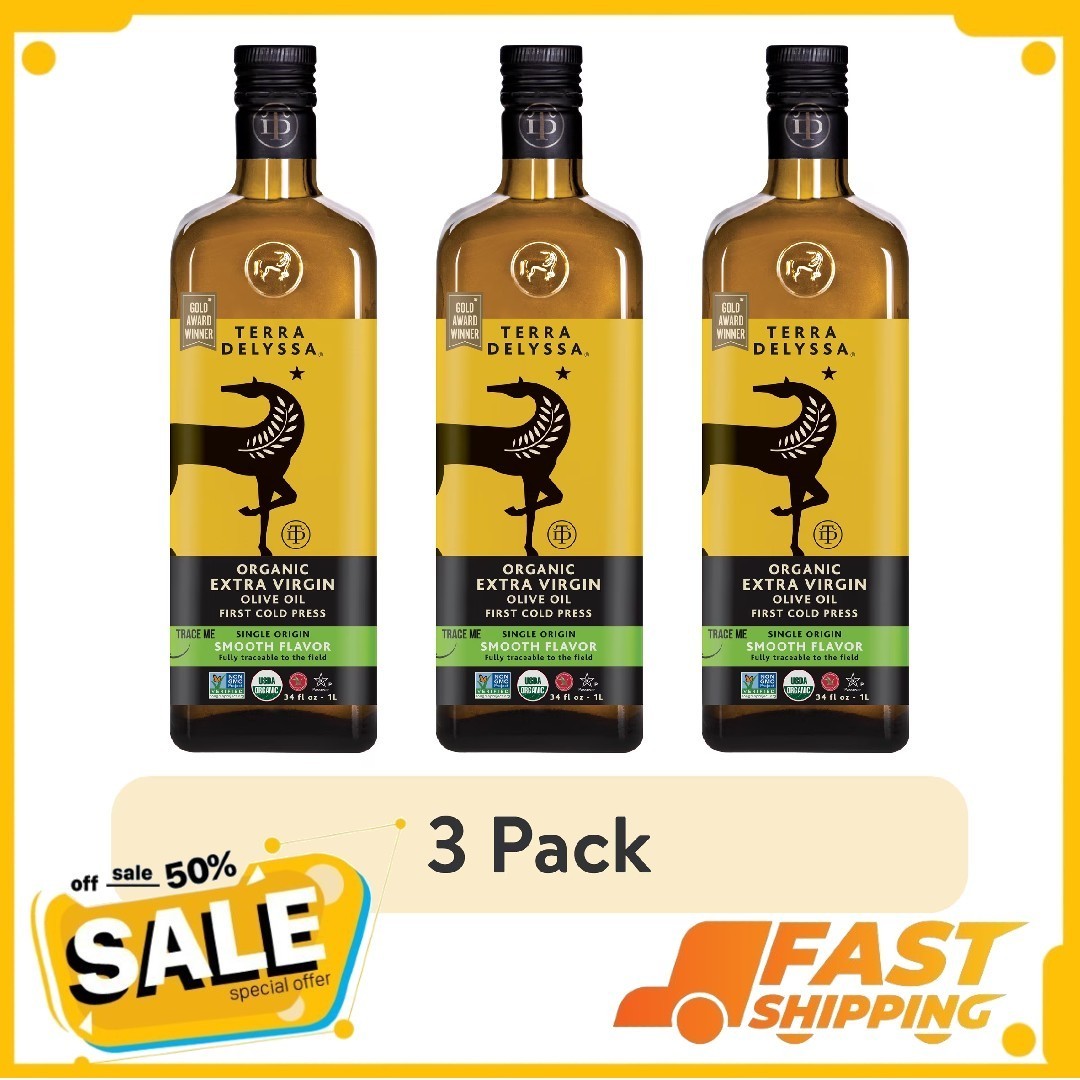

Photos from current listings. Actual item, color, and included accessories may vary.
Organic Extra Virgin Olive Oil Buying Guide
Organic extra virgin olive oil is an unrefined, cold-extracted fruit juice with a legal free acidity limit of 0.8% and certified organic farming. The core trade-off is freshness and polyphenol content versus bottle size and price per liter: smaller dark-glass bottles from a single harvest year protect flavor, while bulk plastic or clear bottles accelerate oxidation. The decision rule is simple: buy only oils labeled with a harvest date, a single origin, and dark glass or tin; skip any bottle without a harvest year or with a harvest date older than 18 months.


At a glance
- Category
- Rice, Flour, Oil & Condiments
- Data updated
- Nov 18, 2026
Current offers
Highlights
- Extra virgin means free acidity ≤0.8% and peroxide value ≤20 mEq O2/kg; virgin is ≤2.0% acidity and lampante is unfit for direct consumption.
- Organic certification requires USDA NOP or EU 834/2007 compliance; the seal must appear on the back label with the certifier's code.
- Polyphenol content above 250 mg/kg (often printed as 'high phenolic') delivers the peppery sting and longer shelf life; under 150 mg/kg tastes flat.
- Dark glass or tin blocks UV light that degrades chlorophyll and accelerates rancidity; clear PET bottles lose freshness within weeks of opening.
Best use cases
- Best fit: buy a 500 ml–1 L dark-glass bottle with a harvest date within 12 months for raw finishing, dipping, and salads where peppery flavor matters.
- Wrong fit: do not buy a large 3 L tin or 3-pack of 34 fl oz bottles for occasional drizzle use—you will not finish it before oxidation sets in 6–8 weeks after opening.
- Best fit: choose a single-estate or single-country organic EVOO for gifting or pantry staples; skip blended 'Mediterranean' organic oils that list multiple countries without a harvest date.
- Wrong fit: avoid organic EVOO in clear plastic for high-heat cooking; use a refined organic olive oil or avocado oil for searing above 400°F.
Buying tips
- Look for a harvest date (not just a best-by date) printed on the back label; oil is freshest 12–18 months from harvest, so reject anything older than 18 months.
- Calculate true cost per liter: a 34 fl oz bottle equals 1.0 L; compare against 500 ml and 3 L tins to avoid paying a small-bottle premium for bulk use.
- Check the container: dark green or amber glass and tin are best; bag-in-box with a spigot preserves freshness for high-volume kitchens.
- For organic claims, verify the USDA NOP seal or EU organic leaf with a certifier code (e.g., IT-BIO-006) on the back label—front-label 'organic' alone is not certified.
Specs
| Grade / Acidity | Extra virgin ≤0.8% free acidity |
|---|---|
| Organic Certification | USDA NOP / EU 834/2007 seal |
| Harvest Freshness | Harvest date ≤18 months old |
| Container | Dark glass / tin / bag-in-box |
Related searches
What to check before buying
- Measure your pantry storage: a 3 L tin needs 10 inches of height and 6 inches of width; 500 ml bottles fit standard 4-inch shelves.
- Confirm your cooking method: raw finishing needs high-polyphenol EVOO; high-heat searing needs a high-smoke-point refined oil (EVOO smoke point ~375–410°F).
- Check the cap and seal: flip-top pourers suit daily use; screw caps with tamper bands suit gifting; bag-in-box spigots require fridge or cool closet space.
- Verify plug/voltage not applicable, but check bottle material: glass is recyclable and inert; PET plastic can leach acetaldehyde into oil over time.
FAQ
Data sources: eBay / Amazon listings and product attribute feeds Data updated Nov 18, 2026.
Some links on this page are affiliate links. If you buy after clicking one, we may earn a commission at no extra cost to you. This does not change which products appear here or their order. Affiliate disclosure.