Photos from current listings. Actual item, color, and included accessories may vary.
Organic Coconut Oil Buying Guide
Organic coconut oil is a pantry and personal-care staple defined by two extraction tiers: unrefined virgin (raw, coconut aroma, smoke point ~350°F) and refined (neutral, smoke point ~400°F+). The core trade-off is flavor and phytonutrient retention versus high-heat stability and neutral taste. Buy virgin unrefined for baking, sautéing, and skin/hair use; choose refined organic only when you need a neutral high-heat frying oil.


At a glance
- Category
- Rice, Flour, Oil & Condiments
- Data updated
- Nov 18, 2026
Current offers
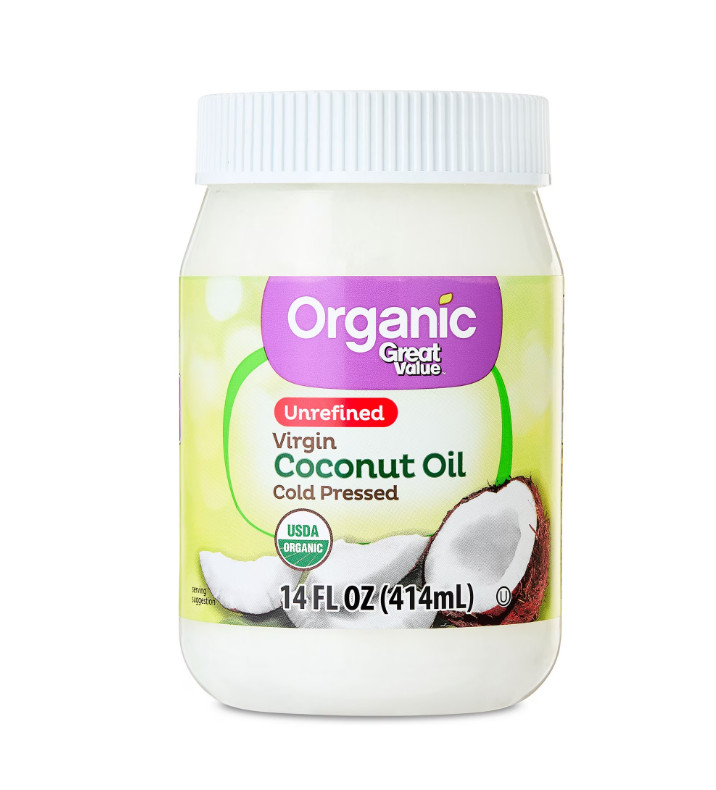 Great Value Organic Unrefined Virgin Coconut Oil, 14 fl oz$4.99
 View on eBay
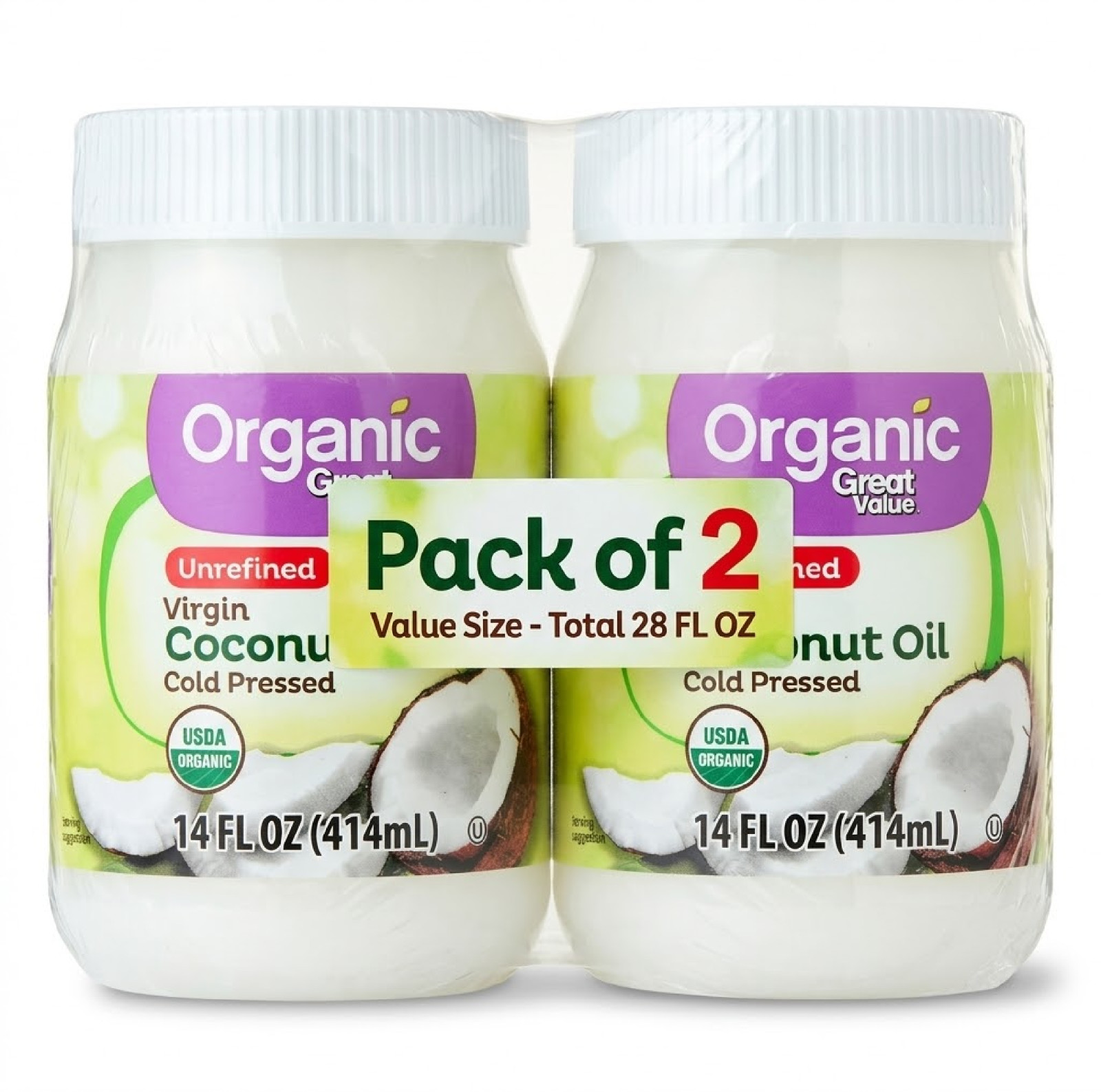 2 PK Great Value Organic Unrefined Virgin Coconut Oil, 14 fl oz Free Shipping$11.99View on eBay
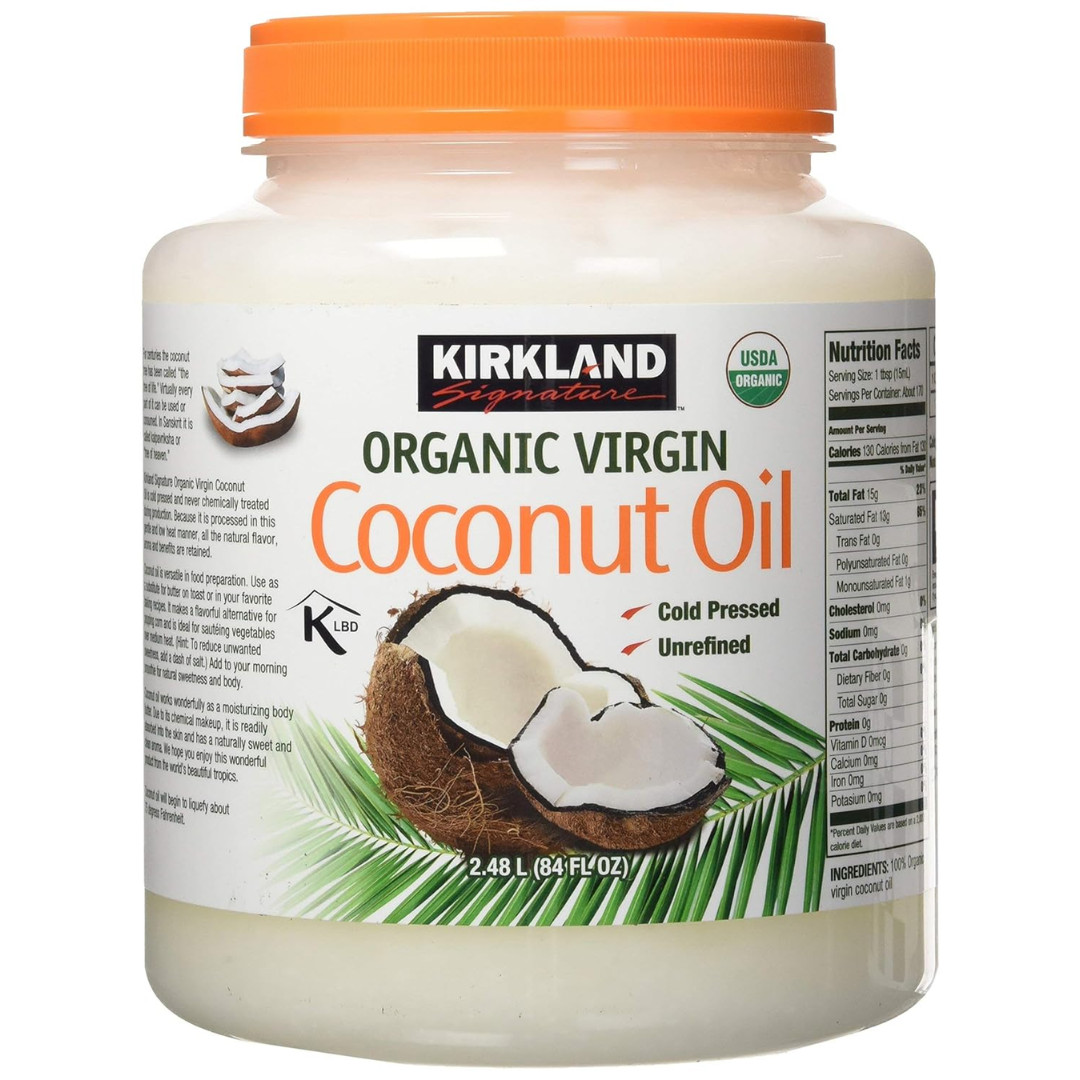 Kirkland Signature Organic Virgin Coconut Oil 84 fl oz Non-GMO$24.00View on eBay
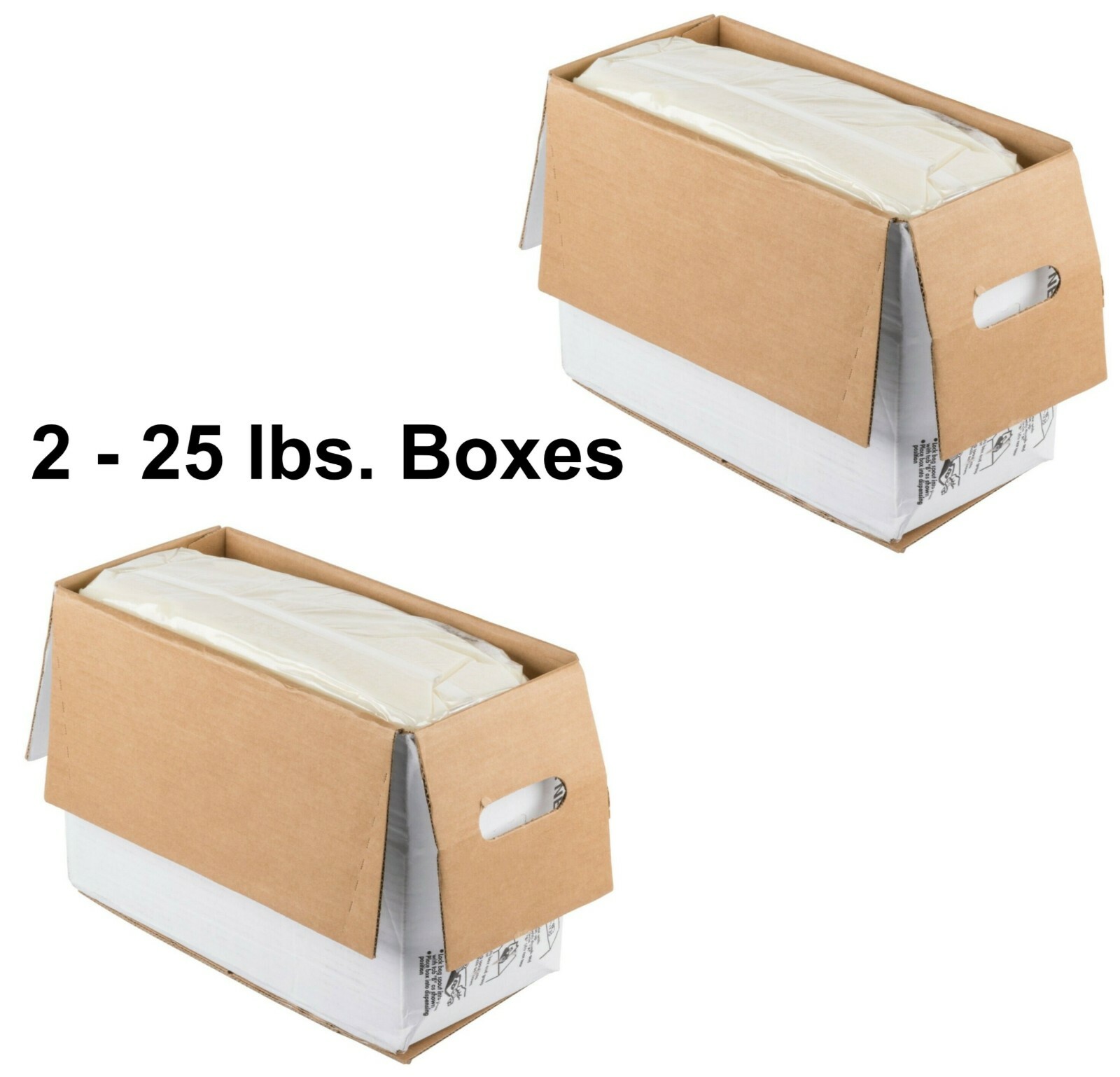 Coconut Oil UNREFINED 100% PURE Raw Organic For Hair Growth, Skin, Face, Cooking$417.00Last checked Nov 18, 2026View on eBay
Highlights
- Unrefined virgin oil is cold-pressed or expeller-pressed from fresh coconut meat, retaining lauric acid and aroma; smoke point ~350°F suits medium-heat cooking.
- Refined organic oil is bleached and deodorized, raising smoke point above 400°F but stripping polyphenols and coconut flavor—ideal for searing and stir-frying.
- Glass jars preserve flavor and avoid plastic leaching over months; wide-mouth PET is acceptable for high-turnover kitchen use but not long storage.
- USDA Organic seal requires non-GMO coconuts grown without synthetic pesticides; Non-GMO Project verification is a separate third-party audit worth checking on large-format tubs.
Best use cases
- Best fit: home bakers and sauté cooks buying 14–28 fl oz virgin unrefined jars—small enough to finish before rancidity, glass for flavor retention.
- Best fit: high-volume users (bulletproof coffee, keto baking, body care) buying 84 fl oz Kirkland-style tubs—cost per ounce drops sharply at this tier.
- Wrong fit: deep-frying or wok cooking with virgin unrefined oil—the ~350°F smoke point will scorch; step up to refined organic or a high-oleic oil.
- Wrong fit: buyers wanting zero coconut taste in savory dishes—virgin oil carries a distinct aroma; choose expeller-pressed refined organic instead.
Buying tips
- Match smoke point to heat: virgin unrefined for up to 350°F (baking, oatmeal, low sauté); refined organic for 400°F+ (searing, roasting, fried rice).
- Buy the smallest package you will finish in 3–6 months after opening—coconut oil oxidizes slowly but rancidity climbs once air and warmth enter the jar.
- Check the fat-crystal look: virgin oil is solid white below ~76°F and clear above; a uniform melt-and-reset is normal, not a defect.
- For skin and hair use, prioritize cold-pressed virgin in glass; for cooking volume, a food-grade 84 fl oz tub with USDA Organic and Non-GMO seals is the value pick.
Specs
| Extraction Type | Unrefined virgin vs refined |
|---|---|
| Smoke Point | Virgin ~350°F / Refined 400°F+ |
| Organic Seal | USDA Organic + Non-GMO Project |
| Packaging | Glass jar vs wide-mouth PET tub |
Related searches
What to check before buying
- Measure pantry shelf height and cabinet depth—84 fl oz tubs are wide and tall; confirm clearance before buying bulk.
- Confirm your kitchen's ambient temperature: if it stays above 76°F, oil will be liquid year-round and jar-mouth size matters for pouring.
- Verify the label states USDA Organic and, for large tubs, Non-GMO Project Verified; these are the two credible third-party seals.
- For dietary or allergen use, check the facility line—coconut is a tree nut under FDA labeling; shared lines are disclosed on the package.
FAQ
Data sources: eBay / Amazon listings and product attribute feeds Data updated Nov 18, 2026.
Some links on this page are affiliate links. If you buy after clicking one, we may earn a commission at no extra cost to you. This does not change which products appear here or their order. Affiliate disclosure.