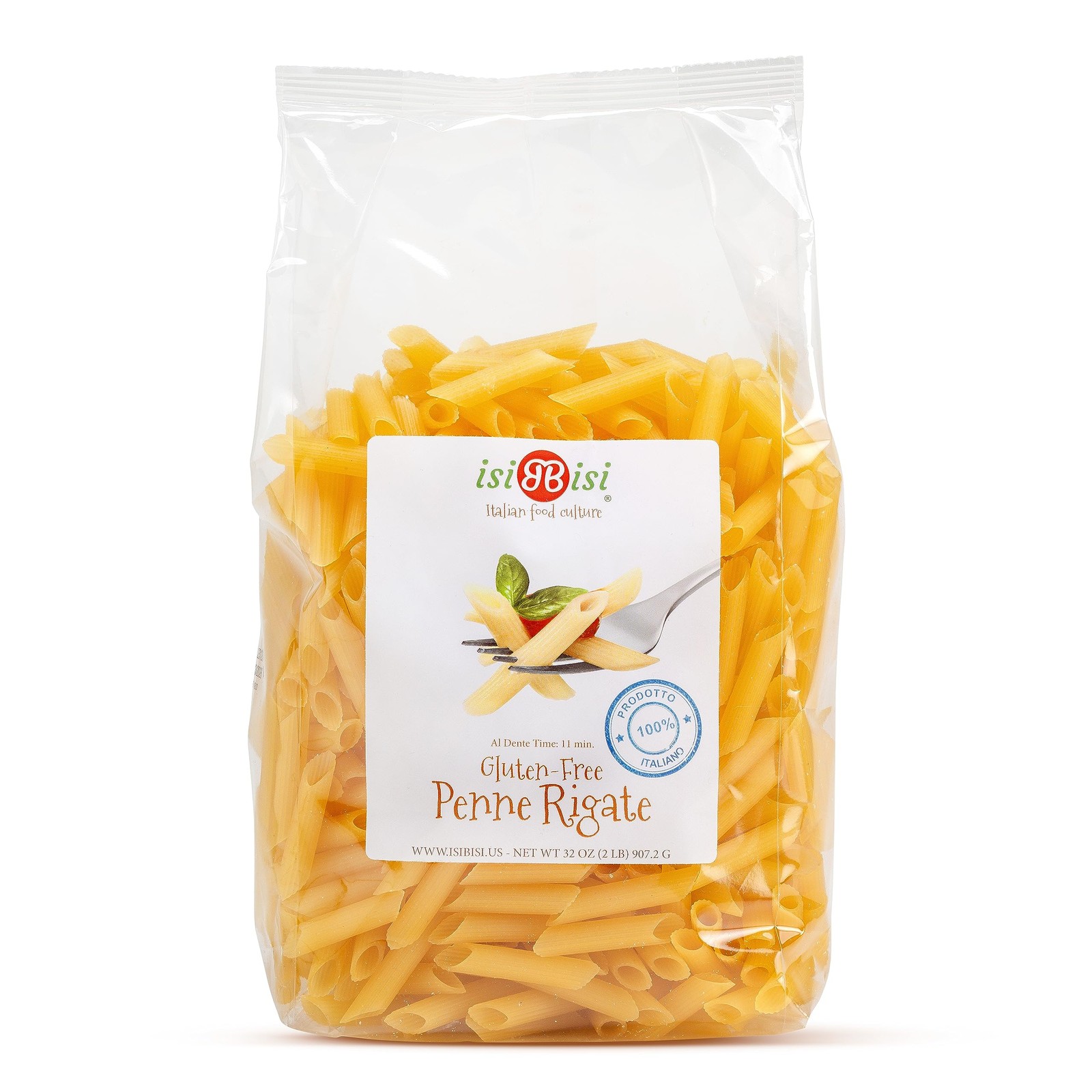

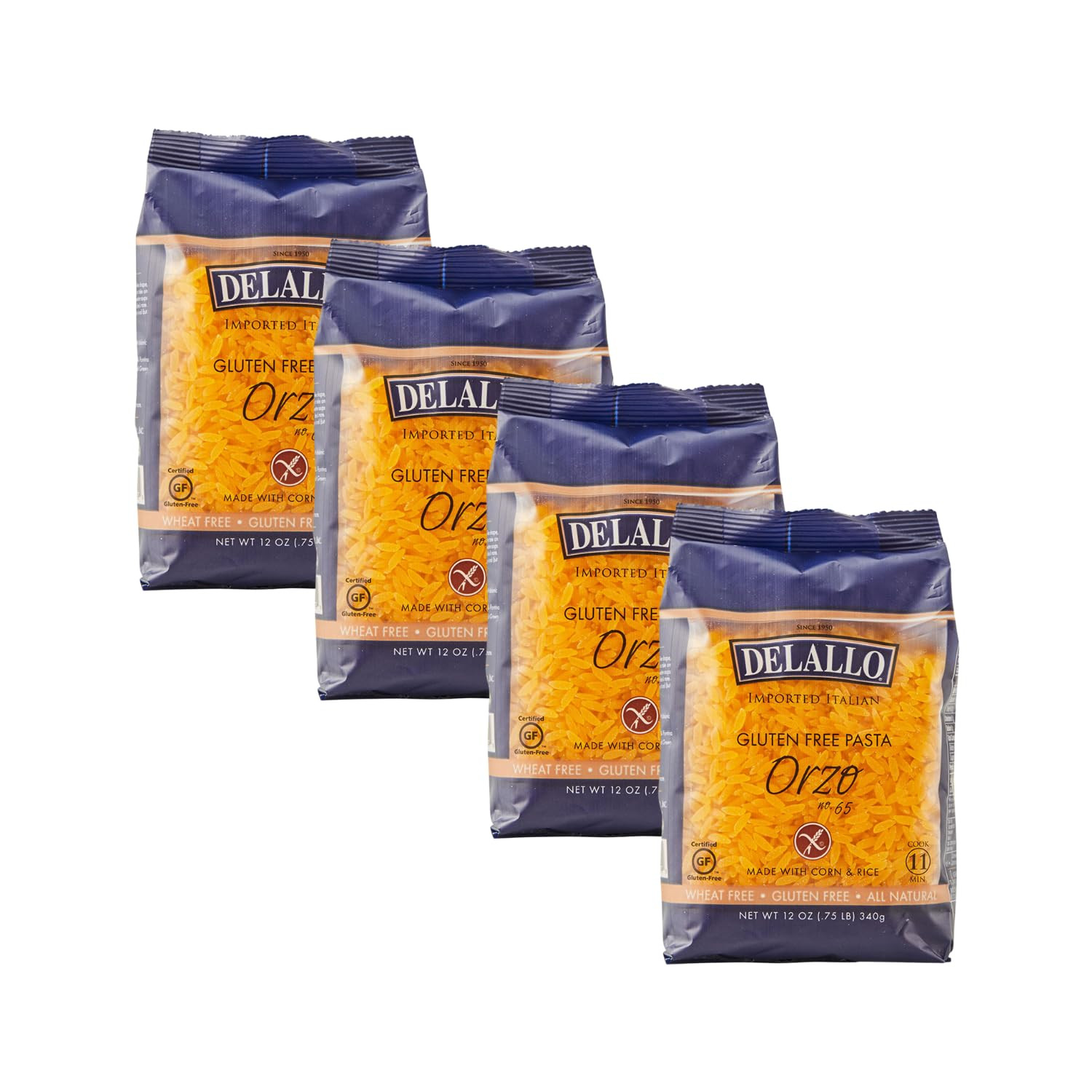
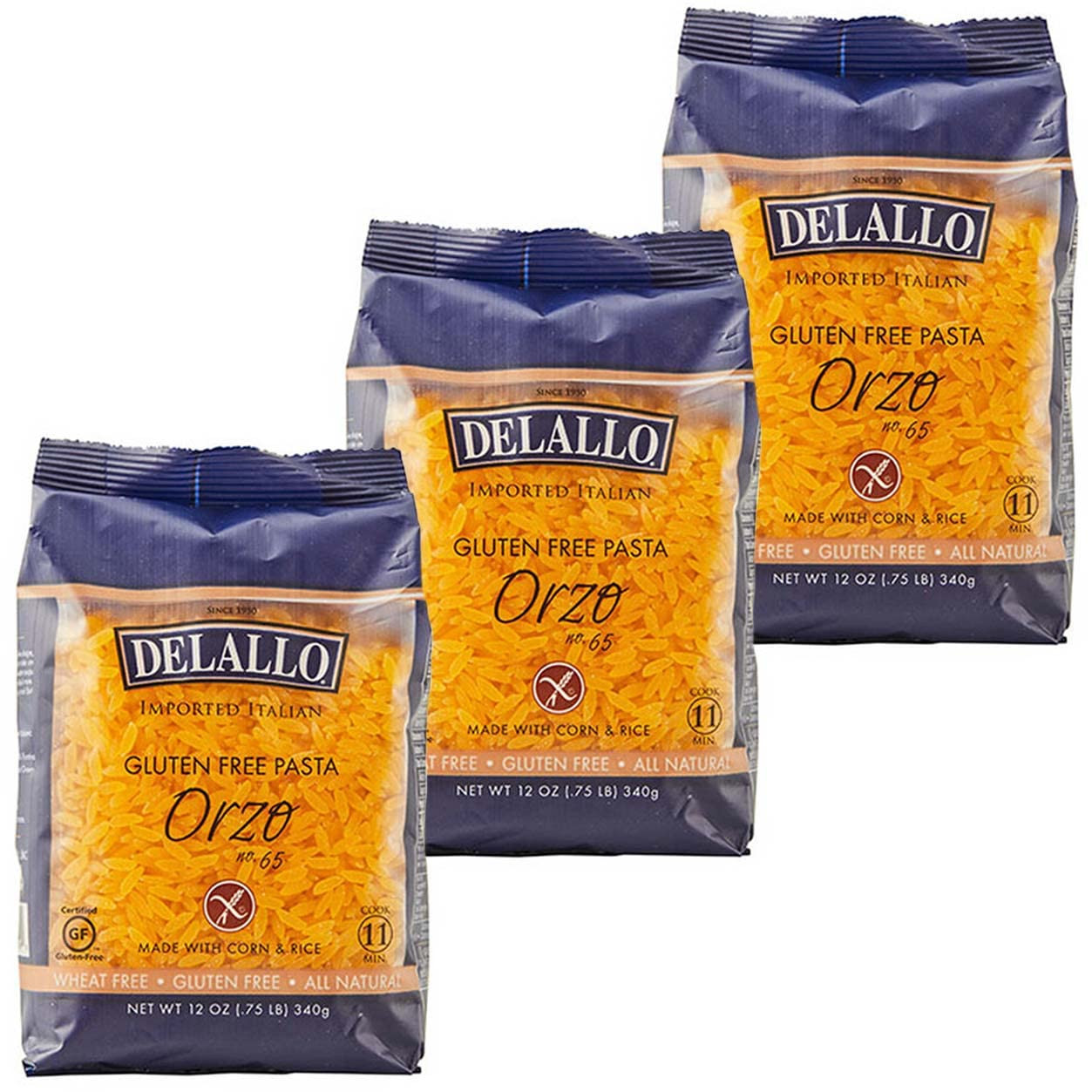
Photos from current listings. Actual item, color, and included accessories may vary.
Gluten Free Flour Buying Guide
Gluten-free flour is a blend of non-wheat starches and flours engineered to replace wheat's gluten network, with the core trade-off between neutral all-purpose blends (easy 1:1 swaps) and single-grain flours (rice, almond, coconut) that require binders and recipe rebalancing. Durable, reliable results come from blends with xanthan or guar gum already included and a starch-to-whole-grain ratio near 60:40; skip pure single flours unless you add your own binder and adjust hydration.


At a glance
- Category
- Rice, Flour, Oil & Condiments
- Data updated
- Nov 18, 2026
Current offers
Highlights
- All-purpose GF blends typically combine white rice flour, potato starch, and tapioca starch at roughly 60:40 starch-to-grain, with 0.5–1% xanthan gum for elasticity.
- Single-grain flours like almond (high fat, low starch) and coconut (high fiber, high absorbency) cannot be swapped 1:1 and need extra eggs or binder plus 10–20% more liquid.
- Rice-based pasta (penne, orzo) made from corn and rice flour relies on extrusion heat and starch gelatinization rather than gluten for structure; it turns mushy if boiled past 8–9 minutes.
- Certified gluten-free labeling requires <20 ppm gluten under FDA rules; oat-based products need dedicated gluten-free oat supply to avoid cross-contact.
Best use cases
- Best fit: buy a 1:1 all-purpose blend with xanthan gum for cookies, muffins, pancakes, and quick breads—measure by weight, not volume, for consistent results.
- Best fit: choose single-grain flours (almond, coconut, buckwheat) only when a recipe specifies them and includes binder and hydration adjustments; skip them for yeast breads.
- Wrong fit: standard GF blends without added binder for sourdough or yeasted sandwich bread—choose a bread-specific blend with psyllium husk and higher protein instead.
- Wrong fit: rice-and-corn pasta for anyone needing al dente bite—cook 1–2 minutes under package time and rinse to stop carryover cooking.
Buying tips
- Choose blends listing starch first (potato/tapioca) and whole grains second (brown rice, sorghum) for tenderness; grain-first blends yield denser, drier bakes.
- For yeast breads, pick blends containing psyllium husk or added vital wheat gluten-free protein (millet, sorghum) at 12–15% protein equivalent—xanthan alone won't build structure.
- Weigh flour in grams (1 cup GF blend ≈ 120–140 g vs wheat 120 g) because volume scoops vary up to 20%; use a scale for repeatable texture.
- For pasta, confirm corn-and-rice or rice-and-quinoa base with a single ingredient list—multi-grain blends with legumes can go gritty; boil 8–9 minutes max.
Specs
| Blend Type | 1:1 all-purpose vs single-grain |
|---|---|
| Binder Included | Xanthan/guar gum vs add-your-own |
| Grain Base | Rice/potato/tapioca vs almond/coconut |
| Certification | Certified GF (<20 ppm) vs unverified |
Related searches
What to check before buying
- Measure your baking pan or bread machine capacity and match flour blend type: 1:1 blends for 8–9 inch pans, bread blends for 9x5 inch loaf pans.
- Confirm your kitchen has a gram scale and xanthan/psyllium binder on hand—most single-grain flours require both for structure.
- Check storage: almond and coconut flours go rancid in 3–6 months at room temp; plan freezer space or buy smaller bags.
- Verify gluten-free certification seal (GFCO, NSF) if celiac or severe sensitivity—'made with rice flour' pasta may share wheat lines.
FAQ
Data sources: eBay / Amazon listings and product attribute feeds Data updated Nov 18, 2026.
Some links on this page are affiliate links. If you buy after clicking one, we may earn a commission at no extra cost to you. This does not change which products appear here or their order. Affiliate disclosure.