Photos from current listings. Actual item, color, and included accessories may vary.
Flour Buying Guide
Flour is a milled grain powder whose protein content and wheat class determine gluten strength, absorption, and whether it suits bread, pasta, or pastry. The core trade-off is protein percentage versus refinement: high-protein bread flour builds structure, while low-protein cake flour and gluten-free blends trade elasticity for tenderness. Choose by protein tier and wheat class, not by brand, and skip any flour that lacks a stated protein range or mill date.


At a glance
- Category
- Rice, Flour, Oil & Condiments
- Data updated
- Nov 18, 2026
Current offers
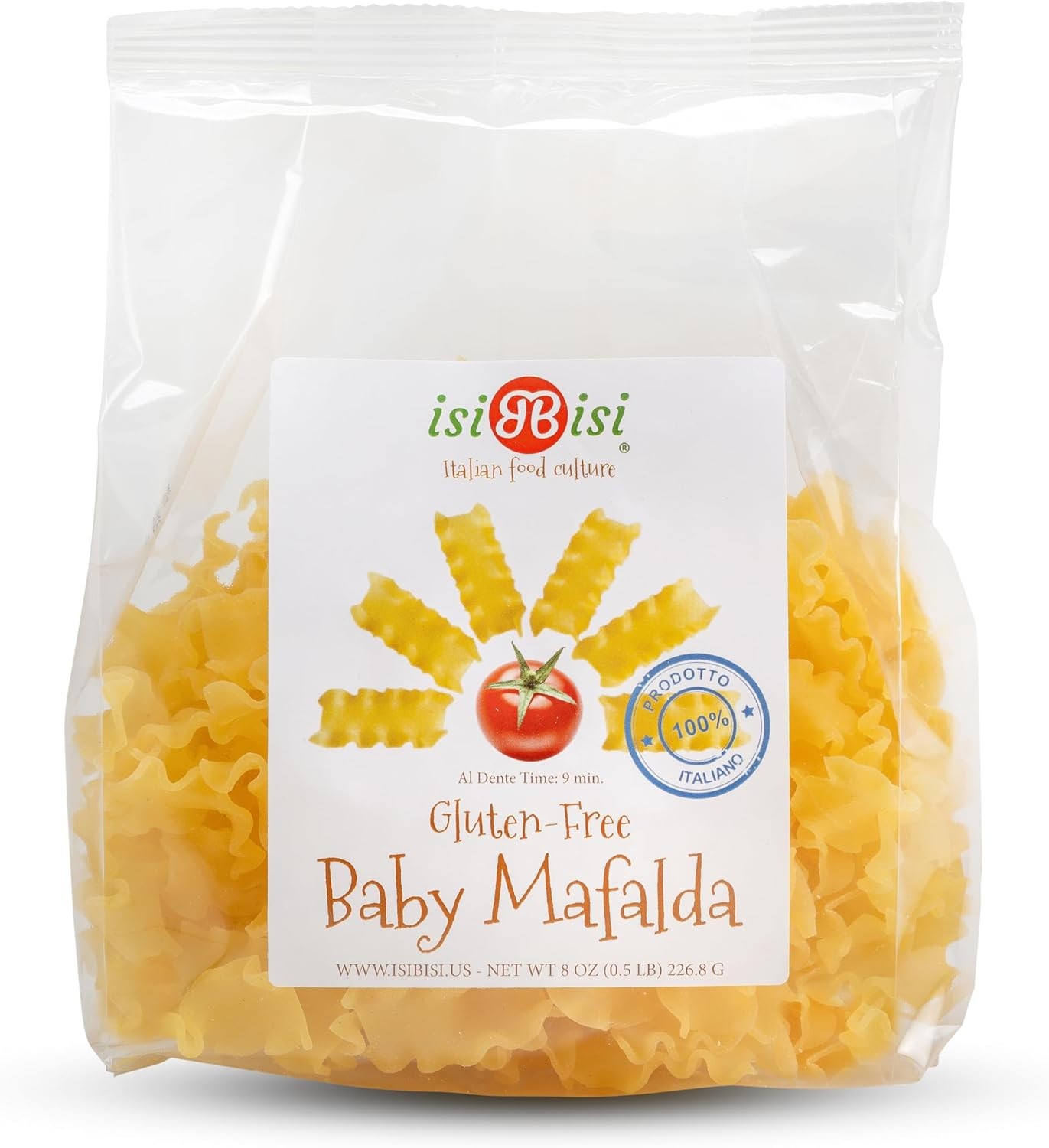 Gluten-Baby Mafalda Pasta - Mini Lasagna Noodles Made With Corn Flour and Rice$16.79
 View on eBay
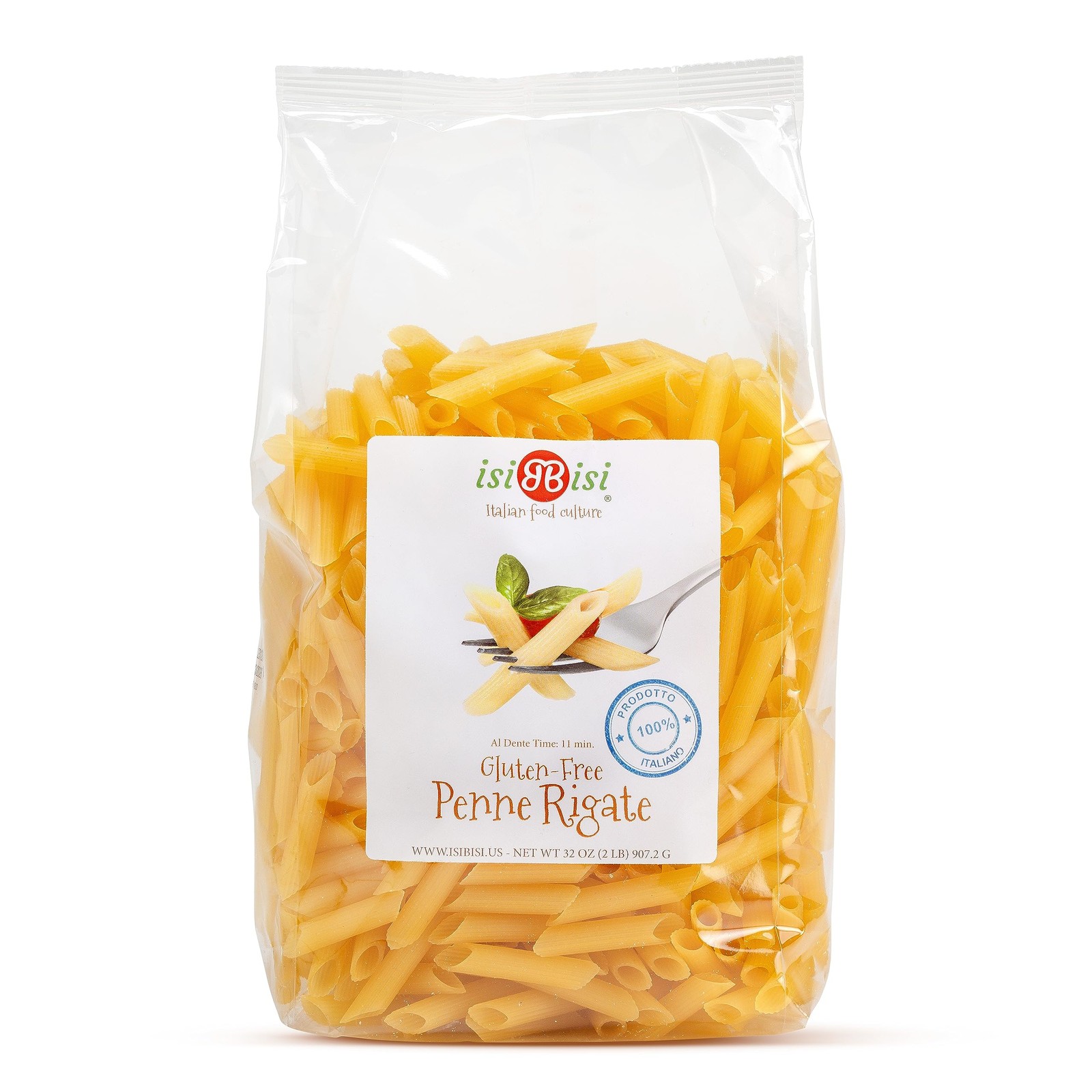 isiBisi Family Pack Gluten Free Penne Pasta - Made with Rice and Corn Flour - ,$30.23View on eBay
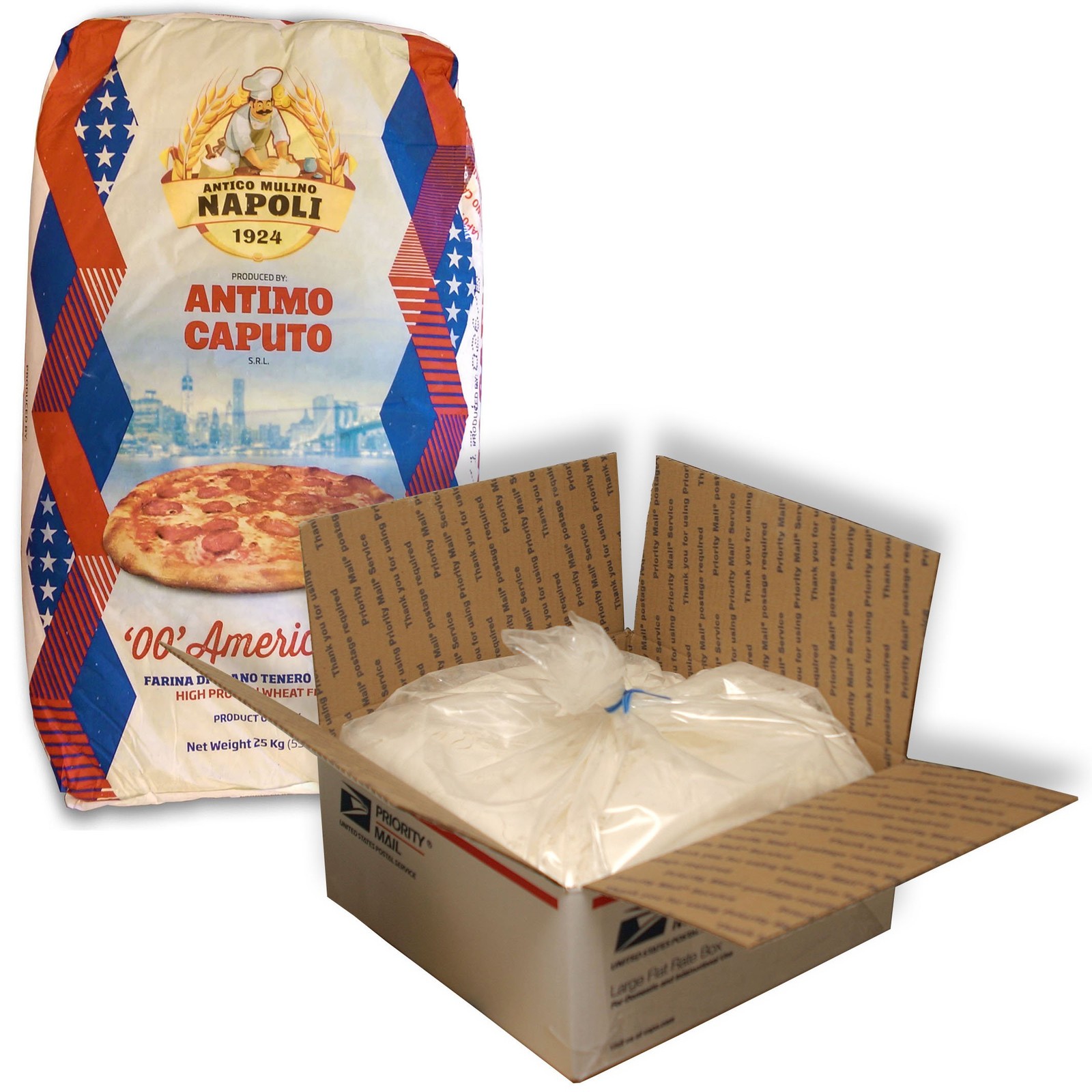 00 Americana Pizza Flour (Molino Caputo) 9 LB$37.49View on eBay
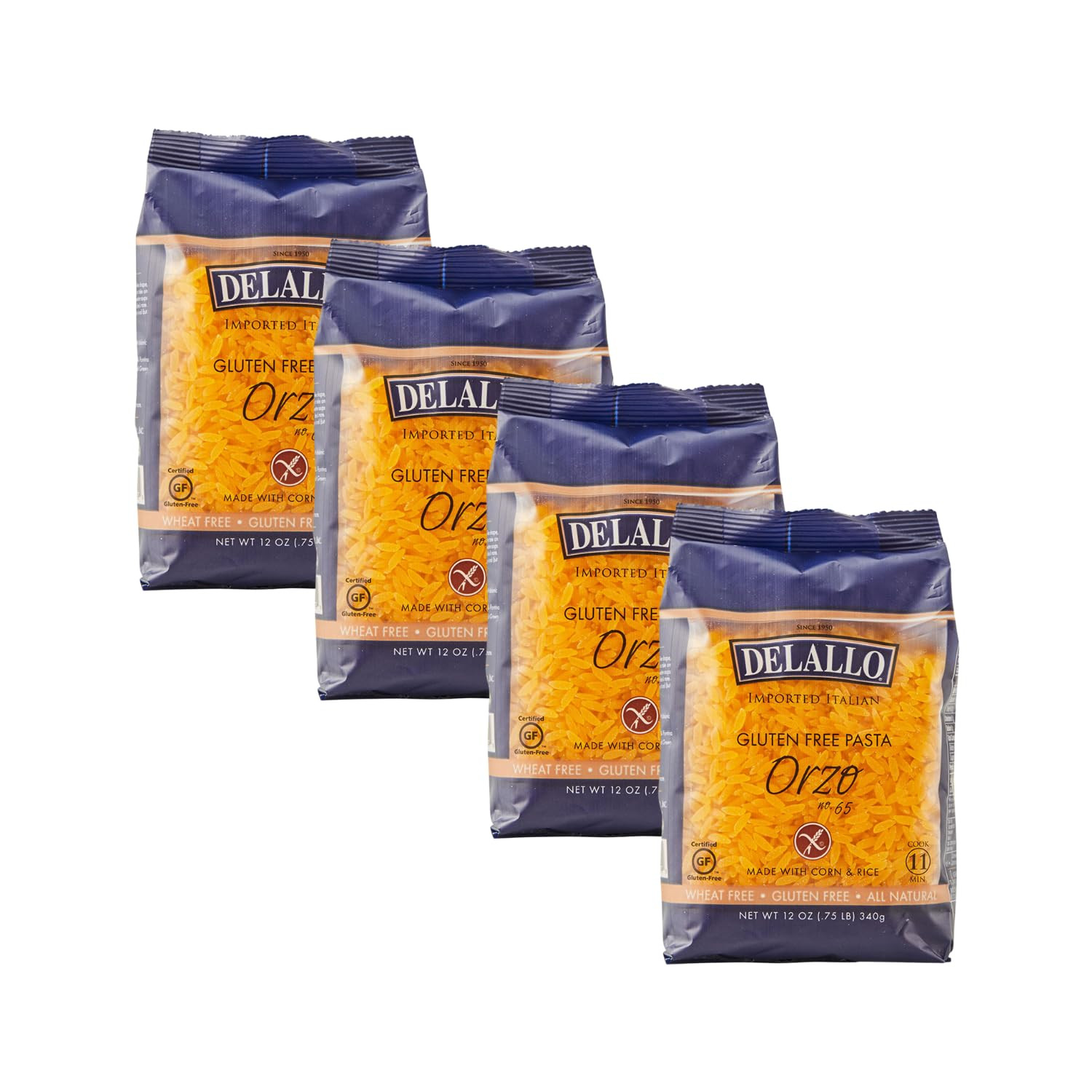 Gluten Free Orzo Pasta, 12 Oz Bag, (4 Pack), Made with Corn and Rice Flour, Hand$41.54View on eBay
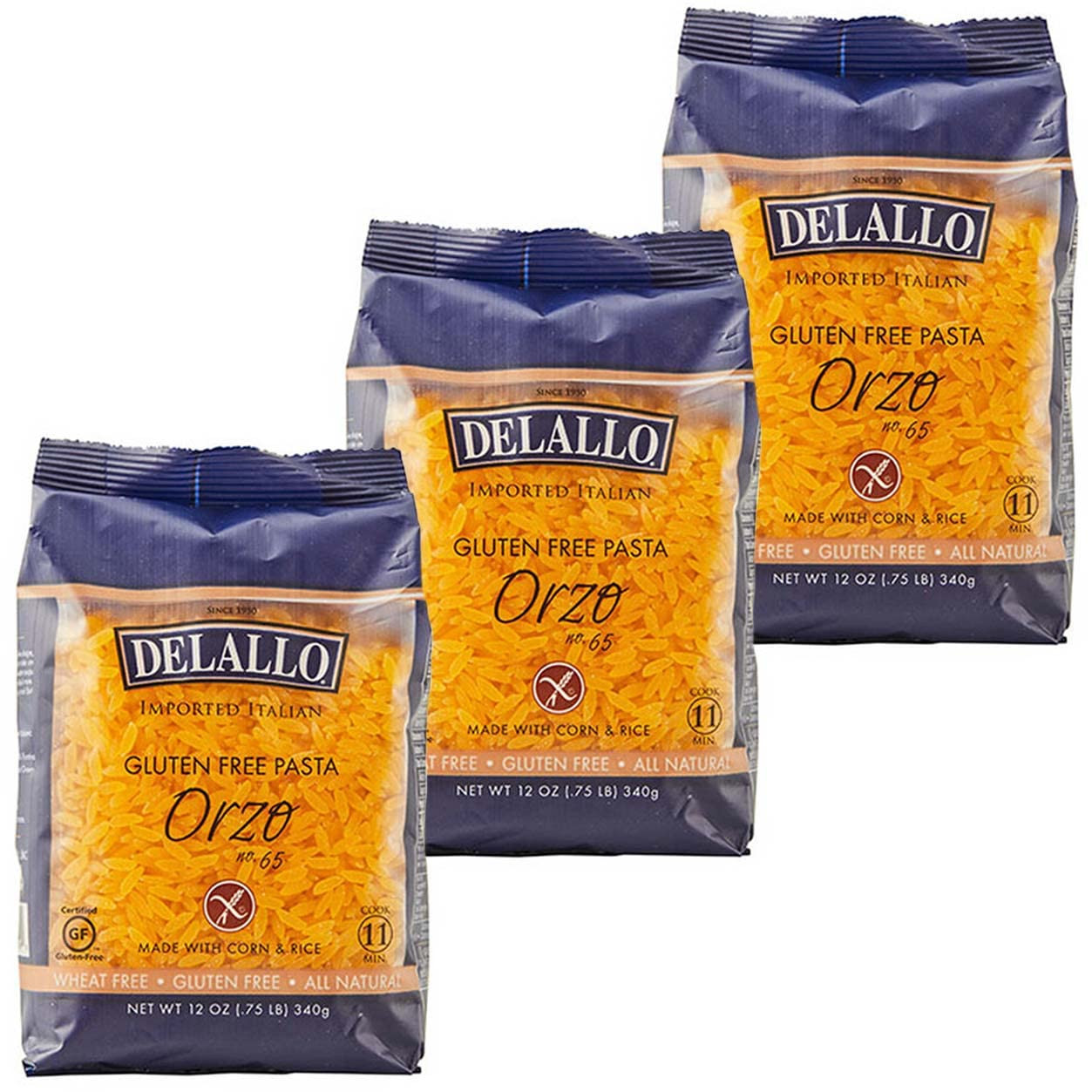 Gluten Free Orzo Pasta, 12 Oz Bag, (3 Pack), Made with Corn and Rice Flour, Hand$45.99View on eBay
Highlights
- Protein is the decisive metric: bread flour 12–14% protein, all-purpose 10–12%, pastry 8–9%, cake 7–8% — each tier changes water absorption and crumb structure.
- Wheat class matters as much as protein: hard red spring for bread, hard red winter for all-purpose, soft red winter for pastry, and durum for pasta.
- Gluten-free blends rely on rice, corn, or sorghum base plus xanthan or psyllium binders — they cannot develop gluten and need added gum for structure.
- Stone-milled whole grain retains bran and germ, cutting shelf life to months; roller-milled white flour keeps years when stored cool and dry.
Best use cases
- Sourdough starter and bread: pick unbleached bread flour at 12–14% protein or whole wheat for microbial activity — skip cake or pastry flour, which lacks the gluten strength to lift a loaf.
- Pasta and pizza: choose finely milled 00 flour for extensible dough or durum semolina for al dente bite — skip all-purpose for high-hydration pizza, which tears.
- Gluten-free baking and pasta: select a certified gluten-free blend with xanthan or psyllium already included — skip single-grain rice or corn flour alone, which crumbles without a binder.
- Pastry and cakes: use cake or pastry flour at 7–9% protein for tender crumb — skip bread flour, which makes cakes chewy and tough.
Buying tips
- Match protein to purpose: 12–14% for sourdough and bagels, 10–12% for everyday yeast bread and cookies, 7–9% for cakes and biscuits.
- For sourdough starter, use unbleached flour — bleaching agents can slow microbial activity — and feed with whole wheat or rye for faster fermentation.
- Buy 00 flour only for pizza and pasta; its fine milling and lower protein (9–11%) make it weak for sandwich bread.
- Check the mill date, not just the best-by date: whole grain flour goes rancid within 3–6 months, so buy smaller bags and store frozen.
Specs
| Protein Tier | Bread 12–14% / AP 10–12% / Cake 7–8% |
|---|---|
| Wheat Class | Hard red spring / winter, soft, durum |
| Milling Type | Stone-ground vs roller-milled |
| Gluten Status | Certified GF blend vs wheat flour |
Related searches
What to check before buying
- Measure your loaf pan or proofing basket and buy flour in bags sized to your monthly bake rate — a 5 lb bag suits weekly bakers, 25 lb suits daily.
- Confirm your oven’s max temperature for pizza: 00 flour is formulated for 700–900°F wood ovens and browns poorly at 500°F home oven temps.
- Verify gluten-free certification (GFCO or Celiac Society) if anyone in the household has celiac — wheat-flour dust in shared mills is a real cross-contact risk.
- Store flour in an airtight container below 75°F and 60% humidity; freeze whole grain and gluten-free blends to prevent rancidity and pest hatch.
FAQ
Data sources: eBay / Amazon listings and product attribute feeds Data updated Nov 18, 2026.
Some links on this page are affiliate links. If you buy after clicking one, we may earn a commission at no extra cost to you. This does not change which products appear here or their order. Affiliate disclosure.