Photos from current listings. Actual item, color, and included accessories may vary.
Cold Pressed Olive Oil Buying Guide
Cold pressed olive oil is extra virgin olive oil mechanically extracted below 27°C without heat or solvents, preserving polyphenols, tocopherols, and fresh flavor. The core trade-off is freshness and polyphenol content versus price and bottle format: high-phenolic early-harvest oils deliver more health compounds but cost more and taste bitter, while commodity 'cold pressed' bottles fade faster. The decision rule: buy extra virgin with a harvest date, dark glass or tin, and a polyphenol spec if health is the goal; skip any bottle labeled only 'cold pressed' without 'extra virgin' or a harvest year.


At a glance
- Category
- Rice, Flour, Oil & Condiments
- Data updated
- Nov 18, 2026
Current offers
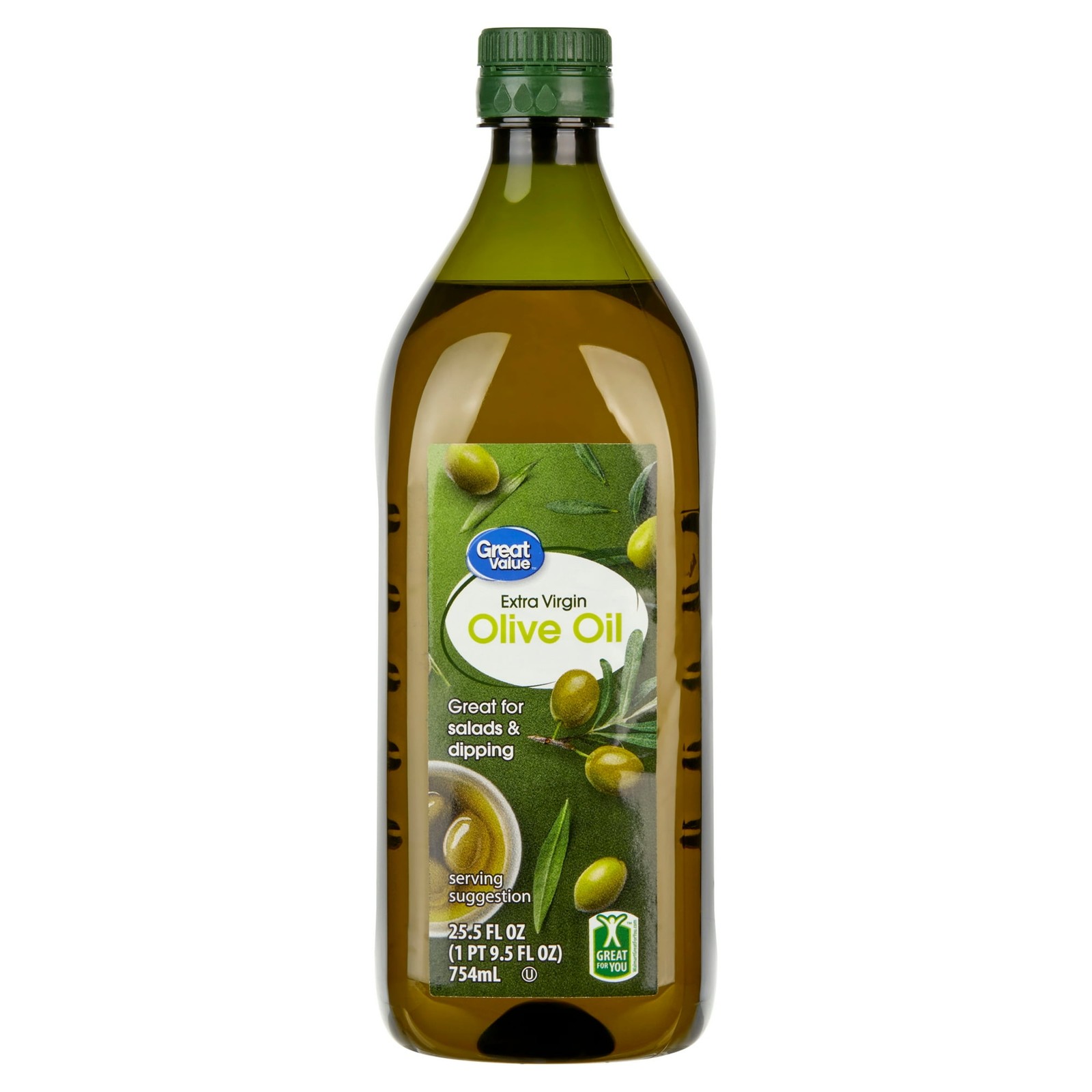 Great Value 100% Extra Virgin Olive Oil, 25.5 fl. oz. Cold Pressed$5.76
 View on eBay
 Great Value 100% Extra Virgin Olive Oil, 25.5 fl. oz. Cold Pressed$5.77View on eBay
 Great Value 100% Extra Virgin Olive Oil, 25.5 fl. oz. Cold Pressed$6.44View on eBay
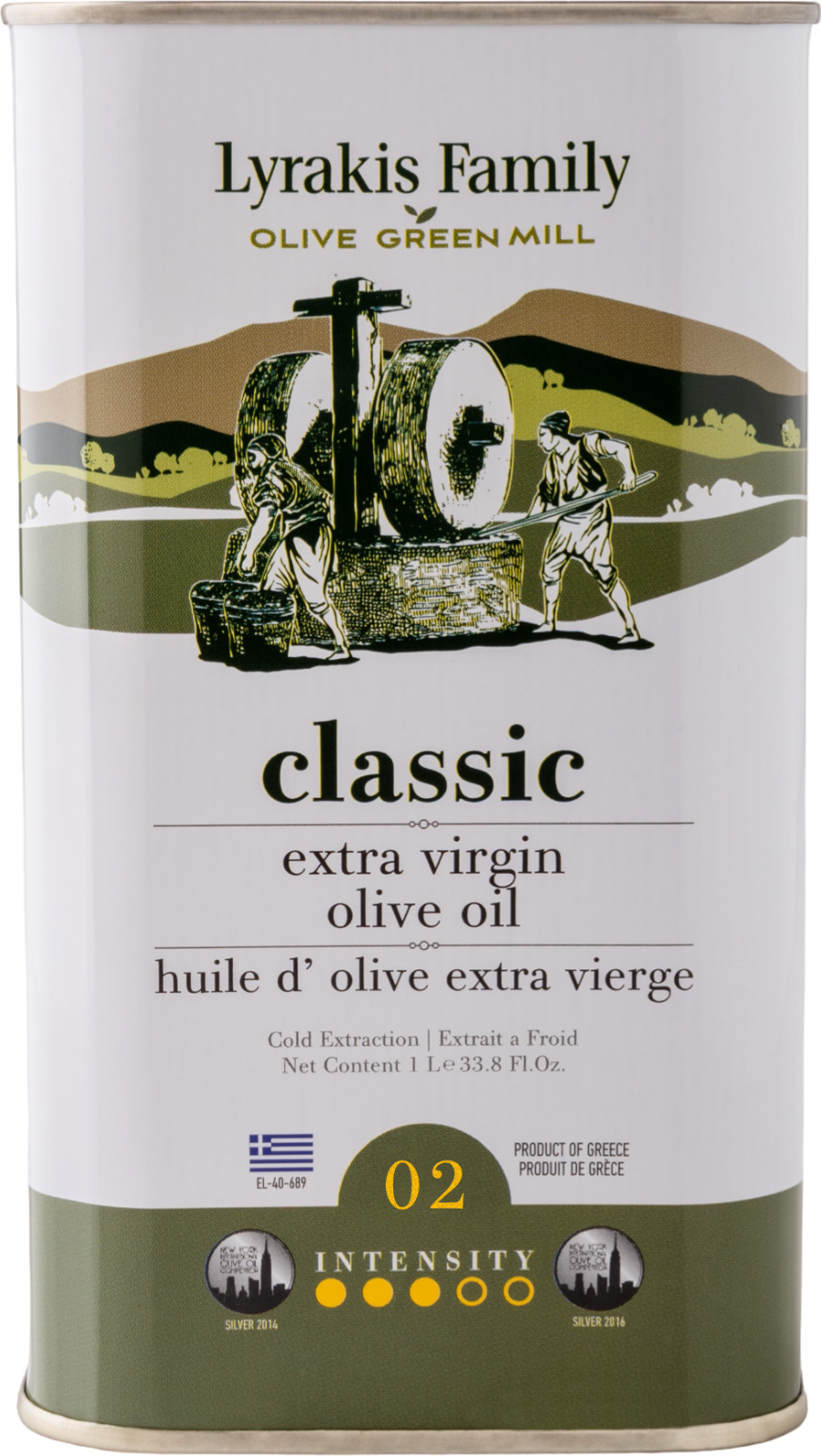 Lyrakis Family | Cretan Extra Virgin Olive Oil | High Phenolic | Cold Pressed$26.20View on eBay
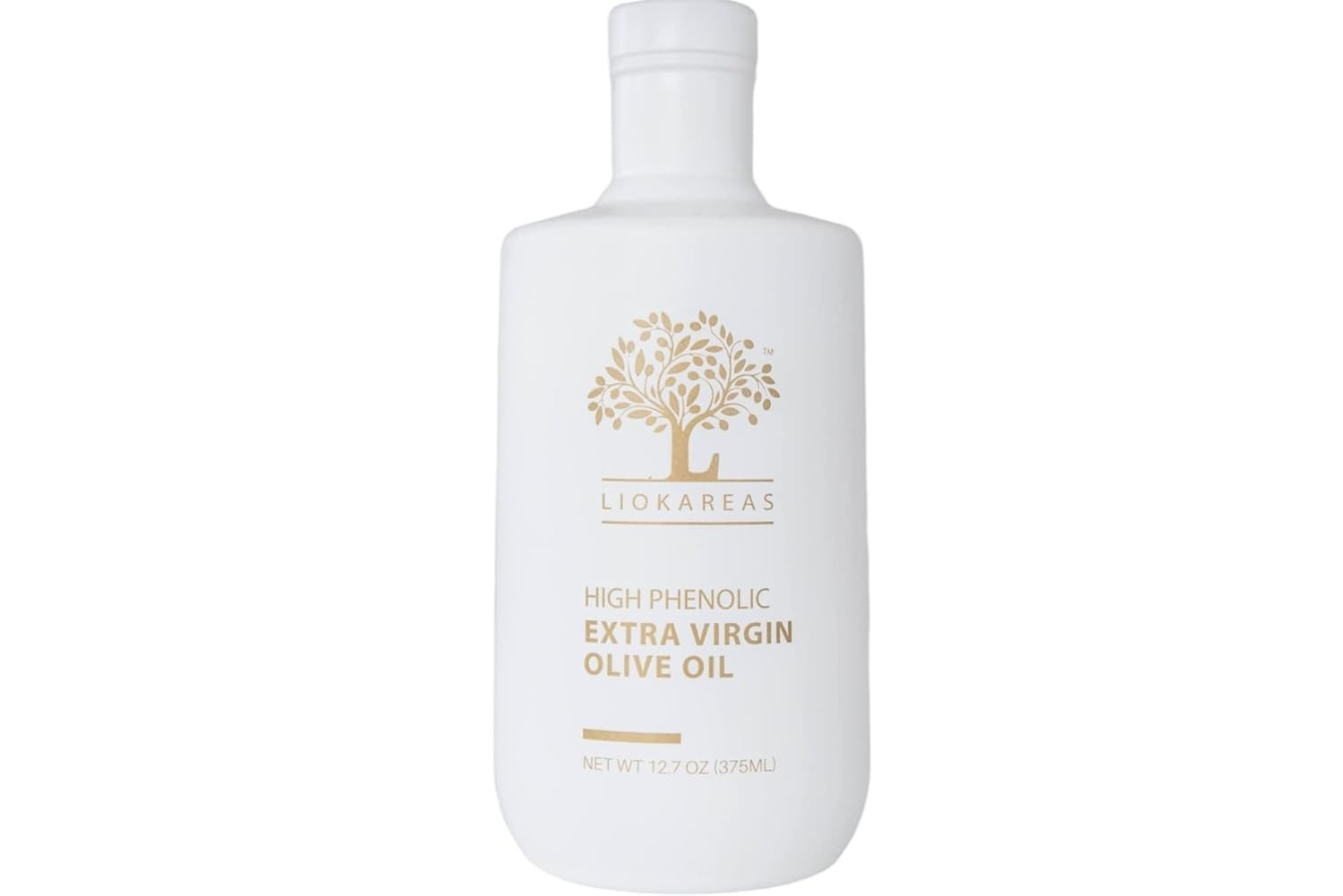 Rx High Phenolic Extra Virgin Olive Oil–Cold Pressed, Rich in Large 2 PACK$72.00View on eBay
Highlights
- Cold pressed legally means extraction under 27°C (80°F); true extra virgin also requires free acidity ≤0.8% and zero sensory defects.
- Early-harvest (agoureleo) oils from green olives yield 200-500+ mg/kg polyphenols versus 50-150 mg/kg in ripe late-harvest oils.
- High-phenolic labels should state mg/kg or mg/100g plus a lab method (e.g., HPLC); typical Cretan high-phenolic oils test 400-800 mg/kg.
- Dark glass or tin blocks UV light that degrades chlorophyll and accelerates rancidity; clear PET bottles shorten shelf life.
Best use cases
- Daily cooking and sautéing: choose a standard extra virgin (0.3-0.5% acidity) in a 500ml-1L dark bottle; skip high-phenolic premium oils that turn bitter when heated.
- Health and raw use (salads, spoonfuls): pick a high-phenolic early-harvest oil with a stated mg/kg figure and harvest date within 12 months; skip generic store-brand 'cold pressed' with no polyphenol data.
- Bulk kitchen or restaurant: buy 3L tins of extra virgin with harvest date; skip small boutique bottles that cost more per liter and oxidize faster once opened.
Buying tips
- Check the label for 'Extra Virgin' plus a harvest date (not just best-by); oil is freshest 18 months from harvest, so buy within 12 months.
- For health benefits, demand a polyphenol number: 250+ mg/kg is good, 400+ mg/kg is high-phenolic; below 100 mg/kg is commodity grade.
- Match container to use: dark glass for countertop drizzle, tin for bulk storage; avoid clear plastic bottles that let UV degrade the oil.
- Acidity under 0.8% is the legal EVOO limit; top-tier oils list 0.2-0.4%, and lower acidity correlates with fresher fruit and better handling.
Specs
| Grade | Extra Virgin vs Virgin vs Pure |
|---|---|
| Extraction Temp | Cold pressed <27°C / 80°F |
| Polyphenols | 50-800+ mg/kg (early harvest higher) |
| Packaging | Dark glass / tin vs clear PET |
Related searches
What to check before buying
- Measure storage space: a 3L tin needs a cool dark cupboard; a 500ml dark bottle fits a countertop caddy.
- Confirm your kitchen heat level: high-heat searing favors standard EVOO with a smoke point ~200°C; high-phenolic oils are best raw.
- Check the harvest date on the bottle or listing photo; reject bottles older than 18 months from harvest for drinking raw.
- For high-phenolic health use, verify the polyphenol figure is printed on the label or certificate—not just implied by 'high phenolic' marketing.
FAQ
Data sources: eBay / Amazon listings and product attribute feeds Data updated Nov 18, 2026.
Some links on this page are affiliate links. If you buy after clicking one, we may earn a commission at no extra cost to you. This does not change which products appear here or their order. Affiliate disclosure.