Photos from current listings. Actual item, color, and included accessories may vary.
Brown Rice Pasta Buying Guide
Brown rice pasta is a gluten-free wheat alternative made from whole-grain brown rice flour, prized for clean-label ingredient lists and easy digestion. The core trade-off is texture: 100% brown rice pasta softens quickly and turns mushy if overcooked, while blends with corn, quinoa, or amaranth hold bite and tolerate boiling better. Choose single-ingredient brown rice pasta only for gentle digestive needs and bake-style dishes, and pick a multi-grain blend for al dente salads, stir-fries, and high-heat applications.


At a glance
- Category
- Rice, Flour, Oil & Condiments
- Data updated
- Nov 18, 2026
Current offers
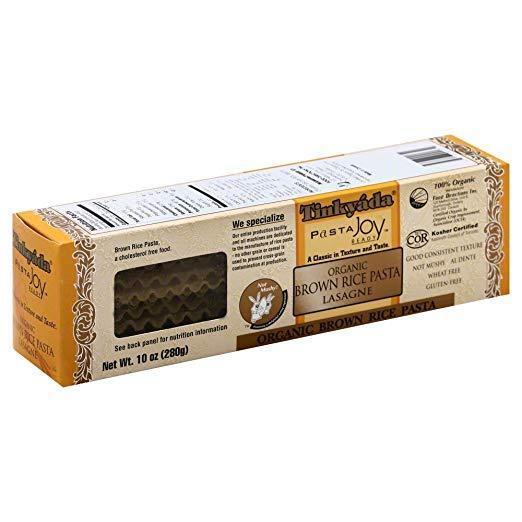 Tinkyada Brown Rice Pasta, Lasagne, 10-Ounce$12.89
 View on eBay
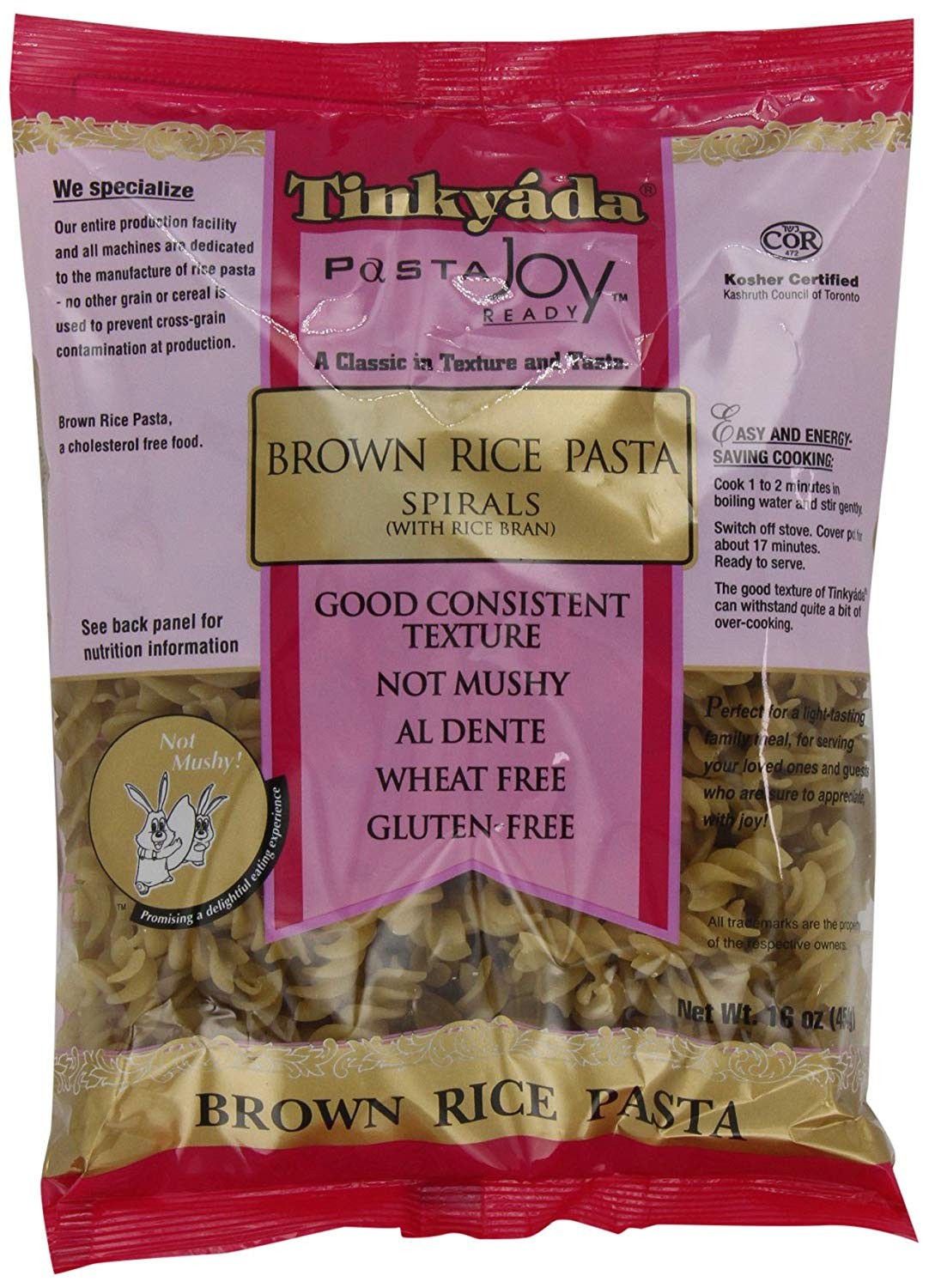 Tinkyada Brown Rice Pasta, Spirals, 16 Ounce$12.99View on eBay
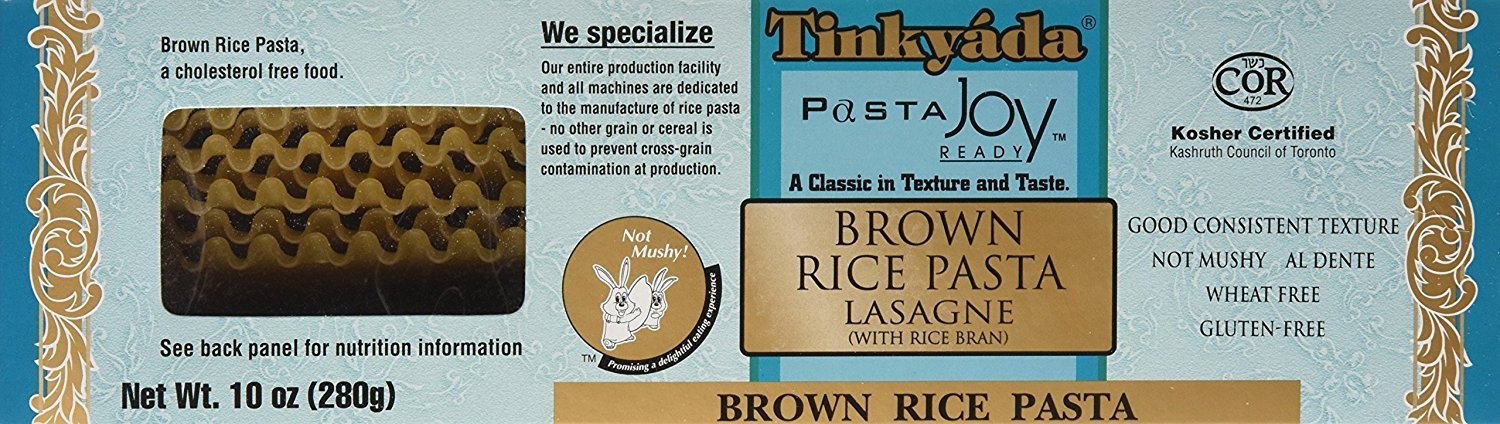 Tinkyada Brown Rice Pasta Lasagne, 10 Ounce$13.48View on eBay
- Tinkyada Brown Rice Pasta Lasagne, 10 Ounce$13.99View on eBay
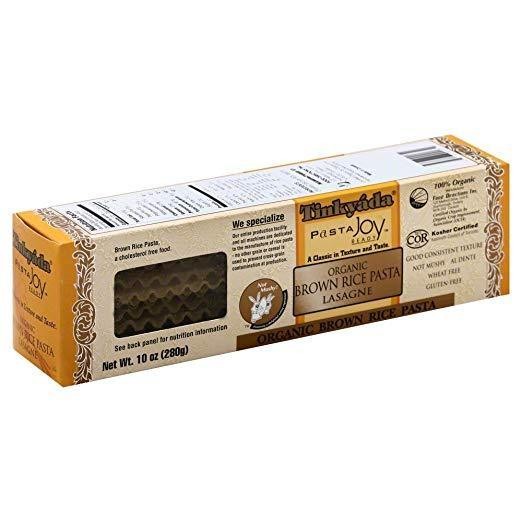 Tinkyada Brown Rice Pasta, Lasagne, 10-Ounce$14.59View on eBay
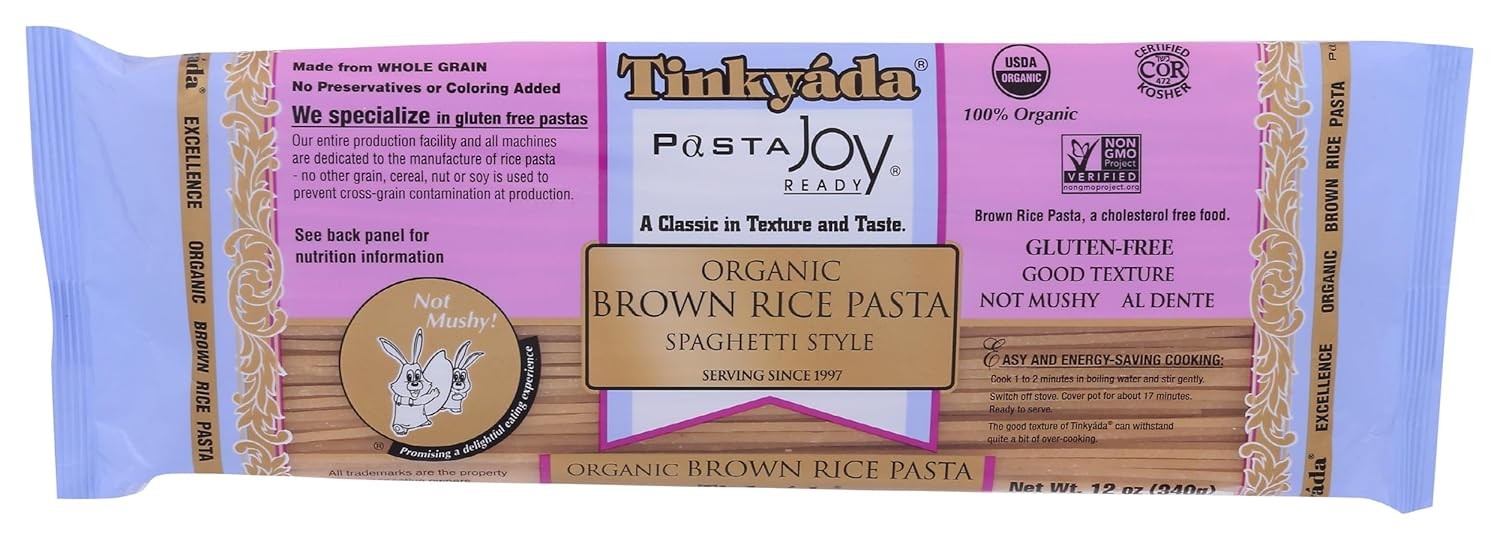 Tinkyada Organic Spaghetti Brown Rice Pasta, 12 Ounce$15.49View on eBay
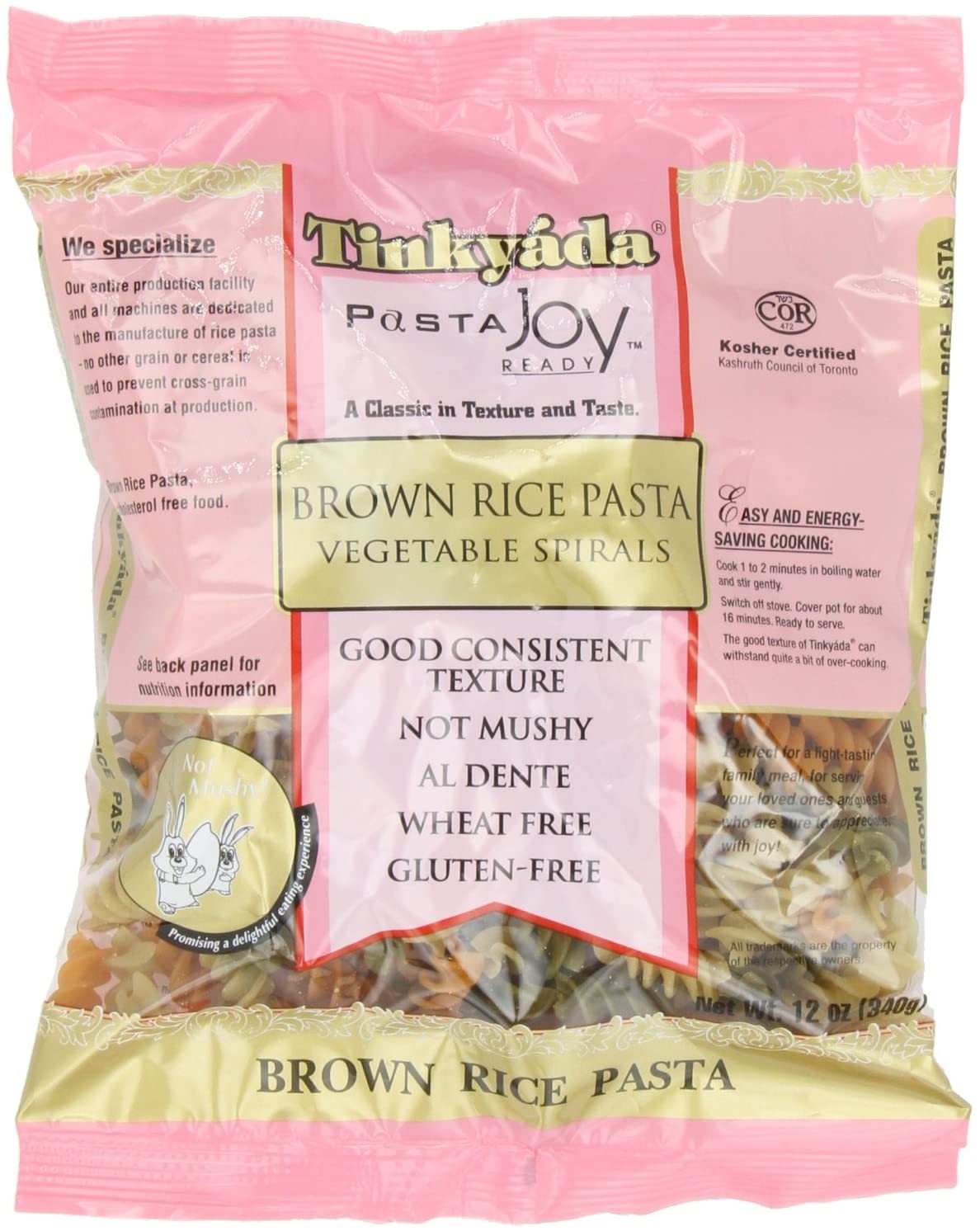 TINKYADA Brown Rice Pasta Vegetable Spirals 12 OZ$15.99View on eBay
- Tinkyada Brown Rice Pasta, Spirals, 16 Ounce$17.99View on eBay
Highlights
- Single-ingredient labels list only brown rice flour and water; any second grain (corn, quinoa, amaranth) signals a blend engineered for firmer bite.
- Brown rice pasta lacks gluten's elastic network, so it has a narrow 1-2 minute window between al dente and mushy.
- Shape geometry drives performance: lasagne sheets and spirals hold up in baking and chunky sauces; thin spaghetti and elbows overcook fastest.
- Organic certification and non-GMO verification add cost without changing cook behavior; judge by ingredient count and shape first.
Best use cases
- Best fit: gluten-free households making baked lasagne or casseroles — choose wide lasagne sheets or spirals, which tolerate longer oven time without disintegrating.
- Best fit: quick weeknight pasta with marinara — choose spaghetti or penne from a blend with corn or quinoa for firmer al dente texture.
- Wrong fit: high-heat stir-fries or pasta salads — skip 100% brown rice spaghetti; it clumps and breaks when cooled or tossed aggressively.
- Wrong fit: shoppers expecting wheat-like chew — choose a legume or corn-quinoa blend instead of single-ingredient brown rice.
Buying tips
- Pick shapes by cook method: lasagne and spirals for baking, spaghetti and penne for boiling, elbows for soups where softness is acceptable.
- For 100% brown rice pasta, set a timer 1-2 minutes under package directions and test every 30 seconds after the first bite.
- Choose blends listing corn, quinoa, or amaranth as the second ingredient when you need al dente bite and cold-salad stability.
- Buy organic only if pesticide-free grain sourcing matters to you; it does not change cooking time or texture.
Specs
| Grain Base | 100% brown rice vs multi-grain blend |
|---|---|
| Texture Profile | Quick-softening vs firmer al dente blend |
| Shape Family | Lasagne / spirals / spaghetti / penne |
| Certification | Organic / non-GMO / gluten-free labeled |
Related searches
What to check before buying
- Confirm your pot fits the longest pasta shape: lasagne sheets need a wide, deep roasting pan or a broken-sheet boil.
- Check pantry storage: brown rice pasta keeps best in airtight containers away from heat and humidity; buy shapes you will finish within a few months.
- Verify your sauce style: thin, oily sauces need spirals or penne to cling; heavy cream sauces suit wide sheets.
- For gluten-free households, confirm a dedicated colander and pot to avoid cross-contact with wheat pasta.
FAQ
Data sources: eBay / Amazon listings and product attribute feeds Data updated Nov 18, 2026.
Some links on this page are affiliate links. If you buy after clicking one, we may earn a commission at no extra cost to you. This does not change which products appear here or their order. Affiliate disclosure.