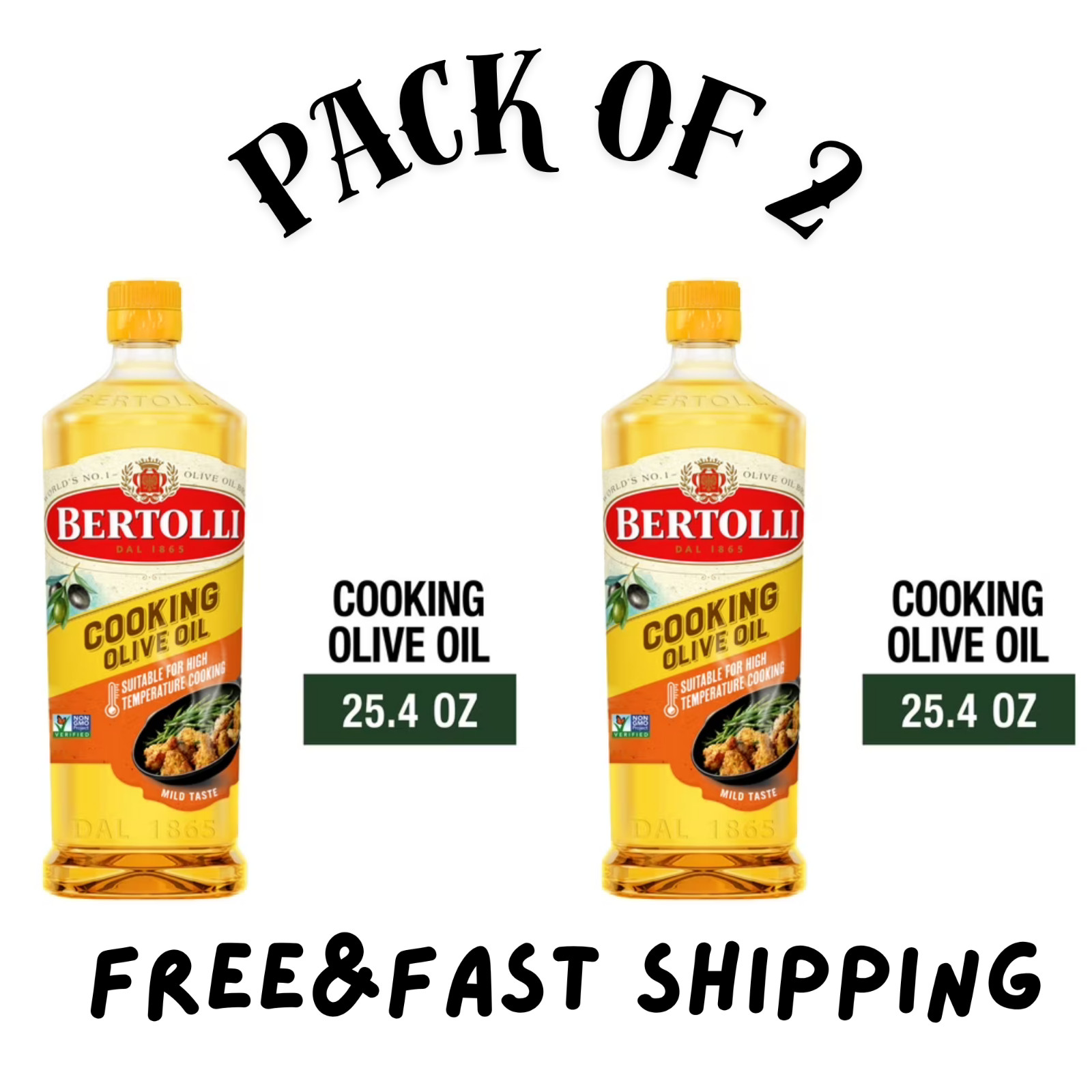

Photos from current listings. Actual item, color, and included accessories may vary.
Bertolli Olive Oil Buying Guide
Bertolli olive oil spans a multi-tier range where the label's grade—Extra Virgin, Virgin, Classico, or Cooking—directly determines smoke point, polyphenol content, and whether the oil is fit for raw finishing or high-heat searing. The core trade-off is freshness and phenolic quality versus neutral high-heat performance; buyers should match grade to cooking method rather than defaulting to 'extra virgin' for everything. The decision rule: buy Extra Virgin for cold and low-heat use, and step down to Classico or Cooking grade for sustained high-heat work.


At a glance
- Category
- Rice, Flour, Oil & Condiments
- Data updated
- Nov 18, 2026
Current offers
Highlights
- Extra Virgin is the first cold-press grade with acidity at or below 0.8% and the highest polyphenol count; it is the only tier suited to raw drizzling and dipping.
- Classico and Cooking grades are refined blends with a milder flavor and a higher smoke point, making them more stable for pan-frying and roasting above 400°F.
- Bertolli Extra Light Tasting is a refined oil with a very high smoke point and near-neutral flavor, intended for baking and deep-frying where olive character is unwanted.
- Packaging format matters: dark glass and tins protect against light degradation, while clear PET bottles accelerate oxidation—choose opaque or dark containers for longer storage.
Best use cases
- Best fit: Extra Virgin for salad dressings, finishing soups, and bread dipping—buy a dark-glass bottle and use within a few months of opening.
- Best fit: Classico or Cooking grade for everyday sautéing, roasting vegetables, and sheet-pan dinners where a neutral, heat-stable oil is needed.
- Best fit: Extra Light Tasting for deep-frying and baking—skip extra virgin here because its lower smoke point and strong flavor fight high heat and sweet batters.
- Wrong fit: Buying a large multi-pack of Extra Virgin for heavy frying—oxidation and smoke will waste the phenolic quality you paid for; use a refined grade instead.
Buying tips
- Match grade to heat: Extra Virgin for temperatures under 350°F and raw use; Classico or Cooking grade for 350–450°F; Extra Light for deep-frying above 450°F.
- Choose dark glass or tin packaging over clear plastic—light exposure degrades chlorophyll and accelerates rancidity in extra virgin oil.
- Check harvest or 'best by' dates: extra virgin oil is best within 12–18 months of harvest, so favor the most recent date on the bottle.
- For multi-packs, confirm each unit is a sealed dark bottle rather than a plastic jug; 25.4 fl oz (750 ml) is the standard single-bottle size for household use.
Specs
| Grade | Extra Virgin / Classico / Cooking / Light |
|---|---|
| Acidity | Extra Virgin ≤0.8% |
| Smoke Point | 350–410°F EVOO; higher for refined |
| Bottle Size | 25.4 fl oz (750 ml) standard |
Related searches
What to check before buying
- Confirm your primary cooking method—raw finishing, sautéing, or deep-frying—before choosing grade, since smoke point and flavor differ sharply across tiers.
- Measure pantry storage: a 25.4 fl oz bottle needs a cool, dark cabinet away from the stove; heat and light shorten shelf life.
- Check bottle material and closure: dark glass or tin with a tight seal protects quality; avoid clear PET for long-term storage.
- For multi-packs, verify unit size and total volume so you do not overbuy extra virgin that will oxidize before use.
FAQ
Data sources: eBay / Amazon listings and product attribute feeds Data updated Nov 18, 2026.
Some links on this page are affiliate links. If you buy after clicking one, we may earn a commission at no extra cost to you. This does not change which products appear here or their order. Affiliate disclosure.