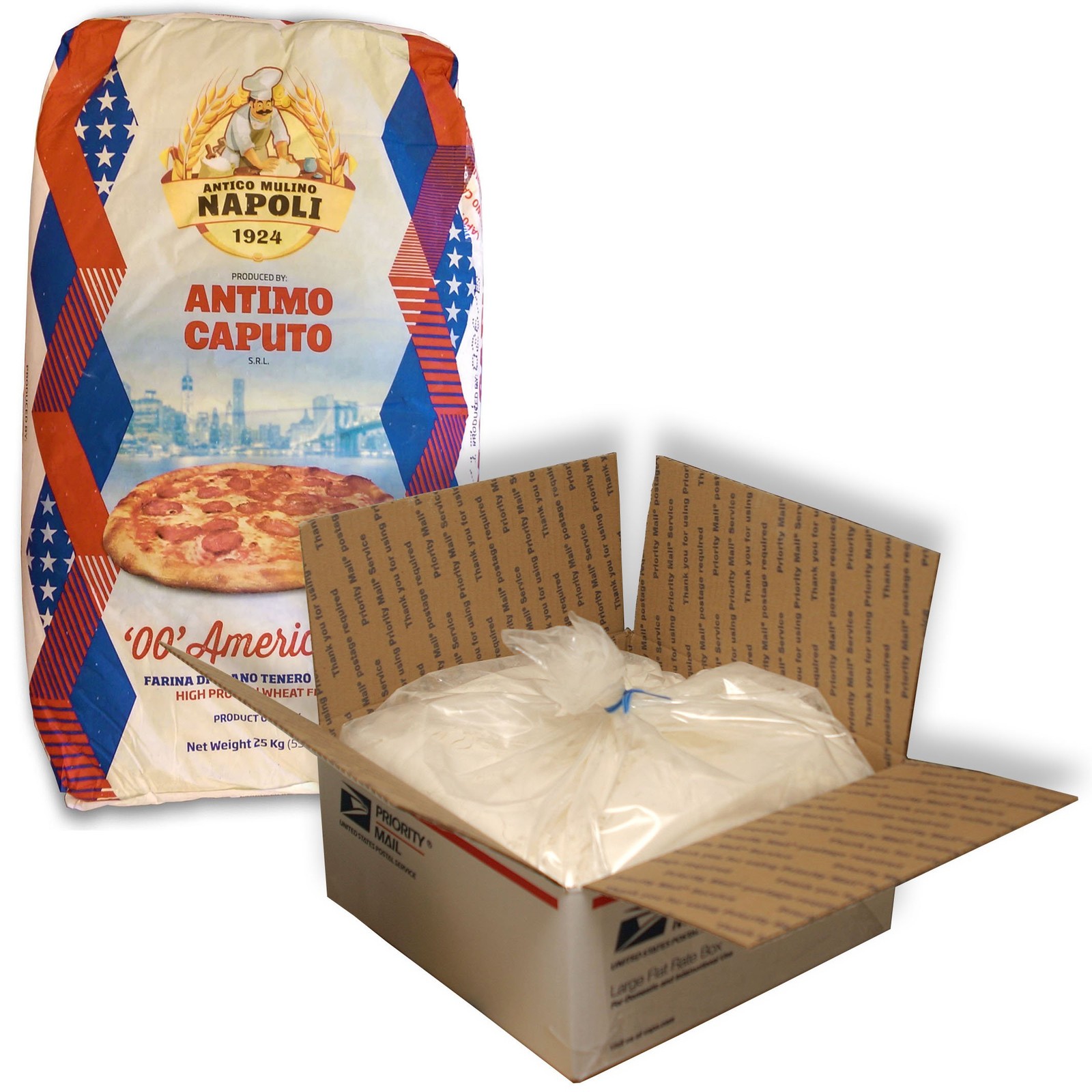

Photos from current listings. Actual item, color, and included accessories may vary.
00 Pizza Flour Buying Guide
Pizza flour is a high-protein wheat flour milled specifically to build a resilient gluten network that withstands high-heat baking without tearing or turning gummy. The primary trade-off is protein content and grind: strong 12.5–14% protein flours power long fermentation and oven spring, while lower-protein or coarse grinds produce softer, less structured crusts. The decision rule is simple: buy flour milled for pizza (W-value or protein clearly stated) from a reputable mill, and skip generic all-purpose or bread flours unless you are deliberately blending.


At a glance
- Category
- Rice, Flour, Oil & Condiments
- Data updated
- Nov 18, 2026
Current offers
Highlights
- Protein content 12.5–14% (or W 300–360 for Italian flours) is the threshold for extensible, blistering Neapolitan and New York doughs.
- Stone-milled '00' refers to fineness, not protein—check the protein line separately because 00 also comes in weak pastry grades.
- Malted barley flour or ascorbic acid additives speed browning and strengthen gluten; unmalted flours need longer fermentation for color.
- 5 lb (2.27 kg) bags suit occasional bakers; 9–11 lb bags (4–5 kg) match a 60–65% hydration weekly pizza habit for 3–4 months.
Best use cases
- Best fit: home Neapolitan or New York-style baker with a 550–900°F oven or steel—pick a 12.5–14% protein 00 or bread flour labeled for pizza.
- Best fit: long cold-ferment (48–72 hr) dough maker—choose a stronger W 320–360 flour to survive protease activity without slackening.
- Wrong fit: high-hydration (70%+) sourdough experimenter buying weak pastry 00—it will tear; use a 13%+ bread flour or blend.
- Skip: generic all-purpose (10–11% protein) for pizza unless blending with vital wheat gluten; it produces biscuit-like, non-pillowy crusts.
Buying tips
- Match flour strength to fermentation time: under 24 hr at room temp use 12.5% protein; 48–72 hr cold ferment use 13%+ or W 320+.
- For 00 flours, confirm the W value—W 260–300 suits short ferments, W 300–360 handles long ferments and high heat.
- Bag size math: a 9 lb bag makes roughly 14–16 large pizzas at 250 g dough balls; buy 5 lb if you bake less than monthly.
- Check the mill date or 'best by'—flour oxidizes and loses strength within 6–12 months; whole-grain versions go rancid in 3–6 months.
Specs
| Protein Content | 12.5–14% (pizza grade) |
|---|---|
| Italian Grind | 00 fine / 0 medium / 1 coarse |
| Flour Strength | W 260–360 (elasticity index) |
| Bag Sizes | 5 lb / 9–11 lb (2.3–5 kg) |
Related searches
What to check before buying
- Confirm your oven's true top temperature: Neapolitan 00 needs 700°F+; home ovens max at 550°F, so a malted bread flour browns better.
- Measure your fridge space for 9–11 lb bags (approx. 8×5×12 in) or plan to decant into airtight 5 qt containers.
- Verify your dough recipe's hydration: flours above 13% protein absorb 5–10% more water, so adjust before buying a 5 lb bag.
- Check for a pizza steel or stone—flour quality is wasted on a cold sheet pan; a 1/2-inch steel preheated 45–60 min is the companion part.
FAQ
Data sources: eBay / Amazon listings and product attribute feeds Data updated Nov 18, 2026.
Some links on this page are affiliate links. If you buy after clicking one, we may earn a commission at no extra cost to you. This does not change which products appear here or their order. Affiliate disclosure.