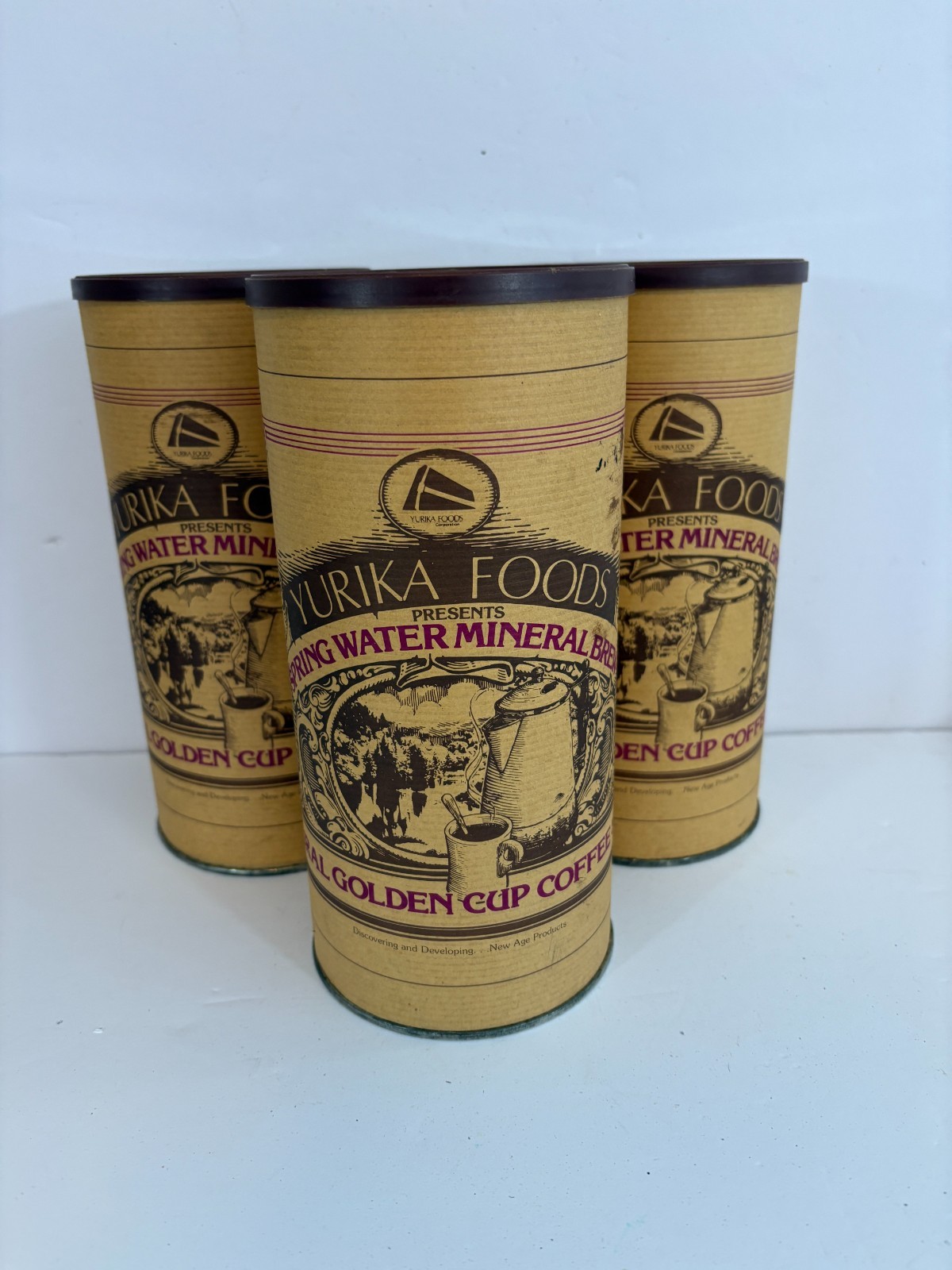

Photos from current listings. Actual item, color, and included accessories may vary.
Spring Water Buying Guide
Spring water is naturally sourced groundwater that must meet FDA-defined mineral and source standards, and the core buying trade-off is between verified natural source purity and added-mineral or flavored formulations. Durable quality separates single-source domestic springs with published mineral analysis from vague 'spring-type' products that blend treated municipal water with mineral packets.


At a glance
- Category
- Dairy, Beverages & Breakfast
- Data updated
- Nov 18, 2026
Current offers
Highlights
- True spring water must flow naturally to the surface and is legally distinct from purified or mineral water; check for a named spring source and state on the label.
- Bottled water in the US is regulated by FDA 21 CFR 165.110, which caps contaminants and requires source disclosure on the label.
- Natural mineral content (calcium, magnesium, bicarbonate) changes taste and mouthfeel; low-TDS spring waters suit coffee and tea, higher-mineral ones suit standalone drinking.
- Packaging grade matters: PET bottles are single-use and oxygen-permeable, while glass and rPET better preserve taste during storage; larger formats cut plastic per liter.
Best use cases
- Daily home drinking: choose single-source still spring water in 1L or larger bottles or a dispenser to cut plastic waste; skip tiny 16.9 oz packs for regular household use.
- Coffee and tea brewing: pick low-mineral, low-TDS spring water or a dedicated brew-water formulation; avoid high-bicarbonate alkaline waters that mute extraction.
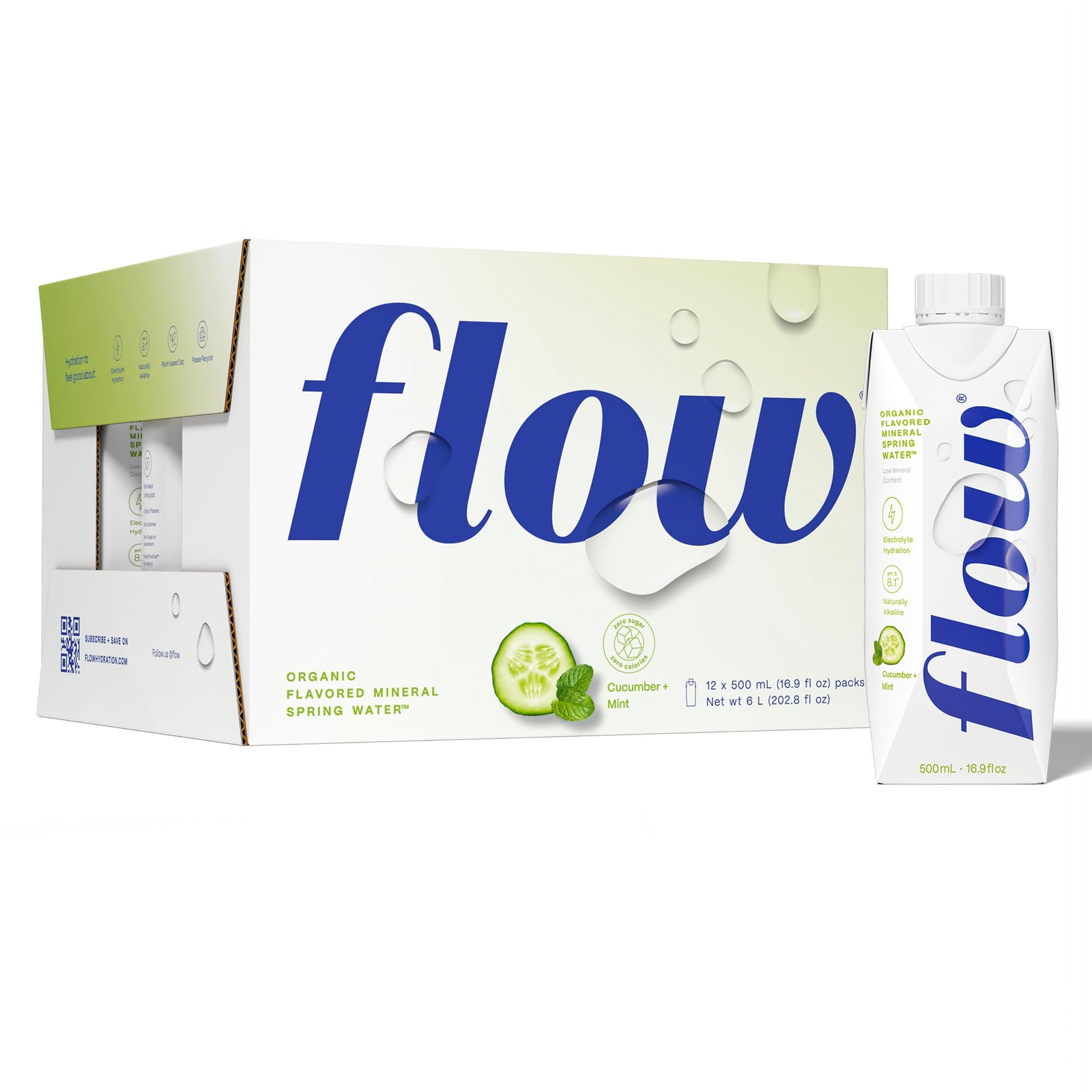
- Flavored or functional hydration: select naturally flavored alkaline spring waters only if you want taste and alkalinity; skip them for neutral cooking and baby-formula use.
- On-the-go and events: buy 16.9 oz (500 mL) case packs for portability, but avoid storing them in hot cars where PET can leach and taste degrades.
Buying tips
- Match bottle size to use: 500 mL (16.9 oz) for travel and lunchboxes, 1L for desk and gym, 1.5L+ or dispensers for home and kitchen.
- Read the source line: 'spring water' plus a named spring and state signals a true natural source; vague 'natural spring type' wording is a red flag.
- For brewing, aim for total dissolved solids around 50-150 mg/L with moderate magnesium; very high-mineral or alkaline waters alter coffee flavor.
- Check cap and bottle material: HDPE and glass preserve taste longer than thin PET; rPET is a middle ground if you want recycled content.
Specs
| Water Type | Natural spring vs purified vs mineral |
|---|---|
| Source Disclosure | Named spring + state (FDA required) |
| Bottle Material | PET / rPET / glass / HDPE |
| Mineral Profile | Low TDS (<150 mg/L) to high mineral |
Related searches
What to check before buying
- Confirm the label names a specific spring source and state, not a generic 'purified water with minerals added' description.
- Measure your fridge shelf and cupboard space before buying large multipacks or dispensers; 1.5L and gallon formats need vertical clearance.
- For flavored or alkaline waters, check sodium and added-mineral levels if you are managing intake or using the water for infant formula.
- Verify bottle material and cap type (PET vs glass, screw vs sport cap) against your storage conditions and whether you plan to refill.
FAQ
Data sources: eBay / Amazon listings and product attribute feeds Data updated Nov 18, 2026.
Some links on this page are affiliate links. If you buy after clicking one, we may earn a commission at no extra cost to you. This does not change which products appear here or their order. Affiliate disclosure.