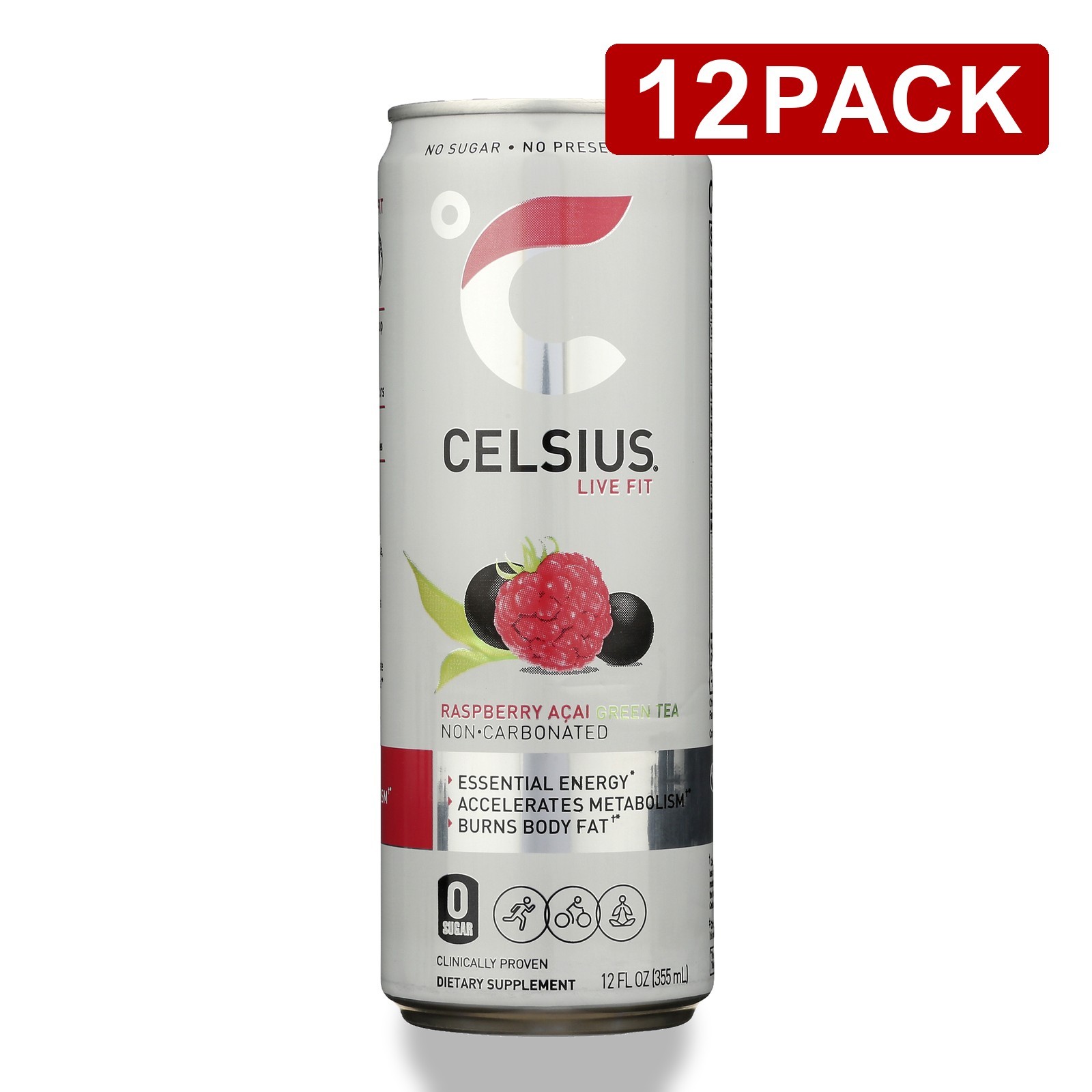

Photos from current listings. Actual item, color, and included accessories may vary.
Energy Drink Buying Guide
Energy drinks are functional beverages delivering 80–300 mg caffeine per can alongside sugar or zero-calorie sweeteners, with the core trade-off being stimulant dose versus sugar load and can size. The decisive split is between 12–16 oz full-dose cans (150–200 mg caffeine) and 7–8.4 oz minis (80–100 mg), so match the can format to your tolerance and session length.


At a glance
- Category
- Dairy, Beverages & Breakfast
- Data updated
- Nov 18, 2026
Current offers
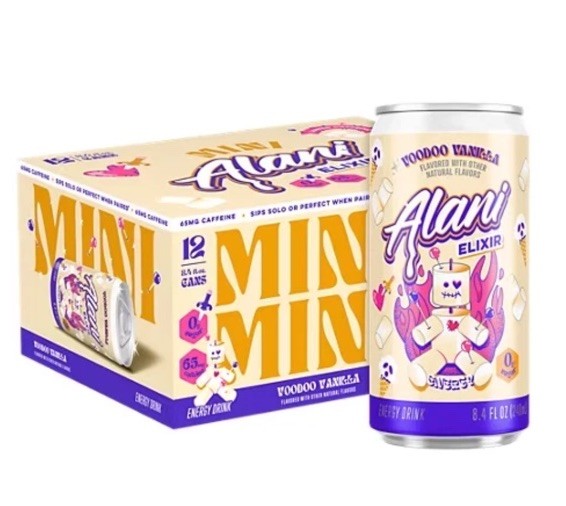
Highlights
- Caffeine dose falls into three tiers: mini cans 80–100 mg, standard 12 oz cans 120–160 mg, and 16 oz cans 180–300 mg
- Sugar-sweetened cans carry 25–45 g sugar; zero-sugar versions use sucralose or stevia and cut calories to near zero
- Caffeine source varies from synthetic anhydrous caffeine to green tea extract and guarana, which alter onset speed and crash profile
- Carbonated versus non-carbonated formats affect drinkability and gastrointestinal comfort, with non-carbonated versions easier on sensitive stomachs
Best use cases
- Pick 7–8.4 oz minis at 80–100 mg caffeine for afternoon pick-me-ups or caffeine-sensitive users; skip 16 oz cans for late-day use.
- Choose 12 oz standard cans at 120–160 mg for pre-workout or morning focus; avoid stacking with coffee to prevent exceeding 400 mg daily.
- Select zero-sugar versions for daily habit use or ketogenic diets; skip sugar-sweetened 25–45 g cans if managing glycemic load.
- Opt for non-carbonated green-tea-based cans if you have acid reflux or prefer gentler stimulant onset; skip synthetic high-dose cans for evening consumption.
Buying tips
- Cap daily caffeine at 400 mg: two 16 oz cans at 200 mg each hits the limit, while three minis at 90 mg stay under.
- Treat 25–45 g sugar per can as a full dessert's worth; zero-sugar cans with sucralose or stevia avoid the crash and calorie load.
- Green tea and guarana sources provide slower release than synthetic caffeine, reducing jitter but delaying peak alertness by 15–30 minutes.
- 12 oz cans suit single-session use; 16 oz cans are better for sharing or extended workouts, and minis fit 80–100 mg dosing precision.
Specs
| Caffeine Per Can | 80–300 mg (150–200 mg typical) |
|---|---|
| Sweetener System | Sugar 25–45 g vs zero-sugar |
| Caffeine Source | Synthetic vs green tea/guarana |
| Can Format | 12 oz / 16 oz / 7–8.4 oz mini |
Related searches
What to check before buying
- Confirm your personal caffeine tolerance: start with 80–100 mg minis if you consume less than one coffee daily.
- Check can size against your fridge door shelving: 16 oz cans need 6.5-inch clearance, minis fit standard 3-inch door bins.
- Verify sweetener system meets your diet: zero-sugar uses sucralose/stevia, regular uses 25–45 g sugar or high-fructose corn syrup.
- Match caffeine source to sensitivity: green tea/guarana for gentler onset, synthetic caffeine for fast pre-workout punch.
FAQ
Data sources: eBay / Amazon listings and product attribute feeds Data updated Nov 18, 2026.
Some links on this page are affiliate links. If you buy after clicking one, we may earn a commission at no extra cost to you. This does not change which products appear here or their order. Affiliate disclosure.