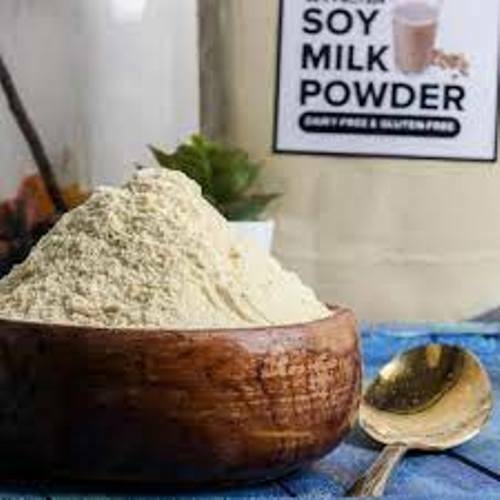

Photos from current listings. Actual item, color, and included accessories may vary.
Protein Powder Without Artificial Sweetener Buying Guide
Protein powders without artificial sweetener are flavored or unflavored protein concentrates, isolates, or blends that derive sweetness only from natural sources—or none at all—and are chosen to avoid sucralose, aspartame, acesulfame potassium, and similar synthetic additives. The core trade-off is protein purity per scoop versus taste and mixability: unflavored isolates deliver the cleanest label and highest protein density but require your own flavoring, while naturally sweetened blends (monk fruit, stevia, coconut sugar) taste better but often carry more carbs and lower protein percentages. The clear decision rule: buy a product whose only sweeteners are named botanicals or none, with a protein-per-scoop ratio of at least 70% of serving weight and a full amino acid profile; skip any label listing 'natural flavors' alongside artificial sweeteners or proprietary blends that hide protein content.


At a glance
- Category
- Dairy, Beverages & Breakfast
- Data updated
- Nov 18, 2026
Current offers
Highlights
- Protein density thresholds separate quality tiers: isolates should hit 80-90% protein by weight (typically 25-30 g protein per 30-33 g scoop), while concentrates land at 70-80% and blends can drop below 65% once natural sweeteners and flavors are added.
- Sweetener architecture is binary: either the label names a natural sweetener (stevia leaf extract, monk fruit extract, coconut sugar, dates) or it is genuinely unflavored—any listing of sucralose, aspartame, acesulfame potassium, or 'artificial flavors' disqualifies the product from this segment.
- Processing method drives purity and digestibility: cross-flow microfiltration and ion-exchange produce whey isolates above 90% protein with low lactose, while non-thermal or raw processing preserves native protein fractions but may fail to fully remove fat and carbs.
- Plant proteins need complementary sources for a complete amino acid profile—pea alone is low in methionine, rice alone is low in lysine, so a pea-rice blend or added seeds (hemp, pumpkin) is required for a PDCAAS near 1.0.
Best use cases
- Best fit: daily post-workout or meal-replacement shake for a label-conscious buyer—choose an unflavored or stevia-sweetened whey isolate (25-30 g protein, under 2 g sugar) and add your own fruit or cocoa; skip naturally sweetened 'blends' with 15-20 g protein and 8+ g carbs per scoop.
- Best fit: dairy-free or vegan diet—pick a pea-rice blend or soy protein isolate with a complete amino profile and no artificial sweeteners; skip single-source pea or rice proteins unless you combine them, and skip 'plant blends' that list brown rice syrup solids high in the ingredient order.
- Best fit: sensitive stomach or lactose intolerance—select a whey isolate (lactose under 1 g per serving) or a hydrolyzed or grass-fed isolate; wrong fit: whey concentrate (lactose 2-5 g) or casein if you react to dairy, and avoid products with sugar alcohols (maltitol, sorbitol) that can cause GI distress.
- Best fit: strict additive-free or medical-diet user—buy plain unflavored protein with a single-ingredient label (e.g., 100% soy or whey isolate) and flavor it yourself; skip 'naturally flavored' products that still contain gums, thickeners, or 'natural flavors' you cannot identify.
Buying tips
- Calculate protein percentage: divide grams of protein by grams per scoop. Isolates should be 80%+ (e.g., 27 g protein in a 30 g scoop = 90%); reject anything under 70% if protein is your goal, since the remainder is carbs, fat, and natural sweetener fillers.
- Read the sweetener line and ingredient order: monk fruit or stevia should appear after the protein source and at low inclusion; if a natural sweetener like coconut sugar or dates appears before or near the protein, the carb load rises and protein density falls.
- Check the amino acid profile or PDCAAS score for plant proteins: a complete profile (all nine essential amino acids with leucine at 2-3 g per serving) or a stated PDCAAS of 0.9-1.0 confirms quality; single-grain or single-legume products without complementary sources fall short on lysine or methionine.
- Match protein type to digestion: whey isolate (cross-flow microfiltration) for fast absorption and low lactose; casein for sustained release; pea-rice blends for vegan diets; soy isolate for a complete plant protein with a PDCAAS of 1.0—avoid concentrates if lactose or fat content matters to you.
Specs
| Protein Type | Whey isolate/concentrate, casein, pea, soy, blend |
|---|---|
| Sweetener Source | None, stevia, monk fruit, coconut sugar, dates |
| Protein Per Scoop | 15-30 g (isolate 80%+ by weight) |
| Dietary Label | Dairy-free, vegan, lactose-free, soy-free, gluten-free |
Related searches
What to check before buying
- Measure your scoop-to-water ratio before committing: most isolates dissolve in 6-8 oz water per scoop, while concentrates and plant blends need 10-12 oz to avoid grit—verify the tub's serving size against your shaker volume.
- Confirm the product is a powder you mix (not a ready-to-drink or meal-replacement shake) and check the container size in grams or pounds, since protein density determines how many servings you actually get per tub.
- For plant proteins, verify the blend includes at least two complementary sources (pea plus rice, or soy alone) and that the label states a complete amino acid profile—single-source pea or rice alone is incomplete.
- Check allergen and diet claims against your needs: 'dairy-free' plant proteins, 'lactose-free' isolates, and 'soy-free' options exist, but cross-contamination warnings for milk, soy, or gluten appear on shared lines—review the allergen statement before buying.
FAQ
Data sources: eBay / Amazon listings and product attribute feeds Data updated Nov 18, 2026.
Some links on this page are affiliate links. If you buy after clicking one, we may earn a commission at no extra cost to you. This does not change which products appear here or their order. Affiliate disclosure.