Photos from current listings. Actual item, color, and included accessories may vary.
Protein Drink Buying Guide
Protein drinks are ready-to-drink shakes, usually 8–11.5 fl oz, that deliver 14–30 g protein per bottle from dairy or plant sources. The core trade-off is protein density versus calorie load: weight-loss buyers want high protein per low-calorie bottle, while muscle-gain buyers need 30+ g protein with adequate carbs and calories. The decision rule: choose a shake with at least 20 g protein and under 200 calories for fat loss, or 30 g protein and 250+ calories for muscle gain, and avoid any bottle with more added sugar than protein.


At a glance
- Category
- Dairy, Beverages & Breakfast
- Data updated
- Nov 18, 2026
Current offers
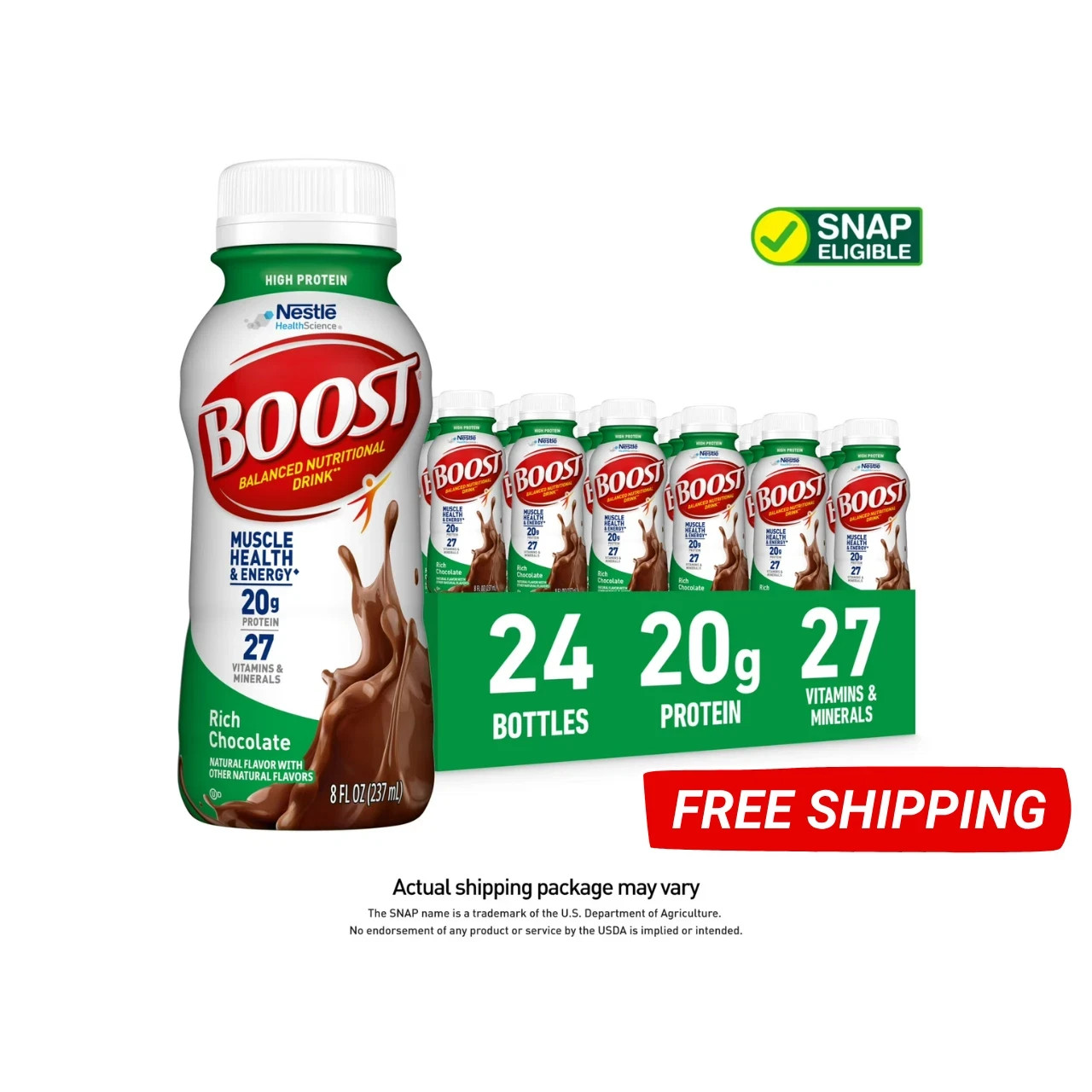 BOOST High Protein Nutritional Drink, Rich Chocolate, 20g Protein, 24 - 8 fl oz$24.00
 View on eBay
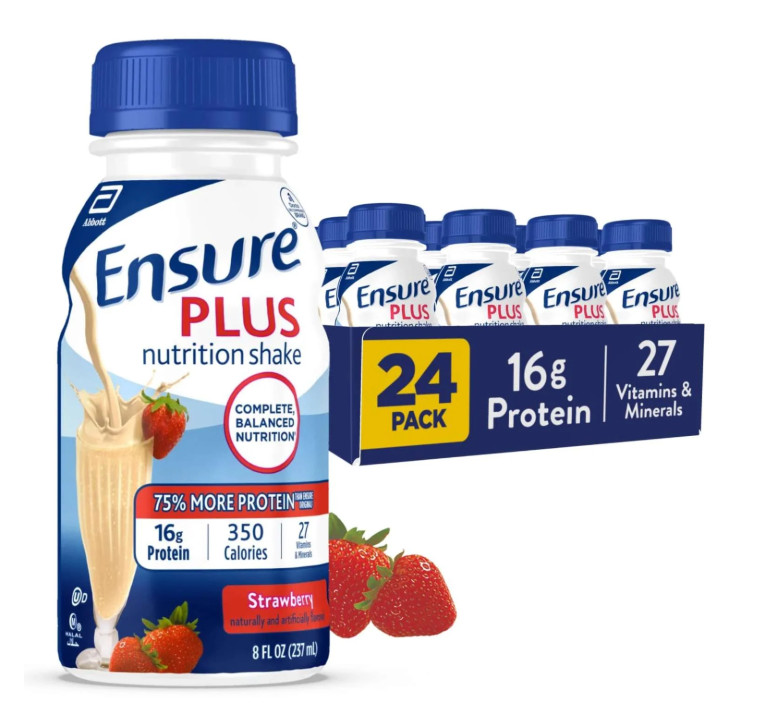 Ensure Plus Strawberry Nutrition Shake 24 Pack 8oz 16g Protein$41.54View on eBay
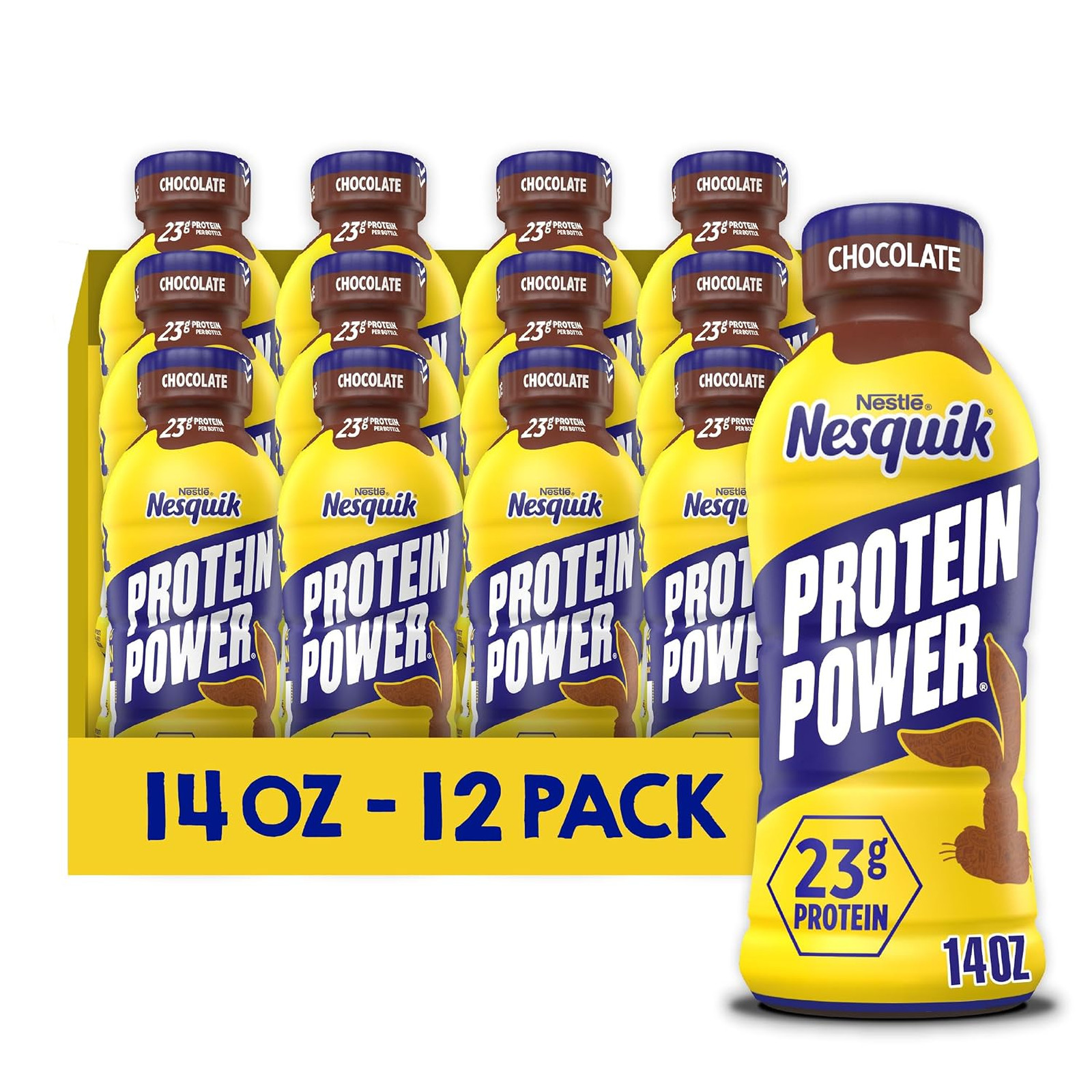 Protein Power Chocolate Milk Drink, 14 Fl Oz, 12 Pack, Ready to Drink, Shelf$58.34View on eBay
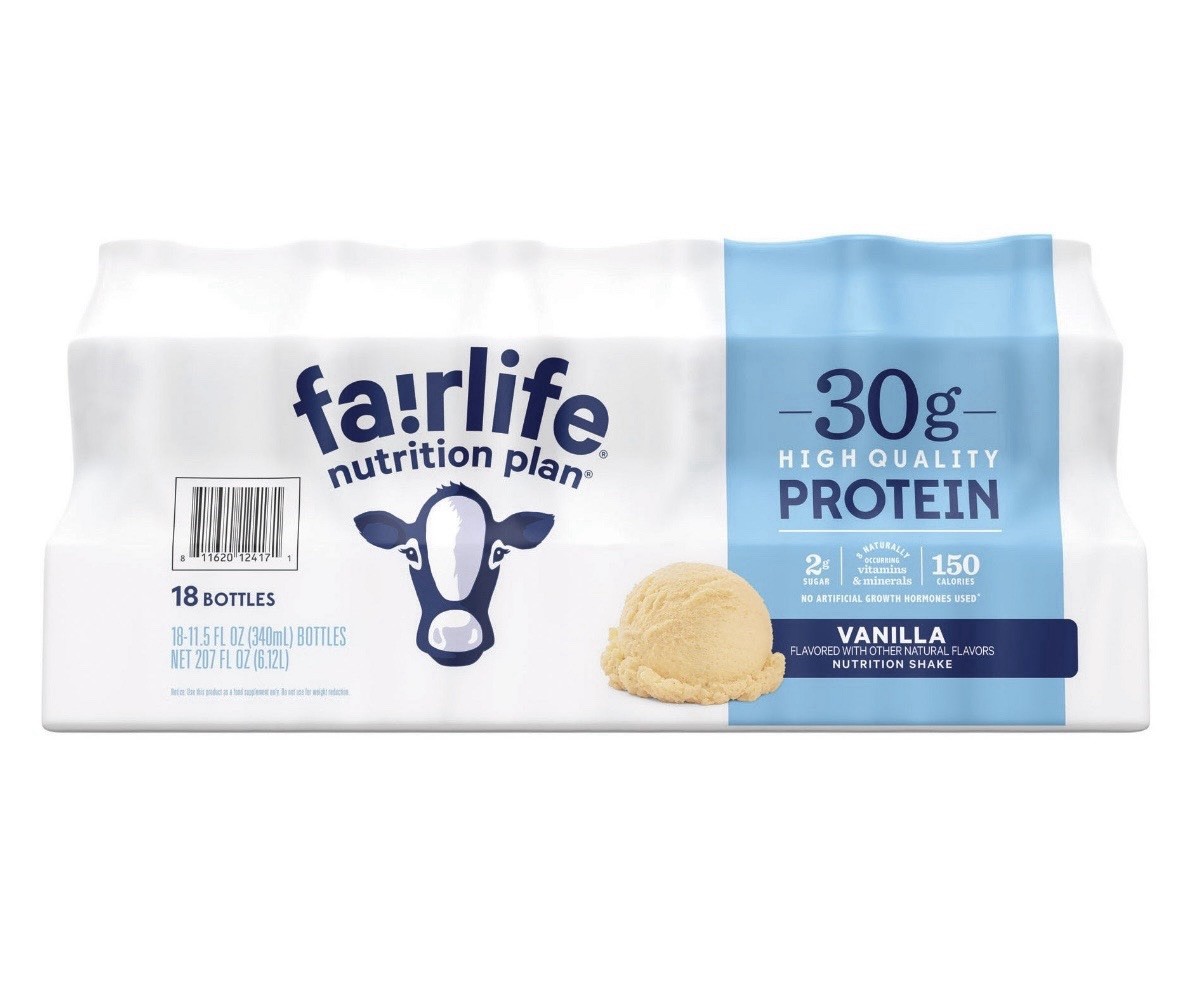 18 Bottles - Fairlife Nutrition Plan Vanilla 30g Protein Shake 11.5 oz$59.99View on eBay
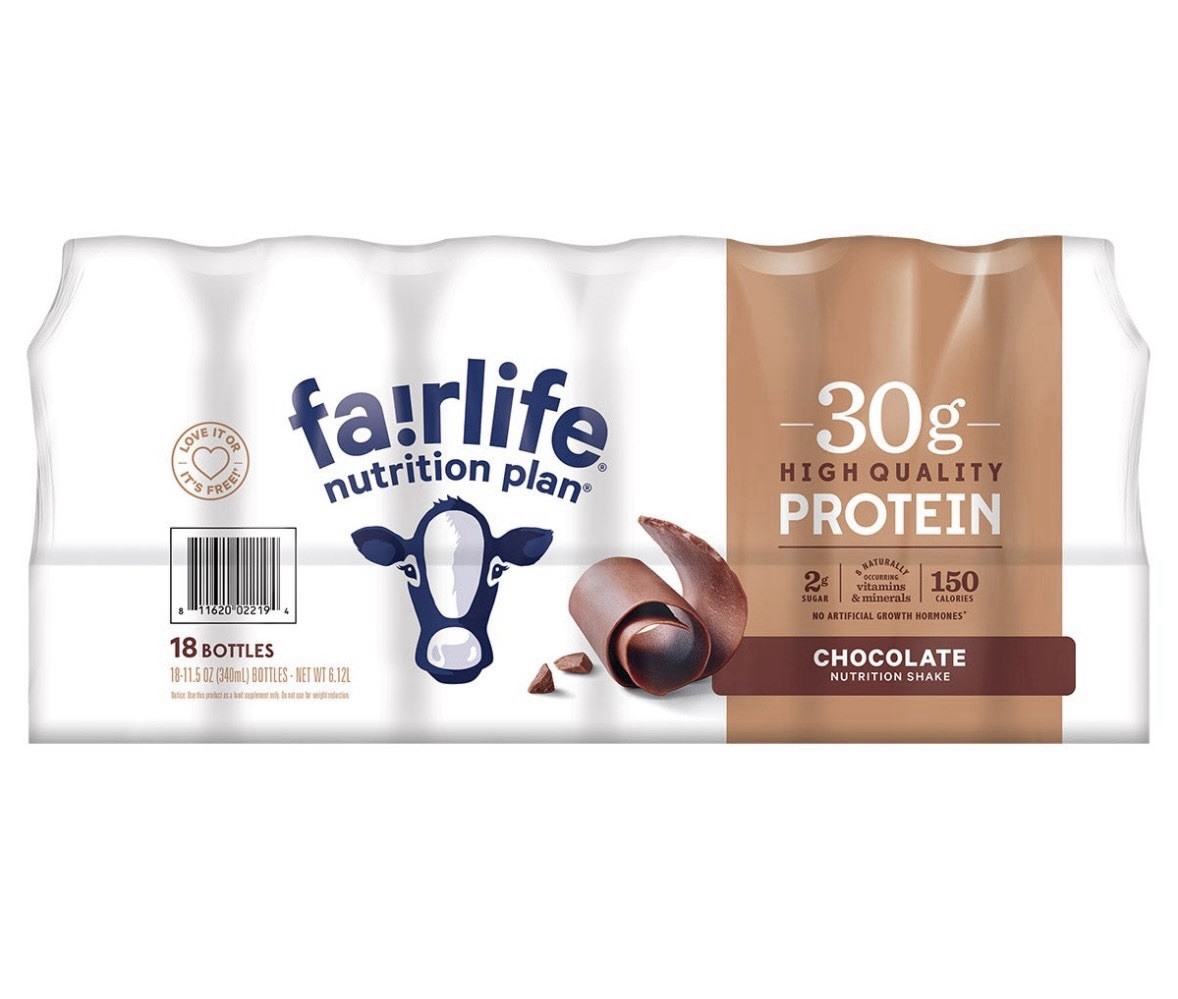 18 Bottles - Fairlife Nutrition Plan Chocolate 30g Protein Shake 11.5 oz$59.99View on eBay
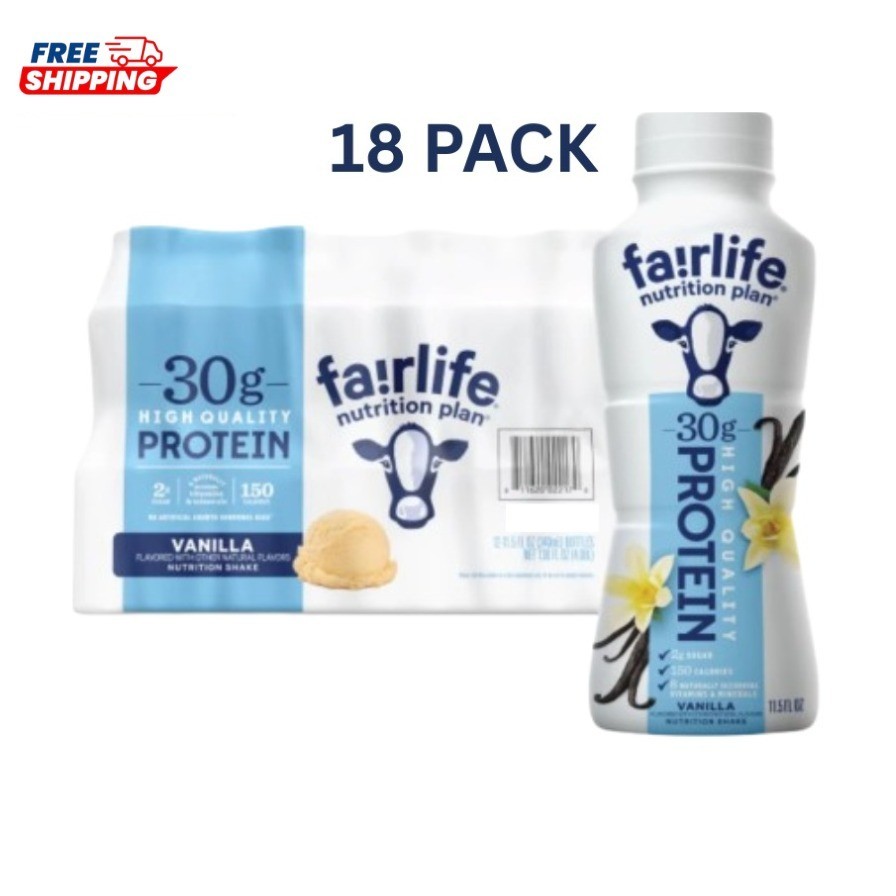 Fairlife Nutrition Plan 30g Protein Shake – Vanilla (18 Pack)$64.99View on eBay
Highlights
- Protein source determines absorption: whey/casein (Fairlife, Premier) gives complete amino acid profiles; soy or pea blends are lactose-free but lower in leucine.
- Ultra-filtered milk shakes (Fairlife) concentrate 30g protein in 11.5 oz with only 150 calories, beating standard 8 oz nutritional shakes at 16–20g.
- High-calorie therapeutic shakes (Boost Very High Calorie) pack 22g protein plus 350+ calories per 8 oz for clinical weight gain, not leaning out.
- Shelf-stable versus ready-to-drink chilled matters: aseptic bottles last months unrefrigerated; Fairlife and fresh-style shakes require cold chain.
Best use cases
- Weight-loss meal replacement: pick an 11–11.5 oz shake with 30g protein and ≤150 calories (Fairlife Nutrition Plan, Premier Protein); skip 350-calorie Boost Very High Calorie.
- Post-workout muscle gain: choose 30g protein with 250+ calories and added carbs; skip 16g Ensure Plus which is too low in protein for hypertrophy.
- Clinical or elderly nutrition: use 20–22g protein, 350+ calorie therapeutic shakes (Boost Very High Calorie); skip 14g protein chocolate milk drinks.
- Lactose intolerance: select plant-based or lactose-free ultra-filtered milk shakes; skip standard whey-concentrate dairy shakes that trigger bloating.
Buying tips
- Compute protein-to-calorie ratio: 30g protein in 150 calories (20%) beats 20g in 250 calories (8%) for fat loss; target ≥20% protein calories.
- Check bottle volume: 11.5 oz ultra-filtered shakes deliver 30g protein, while 8 oz standard shakes max out at 16–20g; buy 11 oz+ for higher protein.
- Count added sugar: a shake with 15g+ sugar per bottle defeats weight-loss goals; choose ≤5g total sugars and ≤1g added sugar.
- Match pack format to consumption: 12-count suits one bottle/day for two weeks; 18–24 count suits daily long-term use or clinical feeding.
Specs
| Protein Per Bottle | 14–30 g (target 30 g for muscle) |
|---|---|
| Calorie Load | 150–350+ kcal per bottle |
| Protein Source | Whey/casein, milk, soy, or pea |
| Pack Format | 12, 18, or 24-count bottles |
Related searches
What to check before buying
- Confirm refrigeration space: shelf-stable aseptic bottles store at room temp until opening, but chilled Fairlife-style shakes need fridge space for full pack.
- Check protein goal per day: if targeting 100g+ protein, choose 30g bottles to hit goal with 3 shakes rather than 16g bottles requiring 6+.
- Verify dietary restrictions: lactose-free, gluten-free, and kosher labels vary by brand; ultra-filtered milk shakes are lactose-free but not vegan.
- Plan consumption rate: 24-pack of 8 oz bottles lasts 24 days at one daily; 18-pack of 11.5 oz at two daily lasts 9 days — size pack to avoid expiration waste.
FAQ
Data sources: eBay / Amazon listings and product attribute feeds Data updated Nov 18, 2026.
Some links on this page are affiliate links. If you buy after clicking one, we may earn a commission at no extra cost to you. This does not change which products appear here or their order. Affiliate disclosure.