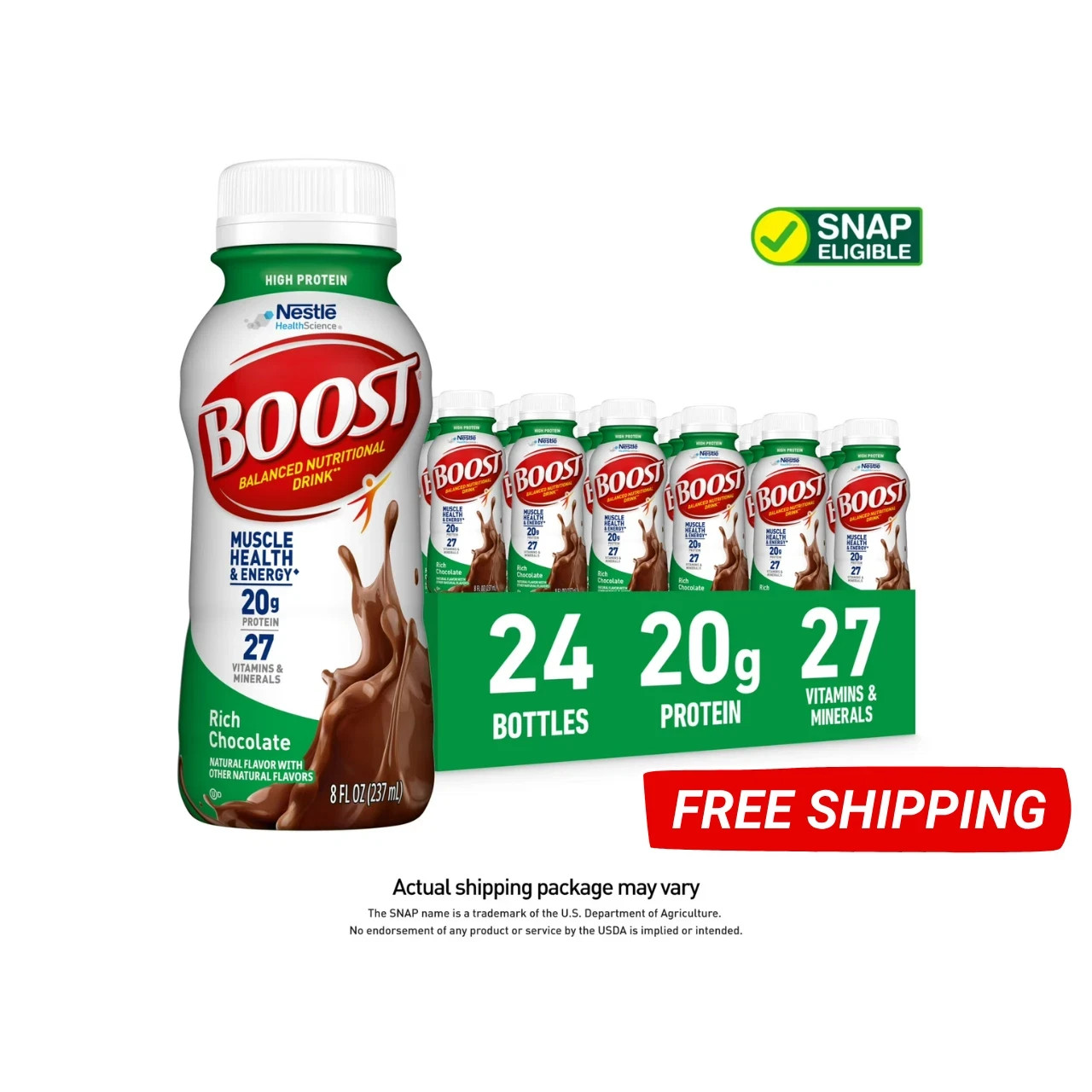

Photos from current listings. Actual item, color, and included accessories may vary.
Nutritional Drink Buying Guide
Nutritional drinks are meal-replacement or supplemental beverages engineered around protein density, calorie load, and vitamin/mineral fortification, with the core trade-off being protein-per-calorie versus volume tolerated per sitting. The decisive rule: match the drink's calorie-to-protein ratio and protein source to your clinical or lifestyle goal—high-protein (20g+) for muscle preservation with controlled calories, very-high-calorie (350-500+ kcal) for weight gain or volume-restricted intake—and reject any product whose protein source or osmolality doesn't fit your digestion.


At a glance
- Category
- Dairy, Beverages & Breakfast
- Data updated
- Nov 18, 2026
Current offers
Highlights
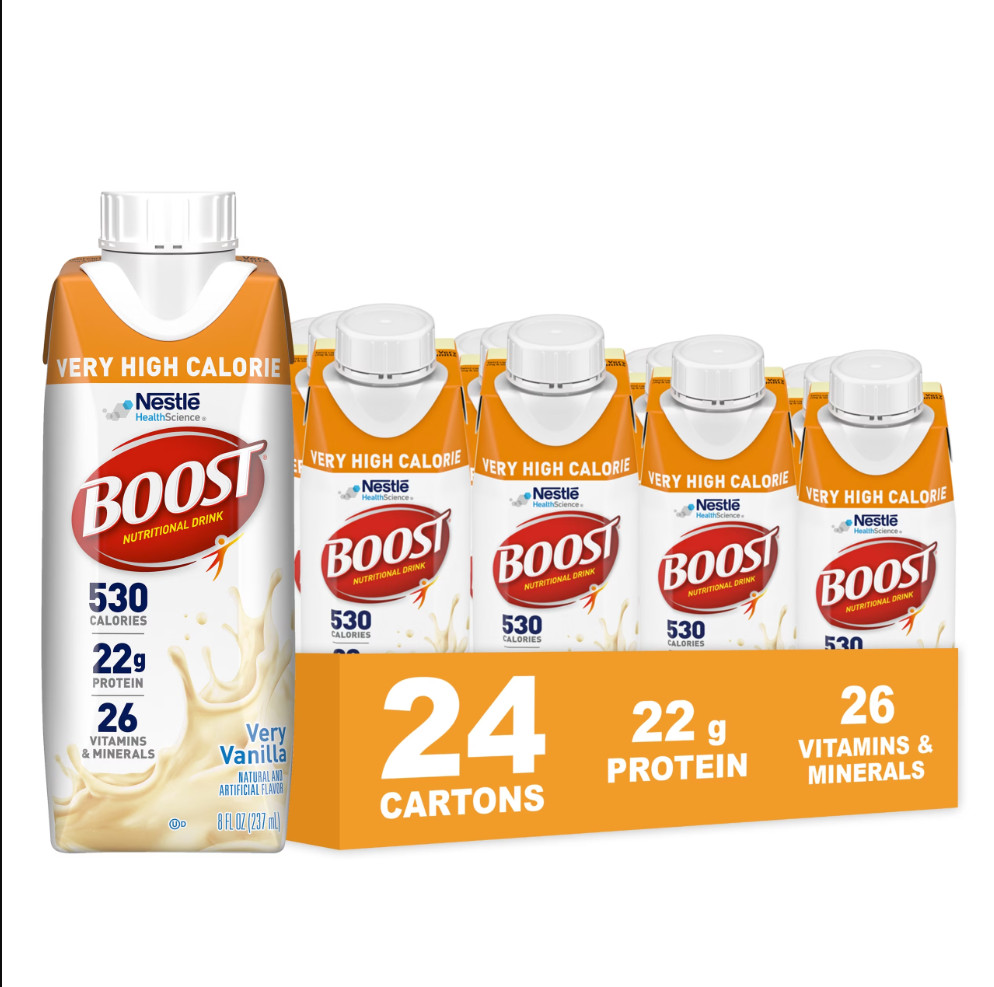
- Protein tiers separate product classes: standard 10-16g, high-protein 20-25g, and very-high-calorie formulas at 20-22g protein with 350-500 kcal per 8 oz serving.
- Protein source drives tolerance: whey/casein dairy blends digest differently than soy or pea isolates; milk-protein-based drinks suit lactose-tolerant users, isolates for sensitive guts.
- Very-high-calorie formulas concentrate 1.5-2x calories per fluid ounce versus standard shakes, enabling weight maintenance in 4-6 oz sipping volumes rather than full 8 oz servings.
- Fortification standards vary: therapeutic tiers deliver 25-30% DV of 20+ vitamins/minerals per serving; basic shakes often cover only 10-15% DV of a narrower panel.
Best use cases
- Post-surgery or illness recovery with early satiety: choose very-high-calorie 8 oz formulas (350+ kcal, 20g+ protein) and sip over 30-60 minutes; skip standard 250 kcal shakes that require full-volume intake.
- Older adults fighting sarcopenia with normal appetite: pick high-protein 20-25g ready-to-drink bottles with 150-250 kcal; skip very-high-calorie versions that blunt meal appetite.
- Athletes or active adults adding supplemental protein without weight gain: select 20g+ protein, under-200 kcal shakes; skip 350-500 kcal clinical formulas unless in a bulking phase.
- Lactose-intolerant or dairy-allergic users: choose soy or pea-protein isolates; skip milk-protein-based Boost/Ensure-style drinks that trigger GI symptoms.
Buying tips
- Match protein-to-calorie ratio to goal: 20g protein at 150-250 kcal supports lean mass; 20g at 350-500 kcal supports weight gain—do not substitute one for the other.
- Verify protein source on the ingredient panel: milk protein concentrate and whey blend for general use; soy or pea isolate when dairy is excluded.
- Check serving volume versus tolerance: very-high-calorie formulas pack 350-500 kcal into 8 fl oz; if you can only sip 4 oz, split the bottle or choose a 4 oz equivalent.
- Inspect vitamin/mineral %DV per serving: therapeutic use needs 25%+ DV across a 20+ micronutrient panel; recreational use tolerates a narrower 10-15% DV profile.
Specs
| Protein Tier | Standard 10-16g / High 20-25g |
|---|---|
| Calorie Density | 150-250 kcal (standard) / 350-500 (VHC) |
| Protein Source | Milk/whey blend vs soy/pea isolate |
| Micronutrient Panel | 10-15% DV basic / 25%+ DV therapeutic |
Related searches
What to check before buying
- Confirm your daily protein target and calorie ceiling so the drink's 20g protein / 150-500 kcal range fits within, not beyond, your total intake.
- Check lactose tolerance and protein-source compatibility before committing to a 24-pack—milk-protein formulas are the default in Boost and Ensure tiers.
- Measure your realistic sipping volume per sitting: if under 6 fl oz, favor very-high-calorie concentrates or split standard 8 oz bottles.
- Verify storage conditions: ready-to-drink shakes are shelf-stable until opening, then require refrigeration and consumption within 24 hours.
FAQ
Data sources: eBay / Amazon listings and product attribute feeds Data updated Nov 18, 2026.
Some links on this page are affiliate links. If you buy after clicking one, we may earn a commission at no extra cost to you. This does not change which products appear here or their order. Affiliate disclosure.