Photos from current listings. Actual item, color, and included accessories may vary.
Non Dairy Milk Buying Guide
Non-dairy milk spans four core bases—soy, almond, oat, and pecan—each with distinct protein, fat, and emulsification profiles that dictate whether it works in coffee, cereal, or straight drinking. The primary trade-off is between barista-grade stabilization (added oils and gums for heat-acid stability) and clean-label simplicity, where unsweetened cartons split or curdle in hot coffee. The decision rule: buy barista-series cartons for espresso and cooking, and plain unsweetened shelf-stable cartons for drinking and cereal.


At a glance
- Category
- Dairy, Beverages & Breakfast
- Data updated
- Nov 18, 2026
Current offers
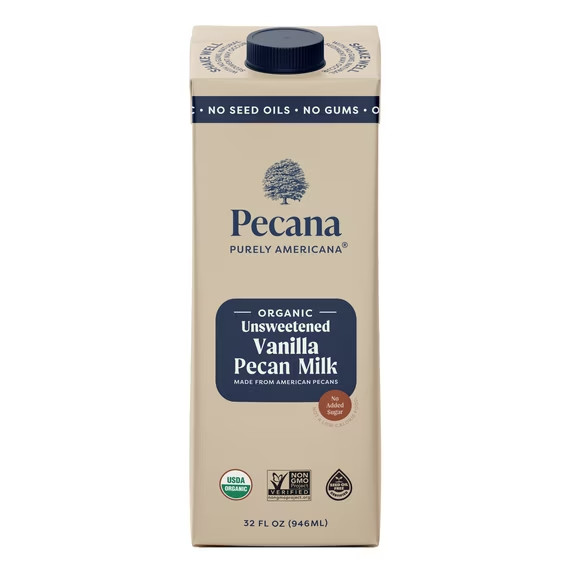 Pecana USDA Organic Unsweetened Vanilla Pecan Milk, 32 fl oz Carton, Non-Dairy P$5.25
 View on eBay
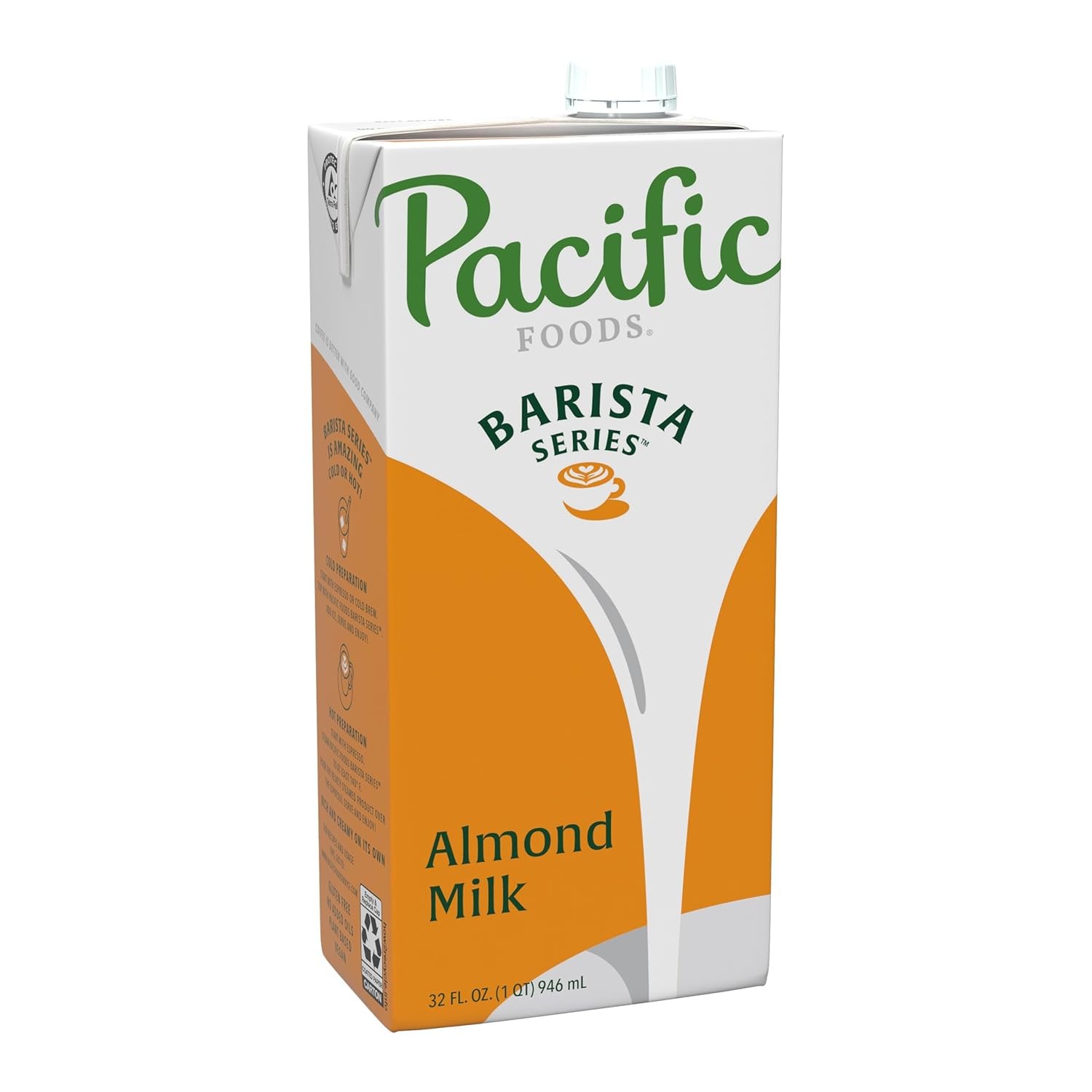 Pacific Foods Barista Series Almond Milk 32 oz Carton Plant Based Non Dairy$7.15View on eBay
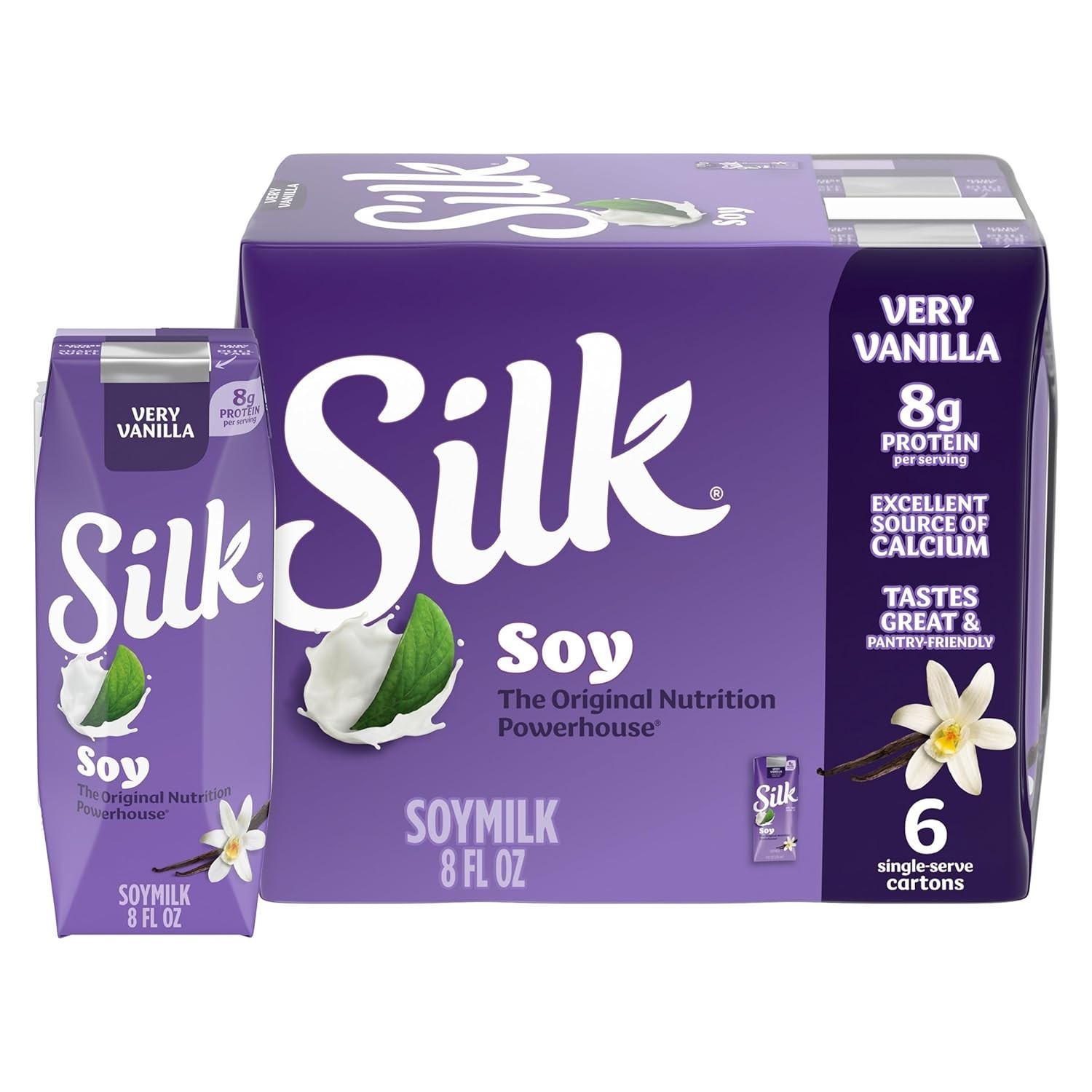 Silk Shelf-Stable Soy Milk Singles, Very Vanilla, Dairy-Free, Vegan, Non-GMO...$12.36View on eBay
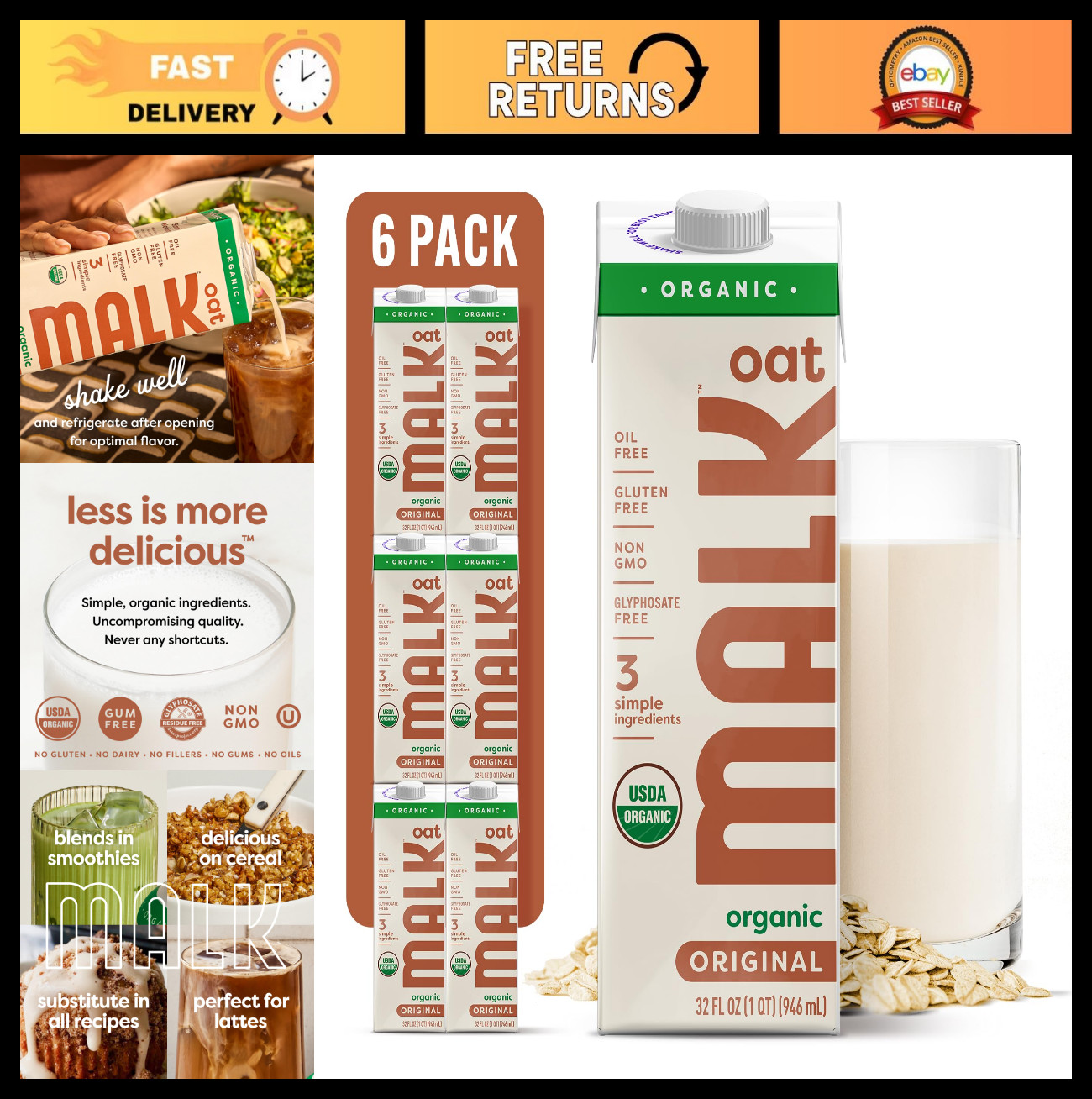 Organic Oat Milk 32oz 6-Pack - Dairy Free Creamer, Plant-Based, Non-GMO, Vegan$69.99View on eBay
Highlights
- Soy delivers 7–8 g protein per cup versus 1 g for almond and 3 g for oat—the highest protein tier among plant milks.
- Barista-series almond and oat milks use added sunflower or rapeseed oil plus gellan gum to resist curdling at 150–160°F espresso temperatures.
- Shelf-stable aseptic cartons (UHT) last 6–12 months unopened at room temperature; refrigerated cartons last 7–10 days after opening.
- Oat milk naturally contains 2–3 g fat and 10–14 g carbohydrates per cup, giving it the creamiest texture but the highest sugar load unless unsweetened.
Best use cases
- Best for espresso and lattes: pick barista-series almond or oat milk with added oil and gellan gum—skip plain unsweetened almond, which curdles in hot acidic coffee.
- Best for high-protein breakfasts and cereal: choose unsweetened soy milk at 7–8 g protein per cup—skip almond milk, which provides only 1 g protein and falls short nutritionally.
- Best for nut-free households or allergy-safe lunchboxes: select oat or pecan milk—skip soy and almond if tree-nut or legume allergies are present.
- Best for clean-label drinking: buy unsweetened cartons with 2–3 ingredients (water, base, salt)—skip barista versions with added oils and gums unless frothing is the priority.
Buying tips
- Match the base to the job: soy for protein and baking, oat for creaminess and coffee, almond for low-calorie drinking, pecan for a thin nutty flavor.
- Choose barista-labeled cartons only when steaming or frothing; their added oils (sunflower/rapeseed) and gellan gum are unnecessary for cold cereal use.
- Check the carton format: aseptic shelf-stable 32 oz cartons for pantry stock, refrigerated cartons for immediate weekly use—never freeze aseptic cartons unless labeled freezable.
- Verify the unsweetened label: 'original' versions carry 7–12 g added sugar per cup, while 'unsweetened' versions stay at 0–1 g.
Specs
| Base Type | Soy, Almond, Oat, Pecan |
|---|---|
| Protein per Cup | Soy 7-8g / Oat 3g / Almond 1g |
| Barista Stabilizers | Gellan gum + sunflower oil |
| Carton Format | Aseptic shelf-stable vs refrigerated |
Related searches
What to check before buying
- Measure fridge or pantry space: 32 oz cartons are roughly 3.5 x 3.5 x 8 inches—confirm shelf height before buying multi-packs.
- Confirm the carton format matches your storage: aseptic (shelf-stable, 6–12 months) versus refrigerated (7–10 days post-opening).
- Check allergen labeling: soy is a major allergen, almond and pecan are tree nuts, oat requires gluten-free certification if celiac-safe is needed.
- Verify frothing equipment compatibility: barista cartons work with steam wands and electric frothers; plain cartons only froth with added stabilizers or dedicated plant-milk frothers.
FAQ
Data sources: eBay / Amazon listings and product attribute feeds Data updated Nov 18, 2026.
Some links on this page are affiliate links. If you buy after clicking one, we may earn a commission at no extra cost to you. This does not change which products appear here or their order. Affiliate disclosure.