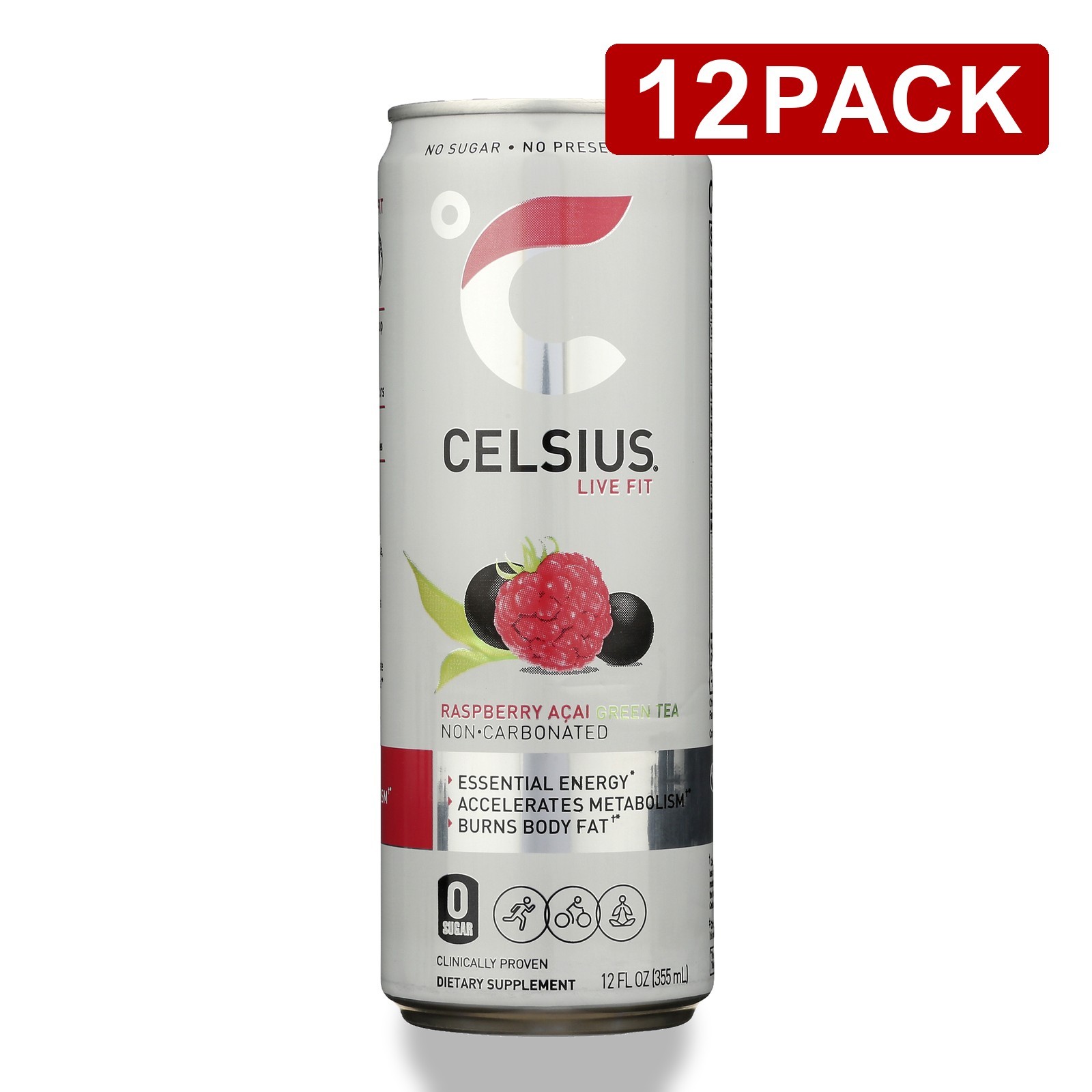

Photos from current listings. Actual item, color, and included accessories may vary.
Non Carbonated Energy Drink Buying Guide
Non-carbonated energy drinks are still-water formulas delivering caffeine, B-vitamins, and often electrolytes or amino acids without CO2—so the primary trade-off is clean mouthfeel and faster drinkability versus the stability and flavor masking that carbonation provides. The durable choice hinges on caffeine source and dose, preservative system, and packaging format (can vs. bottle) rather than flavor marketing. Buy based on caffeine-per-serving and sweetener architecture; skip any formula that hides caffeine content behind a proprietary blend.


At a glance
- Category
- Dairy, Beverages & Breakfast
- Data updated
- Nov 18, 2026
Current offers
Highlights
- Carbonation-free formulas rely on pasteurization or acidulants (citric/malic acid) plus preservatives—check for 'keep refrigerated after opening' as a stability signal.
- Caffeine dose splits cleanly: 80-100 mg (coffee-equivalent), 150-200 mg (standard energy tier), and 300 mg+ (high-stimulant, not for casual use).
- Cans are aluminum with internal polymer lining—non-carbonated versions need higher fill and nitrogen dosing to prevent oxidation and flavor degradation.
- Celsius Non-Carbonated (e.g., Raspberry Acai Green Tea) uses 200 mg caffeine from green tea extract plus guarana, distinct from the carbonated line's blend.
Best use cases
- Best fit: pre-workout or morning focus where carbonation causes bloating—choose a 150-200 mg caffeine still formula with electrolytes.
- Best fit: replace soda habits—pick a 12 oz can with 5-10 g sugar or zero-sugar sucralose/stevia base for daily drinkability.
- Wrong fit: demanding 300 mg+ stimulant pre-training—still formulas rarely reach that tier; choose a dedicated pre-workout instead.
- Wrong fit: expecting carbonated Celsius flavor profile—non-carbonated versions taste flatter and sweeter; skip if fizz is the point.
Buying tips
- Match caffeine to body weight: 1-3 mg/kg is the effective range—a 70 kg adult lands at 70-210 mg, so 200 mg cans suit most.
- Prioritize green tea extract or natural caffeine over anhydrous caffeine if you want a slower release curve with less crash.
- Choose 12 oz cans for single-serving dosing; 16 oz still cans often push past 200 mg caffeine—read the panel, not the front label.
- Check packaging: non-carbonated cans should be undented with firm sides—nitrogen dosing keeps them structurally rigid; soft cans signal seal failure.
Specs
| Caffeine Dose | 80-200 mg/can (300 mg+ high-stim) |
|---|---|
| Carbonation | Still / nitrogen-dosed (no CO2) |
| Sweetener Base | Sugar 5-10g vs zero-sugar stevia/sucralose |
| Pack Format | 12 oz can / 16 oz can / 12-pack |
Related searches
What to check before buying
- Confirm caffeine per can (not per 100 ml) against your daily limit—200 mg is the common still-drink ceiling.
- Verify storage: most non-carbonated formulas require cool, dry storage and refrigeration after opening; check can/bottle format.
- Check sweetener system (sugar vs sucralose/stevia/erythritol) against digestive sensitivity before buying multipacks.
- Confirm can size and pack count match your consumption rate—opened still drinks lose vitamin potency and flavor within 24-48 hours.
FAQ
Data sources: eBay / Amazon listings and product attribute feeds Data updated Nov 18, 2026.
Some links on this page are affiliate links. If you buy after clicking one, we may earn a commission at no extra cost to you. This does not change which products appear here or their order. Affiliate disclosure.