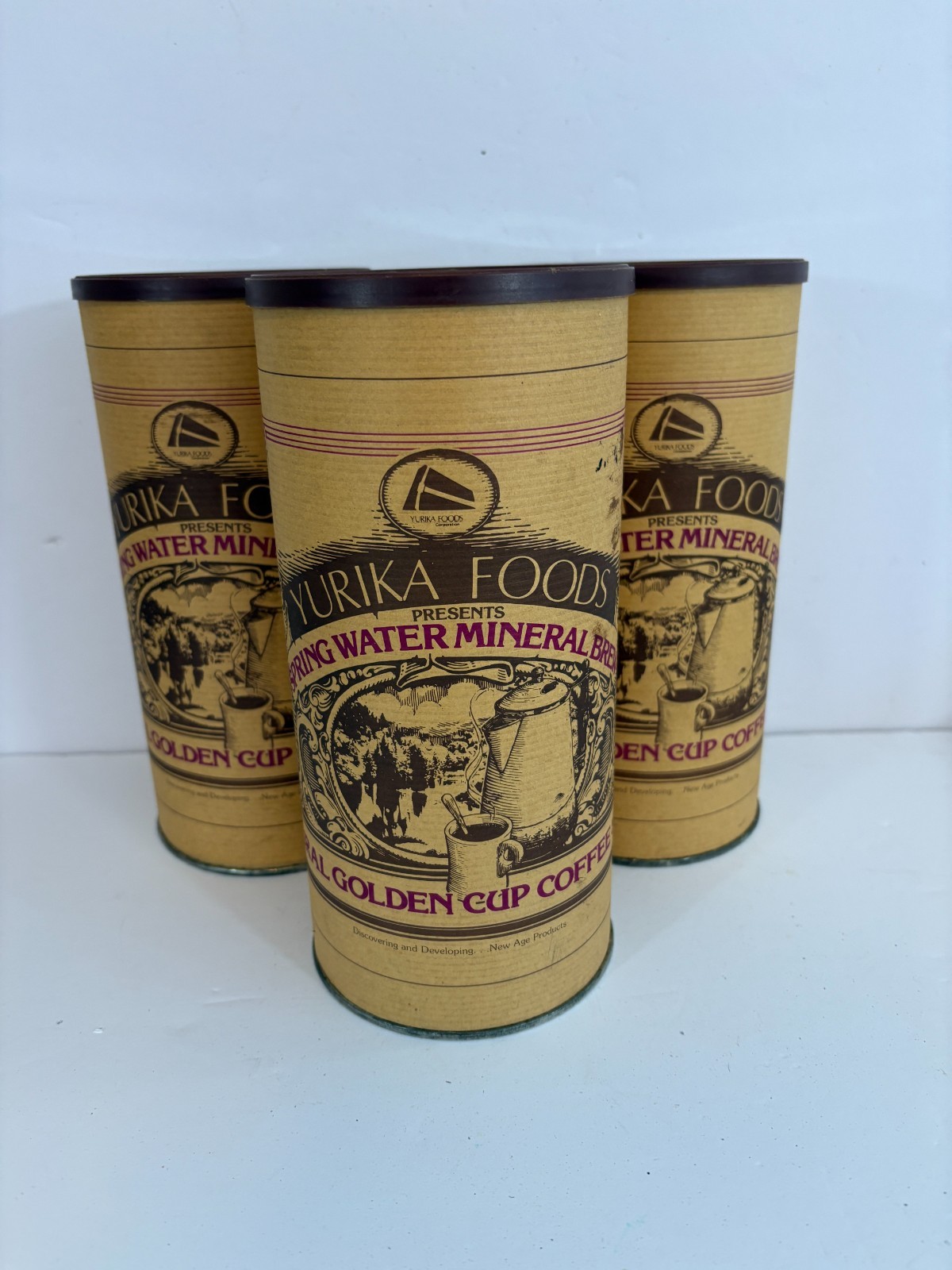

Photos from current listings. Actual item, color, and included accessories may vary.
Mineral Water Buying Guide
Mineral water spans naturally carbonated spring waters, purified waters with added minerals, and flavored seltzers, all defined by their dissolved mineral content (TDS) and source. The core trade-off is between authentic spring sourcing with stable mineral profiles and cheaper purified water with added minerals that can vary batch to batch. Buy natural spring water with a stated TDS above 250 mg/L for taste and consistency; skip purified or distilled waters if you want mineral character.


At a glance
- Category
- Dairy, Beverages & Breakfast
- Data updated
- Nov 18, 2026
Current offers
Highlights
- Natural spring water must be sourced from a protected underground aquifer and bottled at the source, while purified water can come from any municipal supply and be mineralized artificially.
- Total dissolved solids (TDS) above 500 mg/L gives a distinctly mineral taste; low-TDS waters under 100 mg/L taste flat and are better for brewing and infant formula.
- Carbonation levels range from still (no CO2) to lightly sparkling (1-2 volumes CO2) to fully sparkling (3-4 volumes), affecting pairing and mouthfeel.
- Glass bottles preserve mineral water's taste and carbonation better than PET plastic, which can leach antimony over time and lose fizz faster.
Best use cases
- Choose a high-TDS natural spring water (TDS 500-1500 mg/L) for drinking alongside meals or as a mineral supplement; skip it if you need low-sodium water for hypertension.
- Pick a low-mineral, low-sodium water (TDS under 100 mg/L, sodium under 20 mg/L) for brewing specialty coffee or mixing infant formula; avoid high-bicarbonate waters that buffer acidity and mute coffee flavor.
- Select fully sparkling mineral water in glass bottles for cocktail mixers and dinner tables; skip plastic bottles if you plan to store for months, as CO2 escapes through PET.
Buying tips
- Check the label for 'natural mineral water' or 'spring water' and a named source; 'purified water' or 'drinking water' is just treated tap water with added minerals.
- Match TDS to use: above 500 mg/L for flavor and mineral intake, 100-300 mg/L for everyday hydration, under 100 mg/L for brewing and infant use.
- For sparkling water, choose glass bottles or aluminum cans over PET plastic to retain carbonation beyond a few weeks.
- Verify the bicarbonate level for coffee brewing: keep it under 100 mg/L to avoid neutralizing coffee's natural acidity.
Specs
| Water Source | Natural spring vs purified vs mineral |
|---|---|
| TDS Level | Low <100 / Medium 100-500 / High >500 mg/L |
| Carbonation | Still / Light / Full sparkling |
| Bottle Material | Glass / PET plastic / Aluminum can |
Related searches
What to check before buying
- Confirm your local water hardness and TDS if you plan to use mineral water for brewing or cooking, so you can blend or choose a complementary profile.
- Measure refrigerator shelf height and door bin clearance if buying multipacks or large glass bottles, which are taller and heavier than standard PET.
- Check bottle material and cap type for reuse: glass with swing-top caps holds carbonation for home carbonation setups, while PET caps wear out after a few refills.
- Verify the source location and mineral analysis date on the label; mineral content can shift seasonally in some springs, so recent analyses are more reliable.
FAQ
Data sources: eBay / Amazon listings and product attribute feeds Data updated Nov 18, 2026.
Some links on this page are affiliate links. If you buy after clicking one, we may earn a commission at no extra cost to you. This does not change which products appear here or their order. Affiliate disclosure.