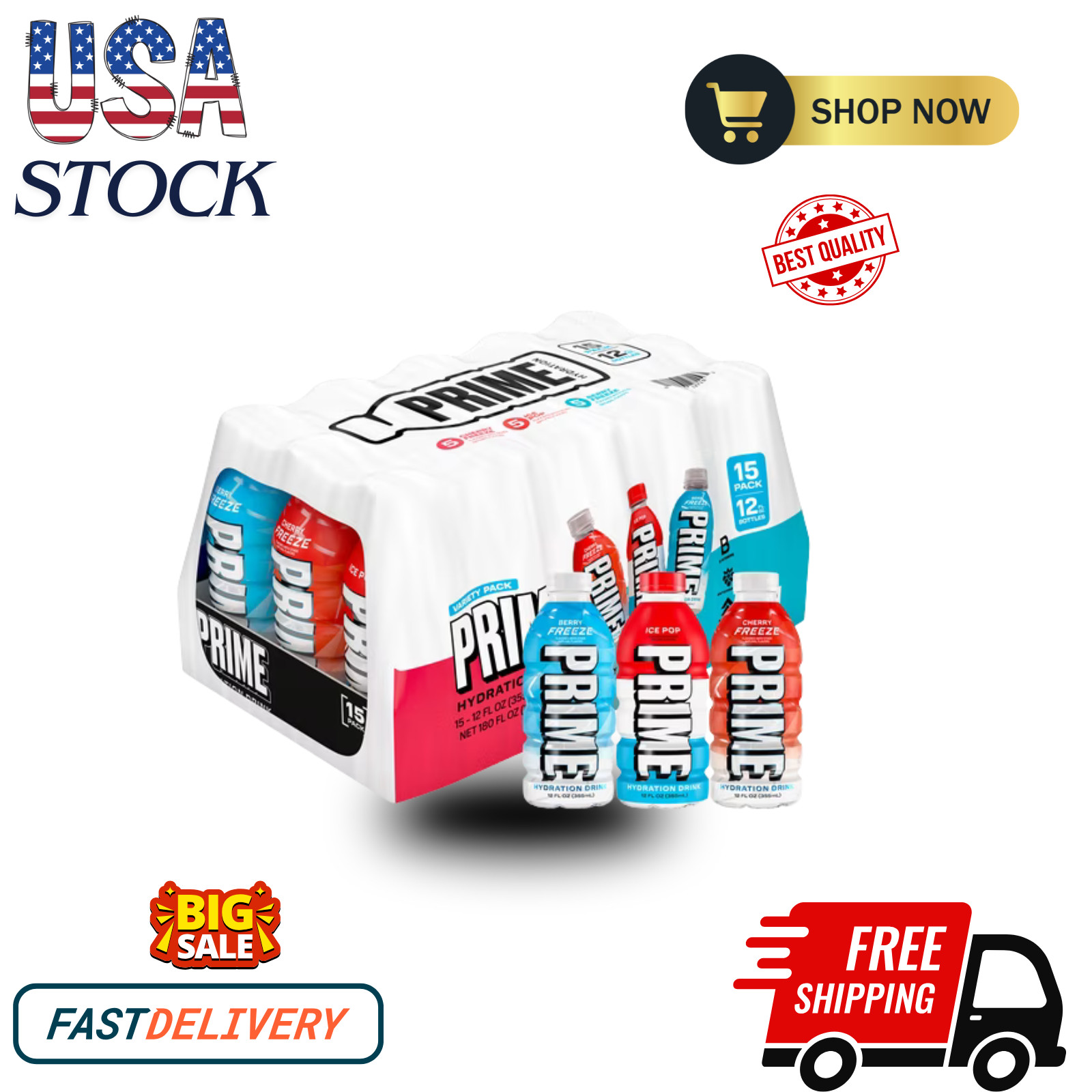

Photos from current listings. Actual item, color, and included accessories may vary.
Hydration Drink Buying Guide
Hydration drinks split into two engineering camps: electrolyte-replacement formulas (sodium, potassium, magnesium with glucose for osmotic transport) and zero-calorie flavored waters that hydrate without fuel. The core trade-off is electrolyte concentration versus sugar load—clinical rehydration needs 200-350 mg sodium per serving with carbohydrate, while daily sipping favors low-calorie formulas. Buy clinical-grade electrolyte sticks for training and heat exposure, and treat flavored zero-sugar bottles as lifestyle hydration only.


At a glance
- Category
- Dairy, Beverages & Breakfast
- Data updated
- Nov 18, 2026
Current offers
Highlights
- Oral rehydration science: effective formulas target ~200-350 mg sodium and 80-120 mg potassium per serving with glucose to drive sodium-glucose cotransport.
- Zero-calorie sticks and drops deliver electrolytes with 0 g sugar; glucose-based sports drinks (6-8% carbohydrate) empty faster and refuel during sustained exertion.
- Bottled RTD hydration drinks are typically 12-20 fl oz with 0-25 g sugar; powdered sticks and bulk cases cut cost per serving and let you dial concentration.
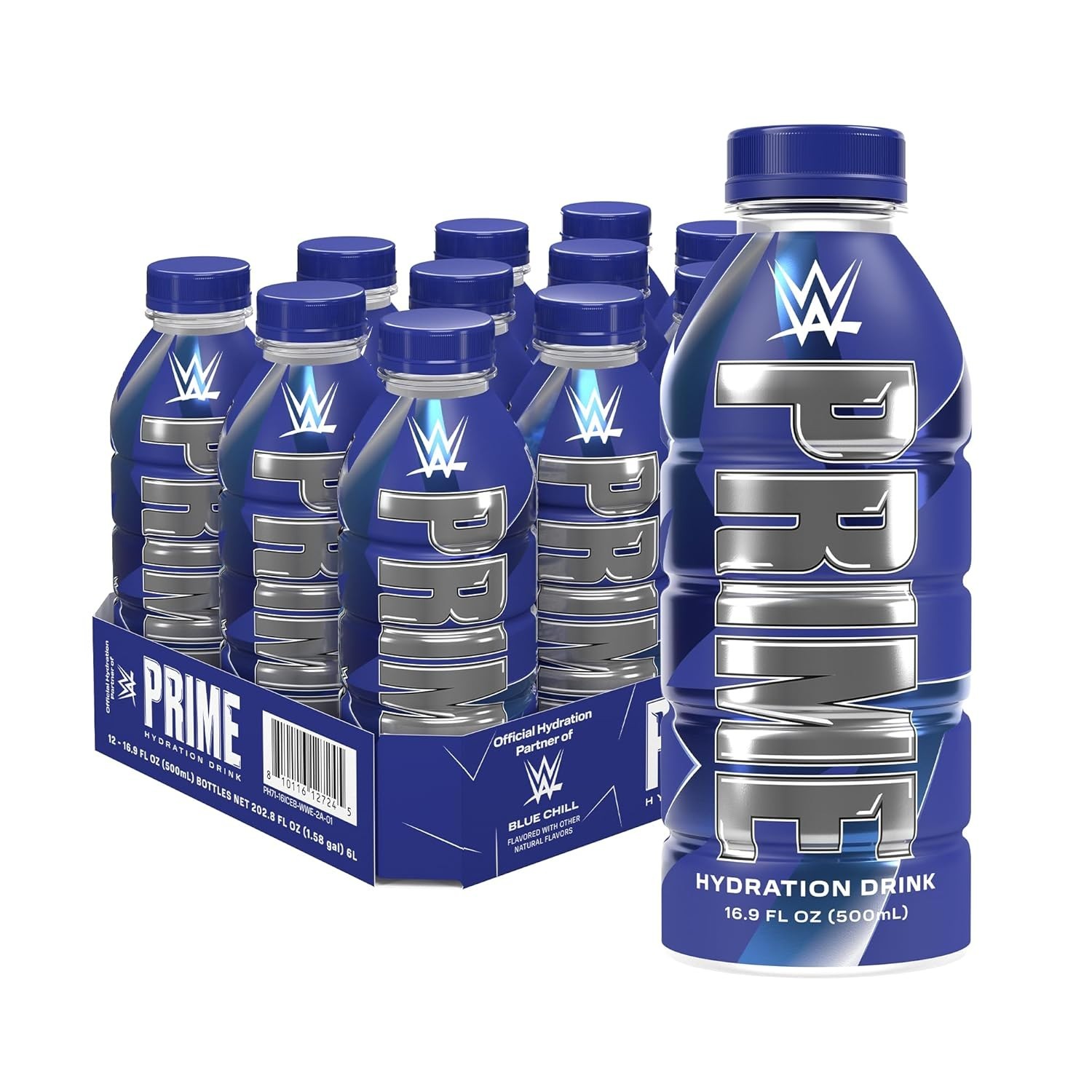
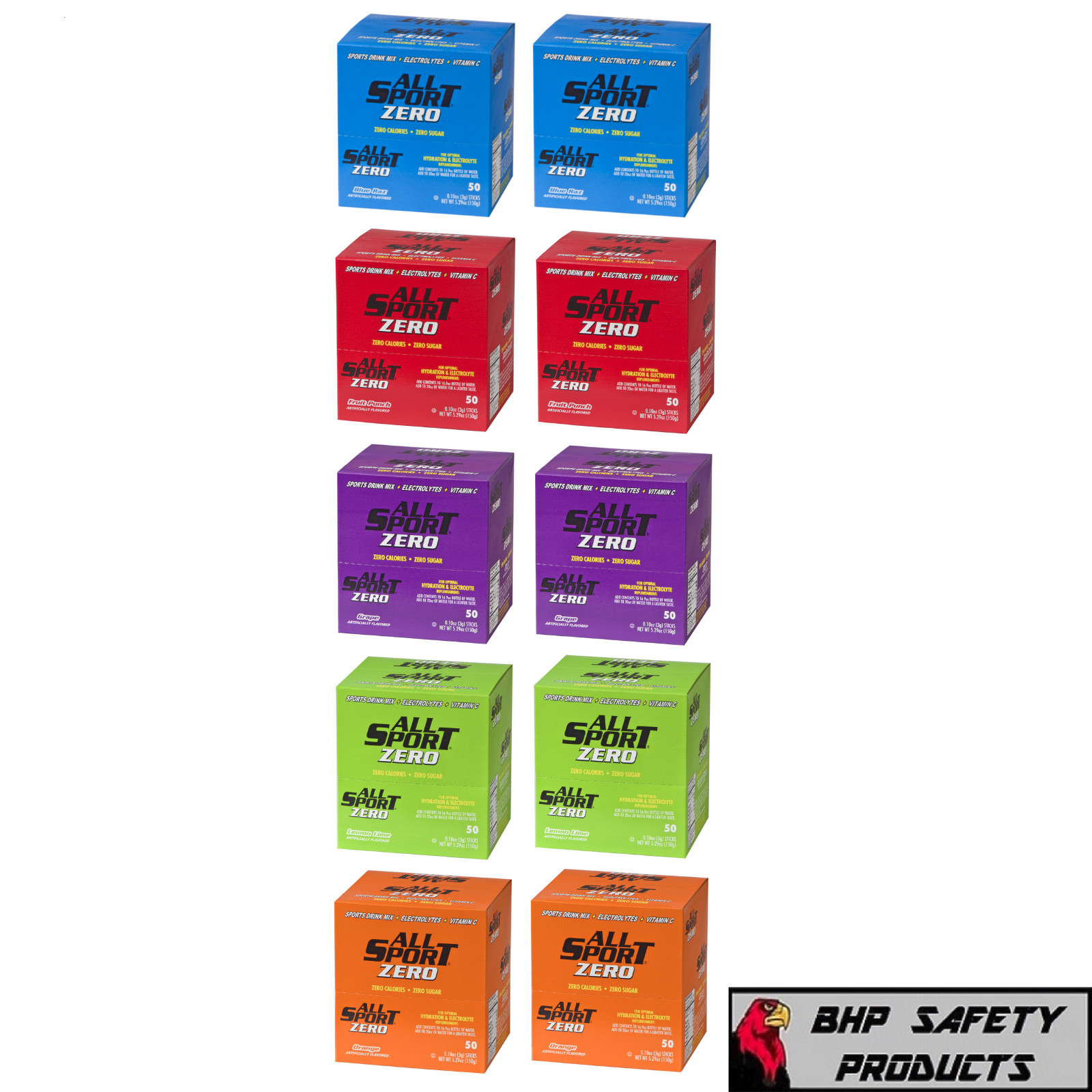
- Prime Hydration uses coconut water plus BCAAs and B vitamins at 0 g sugar; All Sport Zero sticks are a bulk electrolyte option—different jobs, both valid.
Best use cases
- Post-gym and hot-weather electrolyte replacement: choose a powdered stick with 200+ mg sodium and potassium per serving—skip zero-sodium flavored waters.
- Endurance exercise over 60 minutes: pick a 6-8% carbohydrate sports drink or add a carb source; skip plain electrolyte water if you need fuel.
- Everyday desk hydration and kids' lunchboxes: pick 0 g sugar flavored bottled hydration; skip high-sodium clinical formulas unless sweating heavily.
- Bulk team or event supply: choose powder sticks or bulk cases; skip single 12-20 fl oz RTD bottles if cost per serving matters.
Buying tips
- Match sodium to sweat loss: 200-350 mg per serving for training days; under 100 mg is lifestyle hydration, not electrolyte replacement.
- Check carbohydrate content: 6-8% solution (14-20 g per 8 fl oz) for endurance; 0-5 g for daily sipping and calorie control.
- Powder sticks win on portability and cost per serving; RTD bottles win on convenience—buy the format that matches your routine.
- Verify serving size: a 16.9 fl oz bottle may be 2 servings, halving the electrolyte numbers you see on the label.
Specs
| Sodium Per Serving | Clinical: 200-350 mg; Lifestyle: <100 mg |
|---|---|
| Sugar/Carb Content | 0 g lifestyle / 6-8% carb sports |
| Format | RTD bottle, powder stick, drops |
| Key Electrolytes | Sodium, potassium, magnesium |
Related searches
What to check before buying
- Calculate your sweat rate: weigh yourself before and after a 1-hour workout; 1 kg lost = ~1 L fluid, so size servings accordingly.
- Check sodium per serving against your climate—hot/humid conditions demand the 300+ mg tier, mild climates 150-250 mg.
- Confirm format logistics: powder sticks need a shaker bottle and water access; RTD bottles need fridge space or a cooler.
- Read the sugar column: if you're watching intake, cap at 5 g per serving; if fueling, target 14-20 g per 8 fl oz.
FAQ
Data sources: eBay / Amazon listings and product attribute feeds Data updated Nov 18, 2026.
Some links on this page are affiliate links. If you buy after clicking one, we may earn a commission at no extra cost to you. This does not change which products appear here or their order. Affiliate disclosure.