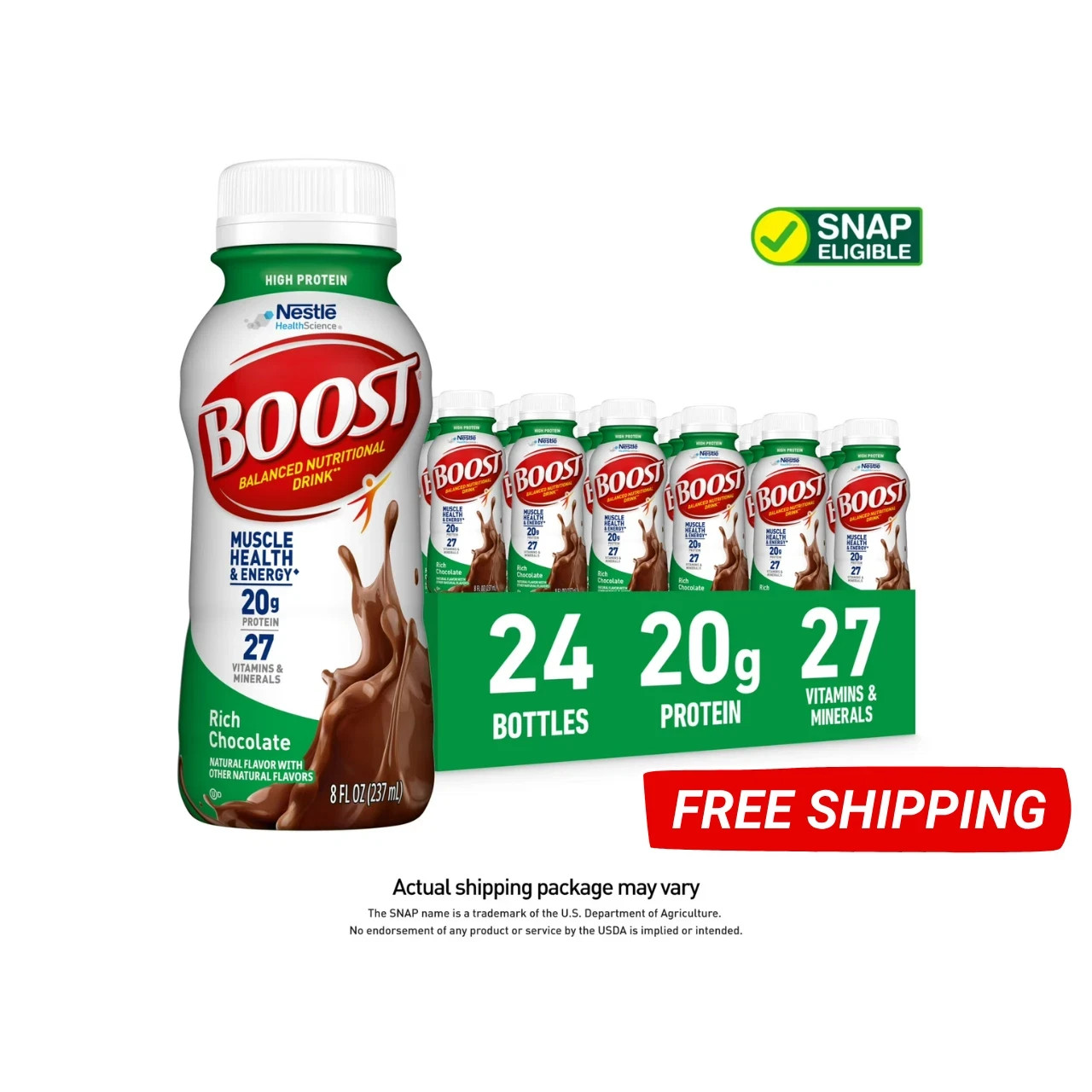

Photos from current listings. Actual item, color, and included accessories may vary.
High Protein Drink Buying Guide
High protein drinks are ready-to-drink nutritional beverages delivering 15–30g protein per serving, with the core trade-off being protein source quality (complete dairy vs. collagen/plant blends) and calorie density versus added sugar. Choose a drink with whey or casein as the first protein source and ≥20g per serving for muscle support; skip drinks where collagen or sugar alcohols dominate the label.


At a glance
- Category
- Dairy, Beverages & Breakfast
- Data updated
- Nov 18, 2026
Current offers
Highlights
- Complete protein profiles come from whey, casein, or soy; collagen-based drinks lack tryptophan and score lower on PDCAAS/DIAAS for muscle synthesis.
- Standard 8 fl oz bottles deliver 20–22g protein in 150–250 kcal; high-calorie versions pack 350+ kcal for weight gain, not lean maintenance.
- Protein density (g per 100 kcal) separates meal-replacement drinks (~10–12g) from lean RTDs (~15–20g) better than front-label claims.
- Shelf-stable UHT aseptic processing allows 12–18 month ambient storage; refrigerated RTDs (fairlife Core Power) need cold chain and have shorter dates.
Best use cases
- Post-workout or breakfast replacement: pick 20g whey/casein RTDs like Boost High Protein or Core Power; skip 350-kcal high-calorie versions unless gaining weight.
- Weight-gain or clinical nutrition: choose Boost Very High Calorie (22g protein, 350+ kcal per 8 fl oz); skip standard 150-kcal drinks that won't meet energy needs.
- Lactose-sensitive buyers: select lactose-free or plant-protein RTDs (soy/pea blends); skip whey-concentrate drinks that can trigger GI discomfort.
- On-the-go shelf storage: pick aseptic UHT bottles with 12+ month dates; skip refrigerated-only lines if you lack consistent cold storage.
Buying tips
- Target ≥20g protein per 8 fl oz bottle and ≥10g protein per 100 kcal for lean nutrition; below 8g/100 kcal signals a sugar-heavy formula.
- Check the first ingredient: whey/casein/soy isolate means complete protein; collagen peptides or 'protein blend' with collagen means incomplete amino profile.
- For weight gain, select 350+ kcal per bottle; for maintenance, stay at 150–250 kcal to avoid unintended surplus.
- Buy 24-count cases for 2–4 week supply; single bottles cost more per serving and aseptic bottles hold 12–18 months unopened.
Specs
| Protein Source | Whey/casein vs collagen/plant |
|---|---|
| Protein Per Serving | 15–30g per 8 fl oz bottle |
| Calorie Tier | Lean 150–250 vs high-cal 350+ |
| Storage Type | Shelf-stable UHT vs refrigerated |
Related searches
What to check before buying
- Confirm your daily protein target (1.2–2.0g per kg bodyweight for active adults) and how many bottles cover the gap.
- Check whether you have refrigerator space for chilled RTDs or need ambient shelf-stable bottles.
- Verify allergen profile: milk, soy, or plant-based—match to your dietary restrictions before committing to a case.
- Measure storage space: 24-count cases of 8 fl oz bottles occupy roughly a 15x10x6 inch footprint.
FAQ
Data sources: eBay / Amazon listings and product attribute feeds Data updated Nov 18, 2026.
Some links on this page are affiliate links. If you buy after clicking one, we may earn a commission at no extra cost to you. This does not change which products appear here or their order. Affiliate disclosure.