Photos from current listings. Actual item, color, and included accessories may vary.
Drink With Electrolyte In Them Buying Guide
Electrolyte drinks span three delivery formats: ready-to-drink bottles, powder sticks, and liquid drops, each with different sodium-to-sugar ratios that determine whether they hydrate for sport or simply replace a soda. The core trade-off is sugar: full-sugar sports drinks (6-8% carbohydrate) speed fluid absorption during endurance exercise, while sugar-free versions use non-caloric sweeteners and rely on sodium/potassium alone for everyday hydration. The decision rule is simple: match the format and sugar level to your sweat loss and duration—under 60 minutes of moderate activity, choose sugar-free or low-calorie; over 60 minutes of hard sweating, choose a 6-8% carbohydrate formula with at least 300 mg sodium per serving.


At a glance
- Category
- Dairy, Beverages & Breakfast
- Data updated
- Nov 18, 2026
Current offers
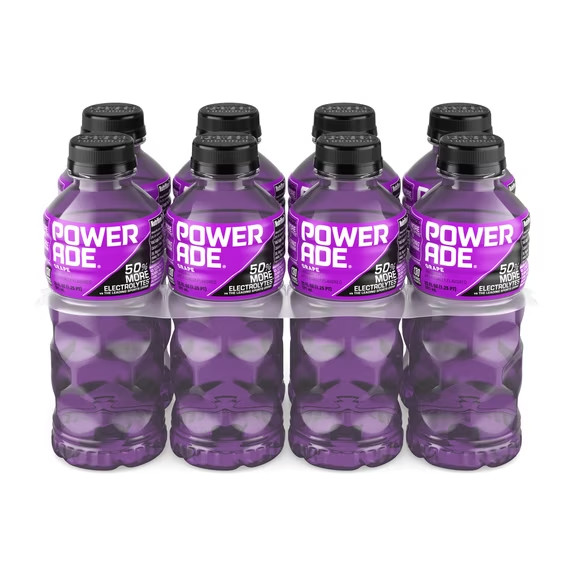 POWERADE Grape Electrolyte Sports Drink Bottles, 20 fl oz, 8 Pack$4.48
 View on eBay
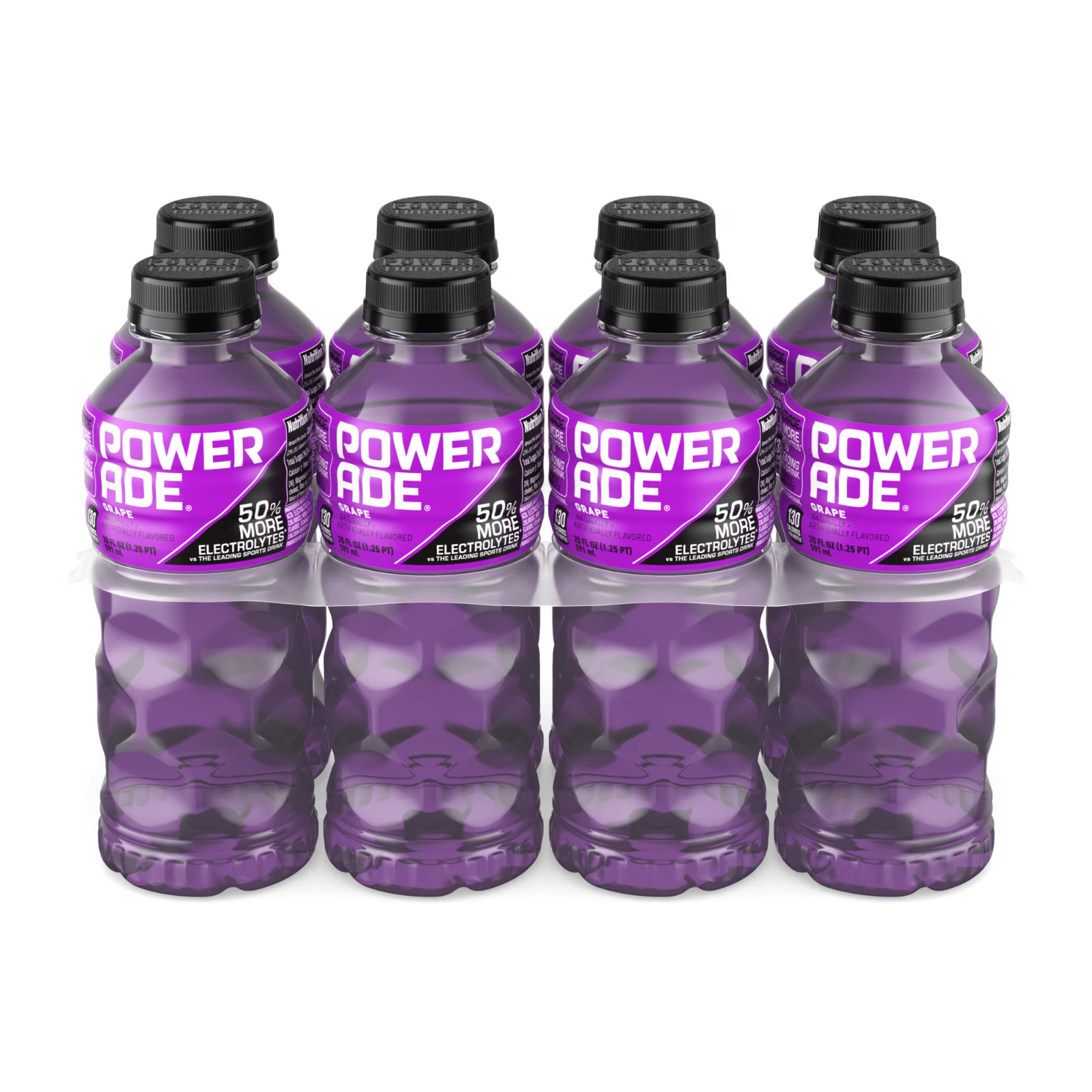 POWERADE Grape Electrolyte Sports Drink Bottles, 20 fl oz, 8 Pack$4.48View on eBay
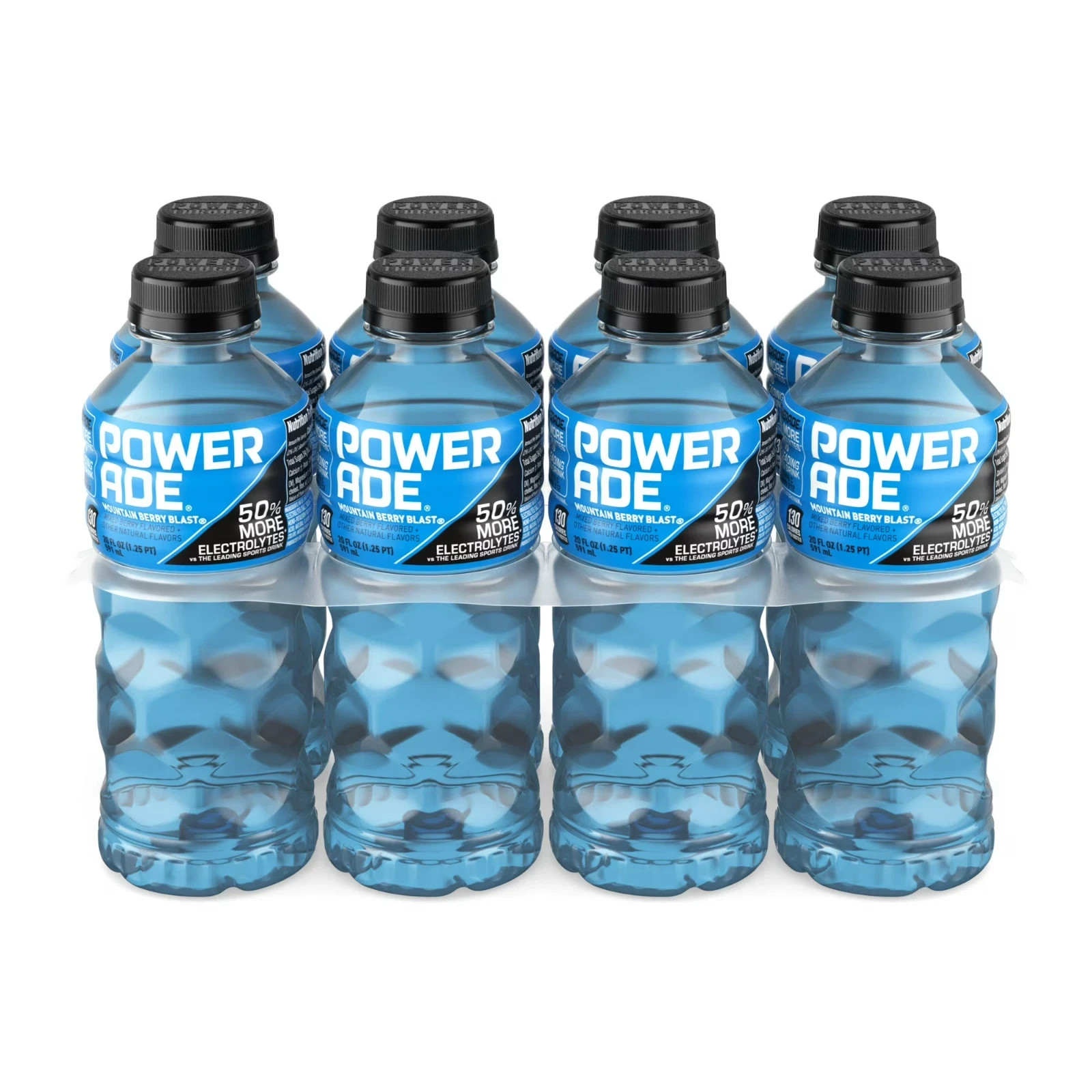 POWERADE Mountain Berry Blast Electrolyte Sports Drink Bottles, 20 fl oz, 8 PACK$4.50View on eBay
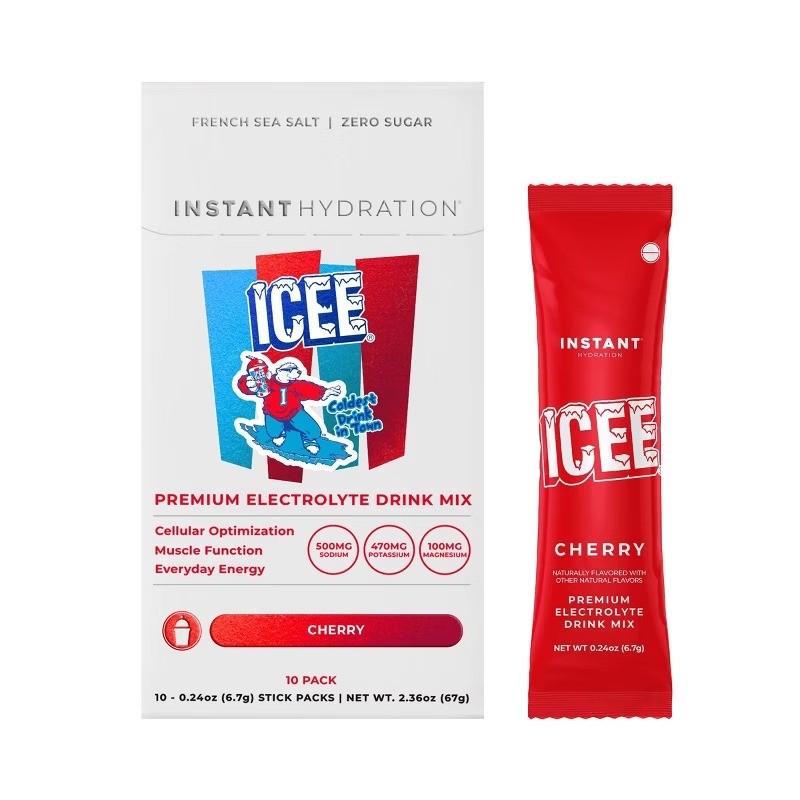 Icee Cherry Electrolyte Drink Mix Sports Drink - 10ct/67gms$11.49View on eBay
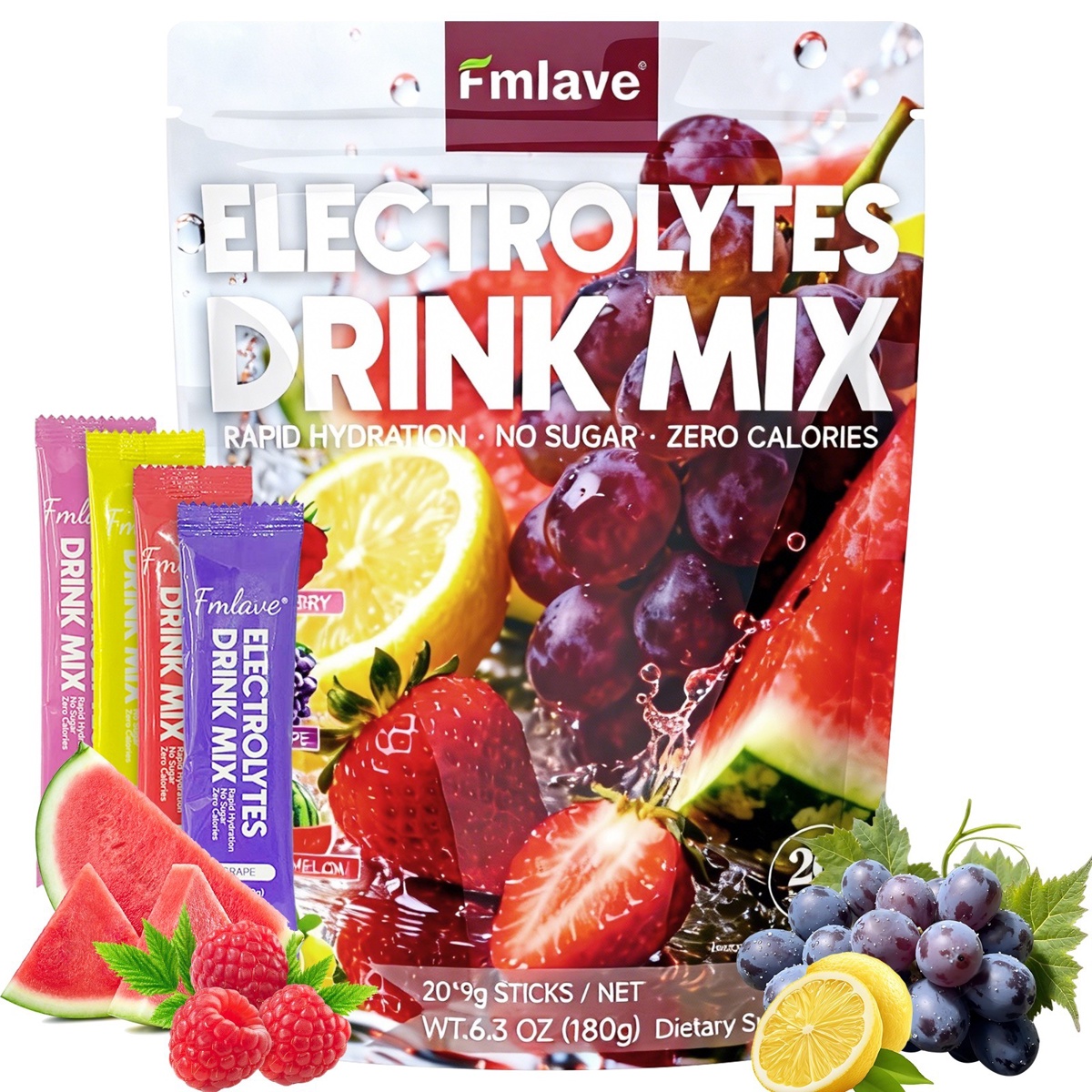 Hydration Mix Sport Drink Powder Sugar Free Essential Electrolyte 20 Sachets$19.99View on eBay
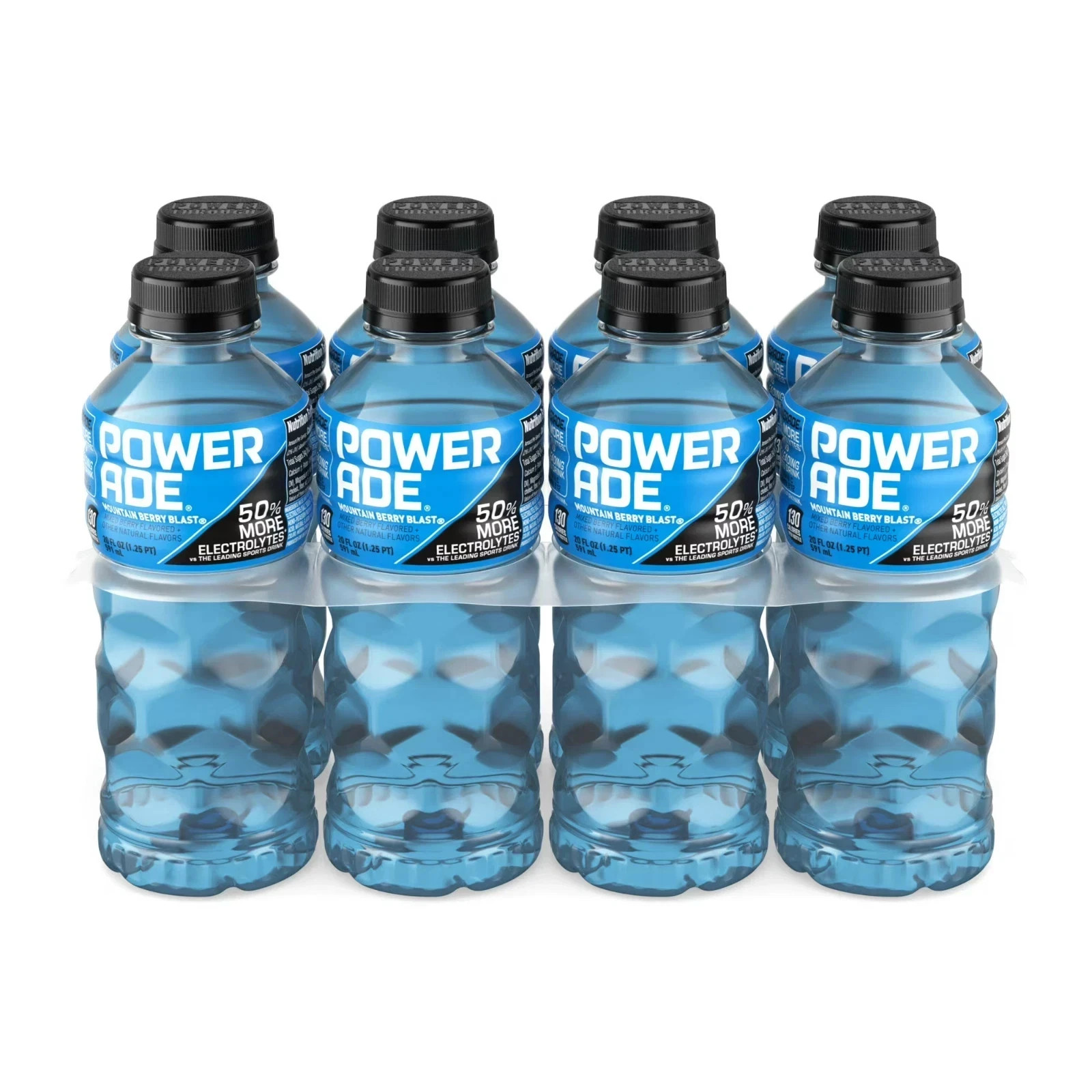 POWERADE Mountain Berry Blast Electrolyte Sports Drink Bottles, 20 fl oz, 8 PACK$34.00View on eBay
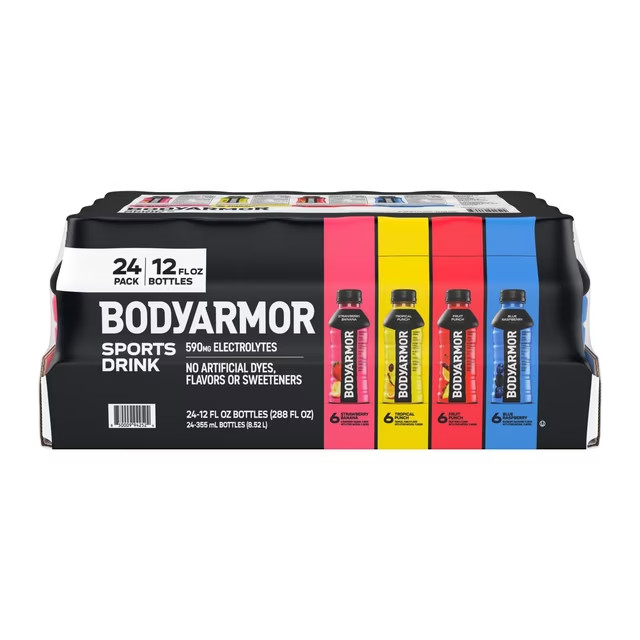 BODYARMOR Sports Drink Variety Pack 12 fl oz 24 Pack Electrolyte Hydration Mix$38.99View on eBay
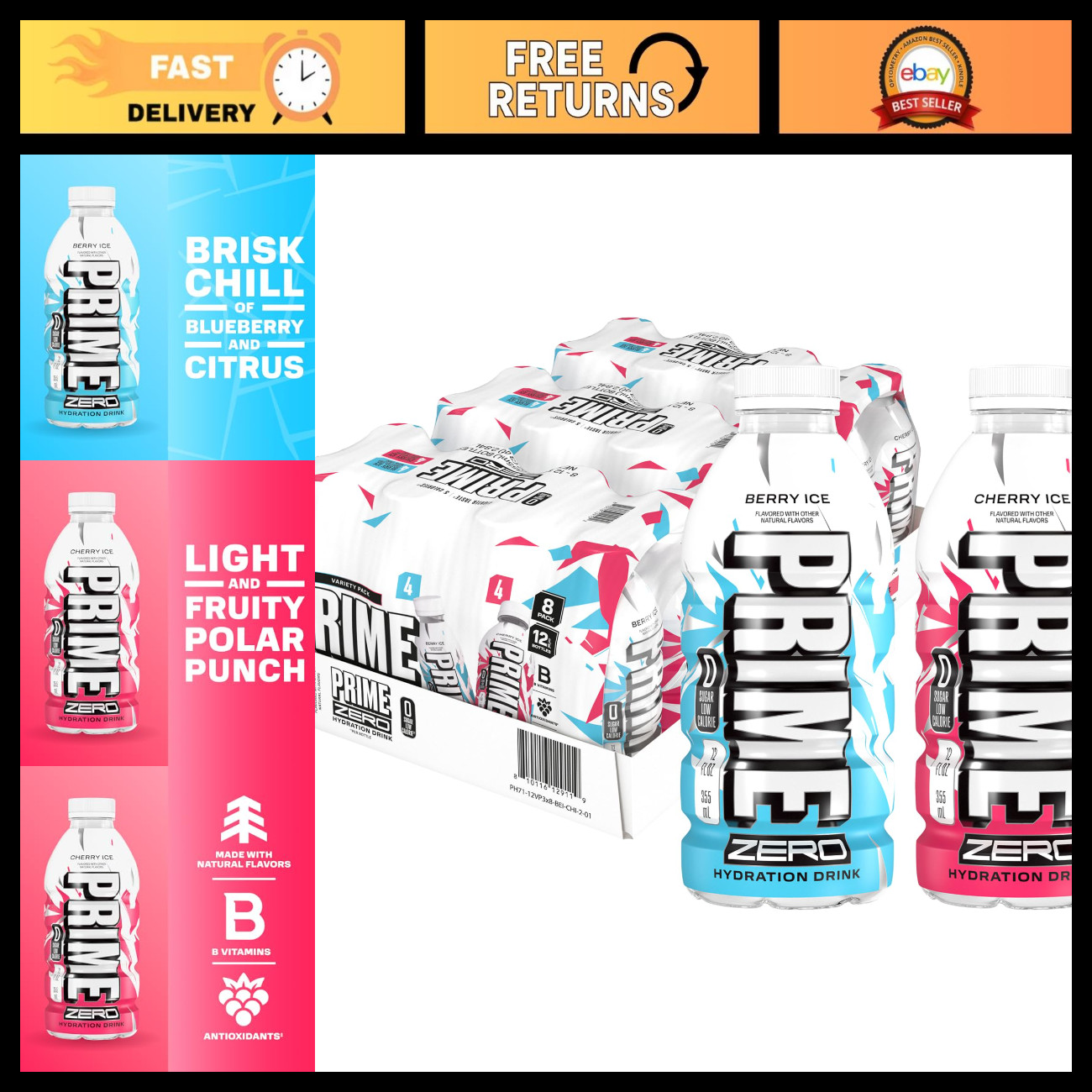 Sugar Free Sports Drinks - Electrolyte Enhanced, Low Calorie, B Vitamins, 24 Pac$55.99View on eBay
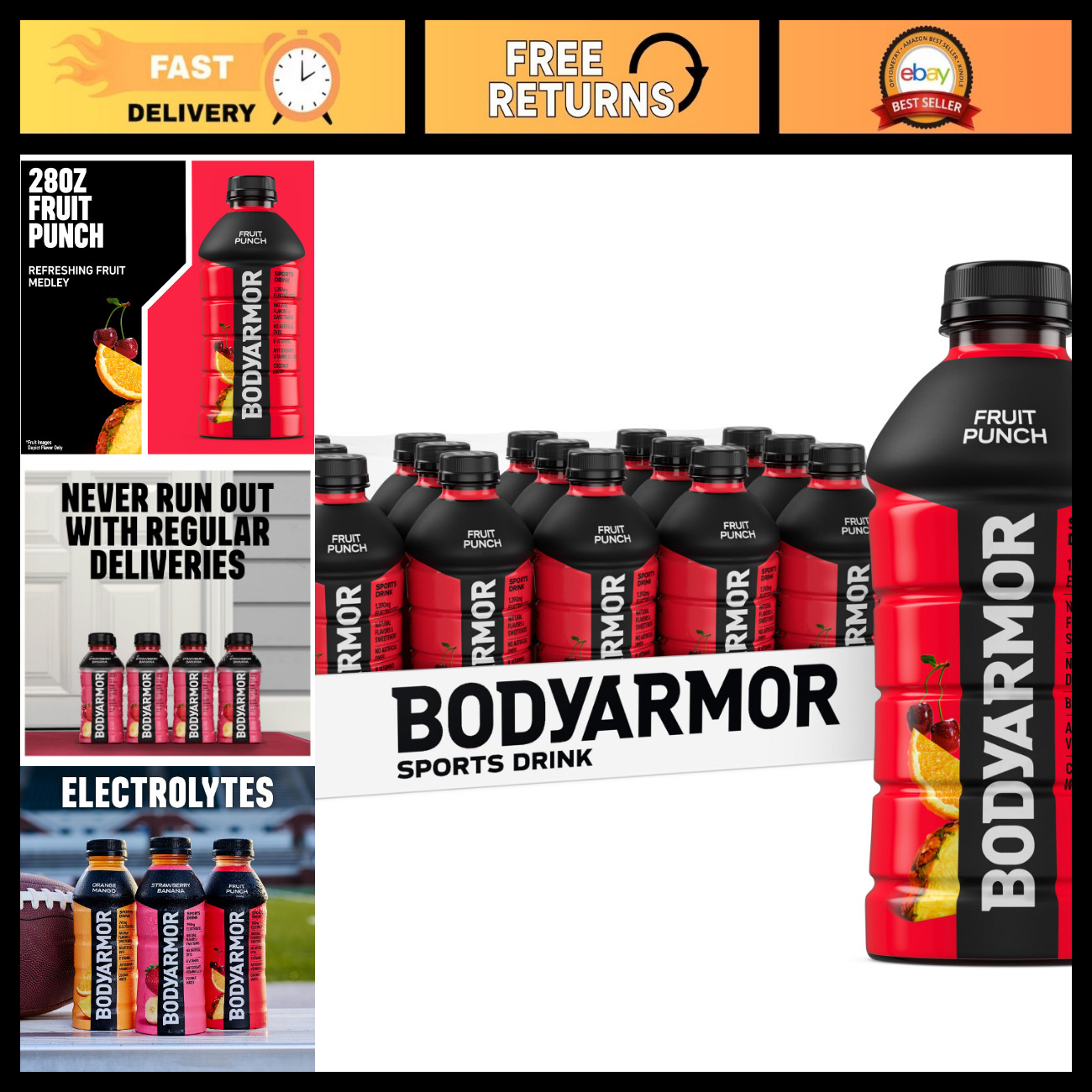 Electrolyte Sports Drink Variety Pack, Fruit Punch Flavor, 28 Oz (15 Bottles)$107.99View on eBay
Highlights
- Ready-to-drink sports drinks like POWERADE 20 fl oz bottles deliver roughly 34 mg sodium and 21 g sugar per bottle—a 6% carbohydrate solution that meets the ACSM threshold for rapid fluid absorption during sustained exercise.
- Sugar-free electrolyte powders and drops typically provide 200-500 mg sodium and 100-300 mg potassium per serving with zero sugar, but lack the carbohydrate that accelerates water uptake—best for daily hydration, not endurance fueling.
- BODYARMOR 12 fl oz bottles use coconut water and cane sugar for a lower-sodium, higher-potassium profile (approx. 30 mg sodium, 20 g sugar per bottle), suited to casual hydration rather than heavy sweat replacement.
- Powder sachets and tubs are the most cost-efficient and portable format, letting you mix 16-24 fl oz per serving; check that the scoop or stick provides at least 300 mg sodium for exercise-level replacement, versus 100-200 mg for flavored water.
Best use cases
- Choose 20 fl oz ready-to-drink bottles (8-pack) if you need grab-and-go hydration for team sports, gym sessions, or outdoor work where mixing powder is impractical—skip if you are watching sugar intake or need >500 mg sodium per serving.
- Choose sugar-free powder sachets or tubs if you want daily electrolyte supplementation with minimal calories and maximum portability—ideal for office, travel, or low-intensity exercise; skip for endurance events over 90 minutes where carbohydrate matters.
- Choose a variety pack of 12 fl oz bottles (24-pack) for household or office stocking where flavor rotation prevents fatigue—best for casual hydration; skip if you need clinical-grade sodium levels for heavy sweating.
- Choose liquid electrolyte drops if you want to add electrolytes to your own water bottle without flavor or sweetness—best for hikers and athletes who prefer unflavored; skip if you need carbohydrate fuel or precise sodium dosing per serving.
Buying tips
- Match sodium content to sweat rate: recreational exercise (under 60 min) needs 100-300 mg sodium per serving; endurance or hot-weather work (over 60 min) needs 300-700 mg. Check the nutrition panel, not the front label.
- For exercise over 60 minutes, choose a drink with 6-8% carbohydrate (14-20 g per 8 fl oz) and at least 300 mg sodium—this combination is proven to maintain blood glucose and hydration better than water alone.
- Powder sachets are the most cost-effective format per serving and have the longest shelf life; bottled drinks cost more per ounce but eliminate mixing and are reliably portioned for one serving.
- Sugar-free formulas use sucralose, stevia, or monk fruit—stevia and monk fruit are plant-derived and preferred by buyers avoiding artificial sweeteners; check the sweetener source if that matters to you.
Specs
| Format | Ready-to-drink / Powder / Drops |
|---|---|
| Sugar per Serving | 0 g (sugar-free) to 21 g (full-sugar) |
| Sodium per Serving | 100-700 mg (check label) |
| Pack Size | 8-24 bottles / 10-20 sachets |
Related searches
What to check before buying
- Measure your typical sweat loss: weigh yourself before and after a 1-hour workout—each pound lost equals about 16-24 fl oz of fluid, which sets the number of servings you need per session.
- Check your activity duration: under 60 minutes, sugar-free or low-calorie is sufficient; over 60 minutes of hard effort, choose a carbohydrate-containing formula with 6-8% sugar.
- Confirm storage space and fridge capacity for multi-pack bottles (8-24 count) or shelf space for powder tubs; powder sachets are the most compact for small kitchens or travel.
- Verify sodium content on the nutrition facts panel (not the front-of-pack claims) and compare against your sweat rate and climate—hot, humid environments demand higher sodium (500+ mg per serving).
FAQ
Data sources: eBay / Amazon listings and product attribute feeds Data updated Nov 18, 2026.
Some links on this page are affiliate links. If you buy after clicking one, we may earn a commission at no extra cost to you. This does not change which products appear here or their order. Affiliate disclosure.