Photos from current listings. Actual item, color, and included accessories may vary.
Dairy Buying Guide
Dairy covers fluid milk, cream, cultured products, and plant-based alternatives, with the core trade-off between fresh perishable nutrition and shelf-stable convenience. The decisive rule: buy refrigerated dairy for taste and texture, shelf-stable (UHT) for pantry resilience, and confirm package size, fat level, and closure type before choosing a tier.
Processing:HTST (refrigerated) vs UHT (shelf-stable)Milkfat:Whole 3.25% / 2% / 1% / skim <0.5%Plant Base:Oat / almond / pecan / barista blendPackaging:Gable-top carton / PET bottle / glass
Typical price range$0.99 – $35.99


At a glance
- Category
- Dairy, Beverages & Breakfast
- Data updated
- Nov 18, 2026
Current offers
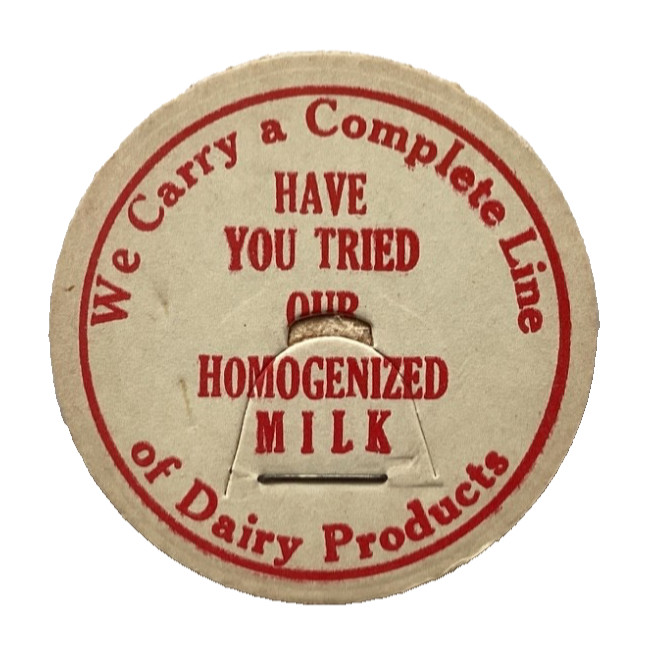 LOT of 4 WE CARRY A COMPLETE LINE OF DAIRY PRODUCTS MILK MILK BOTTLE CAPS$0.99
 View on eBay
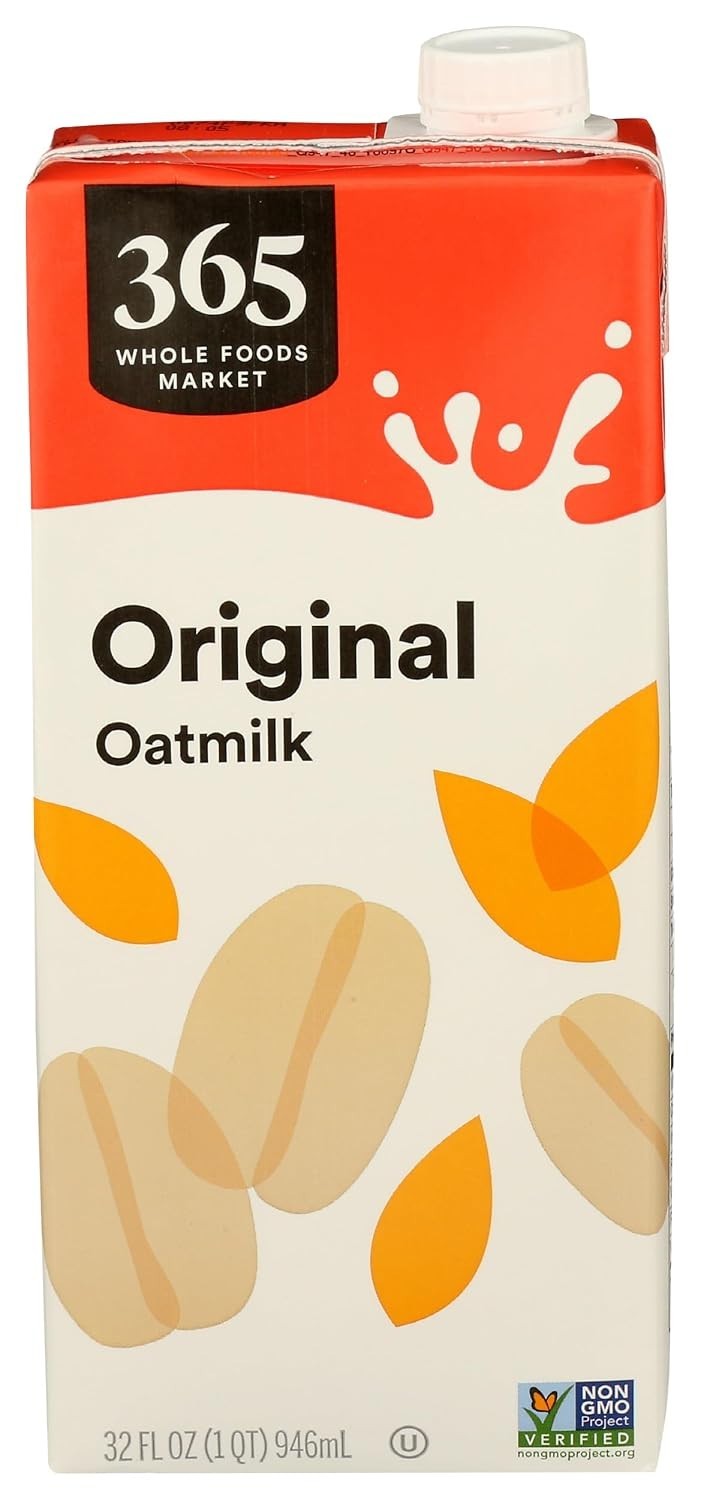 32 Fl Oz Organic Oat Milk - Smooth Plant-Based Alternative to Dairy$4.99View on eBay
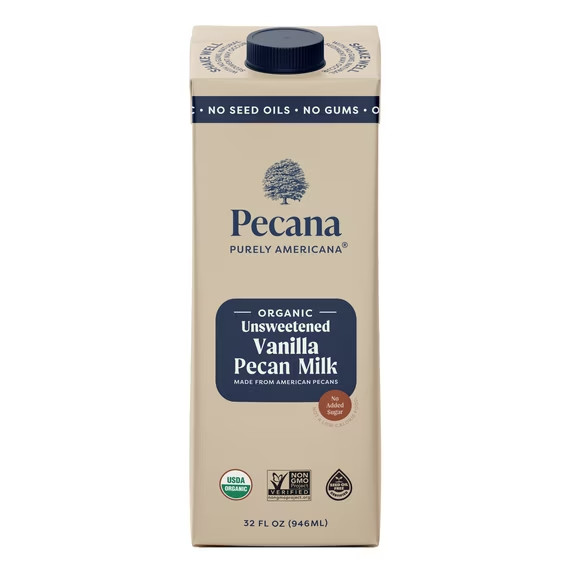 Pecana USDA Organic Unsweetened Vanilla Pecan Milk, 32 fl oz Carton, Non-Dairy P$5.25View on eBay
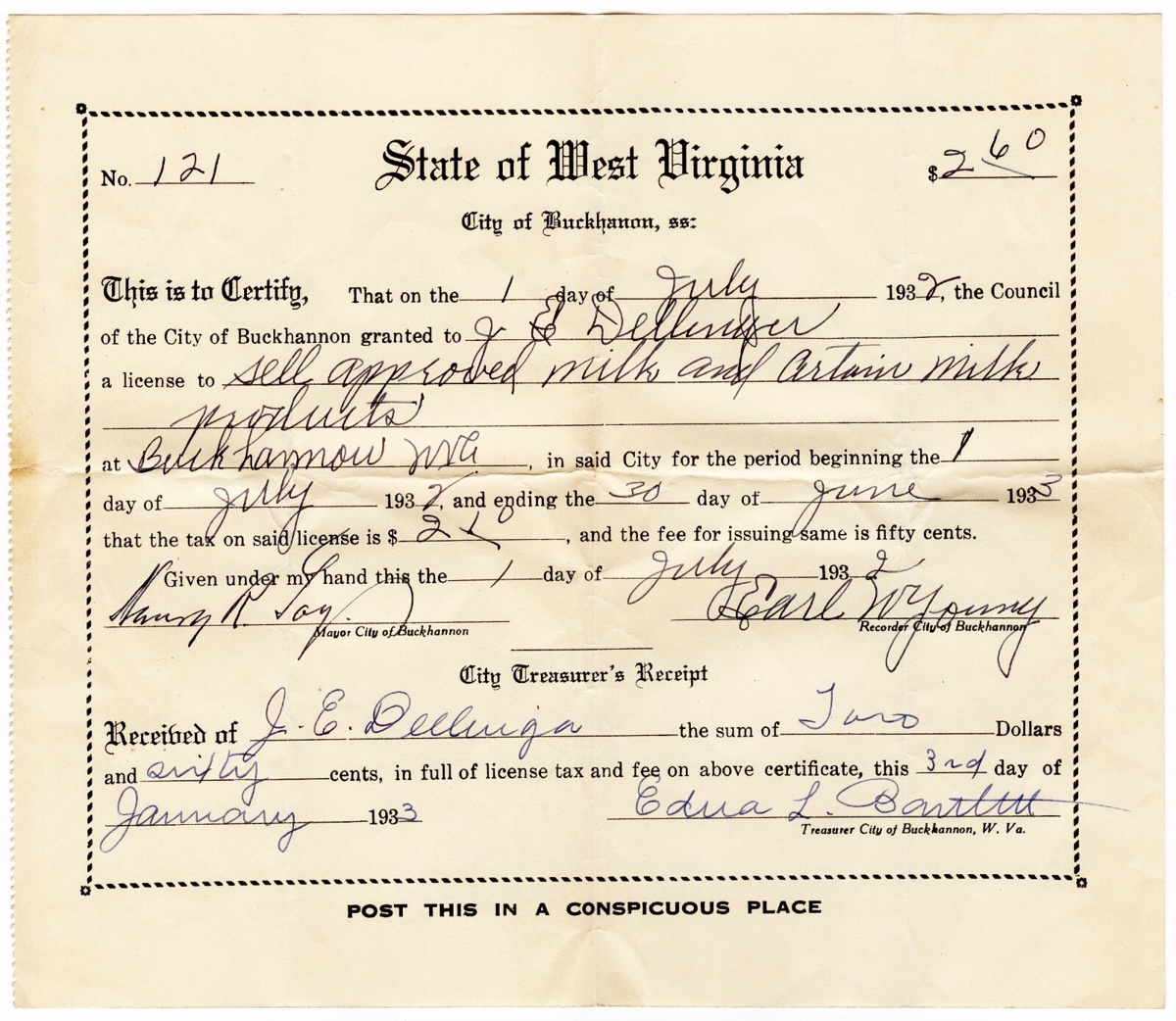 1932 STATE LICENSE to SELL MILK and DAIRY Products Buckhannon West Virginia HTF$5.85View on eBay
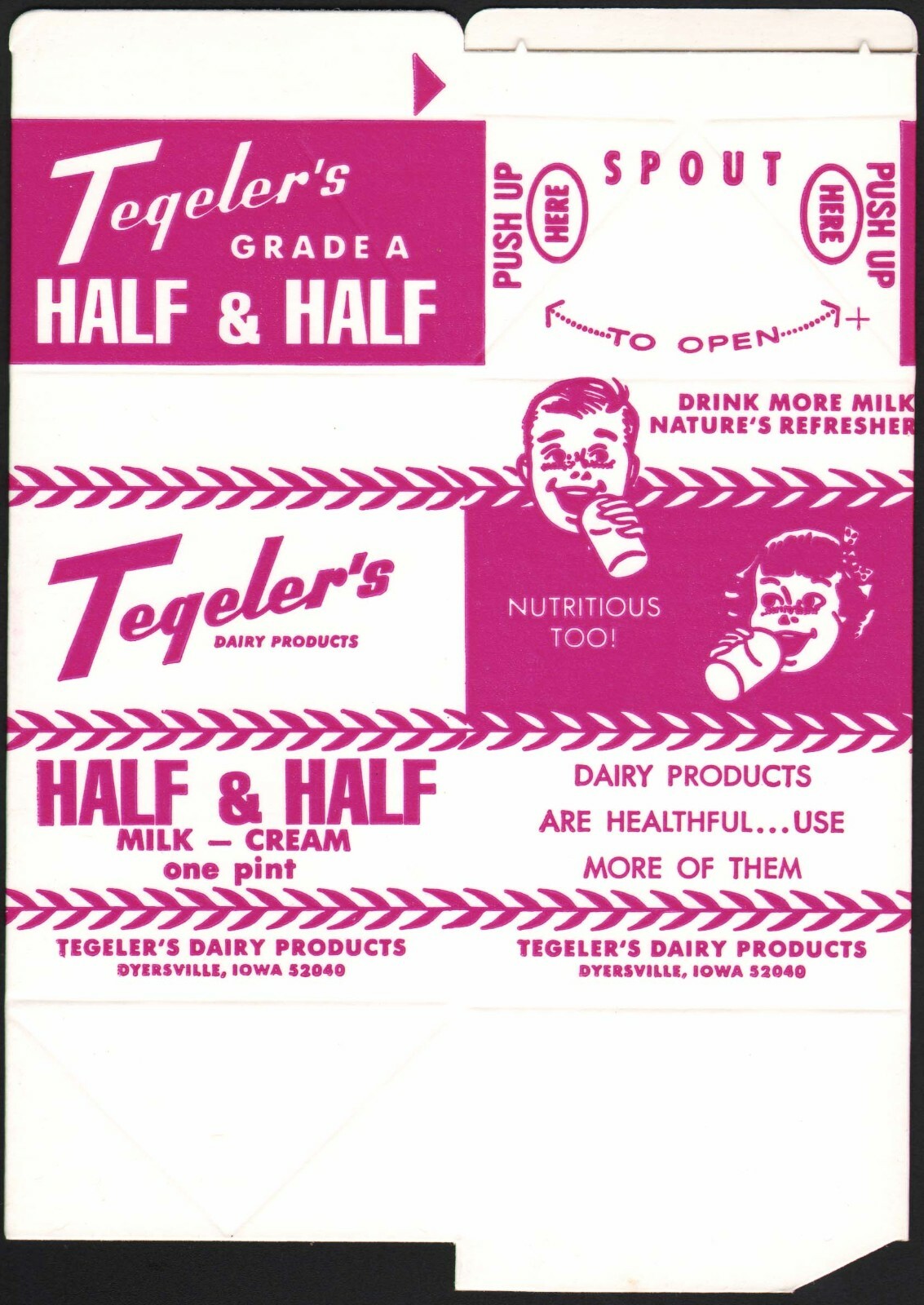 Vintage box TEGELERS DAIRY Half and Half milk carton Dyersville Iowa unused nrmt$6.29View on eBay
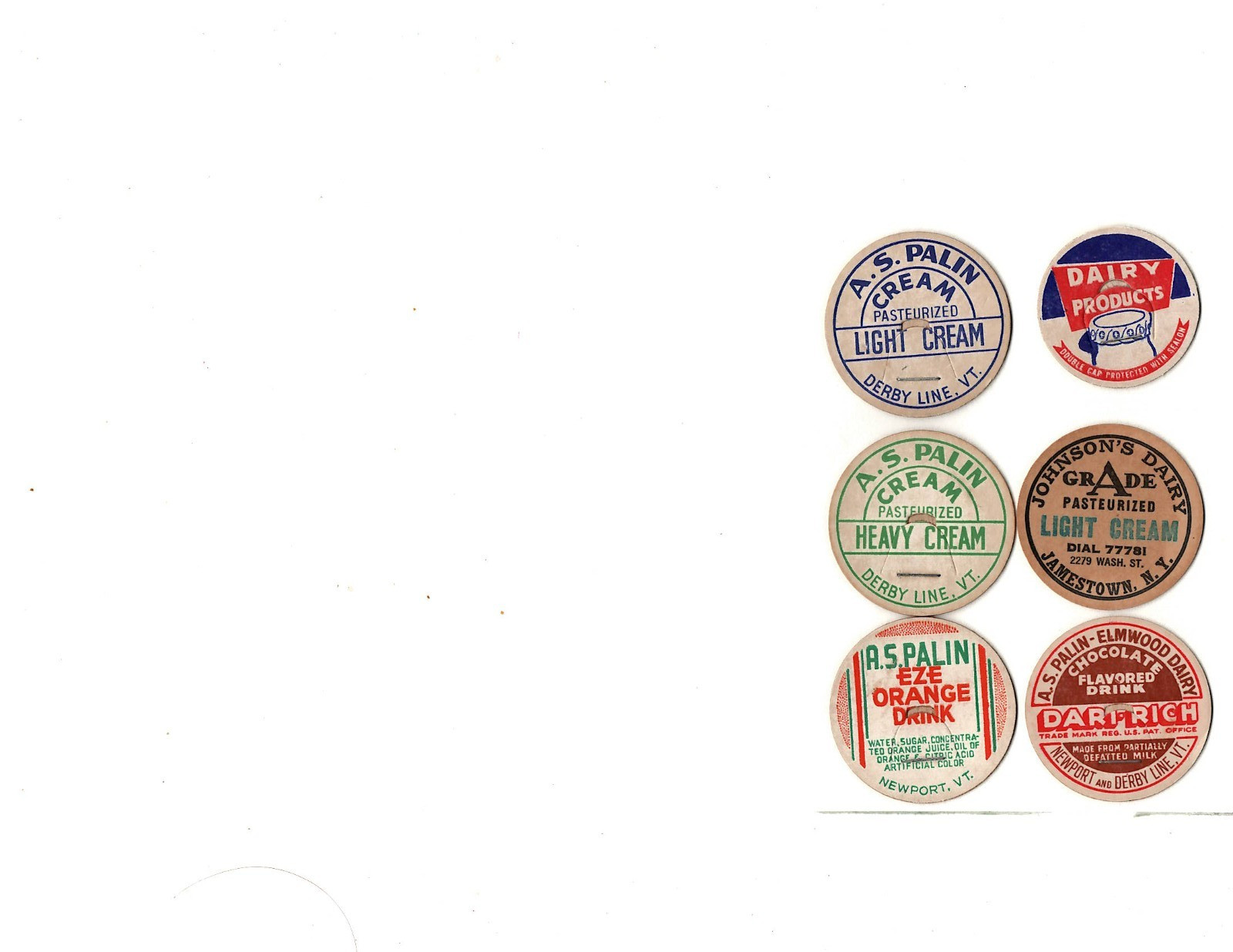 Milk Bottle Caps 6 pcs assorted A.S. Palin, Johnson Dairy and Dairy Products$6.50View on eBay
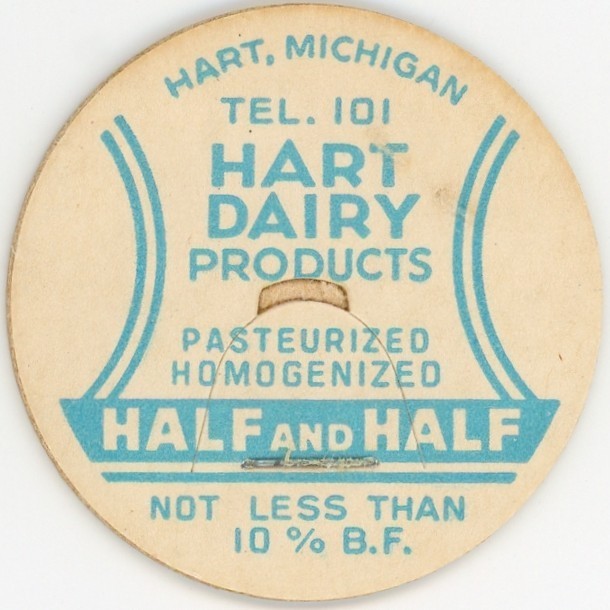 Milk Cap - Hart Dairy Products - Hart, MI (Michigan) - TEL. 101 -- HALF and HALF$6.55View on eBay
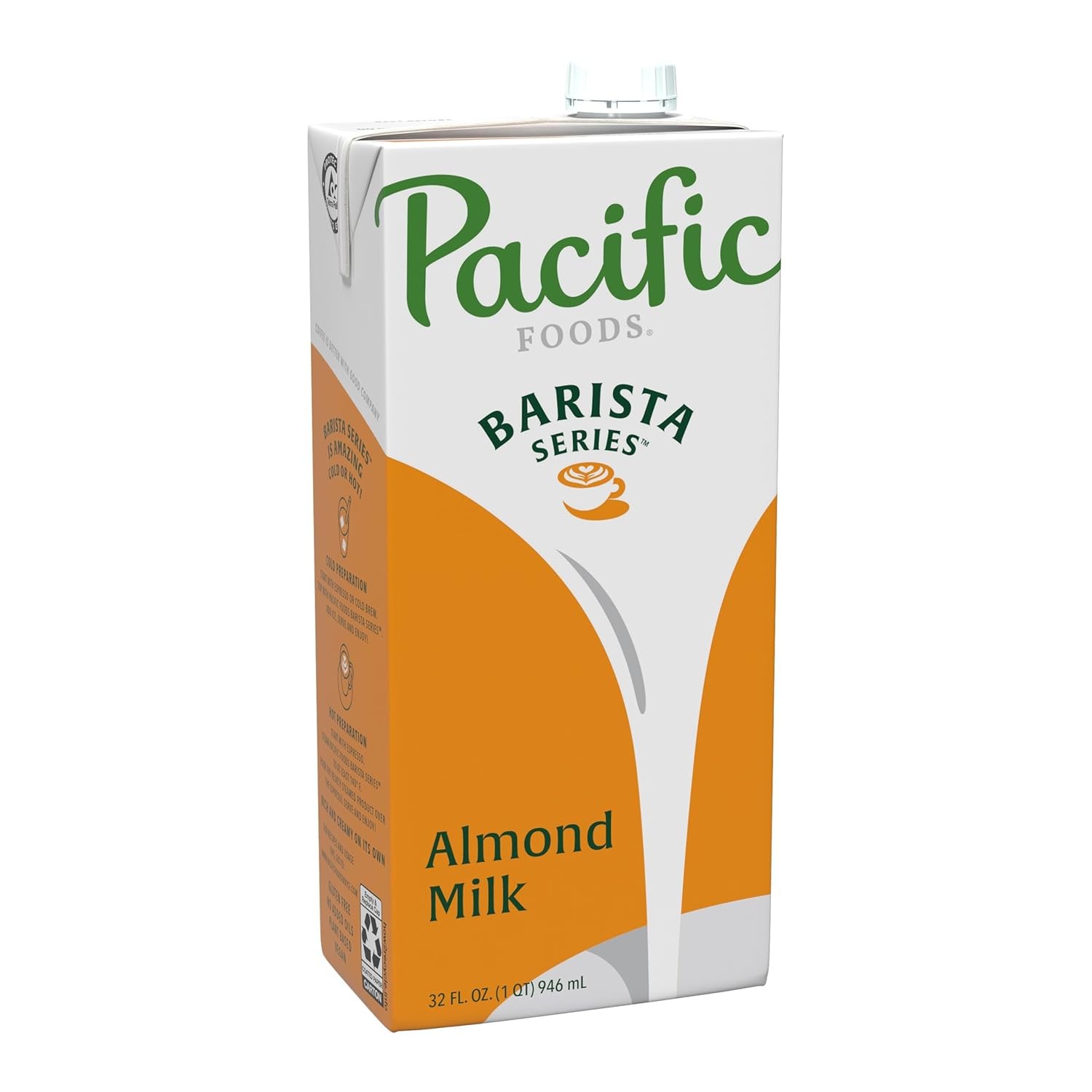 Pacific Foods Barista Series Almond Milk 32 oz Carton Plant Based Non Dairy$7.15View on eBay
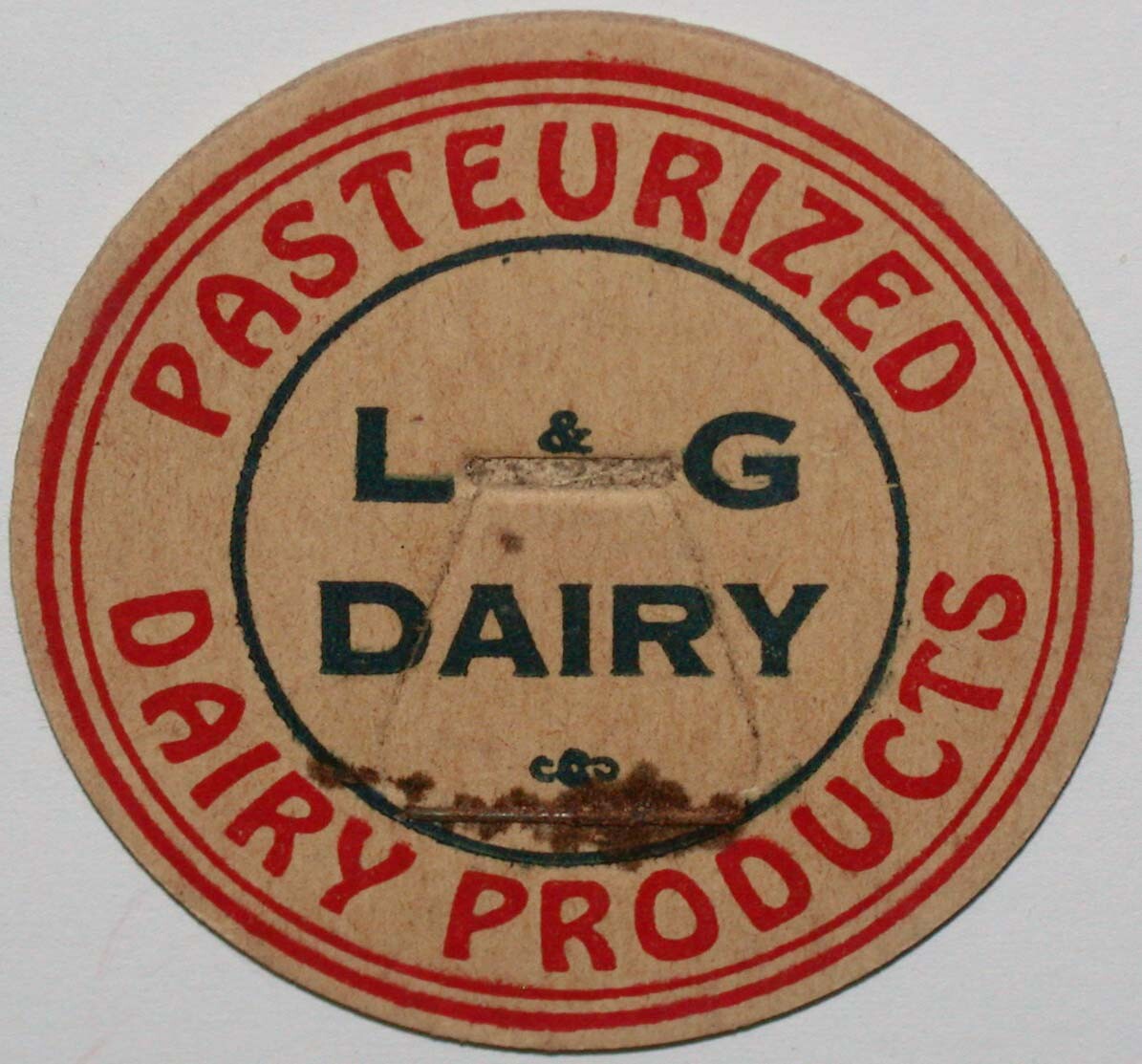 Vintage milk bottle cap L and G DAIRY Pasteurized Dairy Products new old stock$9.99View on eBay
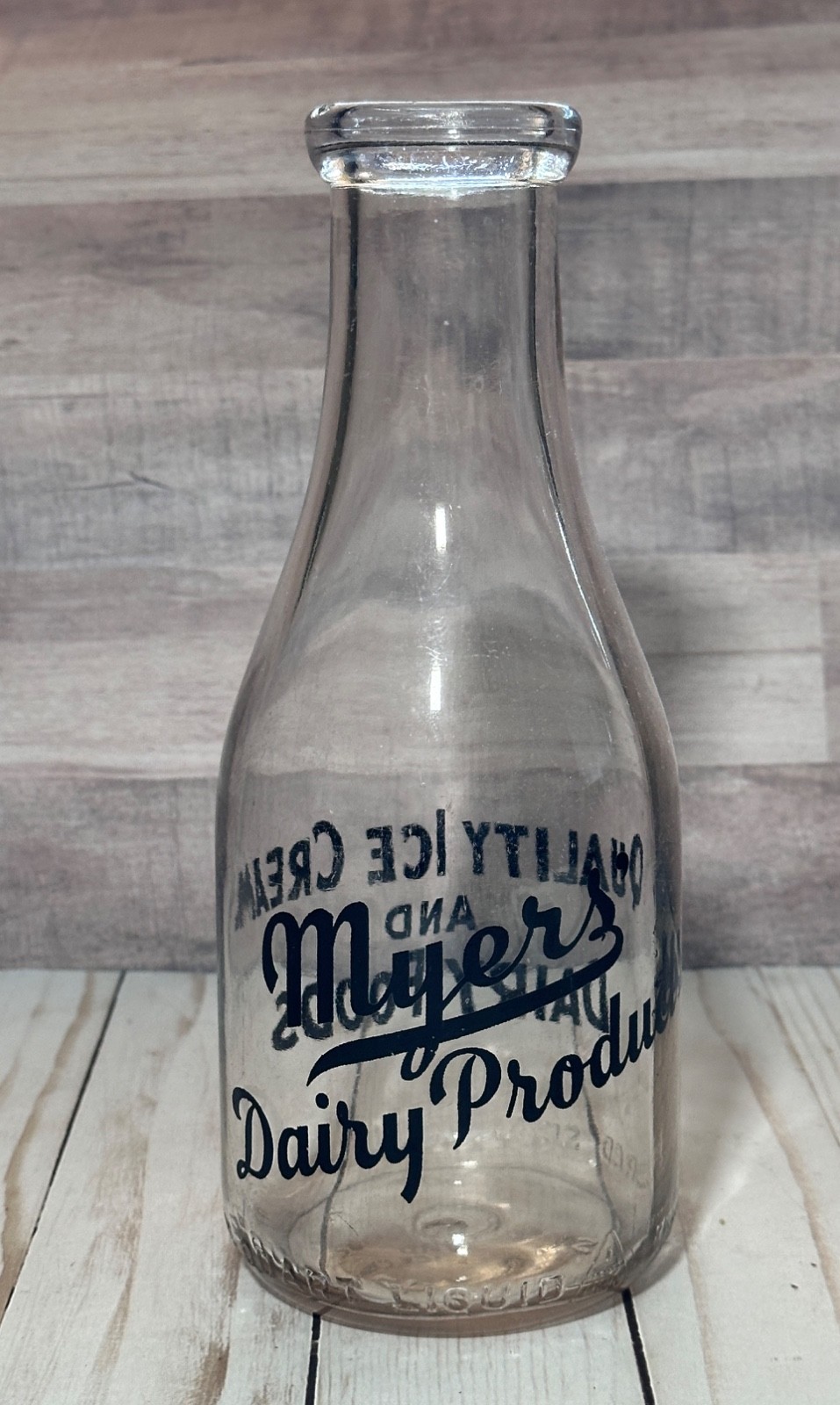 Vintage Myers' Dairy Milk Bottle 1 Quart Quality Ice Cream and Dairy Foods$17.99View on eBay
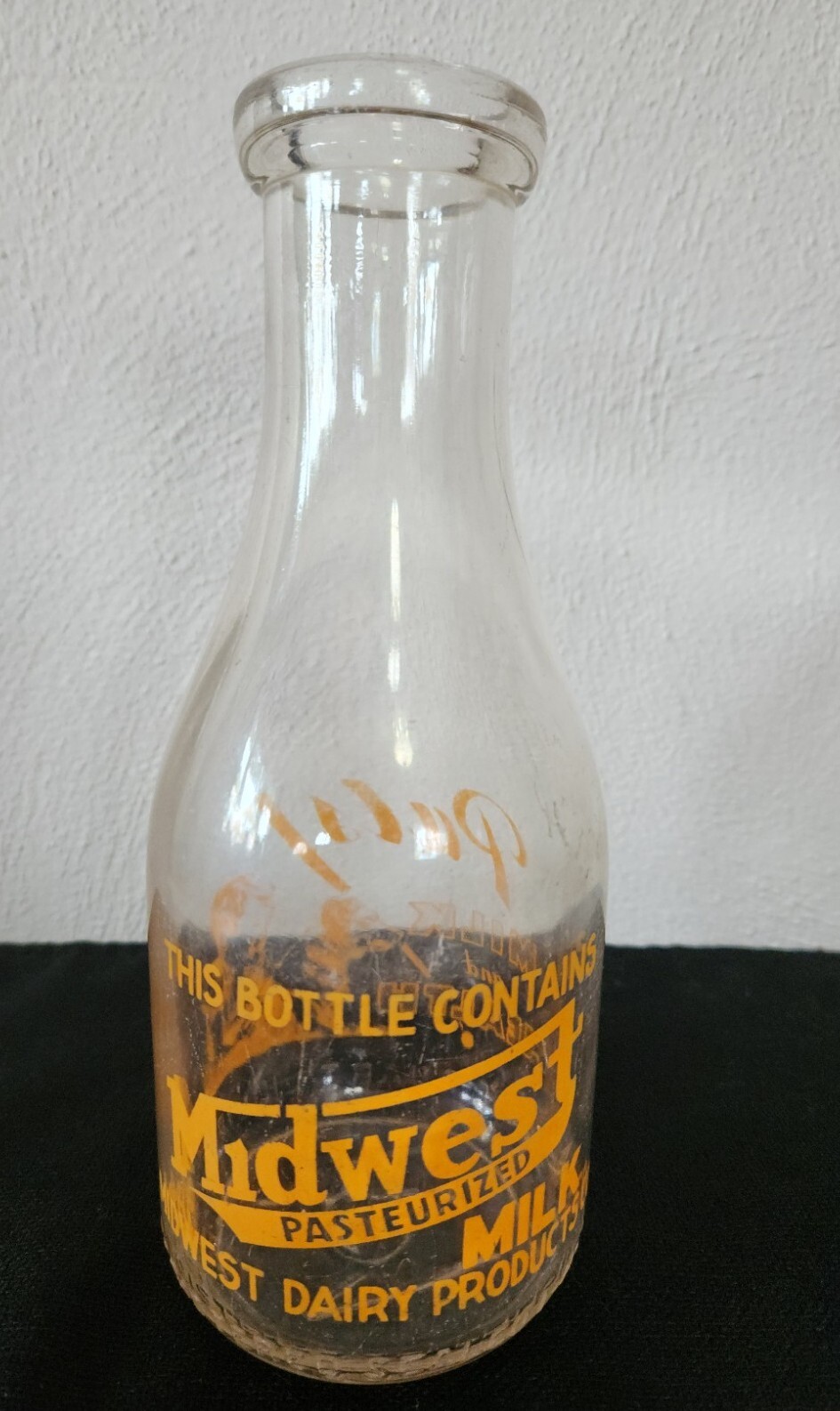 1 Quart Milk Bottle Midwest Dairy Products Pals Milk And Health Dog and Boy$18.00View on eBay
- Vintage Myers' Dairy Milk Bottle 1 Quart Quality Ice Cream and Dairy Foods$19.99View on eBay
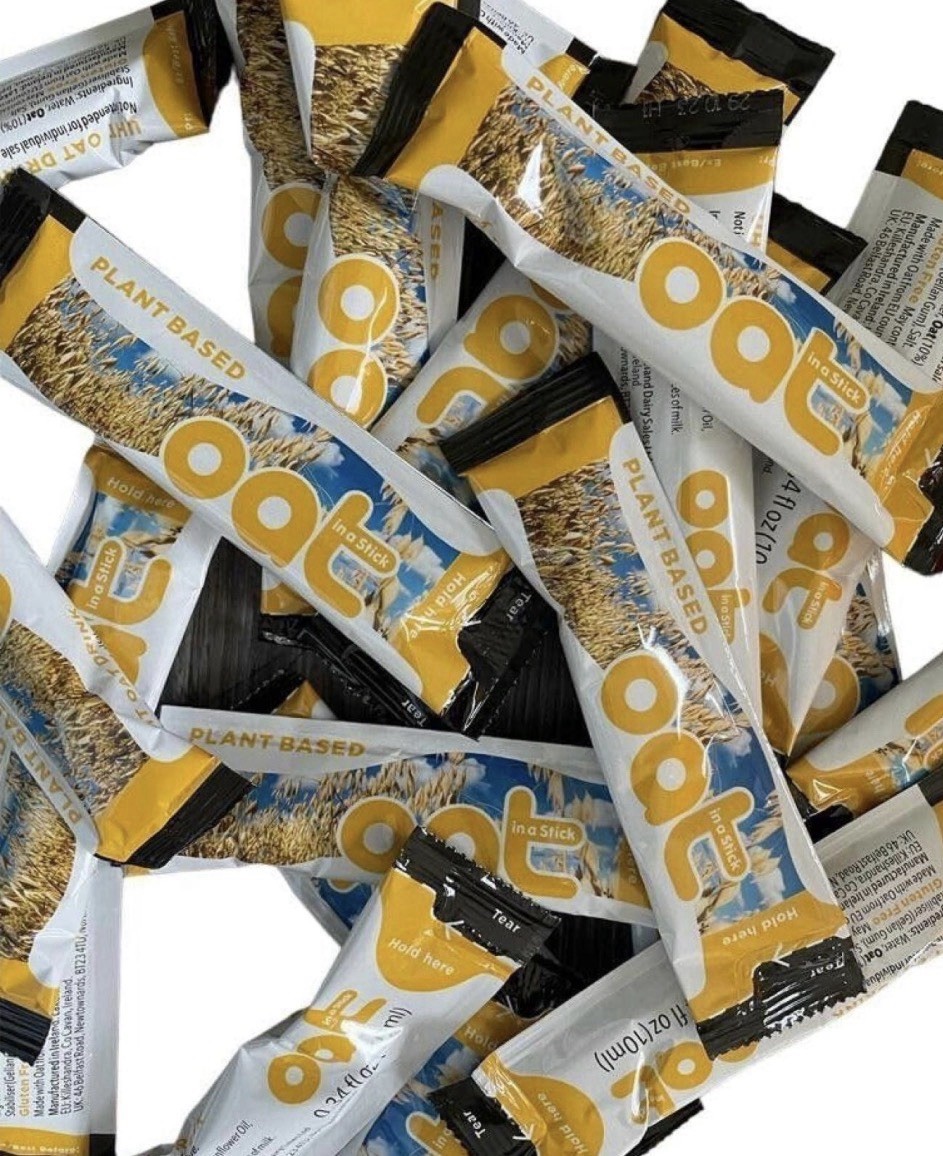 50 X Lakeland Dairies’ ‘Oat in a Stick’ Single Serve Plant Based Coffee Creamer$35.99View on eBay
Highlights
- HTST pasteurization (72°C/15s) requires refrigeration and gives 2–3 weeks shelf life; UHT (135–150°C/2–5s) enables 6–12 months ambient storage.
- Fat standardization drives whipping and mouthfeel: whole milk 3.25%, reduced-fat 2%, low-fat 1%, skim <0.5%; heavy cream must be ≥36% milkfat.
- Plant-based milks vary by base: oat (creamy, higher carbs), almond (low protein), pecan (nutty, low protein), and barista blends add oils for foam stability.
- Closure and packaging integrity matter: screw caps on gable-top cartons must seal fully; glass bottles need compatible caps and cold-chain handling.
Best use cases
- Best fit: refrigerated HTST whole milk in gable-top cartons for daily cereal and coffee—skip UHT if you want fresher flavor and plan to consume within two weeks.
- Best fit: shelf-stable UHT plant milks (oat, almond, pecan) in 32 fl oz cartons for pantry backup and travel—skip refrigerated plant milks if storage space is tight.
- Best fit: heavy cream ≥36% fat for whipping and cooking—skip half-and-half (10–18% fat) when you need stable peaks or rich sauces.
- Wrong fit: buying vintage bottle caps or license ephemera as consumable dairy—those are collectibles, not food-safe closures for current bottles.
Buying tips
- Match fat percentage to use: 3.25% whole for drinking and cereal, 2% for balanced everyday, ≥36% cream for whipping; half-and-half is 10–18% fat and will not whip.
- For plant milks, choose 'barista' blends when foaming for espresso; standard oat/almond blends separate under steam without added stabilizers.
- Check package format: gable-top cartons are recyclable but not resealable after opening unless screw-capped; PET bottles reseal but are less oxygen-barrier.
- Verify lactose-free labels mean lactase added (hydrolyzed lactose) rather than simply reduced lactose; both are safe but only hydrolyzed suits severe intolerance.
Specs
| Processing | HTST (refrigerated) vs UHT (shelf-stable) |
|---|---|
| Milkfat | Whole 3.25% / 2% / 1% / skim <0.5% |
| Plant Base | Oat / almond / pecan / barista blend |
| Packaging | Gable-top carton / PET bottle / glass |
Related searches
What to check before buying
- Confirm refrigerator space: HTST milk needs 35–40°F (2–4°C) and a dedicated shelf; UHT cartons need cool, dry storage below 75°F (24°C).
- Measure your bottle/carton opening against cap diameter—vintage or third-party caps may not fit standard 38mm or 48mm necks.
- Check label for 'Grade A' or equivalent pasteurization standard and a sell-by date that allows your expected consumption window.
- For plant milks, read the ingredient list for added oils, gums, or sugars if you need unsweetened or allergen-free options.
FAQ
Data sources: eBay / Amazon listings and product attribute feeds Data updated Nov 18, 2026.
Some links on this page are affiliate links. If you buy after clicking one, we may earn a commission at no extra cost to you. This does not change which products appear here or their order. Affiliate disclosure.